
Tire Vibration at Speed: Causes, Diagnosis & Fixes
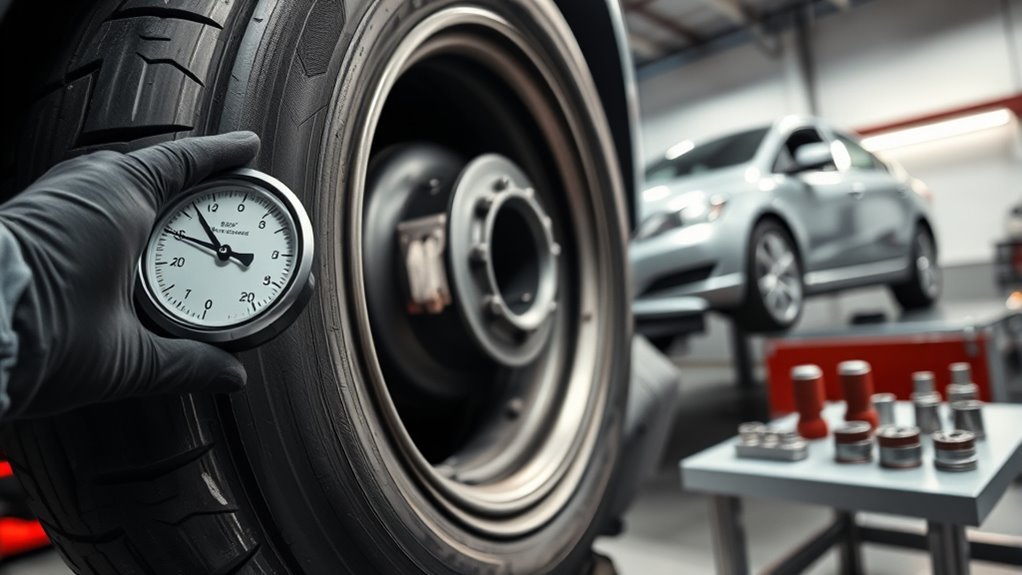
You’ll usually feel tire vibration as a steering-wheel shake above about 50 mph, often caused by wheel imbalance, uneven tread (cupping, flat spots), or worn suspension and steering parts. Start with tire pressure, visual tread and rim checks, then get static/dynamic balance and a road-force test; replace or rotate worn tires and repair bent rims or bad bearings. Proper alignment and component replacement stop recurring shudders, and the next sections show concrete diagnostic steps and repair options.
Quick Answer: Is It Tire Vibration?

Wondering if that buzz at highway speeds is coming from your tires? You’ll first note it above 50 mph as a vibration or steering tremor. Check tire pressure—underinflation amplifies imbalance and uneven wear—then inspect tread for irregular patterns from missed rotations or misalignment. If the feeling persists despite correct pressure and visible wear seems even, consider road force imbalance; standard balancing won’t always catch this and specialized equipment may be needed. Don’t ignore how seasonal changes affect pressure and compound wear: colder temps lower tire pressure, warmer temps raise it, altering contact patches and vibration onset. You’ll also watch for pulling to one side, which signals alignment or localized tire defects requiring prompt inspection. Follow a maintenance cadence—balance and align around every 6,000 miles—to prevent progressive vibration. You’re aiming for freedom from distraction: diagnose quickly, fix precisely, and get back to smooth, liberated driving.
Checklist: Signs of Tire Vibration
You’ll notice tire vibration most often as a steering wheel tremor that appears or worsens at speed—note the specific speed range and whether it’s steady or rhythmic. Inspect your tires for uneven wear patterns like cupping, scalloping, or flat spots, since these defects directly cause persistent shakes. Use those two checks to prioritize balancing, alignment, or tire replacement before problems escalate.
Steering Wheel Tremor
A steering wheel tremor that shows up above about 50 mph usually points to tire imbalance or alignment problems and deserves prompt attention; check for uneven wear patterns like cupping or flat spots, inspect suspension components (tie rods, ball joints) for play, and note whether shaking worsens under braking—which would suggest warped rotors. You should evaluate steering feedback to determine whether vibration is isolated to the wheel or transmitted through the chassis. Measure vibration thresholds by road-testing at incremental speeds and noting onset RPM/speed. Perform wheel balancing, alignment, and suspension inspection before assuming tire replacement. If braking amplifies the tremor, prioritize rotor measurement and brake service. Regular maintenance every 6,000 miles reduces recurrence and frees you from repetitive steering instability.
Uneven Tire Wear
Uneven tire wear—manifesting as cupping, flat spots, or irregular tread thinning—often causes steering-wheel vibration, pulling, and degraded ride quality above about 50 mph, so inspect tires every 5,000–7,500 miles for these signs. If you see asymmetric wear patterns, act: improper tire rotation, misalignment, or worn suspension components are common causes. Check pressures first, then verify camber/toe and suspension bushings, bearings, and shocks. Rotate tires per manufacturer intervals to equalize wear and extend life. Addressing wear promptly restores balance, improves fuel efficiency, and prevents costly downstream repairs, freeing you from recurring vibration. If corrective maintenance doesn’t eliminate vibration, have a technician do a dynamic balance and alignment check and replace any tires with irreversible damage.
DIY Diagnosis: Visual Checks & Road Test
Start with a quick tire visual inspection, looking for cupping, flat spots, and uneven tread that point to balance or suspension problems. Then perform a steering wheel feel test at low speeds and a controlled highway speed roadcheck above 50 mph to note vibrations in the wheel, seats, or unusual handling. If vibrations persist despite correct pressures and visible condition, suspect imbalance, alignment, or internal tire defects and pursue professional road-force testing.
Quick Tire Visual Inspection
When you suspect vibration at speed, begin with a focused visual inspection of each tire and rim: scan for cupping, flat spots, bulges, cuts, sidewall cracks, and any rim bends or dents that could upset balance. You want quick, decisive checks that free you from uncertainty. Focus on tire pressure and rim inspection first, then methodically verify condition.
- Inspect tread for uneven wear patterns (cupping, flat spots) that hint at alignment or suspension faults.
- Check for bulges, punctures, cuts, and sidewall cracking; these are immediate safety risks and vibration sources.
- Measure and set tire pressure to manufacturer specs; improper inflation causes instability at speed.
- Examine rims for bends or dents after impacts; damaged rims commonly induce imbalance.
Finish with a short road test to confirm findings.
Steering Wheel Feel Test
After your quick visual checks and pressure adjustments, take the car onto a straight, smooth stretch and note how the steering wheel feels at different speeds—especially between 50–70 mph where imbalance or bent wheels usually reveal themselves. Focus on steering response and tire pressure effects: confirm pressures match the placard, then drive steady runs at incremental speeds. If you feel a rhythmic vibration in the wheel that intensifies between 50–70 mph, suspect wheel imbalance or a bent rim. A persistent wobble or consistent pull to one side points to alignment or worn suspension parts. Vary throttle and brake inputs; if vibration changes with acceleration or braking, record those conditions. Use these observations to prioritize balancing, alignment, or component inspection—take control and act decisively.
Highway Speed Roadcheck
Begin by performing a targeted visual check and pressure verification before any highway run: inspect each tire for uneven wear, bulges, cuts, or embedded debris and confirm pressures match the vehicle placard, because these defects and incorrect inflation are common causes of high-speed vibration. Then execute a structured roadcheck to isolate the issue and reclaim confident control. During the run, document speed-specific behavior and feel.
- Note vibration onset speed (usually >50 mph) and whether it’s constant or intermittent.
- Record steering wheel tremble versus seat/dashboard vibration to distinguish tire imbalance from drivetrain or chassis faults.
- Re-check pressure check and confirm correct tire rotation history; unequal wear flags alignment or balance needs.
- Afterward, inspect tie rods, ball joints, and mounts for wear contributing to vibration.
Read Tire Wear Patterns (What to Look For)
If you inspect your tires regularly, you can diagnose suspension, alignment, inflation, and safety issues before they become dangerous or costly. Use tire tread analysis and wear pattern identification to free yourself from surprise failures. Scan for cupping (high/low spots) — it signals worn suspension. Look for flat spots from locked brakes; they vibrate at speed and often require replacement. Edge wear points to misalignment; center wear means over‑inflation and harsh ride. Tread separation is critical: stop driving and replace the tire immediately.
| Wear Type | What it Indicates |
|---|---|
| Cupping | Worn suspension or improper alignment |
| Edge Wear | Misalignment; inner/outer excess wear |
| Center Wear | Over‑inflation; reduced traction |
You’ll act decisively when you spot these patterns. Regular checks, documented findings, and timely corrective service liberate you from avoidable vibration, improve safety, and extend tire life.
Tire Balance, Alignment, and Wobble
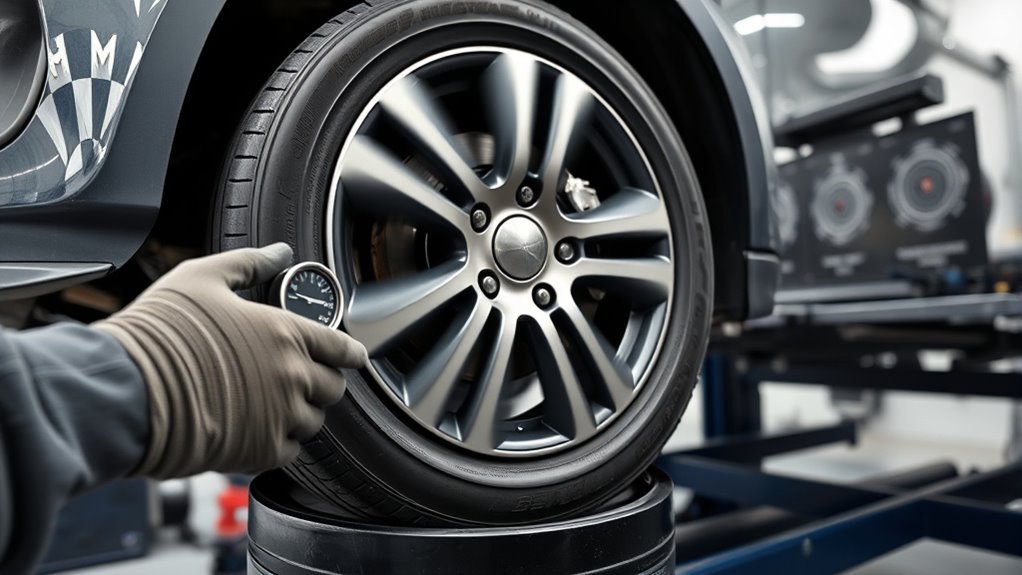
Check wheel balance first, since uneven weight distribution causes vibrations that grow noticeable above about 50 mph and can mask other issues. If balancing doesn’t stop the shake, inspect steering alignment—misaligned toe or camber produces steering pull and uneven wear that lead to vibration. For persistent wobble consider wheel/rim damage or road-force balancing to uncover defects standard balance machines miss.
Wheel Balance Checks
1 practical check you should perform before dismissing highway vibration is a full wheel balance and alignment inspection, because unbalanced or misaligned wheels — and hidden issues like out-of-round tires or bent rims — are common sources of shake above about 50 mph. You’ll want to prioritize wheel balancing and regular tire maintenance to reclaim control and reduce wasted energy.
- Verify static and dynamic balance on a quality balancer; note required weight per wheel.
- Perform a Road Force Balancer run to detect out-of-round tires or shifted belts.
- Inspect rims for bends and spokes (if applicable); replace or repair as needed.
- Rotate tires every 5,000–7,500 miles and check tread wear patterns.
If you see wobble when jacked up, don’t drive — address it immediately.
Steering Alignment Issues
After verifying balance and eliminating bent rims, you’ll next assess steering alignment, since misalignment often shows up as a wobble or steering pull at highway speeds. You’ll inspect tire wear patterns and test drive above 50 mph to reproduce shaking. Use alignment tools or a professional alignment machine to detect toe, camber, and caster deviations. Make steering adjustments only after confirming uneven wear and ruling out suspension damage. Rotate tires every 5,000–7,500 miles to prevent recurrence. If the steering wheel pulls or you can’t hold a straight line, act: misalignment reduces fuel efficiency and accelerates wear. A shop can reset settings to manufacturer specs, restoring control and liberating you from constant correction.
| Symptom | Check | Fix |
|---|---|---|
| Pulling | Alignment tools | Steering adjustments |
| Wobble | Wear pattern | Machine reset |
| Fuel loss | Road test | Realign |
Road‑Force Issues, Bent Rims, Hidden Defects
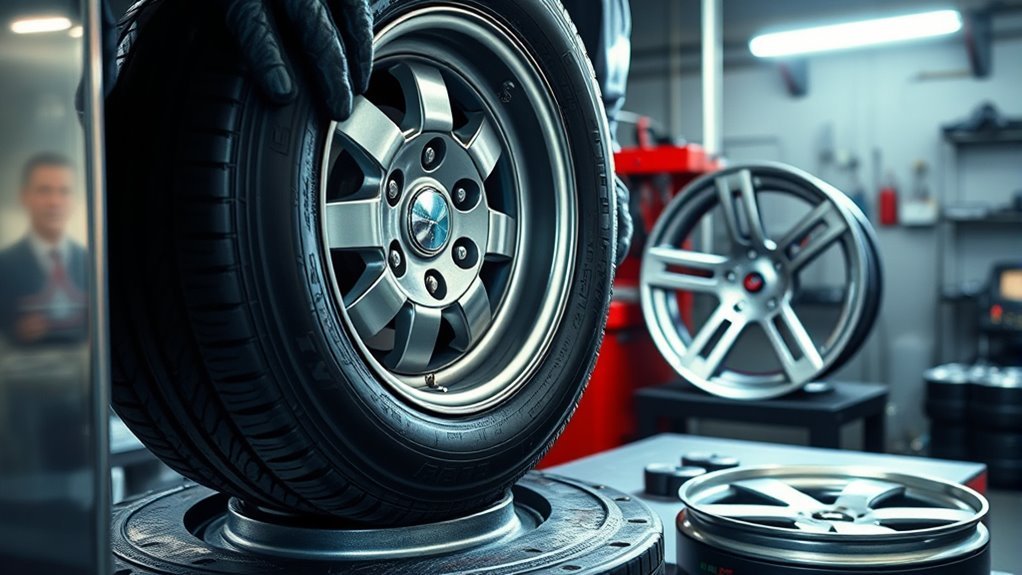
When you feel a vibration at speed, it’s often caused by road‑force issues, a bent rim, or a hidden tire defect that standard balancing won’t catch; a Road Force Balancer simulates vehicle load to reveal high spots, flat areas, and internal inconsistencies, while bent rims and broken belts produce irregular rotation and uneven road contact that show up only under load or at higher speeds. You’ll want to pair road‑force testing with tire rotation records and note changes in vibration frequency after service. A clear, liberated driver avoids assumptions and demands measurement.
- Road‑force: detects out‑of‑round and structural inconsistencies that standard balance misses.
- Bent rim: impact damage causes eccentric rotation and speed‑dependent shaking.
- Hidden defect: internal separations or broken belts trigger intermittent vibration under load.
- Inspection protocol: measure road force, document tire rotation history, replace or repair when thresholds exceed spec.
Act on measured data—replace compromised tires or rims to restore smooth, controlled motion and retain freedom on the road.
If Not Tires: Suspension, Steering, Bearings
If tires and rims check out but the vibration persists, look at suspension, steering, and bearings next. You’ll inspect suspension components—tie rods, ball joints, control arms—for play, cracks, or torn boots. Worn parts let the wheel move unpredictably under load, creating vibration during turns or over bumps. Check for loose fasteners and damaged bushings; they transmit oscillation to the chassis and steering wheel.
Address steering issues such as misalignment, worn racks, or loose linkage. These cause the vehicle to pull, produce uneven tire wear, and set up rhythmic shaking at speed. Wheel bearings demand attention: a grinding noise plus vibration at higher speeds points to bearing failure and imminent risk. Replace faulty bearings promptly.
Regular maintenance prevents these failures and restores control, letting you reclaim confident, liberated driving. When you find worn components, replace or tighten per spec and recheck alignment and torque to eliminate recurring vibration.
Pro Diagnostics: What Mechanics Will Check
Because vibrations can stem from multiple sources, a mechanic will start with a systematic diagnostic sequence that combines visual checks and precision measurements. You’ll see a technician first inspect tires for uneven wear, bulges, and visible damage that betray underlying faults. They’ll verify tire pressure and discard common vibration myths that blame speed alone.
Mechanics begin with systematic inspections and precise measurements—tire checks, pressure verification, and evidence-based diagnostics to eliminate vibration myths.
- Visual tire inspection for wear patterns, cuts, bulges.
- Road-force measurement (e.g., Hunter DSP 9000) to assess roundness and load distribution.
- Dynamic and static wheel balancing to locate mass asymmetries.
- Suspension and steering check: ball joints, tie rods, alignment verification.
This workflow isolates wheel-related causes from drivetrain or chassis issues. The Hunter-style road-force data pinpoints tire-wheel assembly irregularities you can’t see, while balancing and alignment confirm proper positioning. Suspension checks determine if worn components are transmitting vibration. You’ll leave with clear evidence, not myths, and a prioritized path to resolution.
Fixes and Costs for Tire Vibration
1 clear step you can take is proper tire balancing, which typically costs $40–$80 and restores even weight distribution to eliminate speed-related shake; you’ll also use tire maintenance and targeted vibration remedies to regain control. Rotate tires every 5,000–7,500 miles to equalize wear; if imbalance persists, request Road Force Balancing to detect hidden defects. Replace tires with cupping or flat spots—replacement cost varies by size and brand. Have pros inspect alignment and suspension; repairs can exceed $200 but stop recurring shake.
| Fix | Typical Cost | Purpose |
|---|---|---|
| Tire balancing | $40–$80 | Even weight distribution |
| Tire rotation | Low (service or DIY) | Even tread wear |
| Road Force Balancing | Higher | Reveal hidden tire issues |
| Replacement / suspension | Variable / $200+ | Eliminate damaged tire or component vibration |
Choose efficient fixes that free you from persistent vibration and reclaim confident, smooth driving.
Preventive Maintenance to Avoid Vibration
Keeping a strict preventive schedule cuts the chance of speed-related vibration before it starts: check and maintain proper tire pressure, rotate tires every 5,000–7,500 miles, and get balancing and alignment checked about every 6,000 miles to catch imbalances or misalignment early. You’ll stay safe and free from avoidable shake by applying targeted preventive measures and disciplined tire maintenance. Inspect tread for cupping, flat spots, or uneven wear that hints at suspension or alignment faults. Use road-force balancing when conventional balance can’t eliminate vibration; it finds out-of-round or structural irregularities.
Prevent vibration before it starts: maintain pressure, rotate tires, check balance/alignment, and inspect for uneven wear.
- Monitor pressure monthly and before long trips.
- Rotate at 5,000–7,500 miles; shorten interval for AWD/high-performance cars.
- Balance and align roughly every 6,000 miles; use road-force if vibration persists.
- Replace tires showing uneven wear or structural defects promptly.
These steps give you control, reduce repair costs, and preserve ride quality—practical, technical habits that liberate you from recurring vibration issues.
Frequently Asked Questions
Can Tire Vibration Damage My Drivetrain Over Time?
Yes — you’ll risk drivetrain wear if persistent vibration symptoms go unaddressed; uneven loads and loosened components accelerate bearing, joint and transmission stress, so diagnose promptly, balance wheels, and repair to reclaim control and freedom.
Is Tire Vibration Covered by New Tire Warranties?
Usually no: new tire warranties rarely cover vibration unless manufacturing defect is proven. You’ll need documented tire inspection, proof of imbalance or defect. Warranty limitations, mileage and misuse exclusions often void claims, so act promptly.
Can Seasonal Tire Swaps Cause Vibration Issues?
An ounce of prevention helps: yes, seasonal tire swaps can cause vibration if you skip seasonal tire maintenance and tire balance checks; you’ll want proper mounting, torque, valve inspection, and balancing to keep resonance and steering torque liberated and controlled.
Do Tire Pressure Monitoring Systems Detect Imbalance?
No, tire pressure monitoring systems won’t detect imbalance directly; they monitor tire pressure and alert low-pressure, aiding monitoring accuracy. You’ll still need inspections for vibration causes related to balance, wear, or driving conditions to stay free.
Are Run-Flat Tires More Prone to Vibration?
Want firm control or freed-up comfort? You’ll find run-flat performance can be stiffer, so you’ll notice distinct vibration symptoms more readily. You’ll trade some ride compliance for safety, so manage mounting, balance, and alignment proactively.
Conclusion
If your car hums or shudders, don’t ignore it — think of it like a fever telling you something’s wrong. You can often diagnose tires with a visual check, road test, and balancing, but alignment, suspension, or bearings can masquerade as tire issues. Get pros involved if vibration persists. Fixes range from inexpensive balancing to parts replacement; regular inspections and proper inflation keep the problem from coming back. Catch it early; drive safer.
Related Articles
Latex vs TPU Tubes: Best Performance Guide
Uncover whether latex’s unbeatable rolling resistance or TPU’s lighter, tougher profile wins your rides — and what trade-offs you’ll actually feel in the saddle.
Read More
Wide vs Narrow Tires: Ultimate Grip vs MPG Guide
A concise guide comparing wide and narrow tires for grip, speed, and fuel efficiency—discover which suits your driving needs and why it matters.
Read More
Motorcycle Tire Pressure Chart: Recommended PSI by Type
Discover ideal PSI ranges for road, track, and wet motorcycle tires — practical tips and adjustments await to optimize grip and safety.
Read More