Tire Speed Rating Chart: Every Letter Decoded

A tire speed rating tells you the maximum safe speed a tire can handle under ideal conditions, indicated by the final letter in the service code (e.g., 225/40 R18 94Y). Ratings run from A1–A3 for ultra‑low speeds up through T, H, V, W, Y and ZR for high‑performance use; higher letters mean better heat tolerance, cornering precision and highway stability. Match or exceed your vehicle’s recommended rating for safety, and keep going to learn specific letter meanings and tips.
What a Tire Speed Rating Is and Why It Matters
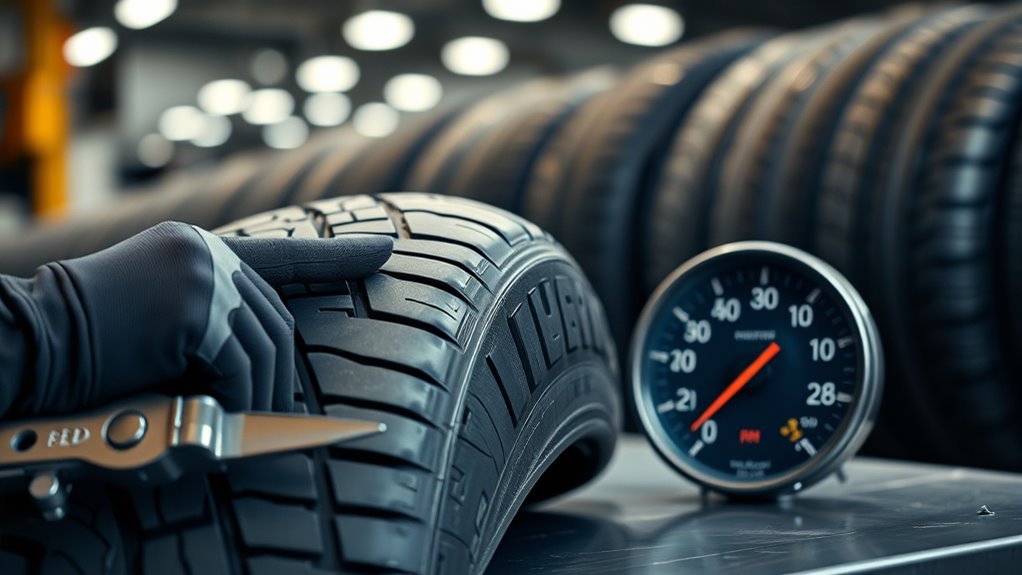
When you pick new tires, check the speed rating—the letter on the sidewall that tells you the maximum speed the tire can safely sustain under ideal conditions. You’ll understand that this letter-based code defines capability: lower ratings suit everyday use, higher ones enable performance enhancements. Read it as a specification tied to tire performance and vehicle compatibility; it’s the last letter in the sequence of sidewall markings. Choosing a rating below the manufacturer’s recommendation risks reduced handling, faster degradation, and safety implications, especially if you push speed or encounter hot pavement. Conversely, matching or exceeding the recommended rating preserves tire longevity and supports your car’s intended dynamics without unnecessary expense. Consider driving conditions—load, temperature, and road quality change the envelope where that rating applies. In short, the speed rating isn’t about bravado; it’s a technical parameter that protects you, maximizes performance, and frees you to drive confidently within limits.
Quick Reference: Tire Speed‑Rating Chart (Every Letter Decoded)
Think of this quick-reference chart as your decoder for the last letter on a tire sidewall: it tells you the maximum safe speed a tire’s construction was tested to handle. You’ll use it to match tire performance to your driving goals—liberation through confident control, not unnecessary risk. Remember speed safety: higher letters mean better heat tolerance, sharper steering response, and often improved stopping power.
- A1–A3: ultra-low speeds (utility, subject to specific use).
- T (118 mph), H (130 mph): common passenger ratings balancing comfort and speed safety.
- V (149 mph), ZR: performance tiers for spirited driving; ZR covers >149 mph capability.
- Y (over 186 mph): top-tier performance for high-speed stability and extreme handling.
You’ll find the rating as the final letter in codes like 225/40 R18 94V. Use the chart to pick tires that align tire performance with your freedom to drive safely and assertively.
How to Find the Speed Rating on Your Tire Sidewall
Curious where that single letter hiding on your tire tells you how fast it’s rated? Look at the tire sidewall markings: the speed rating is typically the final letter in the sequence of tire specifications. You’ll see a string like 225/40 R18 94Y — that trailing “Y” is the speed symbol. That single character represents the maximum safe speed the tire’s certified to handle; in this example Y equates to 186 mph. Understanding tire codes means scanning for that last letter, noting it, and comparing it to your vehicle requirements.
If you want backup, check your owner’s manual or the placard in the driver’s side doorjamb; both list recommended speed ratings. You should confirm the tire’s rating matches or exceeds what’s specified for your vehicle to maintain safety and compliance. Stay informed, exercise agency over your gear, and choose tires that align with both performance needs and your personal freedom behind the wheel.
Tire Service Description: Load Index and Speed Rating Explained
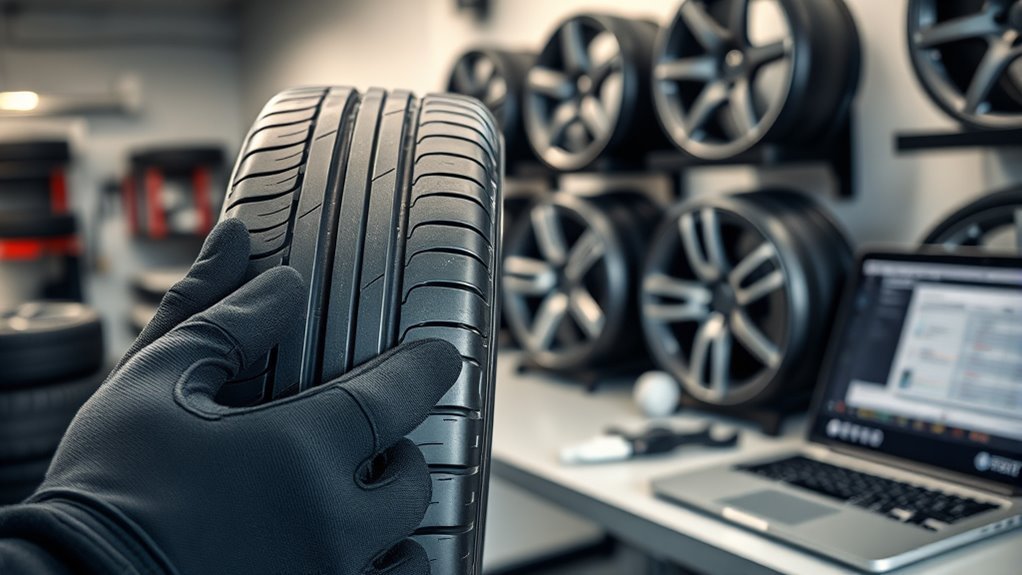
Although the characters at the end of your tire code look small, they carry two critical specs: the load index (a number) and the speed rating (a letter), which together define how much weight each tire can safely carry and the maximum certified speed it can sustain. You’ll use these to match tires to your vehicle’s needs and your desire for liberated, confident driving. The load index tells you capacity—94 equals 1,477 lbs per tire in the example 225/40 R18 94Y—so never fit lower than OE specified. The speed rating letter links to maximum certified speed and affects handling and performance safety; higher letters mean higher certified speeds.
- Verify load index meets or exceeds OE to avoid overloading.
- Match speed rating to your driving style and legal limits.
- Consider combined load capacity for vehicle weight and cargo.
- Prioritize performance safety over marginal cost savings.
Read ratings, choose wisely, and free yourself from unnecessary risk.
ZR, W, and Y Speed‑Rating Codes: What They Mean for Performance Tires
When you’re choosing performance tires, the ZR, W and Y codes tell you how the tire’s built for sustained high speeds: ZR indicates suitability above 149 mph, W certifies up to 168 mph, and Y covers up to 186 mph, with W and Y also signaling enhanced heat resistance and construction for better stability at those limits. You’ll use ZR Performance tires on cars that exceed ordinary thresholds; they prioritize structural integrity at elevated speeds. The W Rating tells you the tire’s engineered to manage more heat and lateral forces typical of sporty driving. Y Capability denotes ultra-high-performance compounds and carcass design for track-level velocity and control. For clear Tire Selection, match the tire’s code to your vehicle’s potential and your driving intent. Speed Safety isn’t about maximum numbers alone; it’s about choosing the right rated tire so you can drive free and responsibly, knowing the rubber beneath you was designed for the pace you demand.
When You Can Safely Choose a Higher or Lower Speed Rating
You can choose a lower speed rating if you mostly drive in urban settings at low speeds and rarely need the tire’s top-end performance. Opting for a higher rating makes sense when you regularly travel at highway speeds, carry heavier loads, or want improved handling—provided the tire’s load index matches your vehicle. Always check your owner’s manual or ask a tire pro before changing ratings to keep safety and performance intact.
When Lower Ratings Are Acceptable
If your driving rarely reaches highway speeds and your vehicle is an older or non‑performance model, you can often fit tires with a slightly lower speed rating without compromising everyday safety—provided you never push the car beyond the tire’s rated limits and all four tires match that rating or exceed the manufacturer’s minimum. For vintage vehicles, factor in safety considerations like lower top speeds, lighter use, and original handling—this can justify a modest downgrade when you prioritize authenticity and freedom over track performance. Still, don’t exceed limits or mix ratings.
- Confirm all four tires share the same rating.
- Keep speeds well below the tire’s max.
- Inspect tires regularly for heat damage.
- Consult a pro if unsure about compatibility.
Choosing Higher Ratings Safely
After covering when modest downgrades can be acceptable, it’s worth looking at how and when you can safely choose a higher speed rating. You can fit a higher-rated tire to gain better heat tolerance and high-speed handling, but weigh the performance trade offs: stiffer sidewalls often mean a firmer ride and different handling feedback, plus potentially faster tread wear. Safety considerations remain paramount—never go below the manufacturer’s rating, and don’t expect a higher letter to fix suspension or alignment issues. Match the tire to your vehicle’s capabilities and typical driving conditions. Consult the owner’s manual or a tire professional to verify the chosen rating balances liberated performance with responsible, rule-abiding safety.
How Speed Rating Affects Handling, Heat, Wear, and Braking
When you pick a higher speed-rated tire, you’ll notice stiffer sidewalls that sharpen handling and steering response, especially in corners and sudden maneuvers. Those tires also resist heat better and shed thermal energy faster, lowering the risk of failure during prolonged high-speed runs. Finally, staying within the tire’s speed rating preserves tread life and maintains braking stability and stopping power under heavy loads.
Handling And Steering Response
Because a tire’s speed rating reflects its heat tolerance and structural limits, you’ll notice faster-rated tires deliver crisper steering and more predictable handling at speed. You get improved tire responsiveness and enhanced performance stability when lanes tighten or speeds rise. Choosing an appropriate rating frees you from vague limits and lets you push safely within design margins.
- Higher ratings (H, V, ZR) sharpen cornering precision and feedback.
- Lower-rated tires can dull steering response and reduce grip at highway speeds.
- Matching rating to vehicle purpose preserves consistent handling under load.
- Ignoring ratings risks sudden loss of control from overheated, weakened structure.
Pick tires that match your driving intent to reclaim confident, liberated control.
Heat, Wear And Braking
Although often overlooked, a tire’s speed rating directly governs how it handles heat, wear and braking under real driving conditions, so choosing the right rating matters for safety and longevity. You’ll notice higher-rated tires tolerate greater operating temperatures because their construction and compounds prioritize heat dissipation, reducing blowout risk and stabilizing wear patterns. Performance ratings like ZR use stiffer sidewalls and specialized tread compounds to sharpen handling and improve braking efficiency in dry and wet conditions. If you fit tires with too-low a rating, you invite accelerated tread wear, compromised braking, and unpredictable stability during high-speed maneuvers. Choose a rating that matches your driving ethos: it liberates you with confidence, prolongs tire longevity, and keeps control when it counts.
Choosing the Right Speed Rating for Your Vehicle: Step‑by‑Step Checks
Before you shop, check your owner’s manual for the manufacturer’s recommended speed rating so you know the baseline spec your tires should meet. Use that baseline as your guardrail. Inspect the tire sidewall for the speed letter, confirm load index, and record current fitment. Combine tire maintenance tips with a driving conditions assessment to decide whether to match or exceed the factory rating.
- Verify owner’s manual recommended rating and record it.
- Read the sidewall speed letter and confirm load index compatibility.
- Evaluate your driving patterns—highway, spirited, or urban—and decide if a higher rating aids safety and control.
- Balance desired performance against cost and tire lifespan; don’t assume higher speed ratings equal overall better quality.
You’ll stay safe and free by making informed swaps: meet or exceed manufacturer specs, prioritize handling and load needs, and use routine inspections to keep your choices aligned with real-world use.
Frequently Asked Questions
Is V or W a Higher Speed Rating?
W is higher. You’ll gain V rating advantages like adequate high-speed stability and durability, but W rating benefits deliver greater top-speed capability and handling for liberated drivers who want bolder performance while still matching or exceeding your vehicle’s requirements.
Conclusion
Think of your tires as the final handshake between car and road — their speed rating tells you how confidently they’ll hold that grip. Match or exceed the original rating, check the sidewall, and consider driving style, load and climate before swapping in a different code. Choose wisely and you’ll feel composed cornering, braking and cruising; ignore it and that handshake can turn slippery, hot and unpredictable. Stay safe, stay informed.
Related Articles
Staggered Tire Sizes Meaning: Why Front & Rear Differ
Better rear traction and bold styling come at handling and fitment trade-offs—discover why front and rear tire sizes differ and what to watch for.
Read More
Plus Sizing Tires Explained: Benefits, Risks & Rules
Maximize handling and style with plus sizing—discover the benefits, hidden risks, and essential fitment rules before you decide.
Read More
Tire Width & Rim Width Compatibility: Fitment Rules
Optimal tire-to-rim fit depends on matching ETRTO widths and pressures—discover safe ratios, handling effects, and exceptions before riding.
Read More