
Signs You Need New Tires: Visual & Performance Clues
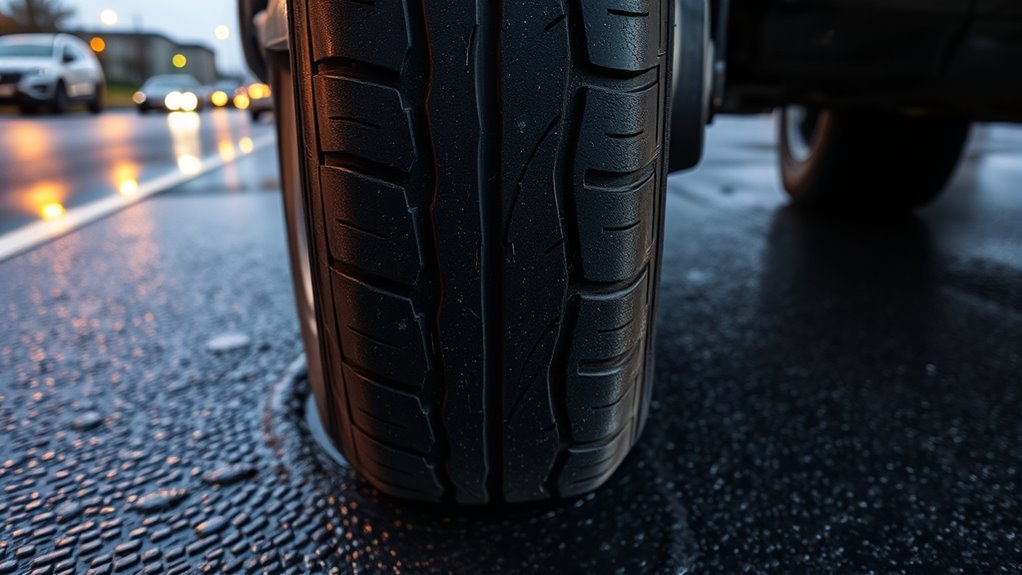
You need new tires when tread depth, sidewall condition, or driving behavior shows safety is compromised. Use the penny test: Lincoln’s head visible means ≤2/32″, replace immediately; aim for ≥4/32″ for wet control. Look for wear bars, uneven center/edge wear, cuts, bulges, or dry rot. Vibrations, rhythmic thumps, or persistent pulling indicate internal damage, imbalance, or alignment faults. Tire age over 6–10 years also warrants replacement, and further guidance explains inspection and corrective steps.
How to Tell If You Need New Tires (Penny Test & Limits)
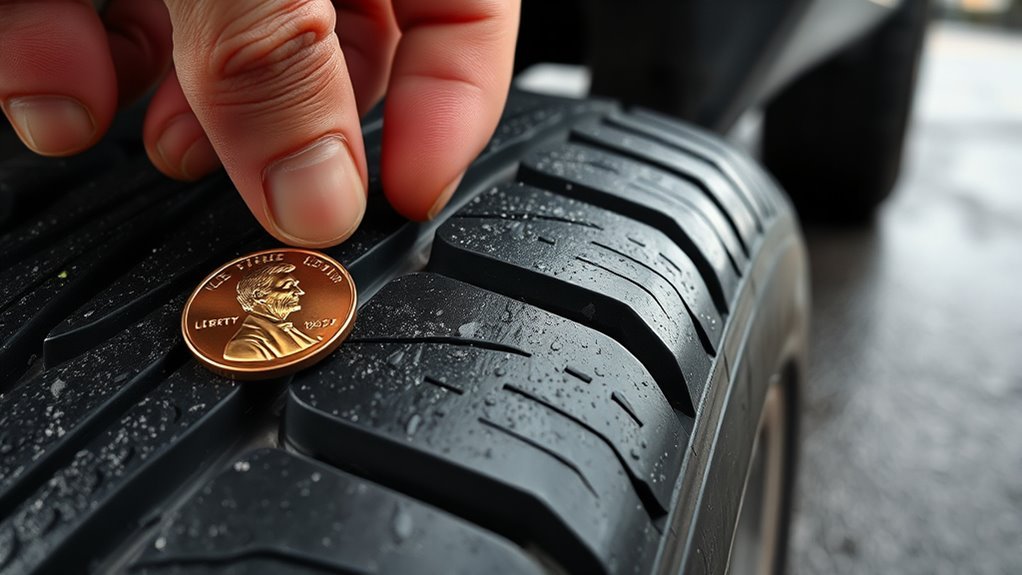
When you inspect your tires, use simple, quick checks to determine safety: perform the penny test by inserting a penny with Lincoln’s head upside down into the tread groove—if you can see all of his head the tread is below 2/32“. You’ll use the penny test to verify legal minimums and immediate danger. If penny results show under 2/32”, replace the tire at once; it won’t evacuate water reliably.
Aim for at least 4/32″ tread depth for safer wet-weather control; below that your hydroplaning risk rises sharply. Don’t ignore visible damage: cuts, bulges, and sidewall cracks signal structural failure and require immediate replacement regardless of tread readings. Remember rubber ages—plan replacement every 6–10 years even if tread seems adequate. You’re preserving mobility and autonomy by inspecting regularly, documenting measurements, and replacing tires proactively. This disciplined habit protects you from sudden loss of control and keeps your vehicle ready for independent movement. Additionally, tire selection for rainy weather is crucial for maintaining performance and safety on wet roads.
Spot Wear Bars (Why They Matter)
You’ve already used the penny test and inspected for cuts and bulges; now check the tread grooves for wear bars—those raised ribs molded across the grooves that appear once tread depth reaches about 2/32″. Wear bars are a definitive, mechanical indicator that your tire has reached a critical limit. When they become visible you’ve lost essential tread depth, reducing grip and increasing stopping distances, especially on wet roads.
Treat visible wear bars as a direct command to replace the tire. If multiple grooves show them, the tire’s effective contact patch and water evacuation are compromised, raising hydroplaning risk and degrading handling. This is actionable intelligence for anyone serious about tire maintenance and autonomy on the road: don’t negotiate with compromised rubber.
Inspect routinely—make checking wear bars part of your maintenance ritual. Replace immediately when they’re exposed to reclaim control, preserve traction, and avoid cascading failures that limit your mobility and freedom.
Recognize Sidewall Damage: Cracks, Bulges, and Dry Rot
Check your tire sidewalls regularly for three critical signs: surface cracks that show aging, bulges or blisters that indicate internal cord separation, and dry rot—deep fissures from UV and temperature exposure. Any of these defects can compromise structural integrity and raise the risk of sudden blowout, especially at speed. If you find deep cuts, exposed cords, or significant bulging, replace the tire immediately.
Sidewall Cracks Explained
Because sidewall damage strikes at the tire’s structural core, you should inspect cracks, bulges, and dry rot immediately—these defects weaken the carcass and can cause sudden failure under load. You’ll spot sidewall deterioration as fine or deep fissures running parallel to the bead or across the sidewall; they signal aging rubber and polymer breakdown. If you see cracking, act: cracking escalates, compromises handling, and raises blowout risk. Regular tire maintenance includes visual checks and gentle flexing to reveal hidden splits. Don’t gamble with cosmetic excuses—replace cracked tires promptly to restore predictable performance, especially under demanding conditions. This is about freedom on the road: safe, uncompromised mobility depends on eliminating compromised tires.
Bulges, Blisters, Dryrot
Sidewall bulges, blisters, and dry rot are clear indicators that a tire’s internal structure has been compromised, and you should treat any of these signs as a safety-critical defect. You must inspect sidewalls regularly for cracks and dry rot; visible fissures show aging rubber and higher failure probability. Bulges and blisters reveal internal cord or ply separation from impacts or manufacturing faults—bulge dangers aren’t cosmetic; they can cause sudden blowouts even when tread looks fine. Environmental exposure—UV, heat, harsh chemicals—accelerates dry rot and surface cracking. If you find cracks, blisters, or any sidewall deformation, replace the tire immediately. Take control: routine checks and prompt replacement free you from avoidable road risk and preserve your mobility.
Read Tread Patterns: Uneven, Center, and Edge Wear Causes
When you inspect tread patterns, look for where wear concentrates: uneven wear along one edge usually signals an alignment problem, center-only wear points to over‑inflation, and worn outer edges indicate under‑inflation; identifying these patterns quickly lets you address the root cause before tread depth drops below the 2/32‑inch safety threshold.
- Uneven edge wear: Use tread pattern analysis to spot one-sided wear; it’s a primary wear indicator of misalignment. Get an alignment check, rotate tires, and correct suspension faults to restore even contact patch and extend service life.
- Center wear: If the center ribs are more worn, you’ve likely over‑inflated. Reduce pressure to the vehicle manufacturer’s spec. That rebalances contact area and prevents premature center degradation.
- Outer edge wear: When both shoulders wear faster than the center, you’re under‑inflated. Increase pressure, inspect for heat damage, and monitor. Regular visual inspections and tread depth measurement keep you liberated from sudden failure.
Performance Clues: Vibration, Pulling, and Noisy Driving

If you feel vibrations in the steering wheel or through the seat, that often points to internal tire damage or imbalance and requires immediate inspection. When the vehicle consistently pulls right or left, it typically indicates misalignment or uneven tire wear that’ll accelerate damage if not corrected. Pay attention to these performance clues—early detection preserves traction and prevents more costly failures.
Steering Wheel Vibrations
Feel the steering wheel vibrate or hear a rhythmic thump? That sensation signals you to act. Vibrations commonly stem from tire balance problems, internal tire damage, or alignment issues; left unchecked they erode control and freedom on the road. Inspect immediately to prevent blowouts and accelerated wear.
- Check tire balance: uneven mass distribution causes high-speed steering vibration; get dynamic balancing to restore smoothness and reclaim confident handling.
- Listen for rhythmic thumps: flat spots or internal separations create repeating impacts that demand tire replacement for safety and liberation from persistent noise.
- Verify pressures and tread: incorrect inflation and uneven wear mimic mechanical faults; correct pressure and professional inspection stop progression and protect your mobility.
Vehicle Pulling Right/Left
One clear sign your vehicle needs attention is persistent pulling to the right or left, which typically points to wheel misalignment or uneven tire wear and demands immediate inspection. You’ll feel the steering tug without input, and that consistent bias often signals alignment issues or unequal tread. Check tire pressure first—both underinflation and overinflation alter contact patches and can amplify pulling. Vibrations through the wheel suggest unbalanced tires or internal tire defects; humming or thumping noises reinforce the need for prompt evaluation. Don’t ignore changes in handling: they threaten control and accelerate wear. Have a technician assess alignment, balance, and tire condition. Restoring proper pressure and correcting alignment issues liberates your driving, preserves safety, and prevents premature tire replacement.
Wet‑Weather Risks: Hydroplaning, Poor Stopping, and Traction Loss
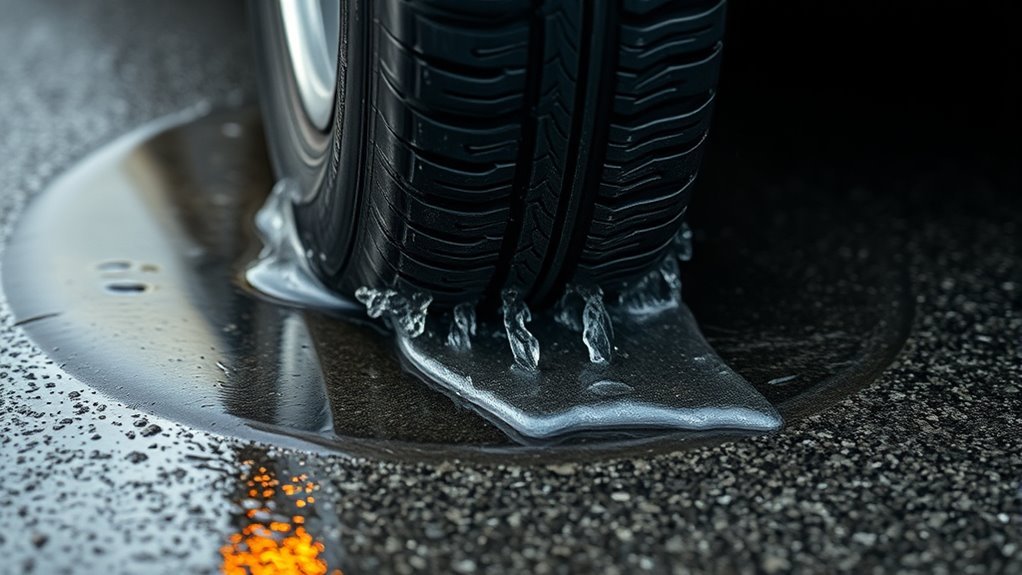
Because worn tread can’t channel water effectively, you’re far more likely to hydroplane, face longer stopping distances, and lose traction in rain. Monitor tread depth: below 4/32 inches your tires struggle with water channeling, and at the legal 2/32 inches they’re unsafe. You want freedom on wet roads; degraded tread robs you of control and choice.
- Hydroplaning risk — Shallow tread traps a film of water between tire and road, letting you lose steering feedback at speed. Replace before 4/32″ to reduce this.
- Poor stopping — Reduced grip increases wet stopping distances, compromising emergency maneuvers and your ability to avoid hazards.
- Traction loss — Worn tires can’t bite during turns or acceleration, so you face understeer, oversteer, or unintended slides in rain.
Check tread visually and measure depth regularly. Act decisively: replacing tires early preserves safety and the liberty to drive confidently in wet conditions.
Tire Age & Replacement: When to Replace and When to See a Pro
When should you replace tires that still look fine? You replace them on age, not just appearance. Tire lifespan indicators include the DOT code on the sidewall: the final four digits show week and year of manufacture. If a tire is six to ten years old, plan replacement because rubber degradation effects from heat and environment compromise structure even without visible wear.
Inspect regularly for cracks, dry rot, and brittleness; those signs mean the compound has lost flexibility and blowout risk rises. Monitor tread depth too—2/32 inches or less is unsafe and requires immediate replacement. If you detect uneven wear, bulges, or feel vibration, see a pro for a professional assessment; they’ll check internal damage and recommend safe replacement timing.
You’re responsible for mobility and safety; use these technical checks to liberate yourself from false security and make decisive, safety-driven tire decisions.
Frequently Asked Questions
What Is the 7 7 Rule for Tires?
The 7 7 rule says you should replace tires if tread depth drops below 7/32 inches or tire age exceeds seven years; you’ll protect traction, reduce hydroplaning risk, and reclaim confident, safer vehicle control.
When to Replace Performance Tires?
Replace performance tires when tire tread drops below 4/32 inches or you see wear bars, cracks, bulges, or uneven wear; you’ll lose performance grip and should act decisively to preserve safety and driving freedom.
Conclusion
You should treat tire care as nonnegotiable: about 25% of crashes involve tire issues, so ignoring wear or damage raises real risk. Use the penny test and watch wear bars, tread patterns, sidewall cracks, bulges, vibration, pulling, and wet‑weather performance. Replace tires if tread’s under 2/32″, if age or damage is present, or if a pro advises it. Regular inspections and prompt replacement keep you safer and maintain predictable vehicle handling.
Related Articles
Tire Wear Indicator Bars: Built-In Safety Markers Decoded
On the brink of legal tread limits? Discover how tire wear indicator bars reveal danger and when to replace—read on to protect your ride.
Read More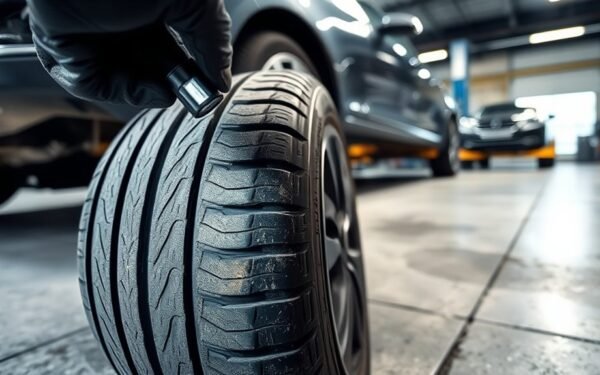
Tire Age Limit: How Old Is Too Old to Drive On?
When should you retire tires—learn the crucial six-year rule, warning signs, and what to check next to avoid sudden failures.
Read More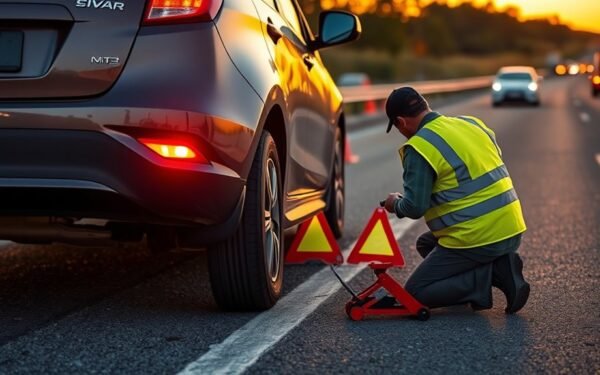
Flat Tire on the Highway: Safe Steps to Pull Over & Fix
A quick, calm checklist for safely pulling over and changing a highway flat—learn the critical steps to protect yourself and finish the job confidently.
Read More