
Pros and Cons of Run-Flat Tires for a RAV4: Are They Right for You?
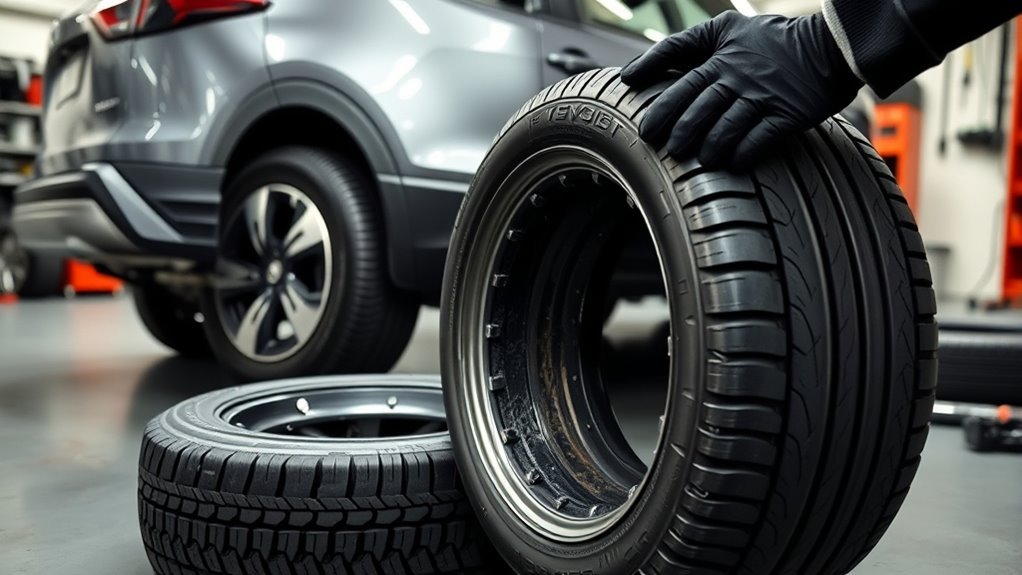
Run-flat tires for your RAV4 offer enhanced safety, allowing you to drive up to 50 miles after a puncture. They free up cargo space by eliminating the spare tire. However, they can be pricier and provide a harsher ride due to stiffer sidewalls. Repair options are limited, and they might not last as long as standard tires. Weighing the benefits against the drawbacks is essential. Explore your choices further to find the best fit for your driving needs.
What Are Run-Flat Tires and How Do They Work?

Run-flat tires are a game-changer for drivers, especially for those who rely on their RAV4 for everyday adventures. These innovative tires let you keep driving after a puncture, allowing travel for up to 50 miles at speeds of 50 mph without air pressure. This capability is thanks to advanced tire technology that features reinforced sidewalls, which provide structural support even when deflated. This design enhances vehicle control, making your ride safer during tire failures.
Run-flat tires come in two main designs: self-supporting with reinforced sidewalls or those utilizing a supporting ring system. To maximize their effectiveness, a Tire Pressure Monitoring System (TPMS) is essential, alerting you to any air loss. While these tires offer significant safety features and convenience, keep in mind they usually come with a higher price tag and limited repair options compared to standard tires.
Run-Flat vs. Standard Tires: Which Should You Choose?
When choosing between run-flat and standard tires for your RAV4, consider how each option impacts your performance and budget. Run-flat tires offer the advantage of driving on a flat for up to 50 miles, but they come at a higher cost and may provide a rougher ride. On the other hand, standard tires typically last longer and are easier on your wallet when it comes to repairs and replacements.
Performance Differences
Choosing the right tires for your RAV4 can greatly impact your driving experience, especially when considering performance differences between run-flat and standard tires. Run-flat tires allow you to maintain control and drive up to 50 miles after a puncture, enhancing safety during emergencies. However, their reinforced sidewalls provide only 70-80% of normal steering feel, potentially affecting your driving dynamics. Standard tires, on the other hand, offer a smoother ride and longer tire longevity, typically lasting over 60,000 miles. While run-flats may excel in safety, they often come with a harsher ride and increased noise. Ultimately, your choice will depend on how you prioritize safety versus comfort and longevity in your driving experience.
Cost Considerations
Tire selection isn’t just about performance; it’s also a matter of cost. Run-flat tires typically cost 25-50% more than standard options, ranging from $217 to $270. While they save on roadside assistance fees by allowing you to drive up to 50 miles after a flat, their limited repairability can lead to higher long-term costs. If you get a puncture, you often have to replace the entire tire, unlike standard tires that might be patched easily. Additionally, standard tires offer a wider range of sizes and styles, making them more accessible and affordable. Ultimately, consider this cost analysis: weigh the enhanced safety and convenience of run-flats against the potential savings and tire longevity of standard options.
Benefits of Run-Flat Tires for RAV4 Owners
For RAV4 owners, opting for run-flat tires can greatly enhance your driving experience by providing safety and convenience. These advanced tire technologies allow you to drive up to 50 miles at speeds of up to 50 mph after a puncture, ensuring you can get to safety without the immediate need for a roadside stop. The reinforced sidewalls maintain vehicle control during tire pressure loss, considerably reducing accident risks. Plus, by eliminating the need for a spare tire, you free up cargo space and lighten your vehicle, which can improve fuel efficiency by 0.2-0.3 MPG. Run-flat tires are also compatible with tire pressure monitoring systems, giving you timely alerts for any pressure loss. While they may have a higher upfront cost, the long-term benefits in emergency preparedness and reduced roadside assistance needs can make them a smart choice for many RAV4 drivers.
What to Watch Out for With Run-Flat Tires?
When considering run-flat tires for your RAV4, you need to watch out for a few key issues. Availability and compatibility can vary, meaning not every shop will have the right options for your vehicle. Plus, the higher costs and repair limitations can add up quickly, making it essential to weigh these factors before your purchase.
Availability and Compatibility Issues
While considering run-flat tires for your RAV4, it’s important to be aware of their limited availability and compatibility issues. You might find size limitations restricting your options compared to standard tires, making it vital to choose wisely. Additionally, many run-flats require a functional Tire Pressure Monitoring System (TPMS) to alert you of any air loss, so make sure your vehicle’s electronics are up to par. If you’re eyeing aftermarket wheels, check their approval for run-flat use, as non-approved options can compromise safety. Furthermore, remember that these tires are often heavier, potentially impacting your RAV4’s fuel efficiency and handling. Finally, if your suspension isn’t tuned for the stiffer sidewalls, you could face a less comfortable ride.
Cost and Repair Limitations
Although they offer convenience and peace of mind, run-flat tires come with considerable cost and repair limitations that you should consider. Typically, these tires cost 25-50% more than conventional options, ranging from $217 to $270 for brands like Bridgestone and Michelin. When it comes to repair challenges, most run-flat tires can’t be fixed after a puncture, necessitating a complete replacement—an expensive endeavor. Inspection costs can pile up too, sometimes reaching $75 for a thorough evaluation. In addition, run-flat tires tend to have a shorter lifespan, averaging 42,300 miles, which could lead to higher long-term costs. With limited sizes available, you might find replacement options complicated and pricey, impacting your overall budget considerably.
Are Run-Flats Worth the Cost?
Are run-flat tires truly worth the cost for your RAV4? While they come with a hefty price tag—25-50% more than conventional tires—the benefits can be compelling if you’re focused on safety and emergency preparedness. However, consider these factors:
- Tire Longevity: Run-flats typically last 30,000-50,000 miles, which may be shorter than standard tires averaging 42,300 miles.
- Driving After a Puncture: You can drive up to 50 miles at 50 mph, potentially avoiding roadside emergencies.
- Repair Limitations: Most damage requires complete tire replacement, which can drive up long-term costs.
- Ride Quality: The stiffer construction may lead to increased road noise and a rougher ride.
Ultimately, while run-flats enhance safety, their cost and performance trade-offs merit careful consideration. Are you ready to invest in peace of mind, or do you prefer traditional options for better longevity?
Driving Experience With Run-Flat Tires: Comfort vs. Safety

When you consider run-flat tires for your RAV4, you’re weighing comfort against safety. While these tires help maintain control during a flat and offer significant safety benefits, the trade-off often comes in the form of a harsher ride and increased road noise. Understanding how these factors affect your driving experience can help you make an informed choice.
Ride Quality Comparison
While you might appreciate the peace of mind that comes with run-flat tires, the ride quality can be a mixed bag. Here’s what to take into account:
- Stiffer Sidewalls: Run-flats have reinforced sidewalls, which can lead to a harsher ride and increased vibration levels.
- Increased Road Noise: You may notice more cabin noise compared to standard tires, especially on rougher surfaces.
- Longer Trips: The discomfort can become more pronounced during longer journeys, affecting overall ride comfort.
- Weight Impact: Heavier construction might influence fuel efficiency and vehicle dynamics, particularly in your RAV4.
Ultimately, while safety is paramount, it’s essential to weigh these ride quality factors to confirm you’re truly liberated on the road.
2. Handling During Deflation
Although run-flat tires are designed to keep you safe during a deflation, their handling characteristics can greatly alter your driving experience. With 70-80% of normal steering feel maintained, you’ll enjoy decent cornering stability even when tire pressure drops. This means you can typically cruise at speeds up to 50 mph for about 50 miles, allowing you to reach a repair shop without panic. However, the stiffer construction often results in a harsher ride, leading to increased road noise and vibrations. While these tires enhance safety by reducing the risk of loss of control, remember that their performance can vary depending on driving conditions and how well you maintain them. Balancing comfort and safety is key to your driving liberation.
3. Safety Benefits Overview
Understanding the safety benefits of run-flat tires is essential for any RAV4 driver, especially since they can greatly enhance your driving experience. These innovative tires offer several key advantages:
- Control During Failure: You maintain steering and stability during a tire failure, reducing accident risks.
- Extended Mobility: Drive up to 50 miles at speeds of 50 mph after a puncture, allowing you to reach a safe location.
- Enhanced Handling: Reinforced sidewalls retain 70-80% of normal handling characteristics, improving cornering stability.
- Fuel Efficiency: No need for a spare tire saves weight and increases cargo space, benefiting your vehicle’s fuel economy.
With advancements in tire technology, run-flats can considerably contribute to your road safety, though some trade-offs in comfort exist.
Essential Maintenance Tips for Run-Flat Tires
Maintaining run-flat tires is essential for ensuring your RAV4’s safety and performance. Regularly monitor tire pressure using your Tire Pressure Monitoring System (TPMS); precise inflation is critical for handling and safety. After hitting a pothole or experiencing a significant impact, inspect your tires for hidden damage that could compromise their integrity and lead to blowouts.
Professional inspections every 5,000 to 7,500 miles are important to assess tread wear and overall condition, as repairs often mean replacing the tire entirely. Additionally, maintaining proper alignment and balance helps prevent uneven wear, which can be exacerbated by the stiffer construction of run-flat tires. To promote even tread wear and extend tire life, rotate your tires according to manufacturer guidelines, typically every 6,000 to 8,000 miles. By following these maintenance tips, you’ll keep your RAV4 performing at its best and enjoy the freedom of worry-free driving.
Understanding Repair Options for Run-Flat Tires?
When you encounter a puncture in your run-flat tires, it’s essential to know that repair options are limited. Most run-flat tires have unique rubber compounds that compromise their structure, making repairs challenging, if not impossible. Here’s what you should consider:
- Do Not Repair Messages: Many run-flat tires display warnings against repairs, indicating traditional methods like plug patches aren’t suitable.
- Inspection Costs: To check for hidden damage, tires often need to be removed from the wheel, costing around $75 and taking about an hour.
- Safety Risks: Even minor impacts can threaten tire integrity, posing safety concerns despite a lack of visible damage.
- Regular Monitoring: Utilize a Tire Pressure Monitoring System (TPMS) for proactive tire maintenance and puncture prevention, ensuring timely alerts and safer driving conditions.
Understanding these factors helps you make informed decisions about your run-flat tires.
Alternatives to Run-Flat Tires for Your RAV4
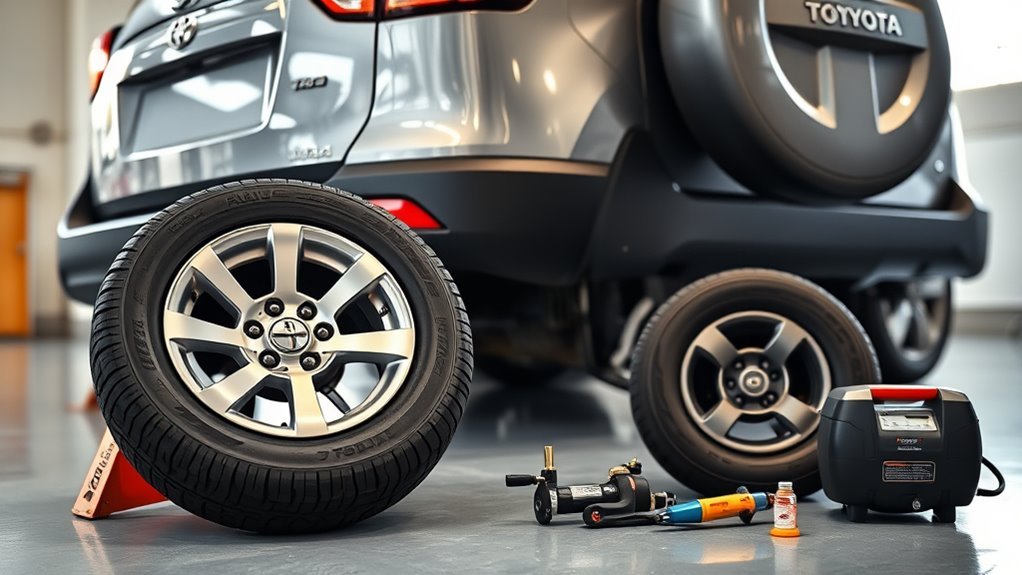
While run-flat tires offer convenience, they aren’t the only option for your RAV4. Standard tires provide a smoother, more comfortable ride and are often more budget-friendly, perfect if you prioritize cost and comfort. If you’re seeking versatility, all-weather tires combine features of summer and winter tires, ensuring good seasonal performance year-round without the hassle of switching.
For emergencies, consider a temporary spare tire, which is lightweight and easy to store, though it’s meant for short distances. Tire sealants can also be a quick fix for minor punctures, sealing leaks without tire changes. Finally, airless tires are on the horizon, promising a puncture-proof experience, but they’re still in development.
Ultimately, each alternative has its pros and cons, especially regarding tire longevity and your specific driving needs. Explore these options to find what aligns best with your RAV4 lifestyle.
Making the Right Choice: Selecting the Best Tire for Your Needs
Choosing the right tires for your RAV4 can greatly impact your driving experience, especially if you consider factors like safety, comfort, and cost. Here’s how to make the best choice:
- Assess Your Driving Habits: Do you often drive in challenging conditions? Run-flat tires offer added safety but may sacrifice comfort.
- Evaluate Tire Longevity: Run-flats typically last 30,000-50,000 miles. If you prefer longer-lasting options, standard tires might be better.
- Consider Cost Implications: Run-flat tires can be 25-50% more expensive, affecting your budget in the long run.
- Check Compatibility: Verify the tires you choose fit your RAV4’s specifications, especially regarding the tire pressure monitoring systems (TPMS).
Frequently Asked Questions
Do I Have to Tell My Insurance if I Change From Run Flat Tyres?
Yes, you’ve gotta inform your insurance if you switch from run-flat tires. Changes in tire maintenance affect your insurance coverage, ensuring your policy stays valid and protecting you in case of an incident.
How Long Do Run Flats Last?
Run-flat tires typically last between 30,000 to 50,000 miles, with a common tread life around 42,300 miles. As they wear, you’ll notice a performance impact, so regular inspections are essential for safety.
Why Aren’t Run-Flat Tires More Popular?
Run-flat tires aren’t more popular due to their higher cost, limited availability, and mixed reviews on tire performance. Many drivers prioritize comfort and affordability, leading them to stick with conventional tires instead.
Conclusion
In the end, choosing run-flat tires for your RAV4 is like picking a safety net for a high-wire act; it offers peace of mind but comes with some trade-offs. Weigh the benefits against the costs and consider your driving habits. Whether you prioritize convenience or performance, the right tire can enhance your driving experience. Take the time to assess your options, and you’ll find the perfect fit for your lifestyle. Happy driving!

Related Articles

Upsizing Wheels on a Toyota RAV4: Pros, Cons, and Considerations
Boost your Toyota RAV4's performance with larger wheels, but discover the hidden trade-offs that could impact your ride before you decide.
Read More
Can I Change Tire Size on My Toyota RAV4? Rules and Recommendations
Are you considering changing the tire size on your Toyota RAV4? Discover the essential rules and recommendations before making a decision.
Read More
What to Do If the TPMS Light Comes On in Your RAV4
Understand the steps to take when the TPMS light illuminates in your RAV4, as overlooking it could lead to serious tire problems.
Read More