Plus Sizing Tires Explained: Benefits, Risks & Rules
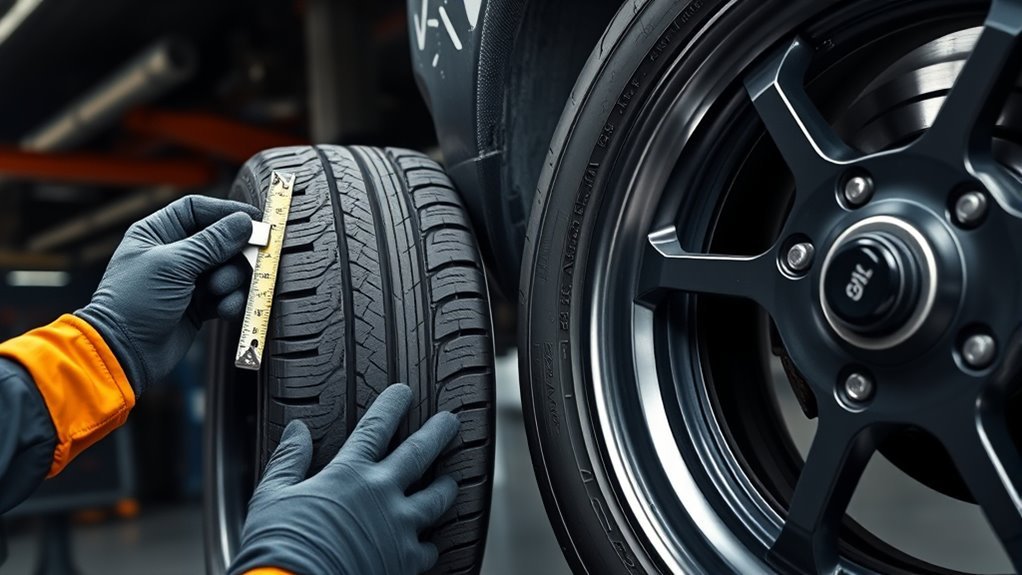
Plus sizing raises wheel diameter and lowers sidewall height to give you sharper handling, a sportier look and a larger contact patch, but it can increase road harshness, weight and pothole vulnerability. You must keep overall diameter within ±3%, confirm load ratings, clearance, steering travel and speedometer calibration, and expect alignment, balancing and pressure monitoring after install. If you follow fitment rules and trade-offs carefully, you’ll gain performance without compromising safety — learn what to check next.
Who Should Plus-Size Their Tires?
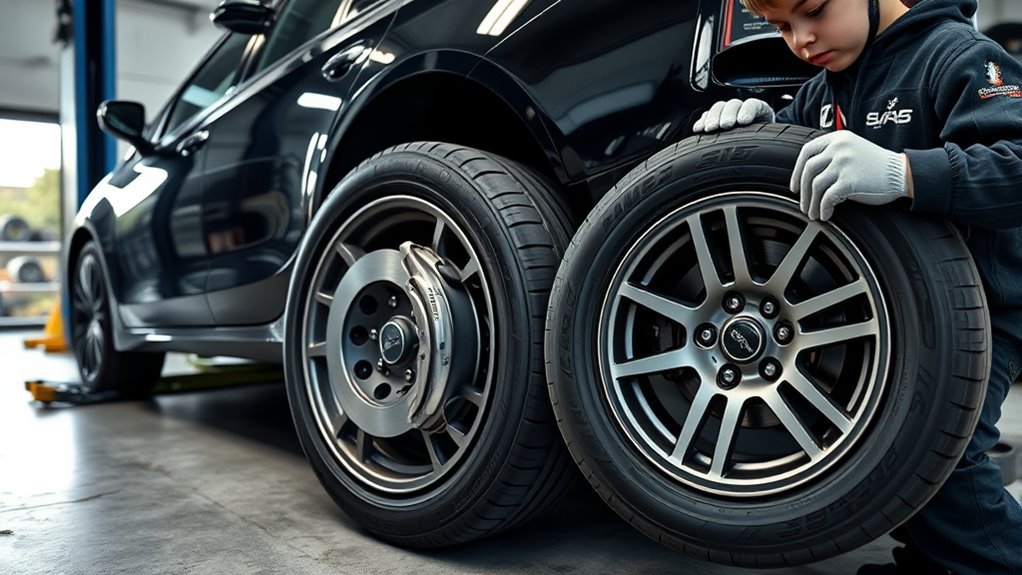
If you want sharper handling and reduced sidewall flex, plus-sizing can be beneficial—it’s best suited for performance drivers seeking increased grip and off-road users needing extra clearance and traction, as well as owners focused on a sportier appearance. You should consider plus-sizing if you’re a performance enthusiast chasing improved cornering, braking, and lateral response; the wider contact patch and stiffer sidewall reduce deformation under load, giving more predictable feedback. If you drive off-road, larger tires can raise clearance and boost traction on ruts and loose surfaces, letting you tackle rougher lines with confidence. If you pursue aesthetic upgrades, plus-sizing delivers a more aggressive stance and wheel-to-tire ratio that signals intent without altering vehicle architecture. Don’t assume every vehicle can accept larger wheels; you’ll need to confirm fitment and keep overall diameter within about 3% of stock to avoid adverse handling, speedometer errors, and safety compromises.
How Plus Sizing Works: Sizes, Plus Levels, and Diameter Math
When you choose to plus-size, you increase wheel diameter while reducing tire sidewall height so the overall rolling diameter stays within about 3% of the original; this preserves speedometer accuracy, gearing, clearance and ABS/traction control calibration. You’ll follow tire measurement basics: wheel diameter (inches), tire width (mm) and aspect ratio (%) determine overall diameter. Plus levels are standardized: Plus One ups wheel diameter by 1″, Plus Two by 2″, Plus Three by 3″. Each level typically increases tire width ~10 mm per inch of plus-sizing while the aspect ratio drops to keep overall diameter constant.
Do the diameter calculations: convert tire width and aspect ratio to sidewall height, double it, add wheel diameter (in mm) and compare to stock rolling circumference. Use a tire size calculator to confirm the new combination remains within ±3%. Also verify load ratings and seek professional fitment advice to guarantee safety and avoid interference or calibration issues.
Performance Gains and Trade-Offs of Wider Tires and Lower Sidewalls
When you fit wider tires and lower sidewalls you increase the contact patch and reduce tire squirm, which improves grip and lateral stability in corners. Expect a firmer, harsher ride and more road noise as the shorter sidewall offers less cushioning. Also note the trade-off of greater unsprung and rotational weight, which can hurt acceleration and fuel efficiency if overall diameter and weight aren’t carefully managed.
Increased Grip, Reduced Squirm
Although wider tires and lower sidewalls change several dynamics at once, they primarily increase the contact patch and reduce sidewall flex, which together boost lateral grip and cornering stability. You’ll notice improved tire feedback and quicker steering response, giving you more control and a liberated feel on demanding roads.
- Larger contact patch increases grip for higher cornering speeds.
- Reduced sidewall squirm enhances lateral stability during maneuvers.
- Faster steering response improves driver confidence and precision.
- Wider tread can reduce traction on snow, mud, and loose surfaces.
- Added tire mass may slightly worsen braking distances and fuel economy.
These trade-offs are technical: you gain on-road performance and feedback but accept compromised off-road traction and modest efficiency penalties.
Ride Harshness, Efficiency Trade-Off
Because shorter sidewalls and wider treads change how your car absorbs road inputs, plus-sizing generally makes the ride noticeably firmer and can increase road noise and vibration. You’ll gain lateral grip and sharper turn-in from lower sidewalls and wider contact patches, improving handling at the cost of ride comfort. Expect higher noise levels and transmissible vibration through the chassis, which can fatigue occupants and obscure cabin quiet. Wider tires also raise rolling resistance and unsprung mass, reducing fuel efficiency and potentially increasing brake wear. When you choose plus-sizing, quantify targeted performance gains against measurable losses in comfort and economy. Select tire compounds, pressures, and suspension tuning to reclaim ride comfort while preserving the liberated handling you want.
Fitment Rules: Clearance, Load Rating, Speedometer, and the 3% Rule
If you’re changing wheel sizes, follow strict fitment rules to avoid clearance issues, insufficient load capacity, speedometer errors, and diameter deviations beyond 3%; check that the new tire clears suspension and bodywork through full suspension travel and steering lock, that its load rating meets or exceeds the manufacturer’s specification, and that overall diameter stays within ±3% of the original to preserve handling, gearing, and speedometer accuracy.
- Verify clearance considerations: measure at full compression and turn lock to prevent rubbing.
- Confirm load ratings: new tires must meet or exceed OEM load index for safety and legality.
- Assess speedometer impact: larger diameters underreport speed; plan recalibration or ECU adjustment.
- Apply the 3% rule: keep overall diameter within ±3% to maintain ABS, traction control, and gearing.
- Consult fitment guides and specialists to confirm compatibility or required modifications.
You’ll stay liberated from breakdowns and regulatory issues by applying these objective, technical fitment rules before installing plus-size tires.
Choosing the Right Plus Size for Your Vehicle and Driving Goals
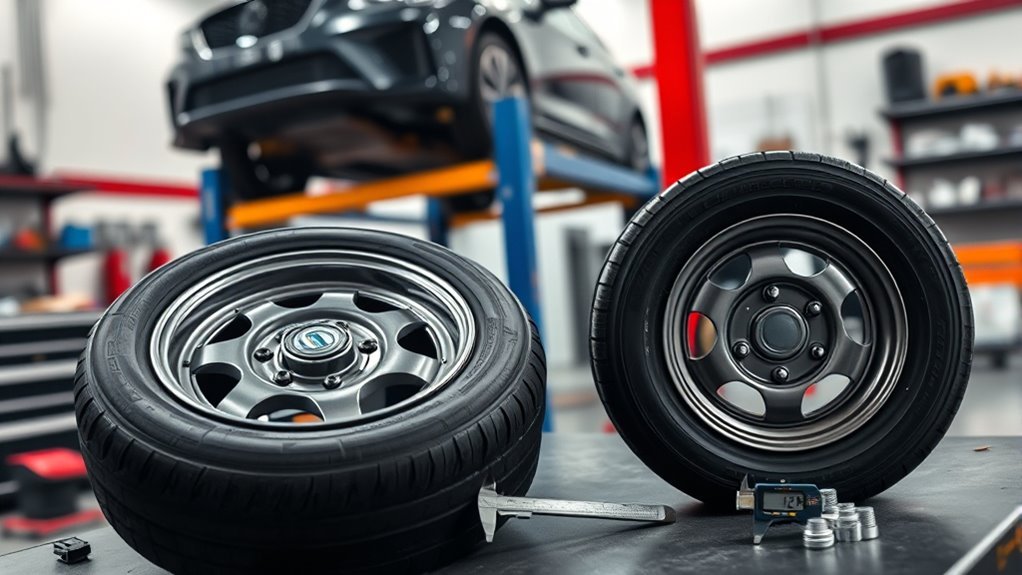
When selecting a plus size, prioritize keeping the overall tire diameter within ±3% of the OEM size while matching width and load capacity to your driving goals; wider tires boost lateral grip and steering response for performance driving, but they reduce sidewall height, increase road noise, and can harshen the ride for daily use. You’ll assess trade-offs: choose modest increases if you value driving comfort and tire aesthetics, larger widths only if performance gains justify firmer ride and potential rubbing. Use a tire size calculator to generate compatible options based on your vehicle specs and intended use—street, track, or light off-road—and verify load rating alignment with expected loads. Consult a tire specialist to confirm clearance, speedometer impact, and safe load-carrying capacity. Prioritize configurations that preserve handling balance and safety while achieving the liberated look or performance you want. Document chosen sizes and rationale to avoid impulsive swaps that compromise function for form.
Installation Checklist and Post-Upgrade Steps (Alignment, PSI, Inspections)
Although plus-sizing can deliver sharper handling and a more aggressive stance, you’ll need a systematic installation and post-upgrade checklist to preserve safety and tire life. You’ll start with verified installation tips and finish with ongoing maintenance reminders so the upgrade frees you, not binds you to problems. Begin with a professional wheel alignment to correct altered suspension geometry and prevent uneven wear. Adjust PSI to the new tire specifications; wider tires often need different pressures for ideal contact patch and safety. Inspect suspension components for added stress from heavier tires; replace worn parts before they cause failures. Monitor speedometer/odometer accuracy and recalibrate if larger diameter tires skew readings.
- Professional wheel alignment immediately after fitting
- Set PSI per manufacturer/spec chart and recheck cold
- Initial inspection for clearance, rub, and vibration
- Routine visual checks for abnormal wear every 500–1,000 miles
- Verify speedometer/odometer and recalibrate as needed
Follow these concise steps to maintain performance and independence.
Frequently Asked Questions
What Is the 7 7 Rule for Tires?
The 7 7 rule says you’ll offset width increases with equal aspect ratio decreases so combined change stays within 7%, preserving speedometer accuracy and handling; you’ll still monitor tire pressure and wheel alignment for safe, liberated performance.
What Are the Pros and Cons of Larger Tires?
You gain grip and style but lose comfort and accuracy: like swapping boots for cleats, one race study showed wider tread patterns improved cornering yet cut fuel efficiency; you’ll face higher costs, harsher ride, and speedometer error.
Conclusion
Plus-sizing can boost grip and responsiveness, but it also raises rolling resistance and risk of rubbing if you don’t follow fitment rules. One study found properly matched wider tires can cut lap times by as much as 1.5%—small but measurable for performance-focused drivers. You’ll want to verify clearance, maintain load rating and overall diameter within 3%, recalibrate speedometer if needed, and complete alignment and pressure checks after installation to guarantee safety and expected gains.
Related Articles
Staggered Tire Sizes Meaning: Why Front & Rear Differ
Better rear traction and bold styling come at handling and fitment trade-offs—discover why front and rear tire sizes differ and what to watch for.
Read More
Tire Speed Rating Chart: Every Letter Decoded
On this Tire Speed Rating Chart: Every Letter Decoded, discover what each code means and why your next tire choice could change everything.
Read More
Tire Width & Rim Width Compatibility: Fitment Rules
Optimal tire-to-rim fit depends on matching ETRTO widths and pressures—discover safe ratios, handling effects, and exceptions before riding.
Read More