
2020 Hyundai Sonata Tire Size: OEM Specs & Replacement Options
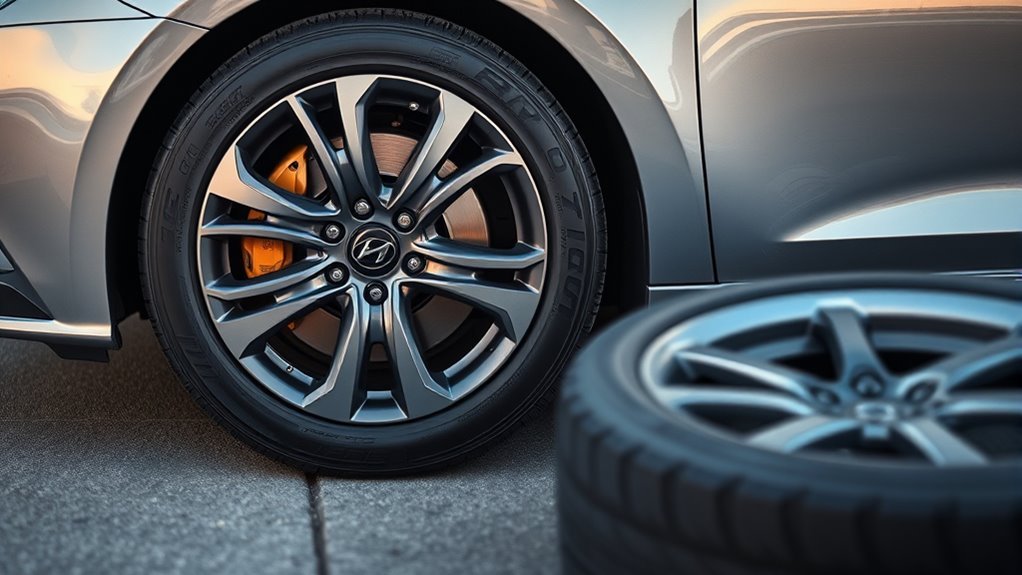
The 2020 Hyundai Sonata comes with OEM tire sizes depending on trim: 205/65R16, 215/55R17, 235/45R18 or 245/40R19, and you should match replacements to the car’s load index, speed rating and overall diameter. You’ll keep rolling circumference within ±3% to avoid ABS/TPMS issues and maintain handling. Choose all-season, winter or performance tires by driving needs, follow inflation and rotation schedules, and check tread and age — continue for specific fitment rules, recommended models and installation tips.
2020 Sonata OEM Tire Sizes (Trim Guide)
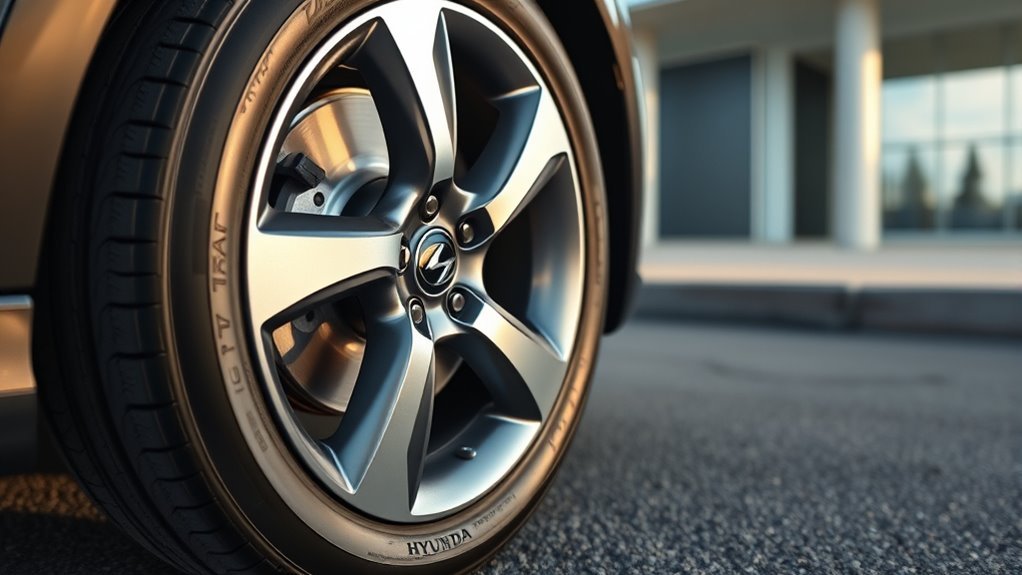
Any 2020 Sonata trim comes from the factory with a specific OEM tire size chosen to match its suspension and performance targets; check your driver’s-side door jamb for the exact code. You’ll find base models ship with 205/65R16 tires, a compromise that prioritizes ride comfort and fuel efficiency while maintaining predictable tire performance. Mid-level trims commonly use 215/55R17 or 235/45R18 sizes, shifting the balance toward sharper steering response and reduced sidewall flex. High trims and the Sport/Limited often fit 245/40R19 rubber to maximize road contact, improving lateral grip and stability under load. Each size is calibrated to the vehicle’s suspension, brake hardware, and EPA targets; swapping sizes without accounting for overall diameter or load index will degrade handling characteristics and may trigger ABS or traction-control anomalies. You should choose replacements that preserve the OEM intent unless you intentionally reconfigure suspension and calibration for a new performance goal.
How to Read a 2020 Sonata Tire Code (215/55R17 94V)
When you see a tire code like 215/55R17 94V on your 2020 Sonata, it compactly tells you width, aspect ratio, construction, wheel diameter, load capacity, and speed rating. You read it left to right: 215 is the tire width in millimeters measured sidewall to sidewall. 55 is the aspect ratio, meaning the sidewall height equals 55% of that 215 mm width. R denotes radial tire construction — the standard for passenger cars, where cords run radially for predictable handling and durability. 17 is the rim diameter in inches the tire is designed to fit.
After the space, 94 is the load index: this code corresponds to a maximum load capacity of 1,477 lbs (670 kg) when the tire is inflated to its specified pressure. V is the speed rating, indicating safe operation up to 149 mph (240 km/h). Use these values to match replacements precisely and retain the vehicle’s designed performance envelope.
Compatible Replacement Sizes for the 2020 Sonata : Fitment Rules
Although the 2020 Sonata comes standard with 205/65R16 tires, you can fit compatible replacements such as 215/55R17 or 235/45R18 (and other 16–19″ options) provided you match or exceed the load index on the driver’s door jamb and maintain overall tire diameter within the manufacturer’s tolerance to preserve speedometer accuracy, handling, and clearance. When selecting replacements, verify tire compatibility by comparing diameter, section width, and load index; small width changes affect contact patch and steering response, larger diameters alter gearing and ABS calibration. Keep rolling circumference within roughly ±3% of OEM to avoid speedometer and traction-control errors. Always use the driver’s door sticker for recommended pressures and maximum loads, and confirm replacement tires meet or surpass that load index. For performance enhancement, prioritize sizes that maintain clearance in the wheel wells and around suspension components. Consult manufacturer guidelines or a qualified technician before fitting non-OEM diameters to guarantee safety, legal compliance, and peak vehicle dynamics.
Best Tire Types for the 2020 Sonata by Driving Need

Having picked an appropriate replacement size and confirmed load index and diameter limits, you’ll next choose the tire type that matches your driving needs. Choose by how you drive and the driving conditions you face to maximize tire performance and freedom on the road.
| Driving Need | Recommended Type |
|---|---|
| Everyday, mixed weather | All-season — balanced wet/dry grip |
| Winter snow/ice | Winter tires — optimized compound, siping |
| Enhanced handling | 17–18″ high-performance summer |
| Comfort/economy | OEM 205/65 R16 all-season |
If you want predictable, low-maintenance tire performance year-round, all-season on OEM 205/65 R16 is the pragmatic choice. For traction sovereignty in snow and ice, switch to dedicated winter tires. If you crave responsive handling and higher lateral grip, opt for 215/55 R17 or 225/45 R18 performance tires in summer conditions. Match tire compound and tread to dominant driving conditions; that alignment gives you control, safety, and the liberating confidence to drive how you want.
Recommended Tires and Brands for the 2020 Sonata (Trim-Matched)
Match tires to your Sonata’s trim and wheel diameter — 16″ (205/65R16), 17″ (215/55R17), 18″ (235/45R18) or 19″ (245/35ZR19) — to preserve handling and speed-rating integrity. Choose proven brands like Michelin (Primacy Tour A/S, CrossClimate 2) or Hankook (Kinergy GT) with at least an H speed rating to meet OEM performance. Prioritize treadlife and rotation records (Michelin users report up to ~58,500 miles) when selecting a trim-matched option.
Trim-Specific Tire Picks
Because each 2020 Sonata trim comes with different factory tire sizes, you should pick tires that match the original specifications to preserve handling, safety, and ride quality. For SE/SEL (205/65R16) prioritize all-season designs that balance tire performance and seasonal considerations; the Michelin Primacy Tour A/S delivers compliant ride, predictable wet traction, and low noise for liberated, confident commuting. For Limited (245/40R19) upgrade to high-performance all-season or summer-plus models like the Pirelli P Zero AS to sharpen cornering and maintain stability at speed. For N Line, fit dedicated summer performance tires from responsive makers such as Bridgestone or Dunlop to exploit the chassis and engine tuning on dry roads. Always confirm load index and speed rating match OEM specs.
Brand And Rating Matches
Choose tires from reputable makers—Michelin, Continental, Dunlop, Hankook, and Pirelli—whose models are proven across the Sonata’s OEM sizes (205/65R16, 215/55R17, 235/45R18, 245/40R19) and whose load-index and speed-rating options align with factory specs. You’ll match SEL and Limited trims to Michelin Primacy Tour A/S for superior tire longevity and balanced wet/dry performance. For the N Line, fit Pirelli P Zero AS or equivalent high-performance tyres to exploit handling and grip. Use Continental or Dunlop as mid-performance alternatives where cost and balanced wear matter. Specify H or higher speed ratings to preserve stability and reserve margin. Run a short performance comparison focused on tread life, rolling resistance, and wet grip to justify your trim-matched selection.
When Should You Replace Your 2020 Sonata’s Tires?
When should you replace the tires on your 2020 Sonata? Monitor tire wear and visible damage as primary replacement indicators: replace when tread depth is below 5/32″ or when cuts, bulges, or sidewall damage compromise integrity. Track annual mileage—typical service life runs 12,000–15,000 miles per year—so plan replacements when cumulative miles approach expected wear limits. Replace all tires by five years from manufacture regardless of tread because rubber degrades over time and safety margins shrink. Account for seasonal climate and driving patterns; aggressive conditions accelerate degradation and alter replacement timing. Use these measurable triggers—tread depth, structural damage, age, and mileage—to assert control over safety and performance. You’ll maintain traction, handling, and liberation from avoidable risk by replacing tires based on objective criteria rather than guesswork, ensuring your Sonata remains reliable under changing road and weather demands.
Inflation, Rotation, and Maintenance Tips for 2020 Sonata Tires
If you want consistent handling, fuel economy, and tread life on your 2020 Sonata, maintain correct tire inflation per the placard on the driver’s door jamb, rotate tires every 5,000–7,000 miles, and check tread depth regularly—keeping at least 5/32″—while inspecting for cuts, bulges, and seasonal wear before winter and summer driving. You’ll verify tire pressure cold, using a calibrated gauge; underinflation increases rolling resistance and uneven wear, overinflation reduces contact patch and grip. Rotate in the pattern recommended by Hyundai or your tire maker to equalize wear across axles and stagger directional tires as required. Measure tread depth at multiple points across each tire; replace if any location approaches the 5/32″ threshold to preserve wet traction and hydroplaning resistance. Perform visual inspections monthly and after impacts; look for sidewall damage, embedded objects, and irregular wear that signify alignment or suspension issues. Maintain proper inflation, rotation, and inspections to secure efficient, confident mobility and keep your autonomy on the road.
Buying & Installation Checklist: Load Index, Speed Rating, Shop Tips
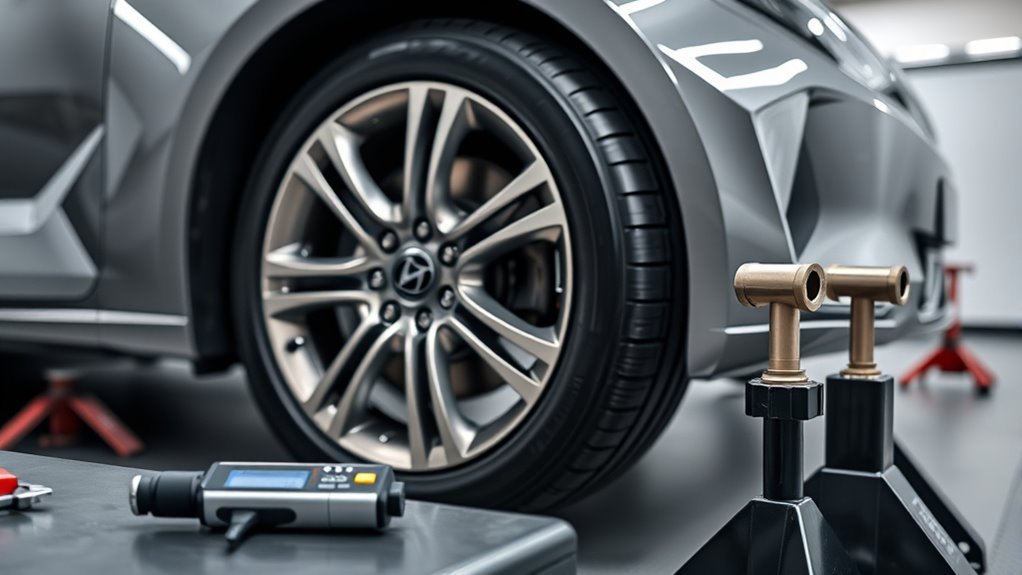
Although matching tire load index and speed rating to the specifications on your Sonata’s driver-door placard is essential, also verify any replacement meets or exceeds the original load index and carries at least an H speed rating for safe highway performance. You’ll confirm load index numbers on the sidewall; never fit lower-rated tires. Prioritize H or higher speed ratings to preserve handling margins and legal limits.
Consult a professional tire shop to validate fitment, discuss driving profile, and inspect wheel, hub, and TPMS compatibility. Ask shops for written recommendations and compare tire warranties and installation costs across vendors. Request itemized quotes that separate parts, balancing, valve stems, and disposal fees. Take advantage of promotions or bundled deals but keep warranty terms and mileage guarantees in view. At installation, insist on torqueing lug nuts to spec, uniform inflation, and a road-force balance if available. You’ll leave with safe, compliant tires and documentation that protects your rights and freedom on the road.
Frequently Asked Questions
What Tires Come on a Hyundai Sonata?
You get OEM tires in sizes 205/65R16, 215/55R17 or 235/45R18, often from tire brands like Michelin, Hankook or Kumho; you’ll check performance ratings and choose replacements that meet or exceed original specs for freedom.
What Is My OEM Tire Size?
Your OEM tire size is 205/65 R16. You’ll monitor tire pressure and tread wear regularly; proper PSI preserves handling, fuel efficiency, and safety, so you’ll replace tires before excessive wear undermines your driving freedom.
What Is the Best Oil for a Hyundai Sonata?
Use 0W-20 full synthetic oil; Mobil 1, Castrol, or Valvoline are excellent synthetic options that meet API specs. You’ll perform an oil change every 7,500 miles or 12 months to protect and free your engine.
Conclusion
You’re set: matching OEM sizes and sensible replacements keeps ride, handling, and safety aligned. Coincidentally, the same precise attention you give tire codes, load index, and pressure will also extend tread life and fuel efficiency—small checks yield measurable gains. Replace when tread, age, or damage compromises load or speed ratings; rotate and inflate to spec; document mounts and torque. Treat tires as engineered systems: consistent, technical care prevents failure and preserves the Sonata’s designed performance.

Related Articles

How Does TPMS Work on a Hyundai Sonata? Complete Explanation
How your Hyundai Sonata’s TPMS actually detects and reports tire pressure—indirect versus direct systems—reveals critical steps for troubleshooting and maintenance you’ll want to know.
Read More
Hyundai Sonata Rim Width & Offset Specs for All Trim Levels
Maximize your Hyundai Sonata's performance with essential rim width and offset specs for all trim levels—discover how the right fit can transform your drive.
Read More
Does Hyundai Sonata Use Direct or Indirect TPMS? Explained
Judging by precision, speed, and per-wheel data, discover why the Hyundai Sonata uses direct TPMS—and what that means for alerts, costs, and maintenance.
Read More