
Hyundai Sonata Tire Leaking From Valve Stem: How to Fix It
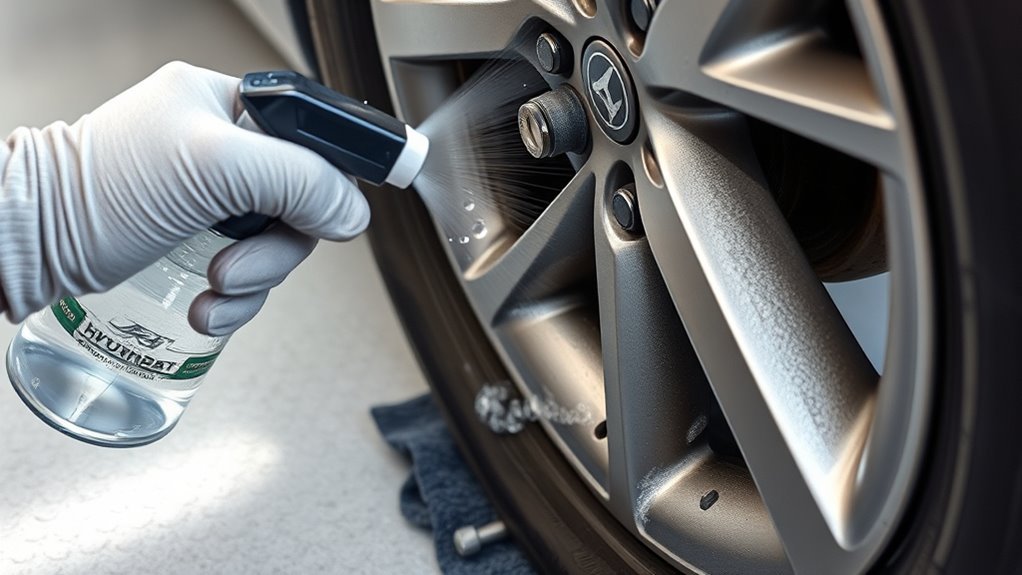
If your Hyundai Sonata is leaking air from the valve stem, start by checking for hissing sounds or visible damage. Use a soapy water solution to confirm the leak; bubbles will indicate air escape. To fix it, you’ll need a new valve stem, valve core tool, and an air compressor. Carefully replace the stem and check for leaks again. Remember, addressing the issue promptly is essential for safety, and there’s more to learn about ensuring your tires are in top shape.
Spotting Symptoms of a Leaking Tire Valve Stem
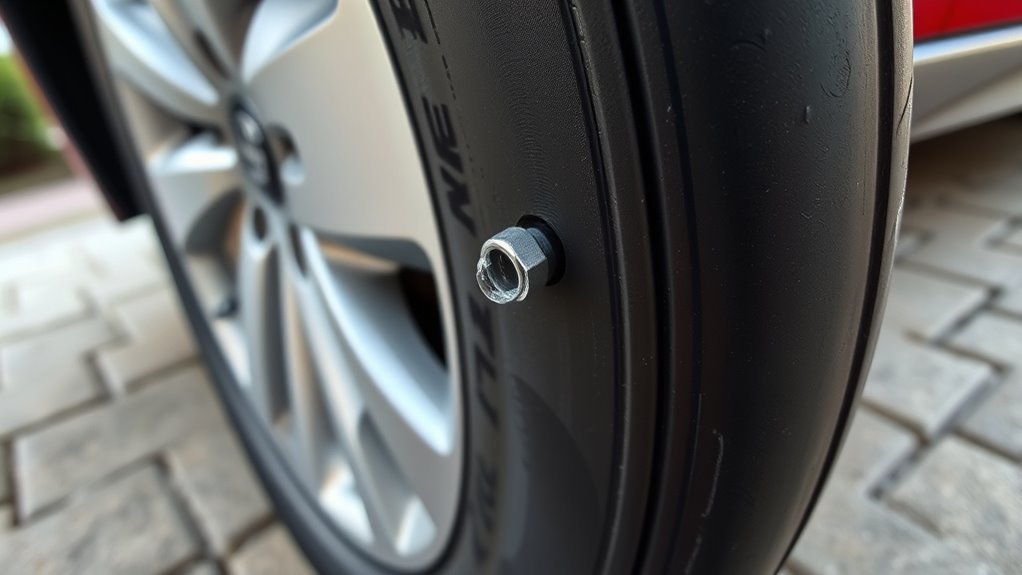
When you suspect a leaking tire valve stem, it’s crucial to pinpoint the symptoms quickly. One common sign is a hissing sound when you remove the valve cap, indicating air escaping. You might also feel air blowing from the valve stem area, especially if you notice the tire losing pressure. Inspect the valve cap for cracks or damage, as these can be potential sources of air loss.
Regular tire maintenance includes checking tire pressure frequently. This practice helps with leak detection, allowing you to catch slow leaks early and prevent further damage. If you’re uncertain, applying soapy water to the valve stem will reveal bubbles if there’s a leak, making identification straightforward. By staying vigilant and addressing these symptoms promptly, you can guarantee your Hyundai Sonata remains safe and efficient on the road.
How to Confirm the Leak Using Soapy Water?
To confirm a leak from your Hyundai Sonata’s valve stem, you’ll want to use a soapy water solution. Mix dish soap with water and apply it to the valve stem area; watch closely for any bubbles forming. If you see bubbles, it means air is escaping, confirming a leak that needs attention.
Visual Inspection Techniques
If you’re suspecting a leak in your Hyundai Sonata’s tire, conducting a visual inspection with soapy water can be an effective method. Begin by removing the valve cap and listening for hissing sounds or feeling for escaping air. Create a soapy solution with dish soap and water, and apply it directly to the valve stem. Look for visual cues, such as bubbles forming, which confirm a leak. Additionally, inspect the valve stem and cap for any visible cracks or damage. Verify the tire is inflated to its recommended pressure for accurate results.
| Step | Action |
|---|---|
| Remove Valve Cap | Listen for hissing sounds. |
| Apply Soapy Solution | Look for bubbles indicating a leak. |
| Inspect for Damage | Check valve stem and cap for cracks. |
Applying Soapy Water
Having conducted a visual inspection, you can now confirm a leak using the soapy water method. This technique is essential for effective leak detection. Follow these steps for accurate results:
- Remove the valve cap and prepare a mixture of dish soap and water.
- Apply the soapy solution directly to the valve stem.
- Observe the area for bubbles; if bubbles form, air is escaping, confirming a leak.
Ensure your tire is properly inflated before starting this test for best accuracy. Always wear safety glasses during this process to protect your eyes from debris. If no bubbles appear, further inspection may be necessary, as the leak could be located elsewhere. These maintenance tips will help keep your Hyundai Sonata in top condition.
Interpreting Bubble Results
When you apply soapy water to the valve stem, the results can be quite telling. If you notice bubbles forming, it confirms that air is escaping, indicating a leak. Pay attention to bubble size; larger or more persistent bubbles point to a more significant leak severity. This isn’t just a minor issue—you may need to address it promptly. Before testing, verify the area is dry to avoid false positives from moisture. If you’ve made repairs, repeat the soapy water test to verify the leak has been effectively resolved. Consistent monitoring helps maintain your tire’s health, empowering you to drive with confidence and safety.
What You Need to Replace Your Tire Valve Stem
To replace your tire valve stem, you’ll need a few essential tools: a valve core tool, a new valve stem core, and safety glasses. An air compressor is also vital for re-inflating the tire afterward. Make sure to have needle nose pliers and some lubricant or soapy water handy to simplify the installation process.
Essential Tools Required
Replacing your tire valve stem requires specific tools to guarantee the process is efficient and effective. To confirm a successful replacement, gather the following essential items:
- Valve core tools – These allow you to remove and replace the valve core without needing to take off the tire.
- New tire valve stem – This is critical for replacing the old, leaky stem, providing a proper seal.
- Air compressor – You’ll need this for re-inflating the tire after installing the new valve stem to achieve the correct tire pressure.
Additionally, having needle nose pliers can help with handling the valve stem, while lubricant or soapy water eases installation. These tools are significant for effective tire maintenance, making sure your Hyundai Sonata runs smoothly.
Step-by-Step Replacement Process
After gathering the necessary tools, you’re ready to tackle the tire valve stem replacement on your Hyundai Sonata. Start by jacking up the car and relieving tire pressure. Use the valve core tool to remove the valve core, allowing the tire to deflate completely. Next, employ a tire iron to separate the tire bead from the wheel. Insert the new valve stem from the inside, guaranteeing it’s correctly positioned. Lubricate it to ease installation. Finally, inflate the tire to the recommended PSI. For effective valve troubleshooting, check for air leaks by applying soapy water to the valve stem area. This simple tire maintenance task guarantees your Sonata runs smoothly and safely on the road.
Step-by-Step Valve Stem Replacement
A successful valve stem replacement on your Hyundai Sonata requires a few essential steps to guarantee a proper fix for any leaks. First, make certain your vehicle is securely lifted with a jack and jack stands, relieving tire pressure. Then, follow these steps:
- Use a valve core tool to remove the old valve core, allowing air to escape quickly.
- Carefully extract the valve stem from the wheel using needle nose pliers and replace it with a new one, applying lubricant or soapy water for an easier fit.
- Inflate the tire to the recommended PSI and check for leaks by applying soapy water to the area, watching for bubbles.
Finally, reinstall the valve cap to protect against dirt and debris. This process not only addresses the leak but also reinforces your tire maintenance routine, making certain your Hyundai Sonata runs smoothly with the right valve stem types in place.
Top Mistakes to Avoid When Replacing Your Tire Valve Stem
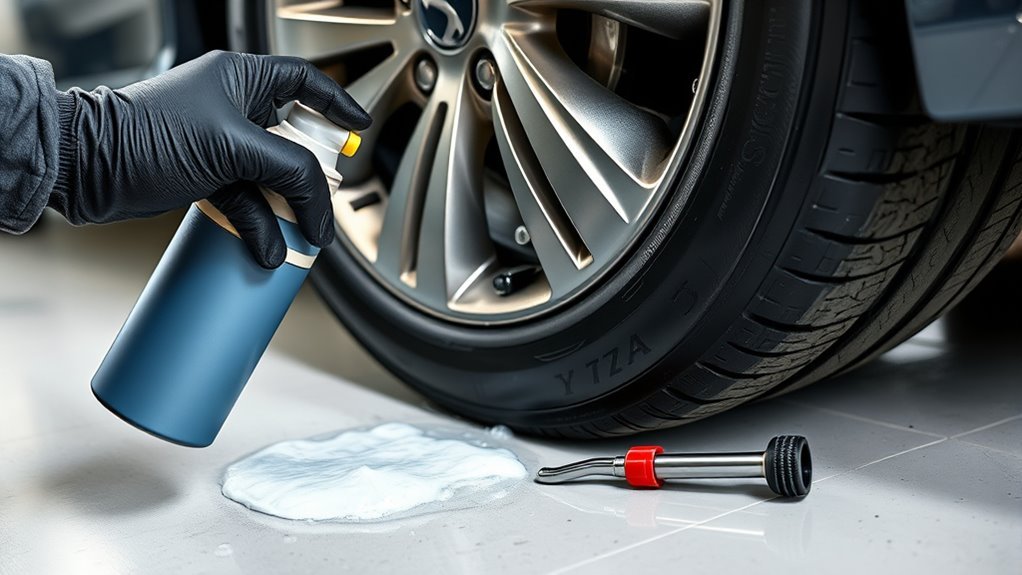
When you tackle a tire valve stem replacement, it’s important to avoid common pitfalls that can compromise your repair. One major mistake is over-tightening the new valve stem core; a snug fit is vital, but excessive force can strip threads and lead to leaks. Remember to clean corrosion from the old core threads; neglecting this step can prevent a secure seal.
After installation, don’t skip checking for leaks with soapy water. Missing air escapes can greatly affect tire performance. Also, don’t forget to reinstall the valve cap; it protects the valve stem from dirt and moisture, which can cause deterioration and leaks.
Finally, always wear safety glasses during the process. Debris can fly when removing or installing the valve stem, posing a risk to your eyes. Incorporate these valve maintenance tips to avoid common installation errors and guarantee a successful replacement.
When to Call a Professional for Tire Valve Repairs
While you might feel confident tackling minor tire repairs, knowing when to call a professional is essential for guaranteeing your safety and the longevity of your tires. Here are three situations where you should seek expert help for valve stem maintenance:
- If air loss persists after replacing the valve core, deeper issues may exist that require professional evaluation.
- Rapid air loss following a DIY fix could indicate severe punctures or damage needing immediate attention.
- When the valve stem shows signs of corrosion or damage, a tire shop has the tools and expertise for proper replacement.
Additionally, leaks at the tire bead or sidewall are not suitable for DIY fixes. If you’re unsure about your repair’s effectiveness or lack the necessary tools, seeking professional assistance guarantees safety and reliability in your tire maintenance. Prioritize your well-being by consulting an expert when necessary.
Frequently Asked Questions
Can I Drive With a Leaking Valve Stem?
You can’t drive safely with a leaking valve stem. It compromises tire safety and can lead to more significant issues. Prioritize valve maintenance to guarantee peak performance and avoid potential hazards on the road.
How Often Should I Check My Valve Stems?
Check your valve stems like a gardener tends to plants—regularly and with care. For ideal tire maintenance, inspect them monthly to guarantee proper valve stem care, preventing leaks and extending tire lifespan. Stay proactive!
What Causes Valve Stems to Leak?
Valve stems can leak due to wear from poor-quality materials, damage from debris, or improper installation. Regular tire maintenance tips, like inspecting valve stems, can help you prevent leaks and guarantee ideal tire performance.
Are All Valve Stems the Same Size?
Not all valve stems are the same size. You’ll find various valve stem types and materials, each designed for specific tire applications. Always check compatibility when replacing to guarantee ideal performance and safety.
Can I Repair a Valve Stem Instead of Replacing It?
You can often repair a valve stem instead of replacing it. With proper valve stem maintenance, a simple sealant might fix leaks, but guarantee you’re cautious—visualize a secure tire as your ultimate goal.
Conclusion
In summary, addressing a leaking tire valve stem promptly can save you both time and money. Curiously, studies show that improperly maintained tires can reduce fuel efficiency by up to 3%. By following the steps outlined and avoiding common mistakes, you can effectively replace your valve stem and guarantee your Hyundai Sonata’s performance remains top-notch. If you’re ever in doubt, don’t hesitate to seek professional help to maintain safety and efficiency on the road.

Related Articles

How to Register Hyundai Sonata Tires for Recall Notices
Understand how to register your Hyundai Sonata VIN for automated tire-recall alerts, plus the steps dealers use to authorize free repairs—read on to protect your vehicle.
Read More
Hyundai Sonata Tire Stopping Distance: Snow vs Dry Pavement
Stopping distances for your Hyundai Sonata vary greatly between snow and dry pavement; discover how tire selection plays a crucial role in your safety.
Read More
How Tire Weight Affects Hyundai Sonata Fuel Economy Explained
Fascinated by how shaving a few pounds from your Sonata's wheels can noticeably boost MPG and acceleration—discover the surprising math and trade-offs inside.
Read More