
Hyundai Sonata Tire Cupping: Causes, Signs & How to Fix It
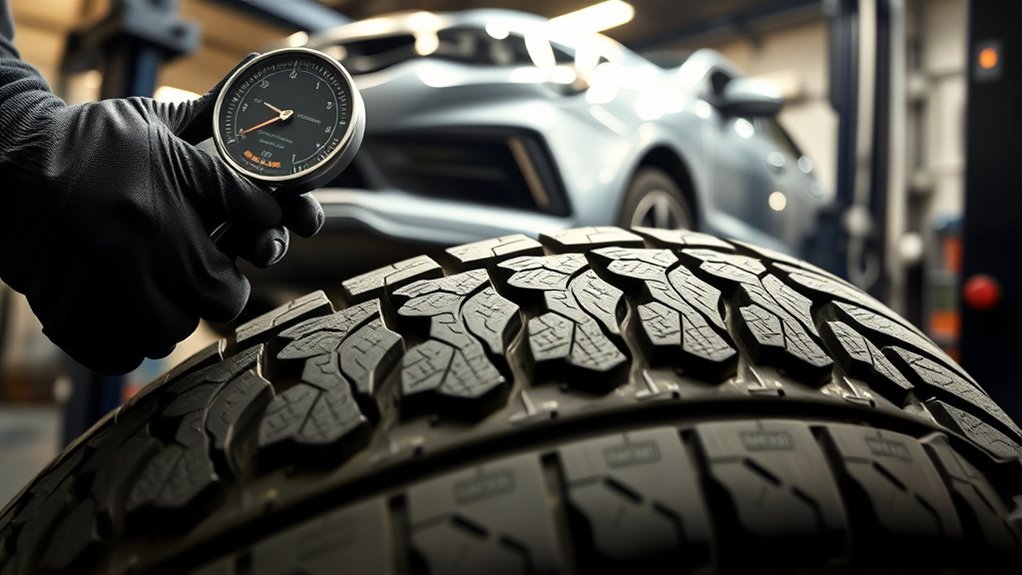
Tire cupping in your Hyundai Sonata happens due to issues like misalignment, worn shocks, or improper tire pressure. You’ll notice uneven tread, vibrations in the steering wheel, and increased road noise. It’s essential to address these signs quickly to maintain your car’s performance and safety. Regular maintenance, including tire rotations and alignment checks, can prevent further problems. Want to guarantee your Sonata rolls smoothly? Keep going to discover detailed solutions for tire cupping.
Understanding Tire Cupping in Your Hyundai Sonata
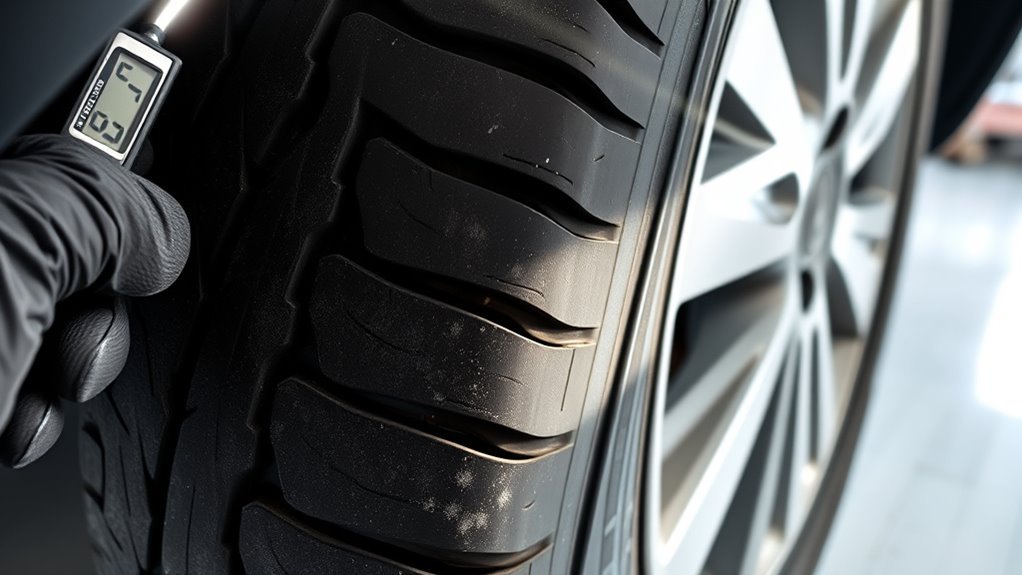
When you notice uneven tread wear on your Hyundai Sonata, it might be a sign of tire cupping—a condition that not only increases road noise but can also compromise your vehicle’s traction. This scooped-out pattern can lead to vibrations in your steering wheel and might make your car drift to one side, impacting your driving stability. Ignoring these symptoms can escalate into more serious issues, including costly repairs. To keep your Sonata in top shape, prioritize tire maintenance. Regularly inspecting your tires and ensuring proper alignment and suspension can prevent tire cupping from occurring. Don’t forget to rotate your tires every 5,000 miles, as this simple step greatly enhances their longevity. By staying proactive, you not only maintain a smoother ride but also enhance your vehicle’s overall performance, allowing you to enjoy the freedom of the open road without unnecessary worries.
Causes of Tire Cupping in Hyundai Sonatas
Tire cupping in Hyundai Sonatas often stems from several key factors that disrupt the even wear of your tires. One major culprit is alignment issues. When your wheels aren’t properly aligned, it leads to uneven tread wear, commonly known as “heel-toe wear.” This can greatly affect your driving experience and safety.
Another contributing factor is suspension wear. Worn shocks and struts can cause your tires to bounce, creating uneven pressure that exacerbates cupping. In addition, insufficient tire balancing can result in uneven weight distribution, making your tires more prone to this issue. Maintaining proper tire pressure is also essential; inadequate pressure can lead to irregular wear patterns, increasing the risk of cupping. Regular tire rotations every 5,000 to 8,000 miles can help you combat these problems, promoting even wear and prolonging tire life. Staying vigilant about these factors will empower you to maintain ideal performance and safety.
Signs of Tire Cupping: What to Look For?
How can you tell if your Hyundai Sonata is suffering from tire cupping? Start with a thorough tire inspection. Look for visible scooped-out tread patterns spaced every 3-4 inches, which indicate uneven wear. If you notice vibrations or shaking in the steering wheel during your drive, that’s another red flag; it often signals an imbalance due to cupping. Additionally, listen for increased noise, like a rhythmic humming or rumbling, as this can grow louder with more wear. If your vehicle seems to drift to one side, that might signal misalignment or cupping, necessitating further investigation. Regularly monitoring your tires will help you catch these signs early. Conducting vibration analysis can also assist in pinpointing issues. Staying vigilant about these indicators empowers you to maintain your Sonata and enjoy a smoother, safer ride.
How to Fix Tire Cupping Issues
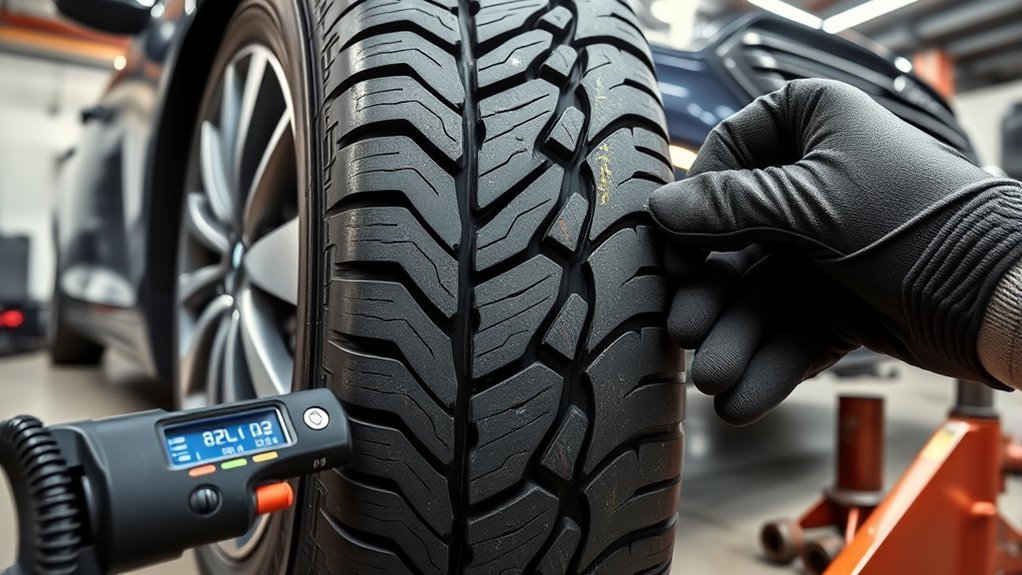
Addressing tire cupping issues on your Hyundai Sonata requires a systematic approach to restore ideal performance. Start by scheduling a professional alignment service to correct any misalignment affecting tire wear. This step is essential, as improper alignment can lead to uneven wear and exacerbate cupping.
Next, make it a habit to rotate your tires every 5,000 to 8,000 miles. This practice promotes even wear and helps prevent future cupping. Don’t overlook your suspension components; inspect and replace worn shocks and struts to guarantee proper tire contact with the road.
Regularly check your tire pressure, ideally once a month. Underinflation can worsen cupping and lead to further issues. If the cupping is severe, consider replacing the affected tires with high-quality options, as cheaper alternatives may be more prone to this problem. Taking these steps will help you enjoy a smoother ride and prolong your tires’ lifespan.
Preventing Tire Cupping in Your Hyundai Sonata
To keep your Hyundai Sonata running smoothly and prevent tire cupping, proactive maintenance is essential. Start by rotating your tires every 5,000 to 8,000 miles. This simple step promotes even wear and reduces the risk of cupping. Additionally, schedule annual wheel alignment checks, especially after tire rotations, to guarantee that your tires maintain proper contact with the road.
Don’t forget to conduct monthly tire pressure checks. Keeping your tires at the recommended PSI helps avoid irregular wear patterns that can lead to cupping. Investing in quality tires that meet performance standards is another vital aspect of effective tire maintenance. Finally, routine suspension inspections can uncover issues that might worsen tire cupping. By adopting mindful driving habits and staying on top of these maintenance tasks, you’ll not only protect your tires but also enhance your overall driving experience in your Hyundai Sonata.
Frequently Asked Questions
How to Get Rid of Tire Cupping?
To eliminate tire cupping, focus on tire maintenance. Rotate your tires regularly, perform alignment checks, and inspect suspension components. Keep tire pressure ideal to guarantee smooth rides, enhancing both safety and performance.
What Is the Most Common Cause of Cupping Tires?
The most common cause of cupping tires is misalignment, often stemming from poor tire maintenance or suspension issues. Regularly check your alignment and suspension components to keep your tires wearing evenly and performing at their best.
What Is the Most Likely Cause of Scalloped or Cupped Tires?
The most likely cause of scalloped or cupped tires is alignment issues. Without proper tire maintenance, misalignment leads to uneven wear, making it essential to regularly check and adjust your vehicle’s alignment for peak performance.
What Kind of Car Is Prone to Tire Cupping?
If you’ve got a car with poor tire alignment or neglected maintenance, you’re likely to see tire cupping. Regular checks and adjustments can help you avoid the uneven wear that leads to this issue.
Conclusion
In summary, addressing tire cupping in your Hyundai Sonata isn’t just about comfort; it’s essential for safety. Did you know that improperly aligned tires can reduce your vehicle’s lifespan by up to 30%? By staying vigilant for signs of cupping and adhering to regular maintenance, you can enhance your driving experience and extend your tires’ life. So, keep an eye on your tires, and don’t hesitate to seek professional help if you notice any irregularities.

Related Articles
Hyundai Sonata Tire Feathering: Causes, Diagnosis & Fixes
Join us as we uncover the causes of tire feathering in your Hyundai Sonata and reveal essential tips for diagnosis and effective fixes.
Read More
Hyundai Sonata Braking Distance on Black Ice: Tire Tips
Optimize your Hyundai Sonata's braking distance on black ice with essential tire tips; discover how to enhance your safety in icy conditions.
Read More
Why Are Hyundai Sonata Front Tires Wearing Faster Than Rear?
Discover why your Hyundai Sonata's front tires wear out faster than the rear and learn essential tips to prevent costly replacements.
Read More