
Hyundai Sonata Tire Bead Leak: Causes, Symptoms & Solutions
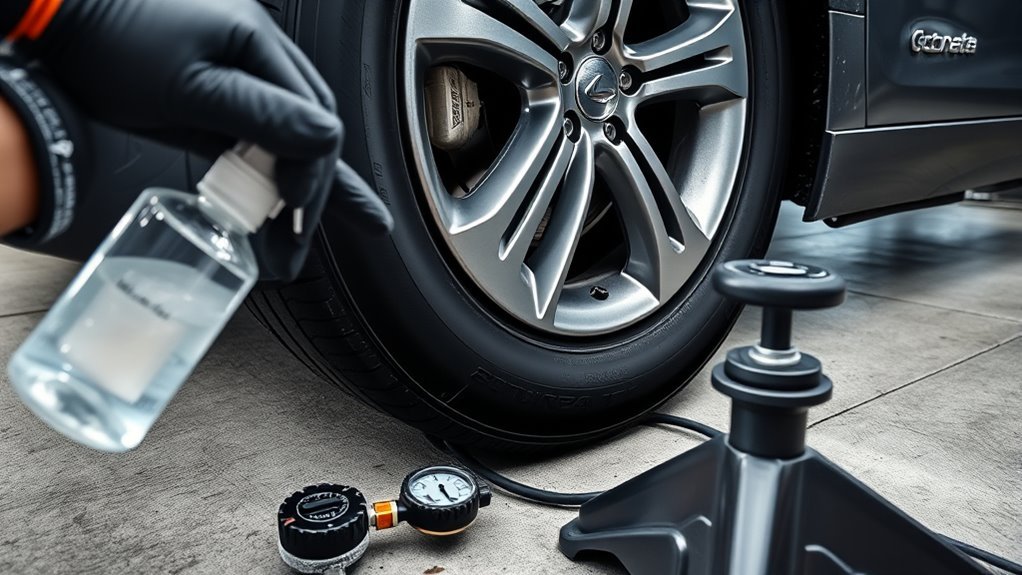
A tire bead leak in your Hyundai Sonata can cause air loss, increasing safety risks and affecting performance. You might notice pressure drops, unusual vibrations, or visual gaps between the tire and rim. Common causes include rim corrosion and improper installation. To inspect, check for debris and use a soapy water test for air bubbles. Address leaks promptly with repairs or resealing. Stay tuned for essential maintenance tips and solutions to keep your tires in top condition.
What Is a Tire Bead Leak and Its Role in Your Hyundai Sonata?
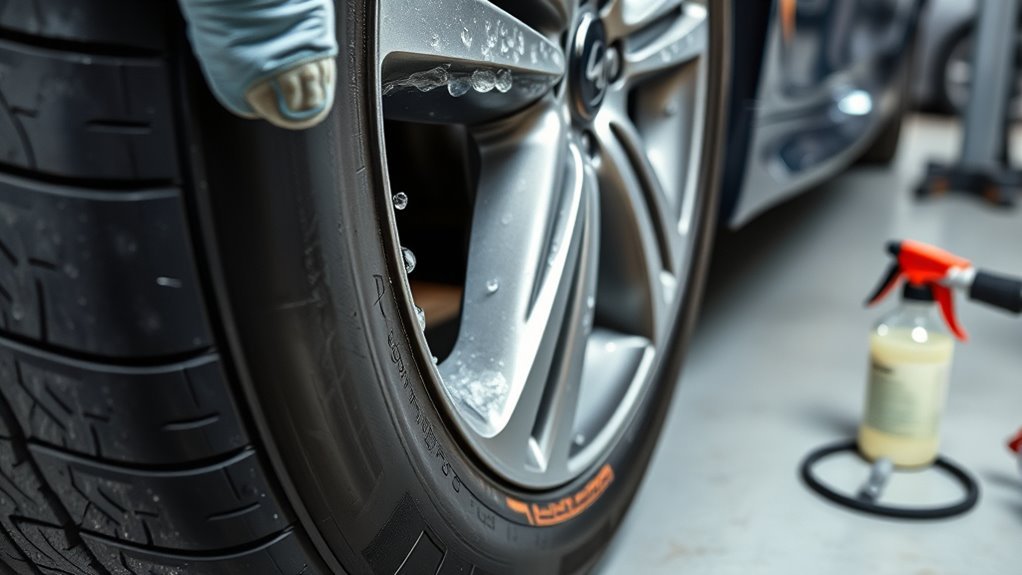
A tire bead leak occurs when air escapes from the seal between your Hyundai Sonata’s tire bead and the wheel rim, which can compromise your tire’s pressure and integrity. This issue greatly impacts tire safety, as it can lead to frequent pressure drops and uneven tire wear. Proper bead maintenance is vital; any misalignment during installation can create vulnerabilities. The bead’s high-tensile steel wire, coated in rubber, guarantees an airtight seal under pressure. Regular inspections of the bead area, especially after hitting obstacles like curbs or potholes, allow you to catch potential leaks early, preventing further damage. If you suspect a bead leak, applying soapy water to the area can help identify the problem. Bubbles will indicate the leak’s location, requiring professional assessment for repair or reseating. Staying proactive with tire bead maintenance is essential for maintaining your Hyundai Sonata’s performance and safeguarding your safety on the road.
How to Identify Symptoms of a Tire Bead Leak?
To identify symptoms of a tire bead leak, start by monitoring for unexpected air pressure drops, which can indicate a problem at the bead. Conduct a visual inspection for any separation between the tire and rim, as well as checking the valve stem for damage. Using soapy water on the bead area can also reveal escaping air, confirming a leak.
Signs of Air Loss
Identifying signs of air loss in your Hyundai Sonata is essential for maintaining ideal tire performance. You might notice frequent drops in air pressure without visible punctures, suggesting a compromised seal between the tire bead and rim. Additionally, look for a noticeable separation between the tire and rim, often appearing lopsided, which can indicate bead-related issues. Unusual vibrations or a shaky ride, especially at higher speeds, may signal improper bead fit or damage. Regular monitoring of tire pressure with a Tire Pressure Monitoring System (TPMS) can alert you to persistent low pressure, indicating a slow leak. For thorough bead maintenance, inspect the bead area with soapy water; bubbling will reveal air escaping from the tire bead seal.
Visual Inspection Techniques
Visual inspections are essential for detecting tire bead leaks in your Hyundai Sonata. Regular tire maintenance helps guarantee your safety and vehicle performance. Here’s how to effectively check for bead leaks:
- Spray soapy water on the tire bead area; bubbling indicates air escaping.
- Inspect for visible damage or corrosion at the bead and rim interface.
- Look for uneven tire wear patterns or a lopsided appearance.
- Check the valve stem for damage or blockage, which can mimic bead leaks.
- Regularly monitor tire pressure; a consistent drop may signal a bead leak.
Common Causes of Tire Bead Leaks in the Hyundai Sonata
Tire bead leaks in the Hyundai Sonata often stem from several key issues that can compromise your driving experience. One major cause is damage from hitting potholes or curbs, which can deform the wheel rim and disrupt the bead seal. Corrosion can develop around the bead area, especially on older rims, leading to air leaks. Improper installation during tire mounting is another culprit; if the bead doesn’t seat correctly, you’ll notice a loss of air pressure. Additionally, wear and tear on the valve stem can contribute to slow leaks at the bead area. Regular bead maintenance is essential for preventing these leaks. Inspect the bead and rim condition frequently, checking for debris and corrosion. If you find significant damage, rim replacement may be necessary to restore proper sealing. Address these issues proactively to maintain ideal tire performance and safety.
The Impact of Corroded Rims on Tire Bead Sealing
Corrosion on your Hyundai Sonata’s rims can markedly affect the tire bead sealing, leading to slow leaks and reduced tire pressure. This issue often arises from exposure to moisture, road salts, and other environmental factors that erode the rim’s surface and disrupt the bead’s fit.
Here are key impacts of rim corrosion on tire bead sealing:
- Compromised airtight seal between tire bead and wheel
- Increased likelihood of slow leaks over time
- Decreased tire pressure affecting performance
- Uneven tire wear and vibrations while driving
- Need for regular inspections to catch early signs
While bead sealants can temporarily mitigate leaks, they’re not a permanent fix. For long-term safety, consider rim replacement or repair. Addressing rim corrosion promptly not only maintains tire pressure but also enhances your driving experience and safety.
How to Inspect Your Tire Bead for Damage
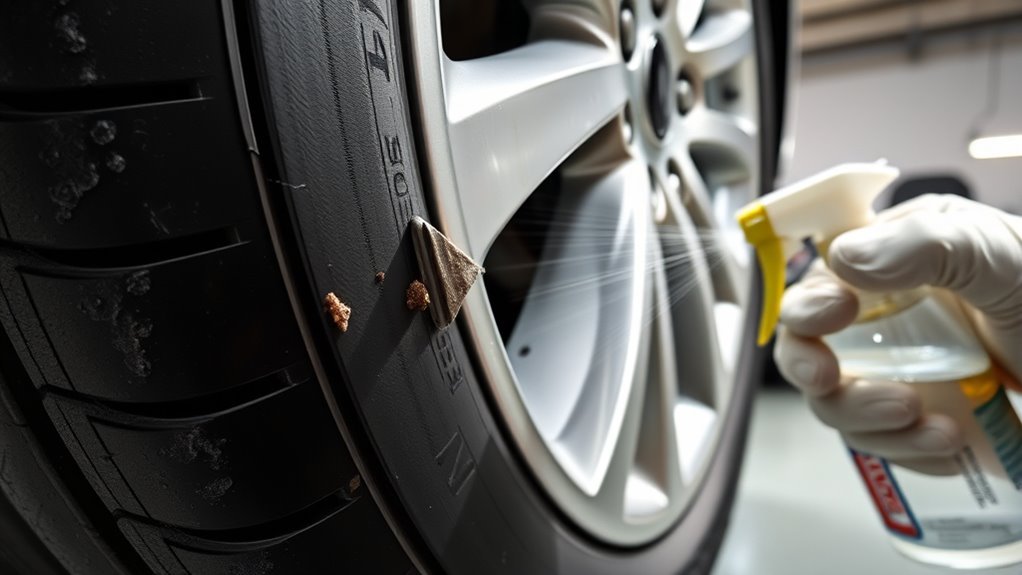
When inspecting your Sonata’s tire bead for damage, start by closely examining the area for dirt, debris, or signs of corrosion. Contaminants can compromise the airtight seal with the rim. Use soapy water along the bead and rim junction; bubbling indicates escaping air and potential leaks. Check for noticeable separation between the tire and rim, which can signal improper installation or bead damage. Verify the bead is correctly seated in the rim’s groove; misalignment can lead to leaks and instability.
| Inspection Step | Action |
|---|---|
| Visual Inspection | Look for dirt, debris, and corrosion |
| Soapy Water Test | Spray and check for bubbles |
| Separation Check | Look for gaps between tire and rim |
| Seating Verification | Confirm bead is properly aligned in the groove |
Regularly monitor tire pressure. Frequent drops may suggest a bead seal issue needing bead repair or rim cleaning.
Diagnosing a Slow Tire Leak
When diagnosing a slow tire leak in your Hyundai Sonata, start by identifying common leak indicators like TPMS alerts. Use visual inspection techniques, such as applying soapy water to the tire bead, to spot air escaping. For persistent issues, consider advanced leak detection methods to guarantee a thorough assessment.
Common Leak Indicators
Diagnosing a slow tire leak in your Hyundai Sonata involves recognizing several key indicators. Regular tire maintenance and pressure monitoring can help you catch issues early. Here are some common signs to look for:
- Frequent low tire pressure alerts from the Tire Pressure Monitoring System (TPMS).
- The need for regular inflation despite no visible punctures.
- Visible damage around the tire bead or rim, such as corrosion or debris.
- Uneven tire wear patterns, especially on one side.
- Listening for hissing noises while stationary, though slow leaks may be silent.
Visual Inspection Techniques
To effectively identify a slow tire leak in your Hyundai Sonata, a thorough visual inspection of the tire bead area is essential. Start by examining the interface between the tire and rim for any visible separation that might indicate a leak. Applying soapy water can help; look for bubbling where air escapes. Don’t overlook the valve stem—check for corrosion or debris, ensuring it’s securely attached. Inspect the tire surface for small punctures or embedded objects, as these can also contribute to slow leaks. Regularly monitor for uneven tire wear patterns, which may signal issues with bead sealing or alignment. Maintaining proper tire pressure is vital for overall performance and safety.
Advanced Leak Detection Methods
While traditional visual inspections are essential, employing advanced leak detection methods can greatly enhance your ability to diagnose a slow tire leak in your Hyundai Sonata. Consider these techniques:
- Soapy solution: Apply a soapy water mixture to suspected areas; bubbles indicate escaping air.
- Underwater testing: Submerge the tire in water to spot air bubbles emerging from leaks.
- Specialized products: Use leak detection sprays like TECH Chek for pinpoint accuracy.
- Tire bead inspection: Check for corrosion or debris compromising the seal with the rim.
- TPMS monitoring: Regularly monitor tire pressure with a Tire Pressure Monitoring System to detect slow leaks early.
These methods can empower you to maintain peak tire performance and safety.
What to Do After Diagnosing a Slow Tire Leak?
After pinpointing a slow tire leak, your next step is vital for safety and performance. Start by identifying the leak’s source; apply soapy water around the tire bead, valve stem, and tread area. If the valve stem is damaged, replace it—it’s a low-cost fix that aids in leak prevention. For punctures smaller than ¼ inch in the tread, a professional can patch the tire, ensuring a reliable repair. If the tire bead is compromised, reseating it with bead sealer might restore the airtight seal, but significant damage could mean replacing the wheel altogether.
Once repairs are made, always inflate the tire to the recommended pressure. Regularly check your tires to monitor for recurring leaks; maintaining ideal tire pressure is essential for your vehicle’s performance and safety. Addressing these issues promptly can help you avoid more costly repairs down the road.
Quick Fixes for Common Tire Bead Leaks
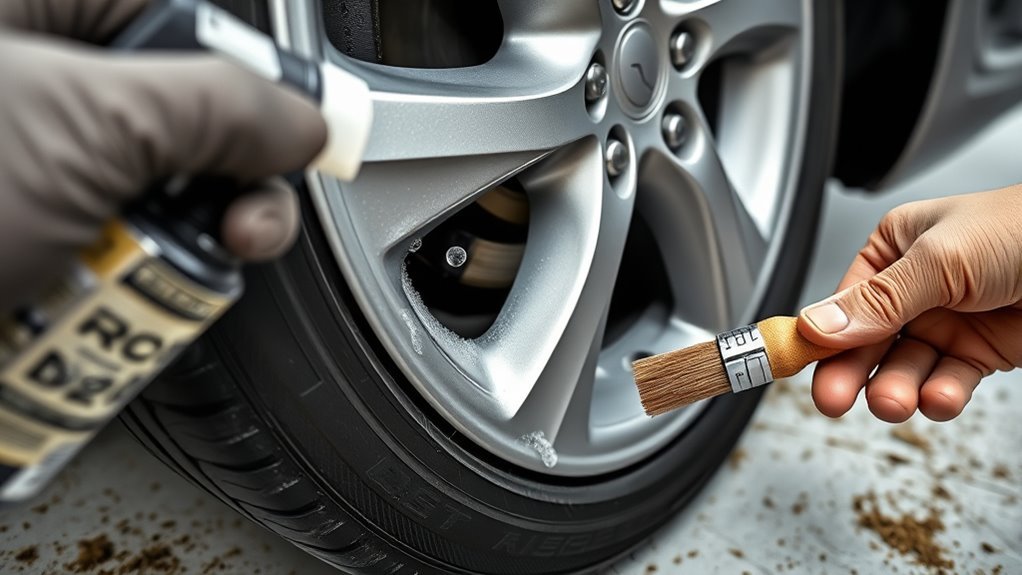
When dealing with common tire bead leaks, it’s essential to act quickly to prevent further damage. You can implement some quick fixes to address the issue temporarily while planning for a permanent solution.
- Inspect for damage: Check the tire bead for any visible damage or corrosion.
- Soapy water test: Apply soapy water around the bead area to identify leaks. Look for bubbles indicating escaping air.
- Rim cleaning techniques: Clean the rim surfaces thoroughly to remove debris and corrosion, ensuring a better seal.
- Tire sealant options: Use a tire sealant for minor leaks, but remember it’s a temporary fix.
- Re-seat the tire: If you’re comfortable, you can attempt to re-seat the tire on the rim to improve the seal.
These steps may help you manage bead leaks effectively until you can seek professional repair.
Essential Maintenance Tips to Prevent Tire Bead Leaks
Five essential maintenance tips can greatly reduce the risk of tire bead leaks on your Hyundai Sonata. First, regularly inspect the tire bead and rim for signs of corrosion or damage; these issues can compromise bead sealing and lead to leaks. Second, maintain proper tire inflation by checking pressures monthly. Under-inflated tires increase stress on the bead and rim interface, risking failure. Third, clean rim surfaces during tire rotations to remove debris and contaminants that hinder proper sealing. Fourth, use lubricants during tire installation to guarantee the bead sits correctly in the rim groove, preventing damage. Finally, schedule regular professional tire inspections to identify potential bead issues early. Timely repairs and proactive tire maintenance can save you from costly problems down the road. By following these tips, you’ll enhance your Sonata’s performance and longevity while ensuring safer driving conditions.
What to Do When You Need New Tires for Your Beads?
Replacing tires on your Hyundai Sonata is essential for maintaining ideal performance and safety, especially when addressing potential bead issues. To facilitate a smooth changeover to new tires, follow these guidelines:
- Verify that new tires meet the correct bead specifications for an airtight seal.
- Inspect the wheel rims for damage or corrosion that could compromise bead performance.
- Use proper installation techniques, including lubricants and specialized tools, to protect the bead during fitting.
- Regularly monitor tire pressure post-installation; improper inflation can lead to bead leaks and affect overall tire performance.
- Schedule professional assistance for mounting new tires to confirm a secure fit and minimize bead-related problems.
Frequently Asked Questions
How to Stop a Tire Bead From Leaking?
To stop a tire bead from leaking, guarantee proper seating and clean the rim. Consider using sealant options for minor leaks, but prioritize regular tire maintenance tips and consult a professional for persistent issues.
How Much Does It Cost to Fix a Tire Bead Leak?
Fixing a tire bead leak can cost as little as $15 to $30, like a small investment for peace of mind. Explore tire repair options and bead sealing techniques to guarantee a safe ride.
How to Tell if a Tire Bead Is Leaking?
To tell if a tire bead’s leaking, regularly inspect for air bubbles using soapy water, listen for hissing sounds, and check for pressure drops. Proper tire maintenance guarantees effective bead sealing and enhances safety.
Conclusion
In the world of tires, a bead leak is like a silent thief, slowly stealing your Sonata’s performance and safety. By staying vigilant and addressing symptoms promptly, you can safeguard your ride against unexpected pitfalls. Remember, your tires are the bridge between you and the road; maintaining them guarantees a smooth journey. Regular inspections and proactive care act as your armor, protecting against premature wear and tear. Don’t let leaks drain your driving experience—stay ahead of the curve.

Related Articles

Hyundai Sonata Tire Hydroplaning: Causes & How to Prevent It
Stay safe on wet roads by learning about Hyundai Sonata tire hydroplaning causes and prevention tips that could save your drive. Discover more inside!
Read More
How to File a Hyundai Tire Warranty Claim: Step-by-Step Guide
The complete step-by-step process to file a Hyundai tire warranty claim—verify eligibility, gather documents, submit online or by mail, and track your claim—wait to see details.
Read More
Hyundai Sonata Tires in Freezing Temperatures: What You Need to Know
Maximize your Hyundai Sonata's winter performance with the right tires; discover essential tips for navigating freezing temperatures safely and effectively. What should you consider?
Read More