
Hyundai Sonata Tire Age Limit: When to Replace After 6 Years
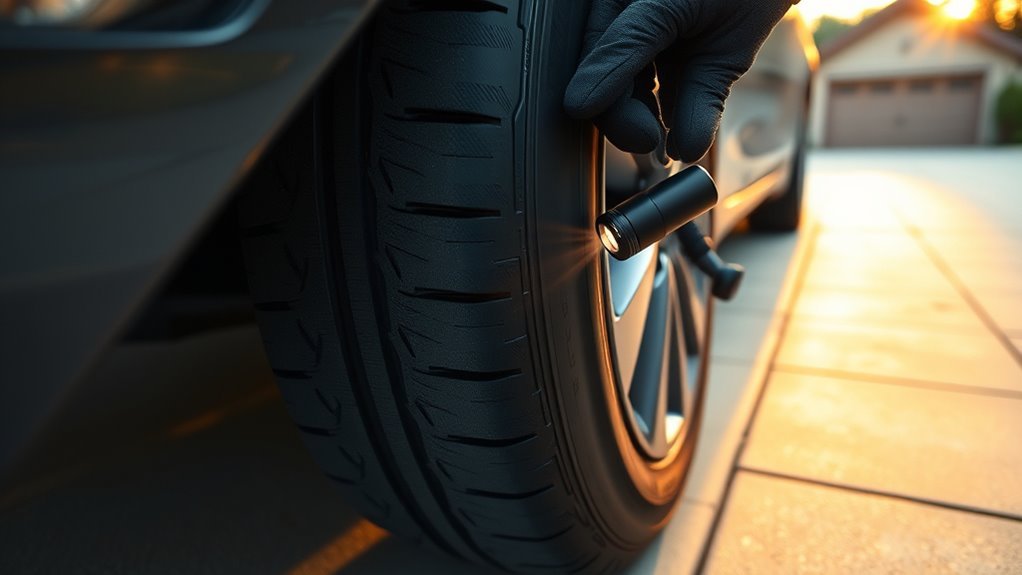
After six years, you should seriously assess your Hyundai Sonata’s tires. Aging rubber increases the risk of blowouts and reduces traction. Even if they look fine, hidden damage can compromise safety. Check tread depth and look for cracks or bulges. Regular inspections are essential, especially beyond six years. If you’re unsure when to replace them or need tips on maintenance, there’s more to discover about keeping your tires safe and extending their lifespan.
Signs Your Tires May Need Replacement
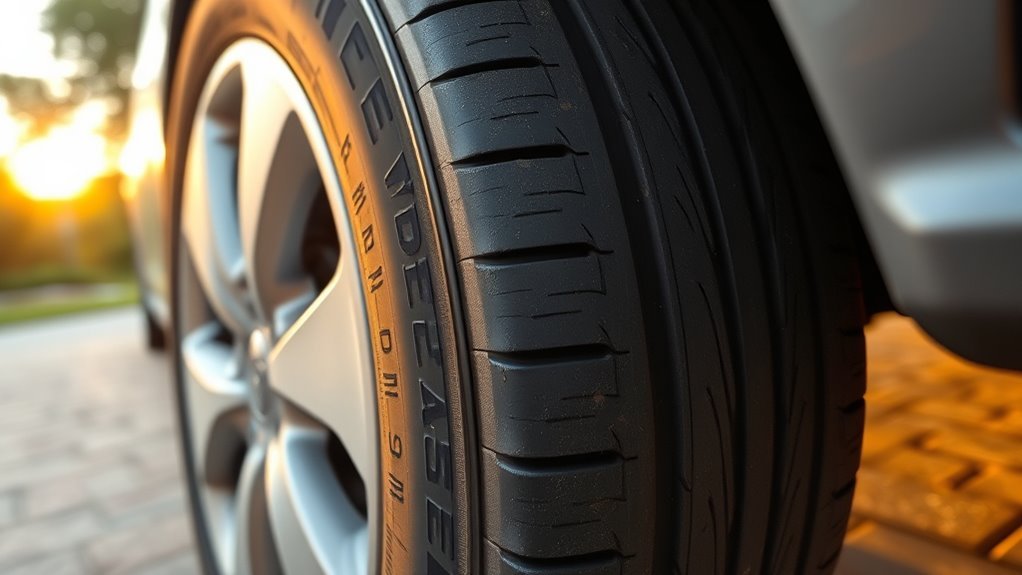
Tires are your vehicle’s essential connection to the road, so knowing when to replace them is imperative for safety. Regular tire inspection is key to ensuring your tires are fit for the journey. If you notice visible damage like cracks, bulges, or blisters, don’t wait—replace them immediately. Tread wear is another critical factor; if the tread depth is below 4/32 inches, it’s time for new tires to maintain traction. Use the penny test: place a penny in the tread with Lincoln’s head down. If you can see his head, your tires are too worn. Additionally, pay attention to any excessive vibration or noise while driving; these could signal uneven wear or damage. Staying proactive with these signs not only enhances your safety but also liberates your driving experience, allowing you to enjoy the road ahead with confidence.
Why Should You Care About Tire Aging for Your Sonata?
You should care about tire aging for your Hyundai Sonata because it directly impacts your safety on the road. As tires age, their performance can decline, making them more susceptible to blowouts and loss of traction, especially in bad weather. Plus, environmental factors can accelerate wear, so regular inspections are essential to keep your Sonata running smoothly and safely.
Impact on Safety
While many drivers focus on tread depth, the aging of tires on your Hyundai Sonata is a crucial factor that shouldn’t be overlooked. Tire longevity isn’t just about how much tread is left; it’s also about the rubber itself. After six years, tires degrade, losing elasticity and compromising safety standards. This loss can lead to reduced traction, especially in wet conditions, increasing the risk of skidding and blowouts. If you drive on tires older than six years, you heighten the chances of accidents due to poor handling and emergency performance. Regular assessments are essential for ensuring your tires provide the grip needed for safe driving. Prioritize tire aging—your safety and that of others depend on it.
Performance Efficiency Decline
As the rubber in your Hyundai Sonata’s tires ages, performance efficiency starts to wane, greatly impacting your driving experience. After six years, tire performance declines due to rubber aging, affecting grip and handling. You may notice reduced tread depth and compromised structural integrity, leading to decreased traction and longer stopping distances. This aging also heightens the risk of hydroplaning, especially on wet roads, which can jeopardize your safety. Regular inspections become essential, as visible wear doesn’t always reveal the tire’s internal condition. Replacing your tires after six years—regardless of tread depth—ensures you maintain peak performance efficiency and enhances overall safety. Don’t compromise your driving experience; stay ahead of tire aging to keep your Sonata running smoothly.
Environmental Factors Influence
Environmental factors can markedly influence the aging of your Hyundai Sonata’s tires, making it vital to pay attention to their condition. Don’t let low mileage fool you; even tires that sit idle can degrade due to exposure. Regular tire maintenance is critical to guarantee safety and performance.
- Temperature fluctuations can weaken rubber compounds.
- UV exposure leads to cracks and deterioration.
- High humidity can accelerate aging.
- Visual signs may not reveal hidden structural issues.
How Important Is Tread Depth for Tire Safety?
Tread depth plays an important role in tire safety, especially when conditions turn wet or slippery. Maintaining adequate tread depth is essential for maximum traction and safety performance. The recommended minimum is 4/32 of an inch for safe driving on wet roads.
Here’s a quick reference to understand tread wear and safety:
| Tread Depth | Safety Performance |
|---|---|
| 4/32″ | Safe for wet conditions |
| 2/32″ | Unsafe, requires replacement |
| Below 2/32″ | Very dangerous, immediate replacement needed |
| Penny Test | Lincoln’s head visible? Too worn! |
Regularly checking your tread depth can help prevent skidding or hydroplaning, especially during adverse weather. Don’t underestimate the importance of tread wear; it’s an integral part of keeping you safe on the road. Prioritize your safety and inspect your tires often!
How Often Should You Inspect Your Sonata’s Tires for Safety?
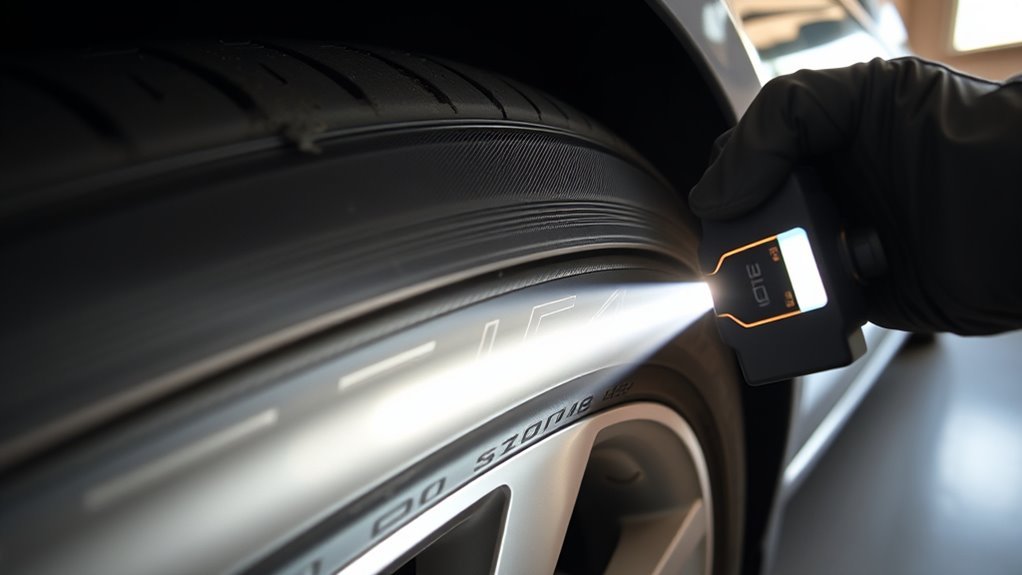
You should inspect your Hyundai Sonata’s tires at least once a month to catch any signs of wear and tear. Look for tread depth, sidewall damage, and any unusual vibrations while driving. Regular checks help guarantee your safety on the road and keep your tires in top shape.
Recommended Inspection Frequency
To guarantee your Hyundai Sonata’s tires remain safe and reliable, regular inspections are essential. Establishing consistent inspection intervals will help maintain your tire health and overall safety. Aim to inspect your tires at least once a month.
- Check tire pressure monthly to prevent uneven wear.
- Inspect for visible signs of damage like cracks or bulges.
- After hitting a pothole, have your tires checked for integrity.
- Get professional tire inspections at least twice a year, especially for tires over six years old.
Key Signs to Watch
Regular tire inspections not only keep your Hyundai Sonata safe but also help identify key signs of wear that could signal a problem. Inspect your tires at least once a month for visible issues like cracks, bulges, or uneven tread patterns. Use the penny test as a simple way to check tread depth; if you can see Lincoln’s head, it’s time for a replacement. Don’t forget to regularly assess tire pressure, since maintaining the recommended PSI can enhance safety and extend tire life. Pay attention to excessive vibrations or noises while driving, as these can indicate underlying tire issues. After six years, consider a professional evaluation to check for rubber degradation, even if tread wear indicators seem acceptable.
How Does Environment Affect Tire Aging?
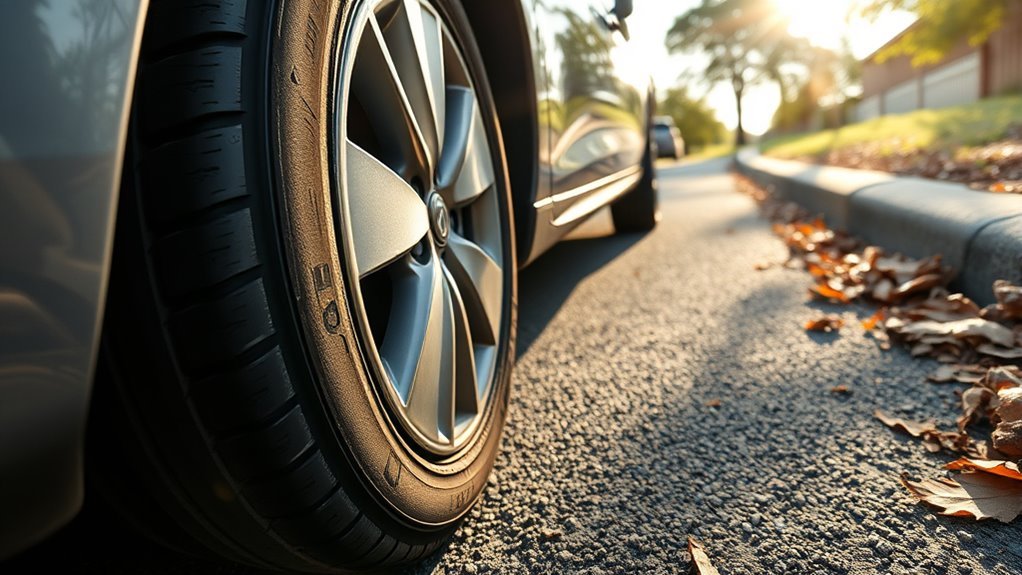
While you might think low mileage means your tires are in great shape, environmental factors can greatly alter that perception. Tire longevity factors like UV exposure, temperature fluctuations, and humidity can accelerate environmental degradation, leading to unexpected issues.
- Extreme heat can cause cracks and loss of elasticity.
- Direct sunlight accelerates rubber deterioration.
- Cold weather makes tires more fragile.
- Humidity can promote mold growth, affecting structural integrity.
Even if you don’t drive much, these conditions can jeopardize your safety. Regular visual inspections and professional evaluations are vital for older tires, as the effects of the environment may not be immediately visible. Don’t let low mileage deceive you; the right care can help maintain your tires and keep you safe on the road. Stay vigilant and prioritize your tire health to guarantee a smooth, secure ride!
Professional vs. DIY Tire Inspections: What Should You Know?
Environmental factors can make tire health a tricky business, especially as tires age. While DIY tire inspections allow you to stay aware of your tires’ condition, they often miss critical issues. You might check tread depth using the penny test or look for cracks and bulges. However, these visual checks can’t replace the benefits of a professional evaluation.
Trained technicians can identify hidden problems like internal damage or uneven wear that you might overlook. They provide precise measurements and assessments, ensuring safety and performance. Experts recommend a professional inspection every 6,000 to 8,000 miles, particularly for older tires.
How Do Driving Habits Impact Tire Lifespan?
Your driving habits play an essential role in determining how long your tires last. If you want to maximize your tire lifespan, consider these factors:
- Aggressive driving: Rapid acceleration and hard braking increase tread wear.
- High-speed cornering: Frequent sharp turns can cause uneven wear, degrading tires faster.
- Road conditions: Driving on rough or poorly maintained roads accelerates wear due to added impacts and vibrations.
- Tire inflation: Under-inflated tires create excessive rolling resistance, leading to heat buildup and quicker deterioration.
How Do Seasonal Changes Affect Your Tires?
Seasonal changes can really impact your tires, from temperature extremes that affect rubber quality to tread wear during winter months. You’ll need to adjust your tire pressure as temperatures fluctuate, which is key for safety and efficiency. Keeping an eye on these factors guarantees your Hyundai Sonata performs safely year-round.
Temperature Extremes Impact Rubber
As temperatures shift with the seasons, tire performance can be greatly affected. The temperature effects on your tires can lead to significant changes in rubber flexibility. Here’s what you need to keep in mind:
- Extreme heat can cause rapid tire wear, increasing blowout risks.
- Cold weather can harden the rubber, reducing grip and flexibility.
- Fluctuating temperatures can impact tire pressure, necessitating regular checks.
- Proper maintenance during seasonal changes guarantees safety and longevity.
Tread Wear in Winter
While winter brings its own set of challenges, it’s essential to understand how cold temperatures impact tire tread wear. In winter conditions, tires can harden, reducing grip and making them more prone to cracks. You’ll want to keep an eye on your tread patterns, as deeper patterns are important for traction on snow and ice. Cold weather can also lead to a loss of tire pressure, so check it regularly to maintain performance. Unlike summer tires, winter tires use rubber compounds designed to stay flexible in low temperatures, enhancing your control. Regular inspections during these months are significant, as the combination of frigid air and harsh road conditions can accelerate wear and reveal hidden damage. Stay proactive and keep your tires in top shape!
Adjusting Pressure for Seasons
Changing temperatures can greatly impact your tire pressure, making it vital to stay vigilant throughout the year. Seasonal adjustments in tire pressure are important for safety and performance.
- Tires can lose about 1 PSI for every 10°F drop in winter.
- In cold months, underinflated tires can reduce traction and increase wear.
- Summer heat can raise tire pressure, risking overinflation and blowouts.
- Regular checks, at least once a month, help guarantee ideal tire maintenance.
Myths About Low Mileage Tires: What Should You Know?
Have you ever wondered if low mileage tires are safe just because they look good? It’s a common myth that low mileage means your tires are in perfect condition. In reality, even if they seem fine, tires can degrade over time due to environmental factors, making age a vital safety consideration. Tire myths like these can lead to dangerous mileage misconceptions. Experts recommend replacing tires every six to ten years, regardless of tread wear.
Deterioration of rubber compounds can diminish traction and increase the risk of blowouts. Visual inspections won’t always reveal hidden damage, so a professional evaluation is essential. Don’t let low mileage fool you; it doesn’t exempt your tires from the manufacturer’s age recommendations. Prioritizing safety means acknowledging that even unused tires can be unsafe after six years. Stay informed and make the right choices for your Hyundai Sonata.
What to Expect When Replacing Tires on Your Sonata?
When it’s time to replace the tires on your Hyundai Sonata, you can expect a few key steps to assure peak performance and safety. Start with a thorough inspection to confirm your new tires will meet your driving needs. Here’s what to focus on:
- Check the tire tread depth using the penny test for adequate grip.
- Look for visible damage like cracks or bulges; these mean you need to replace immediately.
- Rotate and balance your new tires every 6,000 to 8,000 miles to enhance tire maintenance and longevity.
- After installation, get a wheel alignment check to prevent uneven wear and improve handling.
Being proactive about these steps can help you manage replacement costs effectively and assure a smoother ride. Don’t hesitate to schedule a professional evaluation if your Sonata’s tires are nearing that six-year mark!
Frequently Asked Questions
How Long Do Hyundai Sonata Tires Last?
Think of your Hyundai Sonata tires like a trusted pair of shoes. They generally last between 25,000 to 50,000 miles. Regular tire maintenance tips and checking tread depth indicators guarantee your journey remains safe and smooth.
Should I Replace My Tires at 6 Years Old?
Yes, you should replace your tires at six years old for ideal tire safety. Even with good tread wear, aging rubber can compromise performance and increase risks. Prioritize your safety and drive confidently with new tires.
Is a Tire From 2017 Still Good?
A tire from 2017 isn’t safe anymore, despite its tread depth. Age-related deterioration affects performance and safety. It’s wise to replace it to guarantee your driving experience is secure and worry-free. Your safety matters!
Conclusion
So, if your Hyundai Sonata’s tires are nearing that six-year mark, don’t just play the waiting game! Ignoring tire age could turn a smooth ride into a bumpy nightmare. Remember, those rubber circles are your only connection to the road! Regular inspections and knowing the signs of aging can save you from a blowout disaster. Don’t let a little neglect steer you off course—replace those tires and keep cruising safely into the sunset!

Related Articles
Hyundai Sonata TPMS Sensor Battery Life: How Long Do They Last?
Predict how long Hyundai Sonata TPMS sensor batteries really last and when you'll need replacements—find surprising lifespan factors and warning signs inside.
Read More
How Does TPMS Work on a Hyundai Sonata? Complete Explanation
How your Hyundai Sonata’s TPMS actually detects and reports tire pressure—indirect versus direct systems—reveals critical steps for troubleshooting and maintenance you’ll want to know.
Read More
Hyundai Sonata Rim Width & Offset Specs for All Trim Levels
Maximize your Hyundai Sonata's performance with essential rim width and offset specs for all trim levels—discover how the right fit can transform your drive.
Read More