
How to Use Tire Sealant on a Hyundai Sonata: Step-by-Step
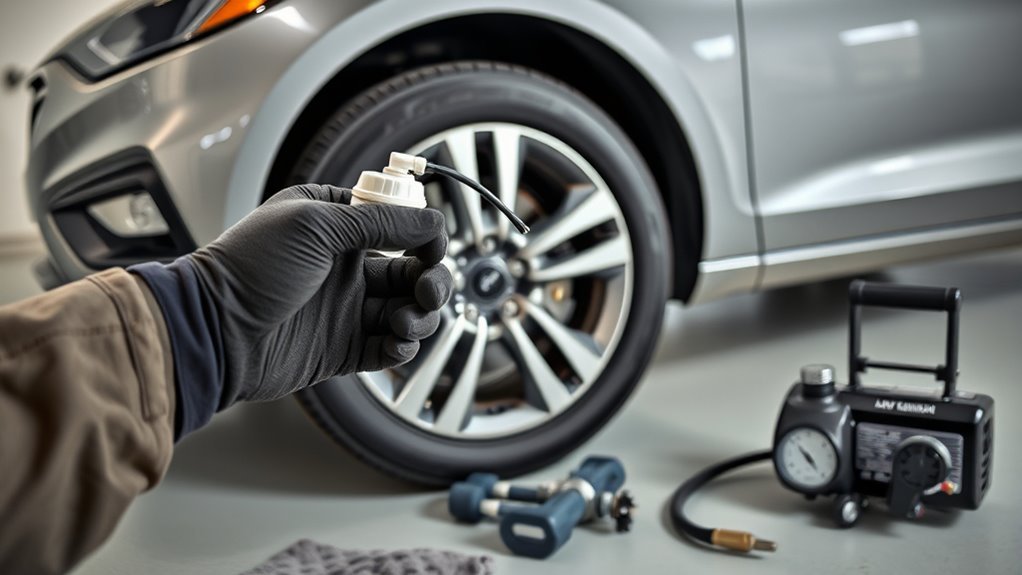
You’ll gather your inflator kit, sealant canister and valve adapters, then park the Sonata on level ground and shut the engine. Remove the valve cap, attach the inflator hose securely, plug the inflator into the 12‑volt outlet and start the engine. Inflate to the recommended 32–35 PSI, inject the sealant per kit instructions, drive 20–30 feet to distribute it, then check for leaks with soapy water and recheck pressure; follow the next steps for troubleshooting and long‑term repair.
Quick Steps to Seal a Flat on a Hyundai Sonata

Start by plugging the inflator’s air tube into the flat tire and connecting the kit to your Sonata’s 12‑volt outlet to power the compressor. You’ll inflate to the recommended pressure, watching the tire pressure gauge closely so you don’t overfill. When the tire reads correct pressure, disconnect the air hose and attach it to the fix-a-flat canister; flip the sealant canister upside down so it dispenses properly. Activate the sealant device to inject the compound, targeting the puncture so it blocks holes and helps maintain pressure. Once sealed, drive your Sonata 20–30 feet to let the sealant distribute evenly inside the tire. Stop and recheck pressure, inspecting for any remaining leaks; repeat sealing or seek professional repair if pressure won’t hold. These concise tire maintenance tips emphasize control and readiness; know sealant alternatives but use on-the-spot sealing to regain mobility and reclaim your route.
Find the Correct Sonata Tire Pressure and Gather Tools
Before you inject sealant, check the Sonata’s recommended PSI in the owner’s manual (most models list 32–35 PSI) and use a tire pressure gauge to measure each tire so you know the baseline pressure. Confirm front and rear values; note any variance. This is pressure monitoring — record readings before you proceed.
Gather tools methodically: tire inflator kit, compatible sealant canister, and any valve adapters specific to the Sonata. Locate the 12-volt power outlet near the center console so you can power the inflator if needed. Add a flashlight and gloves to protect your hands and improve visibility while you work.
You’re doing tire maintenance with purpose: verify PSI, confirm adapters match valve stems, and keep the inflator’s power source accessible. Pack everything where you can reach it from the curb. When you’re ready, you’ll have accurate baseline pressures and the tools in hand, freeing you to move on to attaching the inflator safely.
Attach the Inflator to the Valve Stem Safely
Position the car on level ground, shut off the engine, then remove the valve cap and set it aside where you won’t lose it. Approach the wheel with intent: check the valve stem for debris or damage as part of routine valve maintenance. Hold the inflator’s air tube steady and align its connector with the valve stem axis to guarantee a straight, secure fit.
Push the connector firmly onto the stem until you feel it seat; if your inflator has a locking lever, engage it. Confirm the seal visually and by feeling for any hissing that would indicate air leakage. If you detect leakage, reseat the connector or replace the valve cap and reassess the stem before proceeding. Keep the inflator and gauge in view so you can react quickly.
When the connection is secure, you’re ready to power the unit and monitor pressure. After inflation, disconnect swiftly to minimize pressure loss and thread the valve cap back on tightly.
Plug Into the Sonata 12V Outlet and Start the Engine
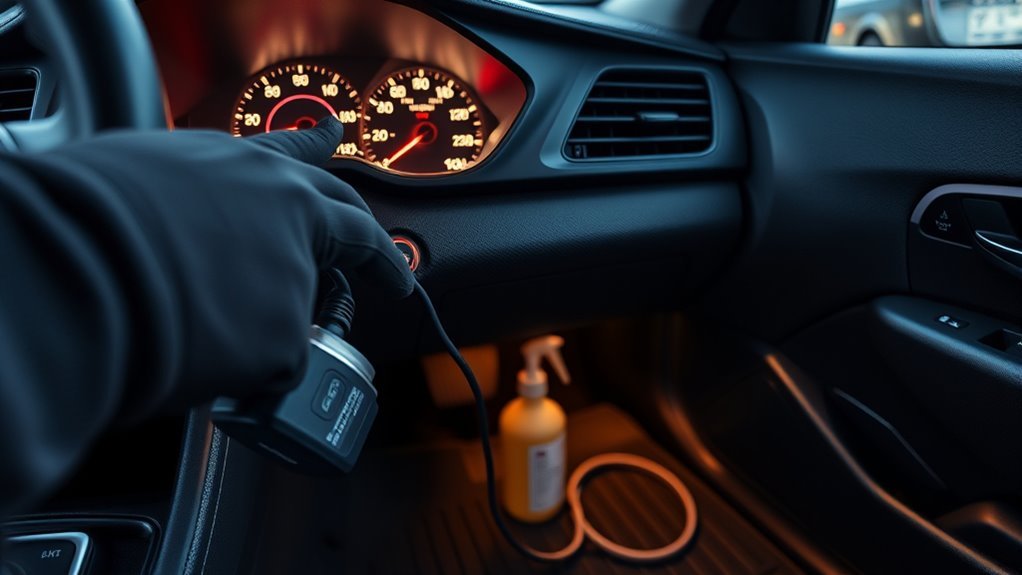
Locate the Sonata’s 12‑volt outlet—usually in the center console or on the dash—and plug the inflator’s power connector in securely. Confirm the connector seats fully to avoid intermittent contact. Turn the ignition to the “On” or “Run” position so the 12-volt outlet is energized; you’ll see dashboard indicators light. Then start the engine to maintain continuous power and prevent battery drain during engine operation. Keep the engine idling at a steady speed—don’t rev—so the alternator can supply stable current to the inflator kit.
Verify the inflator’s power light or display confirms voltage input before proceeding. If the inflator doesn’t power up, recheck the connection and the outlet fuse. If the fuse is blown, replace it per the owner’s manual before continuing. With the inflator receiving power and the engine running, you’re ready to proceed to inflate the tire. This preserves battery freedom and guarantees reliable, uninterrupted inflator performance.
Inflate to a Safe, Drivable Pressure (Use the Gauge)
1. You’ll use the inflator’s tire pressure gauge to bring the tire to a safe, drivable pressure. First check the current reading, then consult your Sonata owner’s manual for the recommended PSI (usually 30–35 PSI). Stay deliberate and free—don’t accept vagueness about safety.
- Attach the air tube and activate the inflator; watch the gauge continuously. This pressure monitoring prevents over-inflation and keeps you in control of the repair.
- When the gauge reads the target PSI, stop the inflator and disconnect the air tube promptly to avoid losing air. Recheck the pressure with the gauge immediately after disconnecting.
- If the pressure is below target, repeat inflation in short bursts, monitoring the gauge each time until you reach safe pressure. These tire inflation tips keep you mobile and self-reliant. Once at the correct PSI, secure the valve cap and prepare to continue—drive only when the tire is confirmed safe.
Attach and Apply the Sealant Canister Correctly
With the tire at the correct PSI and the air hose removed, firmly press the inflator’s hose onto the neck of the fix-a-flat canister and invert the can so the nozzle points down into the tire valve; this orientation guarantees the sealant flows into the tire. Hold the can steady, keep a firm seal, and activate the device to inject the sealant. You’ll feel the canister empty as pressure equalizes — that’s normal. Target the puncture by ensuring full product transfer; this sealant application both plugs and supports tire pressure for immediate mobility.
| Step | Action | Purpose |
|---|---|---|
| 1 | Attach hose to canister | Secure flow |
| 2 | Invert can | Ensure sealant moves down |
| 3 | Activate device | Inject sealant into tire |
After application, you reclaim movement and control. This precise procedure advances your tire maintenance autonomy, letting you restore driveability swiftly and confidently without dependence.
Drive Briefly, Check for Leaks (Soapy‑Water Test), and Recheck Pressure

Drive your Sonata about 20–30 feet so the sealant spreads evenly inside the tire. Mix water and a bit of dish soap, coat the tire and valve area, and watch for bubbles that indicate a leak. Recheck the tire pressure with a gauge and, if it’s considerably low, reapply sealant or seek professional repair.
Drive Short Distance
After you’ve applied the sealant, drive the Sonata 20–30 feet to let the fluid spread evenly inside the tire; then stop and spray a soapy‑water solution over the tread and bead area to watch for bubbles that indicate a leak. You’re taking control: follow these concise actions to confirm the repair and reclaim mobility.
- Observe bubbles—if present, the leak persists; add sealant or plan for professional repair.
- Use the inflator kit gauge to recheck pressure; adjust to the manufacturer’s recommended PSI.
- If pressure holds and no bubbles form, you’ve used sealant benefits effectively—document the event and schedule routine tire maintenance tips into your freedom plan.
Soapy Water Check
Once you’ve rolled the Sonata 20–30 feet to spread the sealant, spray a soapy‑water mix over the tread and bead areas and watch closely for bubbles that signal an air leak. Use a spray bottle with a standard soap‑and‑water ratio; mist liberally but avoid runoff. Rotate the tire slowly while inspecting the entire circumference and valve stem area. Any steady stream or cluster of bubbles is clear leak detection—mark the spot and decide whether to add more sealant or attempt a targeted repair. If bubbles stop appearing after additional application and a brief drive, you’ve likely sealed the breach. This is pragmatic freedom: you verify integrity yourself, then proceed to confirm safe pressure with your gauge.
Recheck Tire Pressure
Because the sealant needs to settle, roll the Sonata 20–30 feet and then immediately recheck the tire pressure with a reliable gauge to confirm it matches the manufacturer’s recommended PSI. You’ll know the sealant has spread and can verify pressure quickly. Next, perform the soapy-water test: apply a soap-and-water mix around the tread and valve; watch for bubbles that signal a leak. If you see bubbling, apply more sealant and repeat the brief drive and check.
- Use a calibrated gauge to record tire pressure; adjust to spec.
- Inspect for bubbles; if present, reseal and retest.
- Monitor pressure over 24–48 hours for fluctuation.
Follow these safety tips: maintain correct tire pressure and recheck often for freedom from roadside worry.
When Sealant Won’t Work: TPMS, Lasting Fixes, and When to Call Roadside Assistance
If the TPMS light stays on or the pressure keeps dropping after you use sealant, don’t assume the tire’s safe—this often means a persistent leak, sensor fault, or damage that sealant can’t fix and needs professional inspection. Check for bubbling with soapy water around the tread and valve; bubbling pinpoints an active leak. If bubbles appear, or pressure falls considerably within minutes to hours, stop driving and call roadside assistance for a tow or temporary support.
Recognize limits: sealant won’t seal large punctures, sidewall cuts, or bead damage. TPMS issues can also stem from sealant fouling the sensor—have a technician verify sensor function. For lasting fixes, pursue professional repairs or replacement; plugs and patches applied internally by a shop restore structural integrity. Consult your manual for model-specific guidance and recommended repair thresholds. Act decisively to protect yourself and reclaim freedom on the road.
Frequently Asked Questions
How to Use Hyundai Tyre Sealant?
You connect the inflator to the tire and your Sonata’s power outlet, inject the sealant, inflate to recommended pressure, drive briefly to spread it, then monitor for leaks—follow tire maintenance tips to guarantee sealant effectiveness and restore freedom.
Conclusion
You’ve sealed the Sonata’s tire, driven it briefly, and double‑checked pressure and leaks—so don’t worry it’s not a permanent fix. If you’re skeptical about sealant damaging TPMS or making a mess, use a TPMS‑safe product and wipe connections; many modern sealants are designed for these systems. Treat this as a temporary, safe repair: get to a tire shop soon for a proper plug or replacement to guarantee long‑term safety and performance.

Related Articles

Hyundai Sonata Overall Tire Diameter by Size: Full Chart
Hyundai Sonata overall tire diameter by size: discover exact measurements, common OEM examples, and fitment tips to ensure speedometer accuracy and proper clearance.
Read More
Hyundai Sonata Tire Aspect Ratio Explained: What the Number Means
Good to know: discover how the Sonata’s tire aspect ratio affects ride, handling, and speedometer accuracy — and why that number really matters.
Read More
Hyundai Sonata Compatible Tire Sizes: Full Fitment Guide
I need to show which Hyundai Sonata generations accept which tire sizes and why fitment, offset, and diameter matter—read on to get exact matches.
Read More