
How to Protect Hyundai Sonata Tires From Dry Rot & Cracking
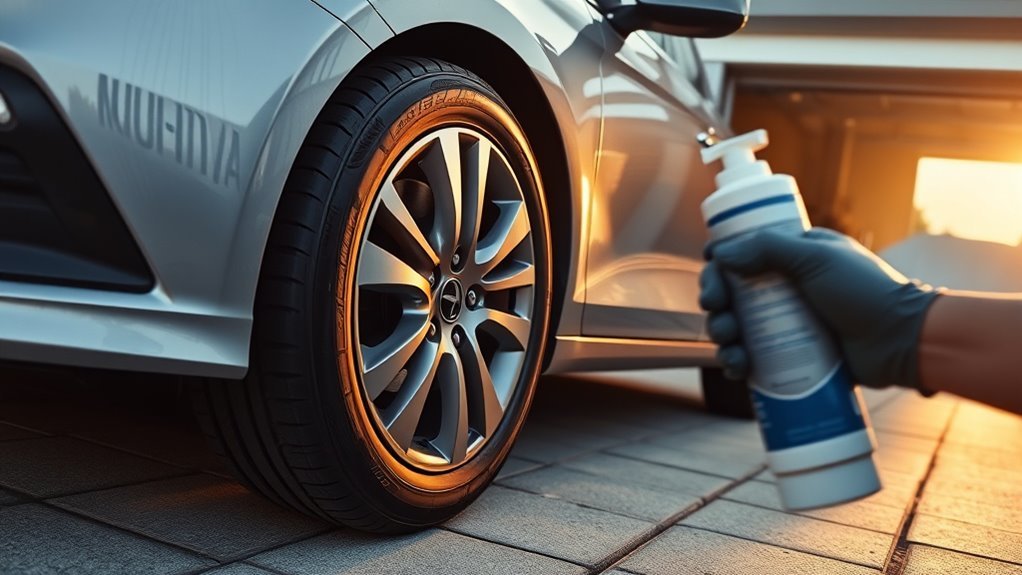
You can prevent dry rot and cracking on your Hyundai Sonata’s tires by inspecting them monthly for cracks, bulges, discoloration and uneven wear, keeping pressures at manufacturer specs with a gauge, and rotating every 5,000–7,500 miles. Park in shade or use UV-resistant covers, avoid harsh cleaners, and elevate the car on jack stands for long storage while maintaining pressure. Replace tires with extensive sidewall or crumbly tread immediately, and follow the maintenance schedule below to learn more.
Quick Check: Hyundai Sonata Tires for Dry Rot
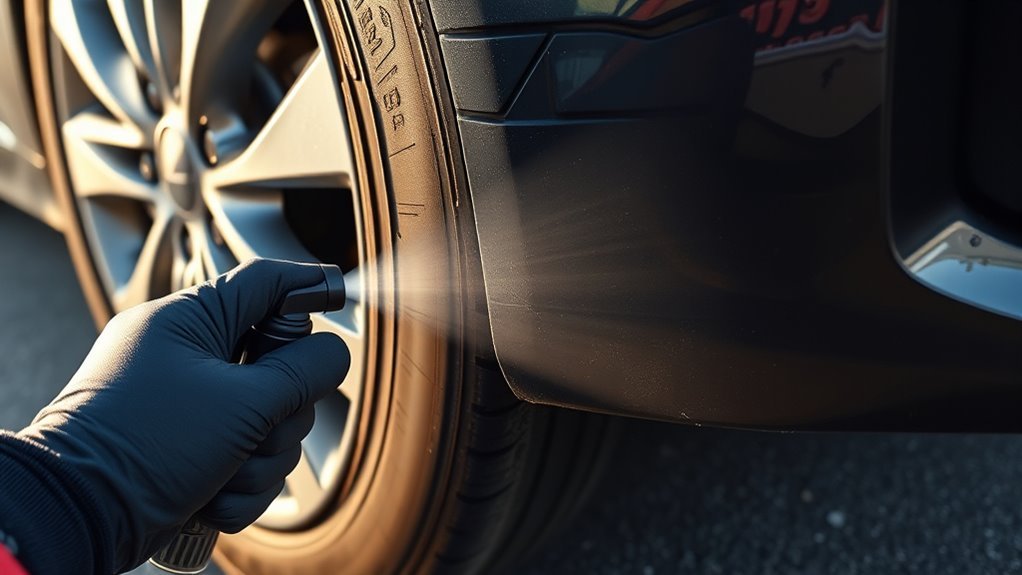
When you inspect your Hyundai Sonata’s tires, focus on the sidewalls and tread for visible cracks, discoloration, or fading that signal dry rot; check pressure regularly—if you’re topping up often, that can indicate degradation—and rotate and inspect tires every 5,000 miles while storing the car in shade or using covers to minimize UV and temperature exposure. You’ll run a systematic visual inspection: scan sidewalls for hairline cracks, bulges, or color shifts; check tread edges and grooves for brittleness; note any uneven wear patterns. Use a pressure gauge at least monthly and after temperature swings, logging readings to spot slow leaks or permeability changes. Rotate per schedule to equalize wear and extend service life. When parked, shield tires from sun and heat; that simple act preserves rubber compounds and delays dry rot. This approach to tire maintenance gives you control, reduces surprises, and supports safer, more liberated driving.
Found Dry Rot : Should You Drive, Repair, or Replace?
How bad is the dry rot on your Hyundai Sonata’s tires, and can you still drive on them? You’ll assess severity: light surface cracks may allow limited driving with close monitoring, but extensive cracking, crumbly texture, sidewall damage, or constant air loss means stop driving and replace immediately. The NHTSA links ~11,000 accidents yearly to faulty tires—don’t gamble with tire safety.
Assess tire dry rot now: light cracks may allow limited driving, but extensive cracking, sidewall damage, or constant leaks—replace immediately.
- Inspect tread and sidewalls; note depth and texture of cracks.
- If cracks are shallow and localized, consult a pro about repair options.
- Never attempt a patch on compromised sidewalls; replace instead.
- Monitor air pressure; frequent refills indicate structural failure and replacement.
- Rotate and inspect every 5,000 miles to catch dry rot early.
You want freedom on the road; act decisively. Choose replacement over risk when integrity’s in doubt. Use repair options only when a qualified technician verifies the tire’s structure is sound.
Causes and Where Dry Rot Appears on a Sonata (Sidewall, Tread)
Because your Sonata often sits exposed and its tires aren’t self-preserving, dry rot most commonly shows up as fine to deep cracks and discoloration on the sidewalls and, less visibly at first, within the tread grooves. You’ll see sidewall checking where UV and ozone break down polymers; sidewalls take the brunt of sun and weather when parked, so cracks propagate outward and compromise structural integrity. Tread cracking begins in grooves and between ribs, reducing flexibility and wet grip; these internal fissures can grow unnoticed until failure risk rises. Environmental factors—UV exposure, temperature swings, moisture, and pollutants—accelerate rubber oxidation, especially if you don’t drive enough to warm and flex the compound. Low-use vehicles age faster; proper storage and tire covers limit exposure and slow degradation. For effective tire maintenance, prioritize sheltering tires, monitor visible cracking patterns, and address any discoloration or deep fissures immediately to preserve safety and freedom on the road.
Inspection, Rotation, and Inflation Schedule for Sonata Tires

If you want to catch dry rot early and keep your Sonata’s tires performing safely, inspect them visually at least once a month for cracks, discoloration, and embedded debris, and check pressure the same time. You’ll empower yourself by following a strict tire maintenance routine: monthly visual checks and pressure monitoring, plus scheduled rotations to equalize wear. Rotate every 5,000–7,500 miles; that cadence reduces uneven stress that accelerates cracking. Check inflation at least monthly and before long trips; under-inflation heightens flexing and promotes dry rot. Clean tires periodically to remove chemicals that degrade rubber.
- Inspect sidewalls and tread monthly for cracks, discoloration, and debris
- Measure PSI monthly and before trips; record readings for trends
- Rotate tires every 5,000–7,500 miles for even wear
- Clean tires with mild soap; avoid harsh solvents
- Replace tires showing significant dry rot or structural damage
Stay disciplined: routine checks, rotation, and pressure monitoring liberate you from unexpected failures.
How to Store and Park Your Sonata to Prevent Tire Dry Rot
When possible, park your Sonata in a garage or other shaded area to keep tires out of direct sunlight and extreme heat. If indoor storage isn’t available, fit UV-resistant tire covers and choose shaded parking to reduce temperature swings. For long-term storage, elevate the vehicle on jack stands and maintain manufacturer-recommended tire pressure to minimize stress and prevent dry rot.
Park In Shaded Areas
Although sunlight and heat quietly break down tire rubber over time, parking your Sonata in shaded areas greatly cuts UV exposure and slows dry-rot formation. You’ll extend tire longevity and gain practical UV protection by choosing shade routinely. Shade lowers surface temperature, reduces rubber oxidation, and limits micro-cracking.
- Pick consistent shaded spots to minimize uneven exposure and preserve balanced wear.
- Use a breathable car cover for extra protection when shade isn’t available.
- Rotate tires on schedule so no single tire endures prolonged element exposure.
- Clean tires regularly to remove ozone-generating residues and chemicals that accelerate aging.
- Monitor parked intervals; if you must leave the car long-term, seek sheltered options to reduce thermal cycling and UV stress.
Act deliberately—shade is simple, effective liberation for your tires.
Store Indoors When Possible
Because garages block UV and moderate temperature swings, storing your Hyundai Sonata indoors is the most effective way to prevent tire dry rot. You’ll use tire storage to cut UV exposure, temperature cycling, and ozone contact—primary causes of rubber breakdown. Park on a clean, chemical-free surface; solvents, oil, and road salt accelerate degradation. If you can’t store indoors, fit quality tire covers for similar UV protection and shelter from contaminants. Keep tires properly inflated while parked to avoid flat spots and stress cracking. Rotate and inspect tires every 5,000 miles to detect early dry-rot signs and intervene before replacement is needed. These indoor benefits extend tire life, reduce maintenance costs, and free you from avoidable constraints on mobility.
Safe Cleaning Products and Tips for Protecting Sonata Tires
Anyone cleaning your Sonata’s tires should reach for a pH-balanced car wash soap and a soft brush to remove grit without exposing the rubber to harsh chemicals that accelerate degradation or dry rot. You’ll use targeted cleaning techniques and consistent tire maintenance to extend life and resist cracking. Rinse thoroughly, scrub gently, and avoid petroleum-based dressings that leach oils and weaken compounds. After drying, apply a dedicated tire UV protectant—formulated without solvents—to block ozone and sun damage. Store spare or off-season tires in a cool, dark spot and cover exposed rubber when parked for long stretches.
Use pH-balanced soap, a soft brush, and solvent-free UV protectant; rinse, dry, and store tires cool and covered to prevent degradation.
- Rinse with low-pressure water before scrubbing
- Clean with pH-neutral soap and a soft nylon brush
- Skip petroleum-based dressings; choose silicone-free protectants
- Apply UV protectant sparingly and evenly after drying
- Store tires cool, dry, covered, off concrete
These steps give you practical control over degradation, empowering you to preserve traction, appearance, and safety without compromising freedom or performance.
Frequently Asked Questions
Is There Something You Can Put on Tires to Prevent Dry Rot?
Yes — you can apply tire dressings and conditioners as protective solutions; they’ll aid tire maintenance by adding UV, ozone and moisture barriers. Use compatible, tire-specific products regularly to preserve rubber flexibility and prevent cracking.
What Causes Tires to Crack and Dry Rot?
Tires crack and dry rot because environmental factors—UV, heat, cold, humidity—and chemical exposure degrade rubber, shortening tire lifespan; if you leave tires idle or improperly stored, you’ll accelerate oxidation and compound breakdown, weakening tread and sidewalls.
Conclusion
You’ve got the checks, causes, and fixes—now act. Keep pressure correct, rotate on schedule, and park in shade or use a cover; inspect sidewalls and tread monthly for cracking or discoloration. If you spot dry rot, don’t gamble—replace rather than risk a blowout. Clean with mild soap, avoid harsh solvents, and store tires vertically off concrete. Ready to protect your Sonata’s tires and avoid costly failures down the road?

Related Articles

Hyundai Sonata Overall Tire Diameter by Size: Full Chart
Hyundai Sonata overall tire diameter by size: discover exact measurements, common OEM examples, and fitment tips to ensure speedometer accuracy and proper clearance.
Read More
Hyundai Sonata Tire Aspect Ratio Explained: What the Number Means
Good to know: discover how the Sonata’s tire aspect ratio affects ride, handling, and speedometer accuracy — and why that number really matters.
Read More
Hyundai Sonata Compatible Tire Sizes: Full Fitment Guide
I need to show which Hyundai Sonata generations accept which tire sizes and why fitment, offset, and diameter matter—read on to get exact matches.
Read More