
New tires can make your 4Runner feel quieter, smoother, and more secure, but they may not deliver full grip the moment you leave the tire shop. For the first few hundred miles, use smooth steering, braking, and acceleration, verify cold tire pressure, and give the tread surface time to scuff in naturally before towing, off-roading hard, or testing traction.
Quick Answer
To break in new 4Runner tires, drive gently for about the first 500 miles. Avoid hard acceleration, panic braking unless necessary, fast cornering, heavy towing, and aggressive off-road use. Check cold tire pressure against the door-jamb tire label, monitor for vibration or pulling, and return to the installer if anything feels unsafe.
Key Takeaways
- Treat the first 100 miles as the most cautious phase, then continue smooth driving until about 500 miles.
- New tires may feel slick or slightly squirmy at first because of manufacturing compounds, mounting lubricant, and full tread depth.
- Use the tire and loading information label on your 4Runner, not guesswork, for the correct cold tire pressure.
- Postpone towing, heavy cargo, rocky trails, and aggressive off-road driving during break-in when practical.
- Persistent vibration, pulling, air loss, warning lights, or uneven wear should be checked by a tire professional.
At a Glance
| Time Required | About 500 miles of gentle normal driving |
| Difficulty | Easy; it mainly requires patience and smooth driving |
| Tools Needed | Tire pressure gauge, owner’s manual or door-jamb tire label, and optional tread-depth gauge |
| Cost | $0 if you already own a pressure gauge; about $5–$20 if you need one |
Why New 4Runner Tires Need a Break-In Period

Breaking in new tires is not about babying your 4Runner forever. It is about giving the tire surface, tread blocks, and tire-to-wheel fitment time to settle during the first few hundred miles.
According to Tire Rack, new tires can have mold-release lubricant on the surface, which may reduce traction until it wears away. Continental also notes that new tires can feel different because of release lubricants, antioxidants, full tread depth, and tread squirm.
That matters on a 4Runner because many owners use these vehicles for highway driving, rain, snow, gravel, towing, and trails. New tires may be safe to drive on, but they should not be treated like fully scrubbed-in tires during the first drive home.
Warning: Do not “test” new tire grip with hard braking, fast cornering, burnouts, or aggressive off-road driving. If you need to brake hard to avoid a crash, brake normally; safety comes first.
Before the First Drive: New 4Runner Tire Checklist
Before you start the break-in miles, take five minutes to confirm the basics. This helps separate normal new-tire feel from an installation issue.
- Check cold tire pressure. Use a pressure gauge when the tires are cold. Toyota states that the recommended cold tire inflation pressure and tire size are shown on the vehicle’s tire and loading information label, usually on the driver-side door area. You can also confirm tire information through your Toyota owner resources.
- Inspect the tire size and load rating. Make sure the new tires match your 4Runner’s required size, load rating, and intended use. This is especially important if you changed to all-terrain, winter, larger-diameter, or heavier-duty tires.
- Confirm the installer balanced the wheels. A vibration that appears immediately after installation is often related to balance, seating, a bent wheel, or pressure mismatch.
- Ask whether lug nuts were torqued correctly. If the wheels were removed, the installer should torque lug nuts to the correct Toyota specification using the proper pattern.
- Check TPMS status. If your tire pressure warning light stays on after pressure is corrected, the sensors may need inspection, registration, or service.
- Look for obvious problems. Check for cuts, bulges, valve-stem leaks, directional tires mounted backward, or “outside” markings facing the wrong way.
Note: Do not lower pressure just because the tires read higher after driving. Tire pressure rises with heat. Set pressure when the tires are cold and follow the 4Runner’s tire label.
Step-by-Step Guide to Breaking In Your New 4Runner Tires
Use this simple 500-mile plan for most new 4Runner tires, including highway all-season, all-terrain, and winter tires. Always follow your tire manufacturer’s specific instructions if they are different.
- 0–100 miles: drive extra smoothly. Keep speeds moderate, leave extra following distance, avoid sharp lane changes, and use gentle braking and acceleration. This is when new tires often feel the slickest.
- 100–500 miles: gradually return to normal driving. You can drive normally, but avoid pushing the tires to their limits. Keep cornering smooth, avoid sudden throttle inputs, and do not overload the vehicle.
- After about 500 miles: reassess handling. If the 4Runner tracks straight, brakes predictably, and has no unusual vibration or pulling, the tires are typically ready for normal use.
- Recheck pressure after the first few drives. New tires can settle slightly on the wheel. A quick cold-pressure check catches small changes early.
- Inspect tread and sidewalls. Look for uneven wear, cuts, impact damage, or anything that looks different from tire to tire.
Continental recommends easy, gentle driving with smooth acceleration, braking, and cornering for the first 500 miles. Tire Rack also describes 500 miles of easy acceleration, cornering, and braking as the period that lets surface lubricant wear away and tire components begin working together.
[Products Worth Considering]

Measure tire tread depth quickly and accurately with this LUMITECO dial gauge that reads in 1/32" increments up to 14/32". The color-coded green/yellow/red zones make it easy to judge tire wear and know when replacement is needed. A rugged, compact design with a protective pouch helps keep the gauge ready for use on cars, trucks, motorcycles, and more.

Malco tire mounting and demounting lubricant is a ready-to-use tire lube formulated to reduce friction during tire installation for passenger cars, light trucks, farm tires, and heavy-duty equipment. It provides rust-inhibiting protection to help reduce corrosion on rims and wheels, and helps support proper tire bead seating during inflation to reduce air leakage. The silicone-free, soap-free formula is whitewall safe to help prevent discoloration on whitewall tires and sensitive sidewall markings.

Milton S-921 pencil tire pressure gauge helps you maintain optimal tire pressure for passenger cars with accurate readings in PSI and kPa. It features a built-in deflator valve for convenient pressure adjustments, plus a single chuck head and nylon indicator bar for easy use on the go. Built from durable plated brass and designed for reliable performance, it’s a practical road trip and cold-weather maintenance tool.
Managing Slippery New Tires
Fresh tires can feel slightly slick, vague, or squirmy at first. That does not automatically mean something is wrong. New tread blocks are full height, the tire surface is smooth, and manufacturing or mounting compounds may still be present.
In the first 500 miles, be especially careful in these situations:
- Rain: New tires can drive in wet conditions, but leave more space and avoid sudden steering or braking.
- Cold weather: Rubber response changes with temperature. Winter tires may also feel softer or squirmier until they settle.
- Highway ramps: Avoid fast on-ramp and off-ramp cornering until steering response feels consistent.
- Gravel and dirt roads: Loose surfaces make it harder to judge whether slickness is from the tire, the road, or both.
- Emergency braking: Brake as needed for safety, but do not practice panic stops on public roads to “scrub in” the tires.
Pro Tip: If your new tires feel very different from the old set, remember that worn tires often have less tread flex. New tires can feel slower to respond until the tread surface and your driving feel settle in.
[Products Worth Considering]

The SAFELIFE dial tire tread depth gauge measures tread depth in 1/32 inch increments with clear, easy-to-read 2-inch dial face. Color zones using a traffic light system help you quickly judge whether tread is low, marginal, or ample for safer driving. Built with a durable zinc cast body and a metal detect probe for precise, comfortable use across cars, motorcycles, trucks, and buses.
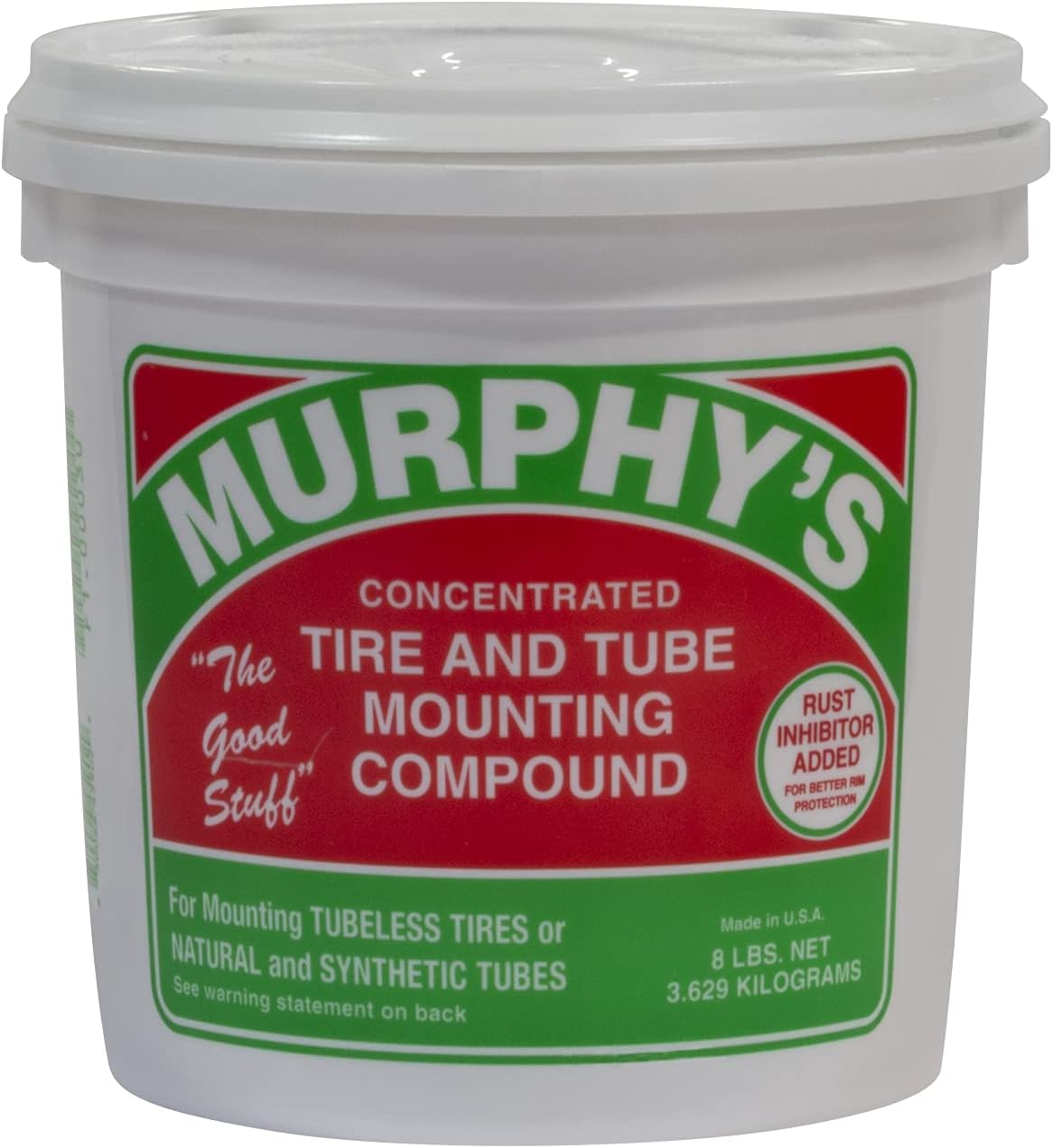
A concentrated tire and tube mounting compound designed to help simplify mounting rubber tires and tubes on passenger, semi truck, construction, and OTR applications. Its ultra-thick formula packs beads effectively and includes rust inhibitors to help protect against corrosion during use.

This manual duck head tire changer kit makes tire installation and removal simpler by letting you embed the duck head into the tire with applied pressure. The integrated design and durable steel construction help reduce friction and improve efficiency and safety during use. Suitable for 16–21 inch wheels, it’s convenient for cars, trucks, SUVs, and ATV tires, with 24-hour after-sales support.
Towing, Off-Roading, and Heavy Loads During Break-In
A 4Runner is often used for camping gear, roof racks, trailers, and trails, but the first 500 miles are not the best time to push a new tire set hard.
- Towing: Postpone towing during the break-in period when practical. If you must tow, keep speeds moderate, avoid sudden acceleration and braking, and check cold tire pressure before the trip.
- Heavy cargo: Stay within the vehicle’s load limits and the tire’s load rating. Overloading can create heat and handling problems.
- Off-road driving: Avoid rocky trails, sharp ledges, hard sidewall impacts, and aggressive throttle until the tires are broken in.
- Airing down: If you air down for sand or trails, reinflate before returning to pavement and inspect the bead area for leaks or debris.
- New wheels plus new tires: Be extra alert for vibration, air loss, or TPMS issues after a wheel-and-tire change.
Continental warns that hard acceleration and hard braking during the first few hundred miles can contribute to tire/rim slip because mounting lubricant can initially reduce tire-to-wheel adherence. That is one reason smooth driving matters, especially on a heavier SUV.
[Products Worth Considering]

This tire inflator extension hose helps your air chuck quickly connect and disconnect from the tire nozzle with minimal leakage, supporting more accurate tire pressure. It uses a high-pressure resistant inflatable tube and durable brass chuck adapter for long-lasting performance. The quick-connect 90-degree thumb press chuck converts to a locking style and is easy to operate for car, motorcycle, and bicycle inflations.

Accurately measure tire tread depth with a calibrated gauge marked from 0 to 1 inch in 1/32 inch increments. The color-coded bar helps you quickly identify tread condition ranges, supporting safe driving for trucks, motorcycles, automobiles, and passenger vehicles.
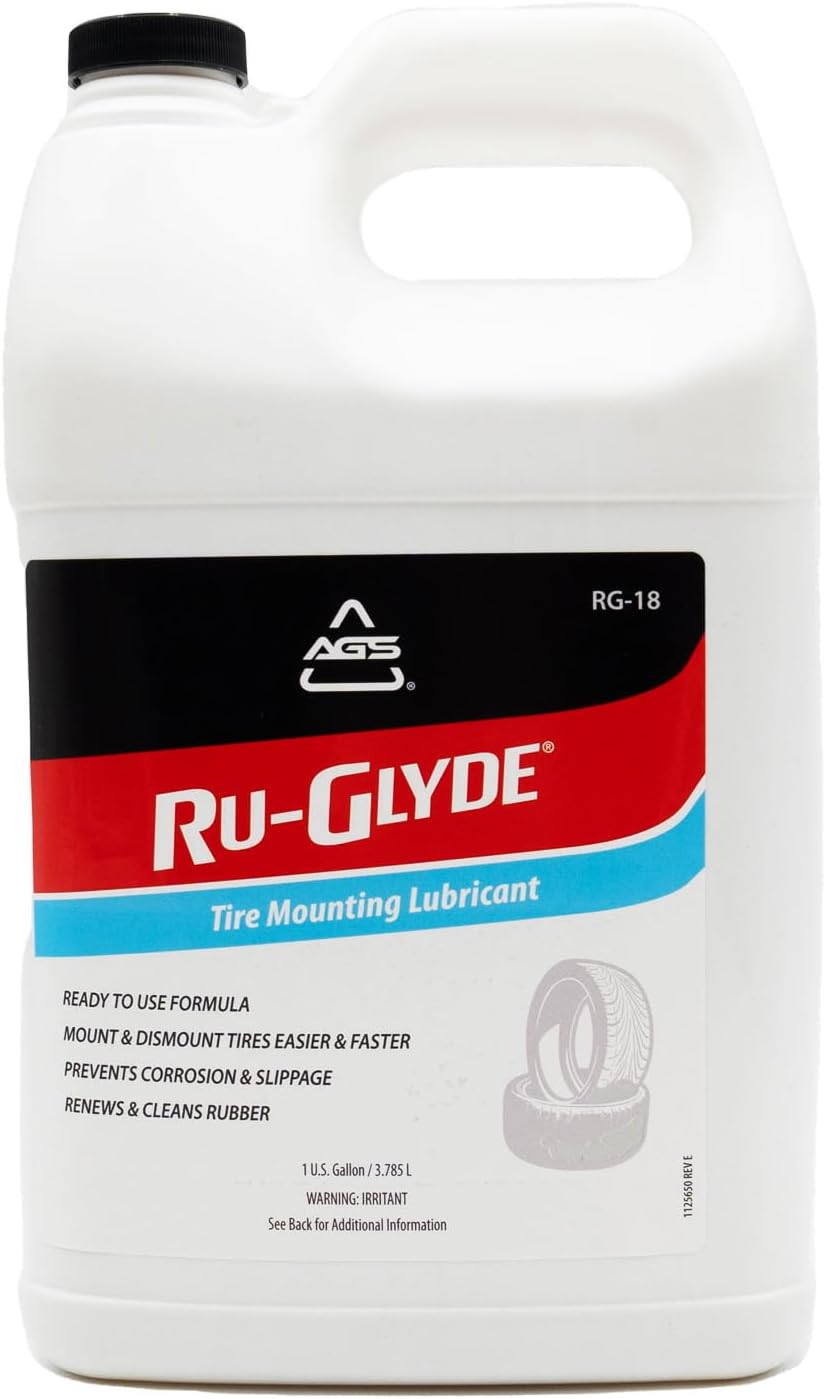
Ru-Glyde tire mounting lubricant from AGS seats tire beads smoothly on the first try with a thick, stay-put formula. It is ready to use with no mixing or dilution, helps prevent rim rust, and dries completely without causing bead slip residue. The water-based formula also conditions aged rubber, making it useful for sidewalls, gaskets, and door seals while remaining safe for tire, wheel, and technicians.
Troubleshooting Rough Rides When Breaking In New Tires

A small change in steering feel is normal with new tires. A strong vibration, shaking steering wheel, hard pull, or repeated air loss is not something to ignore.
Use this troubleshooting path:
- Recheck cold pressure first. A few PSI difference from side to side can affect ride, braking, and steering.
- Look for wheel-balance symptoms. Vibration that gets worse at specific highway speeds often points to a balance issue.
- Check for pulling. If the 4Runner pulls left or right on a flat road, you may have an alignment issue, mismatched pressure, tire conicity, or suspension wear.
- Inspect the wheels. A bent wheel, damaged bead seat, or debris between the wheel and hub can cause vibration.
- Check for uneven tread or sidewall defects. Bulges, wobble, or visible runout should be inspected immediately.
- Return to the installer if symptoms persist. A tire shop can rebalance the assembly, check road force variation, inspect bead seating, and verify TPMS operation.
The U.S. Tire Manufacturers Association recommends consulting a tire service professional if you notice changes such as increased air loss, noise, vibration, or other dynamic performance changes while driving.
How to Know When to Get Professional Help With Your Tires
Get professional help if any of these happen during or after the break-in period:
- The steering wheel shakes, especially at highway speed.
- The 4Runner pulls to one side after pressure has been corrected.
- The TPMS warning light stays on or returns repeatedly.
- One tire keeps losing air.
- You see a bulge, cut, exposed cord, bead damage, or uneven tread wear.
- The tires feel unstable after 500 miles of normal driving.
- You hear thumping, humming, scraping, or a rhythmic sound that was not present before installation.
For general tire safety, NHTSA TireWise emphasizes tire maintenance, labeling, aging, pressure, and consumer tire-safety awareness. Toyota’s 4Runner tire guidance also says to check treadwear indicators, uneven wear, and spare tire condition and pressure when applicable.
Debunking Myths About New Tire Break-In Procedures
- Myth: New tires do not need any break-in. Reality: They are usable immediately, but they need gentle driving before they deliver their most predictable response.
- Myth: The break-in period is only 100 miles. Reality: The first 100 miles matter most, but about 500 miles of smooth driving is a safer target for full break-in.
- Myth: You should scrub tires in with hard braking. Reality: Hard braking and hard acceleration can be risky and may contribute to tire/rim slip shortly after installation.
- Myth: You cannot drive in rain with new tires. Reality: You can drive in rain, but you should leave more space, slow down, and avoid abrupt inputs.
- Myth: All tire brands use the exact same procedure. Reality: Most guidance is similar, but you should still follow the tire manufacturer’s instructions for your specific tire model.
- Myth: Tread squirm means the tires are defective. Reality: Some squirm is normal with full-depth tread, especially on all-terrain or winter tires. Persistent instability is different and should be inspected.
Tips for Extending the Life of Your New Tires Beyond the Break-In Period

Once the break-in period is complete, tire life depends more on maintenance and driving habits than on the first 500 miles alone.
- Check tire pressure monthly. The U.S. Tire Manufacturers Association recommends regular tire inspections that include inflation pressure, tread wear, and tire damage.
- Use the correct cold pressure. Follow the tire and loading information label on your 4Runner, and adjust for load only when your manual or tire maker recommends it.
- Rotate on schedule. Toyota says to replace or rotate tires according to maintenance schedules and treadwear. Follow your Toyota maintenance guide and tire warranty requirements.
- Keep wheels balanced. Rebalance if you feel vibration, after tire repair, or after a significant impact.
- Check alignment when wear looks uneven. Feathering, one-sided wear, or a steering pull can shorten tire life quickly.
- Avoid overload and heat buildup. Heavy loads, low pressure, high speeds, and hot weather can stress tires.
- Inspect after trails. If you drive off-road, check tread blocks, sidewalls, valve stems, and bead areas before getting back on the highway.
- Store unused tires properly. Keep spare seasonal tires in a clean, cool, dry, well-ventilated place away from sunlight, oil, gasoline, and ozone sources.
Frequently Asked Questions
How long does the break-in period last for new 4Runner tires?
Plan on about 500 miles of gentle driving. The first 100 miles are the most cautious phase, but continuing smooth acceleration, braking, and cornering through 500 miles gives the tread surface and tire components more time to settle.
Can I drive in the rain during the break-in period?
Yes, but drive more cautiously than usual. New tires may feel slick at first, and wet roads reduce available traction. Slow down, leave extra following distance, and avoid sudden steering or braking whenever possible.
Should I rotate my new tires immediately after installation?
No. You usually do not need an immediate rotation unless the installer or Toyota maintenance schedule specifically calls for it. Start with proper pressure and balanced wheels, then rotate according to your Toyota maintenance guide and tire warranty interval.
Do all tire brands require the same break-in procedure?
Most new tires benefit from the same basic approach: smooth driving, moderate speed, gentle braking, and extra caution for about 500 miles. Still, check your tire manufacturer’s instructions because performance, winter, all-terrain, and LT tires may have model-specific guidance.
What are signs that my tires are properly broken in?
Your 4Runner should track straight, brake predictably, corner smoothly, and stop feeling unusually slick or squirmy. Road noise and steering response should feel consistent. If vibration, pulling, or instability remains after about 500 miles, have the tires inspected.
Can I tow with new tires on my 4Runner?
It is better to avoid towing during the first 500 miles when practical. If towing cannot wait, verify cold tire pressure, stay within load limits, drive at moderate speeds, and avoid sudden acceleration or hard braking.
Why does my 4Runner shake after getting new tires?
Shaking after new tire installation often points to wheel balance, uneven pressure, a bent wheel, bead seating, alignment, or tire runout. Recheck pressure first, then return to the installer if the vibration continues.
Conclusion
Breaking in new tires on your 4Runner is simple: check cold pressure, drive smoothly, avoid heavy demands, and give the tires about 500 miles to settle. The first 100 miles deserve the most caution, especially in rain or on loose surfaces. After the break-in period, keep up with pressure checks, rotations, alignment, and inspections so your tires can deliver safe traction, even wear, and dependable handling for the miles ahead.
Sources
- Tire Rack — How Do I Break In Tires? — supports the 500-mile gentle-driving break-in recommendation and explains mold-release lubricant.
- Continental Tires — Breaking in New Tires — explains release lubricants, antioxidants, tread squirm, and gentle first-500-mile driving.
- Continental Tire — Take Time to Break in Your New Tires — supports caution about hard acceleration, hard braking, and possible tire/rim slip early in use.
- Toyota Owners — 4Runner Tire Inflation Pressure — supports checking the tire and loading information label for cold inflation pressure and tire size.
- Toyota Owners — 4Runner Tires — supports checking treadwear indicators, uneven wear, and spare tire condition/pressure.
- U.S. Tire Manufacturers Association — Tire Care & Safety — supports monthly inspections, pressure checks, tread/damage checks, and professional help for vibration, noise, or air-loss concerns.