
Directional vs Non-Directional Tires for Hyundai Sonata Explained
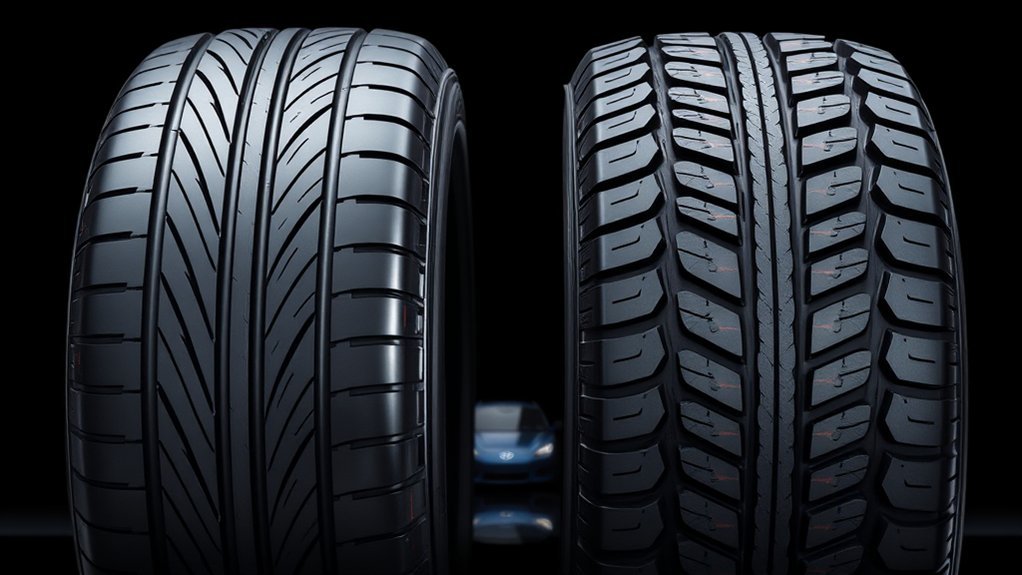
When choosing tires for your Hyundai Sonata, you’ll find directional and non-directional options. Directional tires feature a unique tread design that enhances wet traction and reduces hydroplaning, making them ideal for rain or challenging conditions. Non-directional tires offer flexibility in mounting and tend to last longer, making them perfect for daily driving. Understanding these differences is key to optimizing your vehicle’s performance. Stick around to discover more insights on selecting the right tires for your Sonata!
Understanding Directional vs Non-Directional Tires
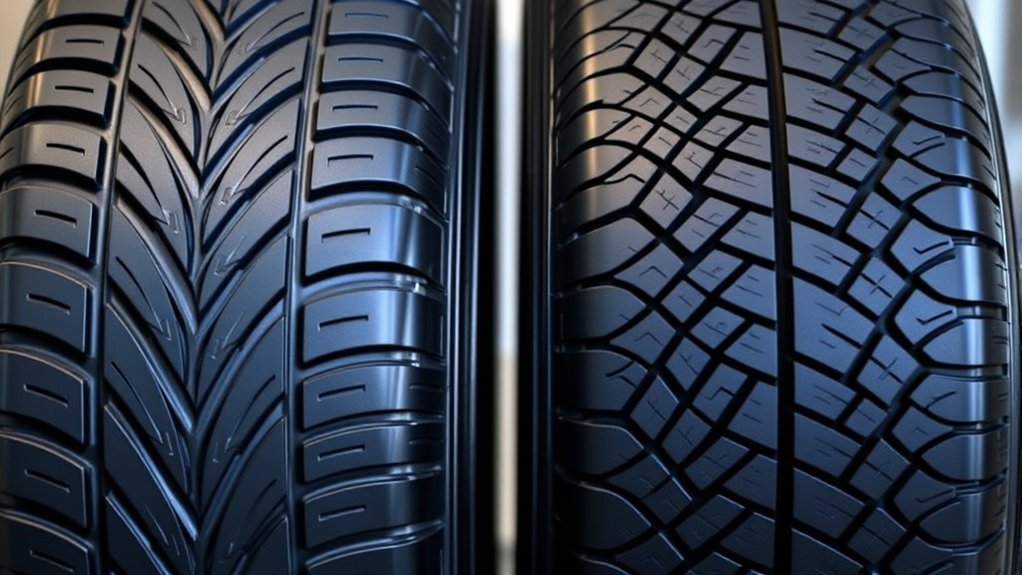
When you’re deciding between directional and non-directional tires for your Hyundai Sonata, it’s crucial to understand their distinct characteristics. Directional tires feature a V-shaped tread design, expertly crafted to enhance water evacuation and provide superior traction in wet conditions. This design also offers better grip and cornering performance at high speeds. However, if not rotated properly—typically front-to-rear on the same side—they may wear unevenly.
On the other hand, non-directional tires boast symmetrical or asymmetrical tread patterns that allow for flexible mounting and easier maintenance. They prioritize tire longevity and often come at a more affordable price, making them ideal for daily commuting. Your choice ultimately hinges on your driving habits and conditions. If you frequently navigate wet roads or seek high-performance handling, directional tires might be your best bet. Otherwise, non-directional tires can deliver the reliability you need without breaking the bank.
Identifying Directional Tires: Key Features to Look For
Choosing the right tires for your Hyundai Sonata means knowing how to identify directional tires and their unique features. First, look for a tread pattern that resembles an arrow, which indicates the correct rotation direction for peak performance. This design often includes V-shaped grooves, vital for effective water channeling, allowing rain to flow away from the contact patch and enhancing grip in wet conditions.
Additionally, pay attention to sidewall indicators that clearly show the proper mounting direction. Correct installation is essential; improper mounting can lead to faster wear and reduced performance. Unlike non-directional tires, directional tires can only be rotated front to rear on the same side, limiting your options. By understanding these key features, you’ll make informed choices that enhance your Sonata’s performance and safety on the road.
Why Choose Directional Tires for Enhanced Performance in Your Sonata?
Opting for directional tires can greatly enhance your Hyundai Sonata’s performance, especially in challenging driving conditions. With a V-shaped tread pattern, these tires excel at water evacuation, considerably reducing hydroplaning risk and improving traction control in wet weather. This means you can navigate rainy roads with confidence, minimizing the weather impact on your driving experience.
Moreover, directional tires boost handling dynamics and cornering stability, giving you a sportier feel behind the wheel. The specific tread orientation guarantees ideal grip on both dry and wet surfaces, enhancing your vehicle’s overall performance and safety. While they require careful mounting and can only be rotated front to rear on the same side, the benefits in tire noise reduction and improved responsiveness at high speeds often outweigh these considerations. For Sonata enthusiasts, choosing directional tires is a step towards liberating your driving experience.
The Benefits of Non-Directional Tires for Everyday Driving
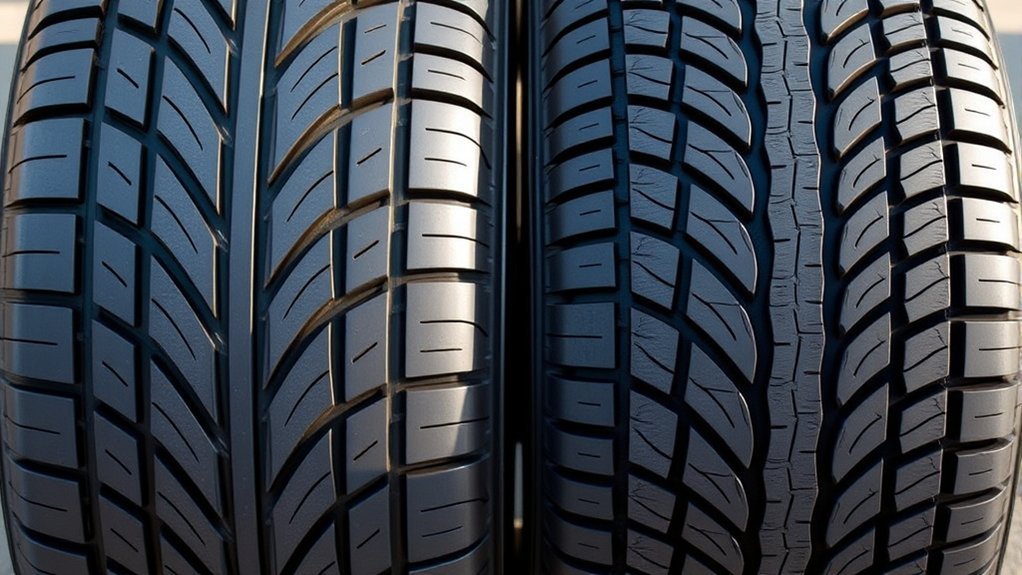
Non-directional tires offer a practical solution for everyday driving, making them an excellent choice for your Hyundai Sonata. Their unique ability to be mounted in any direction simplifies installation ease, allowing you to save time and effort during tire changes. With a symmetrical or asymmetrical tread pattern, these tires enhance tire longevity and promote even wear, essential for daily commutes.
You’ll also enjoy a smoother, more comfortable ride on regular roads, as non-directional tires prioritize versatility over high-performance handling. The straightforward rotation patterns, like the traditional X-pattern, make maintenance easier and help extend your tires’ lifespan, reducing the hassle of uneven wear. For daily drivers seeking a cost-effective option, non-directional tires deliver reliable performance without the specialized requirements of directional tires. Embrace the freedom of choice and practicality with non-directional tires for your Sonata!
How to Properly Mount and Rotate Your Directional Tires
When it comes to mounting and rotating your directional tires, following specific guidelines is essential for peak performance. First, confirm the tire mounting aligns with the arrows on the sidewall, as this indicates the proper tread direction. Incorrect mounting can lead to reduced traction and faster wear, so double-check this step.
For rotation techniques, remember that directional tires can only be switched from front to rear on the same side, unlike non-directional tires. This limited rotation helps prevent uneven wear. Before each rotation, check tire pressure and tread depth to maintain ideal performance and safety.
While some may attempt DIY rotations, professional tire rotations are advisable for directional tires. Professionals confirm they’re mounted correctly and facilitate proper balancing, keeping your Hyundai Sonata running smoothly. Embrace these practices for a liberated driving experience!
Tread Pattern Comparison: Directional vs Non-Directional
Understanding the differences between directional and non-directional tires is key to making the right choice for your Hyundai Sonata. Directional tires feature a V-shaped tread pattern that enhances traction, especially on wet roads. Their grooves effectively channel water away, reducing hydroplaning risks. In contrast, non-directional tires have symmetrical or asymmetrical patterns, promoting tread longevity and allowing for versatile mounting in any direction.
While directional tires excel in high-speed stability and cornering, non-directional options prioritize even wear, making them ideal for general-purpose driving. This means that if you frequently navigate wet or snowy conditions, directional tires will offer superior performance. However, if you’re looking for durability and hassle-free rotation, non-directional tires might be your best bet. Ultimately, your choice will depend on your driving needs, ensuring you maintain ideal traction and tread longevity with your Hyundai Sonata.
Debunking Myths About Directional Tires
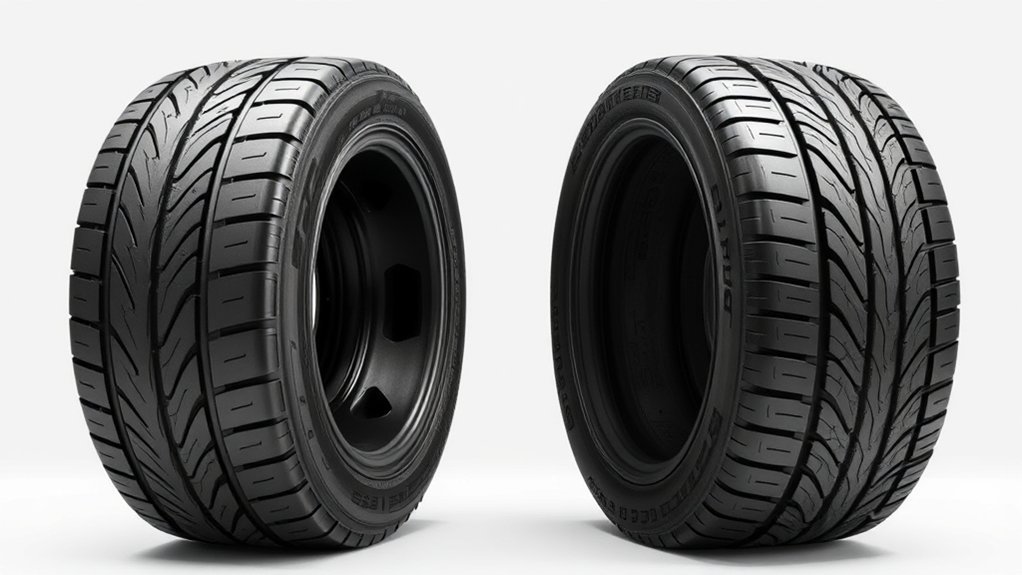
When it comes to directional tires, many drivers think they automatically enhance performance and style. However, the reality is that their benefits often depend on specific conditions rather than just their design. Let’s clear up these misconceptions and explore how aesthetics can sometimes overshadow functionality.
Performance Enhancements Misconception
Many drivers believe that directional tires automatically enhance performance, but this notion is more myth than reality. While they’re often marketed as superior, their actual benefits over non-directional tires are minimal in everyday driving conditions. Performance improvements hinge more on specific driving contexts than tire design alone. Directional tires excel in water evacuation, but non-directional tires with similar specs can perform just as well. Additionally, incorrect installation can affect water displacement without compromising structural integrity, debunking the idea that these tires are a “magical solution.” Ultimately, marketing claims around directional tires often lack substantial evidence, leading to skepticism about their necessity and reminding you that tire longevity should take precedence over performance myths.
Aesthetic Appeal vs. Functionality
While it’s easy to be swayed by the striking designs of directional tires, their aesthetic appeal doesn’t always translate to enhanced functionality. Sure, their V-shaped tread can catch your eye, but consider your performance priorities. Directional tires excel in wet conditions, channeling water away to reduce hydroplaning. However, non-directional tires often deliver similar performance without the constraints of specific mounting directions. The myth that directional tires guarantee superior handling and speed is frequently overstated. Many non-directional options can match their capabilities while emphasizing longevity and ease of maintenance. Ultimately, while aesthetic considerations matter, they shouldn’t overshadow the practical benefits that align better with your driving needs in a Hyundai Sonata. Choose wisely for both looks and performance.
Essential Factors for Selecting Tires for Your Sonata
When you’re selecting tires for your Hyundai Sonata, performance should be at the forefront of your decision. Consider how often you drive in wet conditions versus dry roads, as this will impact your choice between directional and non-directional tires. Additionally, weigh the long-term costs against the benefits of each option to guarantee you make a well-informed choice that suits your driving style.
Tire Performance Considerations
Understanding the tire performance considerations for your Hyundai Sonata is vital, especially since your choice can greatly impact handling, safety, and fuel efficiency. Directional tires excel in wet conditions, reducing hydroplaning risk and enhancing traction differences. If you drive spiritedly, their handling characteristics may suit you well. Non-directional tires, however, offer versatility and durability factors that benefit daily commuters, allowing for easier rotation and longer wear. Pay attention to tire noise levels and verify proper installation tips to maximize performance. Regular maintenance routines, including rotations to counter uneven wear, are imperative. Finally, always consult speed ratings and manufacturer guidelines to guarantee your tires meet safety and performance needs.
Cost vs. Benefit Analysis
Choosing the right tires for your Hyundai Sonata involves weighing the costs and benefits of directional versus non-directional options. Directional tires offer impressive wet weather performance, but their higher price might not be worth it if you live in a primarily dry climate. Non-directional tires, on the other hand, typically provide a longer tire lifespan and easier maintenance, making them a smart choice for daily commuters. Your specific driving conditions—whether frequent rain or snow—should guide your decision. While directional tires excel in challenging weather, consider if their enhanced performance justifies the investment. Balancing your driving habits, climate, and budget will help you choose the most practical tires for your Sonata.
Maintaining Your Directional Tires for Optimal Performance
Maintaining your directional tires is essential for ensuring maximum performance and safety on the road. Regular monitoring of tread depth is crucial; aim for a minimum of 2/32 inches for ideal grip, especially in wet conditions. Rotate your tires every 5,000 to 7,000 miles using the correct front-to-back method to avoid uneven wear.
Make sure to check the mounting direction marked by arrows or triangles on the sidewall, as this supports effective water evacuation.
Here’s a quick reference table for tire maintenance:
| Task | Frequency | Importance |
|---|---|---|
| Tread Depth Check | Monthly | Safety and grip |
| Tire Rotation | Every 5,000-7,000 miles | Even wear and handling |
| Pressure Check | Monthly | Performance and longevity |
| Professional Balancing | As needed | Maintains performance |
| Seasonal Tire Evaluation | Before seasons change | Ideal handling |
Frequently Asked Questions
Can I Mix Directional and Non-Directional Tires on My Sonata?
You shouldn’t mix directional and non-directional tires on your Sonata. Doing so can compromise tire performance and affect handling due to differing tread patterns, leading to an unsafe driving experience. Stick to one type for safety.
How Do Tire Pressure Recommendations Differ Between Tire Types?
Imagine gliding smoothly on the open road. Tire pressure varies; directional tires often need slightly higher levels for peak performance. Regular maintenance tips include checking pressure monthly to guarantee safety and enhance your Sonata’s ride.
What Are the Costs Associated With Directional Vs Non-Directional Tires?
Directional tires often cost more due to specialized tread patterns and performance differences, while non-directional options are typically more affordable. Consider your driving habits and budget to make the best choice for your Hyundai Sonata.
Do Directional Tires Wear Unevenly Compared to Non-Directional Tires?
Yes, directional tires can wear unevenly due to their unique tread patterns affecting handling characteristics. For instance, if you frequently drive on wet roads, you might notice faster wear on one side compared to non-directional options.
Can I Use Directional Tires in All-Season Conditions?
Yes, you can use directional tires in all-season conditions. Their unique tread patterns enhance tire performance, providing better traction on wet and dry surfaces. Just verify they’re suitable for your specific driving conditions and climate.
Conclusion
In the tire talk for your Hyundai Sonata, choosing between directional and non-directional tires boils down to your driving dynamics. Directional tires deliver dynamic handling, while non-directional tires offer dependable daily driving. By balancing benefits and your specific needs, you’ll guarantee smooth sailing on every surface. So, whether you’re zooming through curves or cruising on calm roads, make an informed choice that keeps your Sonata rolling reliably and responsively.

Related Articles

Run Flat vs Regular Tires for Hyundai Sonata: Pros & Cons
Get the lowdown on run-flat and regular tires for your Hyundai Sonata; discover which option suits your driving needs before making a final decision.
Read More
Does Hyundai Sonata Come With Complimentary Tire Rotation?
Find out if the Hyundai Sonata includes complimentary tire rotation services and discover how this benefit can enhance your driving experience.
Read More
Touring vs Performance Tires for Hyundai Sonata: Which to Choose
Discover the key differences between touring and performance tires for your Hyundai Sonata, and find out which option truly suits your driving style.
Read More