
All-Terrain Tire Tread: Design, Grip & Road Manners
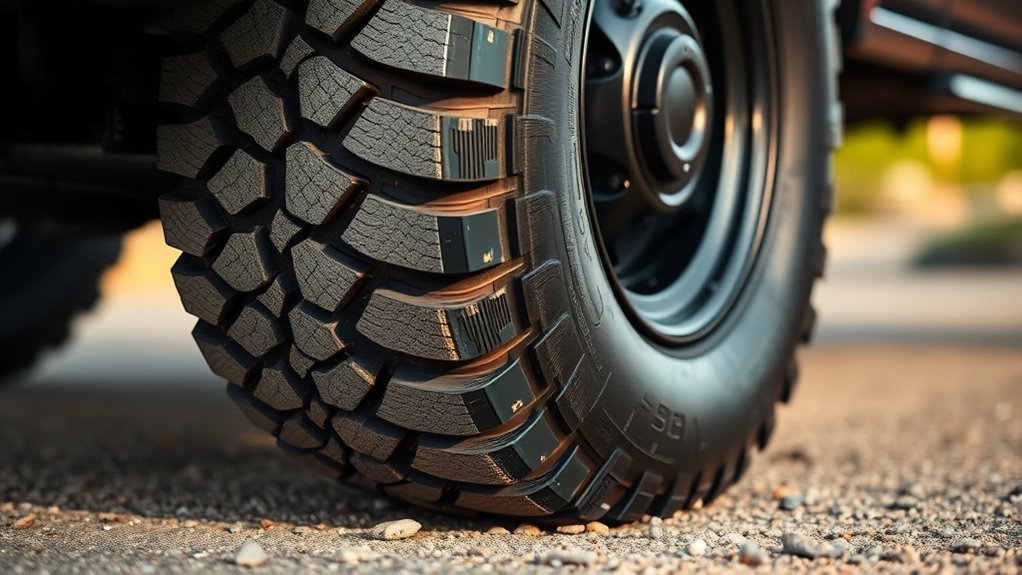
You want an all-terrain tread that feels stable on the highway but still has enough bite for gravel, dirt, mud, rock, and light snow. The best pattern is not always the most aggressive one. Look for a steady center rib or closely tied center blocks for tracking, staggered shoulder blocks for loose ground, enough void space to clear debris, and plenty of siping for wet and winter grip.
Quick Answer
Choose an all-terrain tread with moderate void spacing, interlocking blocks, a stable center pattern, open shoulders, and enough sipes for rain and snow. A tighter pattern is better for daily highway use; a more open, deeper pattern is better for mud, rock, and regular trail driving.
Key Takeaways
- For mostly highway driving: choose tighter center blocks, lower void space, and a less aggressive shoulder for better ride comfort and lower noise.
- For mixed use: choose an A/T pattern with interlocking tread blocks, moderate voids, reinforced shoulders, and a durable chip-resistant compound.
- For snow: look for the 3-Peak Mountain Snowflake symbol, but remember it does not make every A/T tire equal to a dedicated winter tire.
- For tread life: check pressure monthly, rotate on schedule, and measure tread depth before wet or winter traction becomes weak.
How to Use This Guide to Pick All-Terrain Treads
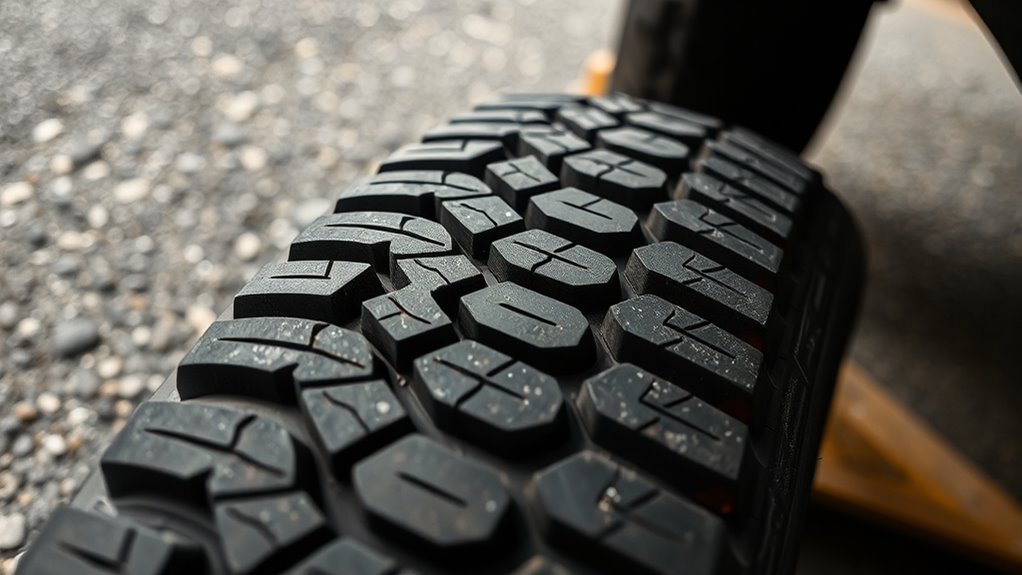
When comparing all-terrain treads, start with your real driving mix. A tire used for 80% pavement and weekend dirt roads should not look like a mud tire. A truck that sees sharp rock, ruts, wet job sites, and forest roads needs more shoulder strength, deeper grooves, and better self-cleaning.
Use this simple method:
- Highway first: prioritize a tighter center tread, stable ribs, smaller tread block movement, and lower road noise.
- Trail first: prioritize open shoulders, deeper grooves, reinforced sidewalls, stone ejectors, and a tougher compound.
- Rain and snow: prioritize siping, full-depth tread features, connected water channels, and 3PMSF-rated designs when snow is common.
- Towing or heavy loads: check the correct tire size, load index, load range, and inflation pressure from your vehicle placard or owner’s manual.
Note: Tread design matters, but it is only one part of tire choice. Size, load rating, speed rating, construction, compound, sidewall strength, and vehicle alignment all affect how the tire performs.
All-Terrain Tread Basics: Ribs, Voids, Sipes, and Compounds
An all-terrain tire works by balancing four major tread features: ribs, voids, sipes, and rubber compound. Each one changes how the tire behaves on pavement and off-road.
Ribs and Stability
Ribs are the continuous or semi-continuous tread bands that run around the tire. They help the tire track straight, reduce wandering, and keep the contact patch more stable at highway speeds.
A tighter center rib usually improves steering feel, braking stability, and noise control. A more broken-up center tread gives the tire more biting edges on loose terrain, but it can feel louder or less refined on pavement. For daily drivers, a stable center pattern is usually worth more than oversized center lugs.
Voids and Self-Cleaning
Voids are the open spaces between tread blocks. More void space gives mud, gravel, snow, and water somewhere to move. This helps the tire clean itself instead of packing the tread with debris.
Too much void space, however, reduces rubber contact on pavement. That can increase road noise, reduce steering precision, and raise rolling resistance. For most trucks and SUVs, moderate void spacing is the sweet spot for balanced all-terrain performance.
Sipes for Rain and Winter Grip
Sipes are the small cuts in tread blocks. They create extra biting edges that help the tire grip wet pavement, packed snow, and light ice. Dense siping is especially helpful for winter-capable all-terrain tires.
Not all siping is equal. Full-depth or 3D sipes can keep working as the tire wears, while shallow siping may fade earlier in the tire’s life. If you drive in rain or snow often, look beyond the tread’s aggressive appearance and check how much usable siping the pattern has.
Compound and Tread Life
The rubber compound controls wear, heat buildup, cold-weather flexibility, chip resistance, and rolling resistance. A harder compound may last longer on pavement but feel less grippy in cold weather. A softer compound may grip better but wear faster under heavy loads or hot highway use.
Modern all-terrain tires often use blended polymers or silica-enhanced compounds to improve wet grip, tread life, and cut resistance. Still, there is always a tradeoff: the best tread for sharp rock is rarely the quietest tread for long highway commutes.
All-Terrain vs H/T, Hybrid, and M/T: When to Choose Each
Match the tire category to the work you actually do. Buying too much tread can cost you comfort, fuel economy, and tread life. Buying too little tread can leave you stuck when the surface turns loose or muddy.
| Tire Type | Best For | Main Tradeoff |
|---|---|---|
| H/T | Highway commuting, towing on pavement, quiet ride | Limited off-road bite |
| A/T | Daily driving plus gravel, dirt, trails, light mud, and mixed weather | Some extra noise and rolling resistance versus H/T |
| Hybrid or R/T | Drivers who split time between pavement and more demanding trails | More noise and weight than many A/T tires |
| M/T | Mud, deep ruts, rock crawling, and extreme off-road use | Louder ride, faster wear, weaker wet-road manners, and lower fuel economy |
Choose all-terrain when you need real versatility. A good A/T tire gives stable on-road handling while still handling gravel, dirt, grass, sand, light trails, and moderate mud better than a highway tire.
[Products Worth Considering]
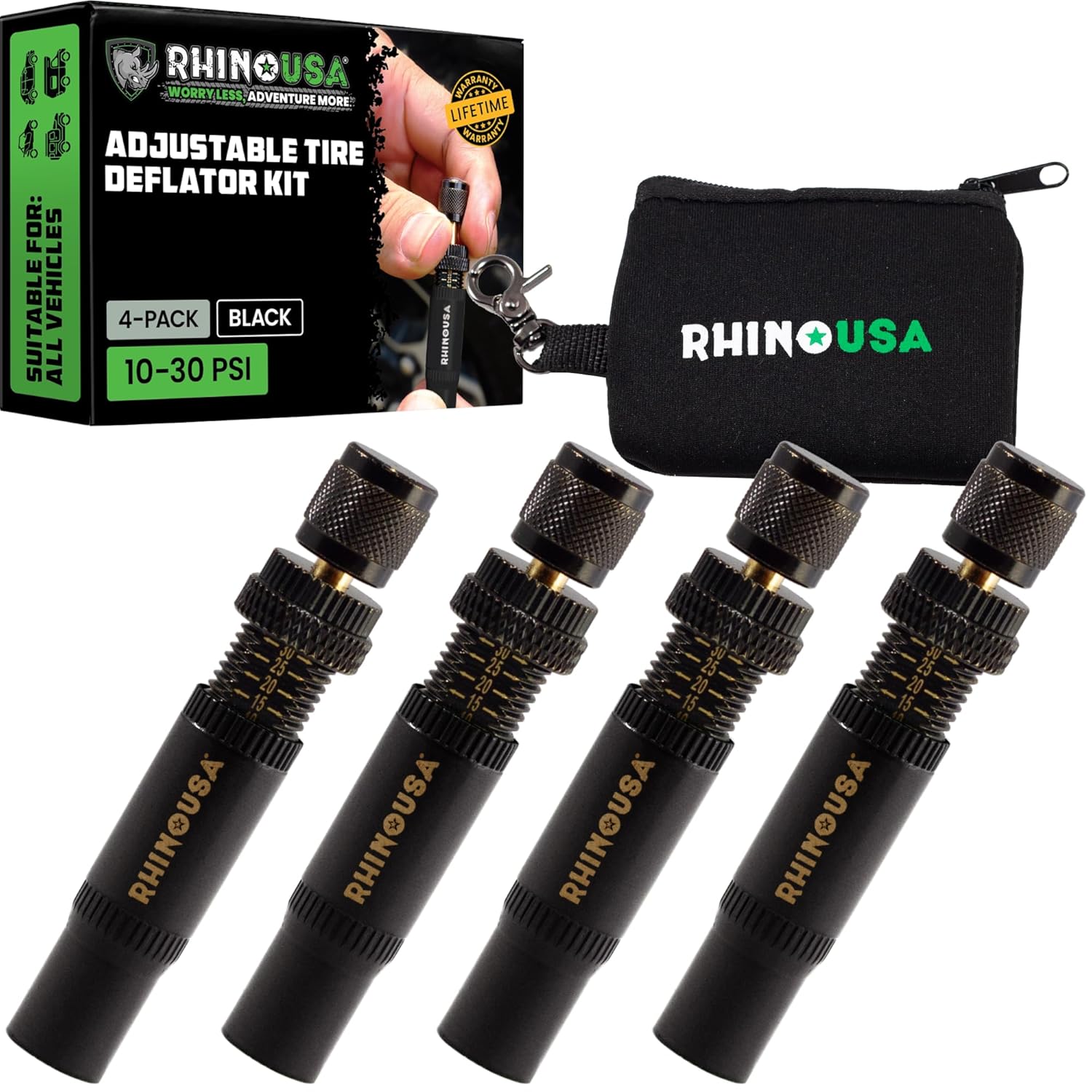
Use the Rhino USA adjustable tire deflators to air down all four tires at once by screwing one deflator onto each valve stem, letting you step away while the tires reach your preset pressure. Each deflator independently adjusts across a 10–30 PSI range with laser-etched indicators for quick setup and verification, making it ideal for beach, sand, and rocky off-road trails.

Keep RV, trailer, or truck dual-axle tires protected with waterproof, UV-resistant covers that help guard against sunlight, snow, rust, and dirt. The dual tire covers are easy to install with a rope/bungee fastener for a stable fit that won’t easily slip. Designed for 27–30 inch diameter wheels, they help maintain tire condition through harsh weather.
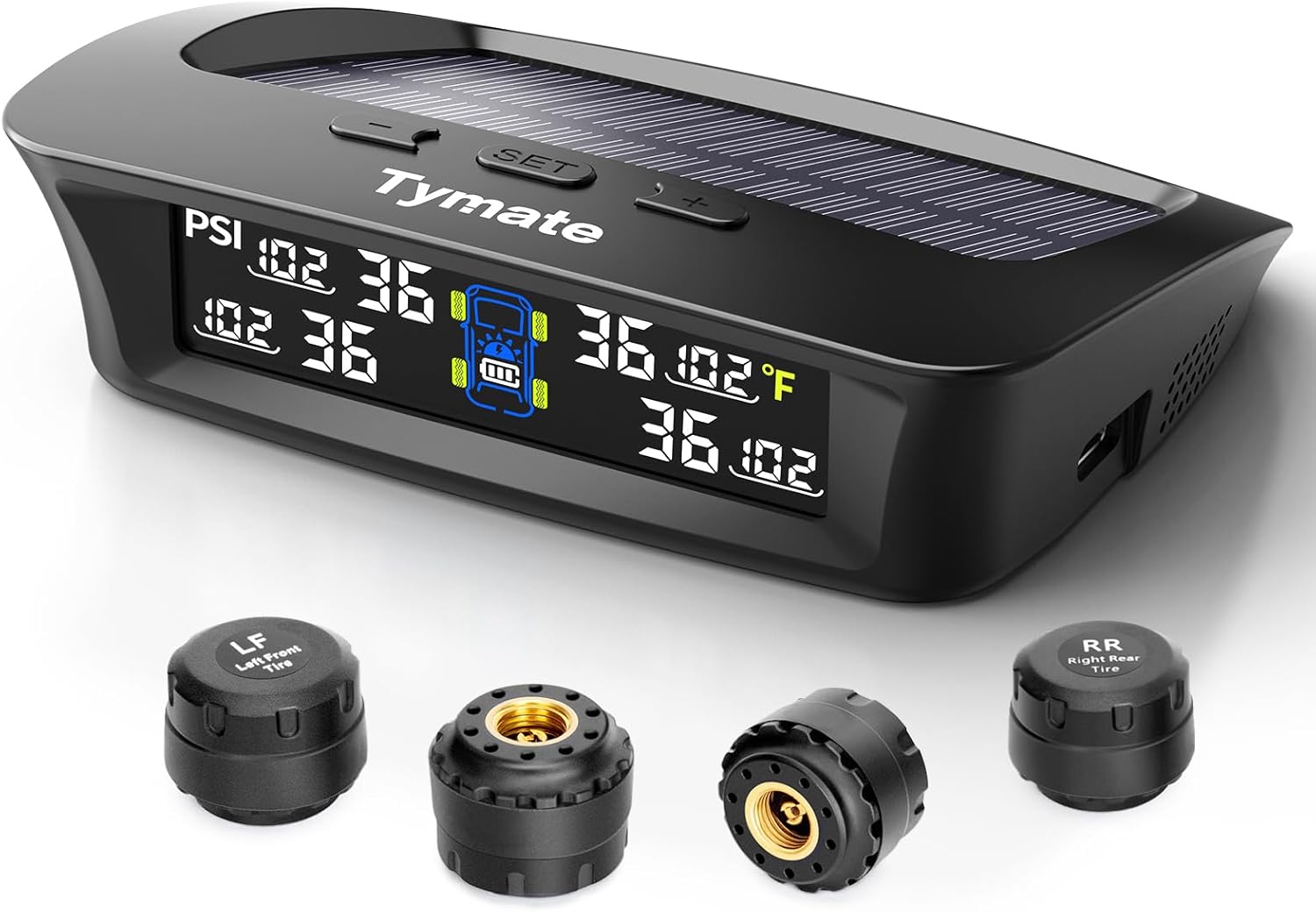
The Tymate TM3 RV TPMS delivers real-time tire pressure monitoring from 0 to 144 PSI with accurate readings and dependable wireless communication. It includes four external sensors with pre-pairing, six alarm modes for rapid leak, pressure extremes, temperature, and signal loss, plus an easy-reference setup for alert thresholds. Solar and USB-C charging help keep the display powered, while the color LCD and adaptive backlight improve visibility for safer driving and towing.
Tread Effects on Noise, Wear, and Fuel Economy
Tread pattern affects what you hear, how the tire wears, and how much energy the tire uses to roll. Bigger blocks and wider voids can improve off-road traction, but they also move more air and flex more against the road.
Tread Noise Sources
Most tread noise comes from air being compressed and released between tread blocks, plus vibration from block edges hitting the road. Large open lugs and repeated block shapes can create a noticeable hum. Tighter groove spacing, varied block pitch, and more stable center ribs can reduce tonal noise.
| Feature | What It Does | Result |
|---|---|---|
| Large blocks | Move more air and strike the road harder | More tread hum |
| Tight center pattern | Keeps more rubber on the road | Quieter, more stable ride |
| Staggered shoulders | Adds off-road side bite | Better trail grip, possible extra noise |
| Uneven wear | Creates irregular contact with the road | More vibration and noise |
Wear Pattern Tradeoffs
All-terrain tread wear depends on pattern stiffness, rubber compound, vehicle weight, driving style, alignment, rotation, and inflation. A heavily siped tread may grip well in rain and snow, but soft block movement can create feathering if alignment is off. A deep, open tread may resist mud packing, but the blocks can squirm more on pavement.
Watch for these warning signs:
- Shoulder wear: often points to underinflation, aggressive cornering, or alignment problems.
- Center wear: can point to overinflation or too much highway heat under load.
- Cupping or scalloping: may indicate worn shocks, balance problems, or suspension issues.
- Feathering: often points to toe alignment problems.
Rolling Resistance Impact
Rolling resistance is the energy a tire uses as it flexes and rolls. More aggressive tread patterns, heavier construction, and deeper lugs can increase that energy loss. According to FuelEconomy.gov, keeping tires properly inflated can improve gas mileage by 0.6% on average and up to 3% in some cases.
A good all-terrain tread should give you extra capability without making the truck feel like it is fighting the road on every commute.
Off-Road Performance: Mud, Gravel, Rock, and Sand
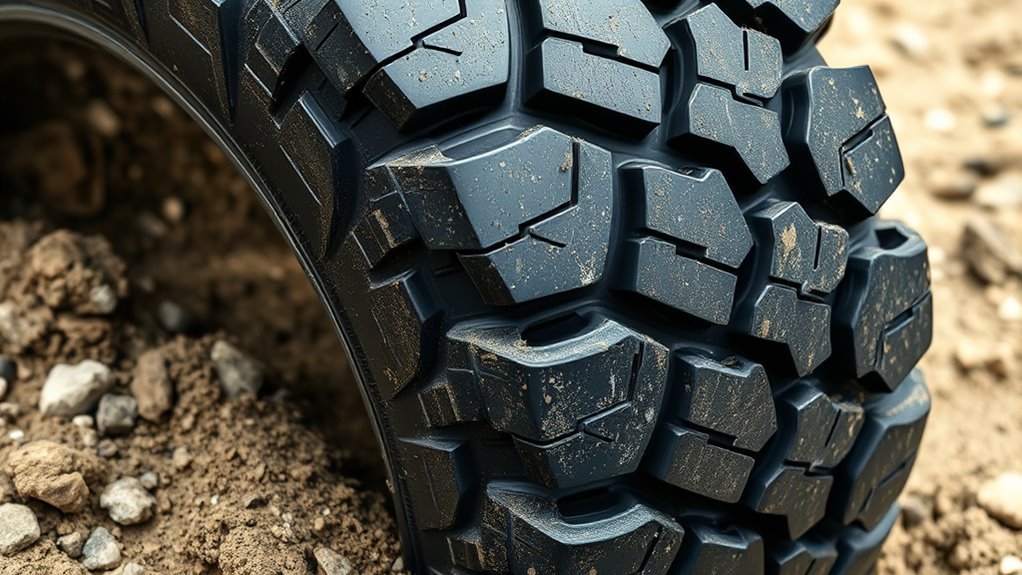
Traction defines all-terrain tire performance off-road. The tread needs enough open space to grab loose material, enough block support to stay stable, and enough shoulder strength to resist cuts and impacts.
- Mud: wider grooves and open shoulders help eject mud before the tread packs solid.
- Gravel: interlocking blocks distribute load and reduce chattering on loose stone.
- Rock: reinforced shoulders, strong sidewalls, and chip-resistant compounds help resist tearing.
- Sand: a broad contact patch and controlled throttle matter more than sharp, digging lugs.
- Dirt roads: moderate void spacing gives grip without making the tire harsh on pavement.
Pro Tip: On soft sand or loose trail surfaces, pressure choice matters as much as tread. Airing down can increase footprint, but only do it safely, avoid high speeds, and reinflate before returning to highway driving.
[Products Worth Considering]
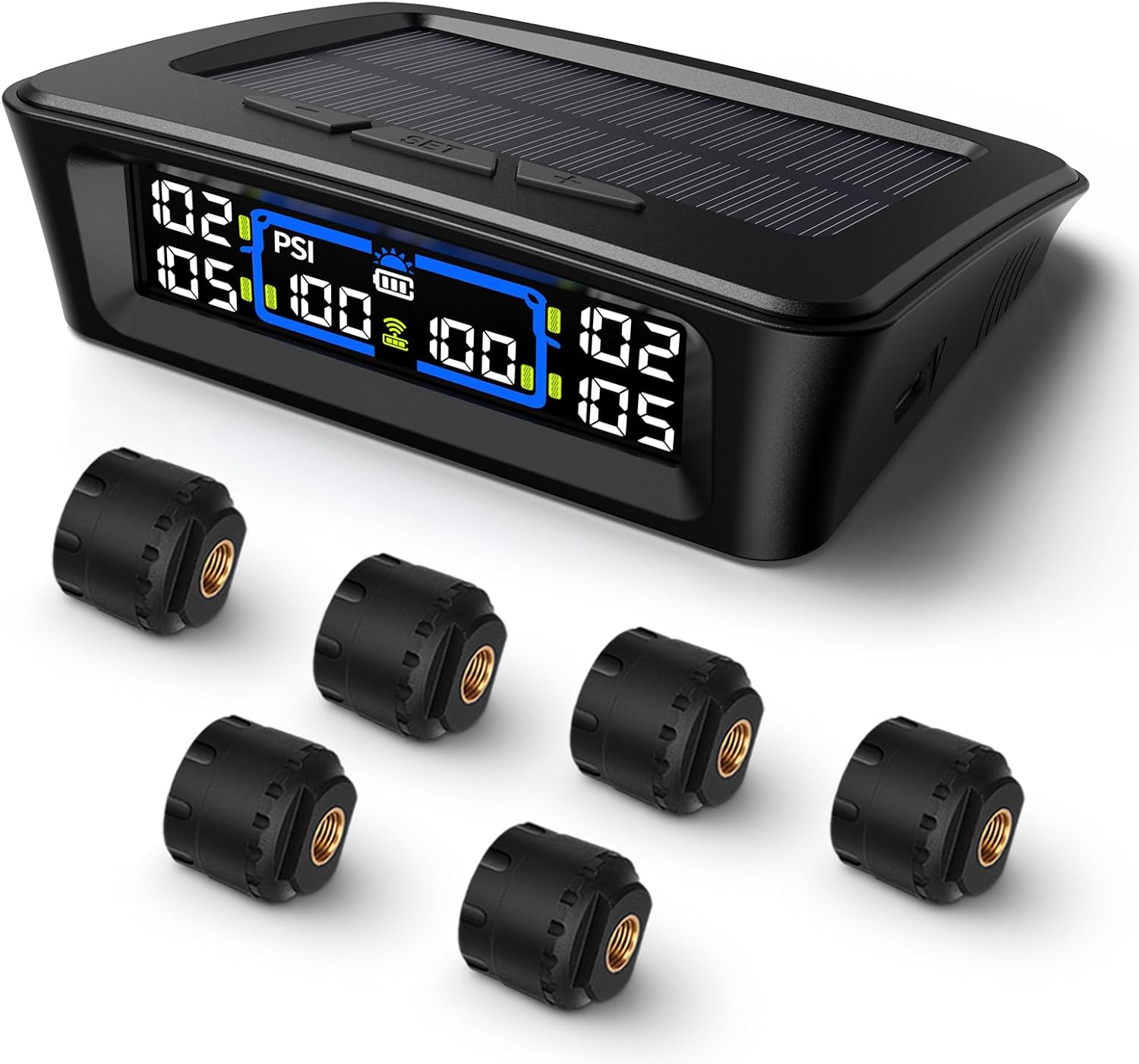
The Tymate TM12 RV TPMS delivers real-time tire pressure and temperature monitoring with a stable 433Hz display for safer long-distance driving. It supports simultaneous monitoring across vehicle and trailer zones, includes six alarm modes for pressure, temperature, leakage, battery, and signal loss, and features easy DIY installation with auto calibration. Power is supplied via USB-C charging or solar recharging, with a wide 0–144 PSI range and up to 50 ft signal coverage for RVs and towable trailers.


Size: 225/65R17, Tire Only - Wheel/Rim Not Included. We offer a complimentary Road Hazard Warranty for each of our tires--Coverage applies to specific failures such as bulges, air leaks, or blowouts occurring within 3 years of purchase and and within the first 4/32nds of an inch of tread wear (Since October 1, 2025).
Wet and Winter Behavior: Sipes, Voids, and 3PMSF
Wet and winter traction depends on water evacuation, tread depth, compound flexibility, and biting edges. Voids move standing water and slush away from the contact patch. Sipes add extra grip on slick surfaces. Tread depth gives water and snow somewhere to go.
If you drive in snow, look for the 3-Peak Mountain Snowflake symbol. Tire Rack explains that 3PMSF tires meet a minimum snow acceleration traction threshold, while the older M+S marking is based mainly on tread geometry and does not guarantee the same tested snow performance.
Warning: A 3PMSF-rated all-terrain tire is not automatically a full replacement for a dedicated winter tire. The 3PMSF test focuses on snow acceleration traction, not every part of snow braking, ice braking, or cornering performance.
Tread depth also matters. Federal inspection guidance in 49 CFR § 570.9 uses 2/32 inch as a minimum tread-depth threshold, but wet and winter grip can fade before that point. If your A/T tires are near 4/32 inch and you drive in heavy rain, slush, or snow, start planning replacement sooner.
Choosing the Right All-Terrain Tread for Your Truck or SUV
Choosing the right all-terrain tread is a matching exercise. Start with the vehicle, then the load, then the terrain.
Match the Tread to Your Driving Mix
- Mostly pavement: choose a less aggressive A/T with a quiet center rib, smaller voids, and strong wet braking reviews.
- Daily driving plus weekend trails: choose a balanced A/T with staggered shoulders, moderate voids, and durable tread blocks.
- Frequent mud or rocky trails: choose a more aggressive A/T or hybrid tread with deeper grooves, stone ejectors, and stronger sidewalls.
- Snow belt driving: choose a 3PMSF-rated A/T and compare winter braking and handling test results when available.
Check Size, Load Range, and Speed Rating
Tread pattern will not help if the tire is wrong for the vehicle. Check the tire placard, owner’s manual, and current tire size before buying. Pay attention to:
- Load index or load range: important for towing, payload, work trucks, and heavy SUVs.
- LT vs P-metric construction: LT tires are often stronger but may ride firmer and weigh more.
- Speed rating: should match safe road use and vehicle requirements.
- Overall diameter: oversized tires can affect gearing, speedometer accuracy, clearance, and braking.
For lifted vehicles or non-stock tire sizes, confirm wheel clearance at full steering lock and under suspension compression. Also verify that the spare tire, jack, and TPMS setup still work with the new size.
Maintenance and Rotation Tips to Maximize Tread Life
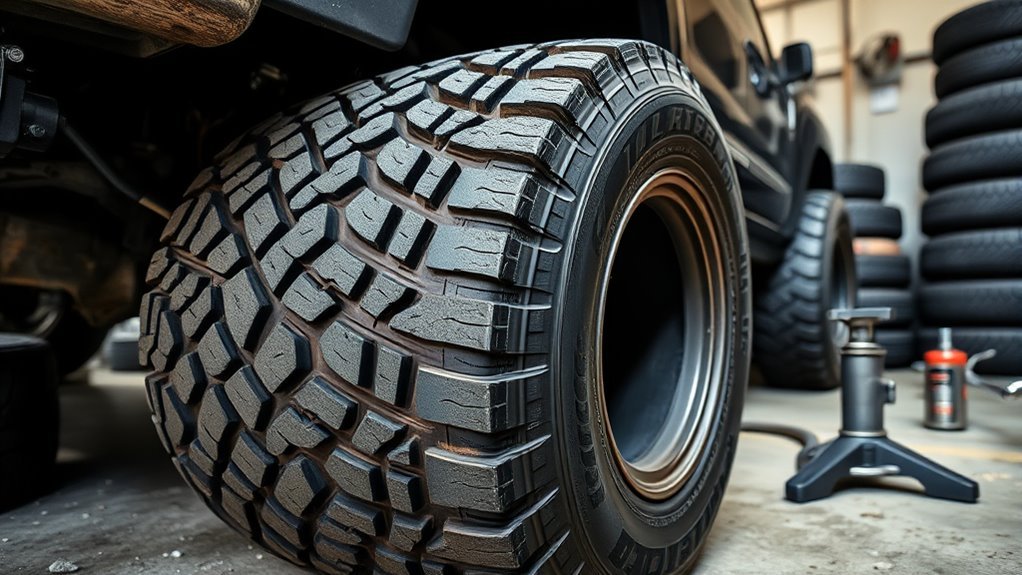
Choosing the right all-terrain tread is only half the job. To preserve performance, you need regular pressure checks, rotation, alignment, and tread inspection.
The U.S. Tire Manufacturers Association recommends checking tire pressure at least once a month and when tires are cold. USTMA also recommends rotating tires according to the vehicle owner’s manual, or every 5,000 to 8,000 miles if no interval is listed.
At a Glance
| Time Required | 10–15 minutes per monthly inspection |
| Difficulty | Easy for pressure and tread checks; professional help for alignment or mounting |
| Tools Needed | Tire pressure gauge, tread depth gauge, flashlight, and owner’s manual |
| Cost | Low for DIY checks; shop costs vary for rotation, balancing, and alignment |
Use this maintenance routine:
- Check pressure monthly: use the vehicle placard pressure, not the maximum pressure molded on the tire sidewall.
- Rotate regularly: follow the owner’s manual pattern, especially on 4WD and AWD vehicles.
- Measure tread depth: check several grooves across the tire, not just one spot.
- Inspect for damage: look for cuts, bulges, exposed cords, missing chunks, punctures, and trapped stones.
- Clean the tread: remove packed mud and stones after trail use to reduce vibration and block damage.
- Fix alignment issues quickly: pulling, feathering, or rapid shoulder wear can shorten tread life fast.
Frequently Asked Questions
What is a good tread depth for all-terrain tires?
Many new all-terrain tires start with deeper tread than standard highway tires, but exact depth varies by size, model, and load rating. Check the tire manufacturer’s specifications. Replace tires by 2/32 inch at the legal minimum, and consider replacing earlier for wet, snow, or off-road use.
Does tread pattern matter on AWD?
Yes. AWD helps distribute power, but the tires still create the actual grip. A good tread pattern improves braking, cornering, water evacuation, and loose-surface traction. Keep all four tires matched in size, type, and wear level to protect AWD driveline components.
Are all-terrain tires good in snow?
Some all-terrain tires are good in snow, especially models with the 3PMSF symbol, dense siping, and cold-friendly compounds. However, dedicated winter tires usually perform better on ice, deep cold, and severe winter roads.
Do aggressive all-terrain tires use more fuel?
They can. Heavier construction, deeper tread, and larger voids can increase rolling resistance. Proper inflation, correct sizing, regular rotation, and choosing a tread that matches your real driving mix can reduce the fuel penalty.
How often should all-terrain tires be rotated?
Follow your vehicle owner’s manual first. If no interval is listed, USTMA recommends rotating tires every 5,000 to 8,000 miles. Rotate sooner if you see uneven wear, tow often, drive off-road, or use a heavier LT tire.
Conclusion
The right all-terrain tread turns a truck or SUV into a more flexible tool without making daily driving miserable. Read the pattern before you buy: ribs and center blocks control highway stability, voids clear mud and water, sipes improve wet and winter bite, and shoulder design adds off-road traction. Match those features to your real terrain, climate, load, and mileage.
For most drivers, the best all-terrain tire is not the loudest or most aggressive one. It is the tread that gives enough off-road confidence while still braking well, wearing evenly, riding comfortably, and staying predictable on the road.
Sources
- National Highway Traffic Safety Administration: TireWise — tire safety, maintenance, labeling, and fuel-efficiency guidance.
- U.S. Tire Manufacturers Association: Tire Care Essentials — pressure checks, tread depth, tire rotation, and alignment basics.
- Tire Rack: Three-Peak Mountain Snowflake Symbol — explanation of 3PMSF testing and winter-traction limits.
- FuelEconomy.gov: Keeping Your Vehicle in Shape — tire inflation and fuel economy data.
- Electronic Code of Federal Regulations: 49 CFR § 570.9 — federal tire tread-depth inspection language.
- AAA Newsroom: Worn Tires Put Drivers at Risk — wet-road stopping and handling findings for worn tires.

Related Articles
What Is a Fat Tire? Complete Guide & Best Options
I’ll show you what makes fat tires different, which setups work best, and why the right choice could change your ride.
Read More
What Does W Mean on a Tire? Load, Speed & Rating Guide
Huh, what does W on a tire really mean, and why could choosing the wrong rating affect your safety and performance?
Read More
What Does Tire Flipping Work? Muscles, Benefits & Workout Guide
Strong tire flips hammer your entire body, but which muscles and benefits matter most?
Read More