
How To Care for Toyota Tacoma Off Road Tires After Mud
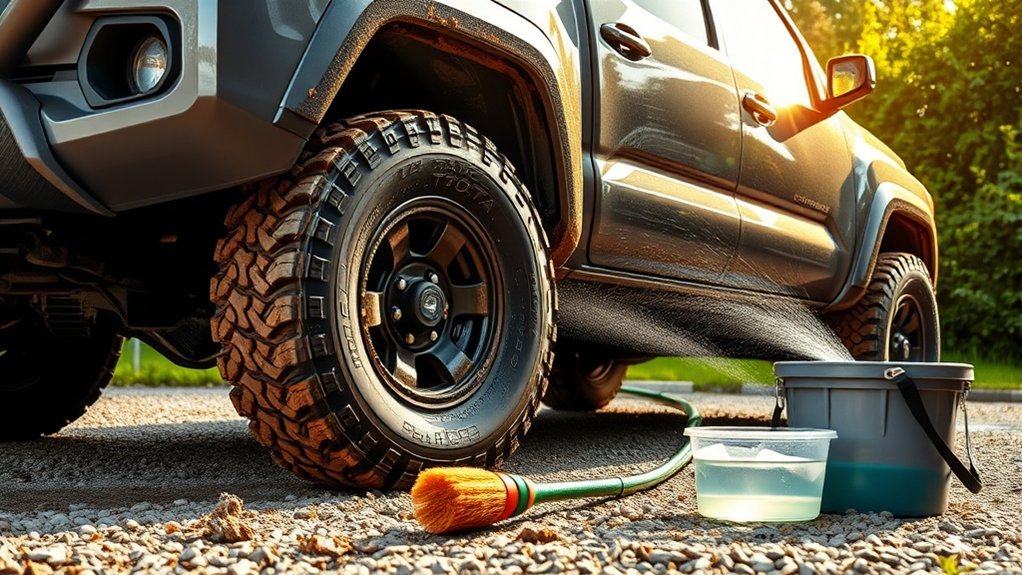
After a muddy trail run, your Toyota Tacoma’s off-road tires need more than a quick splash of water. Mud can pack into tread blocks, hide cuts, clog valve stems, throw off wheel balance, and make slow leaks harder to spot. A good post-trail routine is simple: rinse, clean, inspect, reinflate, protect, and watch for warning signs before your next drive.
Quick Answer
To care for Toyota Tacoma off-road tires after mud, rinse the tires and wheels first, scrub the tread with a tire-safe cleaner and soft brush, remove stones and debris, inspect tread, sidewalls, valve stems, and bead areas, then reinflate to the cold PSI listed on your Tacoma’s door placard or owner’s manual.
Key Takeaways
- Rinse mud off as soon as practical so it does not dry hard inside tread blocks, wheels, and valve-stem areas.
- Use a tire-specific cleaner, a soft or medium-soft brush, and controlled water pressure instead of harsh solvents or oily sprays.
- Inspect tread lugs, sidewalls, beads, rims, valve stems, wheel weights, and TPMS warnings before highway driving.
- If you aired down for the trail, reinflate before road speeds and check pressure again when the tires are cold.
- Replace tires at the legal/safety minimum of 2/32 inch, but plan earlier around 4/32 inch if mud, rain, or trail traction is already poor.
At a Glance
| Time Required | 20–45 minutes for a normal mud cleanup; longer if mud is packed inside wheels or tread lugs |
| Difficulty | Easy DIY, but visit a tire shop for bulges, exposed cords, bead leaks, sidewall cuts, or repeated pressure loss |
| Tools Needed | Garden hose or pressure washer with fan tip, tire cleaner, soft-bristle brush, tire-pressure gauge, air compressor, tread-depth gauge, flashlight, gloves, microfiber towel |
| Cost | Usually $0–$25 if you already own basic wash tools; $10–$30 for tire cleaner or water-based tire protectant |
Essential Tire Care for Off-Roading: Immediate Cleaning and Beyond
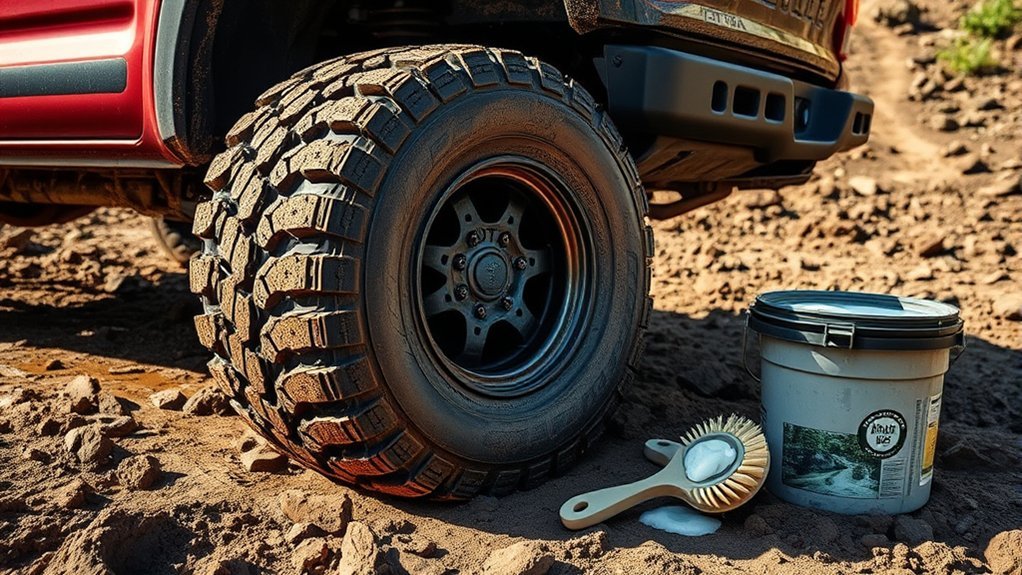
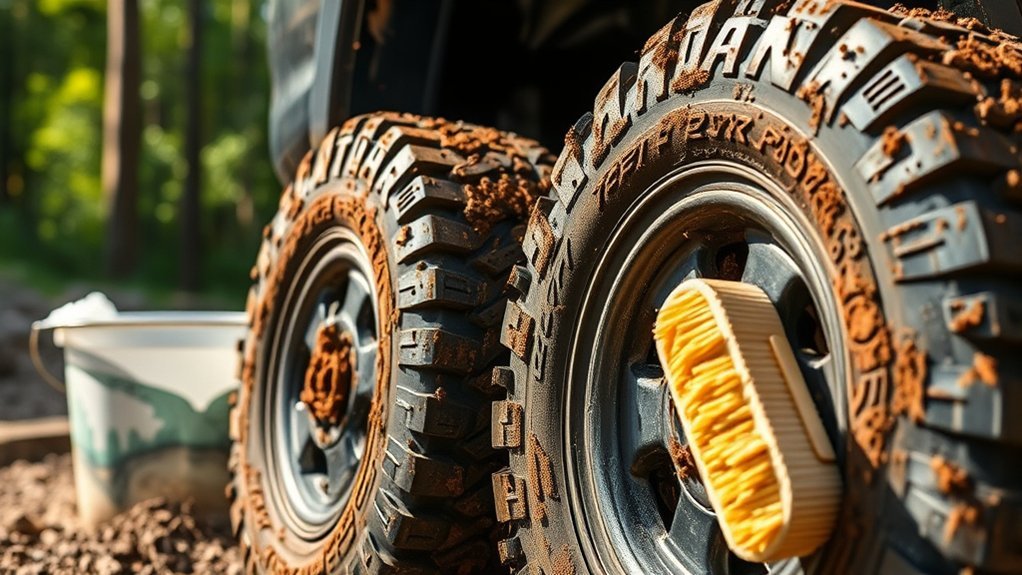
Start with a rinse before the mud dries into a hard crust. Focus on the tread grooves, sidewalls, wheel barrels, valve stems, and the area where the tire meets the rim. Mud left inside the wheel can cause vibration, and grit around the bead or valve stem can lead to slow air loss.
If you use a pressure washer, use a wide fan tip and keep the nozzle moving. Do not blast one spot at close range, and avoid aiming high pressure directly at valve stems, bead seats, TPMS areas, wheel weights, brake parts, or damaged sidewalls. A garden hose is safer for routine rinsing, while controlled pressure helps when thick clay is packed into the lugs.
Warning: If you aired down for traction on the trail, do not drive home at highway speed until the tires are reinflated. Use the cold PSI on your Tacoma’s Tire and Loading Information Label or Toyota owner’s manual, not the maximum PSI printed on the tire sidewall.
After the first rinse, look for obvious problems before you scrub. A nail, torn lug, sidewall slice, or bulge should be handled before the truck goes back onto the road. If one tire is visibly low, has exposed cords, or has sidewall damage, switch to the spare or call for help instead of trying to “drive it out.”
[Products Worth Considering]

This 3-piece wheel and tire brush set makes it easy to clean light, medium, and heavy dirt from wheels, rims, tires, and exterior surfaces. It includes both soft and stiff bristle options for gentle scrubbing and tough grime removal, helping lift brake dust and road buildup. The long-handle design supports comfortable cleaning across cars, trucks, SUVs, RVs, motorcycles, and more, with simple care instructions to restore brush shape.

Clean wheels and rims with soft feathered bristles that safely remove dirt and road grime while helping restore original luster. The short non-slip handle makes it easy to scrub in tight wheel wells, and the brush is suitable for vehicles and hard-to-reach areas. It can also be soaked and rubbed to help restore bristles to their shape after use.
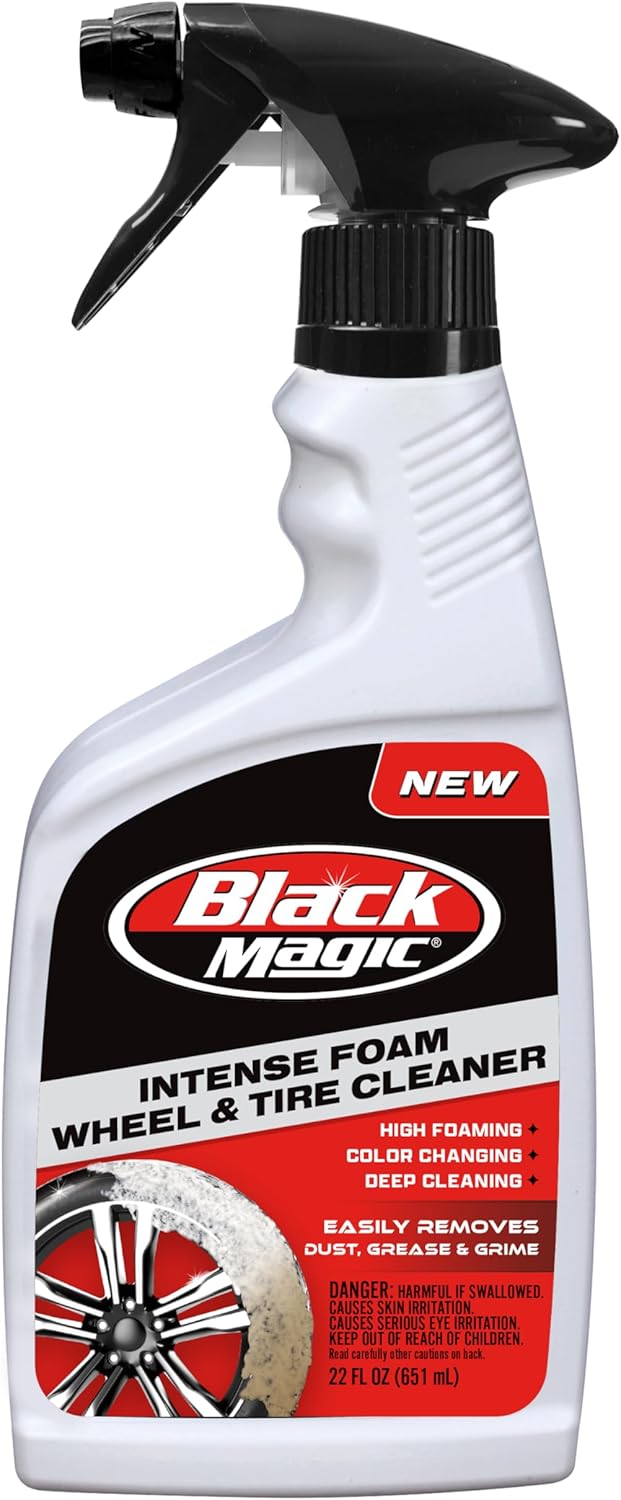
Black Magic Intense Foam Wheel & Tire Cleaner uses a high-foaming action to lift away dirt, grime, and brake dust without scrubbing. The color-changing formula helps show contaminants being dissolved as foam turns from white to brown. Safe for all wheel types and even wheel wells, it leaves a like-new, slick finish with a fresh cherry scent.
Select the Best Cleaning Products for Your Tires
Choose a tire-specific cleaner that says it is safe for rubber. These cleaners are made to break down mud, brake dust, and road film without relying on oily residue. For heavy mud, let the cleaner dwell for the time listed on the label, but do not let it dry on the tire.
A soft-bristle or medium-soft tire brush is enough for most Tacoma all-terrain and mud-terrain tires. Scrub around each tread block, then work the sidewall lettering, shoulder lugs, and rim edge. A smaller detailing brush helps around valve stems and between tight wheel spokes.
Avoid petroleum-based shine products, greasy dressings, household degreasers, and multipurpose lubricants on tire tread or sidewalls. WD-40 is useful for many metal and water-displacement jobs, but it is not a tire cleaner or tire dressing. Dish soap is also not the best routine choice because it can strip protection from nearby finishes and is not made for tire rubber. If you must use mild soap in an emergency, rinse thoroughly and follow up with a proper tire cleaner later.
Pro Tip: Use a water-based tire protectant only after the tire is clean and dry. Keep dressing off the tread face because slick residue can reduce grip on pavement and trail surfaces.
Best Techniques for Cleaning Tacoma Tires
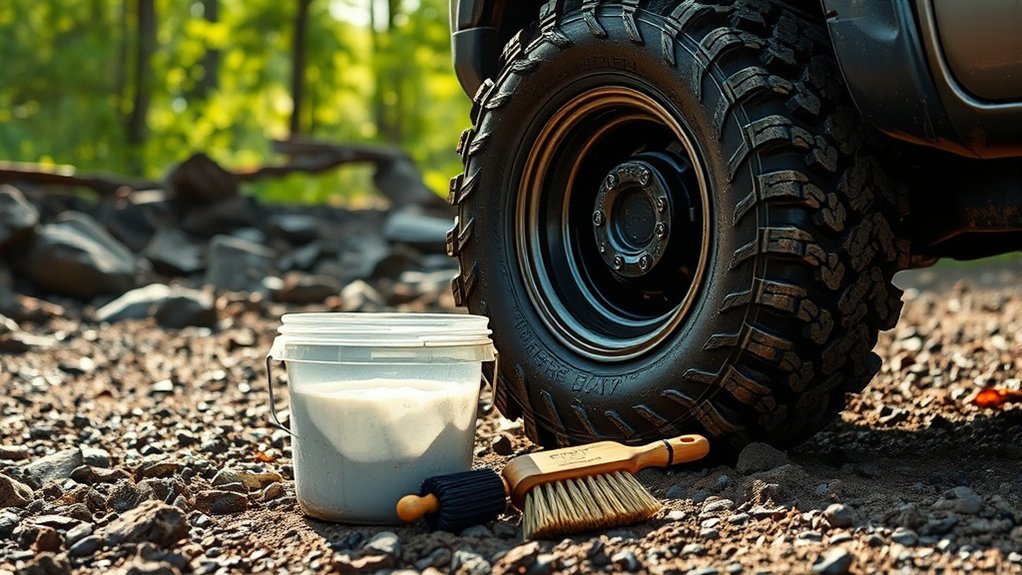
Clean one tire at a time so the cleaner does not dry before you rinse. Work from the dirtiest areas outward and check each tire as you go.
- Pre-rinse the tire and wheel. Remove loose mud from the tread, sidewall, rim, wheel well, and lower suspension area.
- Apply tire cleaner. Spray the tread blocks, sidewall, and bead area. Let it sit only as long as the product label allows.
- Scrub the tread lugs. Brush across the grooves to dislodge clay, small stones, sticks, and gravel.
- Clean the sidewall and rim edge. Work gently around raised lettering, shoulder lugs, valve stems, and wheel weights.
- Rinse completely. Remove all cleaner residue so it does not attract dirt or leave a slick film.
- Dry and inspect. Use a towel or air dry, then check for damage under good light.
- Recheck pressure. Inflate to the proper cold PSI before normal road driving.
Pay special attention to the inside of the wheel barrel. Mud packed there can make the Tacoma shake at speed even if the tires are not damaged. If vibration remains after a full wash, a wheel weight may have come off or the tire may need professional balancing.
Note: Wash where runoff can be handled responsibly. Mud, brake dust, tire cleaner, and road grime should not be sent straight into storm drains when you can use a wash bay, gravel area, or other appropriate drainage setup.
How to Inspect Your Tires After Off-Roading?
Cleaning Tacoma tires is only half the job. Mud can hide damage from rocks, roots, ruts, and sharp trail debris. Once each tire is clean, inspect it slowly with a flashlight.
- Tread blocks: Look for chunks missing from lugs, deep cuts, exposed cords, nails, screws, thorns, and stones wedged between blocks.
- Sidewalls: Check both outer and inner sidewalls for cuts, cracks, bulges, bubbles, scuffs, and abrasions from rocks.
- Bead and rim area: Look for mud or grit trapped where the tire meets the wheel. A dirty bead can cause a slow leak after airing down.
- Valve stems: Make sure the stem is not cracked, bent, loose, or packed with mud. Replace missing caps.
- Wheel weights: Check for missing or shifted weights, especially if the truck vibrates after the wash.
- Tire pressure: Use a real gauge. TPMS warnings help, but they do not replace regular manual pressure checks.
- Tread depth: Use a tread-depth gauge. Tires are unsafe at 2/32 inch, but mud and wet traction can suffer well before that.
NHTSA says proper tire pressure is the most important part of maintaining tires because it affects safety, tire durability, and fuel consumption.
If you find a puncture in the tread area, do not assume it is repairable. Tire shops usually need to inspect the tire from the inside. Sidewall punctures, bulges, exposed cords, and bead damage are not DIY trail fixes for road use.
Reset Tire Pressure After Mud and Airing Down
Many Tacoma owners air down off-road to improve comfort and traction. That can be useful on dirt, sand, rocks, or mud, but low pressure builds heat and stress during faster pavement driving. Before you leave the trailhead, reinflate all four tires and check the spare if it was used.
For stock tire sizes, use the PSI listed on your Tacoma’s driver-side Tire and Loading Information Label or in the Toyota owner’s manual. If you run aftermarket tires, a heavy overland load, or a different wheel/tire size, ask the tire manufacturer or a qualified tire shop for a safe on-road pressure that matches your load and setup.
Check pressure when the tires are cold whenever possible. A cold tire means the truck has been parked for at least three hours or has been driven only a short distance at low speed. If you must inflate warm tires to get home, recheck and adjust them the next morning.
Common Tire Maintenance Tips for Off-Roading
Caring for your off-road tires is not just about appearance. It helps you spot damage early, keep traction consistent, and avoid preventable failures on the road or trail.
- Check pressure monthly and after trail use. Include the spare, especially before long trips.
- Rotate on schedule. Follow the Toyota owner’s manual or tire manufacturer’s schedule. If rotation is recommended, a common range is about 5,000 to 8,000 miles, or sooner if uneven wear appears.
- Monitor tread depth. Replace tires before they reach 2/32 inch. For frequent mud, rain, or off-road use, start planning replacement around 4/32 inch if traction is fading.
- Watch for uneven wear. Cupping, feathering, shoulder wear, and one-sided wear may point to pressure, balance, alignment, or suspension issues.
- Keep tires out of harsh storage conditions. Long sun exposure, heat, and poor storage can speed up rubber aging.
- Clean after salty or clay-heavy mud. Salt, mineral-heavy mud, and compacted clay are harder on wheels, brakes, and tire areas than light dirt.
[Products Worth Considering]

These aluminum alloy tire valve stem caps with an O-ring seal help protect valve stems from corrosion while adding a clean, stylish look to your vehicle. The universal fit works across cars, trucks, motorcycles, bicycles, and more, making them an easy upgrade for everyday driving and off-road use. Installation is quick, and the included four-pack keeps all your tires dressed and protected.

This professional wheel and rim brush kit makes it easy to lift brake dust, grime, and dirt from wheels and tires without scratching finishes. The brushes feature soft, metal-free wool heads and a flexible 360-degree rim brush design for reaching hard-to-clean areas. Includes multiple brush types plus accessories for thorough car, motorcycle, and general vehicle detailing.

This oesee 8-piece wheel care kit helps you clean, scrub, and dry wheels safely with purpose-built brushes and towels. The scratch-free microfiber wheel brush lifts brake dust and grime, while the stiff pro-grip tire brush removes tire browning and embedded dirt. A twist loop microfiber drying towel and an applicator help achieve a streak-free finish and cleaner, more even product application.
Troubleshooting After Cleaning Muddy Tacoma Tires
If something feels off after cleaning, use the symptoms to narrow the problem before your next trip.
| Symptom | Likely Cause | What to Do |
| Steering wheel shakes after mud | Mud packed inside wheels or missing wheel weight | Rewash inner wheels; if shaking remains, have the tires balanced |
| One tire loses air overnight | Puncture, dirty bead, damaged valve stem, or rim leak | Do not ignore it; inspect and visit a tire shop |
| TPMS light comes on | Low pressure, rapid temperature change, sensor issue, or damaged tire | Check all tires with a gauge and inspect for damage |
| Truck pulls to one side | Uneven pressure, alignment issue, or damaged tire | Set pressure first; if it continues, schedule an inspection |
When to Repair or Replace Off-Road Tires
Some trail damage is cosmetic, but some damage makes a tire unsafe. A small stone mark on a tread lug may not matter. A sidewall cut, bulge, exposed cord, repeated leak, or deep puncture does.
Have a tire professional inspect the tire if you see any of these signs:
- Bulges, bubbles, or waves in the sidewall
- Exposed steel or fabric cords
- A cut that reaches below the surface rubber
- A puncture near the shoulder or sidewall
- Air loss after the bead area was packed with mud
- Strong vibration that remains after washing the wheels
- Uneven wear that returns after pressure correction
For trail reliability, do not wait until the tire is completely worn out. Mud-terrain and all-terrain tires depend on tread depth and open voids to clear mud. If the tire packs with mud quickly, spins more than usual, or loses wet-road confidence, replacement may be smart before the tread reaches the legal minimum.
Frequently Asked Questions
How do you wash a muddy off-road Tacoma?
Rinse from top to bottom, then focus on the tires, wheels, wheel wells, and underbody areas where mud packs in. Use a tire-safe cleaner and brush for the tread, rinse thoroughly, and inspect for cuts, punctures, bead leaks, missing wheel weights, and low pressure before driving at road speed.
Is WD-40 good for cleaning tires?
No. WD-40 is not a dedicated tire cleaner or tire dressing. Avoid using oily lubricants or petroleum-based products on tire tread or sidewalls. Use a tire-specific cleaner for mud and grime, then apply a water-based tire protectant only to clean, dry sidewalls.
Can I wash my tires with Dawn dish soap?
A diluted mild dish soap wash in an emergency is not the same as instant tire damage, but it is not the best routine choice. Dish soap can strip protection from nearby finishes and is not formulated for tire rubber. A tire cleaner is the better option for regular Tacoma tire care.
Should I use a pressure washer on muddy off-road tires?
Yes, but use it carefully. Use a wide fan tip, keep the nozzle moving, and avoid close-range blasting at valve stems, bead seats, TPMS areas, wheel weights, damaged sidewalls, and brake components. For routine cleaning, a hose and brush are often enough.
What PSI should Tacoma tires be after off-roading?
Use the cold tire pressure listed on your Tacoma’s driver-side Tire and Loading Information Label or in the Toyota owner’s manual. If you have aftermarket tire sizes, heavy overland gear, or different wheels, confirm the correct road pressure with the tire manufacturer or a qualified tire shop.
Conclusion
After a mud-filled trail day, your Tacoma’s tires need a careful rinse, a real scrub, and a close inspection. Clean the tread and sidewalls, remove debris, check the bead and valve-stem areas, reinflate to the correct cold PSI, and watch for vibration or pressure loss. A few extra minutes after the trail can prevent leaks, uneven wear, poor traction, and expensive tire damage before your next off-road trip.
Sources
- NHTSA TireWise: Tire Safety Ratings and Awareness — supports tire pressure, tread depth, TPMS, rotation, aging, and tire-safety guidance.
- Toyota Owners Manuals and Warranties — supports using Toyota owner resources for model-specific Tacoma maintenance and tire information.
- WD-40 Company Safety Data Sheets — supports checking manufacturer safety information instead of using multipurpose lubricants as tire-care products.
[Products Worth Considering]

RecDec pressure washer shower nozzle tips deliver a quick-connect misting spray for car washing, outdoor cleaning, and gentle watering tasks. The stainless steel adapter features instant plug-and-play installation with a 1/4 inch quick connect for compatibility with most high-pressure washers. Choose from multiple screen hole sizes for different spray intensities and easily attach or remove as needed.

Black Magic Tire Wet delivers a deep wet-look shine that makes tires appear dark, rich, and freshly detailed. Its long-lasting formula helps resist rain, dust, and road grime for weeks of glossy protection, not days. Apply by spraying onto clean, dry tires—no buffing or wiping required—with a low-sling design to reduce splatter on paint and wheels.

Measure tire tread depth quickly and accurately with this LUMITECO dial gauge that reads in 1/32" increments up to 14/32". The color-coded green/yellow/red zones make it easy to judge tire wear and know when replacement is needed. A rugged, compact design with a protective pouch helps keep the gauge ready for use on cars, trucks, motorcycles, and more.

Related Articles
How Tire Weight Affects Toyota Tacoma Performance
How does tire weight influence your Toyota Tacoma's performance and efficiency? Discover the surprising effects that could change your driving experience.
Read More
Tire Noise Levels by Tire Type on a Toyota Tacoma
A comprehensive look at how tire types affect noise levels in your Toyota Tacoma reveals surprising insights that could enhance your driving experience.
Read More
How To Choose Tires for a Dual Use Toyota Tacoma
Unlock the secrets to selecting the perfect tires for your dual-use Toyota Tacoma, ensuring optimal performance and comfort on every adventure. Discover more inside!
Read More