
Best All-Weather Tires for Trucks in 2026
Affiliate disclosure: This roundup is reader-supported. When you click through Amazon links, we may earn a referral commission on qualifying purchases at no extra cost to you.
Last updated: August 18, 2026
Shopping for all-weather tires for trucks and SUVs means balancing wet-road grip, cold-weather traction, highway comfort, tread life, and the correct load rating for your vehicle. The right road-focused tire can make year-round driving easier if you want one set for rain, cold mornings, slush, and occasional light snow.
This guide focuses on two all-weather or weather-ready tire options that make the most sense for SUVs, crossovers, and compatible light-duty pickups. It is not a heavy-duty LT tire roundup. Before ordering, confirm the exact tire size, load index, speed rating, load range, construction type, and 3PMSF marking on the specific size you plan to buy.
Quick Verdict
Best overall for compatible truck/SUV fitment: Pirelli Scorpion WeatherActive. The linked Amazon size is 235/55R19 105V XL, so confirm that exact specification matches your vehicle before ordering.
Best wet-road-focused alternative: Michelin CrossClimate 2. The linked Amazon size is 225/65R17 102H standard load, making it a better fit for compatible SUVs, crossovers, and light-duty vehicles than for pickups that require LT construction.
Fitment first: Do not buy any tire only by brand name. Match the door placard, owner’s manual, required load capacity, and the exact size sold on the listing. If your pickup requires LT tires, neither a standard-load nor an XL passenger-type tire should be treated as an automatic substitute.
What “all-weather” really means for trucks
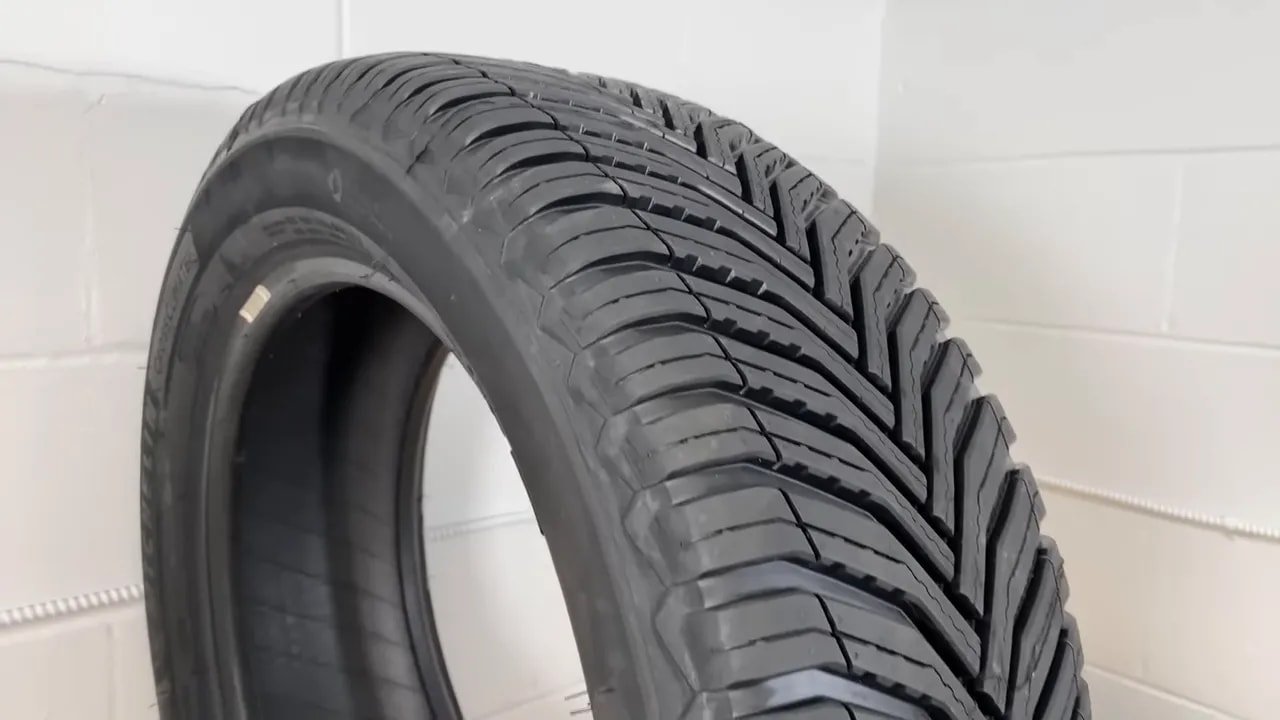
All-weather tires are designed for year-round driving. Many are built to deliver better cold-weather and light-snow traction than standard all-season tires. A key marker to look for is the three-peak mountain snowflake symbol (3PMSF), which indicates the tire has passed snow traction testing.
In practice, an all-weather tire usually performs best for:
- Rain and cold: wet braking, hydroplaning resistance, and stable steering
- Light snow and slush: better bite than many standard all-season tires
- Plowed roads: daily commuting, school runs, work routes, and mixed city/highway use
- Year-round convenience: fewer seasonal tire swaps for moderate climates
If you regularly face deep snow, thick ice, unplowed rural roads, heavy towing in winter, or muddy jobsite conditions, a dedicated winter tire, all-terrain tire, or LT-rated truck tire may be a better fit.
How We Chose These Tires
We prioritized road-focused tire lines with year-round usefulness, wet-weather capability, cold-weather traction, 3PMSF availability, and realistic fitment for SUVs, crossovers, and compatible light-duty pickups. We excluded linked sizes that were clearly passenger-car-focused rather than suitable for the article’s truck-and-SUV buyer intent.
Because tire specifications vary by size, the final fitment decision should always come from your vehicle placard, owner’s manual, and the exact Amazon listing you plan to order.
Quick checklist before you buy any tire
Before choosing a model, confirm these essentials:
- Correct size for your truck. Do not guess from appearance.
- Load index and load range that meet or exceed your vehicle requirements.
- Speed rating that matches your vehicle needs.
- 3PMSF symbol if winter traction matters to you.
- Construction type and load range, especially if your pickup requires LT-rated tires for towing or payload. Do not assume SL, XL, and LT designations are interchangeable.
- Truck use case: daily commuting, towing, payload, highway miles, gravel roads, or mountain driving.
- Ride priority: quiet comfort, winter bite, wet braking, tread life, or sharper dry handling.
[Products Worth Considering]

Check tire pressure with the Milton S-925 pencil gauge built for trucks, RVs, and bicycles. It features a single-head chuck with a built-in deflator valve, and it displays readings in both PSI and kPa for convenient use. The gauge is designed for accurate, repeatable pressure checks within its working range.
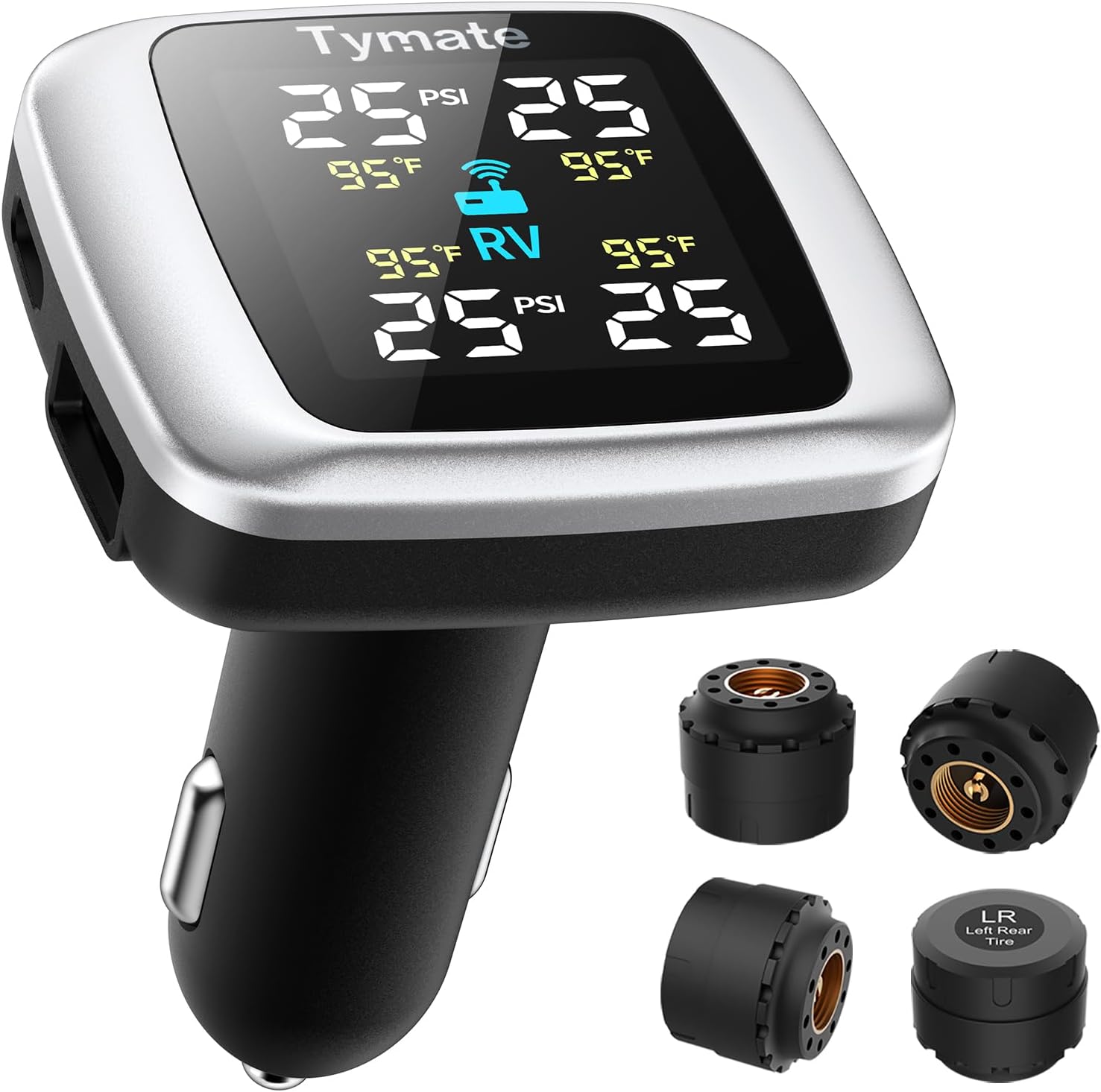
Tymate TM7 is a wireless tire pressure monitoring system that delivers real-time pressure and temperature readings for safer driving. It includes four external sensors, a bright color LCD display with adjustable backlight, and six alarm modes for high/low pressure, fast leakage, high temperature, and sensor signal or battery issues. The system covers a wide 0–144 PSI range and plugs into your vehicle’s cigarette lighter socket for quick DIY setup.

These M14x1.5 closed-end chrome lug nuts are a one-piece replacement designed for secure fitment on compatible GM, Ford, and select Chrysler/Dodge models. Featuring a 60-degree conical seat and anti-rust chrome plating, they help resist corrosion and maintain a bright look for everyday driving. Built for long-term durability, they include OEM-style part references and are backed by 12 months of support.
The 2 best all-weather tires for compatible trucks and SUVs in 2026
These two picks are the strongest matches among the original linked products for road-focused SUVs, crossovers, and compatible light-duty pickups. Because the Amazon links point to specific sizes and load specifications, use the listing, door placard, and owner’s manual to verify fit before ordering.
|
Category |
Tire |
Best For |
Check Details |
|---|---|---|---|
|
Best Overall |
Pirelli Scorpion WeatherActive |
Compatible SUVs, crossovers, and light-duty pickups |
|
|
Best Wet-Road Confidence |
Michelin CrossClimate 2 |
Compatible SUVs, crossovers, and light-duty vehicles |
[Products Worth Considering]

Slip the Powerbuilt tire step over your vehicle’s tire to reach roof racks, engine bays, truck boxes, and more without overreaching. Its adjustable, universal design fits tires with a cross tread width up to 13 inches, including car, truck, RV, and semi tires. The non-slip cheesegrater surface and anti-slip tape provide secure grip while the open design lets mud and debris pass through. Fold-flat storage with rubber bumpers helps keep your tire and the step protected between uses.

This 2-pack closed-flow locking air chuck set delivers controlled airflow only when the valve stem is held in place, helping prevent leaks during inflation. Made for heavy-duty use with a 300 PSI maximum rating, it features a brass body for corrosion resistance and long service life. The 1/4" FNPT connection and quick-plug compatibility make it convenient for use with Schrader valve systems and common truck, RV, and auto air compressors.

Protect tire valves from water, dust, and sand to help prevent leaks and support safe driving. These universal stem caps install quickly by hand and feature durable aluminum alloy construction with an inner sealing ring for better air retention. Compatible with cars, SUVs, trucks, motorcycles, and bicycles for everyday convenience.
1) Pirelli Scorpion WeatherActive (Best overall balance)
Good for: drivers of compatible SUVs, crossovers, and light-duty pickups who want a road-focused all-weather tire for rain, cold weather, highway use, and light snow.
Why it stands out: the Scorpion WeatherActive is the clearest truck-and-SUV match in this roundup. The linked Amazon listing is 235/55R19 105V XL, and the tire line is designed for year-round road use with 3PMSF winter capability in applicable sizes.
Why you’ll like it: it gives compatible vehicles a simple one-tire setup for mixed paved-road weather. Choose it if your SUV or light-duty pickup spends most of its time on highways, city streets, and plowed winter roads and the linked size matches your required fitment.
- Strengths: balanced dry, wet, and light-snow performance
- Best use: year-round commuting, highway driving, and mixed weather
- Buy it if: you want one dependable road-focused tire for changing seasons
- Skip it if: you need aggressive off-road traction, severe ice performance, or a specific LT-rated towing tire
- Check before buying: the linked listing is 235/55R19 105V XL; verify exact size, load requirement, speed rating, and construction against your vehicle placard
- Typical trade-off: may not feel as sharp as a dedicated performance tire or as aggressive as an all-terrain tire
2) Michelin CrossClimate 2 (Best wet-road confidence)
Good for: SUV, crossover, and compatible light-duty vehicle drivers who want strong rain confidence and year-round versatility in a matching size.
Why it stands out: the CrossClimate 2 is a 3PMSF-rated all-season tire with strong wet- and cold-weather positioning. The linked Amazon listing is 225/65R17 102H standard load, so it should be treated as a fitment-specific SUV/CUV or light-duty option, not as a general replacement for an LT truck tire.
Why you’ll like it: it is a practical option for compatible vehicles that face frequent rain, cold mornings, and occasional winter weather while spending most miles on paved roads.
- Strengths: wet-road confidence, year-round usability, and light-snow capability in compatible sizes
- Best use: rain-heavy commuting, highway trips, and moderate winter conditions
- Buy it if: you drive a compatible SUV, crossover, or light-duty vehicle and prioritize wet-weather control
- Skip it if: your truck requires LT construction, high payload capacity, or frequent towing support
- Check before buying: the linked listing is 225/65R17 102H standard load; confirm it meets your vehicle’s size and load requirements
- Typical trade-off: may not be the right choice for heavy towing, high-payload use, or drivers who need LT-rated construction
Which tire should you choose?
If both products are available in a specification approved for your vehicle, use this simple decision guide:
- Best overall truck/SUV-oriented choice: Pirelli Scorpion WeatherActive
- Best wet-road-focused choice for compatible SUV/CUV fitment: Michelin CrossClimate 2
[Products Worth Considering]

Monitor tire tread wear with a smart, color-coded depth gauge that shows clear condition ranges at a glance. The bar is range marked for fast, easy readings, helping you maintain safer traction and performance. Each gauge is portable with a pocket clip, and the set includes 20 units for daily use and sharing.

Add style while helping protect your tire valve stems with handmade crystal rhinestone caps and a durable plastic insert. These caps resist corrosion and help keep out rain, snow, and muddy water, extending tire life. Textured non-slip design makes them easy to grip for quick install and removal when checking tire pressure.

ETENWOLF’s tire pressure gauge helps you quickly and accurately check tire PSI across cars, trucks, motorcycles, bikes, and more. It’s manually calibrated to ANSI B40.1 Grade A for reliable readings, includes a large glow dial for easy nighttime viewing, and features a 360-degree swivel chuck for use at any valve angle. The gauge also works consistently in extreme hot or cold weather.
Fitment and Load Rating Note
For truck owners, fitment matters more than the product ranking. A tire can be excellent and still be wrong for your vehicle if the size, load index, load range, speed rating, or construction type does not match the manufacturer’s requirements.
If you tow, haul, drive on rough jobsite roads, or run a heavier pickup, confirm whether your truck requires an LT-rated tire. An SL or XL passenger-type tire should not be treated as automatically equivalent to LT construction.
How to compare all-weather tires beyond brand names
Two tires can both look winter-ready, yet feel very different on your truck. Use these comparison points when shopping:
- 3PMSF vs non-3PMSF: if winter traction matters, prioritize a tire and size that show the 3PMSF symbol.
- Load rating and construction: trucks that tow, haul, or require LT sizes need extra attention to load range, load index, and tire construction.
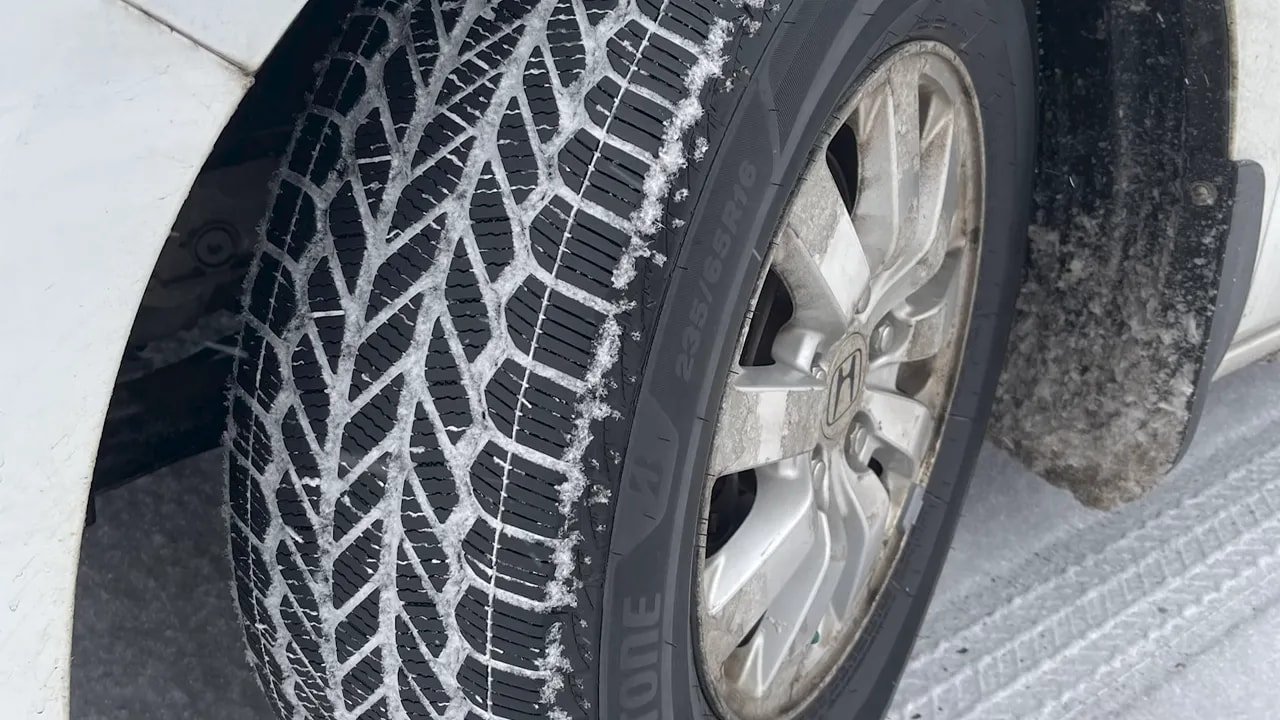
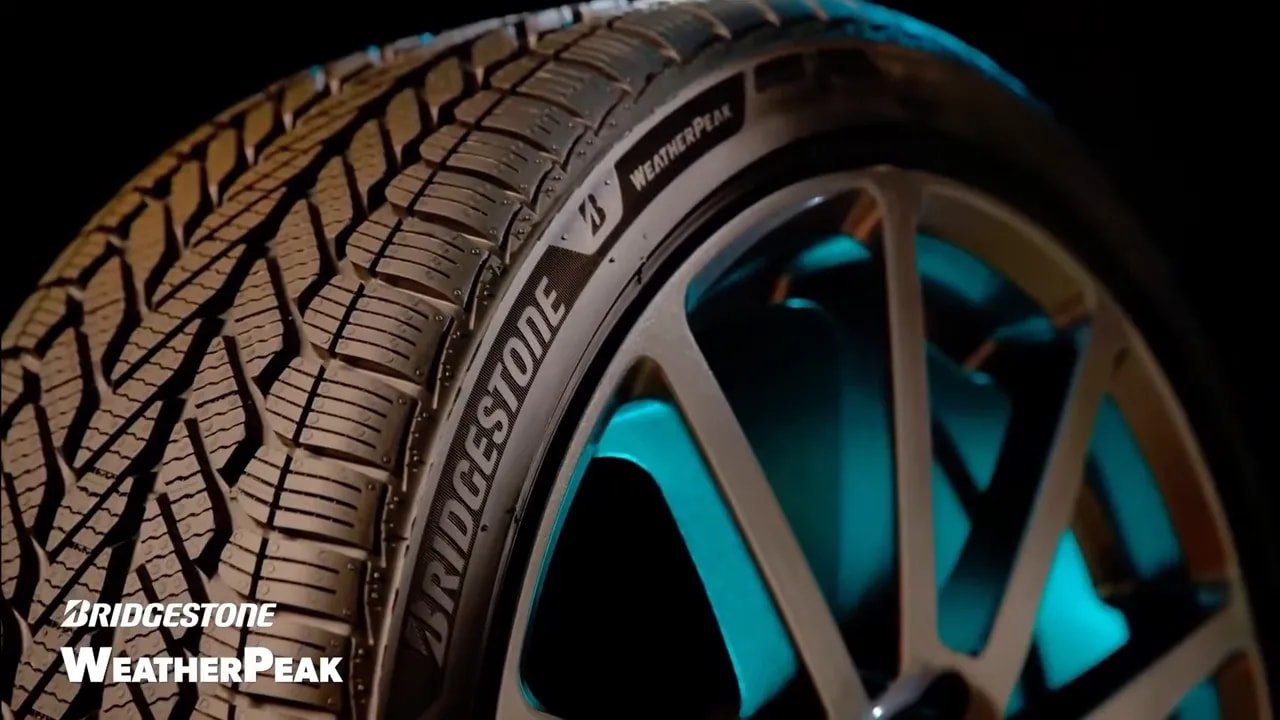
- Tread design: deep grooves, sipes, and water channels help with wet roads and slush.
- Noise and comfort: more aggressive tread can improve traction but may add noise.
- Wet performance: look for tread designs that evacuate water and support stable braking.
- Tread life: warranty can help, but driving style, rotation, alignment, towing, and tire pressure affect real-world wear.
- Road surface: choose a touring-style all-weather tire for paved roads and an all-terrain or LT tire for rougher work.
Common mistakes truck owners make when buying all-weather tires
- Choosing the wrong size or load rating. This can affect handling, braking, towing safety, and tire life.
- Assuming all-weather equals winter tire. All-weather tires are not a full replacement for dedicated winter tires in severe ice or deep snow.
- Ignoring LT requirements. Some pickups need LT-rated construction or higher load capacity, especially for towing or payload. Do not assume an XL tire is a direct LT substitute.
- Overlooking road noise. Winter-ready tread designs can sound different than soft touring tires.
- Underinflating or overinflating. Incorrect pressure can reduce grip and cause uneven wear.
- Skipping rotation and alignment. Uneven wear can shorten tread life and reduce wet-weather confidence.
Maintenance tips to get the best performance year-round
To maximize grip and tread life:
- Check tire pressure monthly and before long trips.
- Rotate on schedule, often every 5,000 to 7,500 miles, unless your tire or vehicle manual says otherwise.
- Align the vehicle if you notice pulling, vibration, or uneven wear.
- Inspect tread depth before winter and heavy rain seasons.
- Replace tires before they become unsafe rather than waiting for poor wet-road braking or visible damage.
- Use the same tire type across all four wheels unless your vehicle manufacturer recommends a different setup.
FAQ about all-weather tires for trucks
How do all-weather tires differ from all-season tires?
All-weather tires are usually designed with stronger cold-weather and light-snow capability than standard all-season tires. Many all-weather tires also carry the 3PMSF symbol, while many regular all-season tires do not.
Are 3PMSF tires enough for winter driving?
For many drivers who face light snow, plowed roads, slush, and cold rain, a 3PMSF all-weather tire can be a strong choice. If you regularly drive on ice, deep snow, steep mountain roads, or unplowed routes, dedicated winter tires may still perform better.
Can I use these tires on a pickup truck?
Only if the exact size, load index, speed rating, load range, and construction type match your pickup’s requirements. The Pirelli listing in this guide is XL and the Michelin listing is standard load, so neither should be assumed to fit a pickup that requires LT construction. Always check your door placard and owner’s manual before buying.
Are all-weather tires good for towing?
They can work for some light-duty towing setups only when the tire’s load index, load range, and inflation requirements match your vehicle and trailer needs. For frequent towing or heavy payloads, confirm whether your truck requires LT-rated tires.
Which all-weather tire is best for wet roads?
Among these two picks, the Michelin CrossClimate 2 is the wet-road-focused starting point, as long as the linked size and load specification match your vehicle.
What should I look for in a tire for light snow?
Prioritize the 3PMSF symbol, good siping, strong water evacuation, and a tread design that can handle slush. Also check whether the tire is available in the correct truck size and load rating.
How often should truck tires be rotated?
A common guideline is every 5,000 to 7,500 miles, but follow your tire manufacturer and vehicle recommendations. Regular rotation helps promote even wear, which supports tread life and wet-weather performance.
Final takeaway
The best all-weather tire for your truck or SUV depends on weather, load needs, and exact fitment. Among the products that remain in this guide, the Pirelli Scorpion WeatherActive is the stronger overall starting point for compatible SUV and light-duty pickup use. If wet-road confidence is your priority and your vehicle accepts the linked standard-load specification, the Michelin CrossClimate 2 is the alternative to compare.
Before ordering, confirm your size, load index, load range, speed rating, construction type, and 3PMSF needs. If your pickup requires LT construction, shop specifically for an approved LT fitment rather than assuming an SL or XL touring tire is interchangeable.

Related Articles
Firestone Tire Installation Cost: Full Price Guide
Compare Firestone tire installation costs and discover what hidden fees could change your final bill.
Read More
Tire Rack vs Costco: Which Is Better for Tires?
Pick the better tire deal between Tire Rack and Costco before hidden differences change your choice.
Read More
How Much Does It Cost to Install Rims?
Need to know what installing rims really costs? Discover the hidden fees and price factors before you pay more than you should.
Read More