
Best Performance Winter Tires 2026: Top 7 Compared
Disclosure: As an Amazon Associate, this site may earn from qualifying purchases. If you click an Amazon link on this page and buy something, we may receive a small commission at no extra cost to you.
Choosing winter tires is about more than getting through snow. For real-world driving, you want strong ice grip, predictable handling, and good braking on wet pavement when snow melts and roads re-freeze.
This guide covers seven high-performance winter tires in the practical sense: tires that perform well in winter safety categories like ice braking, snow traction, slush control, and cold-weather stability. It includes both studless and studded options, plus a practical checklist to pick the right option for your climate.
Quick Verdict
Best overall for most drivers: Continental VikingContact 8, because it offers the best blend in this guide of ice grip, snow control, wet-road confidence, comfort, and everyday drivability.
Best for severe ice where studs are legal: Nokian Hakkapeliitta 10. Choose it only if your local rules allow studs and your roads regularly turn icy.
❄️ What “performance winter tire” really means
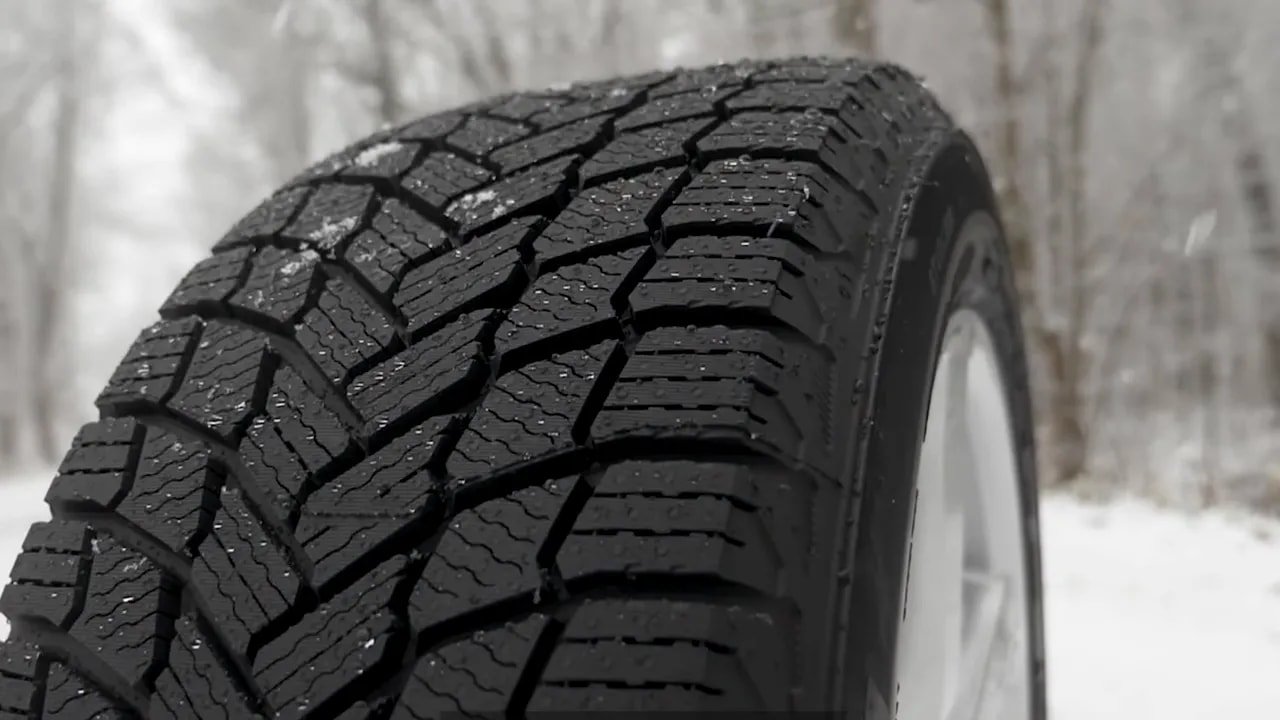
A performance winter tire is built to deliver better control in cold temperatures and on winter-specific surfaces like:
- Ice (glare ice and frozen slush)
- Packed snow and variable snow
- Slush (traction that does not fall apart as water mixes)
- Wet roads in winter (where many tires struggle)
- Cold dry pavement (where stability and steering response matter)
This is not the same as a summer-style performance tire. Most tires in this guide focus on winter safety performance, not sporty warm-weather handling. The best tire for you depends on whether you see mostly dry cold, wet and slushy winter, or extreme ice where studded tires are allowed and useful.
[Products Worth Considering]

Monitor tire tread wear with a smart, color-coded depth gauge that shows clear condition ranges at a glance. The bar is range marked for fast, easy readings, helping you maintain safer traction and performance. Each gauge is portable with a pocket clip, and the set includes 20 units for daily use and sharing.

Milton S-921 pencil tire pressure gauge helps you maintain optimal tire pressure for passenger cars with accurate readings in PSI and kPa. It features a built-in deflator valve for convenient pressure adjustments, plus a single chuck head and nylon indicator bar for easy use on the go. Built from durable plated brass and designed for reliable performance, it’s a practical road trip and cold-weather maintenance tool.

Keep your tires properly inflated with this analog VONDIOR tire pressure gauge, designed for fast, easy readings without batteries. The swiveling, two-axis hose and large glow dial help you measure at any tire angle with instant visibility. Built with a protective rubber shield, it supports durable, low-maintenance use for cars and trucks.
🧭 How to choose between studless and studded winter tires
Studless winter tires: best for quiet comfort and mixed winter roads
- Usually quieter and more comfortable than studded tires
- Often better for wet winter pavement and everyday commuting
- Great choice where studs are restricted or you prioritize daily drivability
- Best for drivers who face snow, slush, ice patches, and cold rain in the same season
Studded winter tires: best for repeated severe ice
- Strong choice for glare ice, frozen back roads, and extreme winter regions
- Can be louder and less comfortable on clear pavement
- May have weaker wet and dry braking than top studless designs
- Not legal everywhere, so check state, province, or country rules before buying
Safety note
Winter tires can improve grip in cold, snow, and ice, but they do not make winter roads risk-free. Slow down, increase following distance, and replace worn tires before tread depth and rubber age reduce traction.
🧰 Quick fitment checklist before buying
Before comparing prices or features, confirm these items match your vehicle:
- Tire size (example format: 235/45R17)
- Load index and speed rating (must meet or exceed your vehicle requirements)
- XL or reinforced rating if your vehicle requires it
- 3PMSF marking for severe snow service
- Directionality (directional tread vs. non-directional)
- Wheel and tire clearance for your suspension and brake calipers
- Local winter rules (especially stud approval and seasonal restrictions)
If you shop by tire size first, your comparisons will be more accurate and you avoid wasting money on the wrong fitment.
🏆 Top 7 best performance winter tires for 2026
Below are seven strong picks. Each one is best for a specific kind of winter driving, whether that means ice-first traction, wet-road confidence, snow comfort, or severe-weather bite.
| Rank | Tire | Type | Best For | Amazon |
|---|---|---|---|---|
| 1 | Continental VikingContact 8 | Studless | Best overall blend | Check Price |
| 2 | Nokian Hakkapeliitta 10 | Studded | Extreme ice | Check Price |
| 3 | Pirelli Ice Zero 2 | Studded | Studded grip with better road manners | Check Price |
| 4 | Goodyear UltraGrip Ice 3 | Studless | Wet and mixed winter roads | Check Price |
| 5 | Nokian Hakkapeliitta R5 | Studless | Snow traction and comfort | Check Price |
| 6 | Michelin X-Ice Snow | Studless | Long-life balance | Check Price |
| 7 | Bridgestone Blizzak WS90 | Studless | Ice-first control | Check Price |
7) Bridgestone Blizzak WS90 (Studless): Ice-first control
Best for: Drivers who prioritize ice grip and reliable winter control without studs.
Why you’ll like it: The WS90 has long been a familiar pick for drivers who want strong cold-weather bite on ice, packed snow, and frozen slush. It is a sensible option if your winter roads freeze often and you want studless traction without extra stud noise.
Who should buy this: Choose it if you value predictable ice braking and do not need a mileage warranty as your top priority.
Who should skip it: Skip it if your roads are usually wet rather than icy, or if you want the latest Bridgestone winter model in every available size. Bridgestone has introduced newer Blizzak options in some markets, so confirm current model availability before buying.
6) Michelin X-Ice Snow (Studless): Long-life, quiet, predictable
Best for: People who want balanced ice and snow traction plus comfort and long-term value.
Why you’ll like it: The X-Ice Snow is a smart fit if you want a winter tire that feels calm and predictable instead of aggressive. It is especially appealing if you care about tread life, quiet commuting, and steady control through a full winter season.
Who should buy this: Choose it if you want a premium studless winter tire with a strong balance of comfort, snow traction, and durability-focused design.
Who should skip it: Skip it if your top priority is the sharpest dry-road steering or the shortest possible wet-road braking in every test condition.
5) Nokian Hakkapeliitta R5 (Studless): Snow-focused traction and comfort
Best for: Heavy snow regions and locations where studs are restricted.
Why you’ll like it: The Hakkapeliitta R5 is built for drivers who see real winter often. It focuses on confident snow traction, low noise, and a comfortable ride, which makes it easy to live with during long cold seasons.
Who should buy this: Choose it if your winter is snow-heavy and you want premium studless grip without the extra noise and legal limits of studs.
Who should skip it: Skip it if you mostly drive on clear wet pavement and want the most road-focused steering response.
4) Goodyear UltraGrip Ice 3 (Studless): Wet-road confidence with strong overall balance
Best for: Winters that mix snow, ice, slush, and frequent wet pavement.
Why you’ll like it: The UltraGrip Ice 3 is useful when your winter roads change quickly. It aims to balance wet handling, snow traction, comfort, and efficiency rather than focusing only on deep ice.
Who should buy this: Choose it if your winter includes cold rain, slush, and snowmelt as often as packed snow.
Who should skip it: Skip it if you need the absolute strongest ice-first tire or if the model is not easy to find in your region or size.
3) Pirelli Ice Zero 2 (Studded): Strong ice grip with better road manners than many studded tires
Best for: Drivers in areas where studs are allowed and severe ice is common.
Why you’ll like it: The Ice Zero 2 gives you studded bite for icy roads while still trying to reduce some of the roughness and noise people often dislike about studded tires. It makes the most sense for drivers who need real ice traction but still spend time on normal roads.
Who should buy this: Choose it if your local laws allow studs and your commute includes packed snow, glare ice, or rural roads that stay frozen.
Who should skip it: Skip it if studs are not legal where you drive, if you are sensitive to tire noise, or if your winter is mostly wet pavement. Availability may vary by country and tire size.
2) Nokian Hakkapeliitta 10 (Studded): Extreme winter control
Best for: People facing the harshest winter conditions, deep snow, and heavy ice where studded traction matters most.
Why you’ll like it: The Hakkapeliitta 10 is the most extreme-weather-focused pick here. It is built for drivers who care more about ice bite and snow control than quiet dry-road cruising.
Who should buy this: Choose it if your roads stay icy for long stretches and studded tires are legal in your area.
Who should skip it: Skip it if your winter driving is mostly on plowed, wet, or dry pavement. A top studless tire will usually feel quieter and more refined in those conditions.
1) Continental VikingContact 8 (Studless): Best overall blend of ice traction, wet braking, and quiet comfort
Best for: Most drivers who want one top tire that performs well across ice, snow, wet, slush, and cold dry conditions.
Why you’ll like it: The VikingContact 8 is the most complete pick in this guide. It gives you the quiet, comfortable feel people expect from a premium studless tire while still focusing on serious winter grip for snow, ice, and slush.
Who should buy this: Choose it if you want a premium all-around winter tire and do not want to manage the noise, legality, or pavement tradeoffs of studs.
Who should skip it: Skip it if you regularly drive on severe glare ice where studs are legal and you want maximum mechanical bite.
🧪 Which one should you buy? Use this fast decision guide
[Products Worth Considering]

The Kurgo Seasonal Tire Tote helps protect your car interior, clothes, and garage from tire grime, brake dust, and residue during seasonal tire changes. Its universal design fits most passenger tires between 22" and 31" in diameter, making storage and transport simpler with less mess. Built for rugged, repeated use, it’s machine washable for easy care and comes with a lifetime warranty.

Accurately measure tire tread depth with a calibrated gauge marked from 0 to 1 inch in 1/32 inch increments. The color-coded bar helps you quickly identify tread condition ranges, supporting safe driving for trucks, motorcycles, automobiles, and passenger vehicles.

Replace worn or missing TPMS sensors with a pre-programmed 4-pack designed for compatible GM vehicles. These 315MHz sensors provide real-time tire pressure monitoring and alert you if pressure is too high, too low, or if a rapid air leak occurs. Most installations are ready with minimal relearn effort after mounting, helping improve safety and driving confidence.
If your roads are mostly ice and packed snow
- Top studless: Bridgestone Blizzak WS90
- Top studded: Nokian Hakkapeliitta 10
If you frequently drive on wet winter pavement
- Best overall wet confidence: Continental VikingContact 8
- Strong mixed-road option: Goodyear UltraGrip Ice 3
If you want long tread life and a comfortable ride
- Best durability value: Michelin X-Ice Snow
- Comfort plus snow authority: Nokian Hakkapeliitta R5
If studs are allowed and you want maximum bite
- Extreme winter leader: Nokian Hakkapeliitta 10
- Studded with better road manners: Pirelli Ice Zero 2
⚠️ Common mistakes that reduce winter tire performance
- Buying the wrong size or mismatching load and speed ratings.
- Ignoring XL or reinforced requirements on vehicles that need higher load capacity.
- Underinflation in cold weather. Tire pressure can drop as temperatures fall, so check pressure when tires are cold.
- Waiting too long to install. Winter tires work best once temperatures consistently drop below roughly 45°F (7°C).
- Expecting identical performance on wet pavement. Winter tires vary significantly between ice-first and wet-first designs.
- Ignoring tread wear. Worn winter tires lose biting edges and water-shedding ability.
- Using studded tires illegally. Stud rules vary by location and season.
🗓️ Installation and maintenance tips for best results
Before the first snow
- Confirm the exact tire size in your owner’s manual or door placard.
- Check wheel torque specs and re-check after installation if your installer recommends it.
- Set tire pressure to the vehicle’s recommended cold spec.
- Consider rotation intervals to keep wear even.
- Check date codes if you are buying older inventory.
During the season
- Re-check pressure after big temperature swings.
- Inspect for uneven wear, which can point to alignment or suspension issues.
- For studded tires, follow local rules and any manufacturer break-in guidance.
- Remove winter tires when warm weather returns to reduce unnecessary wear.
❓ FAQ: Best performance winter tires (2026)
Are studless winter tires good enough for ice?
How do I know which tire is best for my climate?
What is more important: wet braking or ice traction?
Are studded winter tires legal everywhere?
What does 3PMSF mean on a winter tire?
Do winter tires improve fuel economy?
When should winter tires be installed?
Can I use winter tires all year?
How long do winter tires last?
✅ Final takeaway: the best choice for most drivers
If you want a single high-performance winter tire that covers the widest range of conditions, Continental VikingContact 8 is the best all-around recommendation in this guide. It balances ice and snow control with wet-road confidence, cold dry-road stability, and a quiet, comfortable ride.
If your winter is more extreme and studs are allowed, Nokian Hakkapeliitta 10 is the better pick for maximum ice bite. For long-life comfort, start with Michelin X-Ice Snow. For snow-heavy studless driving, consider Nokian Hakkapeliitta R5.
[Products Worth Considering]

The Chemical Guys Big Blue Stiffy Heavy Duty Cleaning Brush is designed for deep scrubbing of tires, upholstery, and carpets. Stiff synthetic bristles help lift tough dirt, grime, and tar while the ergonomic grip makes scrubbing comfortable and controlled. Use it with wheel and tire cleaners followed by dressings and protectants to help enhance and extend a lasting shine.

These universal tire valve stem caps help protect valve cores from dust, debris, and moisture while helping maintain stable tire pressure. The corrosion-resistant metal construction and sealed design provide reliable protection in road grime, mud, and winter conditions. Twist-on installation makes them quick to fit on cars, SUVs, trucks, and motorcycles.

Measure tire tread depth quickly and accurately with this LUMITECO dial gauge that reads in 1/32" increments up to 14/32". The color-coded green/yellow/red zones make it easy to judge tire wear and know when replacement is needed. A rugged, compact design with a protective pouch helps keep the gauge ready for use on cars, trucks, motorcycles, and more.

Related Articles
How Much Does Tire Retreading Cost?
Whether you’re pricing passenger or truck tires, tire retreading costs vary widely, and the real reasons behind the savings may surprise you.
Read More
Firestone Tire Installation Cost: Full Price Guide
Compare Firestone tire installation costs and discover what hidden fees could change your final bill.
Read More
Tire Rack vs Costco: Which Is Better for Tires?
Pick the better tire deal between Tire Rack and Costco before hidden differences change your choice.
Read More