
Best All-Season Tires for Trucks and SUVs in 2026
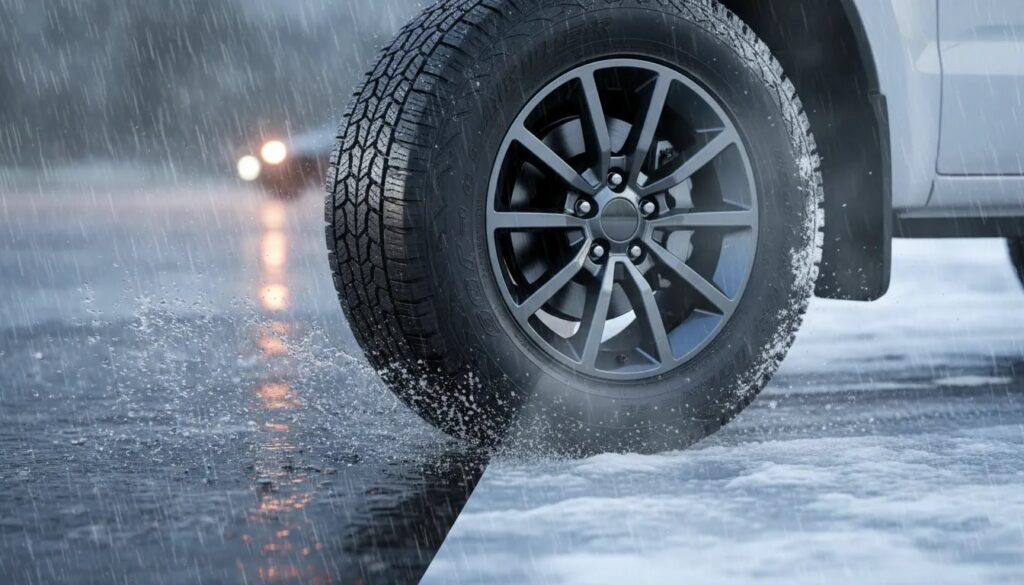
Choosing all-season tires for trucks and SUVs means balancing wet-road grip, cold-weather traction, highway stability, tread life, noise, and load support. The right pick depends on how you actually drive: mostly highway miles, frequent rain, light snow, towing, family SUV duty, or pavement mixed with gravel and dirt.
Quick Answer
For most SUV and crossover drivers who want one tire for rain, dry roads, and occasional winter weather, the Michelin CrossClimate2 is the strongest do-it-all pick. For long highway life on trucks, SUVs, and vans, choose Michelin Defender LTX M/S 2. For gravel, campsites, job sites, and light trails, choose Falken Wildpeak A/T4W for pickups and heavier SUVs or Falken Wildpeak A/T Trail for crossovers.
Disclosure: This article contains affiliate links. If you buy through a shopping link, this site may earn a commission at no extra cost to you. Recommendations are based on fit, use case, safety features, and manufacturer-backed tire information.
Key Takeaways
- Best overall for mixed seasons: Michelin CrossClimate2, especially if rain, cold mornings, and occasional snow matter.
- Best highway-focused choice: Michelin Defender LTX M/S 2 for long tread life, comfort, and stability on trucks, SUVs, CUVs, and vans.
- Best rugged choice: Falken Wildpeak A/T4W for pickups and larger SUVs that need all-terrain toughness with severe-snow-rated capability.
- Best crossover trail choice: Falken Wildpeak A/T Trail for CUV owners who want more dirt-road and light-trail grip without jumping to a heavy truck tire.
- Most important buying step: confirm exact tire size, load index, speed rating, and whether your vehicle needs XL or LT-rated tires.
What “best all-season” really means for trucks and SUVs
All-season tires are built for broad everyday use, but trucks and SUVs put different demands on a tire than small sedans. Heavier curb weight, taller sidewalls, towing, cargo, family use, electric or hybrid weight, and available all-wheel drive can all change which tire feels best.
- Wet braking and hydroplaning resistance: important for rain-slick highways and sudden stops.
- Cold-weather and light-snow traction: useful if temperatures swing below freezing but you do not want a dedicated winter set.
- Load and stability: important for towing, hauling, larger SUVs, pickup trucks, and heavy EVs.
- Tread life: valuable if you drive a lot of highway miles or keep vehicles long-term.
- Noise and comfort: especially important because aggressive all-terrain tread can sound louder than touring-style tires.
- Terrain: highway tires usually ride quieter; all-terrain tires give more grip on dirt, gravel, job sites, and trail roads.
Warning: A 3PMSF severe-snow rating is helpful, but it does not make every all-season or all-weather tire equal to a dedicated winter tire on ice, deep snow, or long periods of severe winter driving. If your roads stay icy or snow-packed for weeks, dedicated winter tires may still be the safer choice.
For many truck and SUV owners, the best “one set for most of the year” tire is either a touring-style all-weather tire with the 3PMSF severe-snow rating or a highway all-season tire with strong tread life and wet-road stability.
How these tires were selected
The picks below were chosen for common truck and SUV buying needs: wet-road confidence, light-snow ability, highway comfort, tread life, load suitability, all-terrain usability, manufacturer-backed product positioning, and clear use-case fit. No tire is perfect for every vehicle, so always verify your exact size, load index, speed rating, and tire construction before ordering.
[Products Worth Considering]
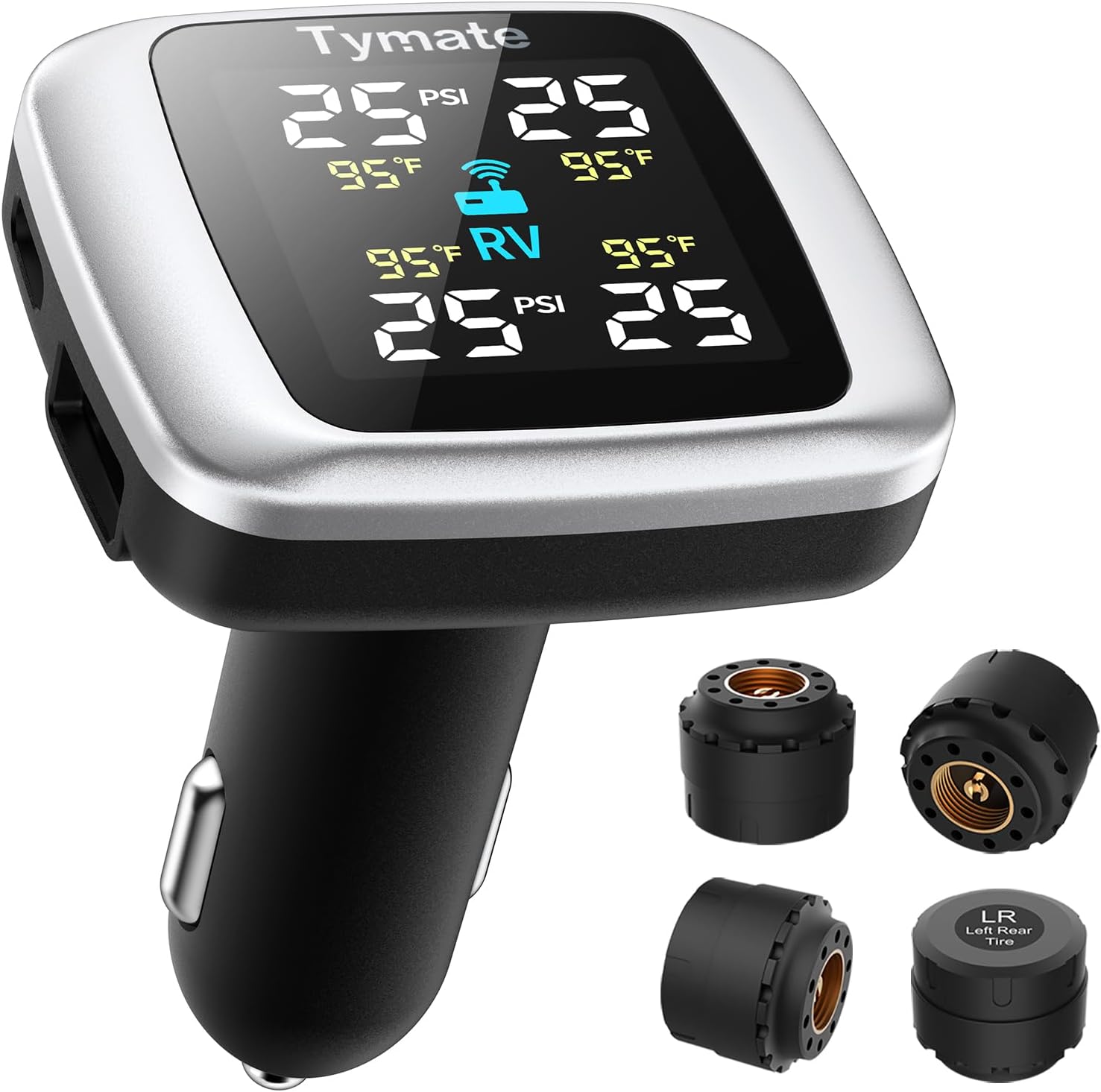
Tymate TM7 is a wireless tire pressure monitoring system that delivers real-time pressure and temperature readings for safer driving. It includes four external sensors, a bright color LCD display with adjustable backlight, and six alarm modes for high/low pressure, fast leakage, high temperature, and sensor signal or battery issues. The system covers a wide 0–144 PSI range and plugs into your vehicle’s cigarette lighter socket for quick DIY setup.

Protect tire valves from water, dust, and sand to help prevent leaks and support safe driving. These universal stem caps install quickly by hand and feature durable aluminum alloy construction with an inner sealing ring for better air retention. Compatible with cars, SUVs, trucks, motorcycles, and bicycles for everyday convenience.

ETENWOLF’s tire pressure gauge helps you quickly and accurately check tire PSI across cars, trucks, motorcycles, bikes, and more. It’s manually calibrated to ANSI B40.1 Grade A for reliable readings, includes a large glow dial for easy nighttime viewing, and features a 360-degree swivel chuck for use at any valve angle. The gauge also works consistently in extreme hot or cold weather.
Best all-season tires for trucks and SUVs: quick comparison
| Tire | Best For | Main Strength | Trade-Off | Shop |
| Michelin CrossClimate2 | Best overall mixed-weather SUV/CUV tire | Rain, dry braking, and 3PMSF winter confidence | Premium price; not a rugged off-road tire | Check Price |
| Michelin Defender LTX M/S 2 | Highway trucks, SUVs, CUVs, vans, and long tread life | Comfort, quiet ride, durability, stability | Less aggressive for deep winter or off-road use | Check Price |
| Continental AllSeasonContact 2 | Rainy daily driving and efficiency-minded buyers | Wet handling, low rolling resistance, EV/hybrid compatibility | Availability and sizing vary by market | Check Price |
| Pirelli Scorpion WeatherActive | SUV/CUV and pickup drivers who want sharper all-weather response | All-weather traction and wet/snow design | Touring focus, not a trail tire | Check Price |
| Bridgestone WeatherPeak or Dueler H/L Alenza Plus | WeatherPeak for light snow; Dueler for highway SUV life | Touring comfort, wet performance, or long highway wear | Choose carefully because these are different tire types | Check Price |
| Goodyear Assurance WeatherReady 2 | Rainy commuting and year-round comfort | Wet-road confidence and cold-weather usability | May not be the efficiency leader on every vehicle | Check Price |
| Falken Wildpeak A/T4W or A/T Trail | Pavement plus dirt, gravel, job sites, and light trails | All-terrain grip with better winter readiness than many rugged tires | More road noise and rolling resistance than highway tires | Check Price |
Top all-season tires for trucks and SUVs
Below are seven strong options for common truck and SUV use cases. Before ordering, check your exact size, load index, speed rating, and whether your vehicle requires XL or LT-rated tires.
1) Michelin CrossClimate2
Best for: SUV and crossover drivers who want one tire that performs well across rain, dry roads, and occasional real winter conditions while still offering strong tread life.
Why it stands out: the Michelin CrossClimate2 is listed by Michelin as an all-season tire for cars, SUVs, CUVs, and vans. Michelin also identifies it as 3PMSF certified and backs it with a 60,000-mileage warranty under its stated terms.
Winter capability: this is one of the best “one set for changing seasons” choices if you get rain, cold mornings, slush, and occasional snow but do not want to change tires twice a year.
Stability on heavier SUVs: the directional tread design helps support braking and cornering confidence in wet and mixed conditions.
Freshness note: Michelin has discussed CrossClimate3 availability in Europe, but its U.S. page states North America will continue with CrossClimate2 for the next several years.
Choose this if you: want maximum all-season/all-weather versatility in one do-it-all model.
Skip it if: you need an LT-rated work-truck tire, a true all-terrain tire, or a dedicated winter tire for heavy ice and deep snow.
Shop:
Check Price on Amazon
2) Michelin Defender LTX M/S 2
Best for: truck, SUV, CUV, and van drivers who spend most of their time on paved roads and want a durable, quiet, stable tire for everyday use.
Why it stands out: the Michelin Defender LTX M/S 2 is built around long tread life, reliable traction, comfort, and quiet road manners for larger modern vehicles.
Comfort and noise: this is usually the smarter Michelin choice if your main goals are highway comfort, tread life, and stable handling rather than maximum winter traction.
Warranty note: Michelin lists different mileage warranties depending on fitment and tire type, so check the warranty terms for your exact size before buying.
Snow note: it can handle many everyday wet and light winter situations, but it is not the most aggressive choice for deep winter storms or icy rural roads.
Choose this if you: want long life, quiet commuting, and consistent traction across wet and dry conditions.
Skip it if: you need severe-snow-focused performance or frequent off-road grip.
Shop:
Check Price on Amazon
3) Continental AllSeasonContact 2
Best for: drivers who want wet-weather confidence, everyday efficiency, and a tire that can work well for gas, hybrid, and EV use where available.
Why it stands out: Continental says the AllSeasonContact 2 uses advanced materials and pattern design to reduce friction, lower abrasion, and reduce energy loss. That can matter for fuel economy and EV range.
Wet and comfort focus: open shoulders help move water away from the footprint, while the tread design is meant to improve handling and smooth straight-road driving.
Availability note: sizing and market availability can vary, so confirm your exact tire size and local fitment before choosing this model.
Choose this if you: drive daily and want a refined, efficient all-season/all-weather-style tire with strong wet-road manners.
Skip it if: you need a heavy-duty pickup tire for frequent towing, hauling, or rough terrain.
Shop:
Check Product Details on Amazon
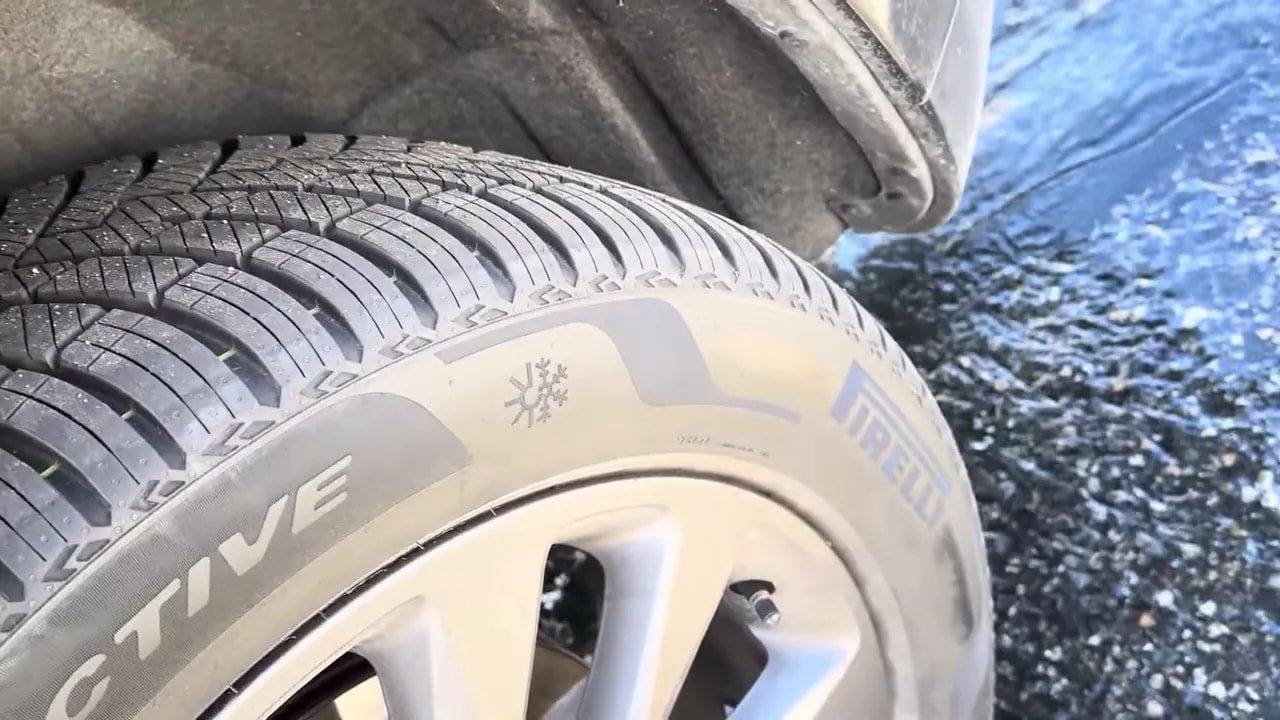
4) Pirelli Scorpion WeatherActive
Best for: SUV, CUV, and pickup drivers who want an all-weather touring tire with a more responsive feel than many comfort-first all-season tires.
Why it stands out: the Pirelli Scorpion WeatherActive is listed as an all-weather, 3PMSF tire for SUV use. Pirelli highlights a directional design, wet-weather water evacuation, snow traction, and a compound designed for a wider temperature range.
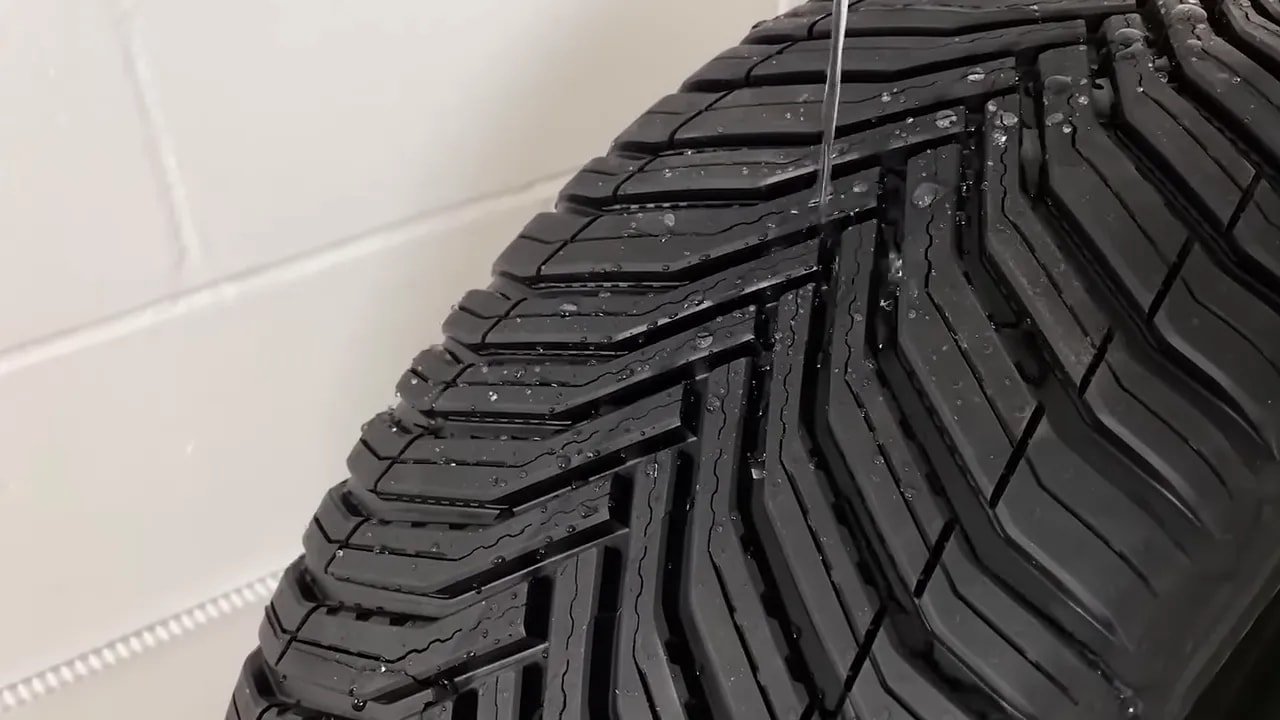
Wet performance focus: its groove and siping design is built to move water and maintain grip in rain while still supporting winter traction.
Trade-off to consider: it is a touring-style all-weather tire, not a rugged trail tire.
Choose this if you: care about controlled handling, frequent rain driving, and a tire that feels confident in changing weather.
Skip it if: your SUV spends meaningful time on rocky, muddy, or heavily rutted roads.
Shop:
Check Price on Amazon
5) Bridgestone WeatherPeak or Dueler H/L Alenza Plus
Best for: drivers comparing two different Bridgestone needs: all-weather touring comfort with light-snow confidence or long-wearing highway SUV performance.
WeatherPeak: the Bridgestone WeatherPeak is the winter-leaning touring choice. Bridgestone lists it as 3 Peak Mountain Snowflake certified and highlights wet, light-snow, and comfort-focused features.
Dueler H/L Alenza Plus: the Dueler H/L Alenza Plus is the better fit if your priority is highway comfort, stable road manners, and long tread life on larger SUVs rather than maximum snow traction.
Choose this if you: want to match the tire to your driving split: weather comfort for rain/light snow or highway longevity for daily SUV miles.
Skip it if: you need an aggressive all-terrain tire for rough roads or off-road traction.
Shop:
Check Bridgestone Tire Details on Amazon
6) Goodyear Assurance WeatherReady 2
Best for: drivers who prioritize rain safety, cold-weather confidence, and a comfortable daily ride.
Why it stands out: this is a strong choice for shoppers who want a road-focused tire that feels more winter-ready than a basic all-season tire but does not look or sound like an all-terrain tire.
Ride stability: it suits family SUVs and daily commuters that see rain, cool temperatures, and occasional winter weather.
Trade-off to consider: weather-focused tread designs can sometimes give up a little fuel efficiency or steering crispness compared with efficiency-first touring tires.
Choose this if you: want one set of tires for year-round paved-road driving where wet braking and cold-weather stability matter most.
Skip it if: you tow heavy loads often or need a more rugged all-terrain tire.
Shop:
Check Current Amazon Availability
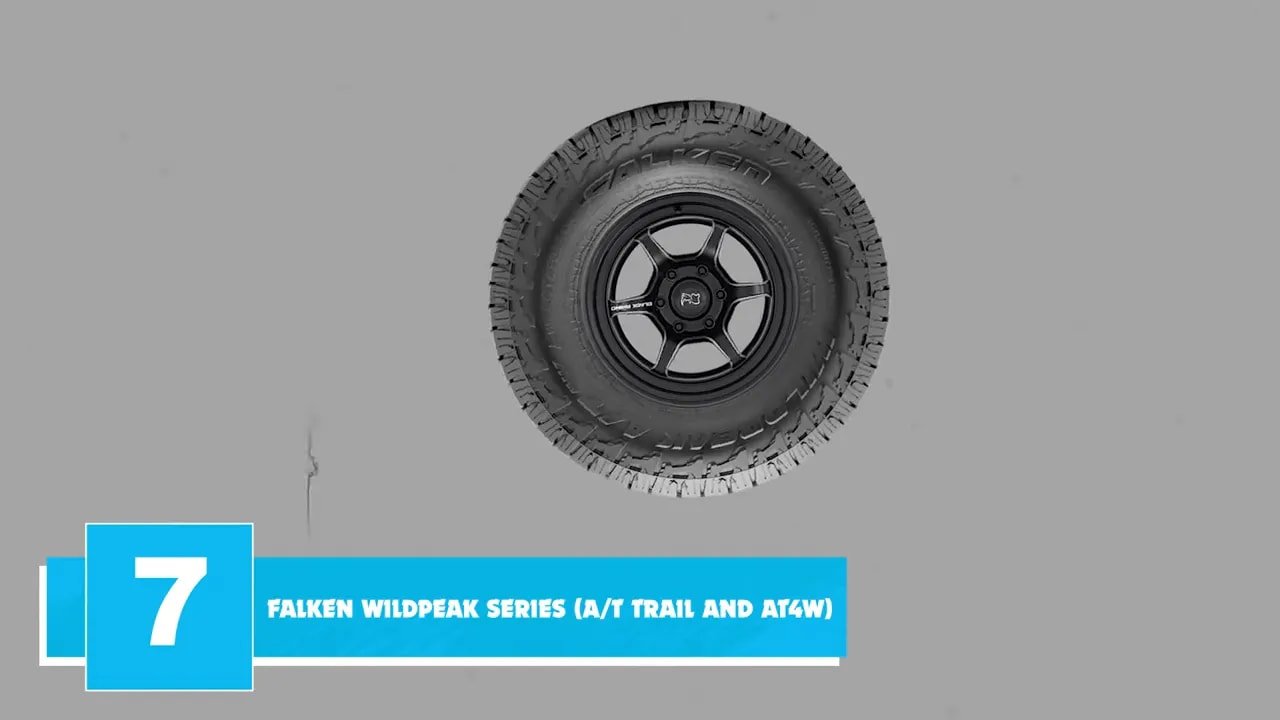
7) Falken Wildpeak A/T Trail and Wildpeak A/T4W
Best for: drivers who want all-season usability with real all-terrain capability for dirt roads, gravel, camping routes, job sites, and weekend adventure driving.
Why it stands out: the Wildpeak line is aimed at drivers who need more sidewall toughness and terrain grip than a highway tire can offer. The Falken Wildpeak A/T4W is severe-snow-rated, uses full-depth sipes, and is built for rugged all-terrain use.
Fitment note: the A/T4W is the more truck-focused rugged pick for pickups and larger SUVs. The Wildpeak A/T Trail is better suited to crossovers and lighter SUVs that spend more time on pavement.
Noise and comfort: expect more road sound than a pure highway touring tire, but less compromise than a mud-terrain tire.
Choose this if you: drive a mix of pavement and rough roads and want an all-terrain tire that still works for daily driving.
Skip it if: you mainly commute on highways and cabin quiet is your top priority.
Shop:
Check Price on Amazon
How to pick the right all-season tire for your driving
Use this quick match system to narrow the list. The best tire is not the one with the longest feature list; it is the one that matches your worst weather, your vehicle weight, and your daily road surface.
1) Focus on your worst conditions
- Mostly rainy commuting: Michelin CrossClimate2, Continental AllSeasonContact 2, Goodyear Assurance WeatherReady 2
- Frequent temperature swings and light snow: Michelin CrossClimate2, Bridgestone WeatherPeak, Pirelli Scorpion WeatherActive
- Most time on highways and you want long tread life: Michelin Defender LTX M/S 2, Bridgestone Dueler H/L Alenza Plus
- Want sharper handling feel: Pirelli Scorpion WeatherActive, Continental AllSeasonContact 2
- Pavement plus dirt or gravel: Falken Wildpeak A/T Trail for crossovers or Falken Wildpeak A/T4W for pickups and heavier SUVs
- Towing or hauling: start by checking load index, XL/LT requirements, and the vehicle tire placard before choosing a model.
2) Match the tire type to your use
- All-season touring: best balance of comfort, wet braking, low noise, and everyday durability.
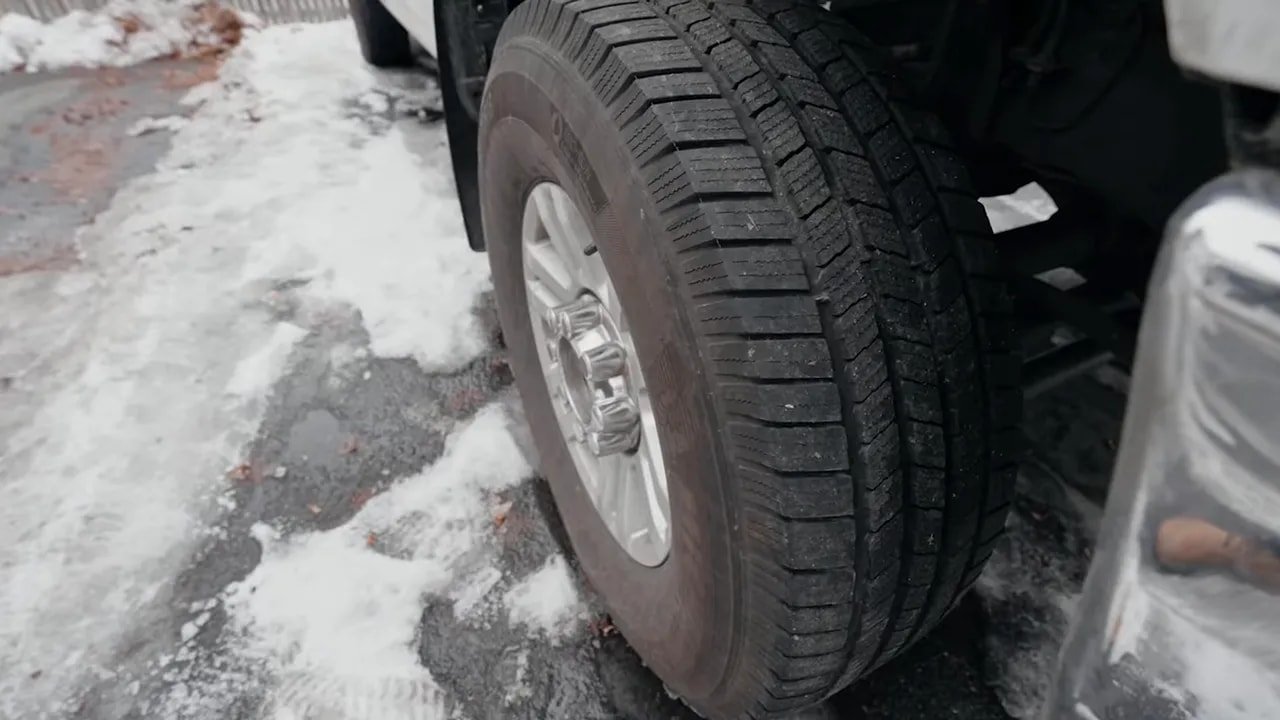
- All-weather / 3PMSF touring: better for rain, slush, and light snow than basic all-season tires, but still not a full replacement for winter tires in severe ice.
- Highway all-season: ideal for long tread life, quiet ride, and stable paved-road driving on pickups and large SUVs.
- All-terrain (A/T): better off-road and sidewall toughness, but usually louder and less efficient than highway tires.
3) Don’t ignore load, size, and rating
Always select the exact size your vehicle needs and follow the load index and speed rating shown in your owner’s manual or tire placard. If you tow, haul, drive a full-size SUV, or use a heavy EV or hybrid SUV, load rating matters as much as tread pattern.
Pro Tip: Do not use the maximum PSI printed on the tire sidewall as your normal inflation target. Use the cold tire pressure listed on the vehicle tire placard or in the owner’s manual.
Common mistakes when buying all-season tires for trucks and SUVs
- Buying for looks only: rugged tread patterns can be louder, heavier, and less efficient than touring tires.
- Ignoring load rating: the wrong load index can reduce stability and safety, especially when towing or hauling.
- Overestimating snow capability: all-season and all-weather tires can help in light winter weather, but deep snow and ice may still require dedicated winter tires.
- Choosing by brand alone: even a great tire may be wrong if the size, load rating, or tread type does not match your vehicle.
- Skipping installation basics: proper mounting, balancing, rotation, and alignment help prevent uneven wear and vibration.
- Running low pressure: underinflation can worsen braking, fuel economy, tread life, and ride stability.
[Products Worth Considering]

Check tire pressure with the Milton S-925 pencil gauge built for trucks, RVs, and bicycles. It features a single-head chuck with a built-in deflator valve, and it displays readings in both PSI and kPa for convenient use. The gauge is designed for accurate, repeatable pressure checks within its working range.

Keep your tires properly inflated with this analog VONDIOR tire pressure gauge, designed for fast, easy readings without batteries. The swiveling, two-axis hose and large glow dial help you measure at any tire angle with instant visibility. Built with a protective rubber shield, it supports durable, low-maintenance use for cars and trucks.

Slip the Powerbuilt tire step over your vehicle’s tire to reach roof racks, engine bays, truck boxes, and more without overreaching. Its adjustable, universal design fits tires with a cross tread width up to 13 inches, including car, truck, RV, and semi tires. The non-slip cheesegrater surface and anti-slip tape provide secure grip while the open design lets mud and debris pass through. Fold-flat storage with rubber bumpers helps keep your tire and the step protected between uses.
Buying checklist before you order
- Confirm tire size from the tire placard or owner’s manual.
- Match load index and speed rating to your vehicle’s requirements.
- Check whether you need XL or LT construction for heavy SUVs, pickups, towing, or hauling.
- Check OE requirements if your vehicle came with EV-specific, run-flat, load-range, or staggered-size tires.
- Decide your priority: wet braking, winter traction, highway longevity, quiet comfort, or all-terrain versatility.
- Consider noise tolerance: if cabin quiet matters, lean toward touring or highway all-season tires.
- Check warranty terms for your exact tire size and region.
- Read recent owner reviews for your vehicle type, not just the tire model in general.
- Plan installation: budget for mounting, balancing, valve stems or TPMS service, and alignment if needed.
Frequently Asked Questions
Are all-season tires good for snow in trucks and SUVs?
They can be good for light snow and cold temperatures, especially if they carry the 3PMSF severe-snow rating. For harsh winter conditions with deep snow, packed ice, mountain roads, or long periods below freezing, dedicated winter tires are usually the safer choice.
Which all-season tire is best for wet braking and hydroplaning resistance?
For wet-road confidence, start with tires that emphasize water evacuation, wet braking, and strong tread stability. From this shortlist, Michelin CrossClimate2, Goodyear Assurance WeatherReady 2, Pirelli Scorpion WeatherActive, and Continental AllSeasonContact 2 are the strongest wet-weather candidates for many SUV drivers.
Do all-terrain all-season tires ride noisier than highway all-season tires?
Usually, yes. All-terrain treads have larger blocks and more open voids, which can create more road noise than touring or highway all-season tires. If comfort and quiet matter most, prioritize Michelin Defender LTX M/S 2 or another highway/touring tire instead of an aggressive A/T tire.
Will an all-season tire last as long as a mileage-focused highway tire?
Not always. Snow-leaning all-weather tires often use compounds and tread designs that prioritize wet and winter grip, while highway all-season tires may focus more on even wear and long tread life. If longevity is your top priority, Michelin Defender LTX M/S 2 and Bridgestone Dueler H/L Alenza Plus are better starting points.
How do I know what tire to pick if I tow or haul?
Start with the tire placard and owner’s manual. Confirm the correct size, load index, speed rating, and whether your vehicle needs XL or LT-rated tires. For frequent towing, a stable highway tire or truck-focused all-terrain tire is usually better than a passenger-car-style touring tire.
What is the difference between all-season and all-weather tires?
All-season tires are made for broad dry and wet-road use with some light winter ability. All-weather tires usually lean harder into cold-weather and light-snow traction, and many carry the 3PMSF severe-snow rating. For trucks and SUVs, all-weather tires are often the better one-set choice in regions with rain, slush, and occasional snow.
Should I replace all four tires at once on an AWD SUV?
Usually, yes. Many AWD systems are sensitive to tread depth differences between tires. Check your owner’s manual before replacing only one or two tires, and ask the installer whether tread depth matching is required for your drivetrain.
Quick takeaway: which tire should you choose?
- One tire for changing seasons: Michelin CrossClimate2
- Rain safety with dependable year-round comfort: Goodyear Assurance WeatherReady 2 or Continental AllSeasonContact 2
- Long-lasting, quiet highway comfort: Michelin Defender LTX M/S 2 or Bridgestone Dueler H/L Alenza Plus
- Sporty, precise all-weather SUV feel: Pirelli Scorpion WeatherActive
- Winter-leaning touring comfort: Bridgestone WeatherPeak
- Off-road-ready all-season capability: Falken Wildpeak A/T Trail for crossovers or Falken Wildpeak A/T4W for pickups and heavier SUVs
Final Recommendation
If you are still choosing between two models, decide based on your worst regular condition: rain, light snow, highway mileage, towing, or dirt roads. Then confirm the exact tire size, load index, speed rating, and tire construction before ordering.
Sources
- NHTSA TireWise tire safety guidance — tire type, sizing, pressure, tread depth, rotation, and maintenance guidance.
- Michelin CrossClimate2 — all-season positioning, 3PMSF information, and warranty details.
- Michelin Defender LTX M/S 2 — truck/SUV fitment focus, durability, comfort, and warranty information.
- Bridgestone WeatherPeak — 3PMSF certification, wet/light-snow features, and warranty positioning.
- Bridgestone Dueler H/L Alenza Plus — highway comfort, tread life, and warranty positioning.
- Continental AllSeasonContact 2 — efficiency, wet handling, all-season design, and EV compatibility notes.
- Pirelli Scorpion WeatherActive — all-weather positioning, 3PMSF information, SUV/CUV/pickup fitment, and tread design notes.
- Falken Wildpeak A/T4W — all-terrain capability, severe-snow rating, towing-related updates, and warranty details.
- Falken Wildpeak A/T Trail — crossover-focused all-terrain design, severe-snow rating, and fitment guidance.
[Products Worth Considering]

Measure tire tread depth quickly and accurately with this LUMITECO dial gauge that reads in 1/32" increments up to 14/32". The color-coded green/yellow/red zones make it easy to judge tire wear and know when replacement is needed. A rugged, compact design with a protective pouch helps keep the gauge ready for use on cars, trucks, motorcycles, and more.

The SAFELIFE dial tire tread depth gauge measures tread depth in 1/32 inch increments with clear, easy-to-read 2-inch dial face. Color zones using a traffic light system help you quickly judge whether tread is low, marginal, or ample for safer driving. Built with a durable zinc cast body and a metal detect probe for precise, comfortable use across cars, motorcycles, trucks, and buses.

The ETENWOLF T600 digital tire pressure gauge delivers precise, manually calibrated readings to ANSI B40.7 Grade 2A standards with ±0.5% PSI accuracy. Its 360° rotating nozzle and display hold make it easy to check pressures from any angle, while a bleed button helps dial tires to the perfect level. With a 0–250 PSI range and support for PSI, BAR, and KPA, it’s a convenient tool for maintaining tire performance across many vehicles and seasons.

Related Articles
How Much Does Tire Retreading Cost?
Whether you’re pricing passenger or truck tires, tire retreading costs vary widely, and the real reasons behind the savings may surprise you.
Read More
Firestone Tire Installation Cost: Full Price Guide
Compare Firestone tire installation costs and discover what hidden fees could change your final bill.
Read More
Tire Rack vs Costco: Which Is Better for Tires?
Pick the better tire deal between Tire Rack and Costco before hidden differences change your choice.
Read More