P-Metric vs LT-Metric Tires: Key Differences
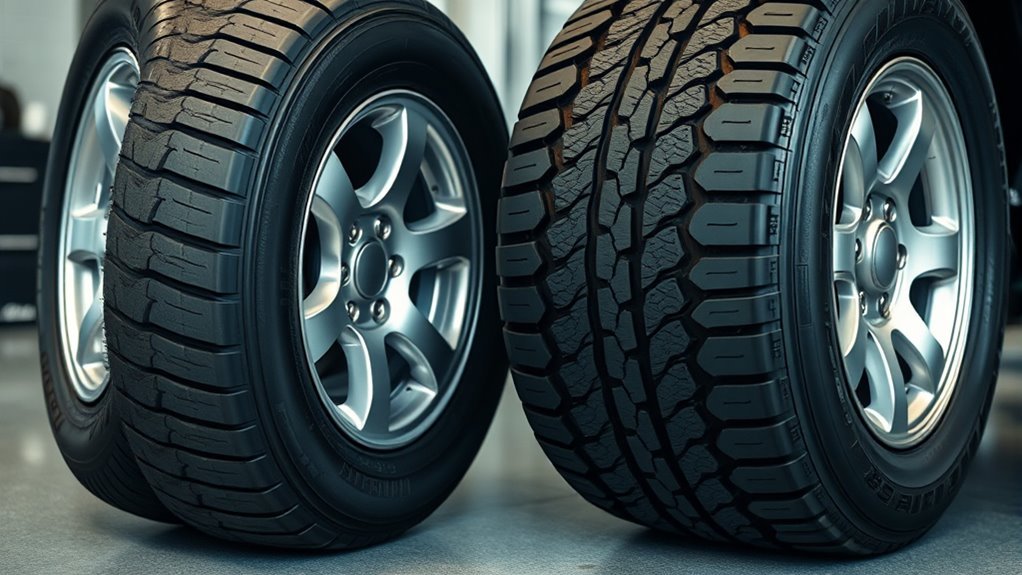
P-metric tires offer everyday comfort, better fuel economy, and smooth city driving. LT-metric tires have higher load indexes, stronger ply ratings, and require higher air pressure. They are built for towing, heavy payloads, and rough terrain. P-metric sizes (like P215/65R15) focus on ride quality and efficiency. LT sizes focus on load capacity and often need different tire pressures and wheels. Choose your tires based on your payload, GVWR, and towing needs.
Quick Answer
- P-Metric: Best for daily driving, commuting, and light loads. They offer a smoother ride, better fuel efficiency, and cost less upfront.
- LT-Metric: Best for heavy towing, hauling, and off-road driving. They feature stronger sidewalls and higher load capacities, but they ride stiffer and reduce gas mileage.
P‑Metric vs LT‑Metric: Which Tire for Your Truck?
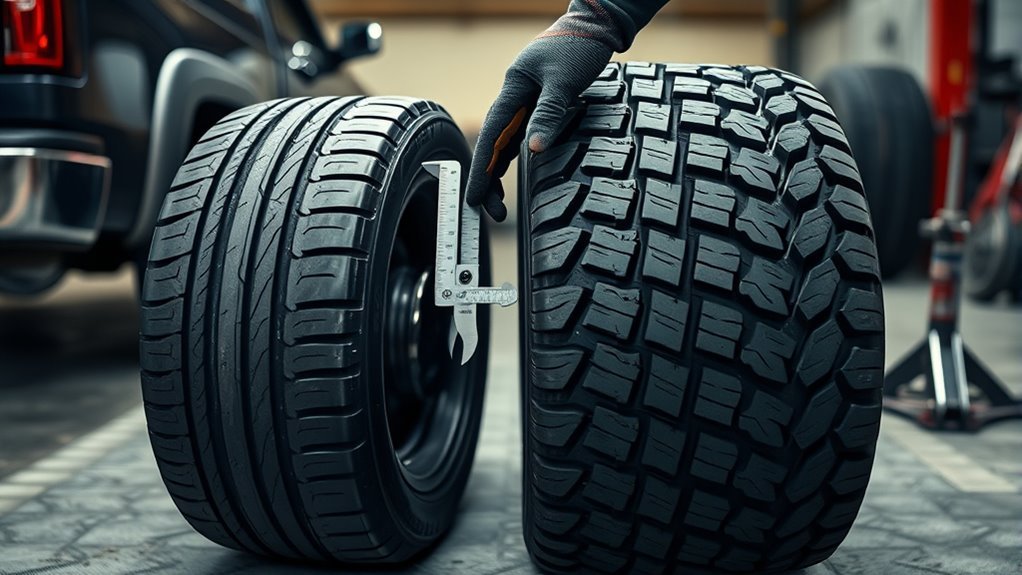
Your choice between P-metric and LT-metric tires depends on your truck’s performance needs, payload, and the terrain you drive on.
If you drive mostly on paved roads and want a smooth ride with good fuel economy, P-metric tires are the right fit. They have softer sidewalls and lower load capacities. They typically last around 60,000 miles under normal use.
If you haul heavy loads, tow often, or drive on rough dirt roads, LT-metric tires are the better choice. They feature reinforced sidewalls, a higher load capacity, and a longer life in tough conditions.
Always check your vehicle’s Gross Vehicle Weight Rating (GVWR) and the manufacturer’s recommended tire class. Putting P-metric tires on a truck rated for LT loads is unsafe. Match your tire to your daily tasks. Prioritize comfort and economy with P-metric, or pick durability and hauling power with LT-metric.
[Products Worth Considering]

The VIAIR 400P EF is a 12V portable air compressor designed for off‑road trucks and SUVs, delivering fast, high‑performance inflation for up to 35‑inch tires. Its upgraded head improves heat dissipation and reduces noise, while a 5‑in‑1 hose and dual‑compartment bag add convenience. Versatile power options and a stable I‑Beam sand tray make it ideal for rugged terrain and heavy‑duty use.

The VIAIR 300P delivers reliable tire inflation for trucks, SUVs, and jeeps with up to 150 PSI pressure and a 33% duty cycle, ensuring quick recovery from flats on and off road. Its 12‑volt operation and 2.30 CFM free flow make it ideal for emergency roadside use, while the deluxe dual‑compartment carry bag adds convenience and portability. Easy to connect to a vehicle battery and equipped with a 5‑in‑1 gauge, it provides accurate pressure monitoring and hassle‑free operation.

The VIAIR 85P is a compact, heavy‑duty 12V tire inflator that delivers up to 60 PSI and includes a built‑in pressure gauge, LED work light, and twist‑on brass chuck. Its 13‑foot hose and included Presta adapter let you inflate car, truck, SUV, motorcycle and bike tires quickly, while the durable carry bag makes storage and transport effortless. With a duty cycle of 20 minutes at 30 PSI and a flow rate of 1.26 CFM, it inflates a standard passenger tire in just over a minute, offering reliable on‑the‑go performance for daily commuting and off‑road adventures.
Who This Guide Is For and How to Use It
This guide is for truck owners, fleet managers, and mechanics who need to match tire specs to real-world use. It covers everything you need to know about payload, towing, ride comfort, fuel economy, and off-road durability.
You will learn the clear differences between P-metric and LT-metric tires so you can make the right choice for your vehicle.
Use this guide to check tire compatibility with your truck. Consider your driving conditions. Highway commuting, heavy towing, and rocky trails all require different tire strengths. Finally, follow the maintenance tips to protect your load capacity and fuel economy.
Read P‑Metric Sizes (What the Numbers Mean)
Reading a P-metric size is simple once you know what the numbers mean. A size like P215/65R15 gives you exact measurements. Read it from left to right.
| Element | Symbol | Meaning |
|---|---|---|
| Tire type | P | Passenger tire designation |
| Width (mm) | 215 | Sidewall-to-sidewall width in millimeters |
| Aspect ratio (%) | 65 | Sidewall height as percent of width |
| Construction | R | Radial construction |
| Wheel diameter (in) | 15 | Rim diameter in inches |
The first number is the width (215 mm). Next is the aspect ratio (65). The letter R stands for radial construction. The final number is the wheel diameter (15 in). This format helps you buy replacement tires that fit your wheels perfectly.
LT Sizes and Load Ratings : What the Numbers Mean
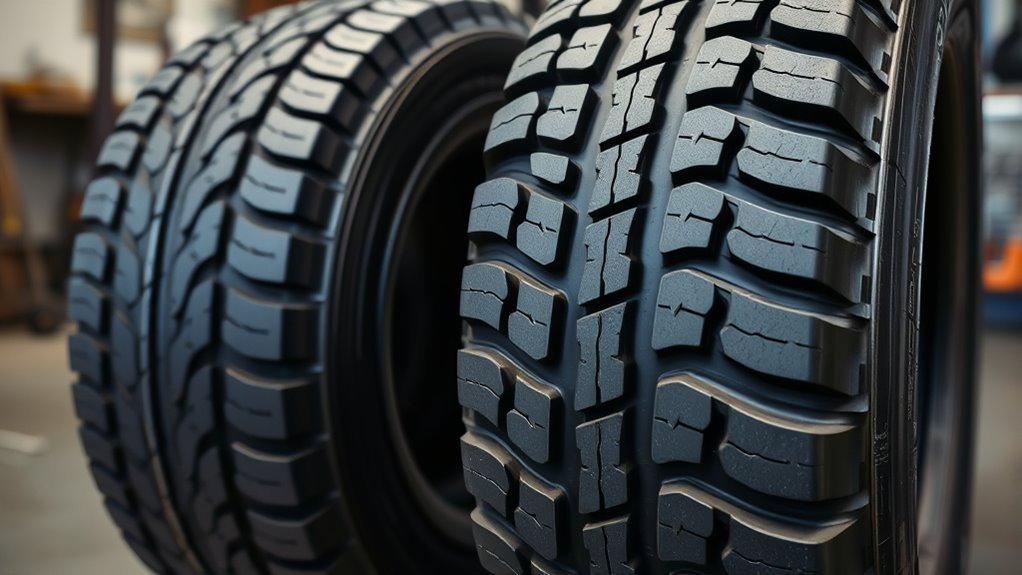
LT markings tell you exactly how much weight the tire can handle. The numeric load index shows the maximum weight each tire can carry. Letter load ratings (like C, D, or E) show standardized payloads. LT tires use stronger sidewalls and require much higher air pressure to meet those ratings. Always check the load index, ply rating, and recommended PSI when buying LT tires.
Load Index Explained
The load index is a two- or three-digit number. It tells you how much weight a tire can safely carry when inflated to the correct pressure. LT tires have higher load indices than P-metric tires. This allows them to handle heavier trailers and payloads. Always match the load index to your vehicle’s GVWR to prevent tire blowouts.
| Tire Type | Example Index | Max Load (lbs) |
|---|---|---|
| LT | 120 | 3,086 |
| P-metric | 95 | 1,521 |
| Note | Index maps to pounds when specified | Use correct inflation |
Ply Rating Significance
A ply rating measures a tire’s internal strength. On LT tires, letters (C, D, E) represent traditional 6-, 8-, and 10-ply constructions. A higher letter means a stronger tire that can carry more weight. LT tires with C, D, or E ratings hold far more weight than P-metric tires. This extra strength is vital for towing and hauling. A higher ply rating gives you tougher sidewalls and better puncture resistance.
Inflation And Capacity
Tire pressure and the load index work together to determine how much weight your truck can carry. An LT tire can often support between 1,000 and 4,000 pounds. However, LT tires need higher tire pressure to reach those numbers. They usually require 35 to 80 PSI. P-metric tires run on much lower pressures. Driving with low tire pressure reduces your load capacity and causes tires to fail. Always maintain the manufacturer’s recommended proper tire pressure.
Ride, Fuel Economy, and Towing: Practical Performance Differences
P-metric tires give you a smoother and more comfortable ride for daily driving. Their flexible sidewalls absorb bumps easily. LT tires are stiffer. They trade comfort for higher load capacity and off-road stability. Because LT tires are heavier, they can reduce your fuel economy by 1 to 2 MPG compared to P-metric tires. P-metrics are perfect for daily commuting and light towing. LT tires are built for heavy trailers and harsh job sites.
[Products Worth Considering]

The AstroAI 160 PSI portable inflator delivers fast, efficient tire inflation with TurboRise motors and a digital LCD screen for precise pressure control. Its dual metal cylinders and long hose allow back‑to‑back inflation of multiple tires, while the auto‑shutoff feature prevents over‑inflation. Compatible with SUVs, RVs, cars, and even air mattresses, it offers versatile power options via cigarette lighter or battery clamps.

The LASFIT TK1 offers rapid, cordless inflation for trucks, SUVs, and cars with its dual‑cylinder motor and 12000 mAh battery, delivering up to 150 PSI. Smart auto‑stop ensures precise pressure, while interchangeable valve adapters and programmable modes make it versatile for tires, bikes, and sports balls. It also doubles as a power bank and emergency LED light.
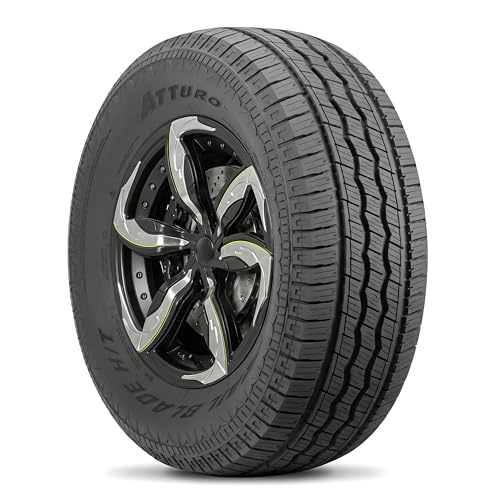
HIGHWAY MILES, EVERY SINGLE ONE OF THEM SMOOTH: You stick to the pavement and the H/T was built for exactly that. Three linked center ribs deliver predictable handling and a straight-line feel that stays composed mile after mile. The tread design reduces road noise for a cabin that stays quiet on long drives. Highway-optimized from the first mile to the 60,000th.
Ride Comfort Differences
P-metric tires deliver a noticeably smoother ride on city streets. The softer sidewalls and lower air pressures absorb bumps and reduce vibration in the cabin. LT tires ride much harsher. They need stiff sidewalls to support heavy loads and prevent swaying while towing. Choose P-metric for comfortable daily driving. Pick LT when you need stability under a heavy payload.
| Aspect | P-Metric | LT-Metric |
|---|---|---|
| Ride comfort | High | Low |
| Urban driving | Ideal | Compromised |
| Towing stability | Limited | High |
Towing And Economy
P-metric tires offer better gas mileage for daily driving. LT tires use heavier construction and higher air pressure for safe towing. If you want better fuel efficiency and comfort, P-metrics are the right choice. They handle light towing well without ruining your ride quality. If you tow heavy equipment, you need LT tires. You will experience a stiffer ride and lose about 1 to 2 MPG, but you gain crucial towing stability and safety.
Cost Differences
Budget is a major factor when replacing truck tires. P-metric tires are generally much cheaper to buy and replace. LT-metric tires cost significantly more per tire due to the extra rubber, steel belts, and reinforced sidewalls required for heavy-duty ratings. If you do not actually need the heavy load capacity of an LT tire, sticking with a P-metric size will save you a lot of money upfront.
When to Choose P‑Metric or LT‑Metric for Your Vehicle
Choose P-metric tires if you prioritize a smooth ride and better gas mileage on city streets. They are ideal for passenger cars, SUVs, and light-duty trucks that rarely haul heavy cargo. They are cost-effective and designed for comfort.
Choose LT-metric tires if your truck requires serious durability and high load capacities. LT tires feature reinforced sidewalls built for towing, off-road trails, and heavy payloads. Compare the tire’s load rating to your truck’s GVWR. If you regularly tow trailers or carry heavy tools, LT tires are necessary.
[Products Worth Considering]

50 000 mile limited tread wear warranty

THE WORKHORSE THAT KEEPS SHOWING UP: You need a reliable all-terrain tire for the daily grind. The interlocked center tread delivers stability on the highway and traction on changing surfaces. Jagged sipes bite into wet pavement, gravel, and packed dirt. The Trail Blade A/T was built for the truck that clocks miles every single day.
THE WORKHORSE THAT KEEPS SHOWING UP: You need a reliable all-terrain tire for the daily grind. The interlocked center tread delivers stability on the highway and traction on changing surfaces. Jagged sipes bite into wet pavement, gravel, and packed dirt. The Trail Blade A/T was built for the truck that clocks miles every single day.
Changing Tire Class: Effects on GVWR, TPMS, and Legal Fitment
Switching from P-metric to LT tires increases your tire strength, but it changes several vehicle systems. You must address these changes to stay safe and legal on the road.
- Check GVWR compliance: Upgrading to LT tires does not increase your truck’s official GVWR. You are still legally limited by the manufacturer’s maximum weight rating.
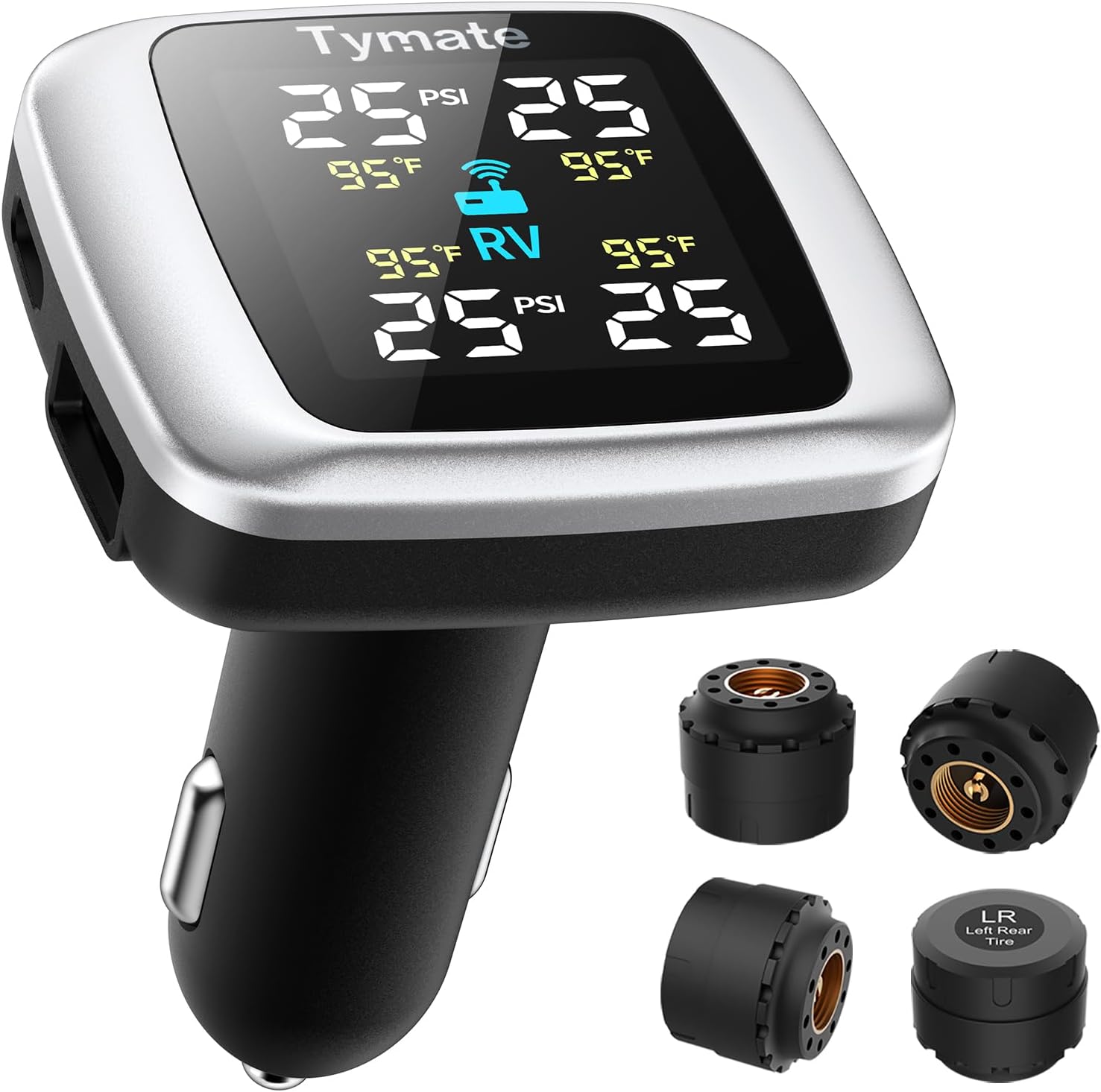
- Monitor TPMS: LT tires need higher air pressures. This can trigger your Tire Pressure Monitoring System (TPMS) sensors. You may need a mechanic to recalibrate the system.
- Assess ride and handling: Stiffer tires change how your truck handles corners and bumps. Adjust your driving style to match the new feel.
- Verify fitment: Make sure your current wheels can safely handle the higher air pressure required by LT tires.
Care, Service Life, and a Quick Decision Checklist

P-metric tires usually last around 60,000 miles under normal driving conditions. LT tires have deeper treads and tougher rubber, which can extend their life during heavy use or off-road driving. Both tire types require regular maintenance. Keep your air pressure at the correct level, rotate your tires on schedule, and inspect them for damage.
P-metric tires are great for daily commuting and light hauling. LT tires are better for heavy loads and rough terrain. Match your tire class to how you use your truck. Confirm the load ratings, accept the fuel and comfort trade-offs, and maintain them properly.
Frequently Asked Questions
Can I Replace P Tires With LT Tires?
You can, but you only should if you need the extra towing capacity. P-metric tires give you a softer ride and better fuel economy. LT-metric tires have a stiffer ride and require higher air pressure. Always check your owner’s manual before making the switch to ensure your wheels can handle the extra PSI.
Are LT Tires Good for Daily Driving?
Yes, you can use LT tires for daily driving. They offer excellent durability and puncture resistance. However, they will make your ride feel much stiffer and drop your fuel economy by about 1 to 2 MPG compared to standard tires.
Conclusion
Think of P-metric and LT-metric tires like running shoes versus steel-toe work boots. Both get you to your destination, but they are built for entirely different jobs. Match your tire class to your truck’s payload limits and towing needs. Bigger is not always better. Check your truck’s GVWR, wheel specs, and TPMS compatibility before switching tire classes. Choose P-metric for comfort and fuel efficiency. Choose LT for heavy-duty work. When in doubt, check the tire placard inside your driver’s side door.

Related Articles
GOOLOO AP150 PRO Tire Inflator Review: 4X Faster 150 PSI Portable Air Compressor
You want a compact, reliable way to keep your tires at the right pressure without hunting for a gas station or hauling a heavy…
Read More
TORHAWK Dual Cylinder Tire Inflator Review: 160 PSI Dual-Power Portable Air Compressor
You want a reliable way to manage tire pressure and handle small inflations without hunting for a shop or an extension cord. The TORHAWK…
Read More
WORX WX092L.9 Tire Inflator Review: 20V Cordless 150 PSI Portable Air Pump
You want a compact inflator that removes the guesswork and gets tires back to spec quickly. The WORX WX092L.9 brings cordless convenience with a…
Read More