
Understanding Tire Replacement Costs: Key Factors Every Truck Owner Should Know
Truck tire replacement costs depend on more than the price shown beside the tire. Your final bill can change because of tire size, load rating, tire type, installation labor, TPMS service, disposal fees, alignment needs, taxes, and optional warranties. The smartest move is to compare the full out-the-door price, not just the tire price.
Quick Answer
Truck tire replacement costs rise when you choose larger tires, LT-rated tires, all-terrain or winter tires, premium brands, or extra services. Before you buy, confirm the correct size, load index, load range, and speed rating on your door placard or owner’s manual, then compare the full installed price.
Key Takeaways
- The final cost includes the tires plus mounting, balancing, valve stems, TPMS service, disposal, taxes, and possible alignment.
- Truck tires must match the correct size and load capacity. Never downsize load rating just to save money.
- LT, all-terrain, mud-terrain, winter, EV, and dually tires often cost more than basic highway tires.
- Treadwear ratings help compare some tires, but they do not guarantee exact mileage in real driving.
- The best deal is not always the cheapest tire. Compare safety, service life, warranty terms, and installation perks.
What Actually Makes Up Truck Tire Replacement Cost?
Your tire quote should include every charge needed to put safe, road-ready tires on your truck. A low tire price can look attractive, but the final total may change once installation and service items are added.
Simple Cost Formula
Use this formula before you compare shops:
Total installed cost = tire price × number of tires + mounting and balancing + valves or TPMS service + disposal fees + taxes + optional alignment + optional warranty coverage.
| Cost Item | What to Ask Before You Pay |
| Tire price | Is this the price per tire, for a pair, or for a full set of four? |
| Mounting and balancing | Are mounting, balancing, new weights, and wheel inspection included? |
| Valve stems and TPMS | Does the quote include valve stems, TPMS service kits, reset, relearn, or sensor replacement if needed? |
| Disposal or recycling | Is old tire disposal included, or is it a separate per-tire line item? |
| Alignment | Do the old tires show uneven wear that suggests an alignment or suspension check? |
| Warranty and road hazard coverage | What damage is covered, how long does coverage last, and is replacement prorated? |
Note: Always compare the installed price. A tire that looks cheaper online may cost more after shipping, installation, TPMS service, and local disposal charges.
Factors Affecting Tire Replacement Costs
Several factors can raise or lower your truck tire replacement cost. The biggest drivers are size, load capacity, tire type, brand, expected tread life, and whether your truck needs extra service during installation.
Tire Size, Load Rating, and Construction
Larger wheel sizes, wider tires, and specialty truck tires usually cost more because they use more material and often carry heavier load requirements. Before you shop, check your owner’s manual or the Tire and Loading Information Label on the driver’s door area. NHTSA TireWise recommends using the vehicle manufacturer’s tire size and pressure information, not guessing from the old tire alone.
Pay close attention to the load index and load range. If your truck tows, hauls tools, carries a camper, or runs near its payload limit, the wrong tire can create a safety problem. Saving money on a lower-rated tire is not worth the risk.
Brand, Warranty, and Expected Service Life
Premium tires often cost more upfront, but they may offer better wet braking, ride quality, treadwear warranty terms, noise control, or off-road durability. Budget tires can make sense for light use, but you should compare the warranty, expected use, and performance category before choosing only by price.
Think in terms of cost per mile, not just checkout price. A tire that lasts longer and performs better in your conditions may be the better value, even if the first bill is higher.
How Many Tires You Need
Replacing one damaged tire costs less today, but it may not be the best choice if the other tires are worn. Many trucks perform best with tires that match in size, type, tread depth, and load rating. If you replace only two, the new pair should be installed according to your tire shop’s and vehicle manufacturer’s guidance.
Warning: Do not mix tire sizes, load ratings, or tire types unless your vehicle manufacturer specifically allows it. Mismatched tires can affect handling, braking, stability control, towing safety, and four-wheel-drive systems.
Why Truck Tires Can Cost More Than Car Tires
Truck tires often need stronger construction, higher load capacity, deeper tread, tougher sidewalls, or special traction features. That added capability can raise the tire price and the installation labor, especially when the tires are large, heavy, or built for demanding use.
| Truck Setup | Why Cost Can Increase |
| Half-ton pickup | Larger tire sizes and higher load needs can cost more than many passenger-car tires. |
| Heavy-duty pickup | LT tires, higher load ranges, towing use, and higher inflation pressures can raise cost. |
| Dually truck | Six tires, dual-wheel balancing needs, and correct matching can make the bill much higher. |
| Lifted or modified truck | Oversized tires may need specialty mounting, alignment checks, fitment review, or speedometer recalibration. |
| Electric truck | High vehicle weight, instant torque, rolling resistance, and cabin noise goals can narrow your tire choices. |
Note: This guide focuses on consumer pickups, SUVs, vans, and light trucks. If you operate a commercial truck, fleet vehicle, or heavily loaded work truck, follow the vehicle manufacturer’s requirements and any rules that apply to your operation.
Why Treadwear Ratings Matter for Your Tires
Treadwear ratings can help you compare tires, but they need context. The Uniform Tire Quality Grading standard is designed to compare relative treadwear, traction, and temperature resistance for covered passenger-car tires. It does not apply to every truck tire, winter tire, temporary spare, or specialty tire.
A higher treadwear number generally suggests slower wear under the test method, but it does not promise a specific mileage in your driveway. Your results still depend on inflation pressure, alignment, rotation, driving style, load, road surface, climate, and towing habits.
Use treadwear as one signal alongside load rating, traction needs, temperature grade, warranty terms, and real-world use. If you drive mostly highway miles, a long-wearing highway all-season truck tire may be a strong value. If you drive on gravel, mud, job sites, snow, or steep rural roads, traction and durability may matter more than the highest treadwear number.
Installation Fees and Hidden Costs to Watch For
Installation charges can change the final price fast. Ask each shop for a written out-the-door quote that includes parts, labor, fees, taxes, and optional coverage. This makes it easier to compare retailers fairly.
Mounting and Balancing Fees
Mounting puts the tire on the wheel. Balancing helps the wheel and tire rotate smoothly without vibration. New tires should be balanced when installed, and NHTSA notes that proper balance and alignment help maximize tire life.
If your truck has large wheels, off-road tires, dual rear wheels, or heavy-duty tires, installation may cost more than a standard passenger tire installation. Ask whether the shop charges extra for oversized tires, aftermarket wheels, beadlock-style wheels, dual rear wheels, or tires bought elsewhere.
TPMS, Valve Stems, and Lug Hardware
Most modern light trucks and vans have Tire Pressure Monitoring Systems. NHTSA says passenger cars, light trucks, and vans from model year 2008 and newer are required to have TPMS. TPMS helps warn you when a tire is significantly underinflated, but it does not replace monthly pressure checks with a gauge.
During installation, the shop may recommend valve stems, TPMS service kits, sensor replacement, or lug hardware if parts are damaged or corroded. Ask what is required now and what is optional. Also ask whether the quote includes TPMS reset, relearn, or programming if your truck needs it.
Disposal and Recycling Charges
Old tires must be handled properly. Some shops include disposal in the installed price, while others list it as a separate fee. State and local rules can affect how waste tires are collected, transported, and recycled. If the quote includes a disposal or recycling charge, ask whether it applies per tire or per visit.
Optional Warranty Costs
Road hazard protection can be useful if you drive on construction sites, gravel roads, pothole-heavy streets, or rural routes. Still, read the terms before paying for it. Some plans cover repair only, some offer prorated replacement, and some exclude sidewall damage, commercial use, or tires worn below a certain tread depth.
Also compare what is already included. Some retailers include rotation, balancing, flat repair, visual inspection, disposal, or limited maintenance perks with the tire purchase. Others charge separately, so the lowest tire price may not be the lowest long-term value.
How to Read the Sidewall Before You Buy
The sidewall tells you the tire’s size, construction, load index, speed rating, and sometimes UTQG grades. For example, a light truck tire may show a size, an “LT” designation, a load range, and a maximum load at a specific pressure. A P-metric tire may look similar but carry different load behavior when used on a truck.
- Size: Match the size recommended by your truck manufacturer unless you know the fitment change is safe.
- Load index or load range: Make sure the tire can support your truck, passengers, cargo, tongue weight, and towing use.
- Speed rating: Do not choose a lower speed rating than recommended unless a qualified tire professional confirms it is appropriate for your use.
- DOT date code: Check the tire age, especially when buying clearance, used, or spare tires.
- UTQG: Use treadwear, traction, and temperature grades as comparison tools when they apply.
Pro Tip: Take a photo of your door placard and current tire sidewall before shopping. It helps you compare quotes and prevents ordering the wrong size or load rating.
Choosing the Right Tire Type for Your Truck
The right tire type depends on how you use your truck. Consumer Reports separates tire categories by use, including all-season truck, all-terrain truck, winter/snow truck, and performance-focused tires. Each type has a different cost and performance tradeoff.
| Tire Type | Best For | Cost and Tradeoff |
| Highway all-season truck tires | Daily driving, highway use, light towing, comfort | Often the best balance of tread life, noise, and value for pavement use. |
| All-terrain truck tires | Gravel, dirt roads, job sites, mild trails, mixed use | Usually costs more than highway tires and may add road noise. |
| Mud-terrain tires | Deep mud, rocky trails, off-road traction | Higher cost, more noise, and faster wear on pavement are common tradeoffs. |
| Winter/snow truck tires | Snow, slush, ice, cold-weather braking | Adds seasonal cost but can improve control in harsh winter conditions. |
| Performance truck or SUV tires | Sport trucks, responsive steering, dry and wet handling | May cost more and may trade tread life or ride comfort for handling. |
| EV truck tires | Electric trucks with high weight and instant torque | May need stronger load capacity, low rolling resistance, and noise control. EV-specific is not always required, but correct fitment is. |
[Products Worth Considering]

Designed for use on Jeeps, light trucks, and SUVs

Deep grooves expel water and slush for superior wet traction
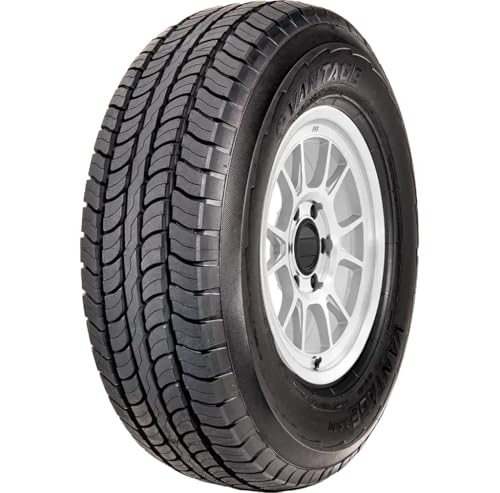
All-season tire for SUVs
Online vs. Local Tire Shop Costs
Online tire deals can be worthwhile, but the tire price is only one part of the total. A local shop may look more expensive at first, yet include mounting, balancing, valve service, tire disposal, flat repair, rotations, or easier warranty support.
| Buying Route | Check Before You Choose |
| Online tire order | Shipping, installer fees, return rules, appointment timing, TPMS service, and road hazard coverage. |
| Local tire shop | Included maintenance, warranty handling, alignment availability, disposal charges, and final installed price. |
| Mobile installation | Travel fee, balancing method, TPMS support, disposal, weather limitations, and service area. |
[Products Worth Considering]

[🔨PROFESSIONAL QUALITY ] - AUTOWN Tire Repair Kits are made of refined high-quality steel, AUTOWN upgraded tire patch kits comply with exacting standards of audit, can repair the toughest tires on the market.

Duck Head Kit: This manual tire changer duck head kit is designed for manual tire changers (not included). The mounting tube inner diameter is 1.97" (50 mm), compatible with manual tire changer shaft diameters ≤1.8" (48 mm), enhancing tire changing operations

Kit Included: the kit includes a 0.26 US gallon (1L) blue lube bottle and 3 lube swabs 11.6 inches/ 29.5 cm; The square bottle part size is 6.1 x 3.35 x 3.15 inches/ 15.5 x 8.5 x 8 cm and the bottle opening diameter is 3.54 inches/ 9 cm; These swabs are designed with densely wound fibers to hold lubricant effectively and apply it evenly, contributing to a smoother tire mounting or removal process
How Climate Impacts Your Tire Replacement Choices
Climate affects traction, treadwear, tire pressure, and the type of tire that makes sense for your truck. A tire that works well in a dry, warm city may not be the best choice for mountain roads, heavy rain, or freezing winters.
Tire Performance in Heat
Heat can raise tire stress, especially when your truck is heavily loaded or underinflated. NHTSA warns that poor tire maintenance, including low inflation and missed rotations, can lead to flats, blowouts, or tread separation. Check pressure at least once a month when the tires are cold, and always use the pressure listed by the vehicle manufacturer.
If you drive in hot weather, tow often, or spend long hours on the highway, prioritize the correct load rating, proper inflation, temperature resistance, and even treadwear. Do not inflate tires to the maximum sidewall number unless that matches your vehicle’s load requirements.
Cold Weather Considerations
Winter tires can improve grip in deep snow and cold, harsh conditions. If you use winter tires, install a full matching set instead of mixing two winter tires with two all-season tires. Mixing can make handling less predictable.
Cold weather can also trigger TPMS warnings because pressure changes with temperature. If the TPMS light comes on during a cold morning, check the tires with a gauge and adjust them to the recommended cold pressure.
Wet Conditions Adaptability
Wet roads make tread depth and tread design more important. Tires with worn tread have less ability to move water away from the contact patch, which can increase hydroplaning risk. NHTSA says tires are not safe and should be replaced when tread is worn down to 2/32 of an inch.
If you drive in frequent rain, tow a trailer, or carry heavy cargo, do not wait until the tire is completely worn out. Shop before tread reaches the legal minimum, and compare wet traction, braking, and hydroplaning resistance when available.
When Replacement Becomes Urgent
You should replace truck tires when they reach the wear bars, drop to 2/32 inch tread depth, show sidewall cracks, develop bulges, have exposed cords, suffer non-repairable punctures, or wear unevenly from alignment or suspension problems. A tire shop should inspect any tire that loses air repeatedly or vibrates after balancing.
A puncture is not always repairable. USTMA tire repair guidance says a tire should be removed from the wheel and inspected inside before repair, and a plug alone is not an acceptable repair. Damage in the sidewall or shoulder, internal damage from driving flat, overlapping repairs, severe impact damage, exposed cords, or tires worn to the treadwear indicators usually means replacement is the safer choice.
Also check tire age. Even tires with usable tread can age from heat, sunlight, storage conditions, and time. If your truck sits often, carries heavy loads, or uses a full-size spare, include the spare in your inspection routine.
Warning: Do not repair a truck tire just because the outside puncture looks small. Internal damage can hide inside the tire, especially after driving with low pressure.
[Products Worth Considering]

UNIVERSAL 4.10/3.50-4 PNEUMATIC TIRE ASSEMBLY: 10" pneumatic tire and wheel assembly (4.10/3.50-4 size) with 5/8" axle bore and 2.2" offset hub — compatible with hand trucks, dollies, utility carts, pressure washers, generators, trolleys, and other small equipment using 10" tubed tires.

Please make sure to carefully confirm the specifications and size of the product before purchasing to ensure it is suitable for your mobility aid. This will prevent the purchase of the wrong product and ensure a better experience for you! (This set includes 4pcs 10-inch wheels.)

FLAT FREE SOLID RUBBER REPLACEMENT TIRES - Flats are inevitable, or are they? These solid rubber tires will remove the hassle of flat tires so that you can keep going without worries! These solid rubber tire and wheel assembly fit vehicles and equipment with 10-inch tires with 4-inch rims, 5/8-inch axles, a offset hub 2.2-inch, and a tire width between 1.50 inches and 2.50 inches. It’s a guaranteed fit!
Smart Strategies for Saving on Tire Purchases
You can lower truck tire replacement costs without buying unsafe tires. Start shopping before your tires are bald, compare multiple installed quotes, and look for rebates on full sets when you actually need four tires.
| Strategy | Why It Helps |
| Ask for the installed price | It prevents surprise charges for balancing, disposal, TPMS, or shop fees. |
| Compare tire type, not just brand | A highway tire, all-terrain tire, and winter tire solve different problems. |
| Buy before it becomes urgent | You have more time to wait for rebates, compare quotes, and avoid emergency pricing. |
| Check rotation and balancing perks | Free or discounted maintenance can improve long-term value. |
| Fix alignment or suspension issues | New tires can wear out quickly if the truck has an unresolved mechanical problem. |
| Avoid unsafe used tires | Unknown age, repairs, internal damage, or wrong load ratings can erase any short-term savings. |
Before you approve the work, ask whether the shop will retorque lug nuts if required, reset TPMS if needed, and record the final cold inflation pressure. Those small details can prevent vibration, warning lights, and uneven wear after installation.
Frequently Asked Questions
How much should truck tire replacement cost?
The final cost depends on your truck’s tire size, load rating, tire type, brand, installation fees, TPMS service, disposal, taxes, and optional alignment or warranty coverage. Compare the out-the-door price for the exact tire size and load rating your truck requires.
What are the key factors in truck tire comparison?
Compare size, load index, load range, speed rating, tire type, treadwear rating when available, wet traction, noise, warranty terms, and installed price. For trucks, load capacity is one of the most important safety factors.
Is $900 too much for truck tires?
Not necessarily. For some trucks, a full set of properly rated tires with installation can cost that much or more. Judge the quote by what it includes: correct load rating, mounting, balancing, TPMS service, disposal, taxes, warranty terms, maintenance perks, and any needed alignment work.
Why are truck tires more expensive than car tires?
Truck tires are often larger, heavier, and built for higher load capacity than passenger-car tires. LT construction, deeper tread, all-terrain designs, winter compounds, reinforced sidewalls, and dually fitments can all raise the tire price and installation cost.
Do I need LT tires on my truck?
You need the tire type and load capacity recommended for your truck and how you use it. LT tires can be useful for heavier loads, towing, and tougher service, but they may ride firmer and cost more. Check your door placard, owner’s manual, and a qualified tire professional before switching from P-metric to LT tires.
Should I replace two tires or all four?
It depends on tread depth, drivetrain, tire type, and manufacturer guidance. Four matching tires are often best for balanced handling. If you replace only two, ask the installer where the new tires should go and whether the remaining tires are still safe.
Can I replace just one truck tire?
Sometimes, but only when the replacement tire matches the required size, type, load rating, speed rating, and tread needs for your truck. Four-wheel-drive and all-wheel-drive systems can be sensitive to tread-depth differences, so ask the tire shop and follow your manufacturer’s guidance.
Are online tire deals cheaper after installation?
They can be, but not always. Add shipping, mounting, balancing, valve or TPMS service, disposal, appointment availability, return rules, and warranty support before deciding. A local shop with included maintenance may be a better long-term value.
What hidden tire fees should I ask about?
Ask about mounting, balancing, valve stems, TPMS service kits, sensor replacement, tire disposal, shop supplies, taxes, shipping, mobile installation, road hazard coverage, rotation perks, and alignment checks. Request one installed price before comparing shops.
Conclusion
Truck tire replacement costs make more sense when you break the bill into parts. The tire itself matters, but so do load rating, tire type, installation, TPMS service, disposal, warranty terms, and maintenance after the sale.
Choose tires that match your truck’s size and load requirements first. Then compare installed quotes, warranty value, climate needs, repair limits, and expected service life. That approach helps you save money without giving up safety, traction, or long-term performance.
Sources
- NHTSA TireWise — tire size, pressure, tread depth, TPMS, tire types, and maintenance safety guidance.
- eCFR 49 CFR 575.104 — Uniform Tire Quality Grading scope and performance categories.
- USTMA Tire Repair Basics — proper tire repair requirements and repair safety context.
- Consumer Reports Tire Buying Guide — tire type comparisons, treadwear context, sidewall information, and EV tire tradeoffs.
- Discount Tire Installation Cost Breakdown — example of installation items that may be included by a tire retailer.
- CalRecycle Tire Management — waste tire management and recycling context.

Related Articles
Toyota Tundra Tire and Wheel Package: What to Consider Before Buying
Unlock the secrets to choosing the perfect tire and wheel package for your Toyota Tundra—essential tips await to enhance your ride.
Read More
Do Bigger Tires Void a Toyota Tundra Warranty? Magnuson-Moss Act Explained
Bigger tires might not void your Toyota Tundra warranty, but understanding the Magnuson-Moss Act is crucial—discover how to protect your investment effectively.
Read More
Toyota Tundra Tire Rack Setup: Garage Storage Ideas for Seasonal Sets
Better tire storage for your Toyota Tundra awaits—discover essential tips to maximize space and protect your seasonal sets in the garage!
Read More