
4Runner Tire Mileage: How Many Miles Should They Last
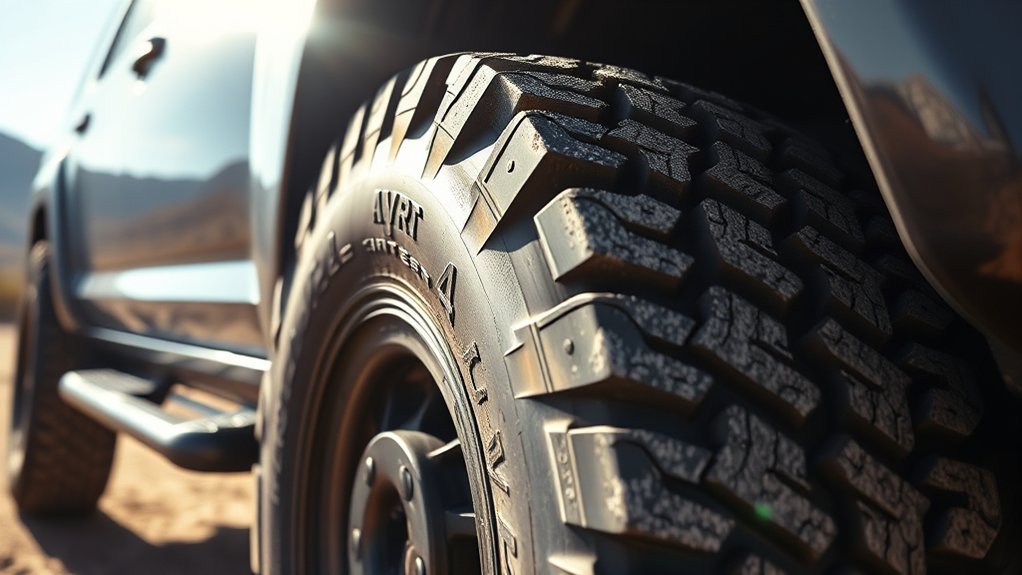
A Toyota 4Runner’s tires do not have one guaranteed lifespan. Depending on the exact tire model and size, current SUV and light-truck tires may carry limited treadwear warranties from about 50,000 to 75,000 miles. Actual life can be shorter because of off-road use, towing, heat, low pressure, alignment problems, damage, and age.
Quick Answer
Your 4Runner tires may last roughly as long as their model-specific treadwear warranty, but mileage alone cannot determine replacement. Inspect pressure and tread monthly, rotate them on the schedule in your model-year maintenance guide, and replace any tire with 2/32-inch tread, serious damage, persistent air loss, or unsafe age-related deterioration.
Key Takeaways
- A mileage warranty is a planning guide, not a promise that every tire will reach that distance.
- Check cold tire pressure monthly and use the driver-door placard, not the maximum pressure molded on the tire.
- Replace tires at 2/32 inch of tread or sooner when damage, repeated pressure loss, poor wet grip, noise, or vibration makes them unsafe.
- Off-road driving, towing, overloading, hard braking, misalignment, and neglected rotation can shorten tire life.
- On a 4WD 4Runner, closely match tire size, type, tread pattern, and tread depth to protect handling and the drivetrain.
Understanding 4Runner Tire Lifespan
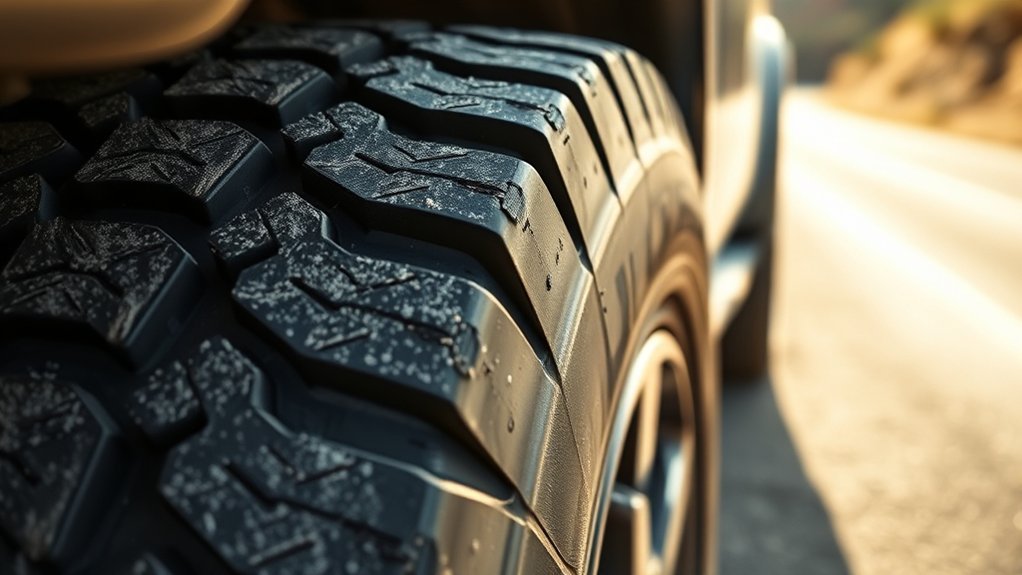
The best answer starts with the exact tires on your 4Runner. Highway all-season, all-terrain, winter, and mud-terrain tires use different tread compounds and patterns. Even two tires from the same brand may have different warranties and maintenance requirements.
For example, Michelin currently lists size-dependent 50,000-mile and 75,000-mile limited treadwear warranties for the Defender LTX M/S2. BFGoodrich lists a 50,000-mile warranty for the All-Terrain T/A KO3. These figures show why you should check the exact tire model and size instead of applying one mileage estimate to every 4Runner.
A treadwear warranty also differs from actual service life. Warranty coverage may require proof of rotations, correct inflation, proper alignment, and even wear. Road-hazard damage, off-road cuts, overloading, and mechanical wear may not qualify. Read the warranty terms before treating the stated mileage as your replacement date.
Your tire’s condition, not the odometer alone, decides whether it is safe to keep driving.
[Products Worth Considering]

Keep RV, trailer, or truck dual-axle tires protected with waterproof, UV-resistant covers that help guard against sunlight, snow, rust, and dirt. The dual tire covers are easy to install with a rope/bungee fastener for a stable fit that won’t easily slip. Designed for 27–30 inch diameter wheels, they help maintain tire condition through harsh weather.

EVOULTES heavy duty tire inflator with an integrated gauge delivers accurate pressure readings from 10–120 PSI, helping you inflate, deflate, and check tires in one tool. The 16.5-inch extended dual-head air chuck with swivel base reaches hard-to-access dual wheel valves on trucks and RVs. A brass trigger core and side-mounted air release valve make operation smooth, with standard 1/4" NPT threading and quick-connect compatibility for easy setup.

This portable cordless tire inflator delivers fast, efficient inflation for cars, motorcycles, bikes, and sports balls with a digital pressure gauge. Use the one-click PSI preset with auto shut-off for accurate, hands-free topping to your target pressure up to 150 PSI. It’s compact and rechargeable with a built-in emergency LED light plus valve adapters and accessories for quick, ready-to-go use.
Signs Your 4Runner Tires Need Replacement
Inspect all four tires and the spare at least monthly and before a long trip. The National Highway Traffic Safety Administration says tires should be replaced when tread reaches 2/32 inch. It also recommends checking for physical damage and changes in performance.
- Tread at 2/32 inch: Replace the tire when its treadwear bars are level with the surrounding tread. A penny test can also show when you have reached the minimum.
- Cracks, cuts, bulges, or exposed cords: These can indicate structural damage. A bulge or exposed reinforcement needs immediate professional attention.
- Repeated pressure loss: A tire that repeatedly loses air may have a puncture, damaged bead, valve problem, wheel damage, or internal failure.
- Uneven tread wear: Wear on one shoulder, both shoulders, the center, or in scalloped patches can point to pressure, alignment, balance, suspension, or rotation problems.
- New vibration or thumping: Stop and inspect the tires. Vibration can come from imbalance, separated internal components, wheel damage, or packed mud after trail use.
- Noticeably worse wet or snow traction: A tire can become unsuitable for your conditions before it reaches the legal minimum tread depth.
Warning: Do not keep driving on a tire with a bulge, exposed cords, rapid air loss, severe vibration, or visible separation. Slow down safely, pull off the road, and arrange professional inspection or roadside service.
Key Factors That Affect 4Runner Tire Longevity
Driving Habits and Vehicle Use
Hard acceleration, late braking, fast cornering, and frequent high-speed driving generate heat and scrub away tread. A loaded roof rack, heavy cargo, towing, and repeated trips near the vehicle’s load limit also increase tire stress.
Trail driving adds different risks. Sharp rocks can cut tread blocks or sidewalls, loose surfaces can chip tread, and low off-road pressure can create heat or sidewall damage if you return to highway speeds without reinflating.
Pressure, Rotation, Alignment, and Balance
Underinflation flexes the tire more and builds heat. Overinflation can reduce the contact patch and contribute to center wear. Check pressure when the tires are cold and use the value on your 4Runner’s Tire and Loading Information label or owner’s manual. Never use the tire sidewall’s maximum pressure as the normal target.
Rotation helps distribute wear between axles and positions. Follow the schedule and pattern in the maintenance guide for your exact model year and tire setup. NHTSA notes that, when the manufacturer recommends it, a common rotation interval is 5,000 to 8,000 miles or sooner if irregular wear appears.
Alignment and balance are not automatic mileage services. Have them checked when the 4Runner pulls, the steering wheel sits off-center, the tires wear unevenly, or you feel vibration. Impacts from potholes, curbs, and rocks can change alignment or damage a wheel.
Climate, Storage, and Tire Age
Heat, sunlight, long periods of parking, and poor storage can age rubber even when tread remains. NHTSA reports that some vehicle and tire manufacturers recommend replacement when tires are six to ten years old, regardless of tread. Follow the tire maker’s limit and your Toyota manual, and have older tires inspected by a qualified professional.
Find the tire’s age in the DOT Tire Identification Number on the sidewall. The final four digits show the week and year of manufacture. For example, 2324 means the tire was made in the 23rd week of 2024. Check both sides because the full code may appear on only one side.
Best Types of Tires for Your 4Runner
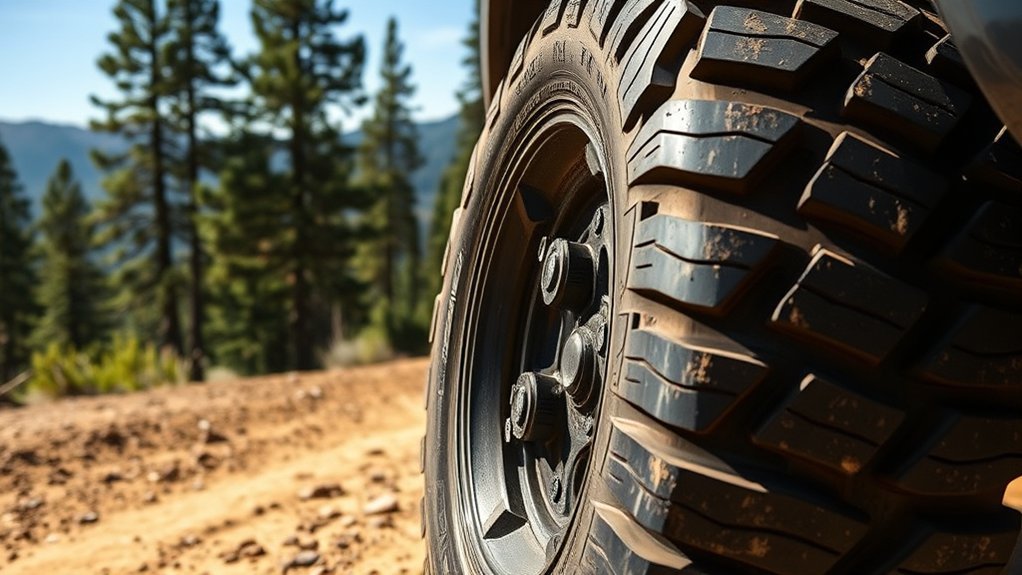
Choose a tire for the conditions you actually drive in, not the most aggressive tread you may use once a year. Confirm the required size, load index, speed rating, and wheel fitment on the driver-door label and in the owner’s manual.
Tire Type Comparison
| Tire Type | Best For | Main Tradeoff |
|---|---|---|
| Highway all-season | Commuting, road trips, towing on pavement, and light gravel use | Less grip and sidewall protection on difficult trails |
| All-terrain | Mixed pavement, dirt roads, camping, and moderate trail driving | May add noise, weight, rolling resistance, and faster irregular wear if neglected |
| Winter or severe-snow-rated | Regular driving in snow, ice, and freezing temperatures | Seasonal changeover and faster warm-weather wear |
| Mud-terrain | Frequent deep mud, loose terrain, and demanding off-road use | More road noise and usually less refined wet-road behavior |
When All-Terrain Tires Make Sense
All-terrain tires suit many 4Runner owners because they balance road manners with stronger traction on gravel, dirt, and moderate trails. Look beyond the tread appearance. Compare wet braking, winter rating, load capacity, weight, noise, sidewall construction, warranty, and the exact size available for your trim.
If you drive mostly on pavement, a highway all-season tire may last more evenly and ride more quietly. If you regularly encounter severe winter weather, use four suitable winter or severe-snow-rated tires rather than assuming every all-terrain tire provides the same snow performance.
Highway Tire Considerations
A highway tire is often the better choice for daily commuting, long trips, and towing on paved roads. It can offer lower noise and more predictable wear than an aggressive off-road tread. Select a tire with the correct load capacity, especially when you carry passengers, cargo, accessories, or a trailer.
Note: A higher load range does not automatically make a tire better for every 4Runner. Heavier constructions can change ride quality and handling. Use a size and rating approved for your vehicle and intended use.
Easy Maintenance Tips to Make Your 4Runner Tires Last Longer
- Check cold pressure monthly: Measure all road tires and the spare before driving or after the vehicle has been parked long enough for the tires to cool.
- Inspect the full tread width: Measure the inner, center, and outer grooves. One good reading can hide shoulder wear.
- Rotate on the correct schedule: Use the interval and pattern in your model-year Toyota maintenance guide and the tire maker’s warranty terms.
- Record each service: Keep dates, mileage, pressure readings, tread measurements, rotations, and alignment work. These records reveal wear trends and may support a warranty claim.
- Respond to uneven wear early: Correct pressure, alignment, balance, or worn suspension parts before they ruin the remaining tread.
- Inspect after trail use: Look for cuts, embedded stones, missing tread chunks, sidewall scuffs, wheel damage, and mud packed inside the wheels.
- Reinflate after airing down: Return to the placard pressure before sustained road speeds. Low trail pressure is not safe for normal highway driving.
- Stay within load limits: Account for passengers, cargo, towing equipment, and accessories. Overloading builds heat and can damage tires.
Pro Tip: Write each tire’s tread depth on a simple rotation log. If one position loses tread much faster than the others, you can investigate pressure, alignment, or suspension problems before replacement becomes necessary.
Matching Replacement Tires on a 4WD 4Runner
Replacement tires should meet the size, load index, and speed rating recommended by Toyota or the tire manufacturer. The U.S. Tire Manufacturers Association recommends replacing all four tires together for the best overall performance when practical.
Matching matters even more on 4WD models. Toyota warns against mixing tires with different makes, models, tread patterns, or significantly different treadwear on 4WD vehicles. Differences in rolling circumference can also affect handling and place extra demand on drivetrain components.
If one tire is damaged, do not assume a single new tire is acceptable. Ask a qualified tire professional to measure the remaining tread and check Toyota’s guidance for your model year. Depending on the difference, you may need a matched pair, a shaved replacement tire, or a full set.
[Products Worth Considering]

This portable cordless tire inflator delivers up to 160 PSI with fast 17 L/min airflow to help you quickly top up tires and get back on the road. It features dual power mode, running on a 21V rechargeable battery or a 12V DC adapter for convenient roadside use. An automatic shut-off with digital pressure gauge helps prevent overinflation, and a built-in LED light improves visibility in low-light conditions.

RVMATE dual-axle RV tire covers help shield your tires from sunlight, snow, rust, and dirt to keep them in better condition in harsh weather. Made with heavy-duty waterproof, UV-resistant 420D Oxford fabric, they provide strong shading and help reduce wear. They install easily by placing the cover on the wheel and fastening the rope for a stable fit.
Compare Tire Models, Not Just Brand Names
A brand-wide mileage claim is not reliable because every manufacturer sells several tire families. Compare the exact model and size using the same criteria:
- Correct fit: Size, load index, speed rating, wheel width, and clearance.
- Primary use: Highway, mixed terrain, winter, mud, towing, or heavy loads.
- Wet and winter performance: Do not sacrifice the conditions you face most often for a tread style you rarely need.
- Warranty terms: Check the mileage limit for your exact size and the rotation, alignment, and documentation requirements.
- Weight and construction: A heavier tire can affect acceleration, braking, ride, and fuel use.
- Replacement availability: Common sizes are easier to match after future damage.
Use warranty mileage as one comparison point, not proof of real-world life. Two owners can get different results from the same tire because of pressure, routes, load, climate, maintenance, and driving style.
When to Replace Your 4Runner Tires
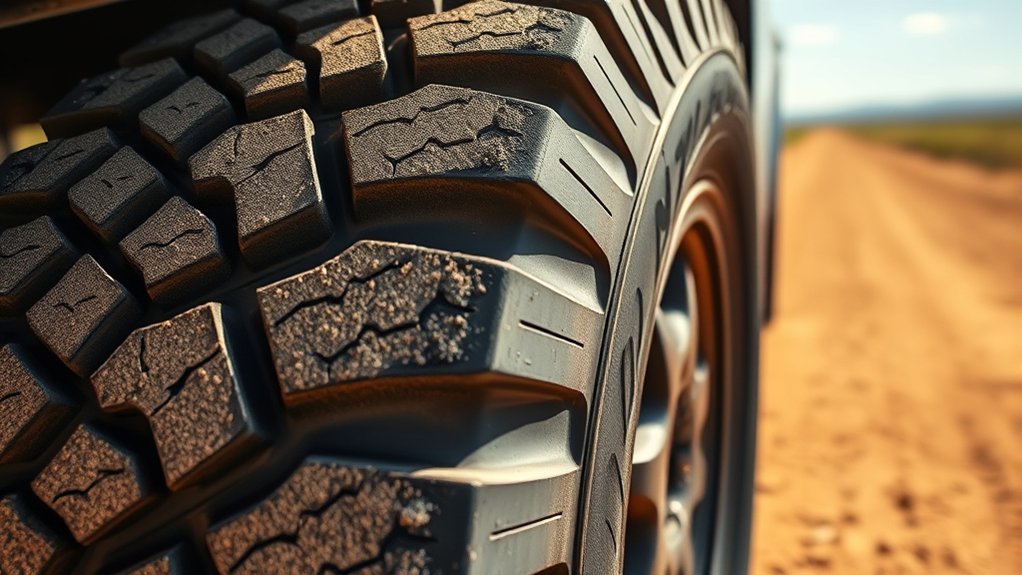
Replace or professionally inspect your tires when any of these conditions appears:
- The tread reaches 2/32 inch or the treadwear bars are flush with the tread.
- A tire has a bulge, exposed cords, deep cracking, separation, or an unrepairable puncture.
- It repeatedly loses pressure or cannot maintain the placard pressure.
- Uneven wear remains after pressure, alignment, balance, and suspension problems are corrected.
- Grip has become unsuitable for rain, snow, trails, towing, or your normal driving conditions.
- Noise, vibration, pulling, or thumping begins and a professional traces it to the tire.
- The tire has reached the age limit set by its manufacturer, or an older tire fails a professional inspection.
Do not wait for every tire to reach the same minimum if one has damage or severe wear. Safety comes before using the last portion of a treadwear warranty.
Planning Your 4Runner Tire Budget
Budget for the full installed set, not only the advertised tire price. Your total may include mounting, balancing, valve or TPMS service, alignment, disposal fees, taxes, and a full-size spare when your rotation pattern includes it.
A simple comparison is cost per warranted mile:
Installed set cost ÷ limited treadwear warranty miles = planned cost per warranted mile
This formula does not predict actual life, but it helps you compare similar tires. Also consider wet grip, winter performance, trail durability, road noise, availability, and warranty exclusions. A cheaper tire can cost more if it wears unevenly, performs poorly for your use, or is difficult to replace with a matching model.
Frequently Asked Questions
Do 4Runner tires always last 60,000 to 80,000 miles?
No. Some tire models carry warranties within or near that range, while others do not. Actual life depends on the exact tire, pressure, rotation, alignment, load, terrain, damage, climate, and age. Replace tires based on condition and safety, not mileage alone.
Is 40,000 miles a lot for 4Runner tires?
It depends on the tire and how the 4Runner is used. Forty thousand miles may be early for a long-warranty highway tire but reasonable after demanding off-road use, towing, damage, or irregular wear. Check tread depth, age, pressure history, and the tire’s warranty.
Is a 70,000-mile tire good for a 4Runner?
A 70,000-mile limited warranty can be useful for highway-focused driving, but it does not prove the tire is the best fit. Confirm the exact size, load rating, wet and winter performance, trail capability, and warranty conditions before buying.
How often should you rotate 4Runner tires?
Follow the maintenance guide for your exact model year and the tire maker’s warranty. NHTSA notes that 5,000 to 8,000 miles is a common interval when the vehicle manufacturer recommends rotation. Rotate sooner if irregular wear appears.
Should you replace all four tires on a 4WD 4Runner?
Replacing all four together is usually the safest way to maintain matched traction and rolling circumference. If only one or two need replacement, have a qualified tire professional measure the remaining tread and follow Toyota’s model-year guidance before choosing a partial replacement.
How old is too old for a 4Runner tire?
Follow the tire manufacturer’s age limit and your Toyota manual. NHTSA says some vehicle and tire manufacturers recommend replacement at six to ten years regardless of tread. Older tires should receive regular professional inspections because age damage is not always visible.
Conclusion
Your 4Runner’s tires may reach a long treadwear warranty, but no universal mileage applies to every tire or owner. Use the exact tire warranty for planning, then rely on monthly pressure and tread checks, correct rotation, alignment, age, damage, and real driving performance to decide when replacement is due.
Choose tires that match your model year, load, weather, and terrain. On 4WD models, keep all four closely matched. When you find a bulge, exposed cords, rapid air loss, severe vibration, or unsafe tread, stop trying to stretch the mileage and replace or inspect the tire promptly.
Sources
- NHTSA TireWise: tire pressure, tread depth, rotation, alignment, tire age, and replacement guidance.
- NHTSA Winter Driving Tips: cold-pressure checks, tread inspection, damage checks, and age awareness.
- Toyota 4Runner Winter Driving Guidance: matching tires and using snow tires on all wheels.
- U.S. Tire Manufacturers Association: Replacing Tires: replacement size, load rating, speed rating, and replacing fewer than four tires.
- Toyota 4Runner Maintenance Data: model-specific tire sizes, cold inflation pressures, wheel sizes, and wheel-nut specifications.

Related Articles

When to Switch From All-Season to Winter Tires on a 4Runner
Ineffective all-season tires in cold weather can jeopardize your safety—discover when to make the crucial switch for better traction and handling.
Read More
How Long Do Toyota 4Runner Tires Typically Last
How long do Toyota 4Runner tires typically last? Discover the factors that influence tire longevity and essential tips for maintenance.
Read More
How to Choose the Right Tires for Your 4Runner Build
Match your 4Runner's tires to your build goals, but one wrong choice could cost you thousands—here's what most owners overlook.
Read More