
4Runner Tire Noise After Rotation: Is It Normal
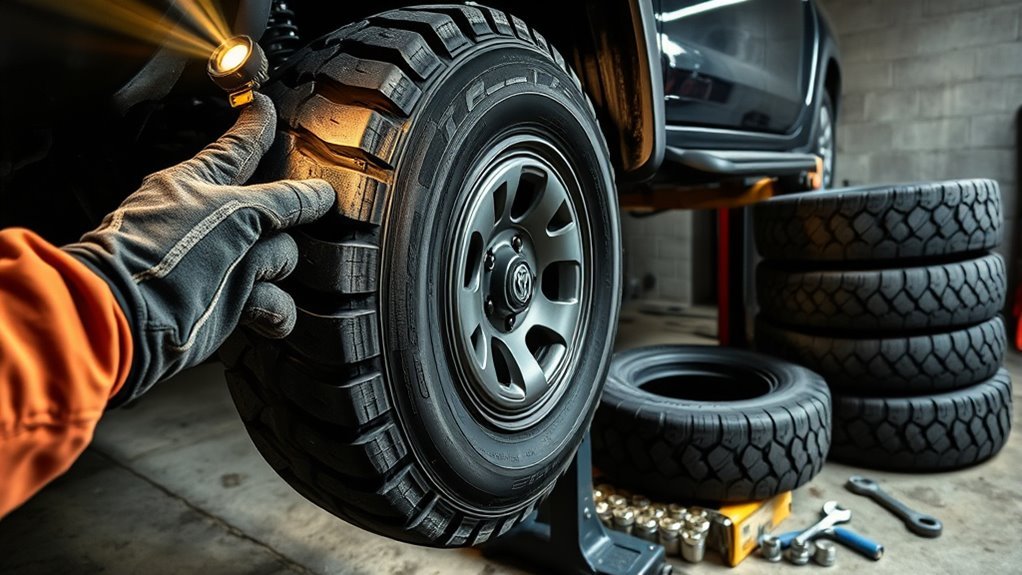
You may notice more tire noise after rotating your Toyota 4Runner, especially if the tires already had uneven wear or an aggressive all-terrain or mud-terrain tread. In many cases, the sound is temporary because the tires are now running in new positions with different loads and contact angles.
The important part is knowing what is normal and what is not. A mild hum that fades after some driving is usually less concerning than a new thump, shake, steering vibration, or noise that gets louder with speed. Use the steps below to decide whether to keep driving, check pressure, return to the tire shop, or replace damaged tires.
Quick Answer
A 4Runner can sound louder after tire rotation because tires develop position-specific wear. When those worn tread blocks move to a new axle, they can hum until they settle. Mild noise may improve within a few hundred miles, but vibration, thumping, wobble, or worsening noise needs a pressure, lug torque, balance, alignment, and tire inspection.
Key Takeaways
- A mild post-rotation hum is common when old wear patterns move to new positions.
- Noise with vibration, thumping, pulling, or steering shake is not something to ignore.
- Check cold tire pressure using the driver-side door placard or owner’s manual, not the tire sidewall.
- Mud-terrain tires are naturally louder than highway tires, and uneven wear can make them much louder after rotation.
- Tires at 2/32 inch tread depth, with exposed cords, sidewall bulges, or severe cupping should be replaced, not rotated again.
At a Glance
| Time Required | 10 to 20 minutes for a driveway inspection; 30 to 90 minutes if a shop checks balance and alignment. |
| Difficulty | Easy for visual checks; moderate to advanced for DIY rotation or torque checks. |
| Tools Needed | Tire pressure gauge, tread depth gauge or penny, flashlight, gloves, torque wrench if checking lug nuts. |
| Cost | Free for basic checks; shop balancing, alignment, or tire replacement varies by location and tire size. |
Warning: Stop driving and have the 4Runner inspected if the noise comes with strong vibration, thumping, wobble, a loose-wheel feeling, exposed cords, a sidewall bulge, or sudden pulling. Those symptoms can point to a loose wheel, damaged tire, bent wheel, balance issue, alignment problem, or suspension wear.
Why Tire Rotation Makes Your 4Runner Louder
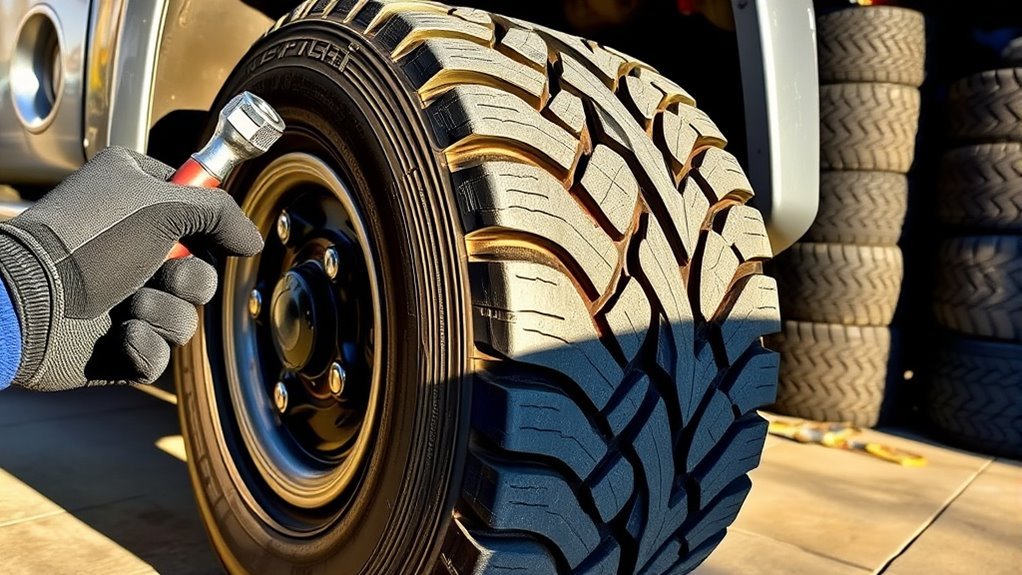
Tire rotation is meant to even out tread wear, but it can also reveal wear that was already there. A tire that spent thousands of miles on the rear axle may have worn quietly in that position. Once it moves to the front, the same wear pattern is now closer to the steering system, where you can hear and feel it more.
This is especially common on trucks and SUVs because the front tires handle steering, braking load, and cornering forces. Rear tires often wear differently. When the tires swap positions, tread blocks meet the road at a new angle, and that can create a hum, growl, or light vibration.
According to Michelin’s tire rotation guidance, tires can develop minor wear patterns in one position, and moving them can cause a slight change in road noise or vibration for a few hundred miles. If the sound fades, it was likely a normal adjustment. If it gets worse, you need to inspect the tires and wheels.
[Products Worth Considering]

The JACO FlowPro Tire Inflator measures, inflates, and airs down tires up to 100 PSI with battery-free operation and ±2% accuracy after calibration. It features a glowing pressure dial for night visibility, a heavy-duty steel build with a hybrid hose, and a precision push-to-inflate thumb trigger. The patented Lightning Air Chuck locks on for a secure seal, and the kit includes quick-connect hardware for easy inline use with your air compressor.

EVOULTES heavy duty tire inflator with an integrated gauge delivers accurate pressure readings from 10–120 PSI, helping you inflate, deflate, and check tires in one tool. The 16.5-inch extended dual-head air chuck with swivel base reaches hard-to-access dual wheel valves on trucks and RVs. A brass trigger core and side-mounted air release valve make operation smooth, with standard 1/4" NPT threading and quick-connect compatibility for easy setup.

Keep RV, trailer, or truck dual-axle tires protected with waterproof, UV-resistant covers that help guard against sunlight, snow, rust, and dirt. The dual tire covers are easy to install with a rope/bungee fastener for a stable fit that won’t easily slip. Designed for 27–30 inch diameter wheels, they help maintain tire condition through harsh weather.
Safe to Drive? Normal Post-Rotation Noise vs. Warning Signs
A small change in tire sound after rotation can be normal. A new vibration, thump, shake, or wobble is different. Use this table to separate normal tread adjustment from symptoms that need immediate attention.
| Usually Normal | Inspect Immediately |
|---|---|
| Light hum that begins right after rotation | Thumping, clunking, wobble, or a loose-wheel feeling |
| Noise that slowly improves over a few hundred miles | Steering wheel vibration that increases with speed |
| Slightly louder tread sound from aggressive tires | Noise that gets worse every day after rotation |
| No pulling, no shake, and no dashboard warning | Pulling, uneven braking feel, TPMS warning, or visible tire damage |
The National Highway Traffic Safety Administration says tire maintenance includes proper inflation, tread checks, rotation, balance, and alignment. If your 4Runner feels unstable after a tire rotation, treat that as a safety issue, not just an annoyance.
Check These 3 Things First
Before you assume the rotation was done wrong, check the simple items that often create post-service noise.
1. Check Cold Tire Pressure
Use a tire pressure gauge when the tires are cold, meaning the 4Runner has been parked for at least three hours. Do not use the maximum PSI molded on the tire sidewall as your target. Use the Tire and Loading Information Label on the driver-side doorjamb or your Toyota owner’s manual.
If one tire is much lower than the others, it can create extra road noise, uneven contact, and heat. If one tire is much higher, it can ride harshly and wear the center of the tread faster.
2. Check Lug Nut Torque If the Noise Feels Like a Wobble
If the noise started immediately after a shop visit and feels like a wobble, clunk, or loose-wheel shake, do not keep driving. Ask the shop to verify the lug nuts were tightened to the correct Toyota specification for your model year and wheel type. A torque wrench is the right tool for this job.
3. Look for Visible Tire Damage
Park on level ground and inspect each tire with a flashlight. Look for bulges, cuts, exposed cords, nails, uneven shoulders, missing tread chunks, and tread blocks that look scalloped or chopped. Any sidewall bulge or exposed cord means the tire should not be used.
Note: Newer vehicles have tire pressure monitoring systems, but NHTSA warns that TPMS is not a substitute for monthly tire pressure checks with a gauge.
How New Tire Positions Expose Uneven Wear
When you rotate your 4Runner’s tires, you move established wear patterns into new jobs. A tire that was quiet on the rear may become loud on the front because front tires transmit more feedback through the steering wheel and cabin.
Wear Pattern Exposure
Run your hand lightly over the tread surface. If it feels smooth in one direction but sharp or saw-toothed in the other, that is often called feathering or heel-toe wear. If the tread has dips around the tire, that is cupping or scalloping. Both can become louder after rotation.
| Wear Pattern | What You May Hear | Common Cause to Check |
|---|---|---|
| Feathering or heel-toe wear | Rhythmic hum or growl | Toe alignment, skipped rotation intervals, aggressive tread |
| Cupping or scalloping | Roar, droning, or helicopter-like rhythm | Balance, shocks, struts, suspension wear, tire damage |
| Center wear | Higher-pitched whine or harsh ride | Overinflation or load mismatch |
| One-edge shoulder wear | Growl that changes in turns | Camber, toe, worn suspension, hard cornering |
Position Change Effects
The front axle makes uneven tire wear more obvious because it carries steering forces. A worn tire moved from the rear to the front may suddenly sound louder, even though the tire did not become damaged during the rotation.
If the noise follows one tire after another rotation or after moving that tire to a different corner, that tire is the likely source. If the noise stays in the same corner of the vehicle, check the wheel bearing, brake, suspension, alignment, or wheel.
Why Bad Alignment Makes Rotated Tires Noisy
Bad alignment can make post-rotation noise worse because it forces the tires to scrub against the road instead of rolling cleanly. Toe problems often create feathered tread. Camber issues can wear one shoulder faster than the other. Once those worn tires are moved, the sound may become more obvious.
NHTSA explains that wheel alignment helps maximize tire life and helps prevent the vehicle from veering on a straight, level road. If your 4Runner pulls, the steering wheel is off-center, or the tire shoulders are wearing unevenly, ask for an alignment check.
An alignment is not automatically required after every rotation. It is worth checking when you see uneven wear, feel pulling, hit a curb or pothole, install new suspension parts, change tire size, or notice vibration that was not there before.
If You Have Mud-Terrain Tires: Why They Get Louder After Rotation
Mud-terrain tires are built for off-road grip first. Their large tread blocks, open voids, and strong shoulders can create more pavement noise than highway tires. After rotation, uneven block wear can make that sound jump noticeably.
For example, BFGoodrich describes the Mud-Terrain T/A KM3 as a tire for serious off-road use with massive tread blocks and mud-focused shoulder features. That kind of tread can be excellent off-road, but it can also be louder on pavement, especially as it wears.
This does not mean your tires are defective. It means tread design and wear pattern matter. A mud-terrain tire with even wear may sound controlled. The same tire with cupping, feathering, or uneven pressure can drone loudly after rotation.
Pro Tip: If you run aggressive tires, keep a rotation and balance log. Note mileage, pressure, tire position, and noise changes. This makes it much easier to tell whether the problem follows one tire or stays with one corner of the 4Runner.
Should You Undo the Rotation or Keep Driving?
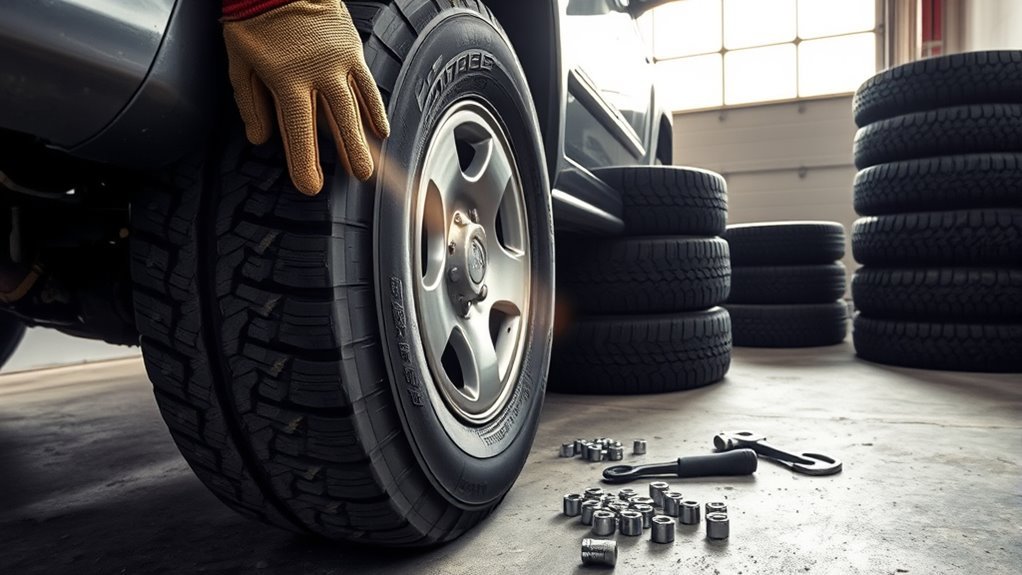
If the sound is only a mild, steady hum and there is no vibration, no pulling, and no visible damage, you can usually keep driving and monitor it. Many tires settle into the new position after a few hundred miles.
If the sound is sharp, rhythmic, or paired with vibration, do not wait for it to “break in.” Return to the shop and ask them to check pressure, lug torque, wheel balance, tire condition, wheel damage, and alignment. A balance weight may have fallen off, a wheel may be bent, or the rotation may have exposed a tire that is already unevenly worn.
| What You Notice | Best Next Step |
|---|---|
| Mild hum, no shake, no pulling | Monitor for a few hundred miles and check pressure. |
| Steering wheel vibration at speed | Have the wheels balanced and inspected. |
| Pulling or off-center steering wheel | Ask for an alignment check and tire wear inspection. |
| Thump, wobble, or loose-wheel feel | Stop driving and have lug torque, wheels, and tires checked immediately. |
| Tread below 2/32 inch, exposed cords, or bulge | Replace the tire. Do not try to fix it with another rotation. |
3 Noisy Tire Problems You Can Diagnose in Your Driveway
You can find many post-rotation tire problems before visiting a shop. Park safely, set the parking brake, let the tires cool, and inspect one tire at a time.
[Products Worth Considering]
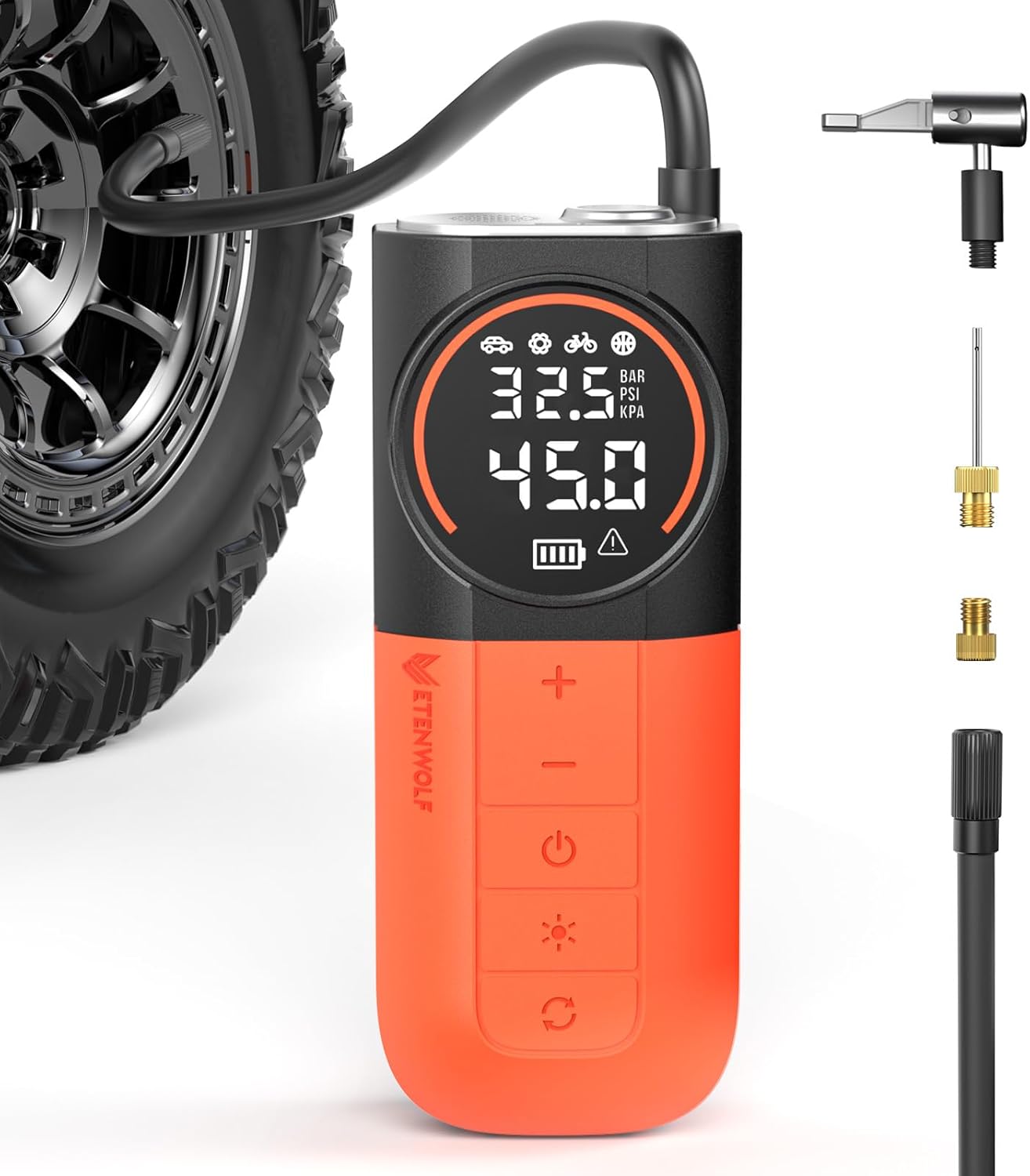
The ETENWOLF S1 cordless tire inflator delivers ultra-fast inflation with up to 160 PSI and a 20 L/min airflow for quicker tire top-offs. Its 5200mAh battery and cooling...
1. Tire Wear Patterns
Look across each tread face. If the blocks look chopped, uneven, or dipped, the rotation probably revealed an existing wear problem. Cupping often creates a roaring sound. Feathering often creates a rhythmic hum. One-edge wear often points toward alignment or suspension issues.
Measure tread depth in several grooves across each tire. NHTSA says tires should be replaced when tread is worn down to 2/32 of an inch. If one tire is much lower than the others, the set may also create more drivetrain stress on a 4WD vehicle.
2. Wheel Balance Issues
Wheel imbalance often feels like vibration that gets stronger at certain speeds. NHTSA notes that balancing helps wheels rotate properly and helps prevent shaking or vibration. If the 4Runner was smooth before rotation but now shakes through the steering wheel, ask for a balance check.
Also ask the shop to inspect for missing wheel weights, mud packed inside the wheel, uneven tire seating, bent wheels, and tire runout. Off-road driving can leave dirt, stones, or dried mud inside the wheel, and that can mimic a balance issue.
3. Tire Pressure and Load
Pressure affects tread contact. A low tire can roar and heat up. An overinflated tire can ride harshly and wear the center faster. Check all four tires cold and match the driver-door placard unless your tire shop has set a safe pressure for a changed tire size and load.
If your 4Runner carries armor, a roof rack, drawers, camping gear, or towing weight, ask a tire professional whether your pressure and load rating still match how the vehicle is used.
Directional, Staggered, and 5-Tire Rotation Cautions
Not every tire can be rotated the same way. Michelin notes that directional tires are designed to roll one direction and should stay on the same side of the vehicle unless they are remounted. Staggered setups, where front and rear tire sizes differ, may not allow standard rotation.
Most 4Runners use the same tire size front and rear, but aftermarket builds can change that. If you have directional tires, a full-size spare in the rotation, different wheel offsets, or a changed tire size, follow the tire maker’s pattern and your Toyota guidance.
You can find official Toyota manuals and warranty information through Toyota Owners Manuals and Warranties. Use your model year, trim, wheel size, and tire placard as the final guide.
The Exact Words That Get Your Mechanic to Fix This Fast
Clear symptoms help a shop diagnose the problem faster. Instead of saying “my tires are loud,” describe when the noise started, what it sounds like, and what speed makes it worse.
Use this script:
“The tire noise started right after rotation. It is a hum, thump, or vibration at about [speed] mph. Please check cold tire pressure, lug torque, wheel balance, missing weights, tire runout, uneven tread wear, bent wheels, and alignment.”
If you have mud-terrain or all-terrain tires, add the tire model and mileage:
“The tires are [brand and model] with about [miles] miles on them. Please tell me whether the noise is from normal tread pattern, cupping, feathering, balance, alignment, or tire damage.”
Ask the shop to show you any abnormal wear. A good technician should be able to point to the tread pattern, balance result, alignment reading, or damaged part that explains the noise.
When You Just Need New Tires (No Rotation Will Help)
Rotation cannot save every tire. If the rubber is too worn, too damaged, too old, or too uneven, moving it to another position will only move the noise.
| Symptom | What It Means | Best Fix |
|---|---|---|
| Tread at 2/32 inch | Tire is no longer safe by NHTSA guidance | Replace tires |
| Exposed cords or belt material | Structural tire damage | Do not drive; replace |
| Sidewall bulge | Possible internal damage | Do not drive; replace |
| Severe cupping on all tires | Wear pattern is already set | Inspect suspension, then replace tires if needed |
| Old, cracked, dry-rotted rubber | Age and weathering may reduce safety | Have a tire professional inspect and replace if unsafe |
If you want a quieter daily ride, consider switching from mud-terrain tires to a less aggressive all-terrain or highway-terrain tire the next time you replace the set. You may give up some off-road bite, but you can gain cabin comfort, smoother pavement manners, and often better tread life.
How to Rotate Next Time to Avoid This Noise
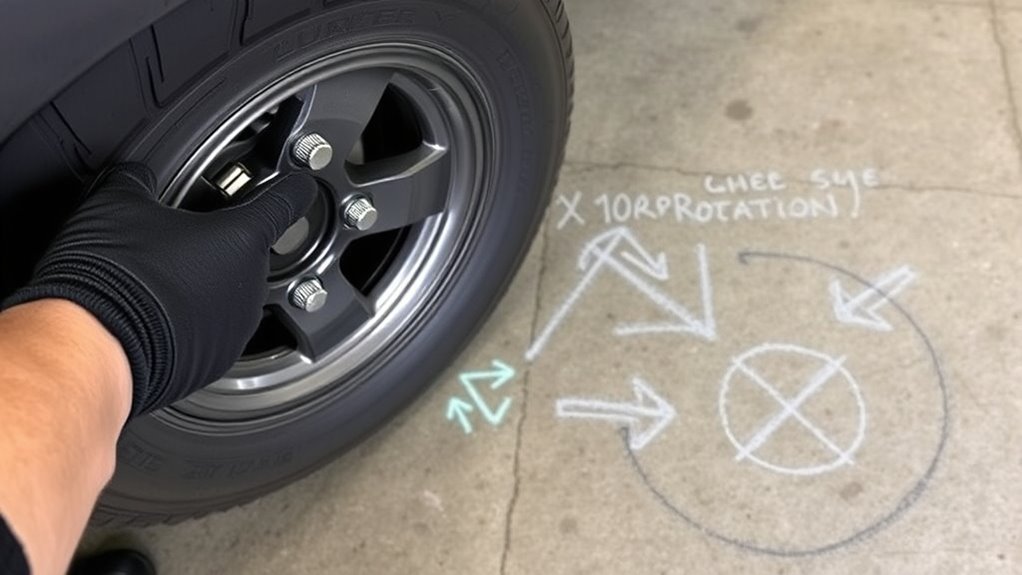
The best way to reduce noise after the next rotation is to prevent uneven wear before it gets severe. Follow the interval in your Toyota manual first. As a general guideline, NHTSA says to rotate tires every 5,000 to 8,000 miles if recommended by the vehicle manufacturer. Michelin gives a similar standard recommendation of 5,000 to 7,000 miles while still telling drivers to follow the vehicle maker’s schedule.
- Check cold tire pressure monthly and before long trips.
- Rotate on schedule instead of waiting until the tires get loud.
- Use the correct rotation pattern for your tire type and drivetrain.
- Balance the wheels if you feel vibration or see irregular wear.
- Check alignment when the vehicle pulls, the steering wheel is off-center, or the tire shoulders wear unevenly.
- Inspect shocks, struts, bushings, and wheel bearings if cupping keeps returning.
- Record tire position and mileage so you know whether noise follows a specific tire.
If you drive off-road often, clean mud and stones from the wheels before highway driving. Packed debris can throw off balance and create vibration that feels like a tire problem.
Frequently Asked Questions
How long should tire noise last after rotation?
A light hum may improve within a few hundred miles as the tires settle into their new positions. If the noise gets louder, becomes rhythmic, or comes with vibration, do not wait. Check pressure and have the tires, balance, wheels, lug torque, and alignment inspected.
Will tire noise affect my gas mileage?
The sound itself does not reduce fuel economy, but the cause might. Underinflation, uneven wear, poor alignment, and aggressive tread can increase rolling resistance. Correct pressure, balance, alignment, and tire condition help protect fuel economy.
Can I rotate tires myself without causing noise?
Yes, but only if you use the correct pattern, support the vehicle safely, inspect the tires first, and torque the lug nuts to the correct specification. If you do not have jack stands and a torque wrench, a shop rotation is safer.
Does tire pressure change noise after rotation?
Yes. Low pressure can make a tire run hotter and louder, while high pressure can make the ride harsher and increase center wear. Check pressure cold and use the PSI on your 4Runner’s door placard or owner’s manual.
Are certain tire brands quieter after rotation?
Yes. Highway and touring tires are usually quieter than aggressive all-terrain or mud-terrain tires. Brand matters, but tread pattern, tire age, pressure, balance, alignment, and wear pattern usually matter more after a rotation.
Should I rotate the tires back if they got loud?
Not right away if the noise is mild and there is no vibration. Give the tires a short settling period and check pressure. If the noise is severe, speed-related, or paired with shake, return to the shop for inspection instead of simply undoing the rotation.
Conclusion
A louder 4Runner after tire rotation is often caused by old wear patterns meeting the road in new positions. If it is only a mild hum, it may fade after a few hundred miles. If it comes with vibration, thumping, pulling, wobble, or visible tire damage, the rotation has likely exposed a problem that needs attention.
Start with the basics: cold tire pressure, lug torque, tread depth, visible damage, and uneven wear. Then move to balance, alignment, wheel damage, and suspension checks. Rotation is meant to protect your tires, but it also gives you a useful warning when something is wearing the wrong way.
Sources
- National Highway Traffic Safety Administration: TireWise — tire pressure, tread depth, balance, alignment, tire rotation, TPMS, and tire safety guidance.
- Toyota Owners Manuals and Warranties — official Toyota owner manual and warranty lookup.
- Michelin Tire Rotation Guide — rotation intervals, directional tire cautions, and temporary post-rotation noise or vibration.
- BFGoodrich Mud-Terrain T/A KM3 — mud-terrain tire design, tread block features, and off-road tire context.

Related Articles

When to Switch From All-Season to Winter Tires on a 4Runner
Ineffective all-season tires in cold weather can jeopardize your safety—discover when to make the crucial switch for better traction and handling.
Read More
4Runner Tire Mileage: How Many Miles Should They Last
Curious about how long your 4Runner tires should last? Discover essential tips and factors that influence tire longevity.
Read More
How Long Do Toyota 4Runner Tires Typically Last
How long do Toyota 4Runner tires typically last? Discover the factors that influence tire longevity and essential tips for maintenance.
Read More