
4th Gen 4Runner Tire Size: Factory Specs and Fitment
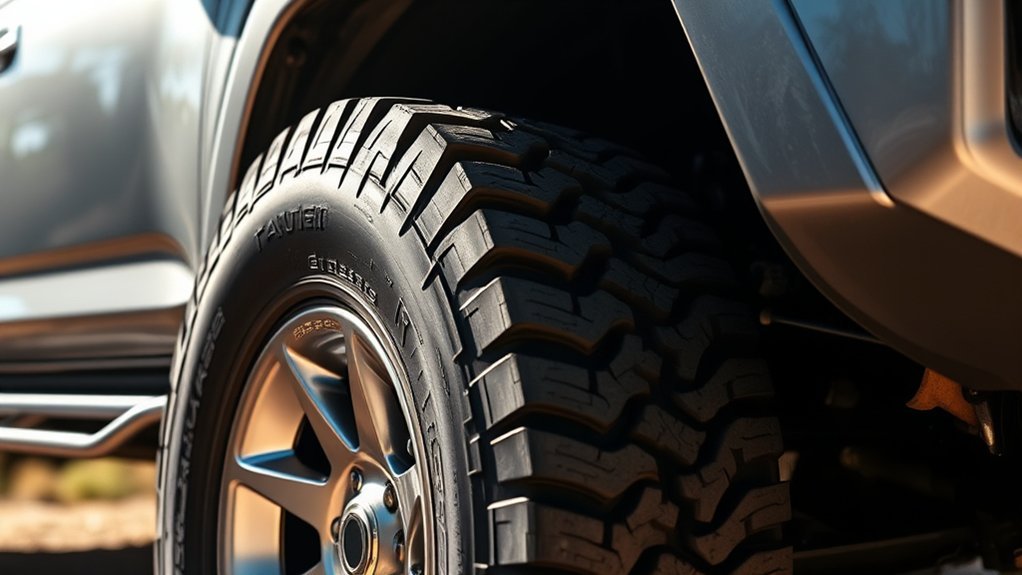
Choosing the right tire size for a 4th Gen Toyota 4Runner is not just about filling the wheel wells. The wrong size can rub, throw off your speedometer, strain the drivetrain, or make the truck feel worse on the road. The safest starting point is always the tire and loading label on your driver-side door jamb, then your wheel size, offset, lift height, and how you actually use the 4Runner.
Quick Answer
Common 4th Gen 4Runner factory tire sizes include 265/70R16, 265/65R17, and 265/60R18, depending on year, trim, and wheel package. A mild 265/70R17 is a popular OEM+ choice on 17-inch wheels, while 285/70R17 usually needs lift, trimming, alignment work, and careful offset selection.
Key Takeaways
- Check your driver-door tire label first because factory size varies by model year and wheel package.
- 265-width tires are the safest stock-style choice for most 4th Gen 4Runners.
- 275 tires may fit some stock trucks, but rubbing can happen with the wrong offset or tread shape.
- 285/70R17 is the common “33-inch” upgrade, but it usually needs lift, trimming, and alignment attention.
- Wheel offset matters as much as tire size because it changes where the tire sits in the wheel well.
At a Glance
| Time Required | 15 to 30 minutes to check tire size, wheel specs, clearance, and door-label data before buying |
| Difficulty | Easy for stock replacement, moderate for 275 or 285 upgrades, advanced for 35-inch tires |
| Tools Needed | Tire pressure gauge, flashlight, tape measure, owner’s manual, and wheel spec sheet if using aftermarket wheels |
| Cost | Usually $700 to $1,500+ for tires, plus possible alignment, trimming, lift, TPMS service, or wheel costs |
Understanding Factory Tire Sizes for the 4Runner
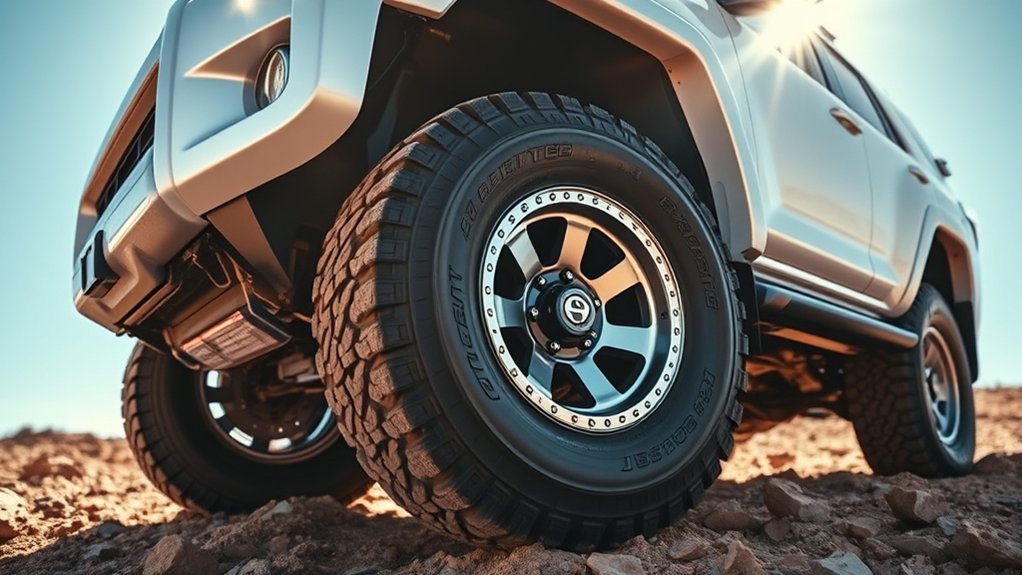
The 4th Gen 4Runner covers model years 2003 through 2009, and tire size can change by year, trim, and wheel package. The most common factory-style sizes you will see are 265/70R16, 265/65R17, and 265/60R18.
Before ordering tires, confirm your original tire size on the driver-side door jamb label or in the Toyota owner’s manual. The National Highway Traffic Safety Administration recommends using the owner’s manual or tire and loading label to find the correct tire size for your vehicle.
| Common Size | Approx. Diameter | Typical Use | Fitment Notes |
|---|---|---|---|
| 265/70R16 | About 30.6 inches | 16-inch factory wheel packages | Good stock replacement size if your door label calls for it |
| 265/65R17 | About 30.6 inches | 17-inch factory wheel packages | One of the safest stock-style choices for daily driving |
| 265/60R18 | About 30.5 inches | 18-inch factory wheel packages | Common on higher-trim or special wheel packages |
Warning: Do not assume a tire size fits just because another 4Runner owner runs it. Tire brand, tread shape, wheel offset, alignment, bumper position, mud flaps, and suspension height can all change clearance.
[Products Worth Considering]

EVOULTES heavy duty tire inflator with an integrated gauge delivers accurate pressure readings from 10–120 PSI, helping you inflate, deflate, and check tires in one tool. The 16.5-inch extended dual-head air chuck with swivel base reaches hard-to-access dual wheel valves on trucks and RVs. A brass trigger core and side-mounted air release valve make operation smooth, with standard 1/4" NPT threading and quick-connect compatibility for easy setup.
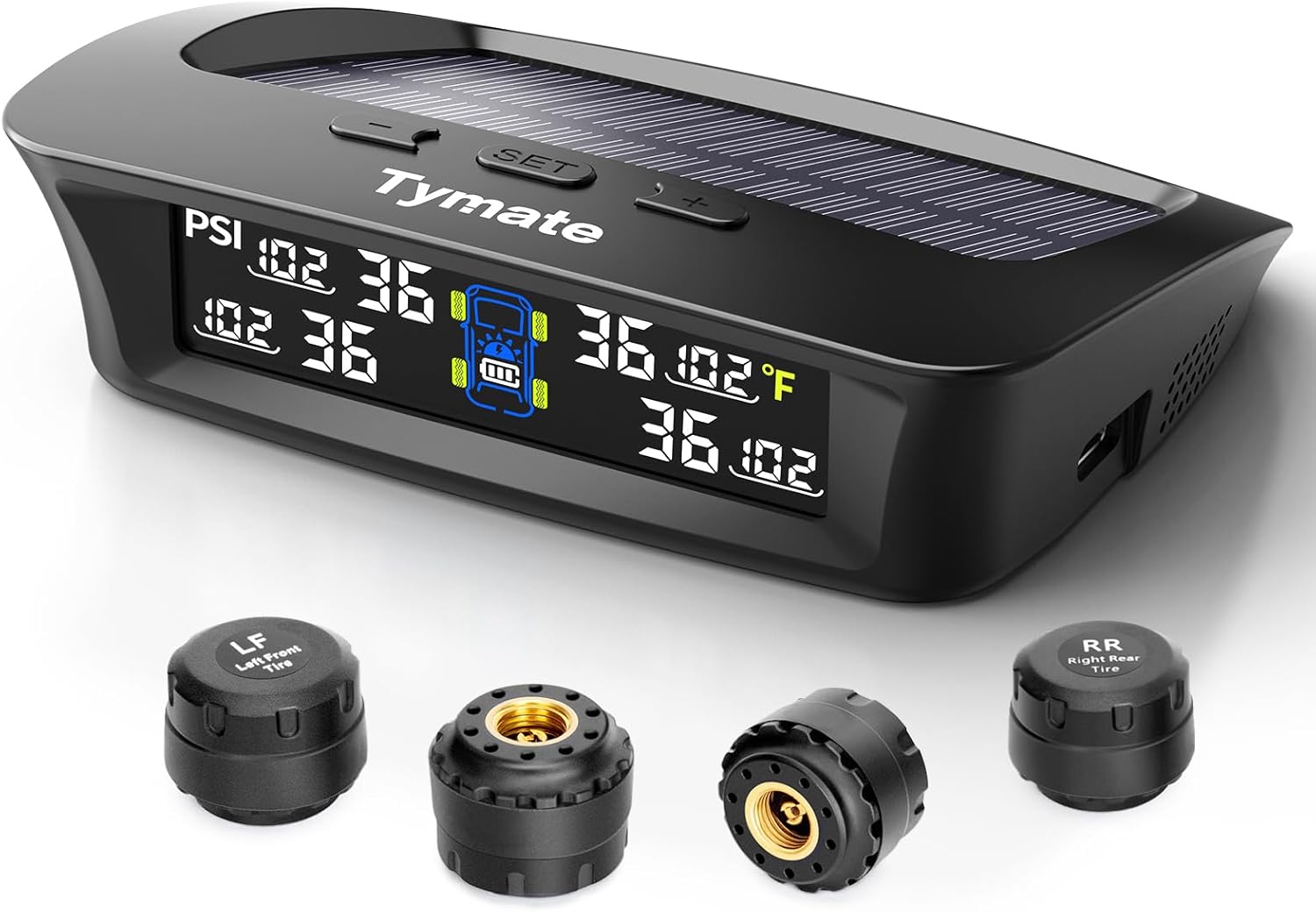
The Tymate TM3 RV TPMS delivers real-time tire pressure monitoring from 0 to 144 PSI with accurate readings and dependable wireless communication. It includes four external sensors with pre-pairing, six alarm modes for rapid leak, pressure extremes, temperature, and signal loss, plus an easy-reference setup for alert thresholds. Solar and USB-C charging help keep the display powered, while the color LCD and adaptive backlight improve visibility for safer driving and towing.

Universal magnetic jack pad with aluminum grooved design to protect vehicle pinch welds during lifting. Durable nylon pad inserts are upgraded and secured with screws to resist damage and keep in place. Designed to fit most single vehicle pinpoint welds for safer, stable jacking when changing tires, repairs, or performing oil changes.
How to Read a 4Runner Tire Size
A tire size such as 265/70R17 tells you three important things:
- 265 is the tire width in millimeters.
- 70 is the sidewall height as a percentage of the tire width.
- R17 means radial construction for a 17-inch wheel.
That means a 265/70R17 is taller than a 265/65R17 because the sidewall is 70 percent of 265 mm instead of 65 percent. It is also taller than a 265/70R16 because it uses the same sidewall ratio on a larger wheel.
A taller tire adds ground clearance under the axle, but it can also reduce acceleration, affect braking feel, change speedometer accuracy, and create rubbing at full steering lock.
Best Tire Sizes for Stock and Lifted 4Runner Setups
The best 4th Gen 4Runner tire size depends on how much work you want to do. If you want a simple replacement, stay close to the factory diameter. If you want a more aggressive off-road look, plan for clearance checks and possible trimming.
| Setup Goal | Common Size | Approx. Diameter | What to Expect |
|---|---|---|---|
| Stock replacement | 265/65R17 or factory label size | About 30.6 inches | Best for daily driving, least rubbing risk, easiest spare match |
| Mild OEM+ look | 265/70R17 | About 31.6 inches | Often workable with careful wheel choice, but check front liner and mud flap clearance |
| Slightly wider upgrade | 275/70R17 | About 32.2 inches | May rub on stock trucks depending on offset, tire model, caster, and front liner position |
| Common “33-inch” build | 285/70R17 | About 32.7 inches | Usually needs lift, trimming, alignment/caster work, and careful wheel offset |
| Major trail build | 35-inch class tires | About 34.5 to 35 inches | Expect major trimming, body mount clearance work, bump stop checks, gearing considerations, and professional setup help |
265 vs 275 vs 285: Which Size Is Better?
If you drive mostly on pavement, a 265-width tire is usually the easiest choice. It keeps steering lighter, protects fuel economy better, and reduces rubbing risk. It also gives you more all-terrain options than many people expect.
A 275 tire gives you a wider stance and a little more height when you choose a taller sidewall, but it is not automatically better. On a stock 4Runner, a 275 can rub near the mud flaps, front fender liner, or body mount area during turns or suspension compression.
A 285/70R17 is the popular upgrade for owners who want a 33-inch look. It can work very well on a lifted 4Runner, but it is rarely a simple “bolt-on and forget it” size. Plan for trimming, alignment, and full-lock steering tests before you call the job done.
Pro Tip: If you want better trail traction without major cutting, choose the best tread pattern and load rating for your use before jumping to the largest possible size.
Understanding Wheel Offset and Width for Better Fitment
Wheel offset is the distance from the hub mounting surface to the wheel centerline. Tire Rack explains that offset is measured in millimeters and can affect clearance and handling.
On a 4th Gen 4Runner, lower offset wheels usually push the tire outward. That can improve stance, but it can also make the tire swing into the body mount, bumper, mud flap, or fender liner when you turn. Too much positive offset can move the tire closer to suspension parts.
Most 4th Gen 4Runners use a 6×139.7 mm bolt pattern and a 106.1 mm center bore. Many aftermarket wheels use a larger center bore and need hub-centric rings. If you are buying wheels, confirm:
- Bolt pattern: 6×139.7 mm, also called 6×5.5 inches.
- Center bore: match or adapt correctly with proper hub-centric rings.
- Wheel width: wider wheels can change sidewall shape and clearance.
- Offset/backspacing: lower offset often increases outer poke and rubbing risk.
- Lug nut seat: factory and aftermarket wheels may require different lug nuts.
What Modifications Help Fit Larger Tires?
Larger tires usually rub first at the front of the wheel well, rear of the front fender liner, mud flaps, bumper edge, or body mount area. Do a full steering check on level ground and again after light suspension compression.
- Remove or trim mud flaps: This is one of the first places wider tires contact.
- Push or repin the front fender liner: Moving the liner forward can create useful clearance.
- Trim bumper edges carefully: Small plastic trimming can help with 275 or 285 tires.
- Use alignment and caster wisely: More positive caster can move the tire away from the rear of the fender opening, but alignment must stay within a safe range.
- Choose wheel offset carefully: A very low offset may look aggressive but can worsen body mount rub.
- Add a lift only when needed: A lift helps vertical clearance, but it does not fix every turning-clearance issue.
- Consider upper control arms: Aftermarket UCAs can help alignment range on lifted setups.
- Plan serious work for 35s: Larger tires may require body mount clearance work, cutting, bump stop tuning, and possible gearing changes.
Note: Lift height alone does not guarantee tire fitment. A 285/70R17 on one wheel can rub less than a 275 tire on another wheel if the offset, tread shoulder, and alignment are different.
[Products Worth Considering]
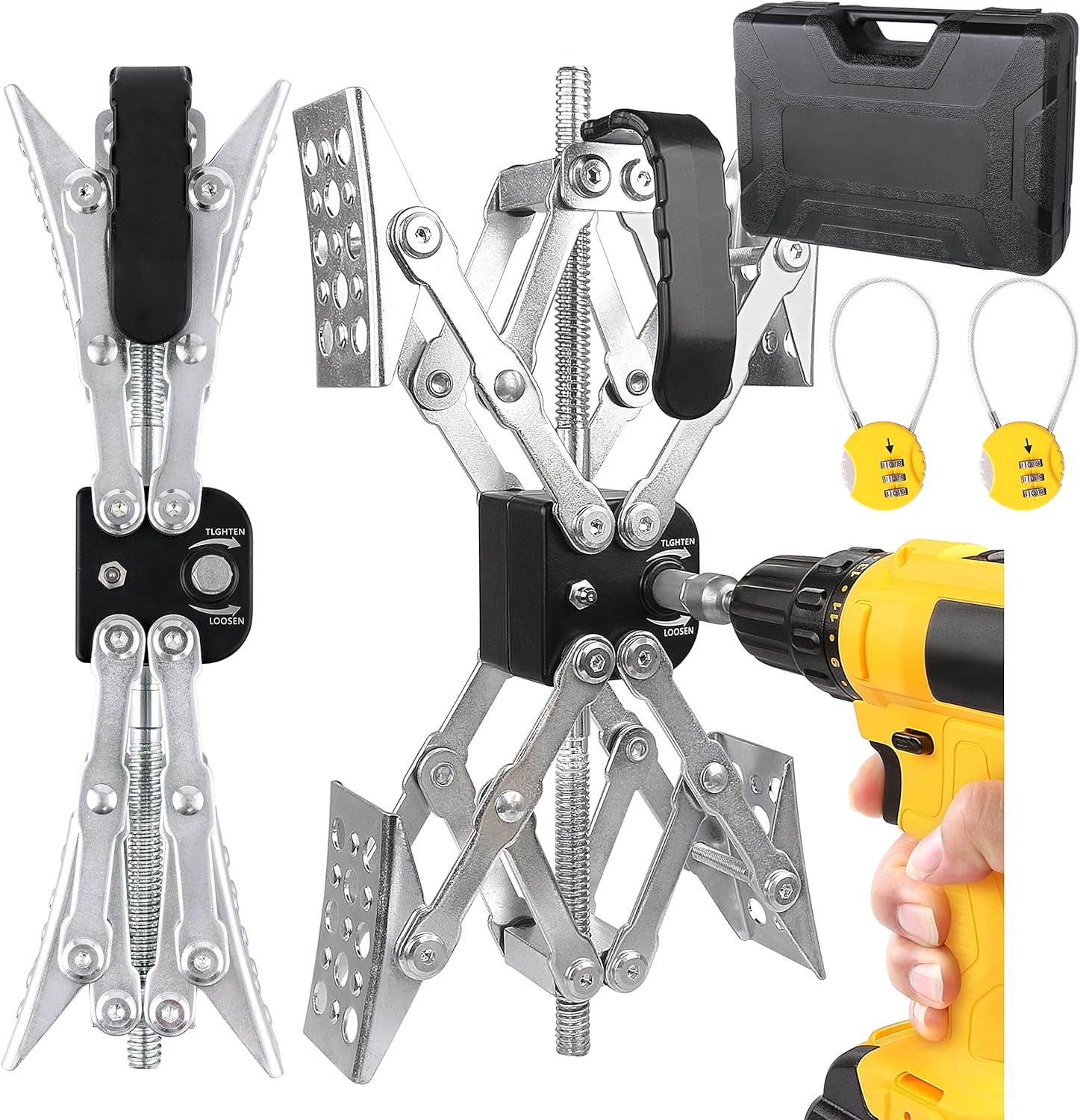
Lock the Maxchock X-style wheel stabilizers between tandem tires to reduce sway and keep your RV travel trailer secure while camping. The adjustable design fits a wide range of wheel gaps, and included hardware lets you install quickly with a power drill. Built from heavy-gauge steel with zinc plating, the chocks include locks and an organizer case for safer, more convenient use.

This roadside assistance kit helps drivers and passengers in urgent situations after an accident or breakdown, providing practical support while waiting for help. It includes a lightweight, compact tire inflator for fast inflation of standard vehicle tires, plus reinforced jumper cable protection for safer handling. Ideal for winter weather, road trips, camping, and travel, with everything stowed neatly in a trunk bag.
Safety Checks Before Buying Larger Tires
Tire fitment is also a safety issue. Before you order a larger tire, check more than the diameter.
- Load rating: Choose tires that meet or exceed the load needs shown by your vehicle and original tire specification.
- Cold tire pressure: Use the vehicle placard and tire manufacturer guidance. NHTSA says proper pressure affects safety, durability, and fuel use.
- TPMS: 2008 and 2009 4Runners use tire pressure monitoring, so sensor service or relearn may be needed after wheel or tire changes.
- Spare tire: A much smaller spare can create problems, especially on 4WD systems. Try to match the spare diameter when possible.
- Speedometer: Taller tires make the vehicle travel farther per wheel rotation, so the speedometer and odometer may read low.
- Brake and gearing feel: Heavier, taller tires can reduce acceleration and make braking feel less sharp.
- Clearance at full lock: Test both directions, forward and reverse, before driving hard or going off-road.
Frequently Asked Questions About 4Runner Tire Fitment
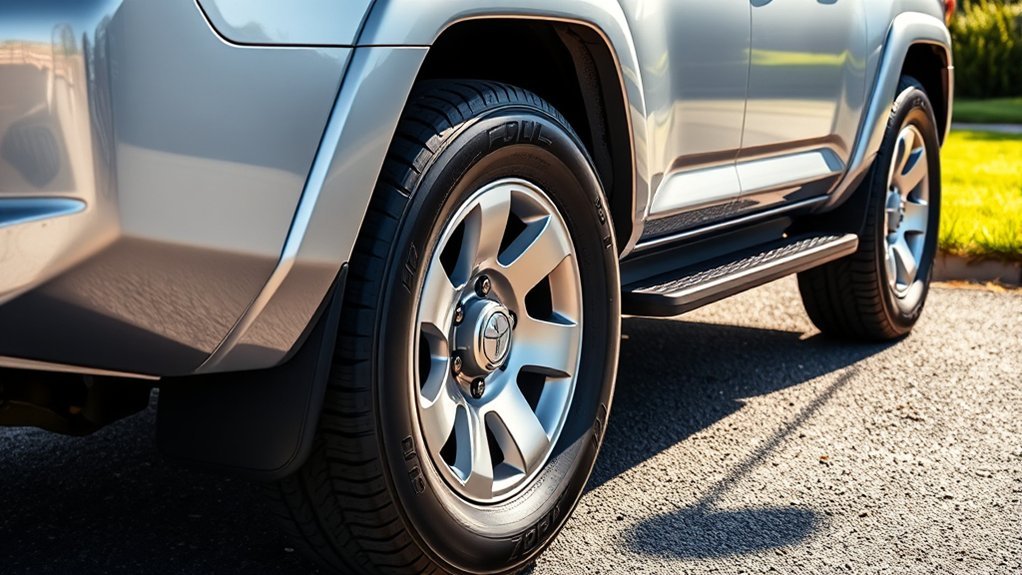
The questions below cover the most common 4th Gen 4Runner tire-size decisions, including stock fitment, 275 tires, 33s, and wheel offset.
Frequently Asked Questions
What is the stock tire size for a 4th Gen 4Runner?
Common stock-style sizes include 265/70R16, 265/65R17, and 265/60R18, depending on model year, trim, and wheel package. Check the driver-door tire and loading label or the Toyota owner’s manual before buying replacements.
Is 265 or 275 better for a 4Runner?
A 265 tire is better if you want the least rubbing risk, lighter steering, and a simple daily-driver setup. A 275 tire can add width and a slightly fuller look, but it may rub on a stock 4Runner depending on wheel offset, tire shape, and alignment.
Can you fit 33s on a stock 4th Gen 4Runner?
A true 33-inch tire is usually not a clean stock fit. The common 285/70R17 size is about 32.7 inches tall and often needs a lift, trimming, careful offset, and alignment work to prevent rubbing.
Will 275 tires fit on a stock 4Runner?
Some 275 tires can fit a stock 4th Gen 4Runner, but fitment is not guaranteed. A 275/70R17 is taller than stock and may rub at the mud flap, fender liner, bumper edge, or body mount area, especially with lower-offset wheels.
Is 265/70R17 a good OEM+ size?
Yes, 265/70R17 is a popular mild upgrade because it is about 31.6 inches tall and keeps the original 265 mm width. It can be a good choice if you want a little more sidewall and clearance without jumping to a wide 285 tire.
Do larger tires affect the speedometer?
Yes. Taller tires make each wheel rotation travel farther, so your speedometer and odometer can read lower than your actual road speed and mileage. The larger the tire diameter change, the more noticeable the error becomes.
Conclusion
The best 4th Gen 4Runner tire size depends on your wheel package, lift height, offset, and tolerance for trimming. For a simple replacement, stay with the size on your door label. For a mild upgrade, 265/70R17 is a common OEM+ choice on 17-inch wheels. For a more aggressive build, 285/70R17 can work well, but plan for lift, trimming, alignment, and rubbing checks. If you want 35s, treat it as a serious build, not a simple tire swap.
Sources
- Toyota Owners Manuals and Warranties — owner’s manual access and vehicle-specific reference checks
- NHTSA TireWise Tire Safety — tire size, tire pressure, tread, TPMS, and tire safety guidance
- Tire Rack: What Is Wheel Offset? — wheel offset definitions and clearance effects
- Toyota USA Newsroom: 2025 4Runner — confirms newer-generation grade naming such as Platinum

Related Articles

When to Switch From All-Season to Winter Tires on a 4Runner
Ineffective all-season tires in cold weather can jeopardize your safety—discover when to make the crucial switch for better traction and handling.
Read More
4Runner Tire Mileage: How Many Miles Should They Last
Curious about how long your 4Runner tires should last? Discover essential tips and factors that influence tire longevity.
Read More
How Long Do Toyota 4Runner Tires Typically Last
How long do Toyota 4Runner tires typically last? Discover the factors that influence tire longevity and essential tips for maintenance.
Read More