
Can You Drive on a Plugged Tire Long Term Safely
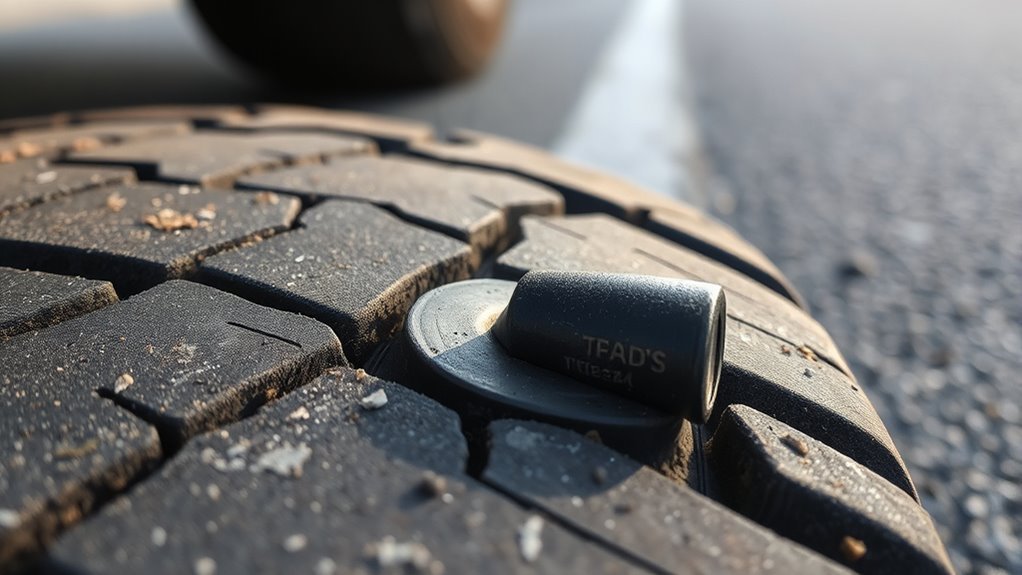
A plugged tire may get you off the shoulder of the road, but it should not be treated like a fully restored tire. A basic outside-in string plug can slow or stop air loss, yet it does not let anyone inspect the inside of the tire or seal the inner liner the way a professional repair does. How long you can drive depends on the puncture location, puncture size, tire condition, repair method, speed, load, and whether the tire was driven while flat.
Quick Answer
Drive on a plug-only tire only long enough to reach a tire professional. Industry repair guidance treats a plug alone as temporary, not a permanent repair. A lasting repair usually requires removing the tire, inspecting the inside, filling the puncture with a rubber stem, and sealing the inner liner with a patch.
Key Takeaways
- A DIY tire plug is an emergency or short-term fix, not the same as a professional plug-patch repair.
- A tire may be repairable only if the puncture is in the tread area, no larger than 1/4 inch or 6 mm, and the tire has no internal, sidewall, shoulder, bead, or severe wear damage.
- Do not plug or patch sidewall or shoulder damage. Replace the tire instead.
- Avoid highway speeds, heavy loads, and long trips after a plug-only repair until a technician inspects the tire.
- If you used Fix-a-Flat, the manufacturer says the product should be removed within 3 days or 100 miles, whichever comes first.
At a Glance
| Time Required | 5 minutes for a pressure/leak check; about 30–60 minutes for a professional inspection and repair, depending on the shop. |
| Difficulty | Easy to inspect visually; professional skill required for a proper plug-patch repair. |
| Tools Needed | Tire pressure gauge, tread depth gauge, soapy water for leak checking, and a spare tire or inflator for emergencies. |
| Cost | Varies by tire shop, tire type, and whether the tire can be repaired or must be replaced. |
Warning: If the puncture is in the sidewall or shoulder, the tire was driven flat, the tire has a bulge, or the hole is larger than 1/4 inch, do not rely on a plug. Install the spare if available and have the tire replaced or professionally inspected.
What Is a Tire Plug and When Does It Work?
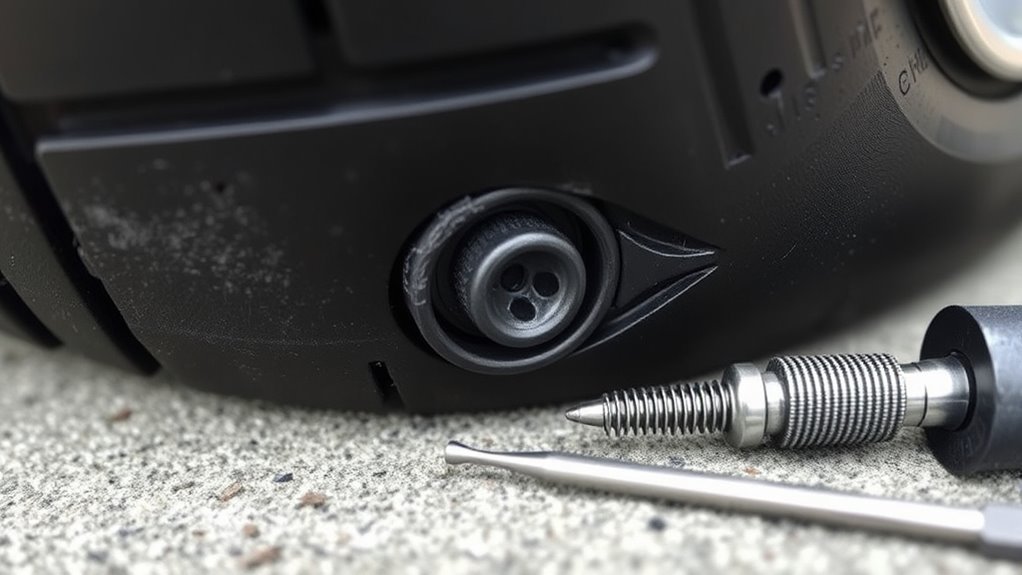
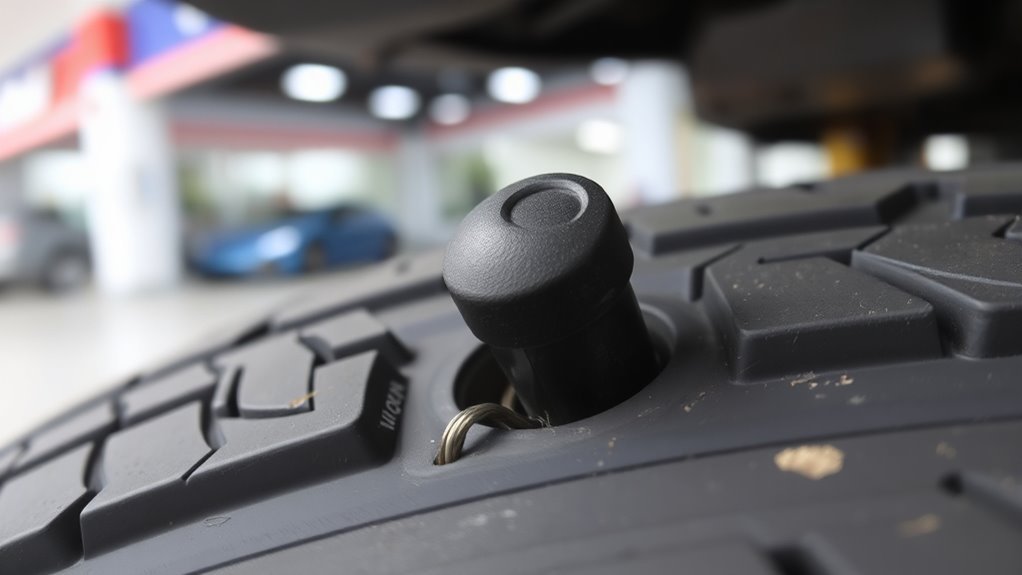
A tire plug is a rubber strip or stem used to fill a small puncture, usually caused by a nail, screw, or similar road debris. Most DIY plug kits are installed from the outside of the tire without removing the tire from the wheel.
That outside-in method can restore air pressure temporarily, but it is not the same as a complete tire repair. The U.S. Tire Manufacturers Association states that a plug alone is an unacceptable repair because a proper repair must also seal the inner liner. The Tire Industry Association also says on-the-wheel string plug repairs should be considered temporary.
A plug may work as a short-term emergency repair only when all of these are true:
- The puncture is in the tread area, not the sidewall or shoulder.
- The hole is no larger than 1/4 inch or 6 mm.
- The tire was not driven flat or severely underinflated.
- There is no bulge, belt separation, bead damage, inner liner damage, or exposed cords.
- The tire has enough tread depth and is otherwise in good condition.
[Products Worth Considering]

This tire repair kit provides fast emergency puncture repair without removing the tire from the rim, helping you get back on the road quickly. Its screw plug system is designed for punctures in both tread and sidewall and includes a complete patch plug tool set with essential accessories. A portable storage bag makes it easy to carry for cars, trucks, SUVs, motorcycles, and heavy-duty applications.

This tire repair patch tool kit helps you quickly seal small punctures using upgraded mushroom plugs and a built-in roller system that presses for even penetration. The tungsten buffing wheel and HSS twist drill bits prepare the damaged surface for stronger adhesion, while the crown-angle friendly plugs are designed to keep water and debris out. Ideal for puncture repairs on many vehicle types, from cars and trucks to bikes and scooters.

This compact capsule-style tire repair kit helps you quickly fix punctures and plug flats with minimal effort. The rugged stainless steel shell protects the contents for reliable roadside use, while the simple plug assembly makes repairs fast and tool-free. Suitable for motorcycles, cars, ATVs, UTVs, and even mountain bikes.
How Long Can You Drive on a Plugged Tire?
There is no universal safe mileage for a plug-only tire repair. A DIY plug should be treated as a temporary way to get to a repair shop, not as a repair you plan to use for weeks of normal driving. Keep your speed moderate, avoid heavy loads, avoid long highway trips, and check tire pressure before each drive until the tire has been inspected.
A professional repair is different. When a trained technician removes the tire, inspects the inside, fills the puncture channel, and seals the inner liner with a patch or combination repair unit, the tire may be returned to normal service if it meets the tire maker’s repair policy. Some tires still cannot be repaired even if the puncture looks small from the outside.
Note: If you used tire sealant instead of a plug, follow the sealant maker’s limit. Fix-a-Flat says the product should be removed from the tire within 3 days or 100 miles, whichever comes first.
What Counts as a Proper Tire Repair?
A proper puncture repair is more than “sticking something in the hole.” Industry repair guidance calls for removing the tire from the wheel so the inside can be inspected. If the damage qualifies, the puncture injury is filled with rubber and the inner liner is sealed with a patch or a one-piece combination repair unit.
Michelin says repairs must be the combined plug-and-inside-patch type and that plug-type repairs made while the tire remains mounted are improper. Bridgestone also states that using a plug or patch alone is not considered a proper repair.
| Repair Factor | Usually Repairable | Replace the Tire |
|---|---|---|
| Location | Center tread area | Sidewall, shoulder, bead, or belt-edge area |
| Puncture size | 1/4 inch or 6 mm or smaller | Larger than 1/4 inch or irregular tear |
| Tire condition | No internal damage and enough tread depth | Bulges, exposed cords, inner liner damage, bead damage, or worn to 2/32 inch |
| Repair history | No overlapping repair and no improper previous repair | Overlapping injuries or an existing improper repair |
Why a Plugged Tire Is Not as Strong as It Looks
A plug may stop air from escaping, but it does not prove the tire is structurally sound. The puncturing object may have damaged the inner liner, steel belts, cords, or sidewall while the tire was losing pressure. You cannot confirm that from the outside.
That is why a plug-only repair leaves unanswered questions:
- Was the tire driven while flat or underinflated?
- Did the puncture damage the inner liner?
- Did moisture enter the tire body and reach the steel belts?
- Is the puncture close to the shoulder or sidewall?
- Will the repair hold under highway heat, load, and flex?
The plug buys mobility, not certainty. If you want long-term confidence, the tire needs a professional inspection from the inside.
Why You Cannot Plug Sidewall Punctures Safely
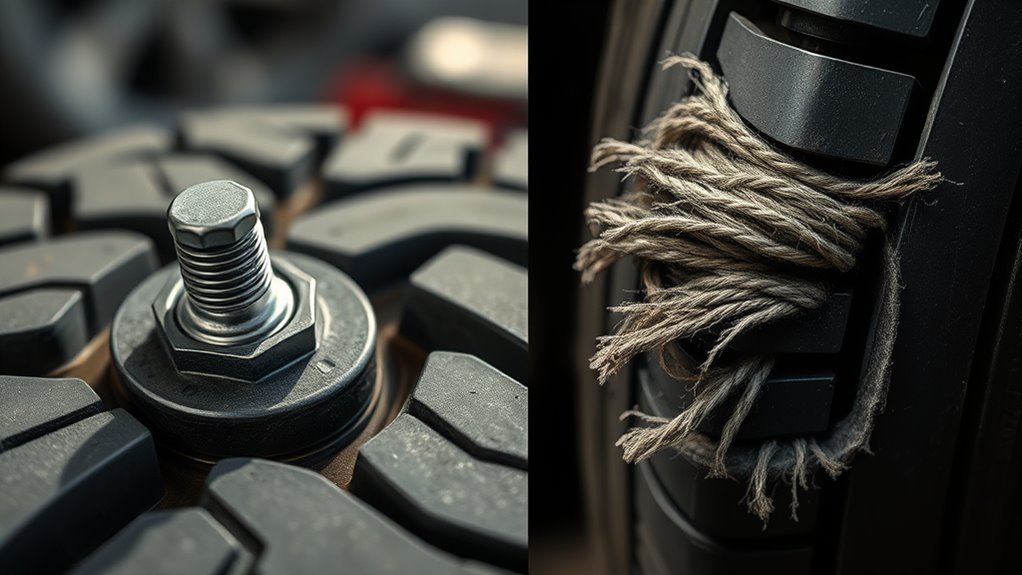
A sidewall puncture is not just a puncture in a different spot. The sidewall flexes constantly as the tire rolls, carries load, corners, and absorbs bumps. That movement makes it a poor place for any plug or patch to hold safely.
Sidewall and shoulder damage also sits outside the normal repairable zone. Tire-industry guidance limits standard puncture repairs to the tread area. If the injury extends into the shoulder, belt edge, bead, or sidewall, the tire should be taken out of service rather than repaired.
Warning: A small sidewall hole can be more dangerous than a larger-looking tread puncture because the sidewall is a flexing load-bearing area. Do not plug it. Replace the tire.
Is It Safe to Drive on a Plugged Tire Long Term?
A plug-only repair is not the safe long-term answer. It may hold air for a while, but the repair has not been verified from the inside. Long-term driving adds heat, road impact, load, speed, and flex to an already injured area.
A professionally inspected and repaired tire may be safe for continued use if it meets all repair criteria and the tire manufacturer allows that repair. The key difference is that the professional repair addresses both parts of the injury: the hole through the tread and the airtight inner liner.
Temporary Repair Nature
Use a plug-only repair as a get-to-service repair. Keep the vehicle light, drive calmly, avoid extended highway use, and do not ignore slow pressure loss. If the tire loses pressure again, stop using it until it is inspected.
Structural Integrity Risks
The biggest problem is hidden damage. A tire can look normal from the outside while the inside shows abrasion, liner damage, belt damage, or separation from being driven underinflated. That damage can make repair unsafe even if the puncture itself is small.
Professional Assessment Needed
A trained tire technician can demount the tire, inspect the inner liner, measure the puncture, check the repair zone, and decide whether the tire can be repaired. If the shop wants to repair the tire without removing it from the wheel, ask for a full repair that follows industry procedures or choose another shop.
What to Do After Plugging a Tire
- Inflate the tire to the vehicle placard pressure. Use the pressure listed on the driver’s door placard, not the maximum pressure molded on the tire sidewall.
- Check for leaks. Spray soapy water around the plug. Bubbles mean air is still escaping.
- Drive gently. Avoid sudden acceleration, hard braking, high speeds, potholes, and heavy cargo.
- Check pressure again after a short drive. Any pressure drop means the repair is not holding.
- Schedule professional service promptly. Ask for a demounted internal inspection and a proper plug-patch or patch-stem repair if the tire qualifies.
Pro Tip: Keep a tire pressure gauge in the glove box. A plugged tire that drops even a few PSI after sitting overnight needs attention before you drive at speed.
Warning Signs Your Plugged Tire Is Failing
Do not wait for the tire to go flat again. Stop driving and get help if you notice any of these signs:
- Repeated pressure loss
- Hissing from the repair area
- New vibration, thumping, or pulling
- A bulge, bubble, crack, or distortion in the sidewall or tread
- Uneven wear around the puncture area
- Repair material working loose from the hole
- Tire pressure warning light returning after inflation
These signs can point to a leaking repair, internal damage, or a tire that should be replaced instead of repaired.
[Products Worth Considering]

Wykodra tire plugs provide quick vulcanizing repairs for tubeless tires, helping you seal punctures and get back on the road. The industrial-strength rubber creates a long-lasting, leak-resistant bond and is designed for emergency fixes without removing the tire. Choose between two standard plug sizes with color-matched options for small to larger damage across many vehicles and off-road uses.
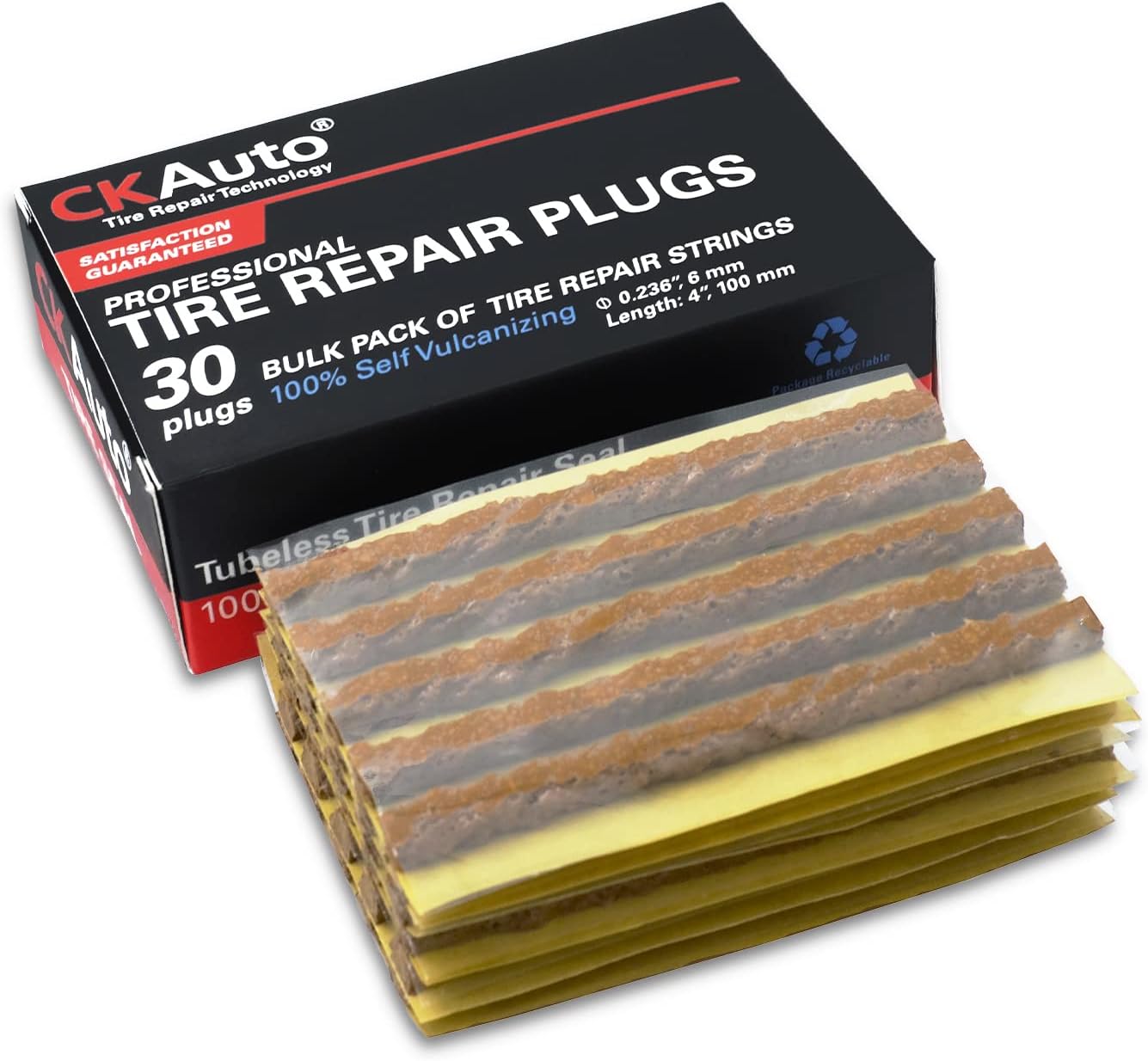
CKAuto tire repair strings provide a fast, reliable way to seal punctures in tubeless off-road tires without removing the tire from the rim. The rubber repair plugs are designed for quick roadside fixes and work across many vehicle types including cars, bikes, ATVs/UTVs, wheelbarrows, and mowers.
How a Plugged Tire Can Affect Your Warranty
An improper repair can affect warranty coverage. Tire makers and retailers may deny coverage if the tire was repaired in a way that does not follow their repair policy. That includes some plug-only, outside-in, on-the-wheel repairs.
Protect yourself by keeping repair records and asking the shop these questions:
- Will you remove the tire from the wheel and inspect the inside?
- Is the puncture in the repairable tread area?
- Is the hole 1/4 inch or 6 mm or smaller?
- Will the repair fill the puncture channel and seal the inner liner?
- Does this repair follow the tire manufacturer’s policy?
- Will the repair affect the tire’s warranty or service rating?
If the answer is unclear, replacement may be the safer choice.
Why Plug-Patch Repair Beats a DIY Tire Plug
A DIY plug works from the outside. A professional plug-patch or patch-stem repair works from the inside and outside. That matters because the technician can inspect the hidden side of the damage before deciding whether repair is safe.
It Fills the Injury
The stem portion fills the puncture channel left by the nail, screw, or debris. This helps block moisture and contamination from entering the tire body.
It Seals the Inner Liner
The patch portion bonds to the inner liner, which is the tire’s airtight layer. A plug alone does not properly seal this inner surface.
It Confirms the Tire Is Repairable
The inspection step is just as important as the patch. If the inside shows run-flat damage, separation, sidewall injury, or exposed cords, the technician should reject the repair and recommend replacement.
When to Call a Pro: Inspection or New Tire?
Call a tire professional as soon as possible after any plug-only repair. Replace the tire instead of repairing it if the puncture is in the sidewall or shoulder, the tire was driven flat, the tread is at or below 2/32 inch, the hole is larger than 1/4 inch, or there is any bulge, crack, bead damage, inner liner damage, or exposed cord.
You should also replace the tire if a professional cannot confirm the repair is inside the approved repair zone. Guessing is not worth the risk, especially for highway driving, towing, carrying passengers, or driving in heat or rain.
Are Tire Plugs Illegal?
For most drivers, the better question is not simply “Is a tire plug illegal?” but “Does this repair meet safety standards and local repair rules?” Laws vary by state and may apply differently to consumers, repair shops, used-tire sales, commercial vehicles, or vehicle inspections.
For example, New Jersey law treats certain repairs as improper when a tire is offered for retail sale, including sidewall repairs, shoulder repairs, punctures not patched inside and repaired with a cured rubber stem, and repairs larger than 1/4 inch. California’s Bureau of Automotive Repair notes that its unsafe used tire installation rule covers used tire installation and specifically says it does not apply to tire repairs.
Because rules can change, use current local law and the tire maker’s repair policy as the final authority. From a safety standpoint, a sidewall plug or plug-only permanent repair is the wrong choice even where a specific law is not obvious.
Frequently Asked Questions
How long is it safe to drive on a plugged tire?
A plug-only repair should be used only long enough to get professional service. Do not plan on weeks of normal driving unless a technician removes the tire, inspects the inside, confirms the puncture is repairable, and performs a proper plug-patch or patch-stem repair.
Can I drive 200 miles with Fix-a-Flat?
No, not as directed by the manufacturer. Fix-a-Flat says the product should be removed from the tire within 3 days or 100 miles, whichever comes first. Treat it as an emergency sealant to reach service, not a long-distance repair.
What lasts longer, a patch or a plug?
A proper professional plug-patch or patch-stem repair is the better long-term repair. A plug alone fills the hole from the outside, while a proper combination repair fills the puncture channel and seals the inner liner after internal inspection.
Can a tire plug be permanent?
A plug by itself should not be treated as permanent. A tire may be returned to long-term service only after a proper repair that follows tire-industry and manufacturer guidance. That usually means removing the tire, inspecting the inside, filling the injury, and sealing the inner liner.
Can I plug a tire near the sidewall?
No. Damage in the sidewall, shoulder, bead, or belt-edge area is outside the normal repairable zone. Even if a plug appears to hold air, the flexing sidewall can fail under heat, load, and speed. Replace the tire.
In what states is it illegal to plug a tire?
There is no simple nationwide list for ordinary drivers. Some states regulate unsafe used tire sales, repair-shop practices, inspections, or commercial vehicles. New Jersey, for example, identifies sidewall repairs, shoulder repairs, larger puncture repairs, and repairs not patched inside and repaired with a cured rubber stem as improper in its unsafe used tire rules. Check current local law and the tire manufacturer’s repair policy.
Conclusion
A tire plug can solve the immediate problem of air leaking from a small tread puncture, but it does not automatically make the tire safe for long-term use. Treat a plug-only repair as temporary, drive gently, monitor pressure, and get the tire inspected from the inside.
If the puncture is small, centered in the tread, and the tire has no hidden damage, a professional plug-patch repair may return it to service. If the damage is in the sidewall or shoulder, the tire was driven flat, the hole is too large, or any bulge or internal damage is found, replacement is the safer decision.
Sources
- U.S. Tire Manufacturers Association — Tire Repair Basics — repairable tread area, 1/4-inch limit, demounted inspection, and plug-patch requirement.
- Tire Industry Association — Tire Repair — why plug-only and patch-only repairs are not acceptable permanent repairs.
- Bridgestone Americas — Tire Repair — repair limits, warranty risk, sidewall/shoulder exclusions, and plug-patch guidance.
- Michelin USA — Can My Tire Be Repaired? — repair criteria and combined plug-and-inside-patch requirement.
- Fix-a-Flat FAQ — How Long Does Fix-a-Flat Last? — 3-day or 100-mile removal guidance.
- New Jersey Revised Statutes Section 56:8-80.1 — unsafe used tire and improper repair criteria.

Related Articles

When to Switch From All-Season to Winter Tires on a 4Runner
Ineffective all-season tires in cold weather can jeopardize your safety—discover when to make the crucial switch for better traction and handling.
Read More
4Runner Tire Mileage: How Many Miles Should They Last
Curious about how long your 4Runner tires should last? Discover essential tips and factors that influence tire longevity.
Read More
How Long Do Toyota 4Runner Tires Typically Last
How long do Toyota 4Runner tires typically last? Discover the factors that influence tire longevity and essential tips for maintenance.
Read More