
How to Choose the Right Tire: Complete Buyer’s Guide by Season & Use
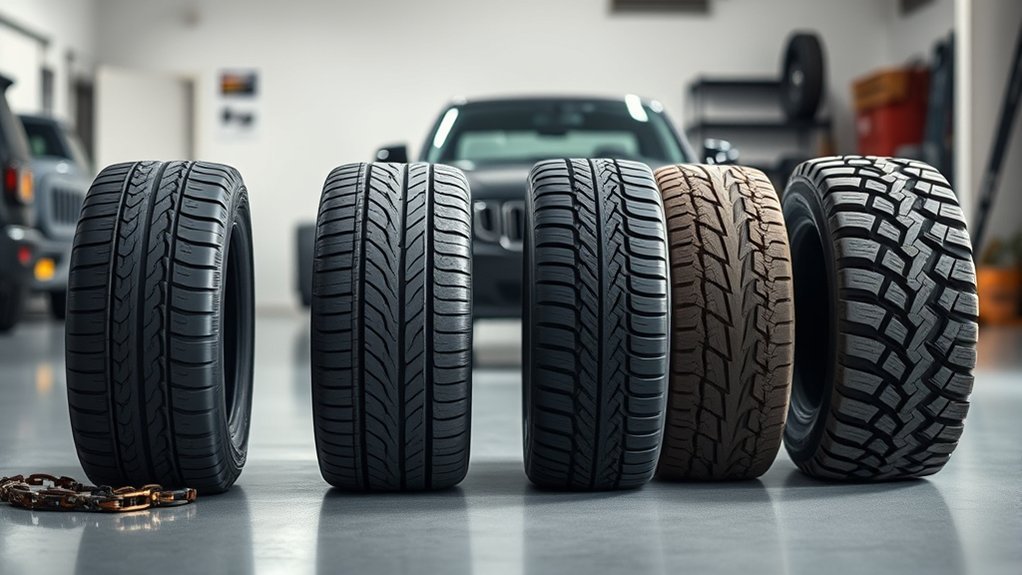
Choose the right tire by matching the tire type, size, load rating, speed rating, climate, and driving style to your vehicle. The safest choice starts with your owner’s manual or driver-side door placard, then narrows by season, tread design, warranty, price, and total installed cost. The right tire improves braking, steering, ride comfort, fuel economy, and long-term value.
Quick Answer
To choose the right tires, match the size and service description on your vehicle placard, then pick a tire type for your climate and driving: all-season for mild mixed use, all-weather for year-round cold flexibility, summer for warm grip, winter for snow and ice, and all-terrain for light off-road use.
Key Takeaways
- Start with your vehicle’s tire placard or owner’s manual before comparing brands or prices.
- Choose the tire category by climate: all-season, all-weather, summer, winter, ultra-high-performance, touring, or all-terrain.
- Match tire size, load index, and speed rating to your vehicle’s requirements for safe fitment.
- Replace tires at 2/32 inch tread depth, sooner for snow or heavy rain performance, or immediately if you see cracks, bulges, exposed cords, or serious punctures.
- Check the DOT date code. Many tire and vehicle makers recommend replacing tires after about six to 10 years, even if tread remains.
- Compare total installed cost, warranty, production date, road-hazard coverage, and installer quality before buying.
At a Glance
| Time Required | 20–30 minutes to check specs, compare tire types, and request quotes |
| Difficulty | Easy if you use the vehicle placard, sidewall code, and a tire selector |
| Tools Needed | Owner’s manual or door placard, tire pressure gauge, tread depth gauge or penny, tire selector tool, and written quotes |
| Cost | Research is free; tire cost varies by size, category, brand, warranty, mounting, balancing, disposal fees, and alignment needs |
Which Passenger Tire Type Fits Your Driving?

Choosing the right passenger tire starts with matching the tire type to how and where you drive. You can narrow your options by comparing tire categories, because each one serves a different purpose.
If you want balanced year-round use in a mild climate, all-season tires give reliable comfort, decent wet traction, and light-snow capability. They are a practical choice for commuting, highway driving, school runs, and everyday errands. However, all-season does not mean “best in every season.” In heavy snow, ice, or long cold winters, dedicated winter tires or all-weather tires are usually safer.
If you live in a warm climate and value sharper response, summer tires can deliver stronger dry and wet grip, especially on sporty vehicles. They are built for warm pavement, quick steering, and shorter warm-weather braking, but they are not designed for snow, ice, or freezing temperatures.
When winter brings freezing temperatures, snow, or ice, winter tires help you maintain control with rubber compounds and tread designs made for cold roads. Look for the three-peak mountain snowflake symbol, often called 3PMSF, because it shows the tire meets specific severe-snow traction requirements. Transport Canada explains that tires with this symbol are designed for severe snow conditions and that all-season and summer tires begin losing elasticity below 7°C, or about 45°F. Transport Canada winter tire guidance.
If you want one tire for changing weather and colder temperatures but do not want to swap tires seasonally, consider all-weather tires. They are different from standard all-season tires because true all-weather models carry the 3PMSF symbol. They can be a smart compromise for drivers who face cold rain, light snow, and occasional winter roads, but they still may not match dedicated winter tires in severe snow and ice.
If you drive a performance car, ultra-high-performance tires can sharpen handling and steering feedback, though they may ride firmer, cost more, and wear faster than touring or standard all-season options. For light off-road travel, all-terrain truck tires add rugged traction while still keeping some on-road comfort. Additionally, all-season tires are often designed for stable handling and improved road contact, making them a useful fit for many daily driving needs.
[Products Worth Considering]

This VEVOR tire bead breaker uses a slide-hammer impact and wedge tip to separate tire beads from rims quickly and efficiently without damaging hub surfaces. The long handle and sturdy steel construction help reduce user strain while providing reliable, portable tire changing for cars, trucks, and more. Ideal for home mechanics and repair shops handling multiple vehicle tire sizes.

EVOULTES heavy duty tire inflator with an integrated gauge delivers accurate pressure readings from 10–120 PSI, helping you inflate, deflate, and check tires in one tool. The 16.5-inch extended dual-head air chuck with swivel base reaches hard-to-access dual wheel valves on trucks and RVs. A brass trigger core and side-mounted air release valve make operation smooth, with standard 1/4" NPT threading and quick-connect compatibility for easy setup.

This portable cordless tire inflator delivers up to 160 PSI with fast 17 L/min airflow to help you quickly top up tires and get back on the road. It features dual power mode, running on a 21V rechargeable battery or a 12V DC adapter for convenient roadside use. An automatic shut-off with digital pressure gauge helps prevent overinflation, and a built-in LED light improves visibility in low-light conditions.
How Do You Choose the Right Tires Step by Step?
The easiest way to choose tires is to follow a short checklist instead of shopping by brand name first. Brand matters, but fitment and use matter more.
- Check the vehicle placard first. Look on the driver-side door jamb or door post for the original tire size, recommended cold tire pressure, load rating, and sometimes speed rating. Your owner’s manual can also list approved tire sizes.
- Match the tire size. A size such as P225/60R16 tells you tire type, width, aspect ratio, construction, and wheel diameter.
- Match or exceed the required load index. The tire must support the vehicle, passengers, cargo, and any towing or hauling demands.
- Choose the right speed rating. Use a rating that matches the vehicle maker’s requirement and your driving conditions.
- Pick the tire category. Choose all-season, all-weather, summer, winter, performance, touring, or all-terrain based on climate and road use.
- Compare tread life and traction. Review UTQG ratings, warranties, independent tests, and owner reviews, but do not treat treadwear numbers as exact mileage promises.
- Check the DOT date code. Avoid old “new” tires that have been sitting in storage for years.
- Compare total installed cost. Include mounting, balancing, valve stems, TPMS service kits, disposal fees, alignment, road-hazard coverage, shipping, and taxes.
Pro Tip: The number on the tire sidewall is usually the tire’s maximum pressure, not your target pressure. Use the cold PSI listed on your vehicle placard or in the owner’s manual.
How Do You Read a Tire Sidewall?
A tire sidewall tells you a lot at a glance, and learning to read it helps you pick the right tire with confidence. The Tire Industry Association explains that a sidewall code such as P225/60R16 97V includes the tire type, section width, aspect ratio, construction, rim diameter, load index, and speed symbol. Tire Industry Association sidewall guide.
- P or LT: “P” means passenger tire. “LT” means light truck. Some tires may also show ST for special trailer or T for temporary spare.
- 225: Tire width in millimeters from sidewall to sidewall.
- 60: Aspect ratio. This means the sidewall height is 60% of the tire width.
- R: Radial construction, the common standard for modern passenger and light-truck tires.
- 16: Wheel diameter in inches.
- 97: Load index. This is a code for how much weight each tire can carry when properly inflated.
- V: Speed symbol. This indicates the tire’s tested speed capability under controlled conditions.
You will also see the DOT Tire Identification Number, often called the DOT code or TIN. The final four digits show the tire’s manufacturing week and year. For example, a tire ending in 0424 was made in the fourth week of 2024. Check both sidewalls because the full DOT code may only appear on one side.
Performance grades for treadwear, traction, and temperature may also appear on the tire. These are called UTQG ratings. They help you compare tires, but they do not guarantee exact tread mileage. NHTSA explains that treadwear is a comparative rating and real tire life can vary based on driving habits, service practices, roads, and climate. NHTSA UTQG consumer guide. Additionally, understanding the tread and grip features can help you choose a tire that performs well both on and off-road.
Note: UTQG ratings are most useful when comparing tires in the same category. Winter tires, temporary spares, some light-truck tires, and other specialty tires may not use the same UTQG system.
When Should You Buy New Tires?
You should buy new tires before safety slips. The legal minimum tread depth in many places is 2/32 inch, and NHTSA says tires are not safe and should be replaced when the tread is worn to 2/32 inch. NHTSA tire safety guidance. However, waiting until that minimum can reduce wet-road and snow traction, so many drivers replace tires earlier when performance drops.
- Check tread depth monthly. Use a tread depth gauge, treadwear indicators, or the penny test. If the top of Lincoln’s head is visible when inserted upside down into the tread, the tire is at or near replacement depth.
- Look for uneven wear. One-edge wear, cupping, feathering, or center wear can point to alignment, inflation, balancing, suspension, or rotation problems.
- Inspect for damage. Cracks, bulges, exposed cords, sidewall cuts, or large punctures usually mean the tire needs professional inspection or replacement.
- Check tire age. Rubber ages even when tread looks good. NHTSA notes that some vehicle and tire manufacturers recommend replacement at six to 10 years regardless of treadwear.
- Replace sooner for winter driving. Transport Canada advises not using tires worn close to 4 mm, or 5/32 inch, on snow-covered roads.
Buying at the right time helps protect traction, braking, steering, and ride quality. Focus on condition, age, fit, and climate rather than guesswork. Regular checks for wear and tear ensure safety and performance.
Warning: Do not ignore a bulge, exposed cord, deep sidewall cut, repeated pressure loss, or vibration after an impact. Have the tire inspected before driving at highway speed.
How Do Summer Tires Compare With All-Season Tires?
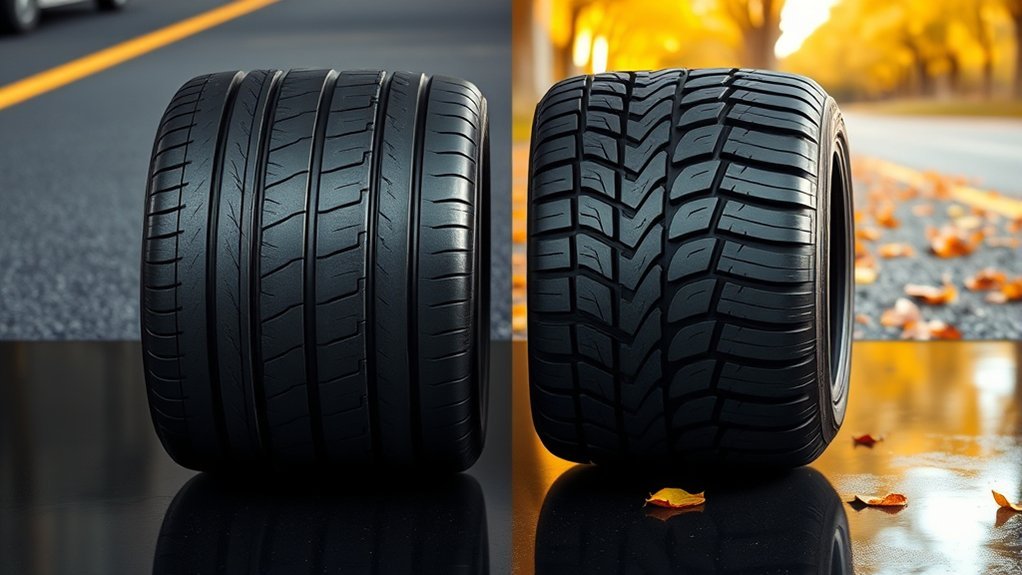
Summer tires usually give better dry and warm wet grip because their compounds and tread patterns are built for warm-weather traction, steering response, and cornering. All-season tires trade some of that warm-weather performance for greater comfort, broader temperature range, longer treadwear in many models, and light-snow capability.
If you drive in consistently warm conditions or want a sportier feel, summer tires fit best. If you need one set for mild year-round driving and occasional light snow, all-season tires are the more practical choice. Choosing the right tire size is crucial for optimal vehicle performance.
Dry And Wet Grip
Dry and wet grip are where the differences between summer and all-season tires become most noticeable. You’ll usually feel summer tires deliver stronger dry grip because their rubber compounds and tread patterns maximize contact and cornering precision in warm weather.
- Summer tires: best for confident dry handling and warm-weather wet braking.
- All-season tires: better for drivers who need comfort, tread life, and moderate year-round flexibility.
- Worn tires: risky in rain because shallow tread cannot move water away from the contact patch as effectively.
If you drive hard on warm roads, summer tires can sharpen handling. If you want broader control through mixed weather, all-season tires stay more balanced. Tread depth is important either way, because it affects how quickly water escapes from under the tire.
Comfort And Tread Life
Beyond grip, comfort and tread life often tip the scale when you’re choosing between summer and all-season tires. If you want sharper steering and stronger dry-road response, summer tires usually deliver, but their softer compounds can make ride comfort feel firmer and road noise more noticeable.
All-season tires often give a more relaxed ride, with quieter manners that suit daily driving and long commutes. On tread life, many all-season tires last longer than comparable summer performance tires because they are built for balanced use instead of maximum warm-weather grip. You’ll trade some precision for longevity with all-seasons, but you may get fewer replacements and lower long-term cost.
Seasonal Use Cases
Choose summer tires when you drive mostly in warm weather and want sharper dry and wet grip. Choose all-season tires when your climate is mild, snow is rare or light, and you prefer one tire for commuting and everyday use.
- Warm months: summer tires deliver strong braking, steering, and cornering on warm pavement.
- Mixed seasons: all-season tires can be easier to live with and may last longer.
- Cold weather: avoid summer tires on snow, ice, or freezing roads; they are not a substitute for winter tires.
Why Do Winter Tires Outperform All-Seasons?
Winter tires outperform all-seasons in cold weather because they are built for the conditions you actually face in winter. Their tread blocks, sipes, and rubber compounds are designed to keep grip when pavement is cold, snowy, icy, or slushy. Transport Canada states that below 7°C, all-season and summer tires begin to lose elasticity, while winter tires keep elasticity and grip at much lower temperatures. Transport Canada winter tire guidance.
That difference can matter in braking. A review from the Traffic Injury Research Foundation found multiple winter-condition tests where winter tires stopped shorter than all-season tires, including tests showing 33.6% and 34.4% shorter stopping distances in specific braking scenarios. Traffic Injury Research Foundation winter tire review. Real-world results vary by tire model, vehicle, road surface, temperature, speed, and tread depth, so treat “up to 30%” claims as condition-specific rather than guaranteed.
Winter tires are not just snow tires. They are cold-weather tires built to help braking, steering, and traction when temperatures drop.
If you drive through cold months, winter tires are not a luxury in severe winter areas. They help protect control and can also preserve your all-season or summer tires from cold-weather use they were not designed for. Additionally, using dedicated winter tires can improve traction on untreated roads, enhancing safety during severe winter driving.
Which Tire Specs Matter Most for Fit and Safety?
For fit and safety, the most important tire specs are size, load index, speed rating, pressure requirement, and tire category. You need to match the tire size to your wheels and vehicle because the width, aspect ratio, and wheel diameter affect fit, clearance, steering, braking, and speedometer accuracy.
- Tire size: Confirm the listed width, aspect ratio, construction, and wheel diameter, such as P225/60R16.
- Load index: Choose a rating that supports your vehicle’s weight, passengers, cargo, and towing or hauling needs.
- Speed rating: Match the vehicle maker’s requirement unless a tire professional confirms a safe alternative.
- Cold inflation pressure: Use the vehicle placard or owner’s manual, not the sidewall maximum pressure.
- Seasonal rating: Use 3PMSF tires for severe snow needs and avoid summer tires in freezing conditions.
Also, read the manufacturing date code, such as 0424, so you don’t buy aging rubber. Fresh, properly stored tires help you drive with confidence, protect your investment, and keep performance aligned with your needs. Additionally, consider the UTQG rating to understand the tire’s comparative durability and performance characteristics.
How Does Treadwear Affect Tire Value?
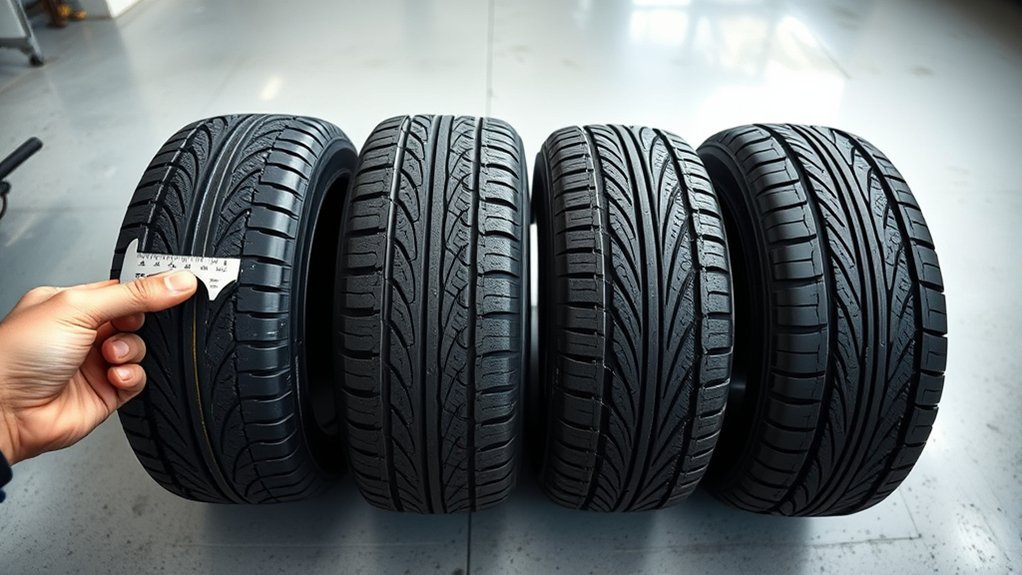
Treadwear has a direct impact on tire value because the more wear a tire shows, the less performance and safety it can offer. When you inspect used tires, tread depth tells you how much usable life remains. Once tread falls to 2/32 inch, the tire should be replaced and has little practical safety value for road use.
For all-season tires, mileage warranties can vary widely by brand, model, size, and tire category. A touring all-season tire may carry a longer treadwear warranty than an ultra-high-performance all-season tire, even from the same brand. Premium models can cost more upfront, but better construction, testing, warranty support, and treadwear can lower cost per mile.
Do not judge value by the sticker price alone. Compare:
- Expected tread life: warranty, UTQG treadwear, and owner feedback.
- Safety performance: wet braking, snow traction, temperature range, and independent tests.
- Installed cost: mounting, balancing, tire disposal, valve stems, TPMS kits, alignment, and taxes.
- Warranty support: treadwear warranty, workmanship coverage, road-hazard coverage, and trial period.
- Production date: a cheaper tire that is already several years old may not be the best value.
If you want to protect value, check tread depth regularly, keep pressure correct, rotate tires when recommended, and correct alignment problems early. That helps performance all-season tires last longer, maintain grip, and stay more useful. Additionally, understanding treadwear warranties can help you make informed decisions on your tire investments.
[Products Worth Considering]

The JACO FlowPro Tire Inflator measures, inflates, and airs down tires up to 100 PSI with battery-free operation and ±2% accuracy after calibration. It features a glowing pressure dial for night visibility, a heavy-duty steel build with a hybrid hose, and a precision push-to-inflate thumb trigger. The patented Lightning Air Chuck locks on for a secure seal, and the kit includes quick-connect hardware for easy inline use with your air compressor.

This portable cordless tire inflator delivers fast, efficient inflation for cars, motorcycles, bikes, and sports balls with a digital pressure gauge. Use the one-click PSI preset with auto shut-off for accurate, hands-free topping to your target pressure up to 150 PSI. It’s compact and rechargeable with a built-in emergency LED light plus valve adapters and accessories for quick, ready-to-go use.
How Do You Use a Tire Selector?
To use a tire selector well, start by entering your vehicle’s year, make, model, and trim so you get recommendations that fit your vehicle. Then confirm the recommended size against your driver-side door placard. Some vehicles have multiple factory wheel sizes, staggered tire sizes, or trim-specific fitments, so do not rely on the selector alone.
- Enter your vehicle details. Include trim, drivetrain, and wheel size when the tool asks.
- Confirm tire size. Check width, aspect ratio, construction, and wheel diameter.
- Filter by climate. Choose all-season, all-weather, winter, summer, touring, performance, or all-terrain.
- Compare ratings. Review wet traction, snow traction, road noise, comfort, treadwear, and warranty.
- Check stock and installation. Make sure the installer can mount, balance, service TPMS, and align the vehicle if needed.
- Review the final quote. Ask for the out-the-door total before you buy.
This process helps you choose with confidence instead of guessing. You’ll see how each tire performs in wet, dry, cold, or rough-road conditions, and you can weigh tradeoffs without relying only on sales pressure. Additionally, consider the traction tuning capabilities of different tires to support performance in various weather conditions.
Where Can You Buy Tires for Less?
After you’ve matched the right tire to your vehicle, the next step is finding the best price without giving up fit, freshness, or installation quality. Compare online tire retailers, local tire shops, warehouse clubs, dealership service departments, and national chains. The same tire can have different pricing, rebates, shipping costs, and installation fees depending on where you buy it.
| Place | What You Gain | What To Check |
|---|---|---|
| Online retailers | Large inventory, easy comparisons, rebates, and seasonal discounts | Shipping, installation partner fees, production date, and return policy |
| Local tire shops | Personal service, fitment help, and possible price matching | Installer reputation, alignment capability, warranty handling, and fees |
| Dealerships | OEM fitment support and bundled maintenance options | Higher prices, limited brand selection, and package details |
| Retail chains and warehouse clubs | Competitive promotions, road-hazard options, and broad availability | Appointment availability, membership costs, and service limitations |
Ask for the out-the-door total, including mounting, balancing, TPMS service, valve stems, disposal, shipping, taxes, and alignment if needed. Online stores can offer strong value during sales, while local shops may match lower offers or add service perks. Dealerships can help if you need manufacturer-specific tires, though pricing can run higher. Additionally, consider the performance metrics such as treadwear ratings and customer feedback to ensure you select a quality tire.
Which Tire Brands Offer the Best Value?
When you compare tire brands, the best value is not always the lowest sticker price. It is the mix of fit, safety, durability, comfort, warranty, and total cost over time. A tire that costs less upfront can become expensive if it wears quickly, performs poorly in rain, or lacks warranty support.
- Premium brands: Michelin, Goodyear, Bridgestone, Continental, Pirelli, and similar brands often offer strong testing, broad warranties, refined ride quality, and advanced tire lines. They can cost more, but they may lower risk and replacement frequency.
- Mid-range brands: Yokohama, Toyo, Falken, General, Cooper, Kumho, Hankook, and similar options can offer a strong balance of price, performance, and warranty for daily drivers.
- Budget brands: Lower-priced tires can work for light-duty driving, but you should check wet braking, treadwear, warranty support, date code, and reviews carefully. Avoid extremely cheap tires with unknown testing, poor wet traction, or limited support.
For example, Goodyear tires like the Eagle Touring are often considered for comfort and wet-road confidence, but the right model depends on your vehicle, size, load rating, climate, and driving style. Before choosing any brand, compare the specific tire model rather than assuming the brand alone tells the full story.
Special Tire Buying Situations
Some vehicles need extra care when choosing tires. A tire selector can help, but the final choice should still match the vehicle placard and manufacturer guidance.
- AWD and 4WD vehicles: Mismatched tread depth or tire size can stress the drivetrain. Many manufacturers require closely matched tires on all four wheels.
- EVs and hybrids: Extra battery weight and instant torque can increase tire load and wear. Look for the correct load rating, low rolling resistance, noise control, and EV-compatible options when recommended.
- Pickup trucks and SUVs: Check load range, towing needs, terrain, and whether you need P-metric, LT, highway-terrain, all-terrain, or mud-terrain tires.
- Staggered fitments: Some performance vehicles use different front and rear tire sizes. Rotation options may be limited.
- Run-flat tires: If your vehicle came with run-flats and no spare, confirm whether switching to standard tires requires adding a spare, inflator kit, or roadside plan.
- Winter setups: Buying a second set of wheels can reduce seasonal mounting costs and protect your main wheels from salt and winter damage.
How Do You Maintain New Tires After Buying?
Choosing the right tire is only half the job. Proper maintenance helps the tires last longer and perform as intended.
- Check pressure monthly. NHTSA recommends monthly tire pressure checks, and readings should be taken when tires are cold.
- Rotate when recommended. NHTSA notes that if the manufacturer recommends rotation, many vehicles use a 5,000- to 8,000-mile interval, but you should follow your owner’s manual.
- Balance new tires. New tires should be balanced when installed to prevent vibration and uneven wear.
- Check alignment. If the vehicle pulls, the steering wheel is off-center, or old tires showed uneven wear, get the alignment checked.
- Inspect tread and sidewalls. Look for nails, cuts, cracking, bulges, and uneven wear.
- Do not rely only on TPMS. Tire pressure monitoring systems usually warn only after pressure is significantly low, so they do not replace regular checks.
Frequently Asked Questions
How often should tire pressure be checked?
You should check tire pressure at least once a month and before long trips. Use an accurate gauge when the tires are cold, and follow the pressure listed on the vehicle placard or owner’s manual. Regular tire maintenance helps you spot slow leaks, uneven wear, and safety issues early.
What causes uneven tire wear?
Uneven wear usually comes from misaligned wheels, underinflation, overinflation, worn suspension parts, poor balancing, skipped rotations, or aggressive driving. If one edge wears faster, the center wears first, or the tread looks cupped, have the tire pressure, alignment, balance, and suspension checked.
Should I replace all four tires at once?
Yes, replacing all four tires is usually best because it keeps traction, handling, and braking balanced. This is especially important for AWD and 4WD vehicles, which may require closely matched tread depth. If you replace only two tires, ask a tire professional where they should be installed; in many cases, the deeper tread goes on the rear axle for stability.
How does road noise vary by tire type?
Road noise changes a lot by tire type. Touring tires are usually quieter because their tread patterns and casing designs favor smooth rolling. Performance tires and off-road tires often make more noise, especially on rough pavement. If comfort matters, compare owner reviews and test results for noise, ride quality, and vibration.
Do tires affect fuel economy?
Yes, tires can affect fuel economy. Low-rolling-resistance tires can reduce energy loss, while underinflated, heavy, wide, soft, or aggressive tires can increase drag and rolling resistance. Proper inflation matters because underinflated tires make the engine or motor work harder.
Are all-weather tires the same as all-season tires?
No. Standard all-season tires are designed for mild mixed conditions and light snow. All-weather tires are built to handle a wider temperature range and usually carry the three-peak mountain snowflake symbol, meaning they meet severe-snow traction requirements. They can be a good compromise, but dedicated winter tires are still stronger for harsh winter conditions.
What does the 3PMSF symbol mean?
The 3PMSF symbol is the three-peak mountain snowflake mark. It means the tire meets specific snow-traction performance requirements and is designed for severe snow service. It is more meaningful for winter traction than an M+S mark alone.
How old is too old for tires?
There is no single age limit for every tire, because heat, storage, maintenance, load, and use all matter. Check the DOT date code and follow your vehicle and tire manufacturer’s guidance. Many manufacturers recommend replacing tires after about six to 10 years, even if the tread still looks usable.
Conclusion
Choosing the right tire is like picking the right shoes for a long journey: the wrong pair slows you down, but the right one keeps you steady through rain, heat, cold, and snow. Start with your vehicle placard, match the size and service description, then choose the tire type for your climate and driving habits. Check tread depth, age, warranty, and total installed cost before buying. When you match the tire to the vehicle and the road, you get safer handling, better value, and fewer surprises.
Sources
- NHTSA TireWise — tire tread depth, tire pressure, rotation, alignment, TPMS, tire aging, and replacement guidance.
- Tire Industry Association: Reading a Tire Sidewall — tire size, load index, speed symbol, DOT date code, and UTQG basics.
- Transport Canada: Using Winter Tires — 3PMSF symbol, cold-weather elasticity, winter tread depth, and installing four winter tires.
- NHTSA Consumer Guide to Uniform Tire Quality Grading — treadwear, traction, and temperature rating limitations.
- Traffic Injury Research Foundation Winter Tire Review — winter tire braking and traction research comparisons.
- Michelin Winter Tire Timing and PSI Tips — 45°F winter tire timing and cold-weather pressure management.

Related Articles
What Is a 33 INCH Tire Equivalent To? Size Conversion Chart
Discover the closest 33-inch tire equivalents and chart your best fit, because the right size may surprise you.
Read More
What Is a 305 Tire Equivalent To? Size Conversion Chart
Outgrowing confusion over 305 tire equivalence? Discover the size chart that reveals the closest match and what you might still be missing.
Read More
What Is a 285 Tire Equivalent To? Size Conversion Chart
Get the surprising 285 tire equivalents and size conversions that could change your fitment—see which option is closest before you decide.
Read More