
Dynaplug Bicycle Tubeless Tire Repair Review: Medium Dynaplugger Repair Tool

Disclosure: As an Amazon Associate, we earn from qualifying purchases. If you click a link on this page and make a purchase, we may receive a small commission at no extra cost to you.
A tubeless puncture can turn a good ride into a long walk, especially when sealant cannot close the hole on its own. The Dynaplug DynaPlugger gives you a compact way to insert a brass-tipped repair plug without removing the wheel, applying glue, or reaming the puncture first. Its 35-gram glass-filled nylon body is light enough for a saddlebag, but it is larger than Dynaplug’s slimmer aluminum tools. This review explains how it works, what comes in the kit, where it performs well, and when you still need a tube, tire boot, or replacement tire.
Quick Verdict
Rating: 8.4/10 (editorial rating)
Best For: Road, gravel, mountain, fat-bike, and e-MTB riders who use tubeless tires and want a fast trail or roadside repair.
Bottom Line: The DynaPlugger is easy to deploy, includes standard and Mega insertion tubes, and uses anchored plugs that do not require adhesive. Its main tradeoff is the wider nylon body, and it cannot repair major sidewall cuts or damaged tire casings.
At a Glance
|
Buying Factor |
Verdict |
|---|---|
|
Overall |
Recommended for tubeless riders who want a quick, clean puncture repair tool |
|
Ease of Use |
Simple push-in and pull-out action, with no glue or reaming required |
|
Build |
Strong glass-filled nylon body with an aluminum insert and silicone end cap |
|
Portability |
Light at 35 grams, although wider than Dynaplug’s aluminum Racer-style tools |
|
Value |
Mid-range pricing with reusable hardware, replaceable plugs, and a limited lifetime warranty |
[Products Worth Considering]

Convert Presta bicycle valves to accept standard Schrader pump nozzles for fast, hassle-free inflation. This kit includes durable brass adapters with leak-resistant connections, plus sports inflation needles and protective valve caps for convenient use on bikes and ball sports equipment.

This PXZBLG bike repair kit helps you tackle common tire and on-the-ride issues with a compact, ride-ready tool collection. It includes a mini tire pump supporting both Presta and Schrader valves, a 16-in-1 bike multitool, tire levers, glueless patches with a plastic box, plus 4mm and 5mm Allen wrenches. A convenient bike bag stores everything so you can mount it on your road bike or mountain bike for lightweight, portable preparedness.

Tiakia’s mini high-pressure frame pump delivers up to 260 PSI for faster, more efficient inflations with an optimized intake volume. It features a double-head valve design compatible with Schrader and Presta, plus a conversion for Donlop, making it versatile for bikes and many inflatables. The lightweight anodized aluminum build includes a mounting bracket for convenient carry, while the flexible high-pressure hose and IPX4 waterproof body support outdoor use.
Key Specifications
| Specification | Detail |
|---|---|
| Brand | Dynaplug |
| Model | DynaPlugger, Amazon Medium variant, part number DPD-4365 |
| Product Type | Tubeless bicycle tire puncture repair tool |
| Tool Body | Glass-filled nylon body and cap, 6061 aluminum insert, silicone end cap |
| Dimensions | 4.875 × 0.875 inches |
| Weight | 35 grams |
| Insertion Tube | Hardened 304 stainless steel |
| Plug Material | Viscoelastic rubber-impregnated cord with a nonabrasive brass or aluminum tip |
| Compatibility | Tubeless bicycle tires, including road, gravel, mountain, fat bike, and e-MTB setups |
| Included Items | DynaPlugger tool, 4 standard plugs, standard insertion tube, Mega insertion tube, and pipe cleaner |
| Adhesive Required | No |
| Warranty | Limited lifetime warranty |
| Primary Limitation | Not intended for major sidewall tears, damaged beads, or structural tire failure |
What Is the Dynaplug DynaPlugger?

The DynaPlugger is a reusable insertion tool for repairing punctures in tubeless bicycle tires. You load a Dynaplug repair plug into the stainless steel insertion tube, remove the object that caused the puncture, push the tube into the hole, and pull the tool back out. The plug remains in the tire while its tip helps anchor it against the inside of the casing.
The included standard and Mega insertion tubes give you options for common punctures and larger holes that still fall within the limits of a plug repair. The tool’s silicone end cap closes the storage compartment and can hold an extra loaded insertion tube, which reduces setup time when you are stopped beside a road or trail.
Who Should Buy It?
Best For
- Riders who already use tubeless road, gravel, mountain, fat-bike, or e-MTB tires
- Commuters and touring riders who want to repair tread punctures without removing the wheel
- Anyone who prefers a clean, preloaded plug system instead of loose, sticky repair strips
Skip If
- Your bike uses inner tubes rather than a tubeless setup
- You need the smallest possible tool and are willing to pay more for a slimmer aluminum model
- You expect a plug tool to repair sidewall gashes, damaged beads, or a torn tire casing
Before You Buy: This is one part of a complete tubeless repair kit. Carry a pump or CO2 inflator, and consider packing a spare tube and tire boot for damage that a plug cannot safely seal.
Design and Build Quality
The DynaPlugger uses a glass-filled nylon body rather than the machined aluminum shell found on Dynaplug’s premium tools. That choice keeps the tool at 35 grams while providing a larger grip that can be easier to control with cold, wet, or gloved hands. The tradeoff is width: at 0.875 inches across, it takes more room than a pen-shaped Racer tool.
The hardened 304 stainless steel insertion tube handles the force needed to enter a puncture. A 6061 aluminum insert reinforces the tool, while the silicone cap closes the internal storage area. These are practical material choices for a tool that may spend months in a saddlebag and then need to work immediately.
How the Brass-Tipped Plug Works
Each standard repair plug uses a viscoelastic rubber-impregnated cord attached to a nonabrasive brass tip. You push the loaded tube directly into the puncture, then withdraw the tool. The tip stays inside the tire and helps hold the cord in position while the rubber material fills the puncture channel.
You do not need glue, cure time, or a separate reaming step. That makes the process faster and reduces the number of loose parts you must handle at the roadside. Tire sealant can remain in the tire and may help close small gaps around the repair, but the plug is designed to work without sealant.
What Comes in the Kit
- 1 DynaPlugger tool
- 4 standard repair plugs
- 1 standard insertion tube
- 1 Mega insertion tube
- 1 pipe cleaner for clearing the insertion tube
The standard tube is the first choice for typical tread punctures. The Mega tube accepts the larger plug format for holes that need more material. Replacement plugs are sold separately, so the body and insertion tubes remain useful after the included plugs are gone.
What Riders Say
Buyer feedback commonly focuses on the short repair process: locate the leak, remove the object, insert the plug, and reinflate the tire. Riders also value the anchored plug design because the repair strand is less likely to pull back out with the tool than a loose strip can be.
The main complaints are practical rather than performance-related. The nylon body is wider than Dynaplug’s premium aluminum tools, and the system costs more than a basic fork-and-strip kit. Some punctures also need more than one plug, while major casing damage still requires a tube, boot, or tire replacement.
Overall Sentiment: Positive

Pros and Cons
Pros
- Push-in and pull-out process requires no adhesive or waiting time
- 35-gram tool is easy to carry in a saddlebag, jersey pocket, or frame bag
- Includes both standard and Mega insertion tubes for different puncture sizes
- Glass-filled nylon body provides a larger, secure grip
- Replaceable plugs and a limited lifetime warranty support long-term use
Cons
- Wider than Dynaplug’s slimmer aluminum tools
- Costs more than basic strip-and-fork plug kits
- Cannot repair major sidewall cuts, bead damage, or structural tire failure
How It Performs in Real Use
[Products Worth Considering]

This 4-pack kit converts Presta bike valves to standard Schrader valves so you can inflate with any regular pump or air compressor. The solid brass adapters include an O-ring for a tight, leak-proof seal and provide a simple screw-on setup. Compatible with road bikes, mountain bikes, e-bikes, and e-scooters, it’s designed for convenient, everyday carry readiness.
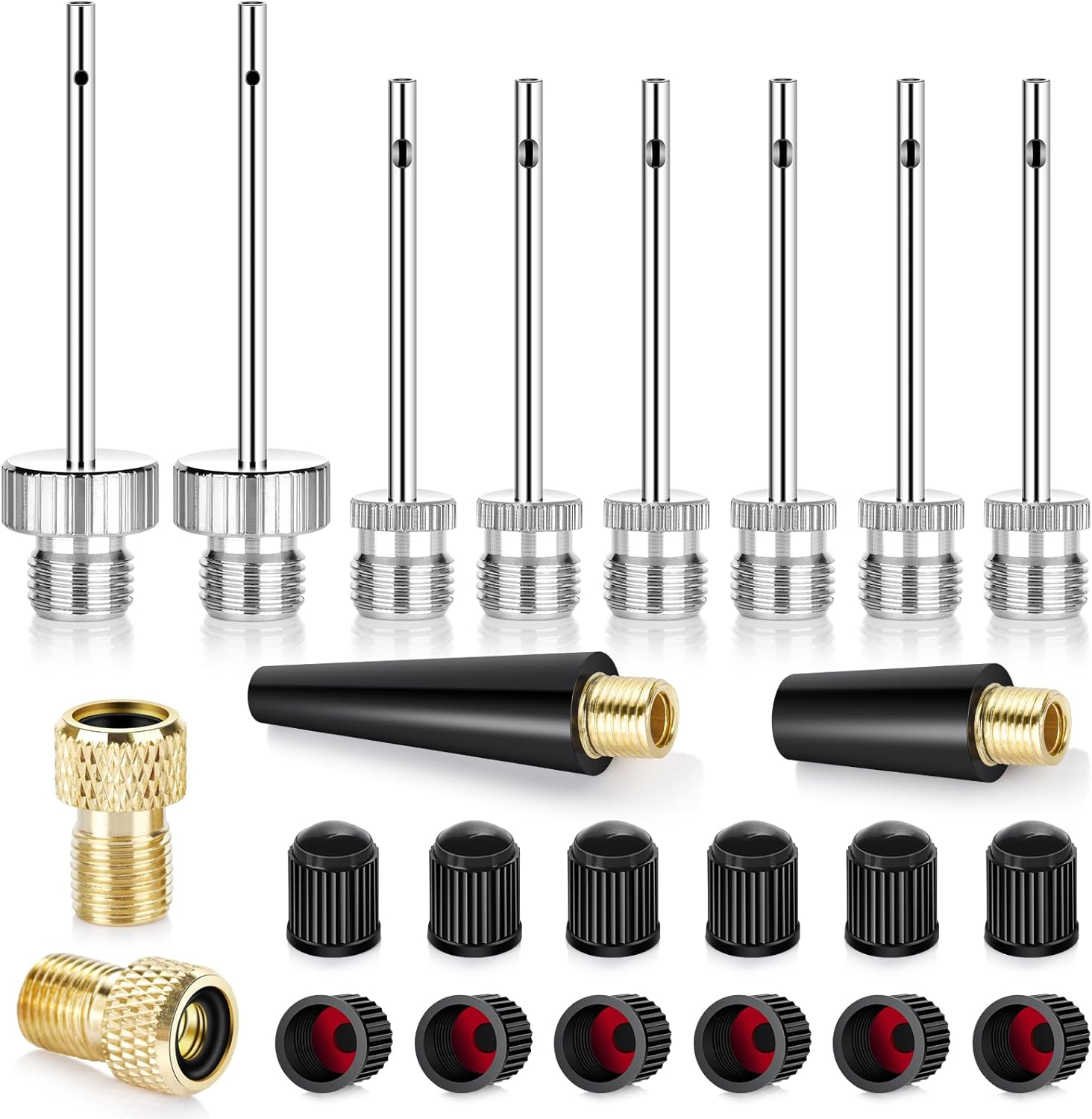
This ball pump needles kit includes brass ball needles for inflating footballs, soccer balls, basketballs, and volleyballs, plus conical nozzles for air mattresses, exercise balls, balloons, and swim rings. It also offers Presta to Schrader valve adapters for easy use with compatible bikes and rideables. The set includes sealed valve caps and a storage case, helping keep your equipment organized and ready to inflate quickly.
Roadside Punctures
For a nail, thorn, or piece of glass in the tread area, the DynaPlugger can shorten the repair to a few steps. You usually do not need to remove the wheel or unseat the tire. Once the plug is holding, you reinflate to the pressure recommended for your tire and rim setup, then check for escaping air before riding.
Gravel and Mountain Bike Rides
The larger body gives you a useful grip when the tire is dirty, your hands are wet, or you are wearing gloves. The Mega insertion tube adds flexibility for a bigger tread puncture, but you should still inspect the casing. A long cut, visible cord damage, or a sidewall tear is beyond the intended use of a plug.
Daily Commuting
The 35-gram weight makes the tool easy to leave in your everyday repair kit. A preloaded insertion tube can save time when you are trying to reach work or an appointment. You still need a way to restore lost air, so pair the tool with a compact pump or inflator.
Touring and Bikepacking
The reusable body and replaceable plugs suit longer trips because you can carry several plugs without packing a full tire-removal setup for every minor puncture. However, remote riders should not treat it as their only backup. A spare tube, tire boot, pump, and tools for removing the wheel remain sensible for serious damage.
How to Use the DynaPlugger Correctly
- Stop riding and locate the puncture. Listen for escaping air or look for sealant bubbling from the tread.
- Remove the nail, thorn, glass, or other object carefully.
- Select a loaded standard or Mega insertion tube that matches the puncture.
- Align the tube with the puncture path and push it straight into the hole with firm, controlled pressure.
- Pull the tool straight back out. The plug tip and cord should remain in the tire.
- Reinflate the tire to an appropriate pressure for your setup and check the repair for leaks.
- Trim excess plug material only after the repair is holding, leaving a small amount above the tread.
Follow the instructions supplied with the tool and avoid forcing the insertion tube at an extreme angle. Dynaplug’s official instructions are available on the manufacturer’s instruction page.
Pro Tip: Carry one insertion tube preloaded and keep the second tube clean inside the capped compartment. You will spend less time handling small parts when the tire is losing air quickly.
Common Mistakes to Avoid
- Do not leave the puncturing object in place before inserting the plug.
- Do not ream the hole wider unless the product instructions for your repair specifically call for it.
- Do not assume a plug has worked until the tire holds pressure and the casing passes a visual check.
- Do not use a plug as a substitute for replacing a tire with exposed cords, bead damage, or a large sidewall cut.
- Do not ride without correcting the tire pressure after the repair.
Compatibility and Safety
The DynaPlugger is made for tubeless bicycle tires. Dynaplug states that its bicycle plugs can be used with road, gravel, mountain, fat-bike, and e-MTB tubeless tires, regardless of wheel diameter or tire width. It is not designed to patch an inner tube, and it does not replace a tire boot when the casing has a long cut.
After any roadside repair, inspect the tread and sidewalls before continuing. Stop if the tire will not hold pressure, the plug moves, the casing bulges, or internal cords are visible. Ride cautiously after the repair and replace the tire when damage affects its structure or when the tire manufacturer’s guidance calls for replacement.
Durability and Maintenance
The tool body is reusable, and its glass-filled nylon construction should tolerate normal storage in a saddlebag or pack. Keep the insertion tubes clean so a dried plug fragment or sealant does not block the bore. The included pipe cleaner is intended for this maintenance task.
Check the loaded plugs from time to time, especially after months of exposure to heat, dirt, or sealant. Replace damaged or contaminated plugs, reinstall the silicone cap securely, and confirm that the insertion tubes have not bent. The limited lifetime warranty applies to the tool under the manufacturer’s terms, not to normal consumption of replacement plugs.
Is It Worth the Price?
The DynaPlugger sits above basic strip-and-fork kits but below many of Dynaplug’s machined aluminum options. You are paying for a purpose-built insertion system, anchored plugs, two tube sizes, internal storage, and reusable hardware. That package offers strong value when fast tubeless repairs matter more to you than having the absolute smallest tool.
It makes the most sense for riders who use tubeless tires often and want a repair method with fewer loose, sticky parts. It is less compelling if you ride with tubes, rarely leave areas with easy support, or already own a compact plug system that works reliably for you.
How It Compares to Alternatives
The Dynaplug Racer Pro is slimmer and uses a premium aluminum body with two ready-to-use ends, so it is better for riders who prioritize speed and minimal pocket space. The Micro Pro and Ultralite models also use metal bodies and offer a more compact form, but they generally cost more than the DynaPlugger.
A basic fork-and-strip kit is usually cheaper and can carry many repair strips, but it involves more handling and may require a separate reaming tool. The DynaPlugger is the better middle ground when you want a light, self-contained tool with a larger grip and Dynaplug’s brass-tipped plug system.
Why Riders Choose the DynaPlugger
You get a repair tool that is light, straightforward, and designed around a single controlled insertion motion. The standard and Mega tubes cover more than one puncture size, while the capped storage area keeps spare parts together. For many riders, that balance of easy handling, low weight, and replaceable plugs is more useful than paying extra for the narrowest aluminum body.
Frequently Asked Questions
How do you use the Dynaplug DynaPlugger?
Remove the object that caused the puncture, align a loaded insertion tube with the hole, push it in firmly, and pull the tool straight back out. Reinflate the tire, check for leaks, and inspect the casing before you continue riding.
What types of punctures can it repair?
It is intended for tread-area punctures in tubeless bicycle tires, including holes caused by nails, thorns, and glass. It is not a safe solution for a large sidewall gash, damaged bead, exposed casing cords, or a tire that will not hold pressure after plugging.
Does it work with road, gravel, and mountain bike tires?
Yes, Dynaplug lists its bicycle plugs for tubeless road, gravel, mountain, fat-bike, and e-MTB tires. Wheel diameter and tire width are not the deciding factors, but the tire must use a tubeless setup.
Do you need tire sealant or glue?
The plug does not require adhesive, and Dynaplug says it can work without sealant. Existing tubeless sealant may help close tiny gaps around the puncture, but it does not make a structurally damaged tire safe to ride.
What is the difference between the standard and Mega insertion tubes?
The standard tube is for common punctures and standard plugs. The Mega tube accepts a larger plug for a wider puncture that still has an intact casing. Start with the smallest repair that seals the hole and follow Dynaplug’s instructions.
Can a Dynaplug repair last for the life of the tire?
Dynaplug states that a correctly installed plug can last for the remaining life of a tire. You should still monitor pressure and inspect the repair because puncture size, casing condition, riding pressure, and installation quality affect the result.
What else should you carry with the DynaPlugger?
Carry a pump or CO2 inflator so you can restore pressure after the repair. For longer or remote rides, add a spare tube, tire boot, tire levers, and the tools needed to remove your wheel in case the puncture is too large to plug.
Is the Medium DynaPlugger worth buying over the Racer Pro?
Choose the DynaPlugger when you want a larger grip, internal storage, two insertion tube sizes, and a lower entry price. Choose the Racer Pro when a slimmer aluminum body and two immediately accessible ends matter more than cost.
The Bottom Line
The Dynaplug DynaPlugger is a strong choice for tubeless riders who want a light, simple repair tool that does not require glue or wheel removal for common tread punctures. Its 35-gram nylon body, two insertion tube sizes, and anchored plugs make it practical for commuting, gravel rides, mountain biking, and touring.
Buy it for quick puncture repair and easy handling. Skip it if you use inner tubes, need the smallest premium tool, or expect it to solve serious sidewall or casing damage.
Ready to Buy?
Check the latest price, seller, and product details before you decide.

Related Articles

Best SUV Tires 2026: Top Picks for Comfort, Traction, and Long Tread Life
You rely on your SUV for daily driving, towing, and weekend trips, so tire choice directly affects your safety, comfort, and long‑term costs. This…
Read More
Best Tires for 2500HD Duramax 2026: Heavy-Duty Tires for Towing and Work Trucks
You depend on your 2500HD Duramax to tow heavy loads and handle demanding worksite conditions, so tire choice is not optional. The right tires…
Read More
Best Mastercraft Tires 2026: Reliable Tire Picks for Trucks, SUVs, and Daily Drivers
You need tires that match how you drive, where you live, and what your vehicle carries. This guide highlights Mastercraft models that stand out…
Read More