
36pcs Tire Repair Rubber Studs Review: Spiral Screw Plug Kit for Quick Flat Tire Repair

Disclosure: As an Amazon Associate, we earn from qualifying purchases. If you click a link on this page and make a purchase, we may receive a small commission at no extra cost to you.
A small tread puncture can turn into a long delay when you do not have a spare tire, compressor, or repair shop nearby. The XTIFNDI 36pcs Tire Repair Rubber Studs kit is a compact set of screw-in rubber plugs intended to slow or stop air loss from very small punctures in tubeless tires. Its main strength is simple storage and quick access, but its biggest limitation is safety: an outside-in plug is not an industry-approved permanent repair for a passenger or light-truck tire. This review helps you decide where the kit may be useful, where it should not be used, and what follow-up service is still required.
Quick Verdict
Rating: 6.5/10, recommended with major safety caveats
Best For: Emergency backup for very small tread punctures in compatible tubeless, low-speed, or off-road equipment
Bottom Line: The 36-piece pack is compact and includes two listed stud sizes for minor punctures. It is not a substitute for removing and inspecting a highway tire, then completing a professional combination plug-and-patch repair when the tire is repairable.
Key Specifications
| Specification | Detail |
|---|---|
| Brand | XTIFNDI |
| Model | BUTAIDING-01 |
| Part number | BTD-36 |
| Product type | Screw-in rubber puncture plugs for tubeless tires |
| Quantity | 36 repair studs total; the split between sizes is not clearly verified |
| Small size | Seller-listed as 12 mm long and 5.3 mm thick, for punctures up to about 1.2 mm |
| Large size | Seller-listed as 15 mm long and 6.8 mm thick, for punctures up to about 1.5 mm |
| Material | Rubber, according to the seller listing |
| Listed compatibility | Tubeless car, bicycle, e-bike, motorcycle, truck, bus, and agricultural tires; safe use depends on the tire maker and vehicle application |
| Best use | Temporary emergency sealing of a very small puncture in the tread area |
| Not for | Sidewall or shoulder damage, cuts, bulges, large holes, tube-type tires, or a tire driven while flat |
[Products Worth Considering]

This tire repair kit provides fast emergency puncture repair without removing the tire from the rim, helping you get back on the road quickly. Its screw plug system is designed for punctures in both tread and sidewall and includes a complete patch plug tool set with essential accessories. A portable storage bag makes it easy to carry for cars, trucks, SUVs, motorcycles, and heavy-duty applications.

This tire repair patch tool kit helps you quickly seal small punctures using upgraded mushroom plugs and a built-in roller system that presses for even penetration. The tungsten buffing wheel and HSS twist drill bits prepare the damaged surface for stronger adhesion, while the crown-angle friendly plugs are designed to keep water and debris out. Ideal for puncture repairs on many vehicle types, from cars and trucks to bikes and scooters.

This compact capsule-style tire repair kit helps you quickly fix punctures and plug flats with minimal effort. The rugged stainless steel shell protects the contents for reliable roadside use, while the simple plug assembly makes repairs fast and tool-free. Suitable for motorcycles, cars, ATVs, UTVs, and even mountain bikes.
TL;DR
|
Feature |
Verdict |
|---|---|
|
Ease of Use |
Simple screw-in concept, but correct puncture location and pressure checks still matter |
|
Emergency Use |
Potentially useful for a very small tread puncture when no better option is available |
|
Permanent Repair |
Not suitable as a permanent plug-only repair for passenger or light-truck highway tires |
|
Value |
Budget-friendly quantity, but you may still need a gauge, inflator, tools, and professional tire service |
What Is the XTIFNDI 36pcs Tire Repair Rubber Studs Kit?
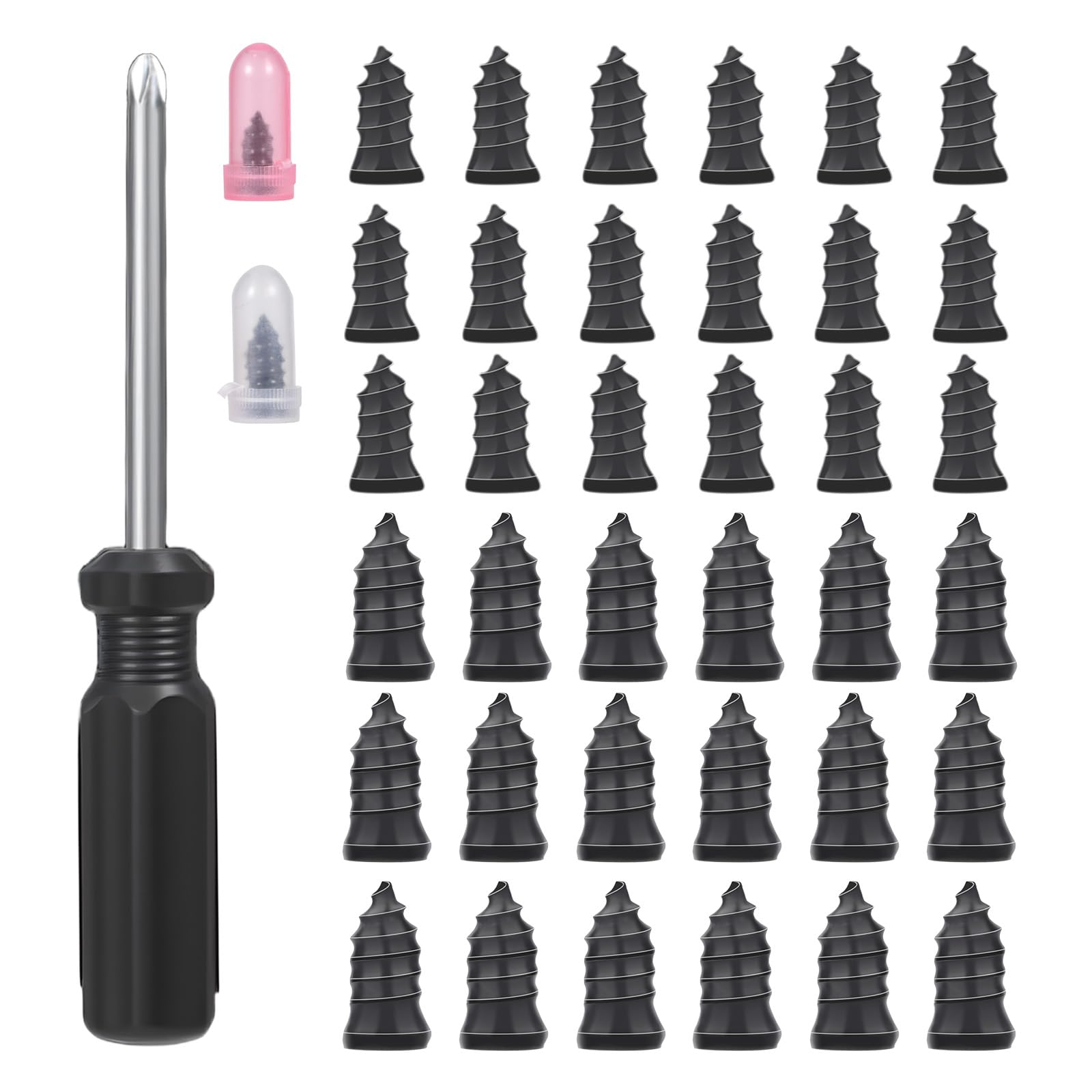
This XTIFNDI kit contains 36 spiral-style rubber studs that thread into a small puncture channel. The narrow tip starts in the hole, while the wider threaded section is intended to grip the surrounding tread rubber and reduce air loss. The listing identifies two sizes, which gives you a better chance of matching a very small nail or screw puncture without forcing an oversized plug into the tire.
The kit is different from a complete T-handle rope-plug kit. It is also different from a professional combination repair, which fills the puncture channel and seals the inner liner after the tire is removed from the wheel. The verified package details confirm the repair studs, but they do not clearly confirm a pressure gauge, inflator, leak-detection solution, screwdriver, sealant, or storage case.
Before You Buy: Do not treat this product as a permanent highway-tire repair. The U.S. Tire Manufacturers Association says passenger and light-truck tires should be removed for internal inspection, and a plug alone is not an acceptable repair. Damage in the shoulder or sidewall should not be plugged.
Who Should Buy It?
Best For
- You want a compact backup for tubeless lawn, farm, utility, bicycle, or other low-speed equipment.
- You need multiple small plugs that take little space in a toolbox or roadside kit.
- You understand that any emergency seal must be checked and followed by proper inspection or replacement.
Skip If
- You need an approved permanent repair for a passenger car, motorcycle, light truck, bus, or commercial vehicle.
- The damage is in the sidewall or shoulder, the hole is large, or the tire has been driven flat.
- You expect a complete kit with confirmed installation tools, an inflator, and a pressure gauge.
Fit and Compatibility
The seller markets the studs for several tubeless tire types, but broad listing compatibility does not mean every tire can be repaired in the same way. Tire construction, speed rating, load, service type, puncture angle, and manufacturer policy all affect whether a repair is allowed. Run-flat tires and some motorcycle or commercial tires may have stricter limits.
Start with the damage location, not the vehicle label. A small, straight puncture near the center of the tread is less concerning than damage near the shoulder. Sidewall cuts, exposed cords, bulges, bead damage, or any sign that the tire was driven underinflated call for professional inspection and often replacement.
Materials and Build
The listing describes the studs as rubber and shows a spiral profile with a thin starting end. This design keeps the pieces small and avoids the larger handles, reamers, and insertion needles found in traditional rope-plug kits. The compact shape is useful for storage, but the kit still depends on the puncture channel gripping the plug well enough to slow air loss.
No verified certification, independent pressure rating, heat-cycle test, or highway durability standard was found for this model. That does not mean the studs cannot slow a leak. It means you should not assume that seller language about sealing or durability equals an approved structural repair.
Installation and Required Equipment
The product concept is straightforward: identify a suitable tread puncture, select a stud that matches the small hole, and turn it into place according to the product instructions. In practice, you also need a safe work location, a reliable tire-pressure gauge, and a way to restore air. Soapy water or another tire-safe leak-check method can help you see whether bubbles continue to form around the injury.
Do not work beside moving traffic, crawl under a vehicle supported only by a jack, or inflate a visibly damaged tire. For a passenger vehicle on the road, using the spare tire or calling roadside assistance is usually the safer choice. After any emergency action, check pressure before moving and stop again if pressure drops, vibration starts, the vehicle pulls, or the tire looks distorted.
Pro Tip: Build a complete emergency kit around the plugs. Add a pressure gauge, compatible inflator, flashlight, gloves, valve-core tool, and your vehicle’s spare-tire equipment so you are not relying on the studs alone.
How It Performs in Real Use
Small Tread Puncture on Low-Speed Equipment
This is the most sensible use case. A tiny puncture in a tubeless lawn tractor, utility cart, or similar low-speed tire may be easier to reach, and the equipment can often be parked immediately if pressure starts falling again. Even here, avoid sidewall damage and follow the tire or equipment maker’s repair guidance.
Roadside Passenger-Car Emergency
The compact pieces are easy to carry, but the repair method is the limiting factor. An outside-in stud may slow a leak long enough to deal with an emergency, yet it does not let you inspect the inner liner or hidden damage. Use a spare tire or roadside service when available, and have the damaged tire removed and assessed before returning to normal driving.
Motorcycle Use
A motorcycle has only two small contact patches, so pressure loss or plug failure can quickly affect control. The listing includes motorcycles in its compatibility claims, but you should follow the motorcycle tire manufacturer’s repair policy and treat any temporary seal with extra caution. Do not rely on this kit for a sidewall injury, a large puncture, or continued high-speed riding.
Travel and Tool Storage
The 36-piece count and small format make the kit easy to divide between a vehicle, garage, and farm toolbox. Storage convenience is a genuine benefit, but inspect the studs periodically for contamination, hardening, or damage. Keep them in a clean, sealed container away from fuel, solvents, direct sunlight, and excessive heat.
What People Say
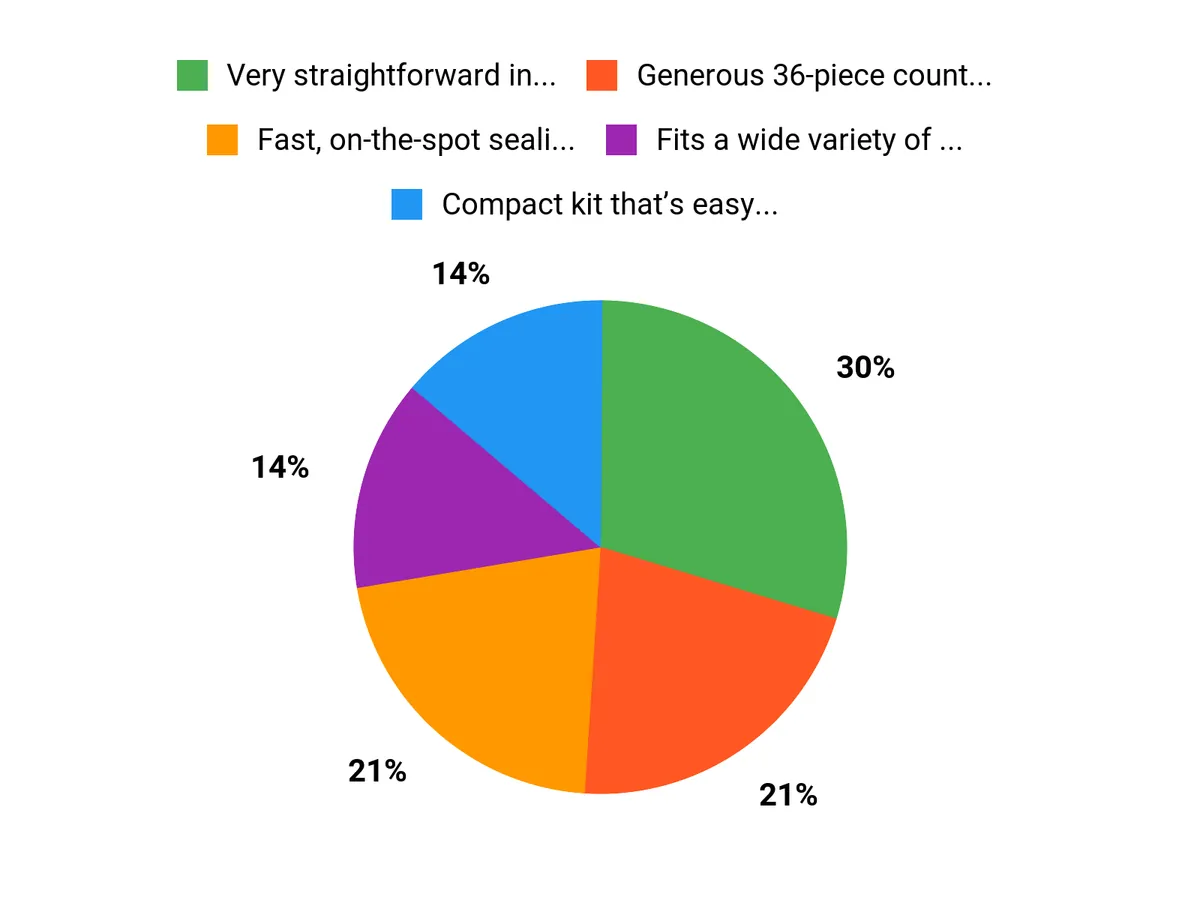
The source article summarizes buyer feedback as positive about simple installation, compact storage, and the choice of two sizes. It also reports that results vary with puncture size and that users view the studs as a temporary measure. No reliable review count or verified Amazon star rating was available during this update, so those figures are not repeated here.
Overall Sentiment: Generally positive about convenience, with important limits around repair type and long-term use.

[Products Worth Considering]

Use this tire repair rubber screw kit for fast, self-service flat fixes on the road. Choose the matching short or long nail size and twist it into the puncture without removing the tire from the rim. Compact storage keeps the emergency set organized for cars, motorcycles, electric bikes, and bicycles, helping you seal tubeless leaks quickly and reliably.
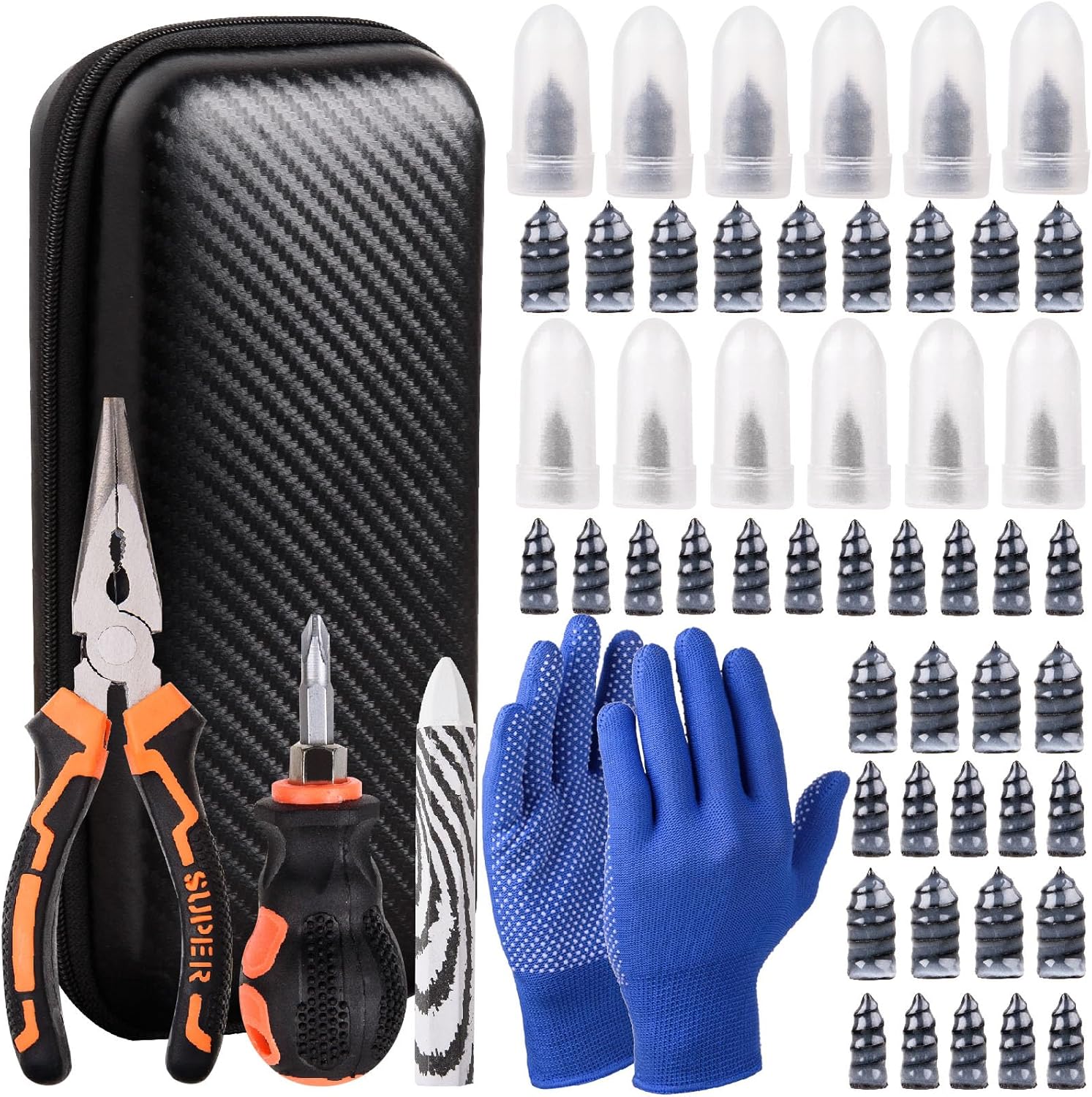
This tire sidewall puncture repair kit fixes flats fast without removing the tire, helping you get back on the road in minutes. It includes self-tapping repair nails, essential tools, gloves, and a portable storage bag for convenient roadside use. Designed for tubeless tires, it helps create a tight, leak-resistant seal for cars, motorcycles, trucks, SUVs, and ATVs.
Pros and Cons
Pros
- 36-piece quantity gives you several attempts and replacements.
- Two seller-listed sizes address very small punctures of different diameters.
- Compact pieces are easy to store in a glove box or toolbox.
- Screw-in format uses fewer bulky tools than a traditional rope-plug kit.
- Potentially useful for compatible tubeless, low-speed, or off-road equipment.
Cons
- Plug-only, outside-in repair is not an accepted permanent repair for passenger and light-truck tires.
- The verified listing does not clearly confirm a full tool and inflation kit.
- Not suitable for sidewall, shoulder, large, angled, or structural damage.
Common Mistakes to Avoid
- Plugging the sidewall or shoulder: These flexing and highly stressed areas are not suitable for this repair.
- Assuming any hole is small enough: Match the product only to the tiny puncture range stated by the seller, and do not force a stud into a cut or torn opening.
- Skipping pressure checks: A plug that looks seated may still leak under load or as the tire warms.
- Driving normally after an emergency seal: Temporary air retention does not prove the tire is structurally sound.
- Adding an unverified sealant: Use only products approved by the tire, wheel, TPMS, and sealant manufacturers. Some service shops may need to clean sealant before inspection or repair.
Compatibility and Safety
For passenger and light-truck tires, the U.S. Tire Manufacturers Association repair guidance limits repair consideration to qualifying tread-area punctures and calls for removing the tire from the wheel, inspecting it internally, filling the injury, and sealing the inner liner. It states that a plug alone is unacceptable. Michelin’s repair guidance gives similar advice and warns against on-wheel plug-only repairs.
These standards matter because the outside of a tire cannot show every problem. Low-pressure driving may damage cords or the inner liner, and an angled puncture may reach the shoulder even when the visible hole seems centered. If you see a bulge, cord, crack, split, bead damage, severe wear, or repeated air loss, stop using the tire and have it inspected.
Is It Worth the Price?
This is a budget emergency accessory rather than a complete tire-service solution. The 36-piece quantity can offer reasonable value if you maintain several tubeless lawn, utility, bicycle, or farm tires and want small plugs stored in more than one location.
The value is weaker if you need a self-contained roadside kit. A pressure gauge, inflator, installation tool, spare-tire equipment, and professional follow-up can cost more than the studs. It is also not the best fit if your main goal is an approved permanent repair for a highway tire.
How It Compares to Alternatives
A traditional T-handle rope-plug kit includes reaming and insertion tools and may handle a wider range of emergency tread punctures, but it is still not a permanent plug-and-patch repair for a passenger or light-truck tire. An OEM sealant-and-compressor mobility kit can restore pressure without manually inserting a plug, though it has its own speed, distance, compatibility, and cleanup limits.
A professional combination repair is the better option when the tire qualifies. The tire is removed, inspected inside, and repaired with both a filler and inner-liner patch. The XTIFNDI kit makes the most sense when compact storage and emergency use on a compatible small puncture matter more than having a complete or permanent repair system.
Why Customers Choose
You may choose this kit for its small storage footprint, 36-piece quantity, and two listed stud sizes. It can be a practical addition to a broader tool kit for compatible low-speed or off-road tubeless tires, provided you understand that highway applications require stricter inspection and repair standards.
Frequently Asked Questions
Is this a permanent tire repair?
No. For passenger and light-truck tires, an outside-in plug by itself is not an accepted permanent repair. A qualifying tire should be removed, inspected internally, and repaired with a combined filler and inner patch by a trained technician.
What puncture sizes are the studs designed for?
The seller lists a small stud for holes up to about 1.2 mm and a large stud for holes up to about 1.5 mm. Those are product claims, not a guarantee that every puncture within that diameter is safely repairable.
Can I use the kit on a sidewall puncture?
No. Sidewall and shoulder areas flex heavily and are not suitable locations for this type of plug. Replace the tire or have it professionally assessed according to the tire manufacturer’s policy.
Does the package include every tool I need?
The verified details confirm 36 repair studs, but they do not clearly confirm a full set of installation and inflation tools. Plan to carry a suitable driver if required by the instructions, plus a pressure gauge and compatible inflator.
Can I use these plugs on tube-type tires?
No. The product is listed for tubeless tires. A plug in the outer casing does not repair a punctured inner tube, so tube-type tires need a tube patch or replacement that matches the tire system.
Should I add tire sealant around the stud?
Do not add an unverified gel or liquid automatically. Confirm compatibility with the tire, wheel, valve, TPMS sensor, and sealant manufacturer, and remember that sealant does not replace internal inspection of a highway tire.
How soon should I get the tire inspected?
As soon as practical, and before returning to normal speed or distance. Stop immediately if pressure falls, vibration develops, the tire heats abnormally, or the vehicle begins to pull.
Who should skip this kit?
Skip it if you want a permanent highway-tire repair, cannot identify the puncture location, or do not have a safe way to check and restore pressure. It is also the wrong choice for sidewall damage, large cuts, bulges, exposed cords, or tires driven flat.
The Bottom Line
The XTIFNDI 36pcs Tire Repair Rubber Studs kit is worth considering as a compact emergency accessory for very small punctures in compatible tubeless, low-speed, or off-road tires. Its 36-piece quantity and two listed sizes are useful, but buyers who need a complete kit or an approved permanent highway-tire repair should choose a spare, mobility kit, or professional service instead.
Ready to Buy?
Check the latest package details and confirm that the kit matches your intended tire type before you decide.

Related Articles

Best Highway Tires for Toyota 4Runner 2026 – Top Quiet Highway & Long-Lasting Tires
You rely on your 4Runner for comfortable highway miles, predictable handling, and long tire life. Choosing the right highway tire affects noise levels, fuel…
Read More
Best Truck Tires for Toyota 4Runner 2026 – Top Heavy-Duty Truck & SUV Tires
You rely on your 4Runner for daily driving, weekend overlanding and hauling gear, so choosing the right tires affects safety, fuel economy and how…
Read More
Best Off Road Tires for Toyota 4Runner 2026 – Top Mud Terrain & Aggressive Off-Road Tires
You depend on your Toyota 4Runner to tackle trails, mud, snow and long highway drives, so choosing the right off road tires matters for…
Read More