
Dangers of Underinflated Tires: Safety & Fuel Impact
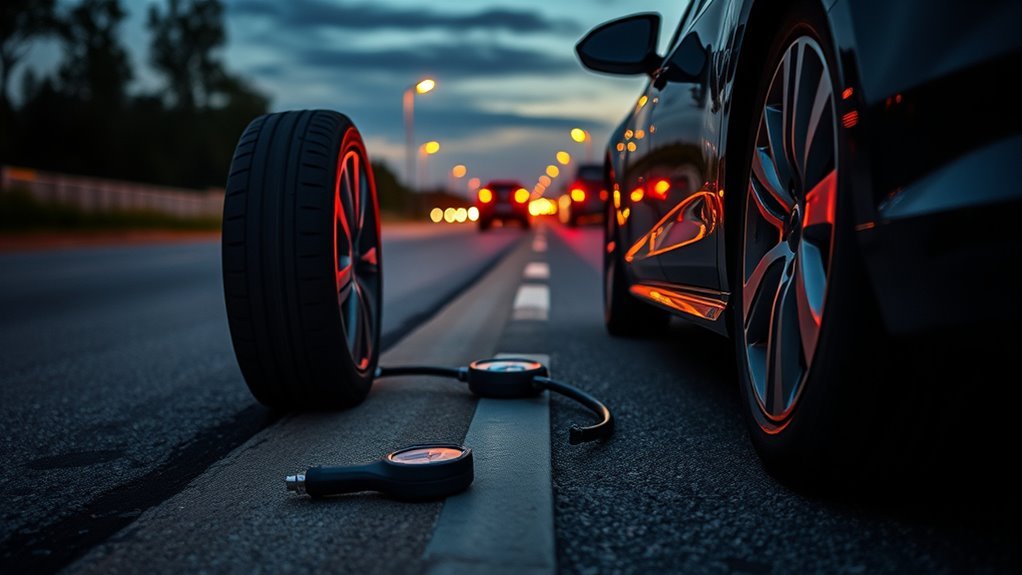
You risk safety, fuel economy, tire life, and control when tire pressure drops below the vehicle manufacturer’s recommended PSI. Underinflated tires increase rolling resistance and heat, make steering and braking less predictable, wear the tread unevenly, and raise the chance of tire failure. The fix is simple: check cold tire pressure monthly, use the PSI on your door-jamb placard or owner’s manual, and inspect the tires for damage, leaks, and abnormal wear.
Quick Answer
Underinflated tires reduce fuel economy, weaken handling, increase stopping distance, overheat more easily, and wear out faster. They can also lead to tire failure or a blowout, especially at highway speeds or under heavy loads. Check tire pressure when tires are cold and inflate to the vehicle manufacturer’s recommended PSI.
Key Takeaways
- Use the PSI listed on the driver-side door placard or owner’s manual, not the maximum PSI printed on the tire sidewall.
- Underinflated tires increase rolling resistance, which can reduce gas mileage and make tires run hotter.
- Low pressure can cause sluggish steering, longer stopping distance, uneven tread wear, and greater tire-failure risk.
- A TPMS warning is helpful, but it may not alert you until pressure is significantly low, so a manual gauge check still matters.
- Check tire pressure at least once a month, before long trips, and after major temperature changes.
At a Glance
| Time Required | 5–10 minutes |
| Difficulty | Easy |
| Tools Needed | Tire pressure gauge, air compressor or tire inflator, valve-stem caps |
| Cost | Usually free to low cost; a basic gauge is inexpensive and reusable |
What Are Underinflated Tires? Quick Definition and Causes
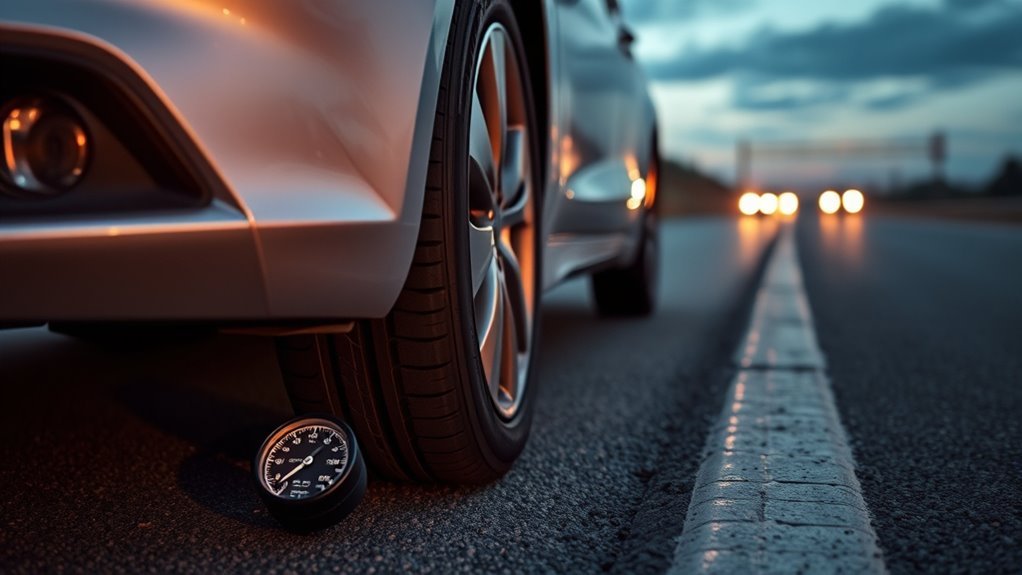
Underinflated tires are tires with air pressure below the vehicle manufacturer’s recommended cold inflation pressure. That recommended pressure is usually printed on a label inside the driver-side door jamb and listed in the owner’s manual. It is not the same as the maximum PSI printed on the tire sidewall.
Low tire pressure usually happens for one of four reasons: normal air loss through the tire over time, outdoor temperature drops, a puncture or slow leak, or a damaged valve stem. Even a tire that looks fine can be several PSI low, so visual checks alone are not enough.
When pressure is too low, the tire changes shape. More rubber touches the road, the sidewalls flex more than intended, and the tire produces extra heat. That combination hurts fuel economy, tire life, steering response, braking, and overall safety.
Note: Check pressure when tires are cold, meaning the vehicle has been parked for at least a few hours or driven only a short distance. Heat from driving raises pressure temporarily and can give a misleading reading.
[Products Worth Considering]

EVOULTES heavy duty tire inflator with an integrated gauge delivers accurate pressure readings from 10–120 PSI, helping you inflate, deflate, and check tires in one tool. The 16.5-inch extended dual-head air chuck with swivel base reaches hard-to-access dual wheel valves on trucks and RVs. A brass trigger core and side-mounted air release valve make operation smooth, with standard 1/4" NPT threading and quick-connect compatibility for easy setup.
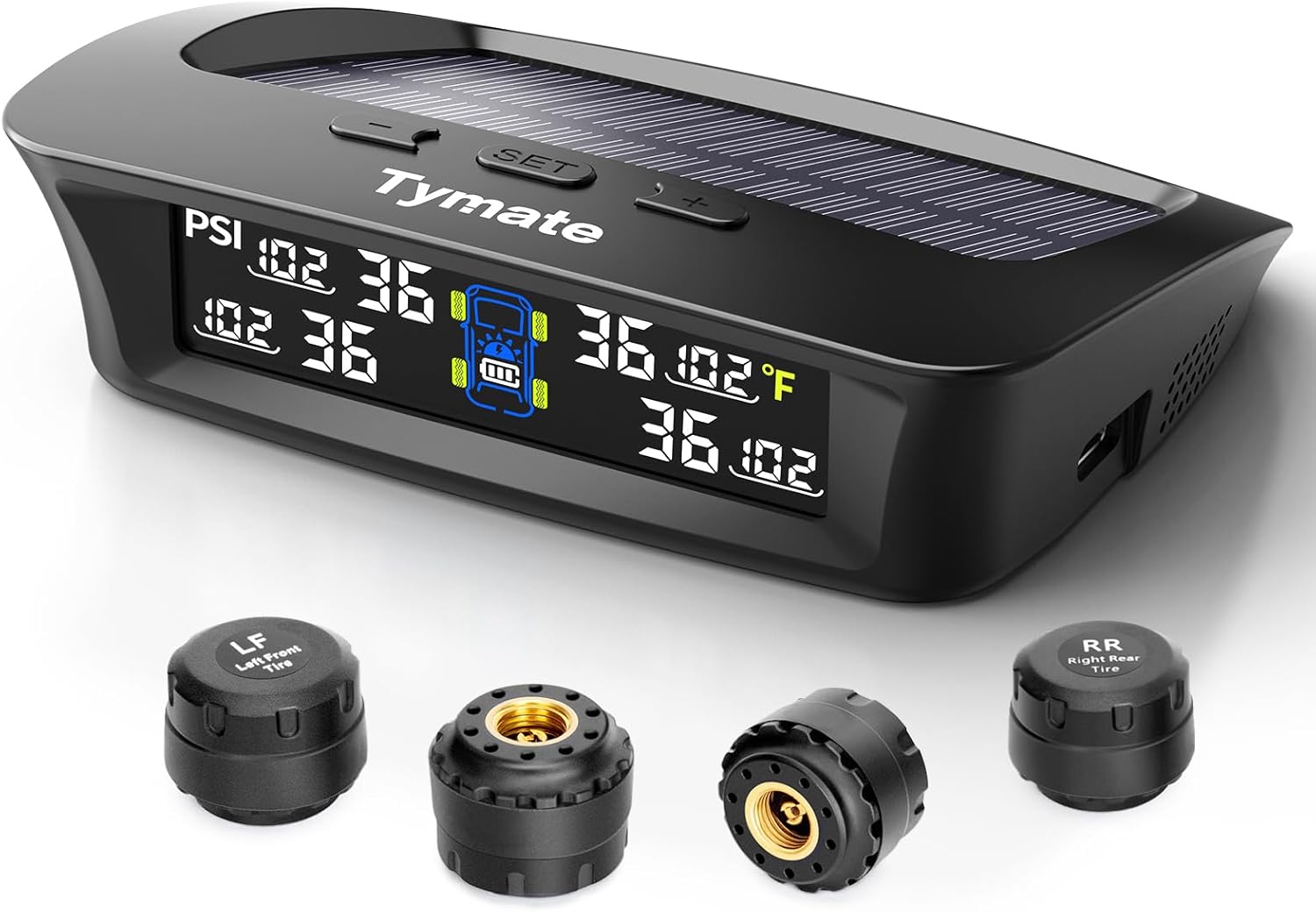
The Tymate TM3 RV TPMS delivers real-time tire pressure monitoring from 0 to 144 PSI with accurate readings and dependable wireless communication. It includes four external sensors with pre-pairing, six alarm modes for rapid leak, pressure extremes, temperature, and signal loss, plus an easy-reference setup for alert thresholds. Solar and USB-C charging help keep the display powered, while the color LCD and adaptive backlight improve visibility for safer driving and towing.

This portable cordless tire inflator delivers up to 160 PSI with fast 17 L/min airflow to help you quickly top up tires and get back on the road. It features dual power mode, running on a 21V rechargeable battery or a 12V DC adapter for convenient roadside use. An automatic shut-off with digital pressure gauge helps prevent overinflation, and a built-in LED light improves visibility in low-light conditions.
Quick Summary: The Top Dangers of Low Tire Pressure
Driving on underinflated tires is risky because it affects several systems at once. The tire becomes less stable, builds more heat, wears unevenly, and forces the engine or motor to work harder to move the vehicle.
- Higher fuel use: Underinflated tires increase rolling resistance, which can lower gas mileage. FuelEconomy.gov says underinflated tires can reduce gas mileage by about 0.2% for every 1 PSI drop in the average pressure of all tires.
- Poorer handling: Extra sidewall flex can make the vehicle feel slow to respond, especially during turns, lane changes, and emergency maneuvers.
- Longer stopping distance: Low pressure can reduce the tire’s ability to maintain a firm, even contact patch during braking.
- Uneven tread wear: Underinflation often wears the outer edges faster and can shorten tire life.
- More heat and tire-failure risk: Extra flexing and friction can overheat the tire, weakening its structure and increasing the chance of failure.
A tire-pressure problem is not just a mileage problem. It is a control, braking, heat, and tire-structure problem.
How Low PSI Raises the Risk of Blowouts and Overheating
When your tires are underinflated, the tread and sidewalls flex more with every rotation. That flexing creates heat. At city speeds, this may only cause faster wear, but at highway speeds, under heavy loads, or in hot weather, the heat can become dangerous.
Increased Heat Generation
Lower PSI increases rolling resistance. In simple terms, the tire has to work harder to roll. That extra work becomes heat inside the tire. The longer you drive on low pressure, the more stress the tire’s rubber, cords, belts, and inner liner must absorb.
Heat is one reason underinflation is so dangerous. It can weaken the tire’s internal structure, especially if the tire is already old, overloaded, damaged, or worn. Keeping tires inflated to the recommended PSI helps the tire run cooler and carry the vehicle’s weight as designed.
Structural Tire Failure
A severely underinflated tire can flex so much that the sidewall and internal cords weaken. This can lead to tread separation, sudden air loss, or a blowout. The danger rises when the vehicle is carrying extra weight, towing, driving fast, or traveling in hot weather.
Warning: Do not keep driving on a tire that is visibly flat, has a bulge, shows exposed cords, or repeatedly loses air. Install the spare if safe to do so, use roadside assistance, or have the tire inspected by a qualified technician.
How Low Tire Pressure Harms Steering, Stability, and Stopping
If you drive with underinflated tires, the vehicle may feel heavy, slow, or vague when you turn the steering wheel. That happens because the sidewall bends more than it should before the tire responds to your steering input.
| Effect | Mechanism |
|---|---|
| Delayed turn initiation | Excessive sidewall flex |
| Reduced cornering stability | Less stable tire shape and contact patch |
| Longer stopping distance | Reduced braking grip and extra heat buildup |
| Higher accident risk | Impaired control in emergency or wet-road conditions |
Proper tire pressure helps the tread stay flatter and more stable against the road. That improves steering response, traction, braking feel, and load-carrying ability. It also helps safety systems such as ABS, stability control, and traction control work with more predictable tire behavior.
How Much a PSI Drop Costs You in Fuel and Shortens Tire Life
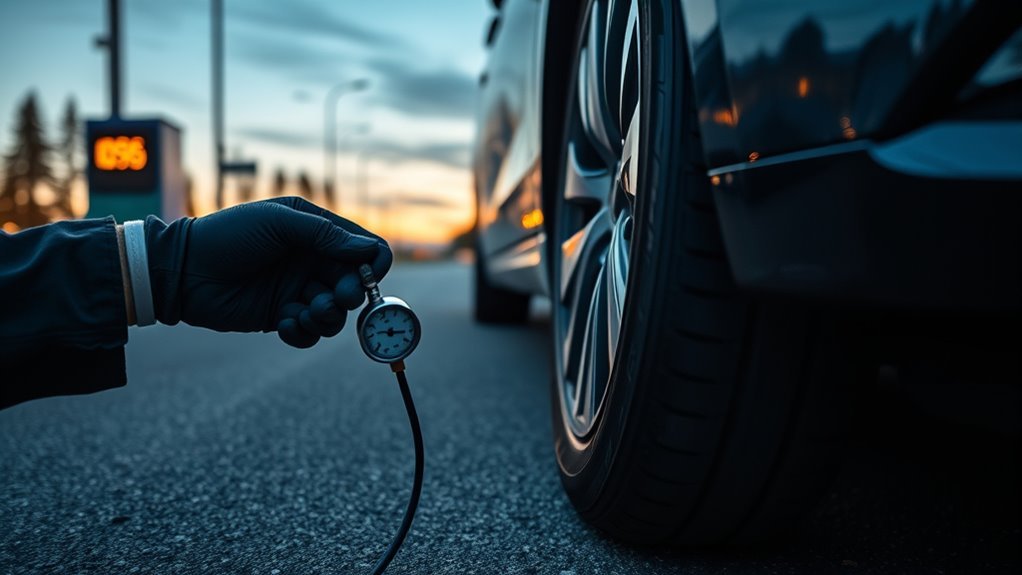
Low tire pressure costs money in two ways: it wastes fuel and wears tires faster. The exact cost depends on your vehicle, tire size, fuel price, driving speed, load, and how far below the recommended PSI the tires are.
Fuel Cost Per PSI
According to the U.S. Department of Energy’s FuelEconomy.gov, keeping tires inflated to the proper pressure can improve gas mileage by 0.6% on average and up to 3% in some cases. It also states that underinflated tires can lower gas mileage by about 0.2% for every 1 PSI drop in the average pressure of all tires.
That means the original “3% more fuel for every 1 PSI” claim is too high for normal driving. A better way to think about it is this: a few PSI may not feel dramatic during one trip, but over thousands of miles, low pressure becomes a steady fuel penalty.
Tire Longevity Loss
Underinflated tires wear unevenly because the tire does not sit on the road the way it was designed to. The shoulders may wear faster, the sidewalls may flex more, and heat can speed up rubber breakdown. That can shorten tire life and force earlier replacement.
Low pressure can also hide other problems. If one tire keeps losing air faster than the others, you may have a puncture, valve-stem leak, wheel damage, bead leak, or aging tire. Do not just keep adding air without finding the cause.
Pro Tip: Keep a small tire-pressure log in your phone. If the same tire drops more than the others month after month, have it inspected for a slow leak.
7 Signs Your Tires Are Underinflated: What to Check Now
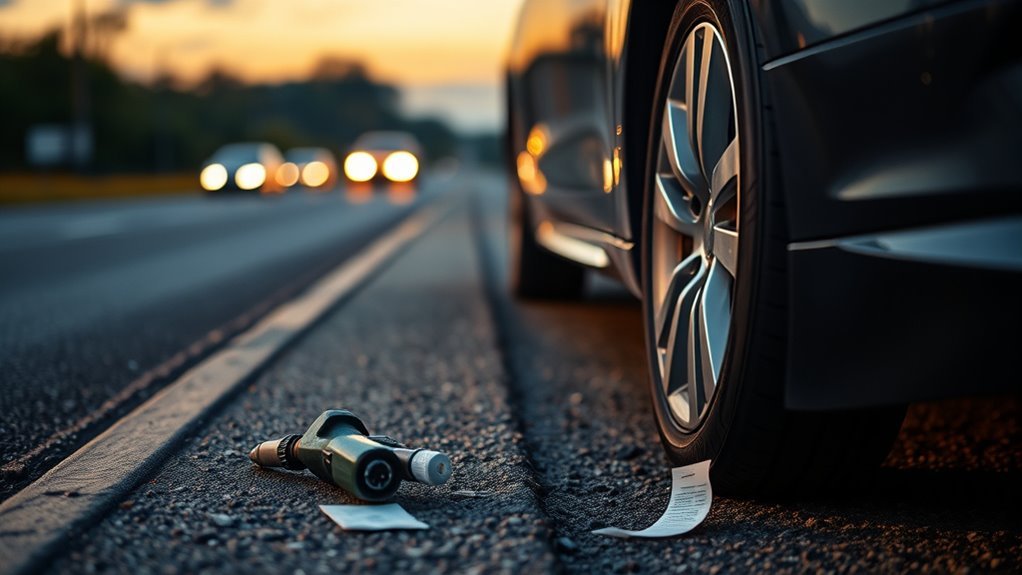
Some signs of underinflation are obvious, but others are subtle. Use these clues as a warning to check the tire with a gauge.
- TPMS light: The tire pressure monitoring system warns you when pressure is significantly low. Many systems are required to warn when one or more tires are 25% or more below the recommended cold inflation pressure, so do not wait for the light before doing routine checks.
- Sagging tire shape: A tire that looks low or flattened at the bottom may be seriously underinflated.
- Sluggish steering: The vehicle may feel slow to turn or less stable in curves.
- Longer braking feel: The vehicle may not stop as sharply, especially on wet or uneven roads.
- Vibration or thumping: A low or damaged tire can create unusual vibration, noise, or a flapping sound.
- Uneven shoulder wear: Faster wear on the outer edges can point to chronic underinflation, though alignment and suspension problems can also cause uneven wear.
- Repeated pressure loss: If one tire keeps dropping, it may have a leak or damage that needs repair.
[Products Worth Considering]

The JACO FlowPro Tire Inflator measures, inflates, and airs down tires up to 100 PSI with battery-free operation and ±2% accuracy after calibration. It features a glowing pressure dial for night visibility, a heavy-duty steel build with a hybrid hose, and a precision push-to-inflate thumb trigger. The patented Lightning Air Chuck locks on for a secure seal, and the kit includes quick-connect hardware for easy inline use with your air compressor.
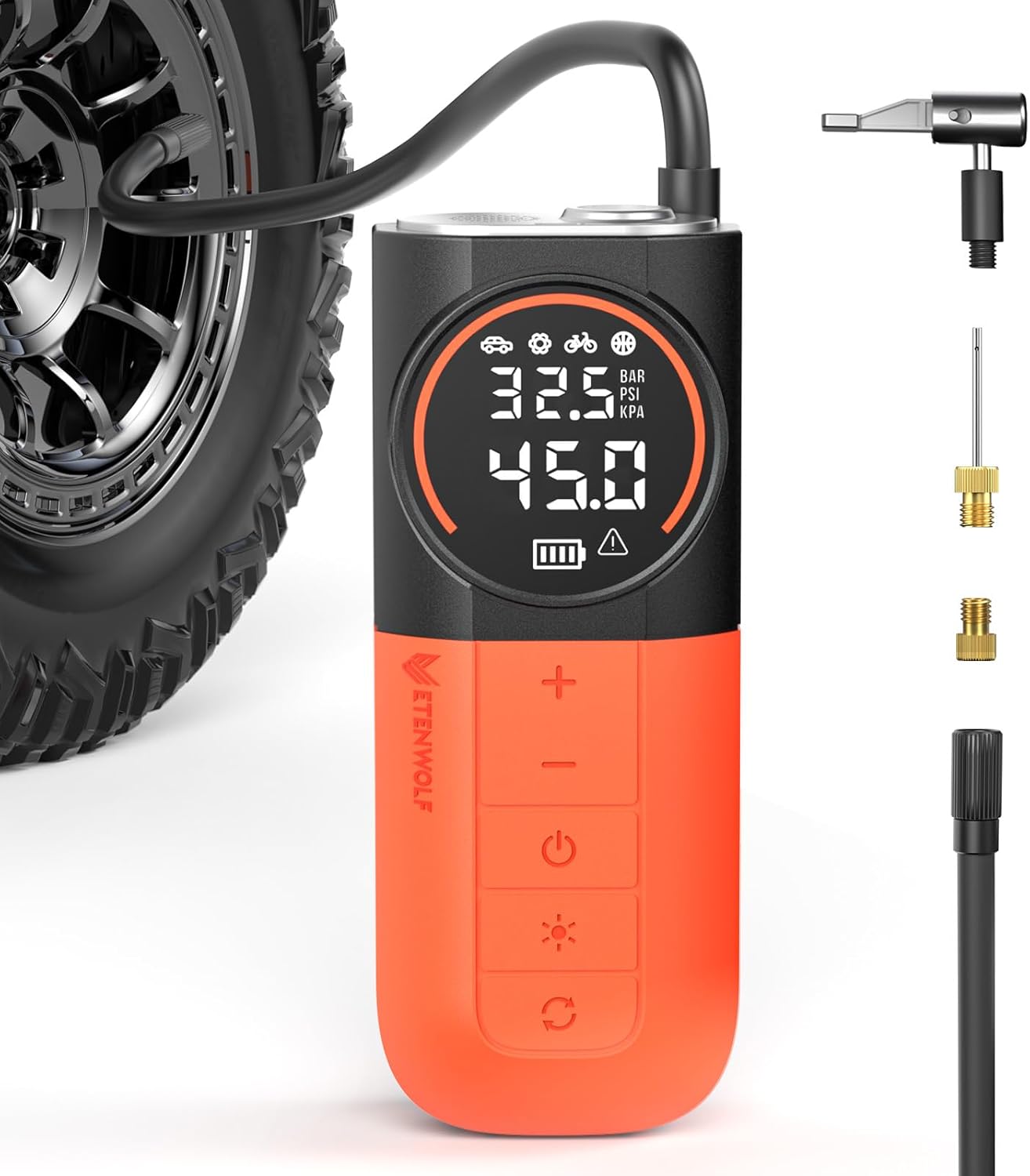
The ETENWOLF S1 cordless tire inflator delivers ultra-fast inflation with up to 160 PSI and a 20 L/min airflow for quicker tire top-offs. Its 5200mAh battery and cooling system support inflating many tires and sports balls on a single charge, while the digital pressure gauge and multi-unit display help you reach the right pressure accurately. With preset modes, pressure memory, an auto-stop feature, and an LED flashlight, it’s built for easy roadside and everyday use.
How and When to Check and Inflate Tires: A Monthly Checklist
Set a recurring monthly reminder to check tire pressure. Also check before long trips, before towing or carrying heavy loads, and after large temperature swings. Tire pressure can change by about 1 PSI for every 10°F change in temperature, so cold weather often triggers low-pressure warnings.
Step-by-Step Tire Pressure Check
- Find the correct PSI. Look at the tire information placard on the driver-side door jamb or your owner’s manual. Do not use the maximum PSI molded on the tire sidewall as your normal setting.
- Check tires cold. Measure pressure before driving or after the vehicle has been parked for several hours.
- Remove the valve cap. Press the gauge firmly onto the valve stem until the hissing stops and the gauge gives a reading.
- Compare the reading with the placard PSI. Check all four tires and the spare if your vehicle has one.
- Add air if needed. Inflate slowly, then recheck with the gauge.
- Release air if overinflated. Press the valve core briefly, then recheck.
- Inspect while you are there. Look for nails, cuts, bulges, cracked rubber, missing valve caps, and uneven tread wear.
- Reinstall valve caps. They help keep dirt and moisture out of the valve stem.
What Kind of Tire Pressure Gauge Should You Use?
A digital, dial, or quality stick gauge can work well if it is accurate and easy for you to read. The most important thing is consistency: use the same reliable gauge, keep it clean, and replace it if it becomes damaged or gives readings that do not make sense.
What About Nitrogen-Filled Tires?
Nitrogen-filled tires still need pressure checks. Nitrogen may lose pressure more slowly in some conditions, but it still responds to temperature changes and does not remove the need for regular maintenance.
When to Repair or Replace Tires: And Legal/Insurance Steps
Repair or replacement depends on the location and size of the damage, tire condition, tread depth, and manufacturer guidelines. A small puncture in the tread area may be repairable, but damage to the sidewall, shoulder, bead, or internal structure usually means replacement.
Replace tires with bulges, exposed cords, major cuts, sidewall damage, or tread worn to the legal limit. Repair only when the puncture meets industry repair criteria.
- Inspect and document: Record tread depth, tire pressure, visible damage, service dates, and receipts. Photos can help if you need warranty, insurance, or repair documentation.
- Use proper repair standards: The U.S. Tire Manufacturers Association recommends repairing only eligible punctures in the tread area, no larger than 1/4 inch or 6 mm, after the tire has been removed and inspected from the inside. A plug-only or patch-only repair is not considered a proper permanent repair.
- Replace unsafe tires: Replace tires with bulges, sidewall damage, exposed cords, severe cracking, or tread depth at or below 2/32 inch. For wet or winter conditions, many drivers replace tires earlier for better traction.
- Notify insurance after an incident: If tire failure contributes to a crash or damage claim, contact your insurer promptly and keep service records.
Warning: Tire repair should be done by a qualified technician. Temporary sealants, roadside plugs, and inflator kits may help you reach service safely, but they are not a substitute for a proper internal inspection and repair.
Frequently Asked Questions
How would underinflated tires affect your vehicle?
Underinflated tires can reduce fuel economy, make steering feel sluggish, increase stopping distance, create uneven tread wear, and raise the risk of overheating or tire failure. They also reduce the tire’s ability to carry the vehicle’s load correctly.
How does tire pressure affect vehicle safety and fuel efficiency?
Correct tire pressure helps maintain steering, braking, traction, load capacity, and tire temperature. Low pressure increases rolling resistance, which can reduce gas mileage and make the tire run hotter. Properly inflated tires are safer and usually last longer.
Can I drive with the TPMS light on?
You should check the tire pressure as soon as it is safe. A TPMS light means one or more tires may be significantly low, or the system may have a fault. Use a tire gauge to confirm the pressure and inflate to the recommended cold PSI.
How often should I check tire pressure?
Check tire pressure at least once a month, before long trips, and after big temperature changes. Always check when the tires are cold for the most accurate reading.
Should I inflate my tires to the number on the tire sidewall?
No. The number on the sidewall is usually the tire’s maximum pressure, not the recommended pressure for your vehicle. Use the PSI on the driver-side door placard or in the owner’s manual.
Conclusion
Underinflated tires are a slow-moving hazard. They waste fuel, wear out faster, weaken steering response, increase heat, and can raise the risk of tire failure. The best prevention is simple: check cold tire pressure monthly, inflate to the vehicle manufacturer’s recommended PSI, inspect for damage and uneven wear, and repair or replace unsafe tires promptly. A few minutes of tire care can protect your money, your tires, and your safety on the road.
Sources
- NHTSA TireWise: Tire Safety Ratings and Awareness — tire safety, cold inflation pressure, treadwear, and tire maintenance guidance.
- NHTSA Tire Safety Checklist — monthly pressure checks, spare tire checks, valve caps, and tire inspection steps.
- FuelEconomy.gov: Gas Mileage Tips — fuel economy impact of underinflated tires and proper tire inflation.
- NHTSA TPMS Final Rule — tire pressure monitoring system warning threshold information.
- U.S. Tire Manufacturers Association: Tire Repair Basics — puncture repair limits and proper repair procedures.
- NHTSA Winter Driving Tips — tire tread depth and tire damage inspection guidance.

Related Articles
How to Prove Someone Slashed Your Tires: Evidence Guide
Mysterious tire damage can reveal more than you think—discover the evidence that could prove sabotage and keep reading for the key clues.
Read More
How to Drive on a Donut Tire: Speed and Distance Limits
Carefully learn how far and fast you can safely drive on a donut tire before risking a blowout or losing control.
Read More
Slashed Tire or Blowout? How to Tell the Difference
A slashed tire or blowout? Spot the clues fast, but one subtle sign could change everything.
Read More