
Armstrong Tru-Trac HT Tire Review
Disclosure: As an Amazon Associate, we earn from qualifying purchases. If you click a link on this page and make a purchase, we may receive a small commission at no extra cost to you.
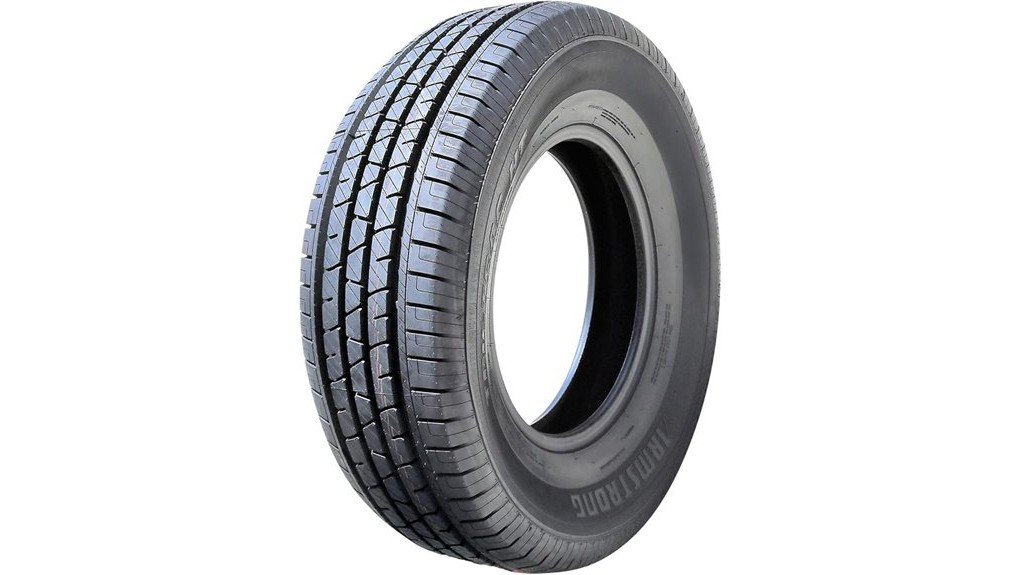
Choosing a replacement SUV or light-truck tire is mostly about matching the right size and load rating without paying for capability you will not use. The Armstrong Tru-Trac HT in 235/70R16 is a highway-focused all-season tire designed for paved-road comfort, predictable handling, and long tread life. Its strongest points are the 65,000-mile mileage coverage, H speed rating, and noise-reducing tread features. Its main limits are that it is not a severe-snow tire, not an off-road tire, and must match your vehicle placard before installation.
Quick Verdict
Rating: 8.2/10, Recommended with caveats
Best For: Drivers who need a value-oriented 235/70R16 highway tire for commuting, road trips, and year-round paved-road use.
Bottom Line: The Tru-Trac HT combines a 106H rating, non-directional tread, and 65,000-mile mileage coverage in a practical highway package. Skip it if you need severe-snow certification, frequent trail use, or a different load and speed specification.
| Specification | Detail |
|---|---|
| Brand | Armstrong |
| Model | Tru-Trac HT, part number 1200043018 |
| Product type | All-season highway-terrain radial tire for trucks and SUVs |
| Size | 235/70R16 |
| Rim size | 16 inches |
| Section width / aspect ratio | 235 mm / 70 |
| Load and speed rating | 106H |
| Maximum load | 2,094 pounds per tire at the rated conditions |
| Load range / construction | SL, radial, 4-ply rated |
| Maximum pressure | 44 PSI, not the recommended vehicle inflation pressure |
| Tread depth | 8.73 mm, about 11/32 inch |
| Tread design | Non-directional highway tread with open lateral channels and a noise-blocking shoulder bar |
| UTQG | 740 A A |
| Overall diameter / listed weight | 29 inches / 34 pounds |
| Package contents | One tire only, wheel not included |
| Manufacturer coverage | Armstrong advertises 65,000-mile mileage coverage and Tuff 360 benefits, subject to eligibility and warranty terms |
Key Takeaways
- The reviewed variant is a single Armstrong Tru-Trac HT tire in 235/70R16 with a 106H service description.
- Its highway-terrain design favors paved-road comfort, wet-road water evacuation, and predictable steering over off-road traction.
- The non-directional tread supports flexible rotation patterns when your vehicle uses the same tire size front and rear.
- The 65,000-mile mileage coverage and 740 A A UTQG rating support its long-wear positioning, but actual life depends on alignment, pressure, rotation, load, and driving habits.
- The 44 PSI figure is the tire’s maximum listed pressure. You should normally inflate to the cold pressure on your vehicle placard, not automatically to 44 PSI.
[Products Worth Considering]
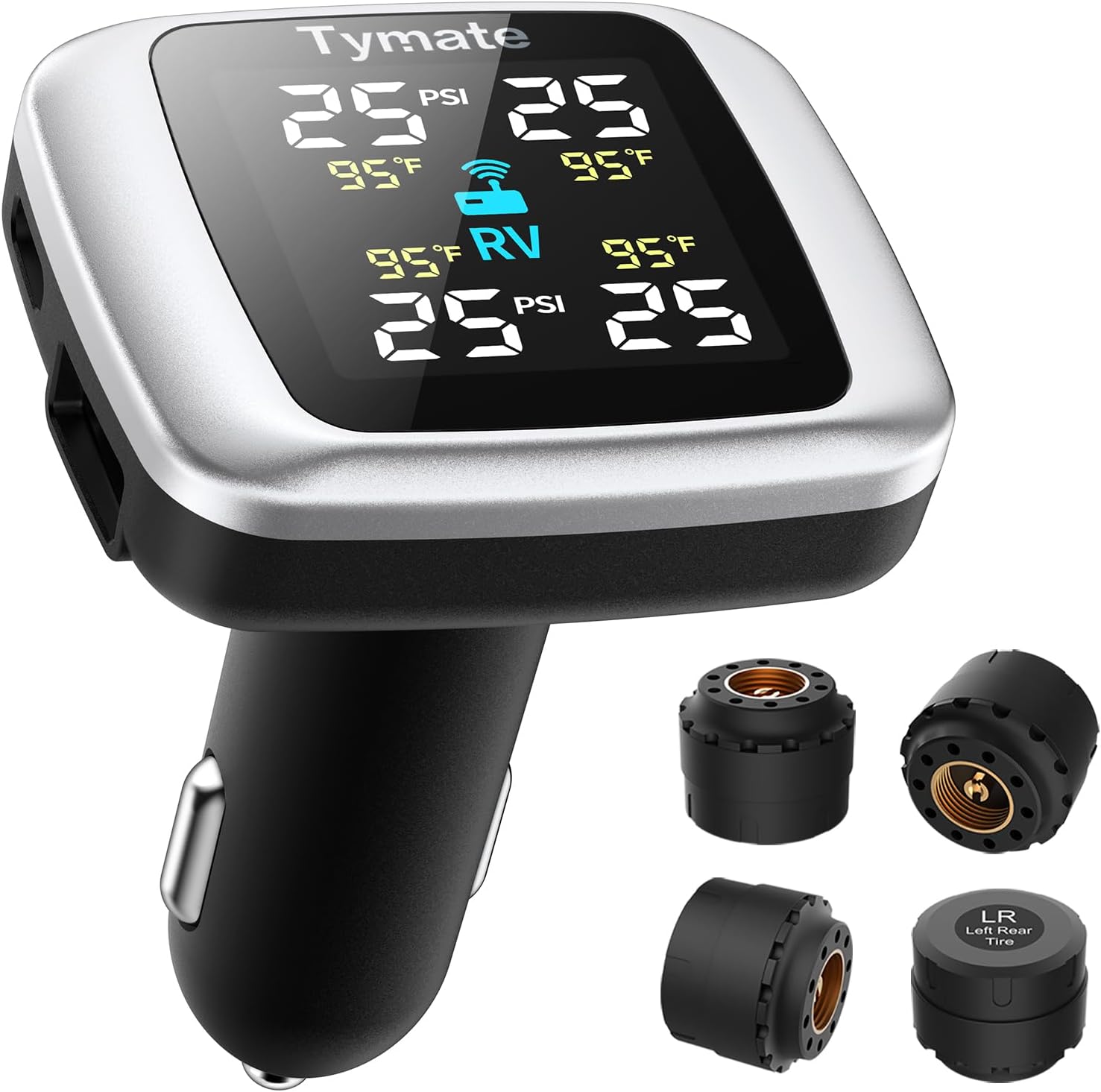
Tymate TM7 is a wireless tire pressure monitoring system that delivers real-time pressure and temperature readings for safer driving. It includes four external sensors, a bright color LCD display with adjustable backlight, and six alarm modes for high/low pressure, fast leakage, high temperature, and sensor signal or battery issues. The system covers a wide 0–144 PSI range and plugs into your vehicle’s cigarette lighter socket for quick DIY setup.

Upgrade your ride with a 2-pack set of 26x1.95 folding mountain bike tires built for dependable traction on mud, rocks, and trail surfaces. A reinforced puncture-resistant layer helps protect against sharp debris, while included butyl inner tubes provide strong sealing and shock absorption. Ready for fast swaps with included tire levers and universal sizing for most bikes.

This ALL-TOP auto-stop tire deflator valve kit lets you air down off-road tires quickly without watching pressure, automatically stopping when your preset PSI is reached. Each valve is individually calibrated for reliable performance with an acceptable +/- 2 PSI tolerance. The adjustable deflator range covers 10 to 30 PSI and includes four valves plus valve caps and a zipper pouch for easy setup on trucks, SUVs, RVs, UTVs, and powersports.
What Is the Armstrong Tru-Trac HT?
The Armstrong Tru-Trac HT is an all-season highway-terrain radial tire for SUVs, crossovers, and light-duty trucks. The reviewed 235/70R16 version carries a 106 load index, H speed rating, SL load range, and 4-ply rating. It is sold as one tire, so a full replacement set normally requires four matching tires unless your vehicle uses a staggered setup.
Armstrong uses an optimized curved tread profile to increase tread rigidity and reduce rolling resistance. Open lateral channels are intended to move water away from the contact area, while a noise-blocking bar at the shoulders is designed to reduce tread noise and help limit premature wear. Those features make the Tru-Trac HT most relevant to drivers who spend nearly all their time on pavement.
Who Should Buy It?
Best For
- Drivers whose placard or approved fitment calls for 235/70R16 with compatible load and speed ratings.
- SUV and light-truck owners who prioritize highway comfort, routine wet traction, and tread life.
- Value-focused buyers who want a non-directional all-season tire for commuting and road trips.
Skip If
- You need a different size, higher load range, or manufacturer-specified service description.
- You regularly drive in deep snow, ice, mud, rocks, or rough trails.
- You need an LT-metric commercial-duty tire for heavy towing or frequent maximum-load use.
Before You Buy: A matching 235/70R16 size alone does not confirm fit. Check the driver-door tire placard, owner’s manual, wheel width, load index, and speed rating, or have a qualified tire professional verify the vehicle by year, make, model, trim, and VIN.
Highway Handling and Steering Feel
The Tru-Trac HT is built around stable road contact rather than an aggressive, open off-road pattern. Its curved tread profile is designed to improve tread rigidity, which can help the tire feel more consistent during lane changes and long highway curves. The 70-series sidewall also provides more impact cushioning than many low-profile SUV tires, although steering response will still depend heavily on your vehicle and inflation pressure.
The H speed rating identifies the tire’s tested speed category, not a recommendation to drive at that speed. More important for daily use is the 106 load index, which corresponds to a maximum rated load of 2,094 pounds per tire under the proper conditions. That does not increase your vehicle’s payload or tow rating, so you must still follow the vehicle manufacturer’s limits.
Wet Grip and All-Season Limits
Continuous open lateral channels give water a path away from the tread blocks, supporting wet-road grip and resistance to water buildup under the tire. The UTQG traction grade of A also places it in a solid everyday traction category for a highway tire. Even so, no all-season tread can overcome worn tread, standing water, excessive speed, or poor inflation.
The Tru-Trac HT is not presented as a dedicated winter tire and the reviewed listing does not show Three-Peak Mountain Snowflake certification. It may handle occasional light snow when the tread is healthy, but drivers who face frequent ice, deep snow, mountain passes, or legally required winter equipment should consider a dedicated winter or qualifying all-weather tire.
Ride Comfort and Road Noise
Armstrong’s noise-blocking shoulder bar is intended to reduce sound created as the tread contacts the road. That design, combined with a highway-focused pattern, should make the Tru-Trac HT calmer on pavement than a tire with large all-terrain tread blocks. Road surface, wheel balance, vehicle insulation, and tread wear will still affect what you hear in the cabin.
The 235/70R16 size has a relatively tall sidewall, which can absorb smaller pavement joints and rough patches. Comfort also depends on using the placard pressure and keeping the tires balanced. Overinflating toward the 44 PSI sidewall maximum can reduce ride comfort and may alter the contact patch when that pressure is not specified by the vehicle manufacturer.
Tread Life, Rotation, and Warranty
The Tru-Trac HT carries a 65,000-mile mileage warranty and a UTQG treadwear grade of 740. These figures support its long-life positioning, but they are not a promise that every driver will reach the same mileage. Misalignment, worn suspension parts, skipped rotations, underinflation, overloading, and aggressive driving can shorten tread life.
Because the tread is non-directional, you have more rotation options than with a directional tire, provided your vehicle uses the same size and wheel specification at all four positions. Follow the rotation interval in your owner’s manual or tire warranty terms and record service dates if you may need warranty support.
Armstrong also advertises Tuff 360 coverage that may include a six-year limited warranty, roadside assistance, road-hazard benefits, and a 30-day money-back program. Coverage can depend on purchase channel, registration, proof of purchase, maintenance, exclusions, and regional terms, so review the current Armstrong warranty details before relying on any benefit.
Fit, Inflation, and Installation Safety
Use this tire only when 235/70R16 is approved for your vehicle and the 106H service description meets or exceeds the required specification. A tire can share the same nominal size while carrying a different load index, speed rating, load range, or sidewall construction. Replacement tires should also be compatible with the wheel width and vehicle systems.
Have the tire mounted, balanced, and inspected by a qualified shop. The listed 44 PSI is a maximum tire pressure, not a universal inflation target. The proper cold pressure is normally printed on the driver-door placard or listed in the owner’s manual. NHTSA also advises using the vehicle manufacturer’s recommended size and cold inflation pressure, which you can review in its TireWise safety guidance.
Do not exceed the vehicle’s gross axle, payload, or towing limits just because four tires have a combined theoretical load capacity. Vehicle ratings also depend on wheels, axles, brakes, suspension, hitch equipment, and load distribution.
Pro Tip: Photograph your tire placard and current sidewall before ordering. Compare the complete size and service description, then confirm the seller is shipping one tire in the exact 235/70R16 106H variant.
[Products Worth Considering]

This manual duck head tire changer kit makes tire installation and removal simpler by letting you embed the duck head into the tire with applied pressure. The integrated design and durable steel construction help reduce friction and improve efficiency and safety during use. Suitable for 16–21 inch wheels, it’s convenient for cars, trucks, SUVs, and ATV tires, with 24-hour after-sales support.
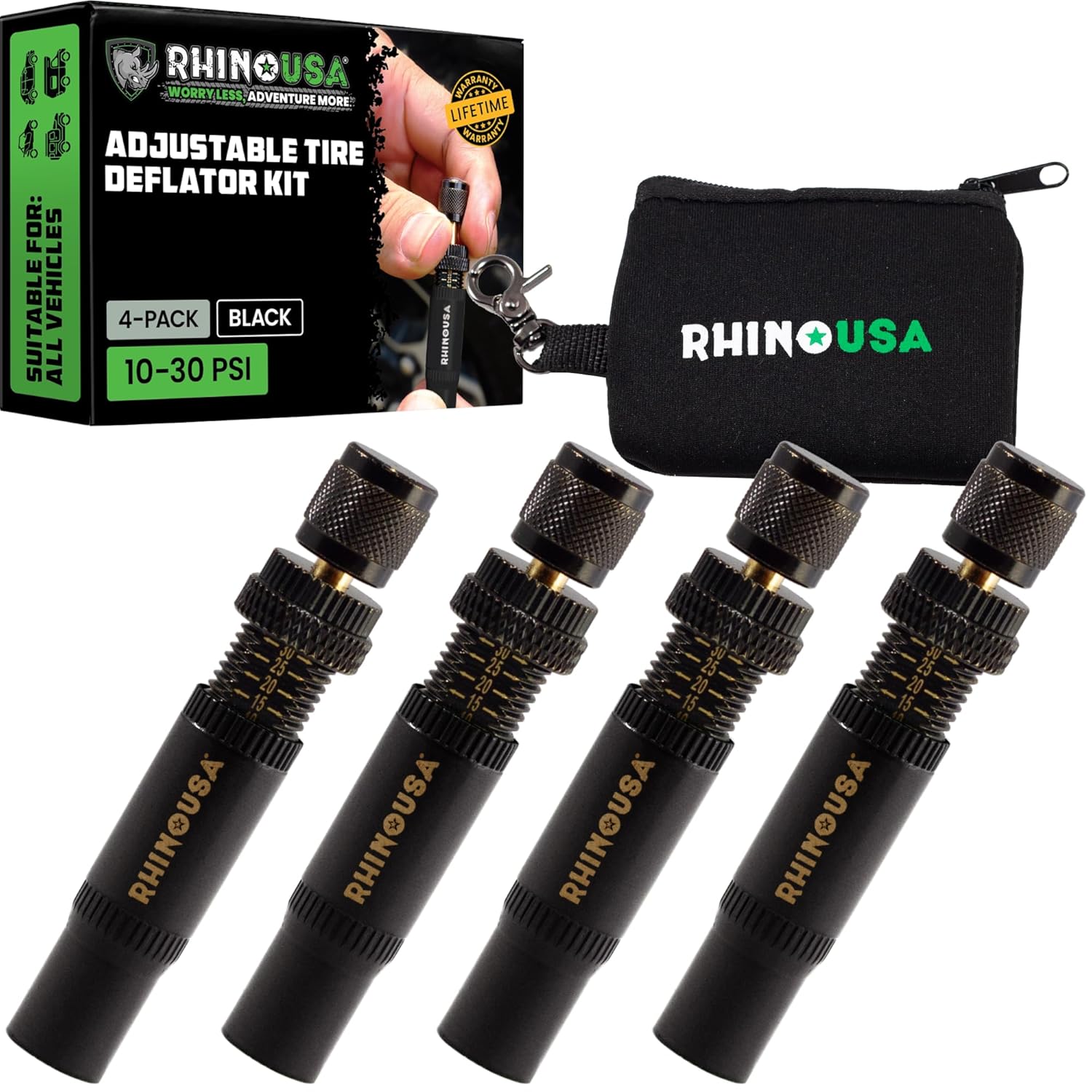
Use the Rhino USA adjustable tire deflators to air down all four tires at once by screwing one deflator onto each valve stem, letting you step away while the tires reach your preset pressure. Each deflator independently adjusts across a 10–30 PSI range with laser-etched indicators for quick setup and verification, making it ideal for beach, sand, and rocky off-road trails.

The 22800 wheel stud installer makes replacing wheel studs quick and secure, saving time and effort during tire service. It uses a ratchet or impact wrench to pull new studs firmly into place, helping when existing studs are too long. Compatible with most automotive wheels and light-duty truck wheel studs, it’s designed for easy, tool-assisted installation.
How It Performs in Real Use
For Daily Commuting
The highway tread and noise-reducing shoulder design suit stop-and-go commuting followed by higher-speed road sections. You should expect predictable behavior rather than sporty steering. Regular pressure checks matter because a tall sidewall can hide some visual signs of underinflation.
For Long Highway Trips
The 106H rating, 29-inch overall diameter, and highway-terrain construction make this version suitable for compatible SUVs and trucks used on long paved trips. A balanced set, correct alignment, and proper cold pressure will matter more to comfort and wear than the marketing label alone.
For Rainy Conditions
The open lateral channels are the main wet-weather feature. They help move water through the tread, but you still need to slow down in heavy rain and replace the tires before the grooves become too shallow for your conditions.
For Light Gravel and Winter Weather
Occasional maintained gravel roads should be manageable at sensible speeds, but the Tru-Trac HT is not designed for repeated rock, mud, or trail use. Its all-season label also does not make it a substitute for dedicated winter traction in severe conditions.
Common Mistakes to Avoid
- Ordering by vehicle model alone without checking the exact year, trim, placard, or approved fitment.
- Treating the 44 PSI maximum as the normal cold inflation pressure.
- Assuming the tire’s load capacity raises the vehicle’s payload or towing rating.
- Mixing different tread patterns, wear levels, sizes, or service descriptions without professional guidance.
- Expecting a highway-terrain tire to perform like an all-terrain or winter tire.
- Skipping rotation, alignment checks, and pressure maintenance while expecting full warranty mileage.
Pros and Cons
Pros
- 65,000-mile mileage coverage supports long-term highway use.
- Open lateral channels provide a practical wet-road design.
- Noise-blocking shoulder feature targets a quieter paved-road ride.
- Non-directional tread allows flexible rotation on compatible setups.
- 106H rating gives this size useful load and speed capability for approved vehicles.
Cons
- No severe-snow certification is shown for the reviewed variant.
- SL construction is not the right choice for every heavy-duty towing or work application.
- Warranty benefits depend on eligibility, proof of purchase, maintenance records, and current program terms.
Is It Worth the Price?
The Armstrong Tru-Trac HT sits in the value-oriented part of the highway tire market. Its strongest value points are the 65,000-mile coverage, 740 A A UTQG rating, and comfort-focused tread features. It makes the most sense when you want everyday paved-road performance and your local installed price is meaningfully lower than established premium alternatives.
Value depends on more than the tire-only price. Compare shipping, mounting, balancing, valve or TPMS service, disposal fees, alignment needs, and local warranty support. A cheaper tire is less attractive if the seller cannot provide clear fitment help or convenient warranty service.
How It Compares to Alternatives
The General Grabber HTS60 and Firestone Destination LE3 are direct highway all-season alternatives offered in 235/70R16. The Michelin Defender LTX M/S is another option in the same nominal size for buyers who prioritize a premium brand and broad dealer support. Exact load index, speed rating, sidewall type, warranty, and price can differ by version.
The Tru-Trac HT makes the most sense when you want a value-focused 106H highway tire with long mileage coverage. Compare the complete service description rather than size alone, because an alternative marked 235/70R16 may not be an exact functional substitute for your vehicle.
Frequently Asked Questions
What vehicles fit the 235/70R16 Armstrong Tru-Trac HT?
It fits only vehicles and wheels approved for 235/70R16 with a compatible 106H service description. Check the driver-door placard, owner’s manual, and exact year, make, model, trim, and VIN rather than relying on a general vehicle list.
Is 44 PSI the correct pressure for daily driving?
Not automatically. Forty-four PSI is the listed maximum tire pressure, while the correct cold inflation pressure is normally the value on your vehicle placard or in the owner’s manual.
Is the Tru-Trac HT good in snow?
It is an all-season tire and may handle occasional light snow when the tread is in good condition. It is not presented as a dedicated winter tire, and the reviewed variant does not show Three-Peak Mountain Snowflake certification.
Can I use it for towing?
The tire can be used on a compatible tow vehicle when its size, load index, pressure, and condition meet the vehicle requirements. It does not increase the vehicle’s tow rating, payload rating, axle limits, or hitch capacity.
Is the tread directional?
No. The reviewed listing identifies a non-directional tread, which supports more flexible rotation patterns when all four wheel positions use the same size and specification.
Does the listing include a wheel or a full set?
No. The listing is for one tire only, and the wheel is not included. Confirm quantity before checkout if you need a pair or a complete set of four.
What warranty comes with the Armstrong Tru-Trac HT?
Armstrong advertises 65,000-mile mileage coverage and additional Tuff 360 benefits. Eligibility, road-hazard coverage, roadside assistance, registration, proof-of-purchase rules, exclusions, and regional terms should be confirmed before purchase.
Who should skip this tire?
Skip it if your vehicle requires another size or service description, if you need LT-metric heavy-duty construction, or if you regularly drive in severe snow or off-road terrain. A tire professional can verify the correct category and fit.
The Bottom Line
The Armstrong Tru-Trac HT 235/70R16 is a sensible choice for compatible SUVs and light trucks used mainly on pavement. Buy it for its highway-focused comfort, 106H rating, non-directional tread, and 65,000-mile coverage, but skip it for severe winter use, regular off-roading, or applications that require heavier-duty construction.
Ready to Buy?
Check the latest seller status, exact tire specification, and product details before you decide.
[Products Worth Considering]

This 62-inch extra-long car wash brush kit makes it easy to clean hard-to-reach areas on cars, trucks, SUVs, and RV roofs with lightweight, sturdy poles. It includes soft, non-scratch microfiber and bristles with protective bumpers to help prevent scratches while cleaning effectively. A rubber squeegee helps remove water stains quickly, plus a wheel/tire brush and absorbent towels for complete exterior detailing.

The Airmoto portable tire inflator quickly and accurately fills car, truck, SUV, motorcycle, and bicycle tires up to 120 PSI with auto shut-off when your target pressure is reached. Its large LCD, multi-unit pressure display, and digital gauge make it easy to dial in settings and verify readings, while the built-in LED flashlight helps in low light. The included polyurethane hard carrying case and storage mesh pocket keep the inflator and accessories protected and organized.

The ETENWOLF T600 digital tire pressure gauge delivers precise, manually calibrated readings to ANSI B40.7 Grade 2A standards with ±0.5% PSI accuracy. Its 360° rotating nozzle and display hold make it easy to check pressures from any angle, while a bleed button helps dial tires to the perfect level. With a 0–250 PSI range and support for PSI, BAR, and KPA, it’s a convenient tool for maintaining tire performance across many vehicles and seasons.

Related Articles
Green Max GTL202 Tire Review: Performance Insights
I review the Green Max GTL202’s load, wet grip, and highway manners to reveal whether this trailer tire truly earns fleet trust.
Read More
Landspider Citytraxx H/T Tire Review
Curious if the Landspider Citytraxx H/T delivers on a budget? Discover the grip, comfort, and trade-offs before you decide.
Read More
GT Radial Savero HT2 Tire Review
Never settle for guesswork—discover what the GT Radial Savero HT2 really delivers in wet, dry, and everyday driving before you buy.
Read More