
LE LEMATEC Air Compressor Regulator Review
Disclosure: As an Amazon Associate, we earn from qualifying purchases. If you click a link on this page and make a purchase, we may receive a small commission at no extra cost to you.
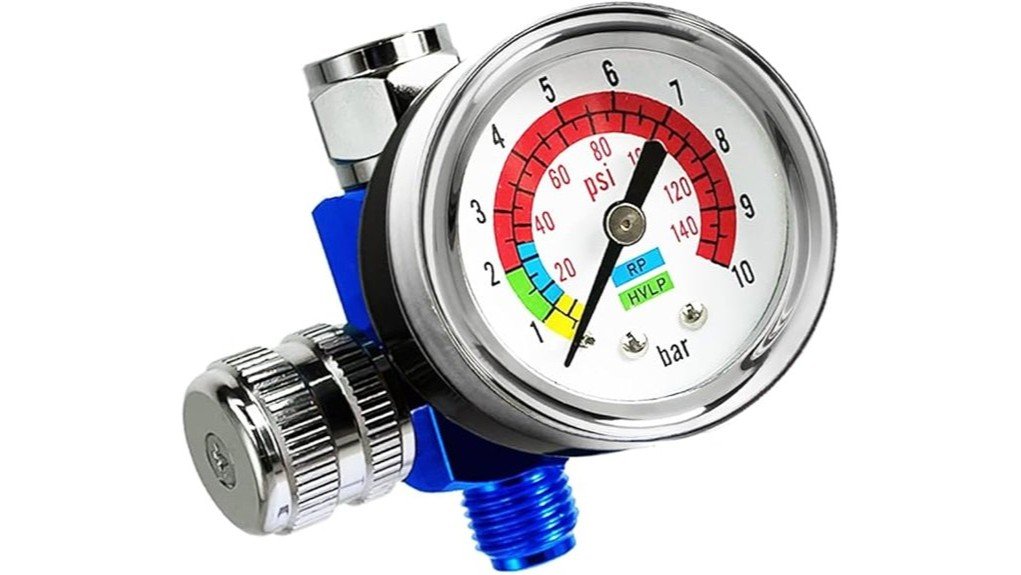
Getting the right pressure at a spray gun or air tool can be harder than setting the compressor alone. Hose length, fittings, and airflow demand can change the pressure that reaches the tool. The LE LEMATEC AR-01 puts an analog gauge and an adjustable flow valve at the connection point, giving you a clearer view of working pressure. It is compact and useful for light pneumatic tasks, but it is not a full diaphragm-style regulator for high-flow systems.
Quick Verdict
Rating: 8.2/10, recommended with caveats
Best For: Spray-gun users, DIY painters, tire-inflation setups, and light pneumatic tools that use 1/4 NPT connections
Bottom Line: The AR-01 gives you convenient tool-end airflow adjustment and a readable 0-150 PSI gauge in a compact brass body. Its main tradeoff is that it controls flow rather than providing the steadier downstream regulation of a diaphragm regulator.
| Specification | Detail |
|---|---|
| Brand | LE LEMATEC |
| Model | AR-01 |
| Product type | Inline airflow control valve with analog pressure gauge |
| Gauge range | 0-150 PSI, with PSI and bar markings |
| Connection | Standard 1/4 NPT male and female threads |
| Body material | Solid brass |
| Dimensions | 2.48 x 2.24 x 2.17 inches |
| Weight | 5.3 ounces |
| Power source | Compressed air |
| Package quantity | One analog airflow regulator |
| Best uses | HVLP and LVLP spray guns, light pneumatic tools, airbrush work, automotive tasks, and tire inflation |
Key Takeaways
- The AR-01 combines a tool-end airflow valve with a 0-150 PSI analog gauge.
- Its standard 1/4 NPT male and female threads fit many common spray guns, hoses, and pneumatic accessories.
- You should adjust it while air is flowing because static pressure can read higher than actual working pressure.
- The compact brass body is easy to place near a spray gun without adding much bulk.
- It is not a substitute for a full compressor regulator or a diaphragm-style point-of-use regulator.
[Products Worth Considering]

Upgrade your air tools with this 18-piece air compressor accessory kit featuring a 25ft recoil poly hose, 1/4" NPT quick connect fittings, and a 100 PSI tire inflator gauge. The set also includes a heavy-duty blow gun with safety and tapered nozzles, plus couplers, inflation needles, plugs, and other essentials for everyday mechanic and workshop tasks. Corrosion-resistant steel and brass components help keep connections reliable for inflating, blowing out, and general pneumatic use.

This solid brass tire inflation hose adapter screws into your inflator and uses a locking press clip to securely clamp onto the tire valve stem. It helps reduce air leakage for fast, efficient pumping and is designed for reliable performance with a wide range of vehicles and inflator setups.

The AstroAI 2 pack air chucks provide a heavy-duty, closed-flow locking design that helps keep air flowing during inflation while securely attaching to the valve stem. Built with 250 PSI rated brass components and compatible with Schrader valves, they feature 1/4" female NPT threads for a wide fit with common inflators. The straight tip and locking clip make filling tires and monitoring pressure more convenient.
What Is the LE LEMATEC AR-01?
The LE LEMATEC AR-01 is a compact inline airflow control valve with an analog pressure gauge. You install it near a spray gun, hose, inflator, or compatible pneumatic tool, then use the knob to reduce or increase airflow at the tool end.
This design helps you see the pressure close to the point of use instead of relying only on the compressor’s panel gauge. That can be useful when a long hose or several fittings create pressure loss between the compressor and your tool.
Who Should Buy It?
Best For
- DIY painters who want a gauge close to an HVLP or LVLP spray gun
- Garage users working with light air tools and standard 1/4 NPT fittings
- Anyone who needs quick tool-end airflow adjustment in a compact setup
Skip If
- You need a true diaphragm regulator that holds a set outlet pressure across changing airflow
- Your tool requires high CFM and cannot tolerate added restriction
- Your fittings use BSP, metric, or another thread standard without an adapter
Before You Buy: The AR-01 is an inline flow-control valve with a gauge, not a full diaphragm pressure regulator. Keep your compressor’s main regulator set correctly and use this unit for fine adjustment near the tool.
How the 0-150 PSI Gauge Works
The analog dial shows the pressure at the valve. When the tool is idle, the needle may show static line pressure. Once you pull a spray-gun trigger or operate an air tool, the reading can drop to the actual working pressure.
For a useful setting, open the tool so air is flowing, then adjust the knob while watching the gauge. This gives you a more realistic reading than setting the valve while the tool is closed.
The gauge covers 0-150 PSI, which is broad enough for many spray and workshop tasks. You should still follow the pressure limit printed in your tool’s manual because the AR-01’s gauge range does not make every setting safe for every tool.
How the Flow Valve Affects Spray Performance
A spray gun needs enough airflow to atomize the coating correctly. Too little air can create a coarse pattern, while excessive air may increase overspray and waste. The AR-01 lets you trim airflow directly at the gun, which can make small adjustments faster.
This valve does not automatically hold pressure as airflow demand changes. You may need to check the gauge again after changing the fan pattern, fluid setting, hose, or compressor setup.
Pro Tip: Set spray pressure with the trigger fully pulled and air flowing. Start with the spray-gun manufacturer’s recommendation, then make small adjustments and test the pattern on scrap material.
Build Quality, Size, and Connections
The Amazon listing identifies a solid brass body, a robust adjustment knob, and a compact profile. At 2.48 x 2.24 x 2.17 inches and 5.3 ounces, the AR-01 is small enough to mount near a spray gun without creating a large hanging assembly.
Its 1/4 NPT male and female threads match many North American air hoses, spray guns, and fittings. Thread type matters, so check your equipment before installation. A fitting that looks similar may use BSP or another thread standard and can leak or become damaged if forced.
The compact layout keeps the gauge close to your hand. That makes it easier to check pressure during setup, although the added weight may still be noticeable during long painting sessions.
Setup Tips and Common Mistakes
- Depressurize the line first. Shut off the compressor, disconnect power, and release stored air before adding or removing fittings.
- Confirm thread compatibility. Use the AR-01 only with matching 1/4 NPT connections or a correctly rated adapter.
- Seal NPT threads correctly. Use an appropriate pneumatic thread sealant or PTFE tape when recommended, and keep excess material out of the airflow path.
- Do not overtighten. Brass threads can be damaged by excessive force. Tighten only enough to stop leaks.
- Adjust under flow. Pull the trigger or operate the tool before finalizing the pressure setting.
- Check for leaks. Listen for escaping air and use a suitable leak-check solution before starting work.
[Products Worth Considering]

This dual head and ball air chuck set provides closed-flow tire inflation that routes air only through the chuck engaged with the valve. It includes both dual-head and ball-head chucks plus quick plug fittings for easy, fast connections to air lines and compressors. Built for reliable, leak-resistant operation, it’s ideal for filling Schrader valves on bikes, motorcycles, cars, trucks, and more.
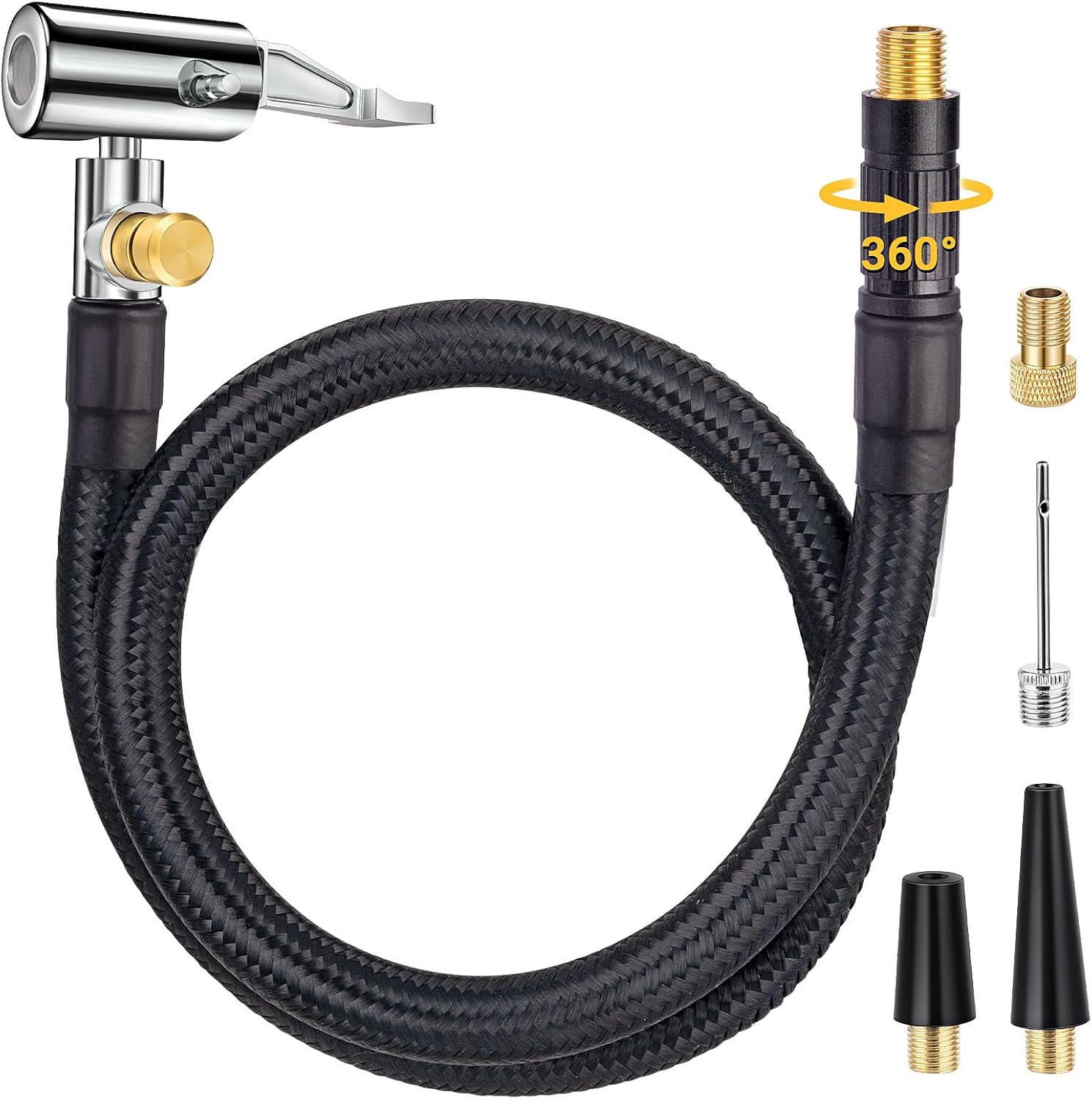
This LUMITECO tire inflator hose adapter kit features a 360-degree rotating end for easy positioning from any angle. It includes a self-locking air chuck with quick release to inflate or deflate with minimal hassle, plus universal adapters for Schrader/Presta and ball needle use. The strengthened nylon-wrapped rubber hose helps provide durable, secure connections for everyday inflation and emergencies.
How It Performs in Real Use
For Spray Painting
The AR-01 is most useful when attached near an HVLP, LVLP, or conventional spray gun. It gives you a local gauge and a quick way to trim airflow while testing the spray pattern. The benefit is convenience, not automatic pressure regulation.
For Airbrush and Detail Work
Fine adjustments can help when you work with small spray patterns or lower airflow. However, many airbrush systems use smaller fittings, so you may need an adapter and should confirm that the added valve does not make the setup awkward.
For Tire Inflation
You can use the valve to control the airflow feeding an inflator. The built-in gauge reads line pressure, not necessarily the tire’s exact internal pressure, so use a dedicated tire-pressure gauge or a properly calibrated inflator gauge for the final reading.
For Pneumatic Tools
The AR-01 can work with light air tools when their airflow demand is within the valve’s practical capacity. High-CFM tools may feel weak if the small passage restricts flow, making a full-size high-flow regulator a better choice.
Compatibility and Safety
Match the AR-01 to the tool’s thread type, pressure limit, and airflow requirement. Do not exceed the lowest pressure rating in the system, including the hose, couplers, adapters, valve, and tool.
For painting, a moisture separator or filter can be installed upstream when the fittings and pressure ratings match. The AR-01 does not replace a moisture filter, and trapped water or oil can still affect a finish.
Wear eye protection when working with compressed air, keep fittings pointed away from your body during connection, and follow the compressor and tool manuals. Never use compressed air to clean skin or clothing.
Pros and Cons
Pros
- 0-150 PSI analog gauge gives you a pressure reading near the tool
- Responsive knob supports quick airflow changes during setup
- Standard 1/4 NPT male and female threads fit many common pneumatic systems
- Solid brass body offers a sturdy, compact connection point
- Small size works well in crowded garage and paint-gun setups
Cons
- Not a true diaphragm regulator for maintaining constant outlet pressure
- May restrict airflow to high-CFM pneumatic tools
- Requires correct setup under flowing air for a useful working-pressure reading
Is It Worth the Price?
The AR-01 offers strong value for the price when you need a compact gauge and manual airflow control at a spray gun or light pneumatic tool. Its brass body, common thread size, and simple analog design keep the setup straightforward.
You get the most value if you understand its role and already have a properly regulated compressor supply. It is not the best fit if you need stable downstream pressure for high-demand tools or want a digital readout.
How It Compares to Alternatives
The LE LEMATEC AR-02 is worth comparing if you need a diaphragm-style regulator rather than a simple flow valve. The LE LEMATEC DAR01B adds a digital pressure display for buyers who prefer easier numerical readings.
A Master Airbrush Elite Series regulator is another option for spray-gun users. The AR-01 makes the most sense when you want a compact brass unit, an analog gauge, and direct tool-end flow adjustment without batteries.
Frequently Asked Questions
Is the AR-01 a true pressure regulator?
No. It is an inline flow-control valve with a pressure gauge. Use your compressor’s main regulator for supply pressure, then use the AR-01 for fine adjustment near the tool.
Will it fit an HVLP or LVLP spray gun?
It fits many spray guns that use standard 1/4 NPT threads. Check the gun’s inlet specification because BSP and metric threads may look similar but require the correct adapter.
Why does the pressure drop when I pull the trigger?
The higher reading with the tool closed is static pressure. Pulling the trigger creates airflow and reveals the lower working pressure, which is the reading you should use during setup.
Can I use it for tire inflation?
Yes, it can control the airflow feeding an inflator. Use a dedicated tire gauge for the final tire-pressure reading because the AR-01 measures line pressure rather than directly measuring the tire.
Can I connect it to a moisture separator?
Yes, when the separator uses compatible fittings and pressure ratings. Place the filter or separator upstream so cleaner air reaches the AR-01 and your spray gun or tool.
Will it work with high-CFM air tools?
It may work, but the compact valve can become a restriction when a tool needs high airflow. A full-size high-flow regulator and larger fittings are better for demanding impact tools, sanders, or continuous-use equipment.
What maintenance does the AR-01 need?
Keep the unit clean and dry, inspect the gauge and threads, and check for leaks before use. Depressurize the system before servicing it, and replace the unit if the gauge, valve, or threads become damaged.
The Bottom Line
The LE LEMATEC AR-01 is a practical buy for spray-gun users and light pneumatic setups that need a compact tool-end gauge and manual airflow control. Skip it if you need a true diaphragm regulator or unrestricted flow for high-CFM tools. Its strongest feature is convenient adjustment at the tool, while its main limitation is that pressure can still change as airflow demand changes.
Ready to Buy?
Check the latest product details and confirm your fitting type before you decide.

Related Articles
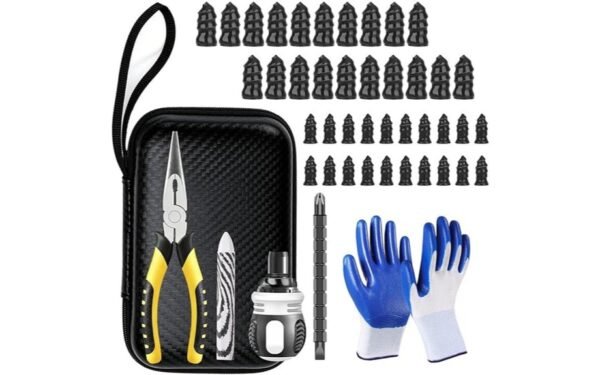
Tire Screw Plug Repair Kit Review
Compact tire screw plug repair kit review reveals fast roadside fixes, but which punctures are truly safe enough to trust?
Read More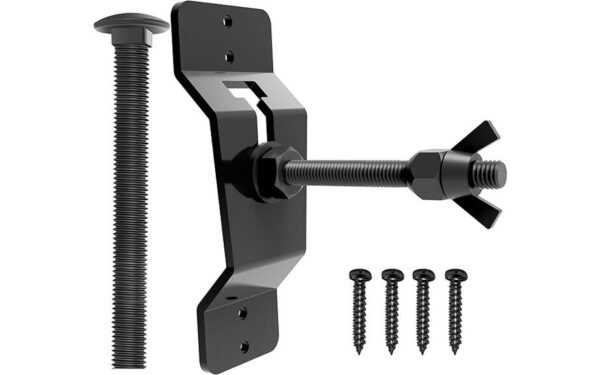
Wall Mount Spare Tire Carrier Mount Review
I review the wall mount spare tire carrier’s fit, strength, and stability—see what could make or break your trailer setup.
Read More
Socpuro Tire Repair Patch Tool Kit Review
Great for quick DIY puncture fixes, the Socpuro Tire Repair Patch Tool Kit has limits and surprises you’ll want to know before buying.
Read More