
Blackburn Mountain Bike Tire 26″ Review: Knobby Tread, Flat Protection, and Trail Performance
Disclosure: As an Amazon Associate, we earn from qualifying purchases. If you click a link on this page and make a purchase, we may receive a small commission at no extra cost to you.
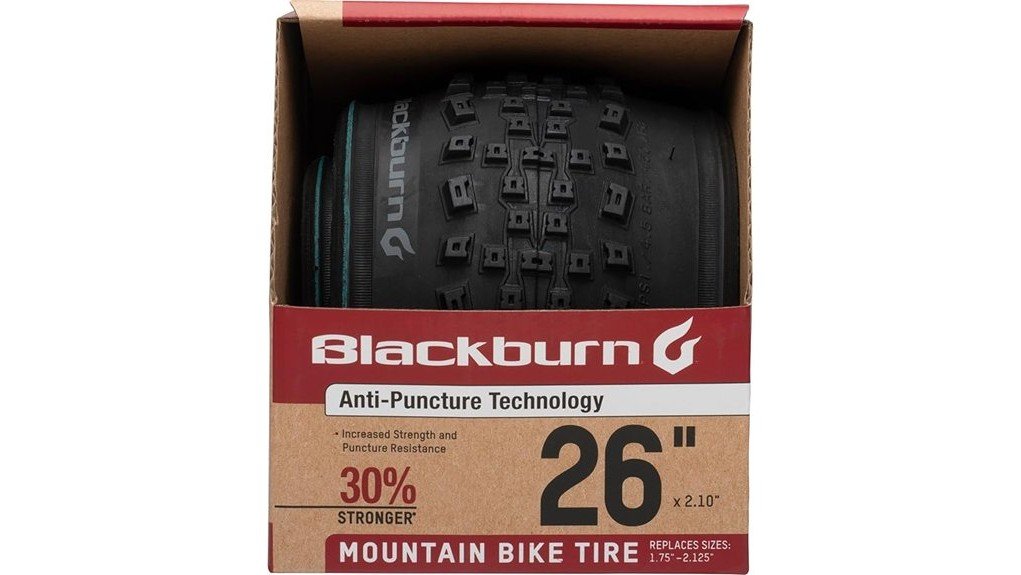
A flat tire on a trail can turn a short ride into a long walk, especially if your 26-inch mountain bike still has worn stock rubber. The Blackburn 26" Mountain Bike Tire is built for riders who want better puncture resistance, knobby trail grip, and a foldable design without moving into premium race-tire pricing. This review helps you decide if its 26" x 1.75-2.25" fit range, 35-65 PSI pressure range, and tube-type design match your bike and riding style. It is a practical value tire for mixed trails and daily paths, but it is not the best choice if you need tubeless compatibility or aggressive mud performance.
Quick Verdict
Rating: 7/10, recommended for value-focused trail riders
Best For: Recreational riders on 26-inch mountain bikes who want a tube-type replacement tire with stronger flat protection and mixed-surface traction.
Bottom Line: The Blackburn 26" Mountain Bike Tire gives you useful puncture protection, tall knobby tread, and a foldable carbon steel bead at a sensible value level. Skip it if you want a tubeless setup, a lightweight race tire, or a tread pattern made mainly for deep mud.
| Specification | Detail |
|---|---|
| Brand | Blackburn |
| Model | Mountain Bike Tire 26" x 1.75-2.25" |
| Product Type | Replacement mountain bike tire |
| Tire Size | 26" x 1.75-2.25" |
| ETRTO | 54-559 |
| Design | Tube-type clincher tire |
| PSI Range | 35-65 PSI |
| Bead Type | Foldable carbon steel bead |
| Tread Style | Tall knobby tread for mixed-terrain traction |
| Puncture Protection | Anti-Puncture Technology, claimed 30% more strength vs. standard tires |
| Tubeless Compatible | No, standard inner tube required |
| Recommended Rim Width | 19-30 mm internal rim width |
| Color | Black |
| Best Use | Recreational trail riding, gravel paths, mixed pavement, and light technical terrain |
| Warranty | 1 year |
What Is the Blackburn Mountain Bike Tire?
The Blackburn Mountain Bike Tire is a 26-inch replacement tire for recreational mountain bikes that use standard clincher rims and inner tubes. Its listed 54-559 ETRTO size and 26" x 1.75-2.25" range make it a fit candidate for many older 26-inch hardtails and casual trail bikes, especially those using 19-30 mm internal rim widths.
The main feature is Blackburn’s Anti-Puncture Technology, which places a reinforced layer under the tread. Blackburn rates that layer at 30% more strength compared with standard tires, which helps reduce flats from thorns, glass, small sharp stones, and other common trail debris. The tall knobby tread is made for loose dirt, packed trails, gravel, and light technical riding rather than fast road-only commuting.
This is not a tubeless-ready tire. You will still need a compatible inner tube, and your valve type will depend on your rim. That keeps setup simple for home mechanics, but it limits the tire if you want sealant-based flat protection or a lower-pressure tubeless trail setup.
Before You Buy: Confirm that your bike uses 26-inch wheels and has enough frame and fork clearance for the 1.75-2.25" listed tire range. This tire is not tubeless-compatible, so do not buy it if your goal is a sealant-based tubeless setup.
Who Should Buy It?
Best For
- Weekend trail riders on 26-inch mountain bikes who want a stronger replacement tire without premium pricing.
- Mixed-surface commuters who ride pavement, gravel paths, park trails, and light dirt shortcuts.
- Budget-conscious riders replacing worn factory tires on older hardtails where value matters more than race weight.
Skip If
- You want a tubeless-ready tire that can run sealant without an inner tube.
- You ride competitive cross-country, enduro, or aggressive technical trails and need a lighter or more specialized tread.
- Your local trails are often deep, sticky mud where a wider-spaced mud-specific tread clears better.
Feature-by-Feature Breakdown
[Products Worth Considering]

This PXZBLG bike repair kit helps you tackle common tire and on-the-ride issues with a compact, ride-ready tool collection. It includes a mini tire pump supporting both Presta and Schrader valves, a 16-in-1 bike multitool, tire levers, glueless patches with a plastic box, plus 4mm and 5mm Allen wrenches. A convenient bike bag stores everything so you can mount it on your road bike or mountain bike for lightweight, portable preparedness.

Convert Presta bicycle valves to accept standard Schrader pump nozzles for fast, hassle-free inflation. This kit includes durable brass adapters with leak-resistant connections, plus sports inflation needles and protective valve caps for convenient use on bikes and ball sports equipment.
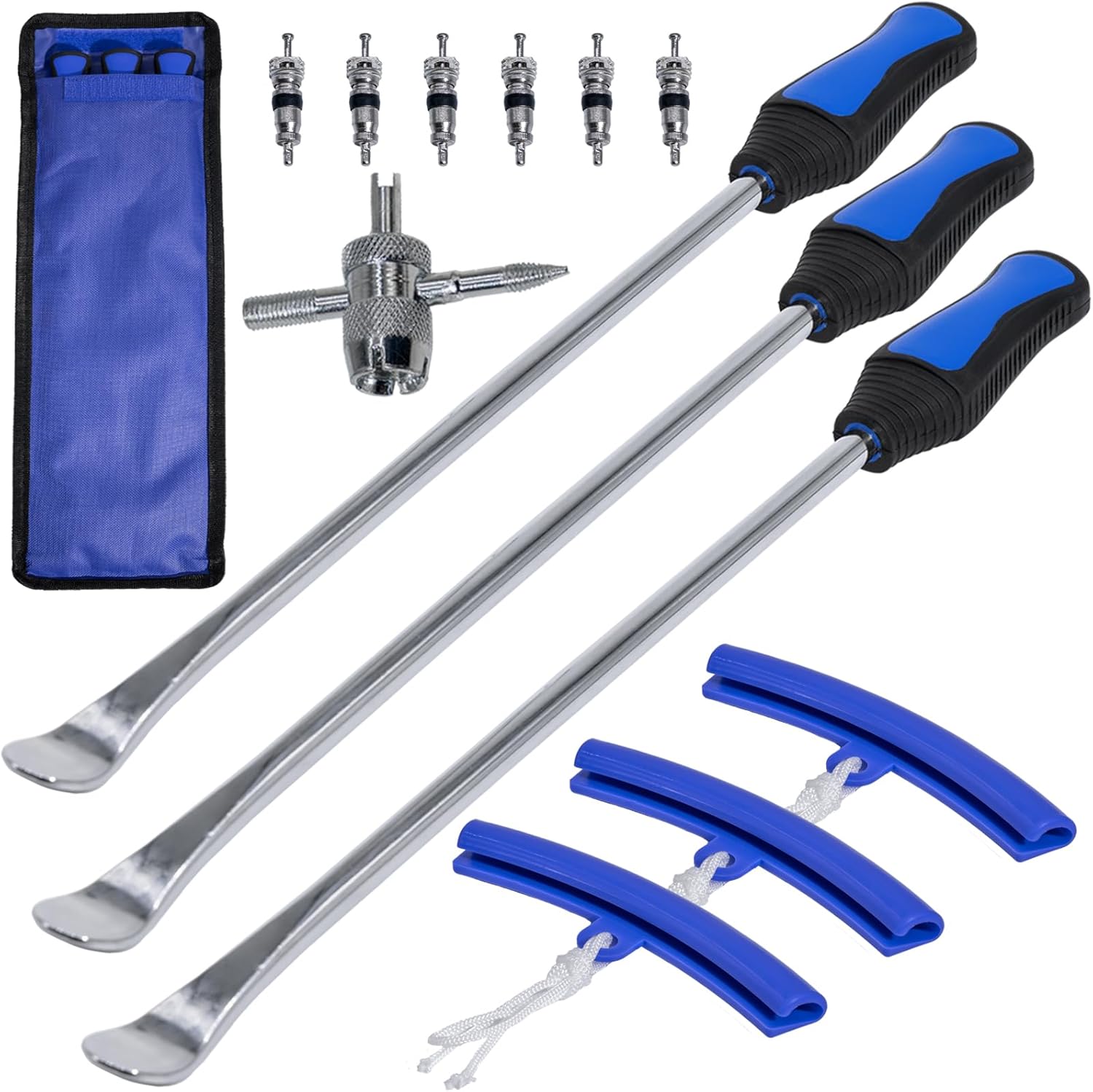
This tire spoon set helps you remove and install motorcycle, dirt bike, lawn tractor, and bicycle tires with extra leverage from a 14.5-inch spoon length. The kit includes tire removal tools, rim protectors, and a valve tool to simplify repairs and help protect rims during changing. Designed for quick, on-the-go service, it’s convenient for garage work, trails, and track-side fixes.
Tread Design and Trail Traction
The Blackburn uses tall knobs rather than a smooth or semi-slick tread. That helps the tire bite into loose dirt, gravel, and packed singletrack when you brake, climb, or lean into a corner. The tread pattern gives this tire a more trail-focused feel than a basic 26-inch commuter replacement tire.
On dry dirt and hardpack, the tread should feel predictable because the center and shoulder knobs share the grip load. On paved roads, the same knobs create more rolling noise and drag than a slick or semi-slick tire. That tradeoff is normal for a mixed-terrain tire, and it matters if most of your miles happen on pavement.
Anti-Puncture Technology
The reinforced puncture layer is the biggest reason to choose this tire over a basic replacement option. It is designed to reduce common flats from thorns, glass, gravel shards, and trail debris before those objects reach your tube. If your usual ride includes urban paths, dry brush, or rough gravel shoulders, that added protection is more useful than a small weight savings.
The puncture layer does not make the tire flat-proof. A large sharp object, a hard rim strike, or riding below the recommended pressure can still damage the tube or casing. Think of the protection as a practical risk reducer, not a guarantee.
Foldable Carbon Steel Bead
The carbon steel bead is listed as foldable, which makes storage and transport easier than a stiff rigid-bead tire. You can keep a spare on a garage shelf, pack it more easily for a trip, or store it without needing as much space. That is helpful if you maintain more than one 26-inch bike or like keeping a spare tire ready.
For installation, this remains a standard clincher tire. Most riders should be able to mount it with normal tire levers and inflate it with a floor pump within the 35-65 PSI range. You do not need sealant, an air compressor, or tubeless tape because this tire is made for a standard tube setup.
Pressure Range and Ride Feel
The 35-65 PSI range gives you room to tune the tire for comfort, grip, and rolling speed. Lower pressure near the bottom of the range can improve comfort and contact on uneven dirt, but it also raises the risk of pinch flats if you hit rocks or curbs hard. Higher pressure near the top of the range rolls faster on pavement and hardpack, but it can feel firmer on roots and rough trail chatter.
For many recreational riders, the practical middle zone will be based on body weight, terrain, tube type, and rim width. Start within the printed pressure range, then adjust in small steps after a few rides. Never ride below the minimum pressure just to gain grip because sidewall flex and pinch-flat risk increase quickly.
Pro Tip: Check your old tire’s sidewall before ordering. Match the 26-inch wheel size first, then confirm your frame clearance, rim width, tube size, and valve type before you install the Blackburn tire.
Compatibility and Setup Tips
This tire is best suited to standard 26-inch mountain bike rims with a 19-30 mm internal rim width. If your bike currently has a 26-inch mountain bike tire in a similar width range, this Blackburn model may be a straightforward replacement. If your bike has very tight frame clearance, fenders, or an unusual rim width, measure before ordering.
- Check the wheel size: Look for 26" or 559 on your current tire sidewall.
- Use a compatible tube: This is a tube-type clincher, so you need an inner tube that matches the tire range and your rim’s valve hole.
- Inspect the rim strip: A worn rim strip can cause flats even when the tire itself has puncture protection.
- Inflate within range: Stay between 35 and 65 PSI and adjust based on surface, load, and ride feel.
- Seat the bead evenly: After partial inflation, spin the wheel and check that the tire line sits evenly around the rim.
Safety and Maintenance Notes
Because this tire is the only contact point between your bike and the ground, inspect it regularly. Look for cuts, embedded glass, exposed casing, sidewall cracks, or uneven knob wear. Replace the tire if you see damage that reaches the casing or if the tread has worn enough to reduce braking and cornering grip.
Keep the tire within the recommended pressure range before each ride. Under-inflation can cause pinch flats, sidewall wear, and vague handling. Over-inflation can reduce comfort and traction. For e-bike use, confirm your bike’s tire clearance, speed, load, and manufacturer guidance before installing it, since this article does not verify a dedicated e-bike rating.
How It Performs in Real Use
On Mixed Weekend Trails
On a typical recreational trail with packed dirt, loose gravel, short climbs, and light roots, the Blackburn tire gives you the grip profile most casual riders expect from a knobby 26-inch tire. It should feel more confident than a smooth commuter tire when braking on dirt or turning on loose surfaces. It is not a race tire, but it suits steady trail rides where control and flat protection matter more than low rolling weight.
For Urban Paths and Commuting
If you use an older 26-inch mountain bike for commuting, the puncture layer is the key benefit. Broken glass, small road debris, and rough shoulders are common flat causes in town. The tire’s 65 PSI upper range also helps reduce rolling drag on pavement, though the knobby tread will still feel slower and louder than a dedicated city tire.
For Gravel and Park Roads
On gravel paths and park roads, the tire’s tread gives you useful bite without requiring a specialized trail setup. The casing and puncture layer make sense for riders who want one tire for light trails, crushed stone, dirt connectors, and paved stretches. You may give up some road speed, but you gain a more secure feel when surfaces get loose.
For Light E-Bike Use
This tire may work on a 26-inch electric mountain bike if the bike accepts the listed tire size and you stay within the tire’s pressure range. Added motor torque can wear tires faster, so check tread condition more often. Because no dedicated e-bike rating is verified here, follow your e-bike manufacturer’s tire guidance before using it on a motor-assisted bike.
Pros and Cons
Pros
- Anti-Puncture Technology adds a reinforced layer for common thorns, glass, and trail debris.
- 35-65 PSI range lets you tune comfort, grip, and rolling speed for different surfaces.
- Foldable carbon steel bead makes storage and transport easier than a rigid-bead tire.
- 54-559 sizing and 19-30 mm rim-width guidance help you check compatibility before buying.
- Knobby tread is useful for mixed dirt, gravel, hardpack, and light technical trail riding.
Cons
- Not tubeless-compatible, so you still need inner tubes and cannot use it as a sealant-based tubeless setup.
- Knobby tread rolls slower and makes more noise on pavement than a smooth commuter tire.
- Not ideal for deep, sticky mud or riders who need a lightweight race-focused tire.
Is It Worth the Price?
The Blackburn Mountain Bike Tire makes the most sense as a value-focused replacement tire for everyday 26-inch mountain bikes. Its strongest value point is the mix of puncture protection and trail-ready tread without requiring a tubeless wheel setup or a premium tire budget. If your current tire is worn, cracked, or constantly picking up flats, this is a practical upgrade to consider.
The value is weaker if you are already planning a tubeless conversion or you ride trails that demand a lighter, faster, or more aggressive tire. A tubeless-ready model can reduce many trail flats when paired with sealant, and a more specialized tread may work better for mud, racing, or technical descending. For traditional tubed 26-inch bikes, though, the Blackburn tire offers a useful balance of cost, grip, and protection.
[Products Worth Considering]

Tiakia’s mini high-pressure frame pump delivers up to 260 PSI for faster, more efficient inflations with an optimized intake volume. It features a double-head valve design compatible with Schrader and Presta, plus a conversion for Donlop, making it versatile for bikes and many inflatables. The lightweight anodized aluminum build includes a mounting bracket for convenient carry, while the flexible high-pressure hose and IPX4 waterproof body support outdoor use.

Upgrade night rides with BLITZU LED bike wheel lights that boost visibility from all directions for safer low-light cycling. Choose from 7 colors and switch between constant and flashing modes for a fun, attention-grabbing look. The lights fit a wide range of bike sizes with no tools required and include batteries and an installation video for easy setup.

Tire Size:26 x1.95 inch; Fits tire widths: 1.75-2.125 inch.
How It Compares to Alternatives
If you want a more aggressive trail tire with stronger mud-shedding potential, a tire like the WTB Trail Boss 26" is worth comparing, especially in tubeless-ready versions. If your top concern is flat protection at a similar everyday-bike level, Bell Flat Defense 26" tires are a direct alternative, though their tread may feel less trail-focused depending on the version. A basic Schwinn 26" replacement tire may be easy to find, but it usually competes more on price than on dedicated puncture protection.
The Blackburn makes the most sense when you want a normal tube-type setup, better flat resistance than a basic replacement tire, and enough tread for dirt, gravel, and light trail use. It is less appealing if you want the lowest rolling resistance, the lowest weight, or a true tubeless trail system.
[Products Worth Considering]

Protective layer under tread provides 30%* more strength and punture resistance

Fits Mountain Bike Tire sizes:26"x2.1"; Fits tire widths: x 1.95"-2.125"; PSI: 40; TPI: 30. Bike Inner Tube Size: 26" x 1.75-2.125 Fit 26-inch wheel; Valve length/type: 32 mm /Schrader valve.

Mountain Bike Tire Size:26x1.95 inch (ETRTO:54-559 mm); Fits tire widths: x 1.95”-2.125”; PSI range: 30-80; TPI: 30.
Frequently Asked Questions
Are Blackburn 26" Mountain Bike Tires tubeless-compatible?
No. This tire is described as a tube-type clincher and is not designed as a tubeless-ready tire. You should use it with a compatible inner tube.
What rim width works best with this tire?
The article-supported rim guidance is 19-30 mm internal width. Check your current rim or bike specs before ordering, especially if your frame has tight clearance.
Will this tire fit any 26-inch mountain bike?
It fits many standard 26-inch mountain bikes, but not every setup. Confirm the 54-559 or 26-inch size, your rim width, and your frame and fork clearance before buying.
What pressure should you run?
The supported range is 35-65 PSI. Use lower pressure within that range for more comfort and grip on rough dirt, and higher pressure for pavement, hardpack, or better rim protection.
Does the Anti-Puncture Technology prevent all flats?
No tire can prevent every flat. Blackburn’s puncture layer is meant to reduce flats from common sharp debris, but hard rim impacts, large objects, or very low pressure can still cause damage.
Can you use this tire on an e-bike?
Only use it on an e-bike if your bike accepts the listed tire size and your manufacturer allows that type of tire. This review does not verify a dedicated e-bike rating, so check your e-bike manual first.
Is it good for wet or muddy trails?
It can handle wet packed dirt and light mud, but it is not a mud-specific tire. Deep, sticky mud can clog a closer knobby pattern and reduce grip.
How long should it last?
Tire life depends on rider weight, pressure habits, surface, storage, and mileage. Check the knobs, sidewalls, and casing often, and replace the tire when grip drops or damage appears.
The Bottom Line
The Blackburn 26" Mountain Bike Tire earns its 7/10 rating by giving everyday 26-inch bike riders a useful mix of puncture protection, knobby mixed-terrain grip, and easy tube-type setup. Buy it if you want a value replacement tire for recreational trails, gravel paths, and mixed commuting. Skip it if you need tubeless compatibility, race-level weight, or a tread made mainly for deep mud.

Related Articles
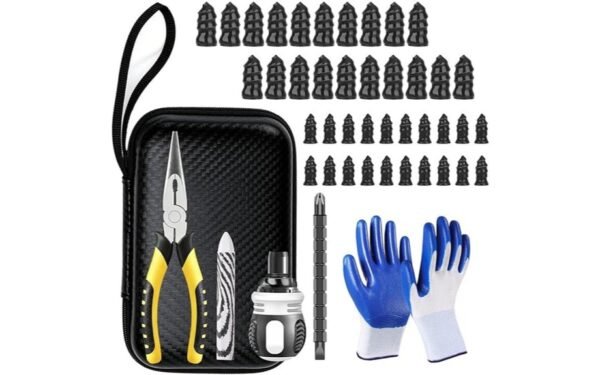
Tire Screw Plug Repair Kit Review
Compact tire screw plug repair kit review reveals fast roadside fixes, but which punctures are truly safe enough to trust?
Read More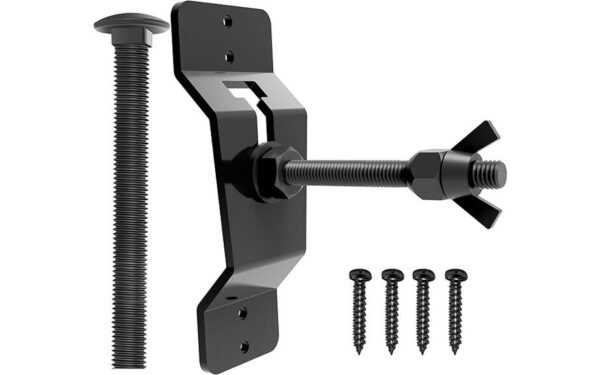
Wall Mount Spare Tire Carrier Mount Review
I review the wall mount spare tire carrier’s fit, strength, and stability—see what could make or break your trailer setup.
Read More
Socpuro Tire Repair Patch Tool Kit Review
Great for quick DIY puncture fixes, the Socpuro Tire Repair Patch Tool Kit has limits and surprises you’ll want to know before buying.
Read More