
Tottist Tire Valve Stems Review
Disclosure: As an Amazon Associate, we earn from qualifying purchases. If you click a link on this page and make a purchase, we may receive a small commission at no extra cost to you.
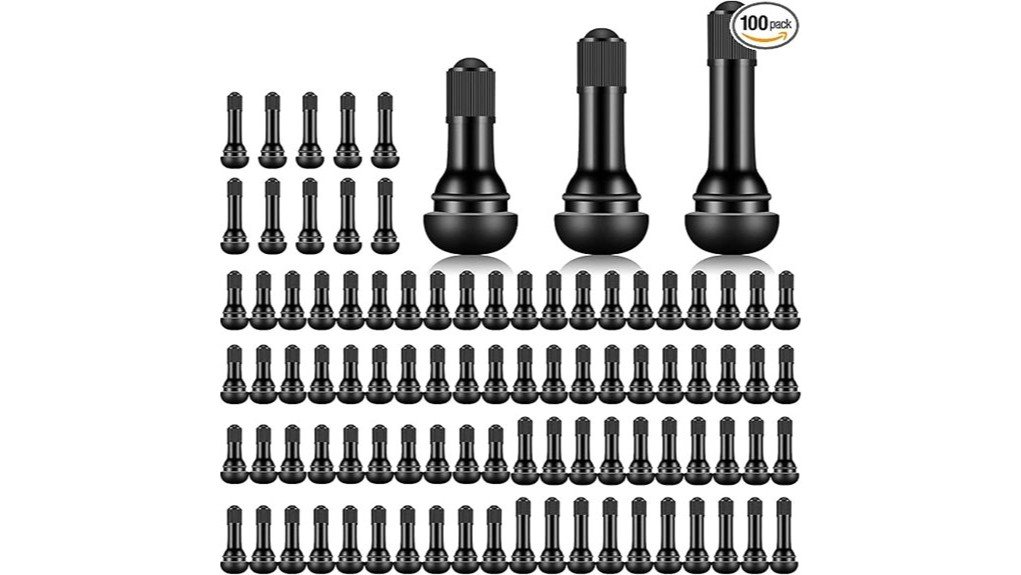
A leaking or cracked valve stem can undo a careful tire repair by letting pressure escape slowly. The Tottist tire valve stems set gives you 100 black rubber snap-in stems in three common sizes, but it only makes sense when your wheel uses a 0.453-inch tubeless rim hole and stays within the stated pressure limit. This review explains the size mix, materials, fit limits, installation needs, and the buyers who should choose a different valve type. The set offers useful bulk value, although it is not a universal answer for TPMS-equipped wheels, high-pressure applications, or every rim design.
Quick Verdict
Rating: 8/10, recommended with caveats
Best For: Home garages, small shops, and equipment owners who service several tubeless wheels with standard 0.453-inch valve holes.
Bottom Line: The mixed 50/25/25 assortment covers three useful stem lengths and keeps the cost per replacement low. The tradeoff is strict compatibility, because these rubber snap-in stems are not suitable for every TPMS setup, rim hole, pressure range, or wheel profile.
| Specification | Detail |
|---|---|
| Brand | Tottist |
| Model | TR412, TR413, and TR414 mixed set |
| Product type | Rubber snap-in valve stems for tubeless wheels |
| Total quantity | 100 pieces |
| Package mix | 50 TR412, 25 TR413, and 25 TR414 stems |
| Materials | Black ozone-resistant rubber with brass valve cores |
| Rim-hole size | 0.453 inch (about 11.5 mm) |
| Stated pressure limit | Up to 65 PSI cold pressure |
| Listed applications | Cars, light trucks, small trailers, wheelbarrows, lawn mowers, ATVs, and motorcycles |
| Testing claims | Listing states ozone and leakage testing |
| Important limit | Not automatically compatible with TPMS sensors, nonstandard rim holes, or higher-pressure valve requirements |
Key Takeaways
- The set contains 100 stems: 50 TR412, 25 TR413, and 25 TR414.
- All three styles are intended for 0.453-inch tubeless rim holes, but their different lengths affect access and clearance.
- The listing identifies brass cores, ozone-resistant rubber, and leakage testing.
- The stated maximum is 65 PSI cold pressure, so you should not use them where the wheel, tire, or vehicle calls for a higher-rated valve.
- Correct installation normally requires full deflation, tire access, rim inspection, and a proper valve-pulling tool or professional tire equipment.
[Products Worth Considering]

This multi-function tire valve stem removal tool set makes it fast to remove, install, bleed, and clean valve cores for easier tire maintenance. It includes valve core removers, a 4-way spool tool, replacement valve caps, and spare cores to handle replacements and repairs with confidence. Universal compatibility suits cars, trucks, motorcycles, bicycles, and more for roadside convenience.
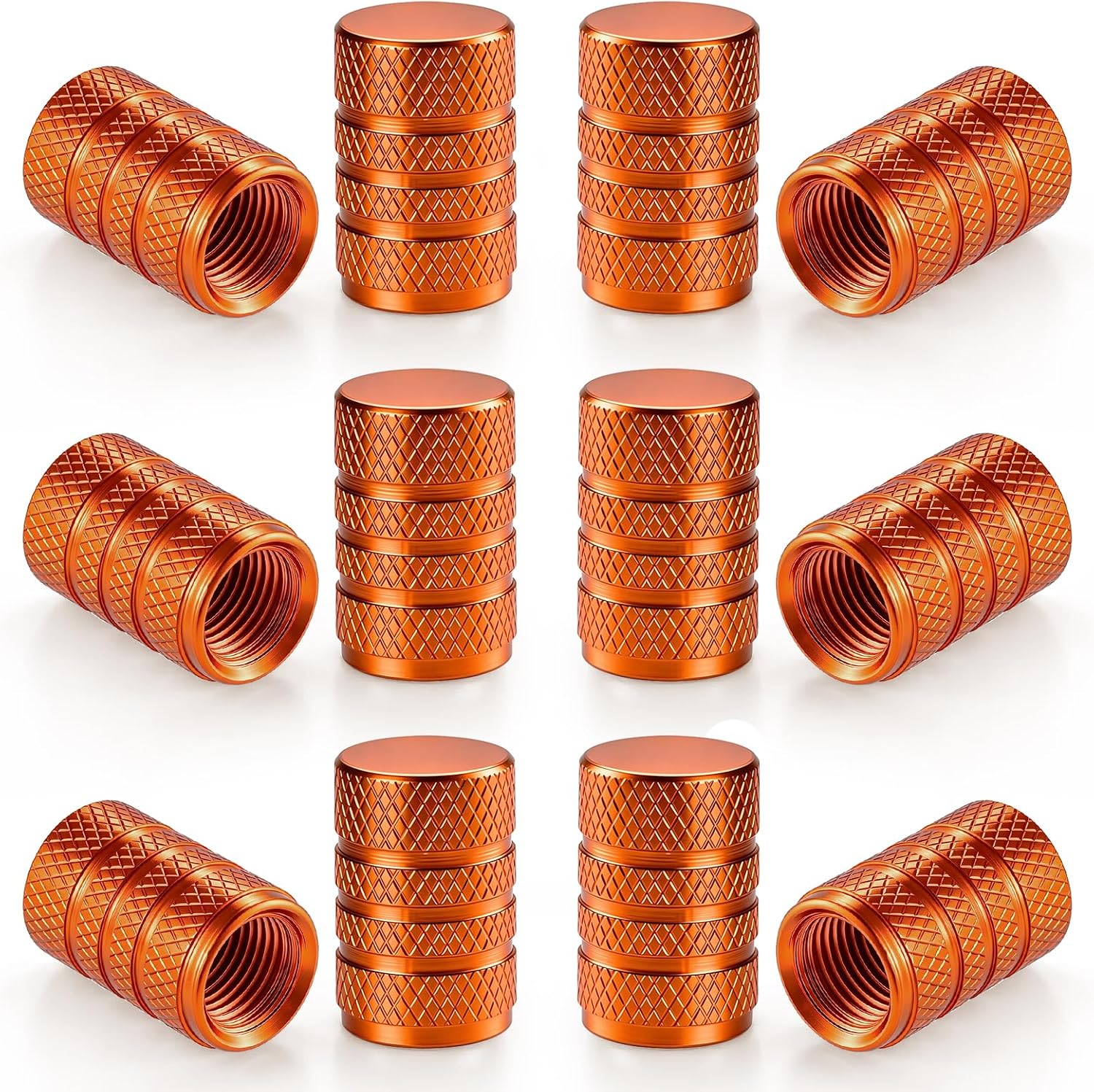
Upgrade your vehicles with these universal aluminum alloy tire valve stem caps designed to help keep dust out and maintain stable tire pressure. Each cap features an internal rubber seal for long-lasting leak protection and features an easy screw-on installation that won’t damage the valve stem threads. Suitable for cars, trucks, motorcycles, and bicycles, they also add a personalized decorative touch to your wheels.

Upgrade your tires with authentic 40mm caliber bullet-shaped stem caps designed to help keep inflation consistent and secure. The patented insert helps protect TPMS and the lacquer coating resists tarnishing for a stylish look. Easy to install on standard Schrader valve stems, these caps fit cars, trucks, SUVs, motorcycles, BMX and bicycles.
What Is the Tottist Tire Valve Stem Set?
The Tottist set is a bulk assortment of rubber snap-in valves for tubeless wheels. Instead of giving you one stem length, it combines TR412, TR413, and TR414 designs so you can match shorter or longer valve access needs across several compatible wheels.
The package is aimed at buyers who maintain multiple vehicles or pieces of equipment. A single driver replacing one valve may not need 100 pieces, but a home garage, landscaping operation, trailer owner, or small service shop can use the mixed count over time.
Who Should Buy It?
Best For
- You service several cars, trailers, ATVs, mowers, or utility wheels with 0.453-inch tubeless rim holes.
- You want three common stem lengths in one bulk package instead of buying separate boxes.
- You already have tire-service tools or plan to have a tire technician install the stems.
Skip If
- Your wheel uses a different valve-hole diameter, a clamp-in metal valve, or a sensor-specific TPMS service kit.
- Your required cold inflation pressure exceeds 65 PSI.
- You only need one or two stems and would rather buy a small kit that includes an installer tool.
Before You Buy: Measure the valve hole and check the vehicle or wheel maker’s valve requirements. A 0.453-inch hole alone does not prove compatibility with TPMS hardware, unusual rim thickness, high-pressure tires, or wheels that require clamp-in valves.
Materials and Build Quality
The listing describes the stems as black ozone-resistant rubber fitted with brass valve cores. Ozone resistance matters because valve stems sit outside the wheel and face weather, sunlight, temperature swings, road grime, and repeated movement during pressure checks.
The brass core controls airflow through the stem. Tottist also states that the parts are ozone tested and leakage tested. Those claims support the set’s intended use as a routine replacement item, but every installed stem still needs a leak check before the wheel returns to service.
Rubber snap-in valves are convenient because the flexible body seals against the rim hole without an external retaining nut. That simplicity also creates limits. Rubber ages, can crack near the base, and should be inspected whenever the tire is removed or pressure loss appears.
Compatibility and Fit
The key measurement is the 0.453-inch rim hole. This is a common passenger and light-duty snap-in size, but you should measure the actual hole after removing the old valve and inspect the sealing surface for corrosion, burrs, paint buildup, or damage.
The listing names cars, light trucks, small trailers, wheelbarrows, lawn mowers, ATVs, and motorcycles. Treat that list as a broad application guide, not a promise that every wheel in those categories will accept these stems. Motorcycles and newer passenger vehicles can use specialized valves or TPMS assemblies that require a different part.
The 65 PSI figure is a cold-pressure limit. Compare it with the vehicle placard, tire application, and valve requirements. Do not choose a valve solely because the tire itself can physically mount on the rim.
TR412 vs TR413 vs TR414 Sizes
The model number mainly changes exposed valve length. Standard industry references list TR412 at about 0.88 inch, TR413 at about 1.25 inches, and TR414 at about 1.50 inches for 0.453-inch rim holes. Use these as nominal design references and compare the actual stem, wheel shape, wheel cover, and inflation-tool access before installation.
| Stem | Nominal Reference Length | Best Use | Main Tradeoff |
|---|---|---|---|
| TR412 | About 0.88 inch | Tight clearance and low-profile access | Can be harder to reach with some air chucks or gauges |
| TR413 | About 1.25 inches | General replacement where moderate reach works | May still be too short or too exposed for some wheel designs |
| TR414 | About 1.50 inches | Deeper wheel faces or easier gauge access | Extra exposure can increase bending risk if clearance is poor |
Pro Tip: Choose the shortest stem that still gives your gauge and air chuck comfortable access. Less exposed length can reduce accidental contact, but a stem that is too short becomes frustrating to service.
How to Install Tottist Tire Valve Stems
The snap-in design is simpler than a multi-piece clamp-in valve, but correct installation is more involved than pushing a stem into a mounted, pressurized tire. The tire must be fully deflated, and the bead usually needs to be moved away from the valve area so the old stem can be removed and the rim can be inspected.
- Confirm that the wheel is fully depressurized before breaking the bead or removing the tire.
- Remove the old stem and clean the 0.453-inch hole without enlarging or scratching it.
- Inspect both sides of the hole for rust, sharp edges, cracks, or a damaged sealing surface.
- Apply only an approved tire-mounting lubricant to the rubber base.
- Use a valve-stem puller to draw the stem through squarely until the base seats against the rim.
- Reinstall the tire correctly, inflate within approved limits, and check the stem base and core with leak-detection solution.
- Fit a valve cap after the leak check.
If you do not have tire-changing equipment or experience, use a tire shop. Incorrect bead handling, uncontrolled inflation, or damage to a wheel or TPMS sensor can create a serious safety problem.
Compatibility and Safety
These stems are replacement air valves, not a repair for a damaged rim, cracked tire, leaking bead, or failed TPMS sensor. If pressure continues to drop after replacement, the wheel and tire need a complete leak inspection.
Do not exceed the valve manufacturer’s pressure limit. The listing states up to 65 PSI cold pressure, which matches the common ceiling used for many rubber snap-in valves. Applications above that level may require a suitable high-pressure or clamp-in valve specified for the wheel.
Replace any stem that shows cracking, cuts, looseness, corrosion around the hole, or leakage at the core or base. A cap helps protect the core from contamination, but it does not correct a damaged seal.
[Products Worth Considering]

These universal aluminum tire valve stem caps help protect valve cores from corrosion caused by dirt, water, and snow while helping prevent air leaks to maintain steady tire pressure. They’re easy to install with a simple screw-on fit and are suitable for cars, SUVs, trucks, bicycles, motorcycles, and other vehicles. The stylish black caps add a clean, standout look to your wheels while supporting reliable long-term performance.

Upgrade your Toyota tire setup with these corrosion-resistant, leak-proof valve stem caps designed to help protect the valve core from water, snow, and road grime. The caps feature a snug rubber seal and durable copper alloy construction to resist rust and oxidation while maintaining stable tire pressure. Ideal for replacing worn original caps and keeping your wheels looking clean and stylish.
How It Performs in Real Use
For a Multi-Vehicle Home Garage
The mixed assortment is most useful when you maintain several compatible wheels. You get twice as many TR412 stems as either longer size, which suits buyers who expect frequent use of the shorter design but still want TR413 and TR414 options on hand.
For Small Trailers and Lawn Equipment
Utility wheels often benefit from inexpensive, readily available replacement parts. The set can reduce repeat purchases, but outdoor equipment is commonly exposed to sunlight, chemicals, and long storage periods, so regular rubber inspection remains important.
For ATVs and Motorcycles
The compact stems may fit some tubeless powersports wheels, yet this is the area where you should be especially careful about rim design, operating pressure, speed, and manufacturer requirements. Do not assume passenger-car fit rules apply to every ATV or motorcycle wheel.
For Small-Shop Inventory
A 100-piece count can be economical for a shop that regularly uses all three sizes. The package is less attractive when your work mostly calls for TR413, because a single-size bulk pack may simplify inventory and reduce unused stems.
Maintenance and Storage
Store unused stems in a clean, dry location away from direct sunlight, heat, ozone-producing electrical equipment, petroleum products, and sharp objects. Keep the package organized by model number so the three lengths do not get mixed during a repair.
At each pressure check, look for a bent stem, missing cap, cracking near the base, or bubbles after applying leak solution. When a tire is replaced, inspect the valve and follow the tire or vehicle maker’s service guidance rather than automatically reusing an old rubber stem.
Pros and Cons
Pros
- 100-piece bulk count supports repeated service and shop inventory.
- Mixed TR412, TR413, and TR414 lengths cover more clearance needs than a single-size box.
- 50/25/25 package breakdown is clearly listed.
- Brass cores and ozone-resistant rubber match the needs of routine tubeless-wheel service.
- 0.453-inch fit and 65 PSI cold-pressure limit are stated clearly.
Cons
- Not suitable for every TPMS assembly, rim-hole size, or high-pressure application.
- The package does not solve installation needs if you lack a valve puller or tire-service equipment.
- The current listing does not present clear enough warranty wording to confirm the original two-year claim.
Is It Worth the Price?
This is a budget-oriented bulk maintenance product. Its value comes from the 100-piece count and the three-size mix, not from added tools or specialized high-pressure hardware. You get the most value when you expect to use many stems across compatible wheels.
It is a smart buy for everyday service when the 0.453-inch hole, stem length, and 65 PSI limit match your application. It is not the best fit when you need only a few valves, a sensor-specific TPMS part, a clamp-in design, or a clearly documented warranty.
How It Compares to Alternatives
A TR413-only bulk pack is easier to manage when nearly every wheel you service uses the standard mid-length stem. A smaller installer kit can be better for occasional home use because it may include a valve puller and core tool instead of leaving you with dozens of spare parts.
Metal clamp-in valves make more sense for wheel designs or pressures that require them, while sensor-specific service kits are the correct choice for many TPMS assemblies. The Tottist set stands out when you specifically want a low-cost mixed supply of three common rubber snap-in lengths.
Frequently Asked Questions
What exactly is included in the 100-piece package?
The listing specifies 50 TR412 stems, 25 TR413 stems, and 25 TR414 stems. All are black rubber snap-in valves with brass cores.
Do all three sizes fit the same rim hole?
The set is listed for 0.453-inch tubeless rim holes. The main difference among TR412, TR413, and TR414 is nominal stem length, but you still need to confirm rim thickness, wheel shape, and application requirements.
Can you use these stems with TPMS wheels?
Not automatically. Many TPMS sensors use a sensor-specific snap-in stem or a metal clamp-in valve, so check the sensor and vehicle service information before ordering.
Are they suitable above 65 PSI?
No. The product listing states a maximum of 65 PSI cold pressure. Choose a properly rated high-pressure or clamp-in valve when the wheel or vehicle requires more.
Can you install them without removing the tire?
A correct conventional installation requires full deflation and access to the inside of the rim, usually by breaking the bead or removing the tire. Use proper tire-service equipment or have a technician handle the work.
How should you choose between TR412, TR413, and TR414?
Choose the shortest compatible stem that still allows easy access for your air chuck and pressure gauge. Check for interference with wheel covers, brake parts, curbs, and other nearby surfaces.
Do these stems have a confirmed two-year warranty?
The current Amazon product information includes a warranty field, but the wording is too unclear to confirm a two-year term. Check the seller’s current warranty details before relying on coverage.
The Bottom Line
The Tottist 100-piece set is recommended with caveats for buyers who regularly service compatible 0.453-inch tubeless wheels and want TR412, TR413, and TR414 stems in one package. Its main strength is useful bulk variety, while its main limitation is that fit depends on pressure, rim design, TPMS hardware, and proper installation.

Related Articles
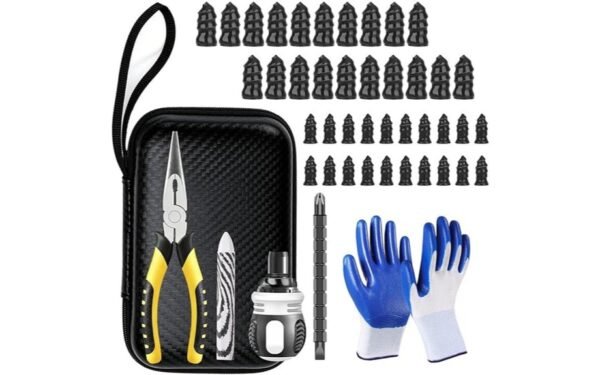
Tire Screw Plug Repair Kit Review
Compact tire screw plug repair kit review reveals fast roadside fixes, but which punctures are truly safe enough to trust?
Read More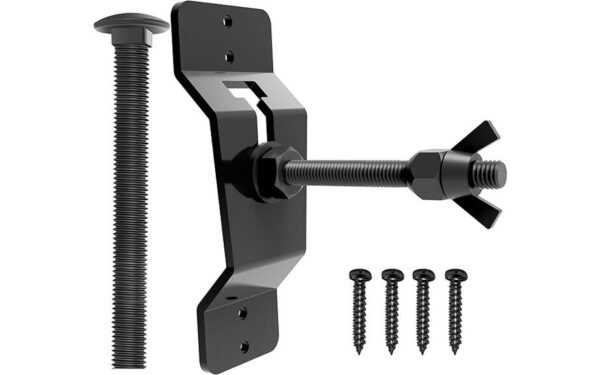
Wall Mount Spare Tire Carrier Mount Review
I review the wall mount spare tire carrier’s fit, strength, and stability—see what could make or break your trailer setup.
Read More
Socpuro Tire Repair Patch Tool Kit Review
Great for quick DIY puncture fixes, the Socpuro Tire Repair Patch Tool Kit has limits and surprises you’ll want to know before buying.
Read More