
Wheel Wobble: 7 Causes, Safe Checks, and Fixes
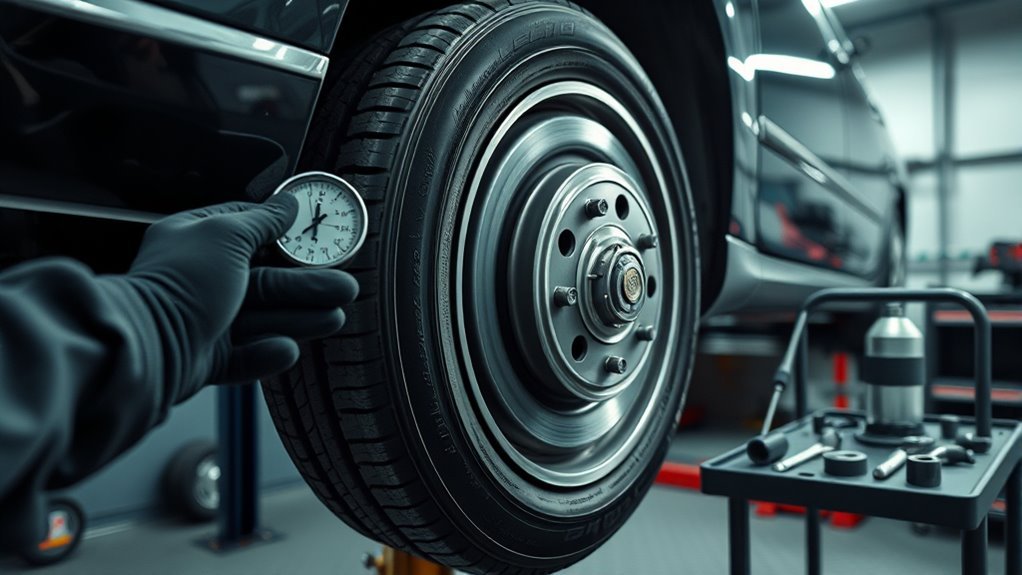
A wheel wobble can turn a normal drive into a safety risk fast. The shake may come from something simple, like low tire pressure or poor wheel balance, or from a more serious issue, like a bent rim, bad wheel bearing, or worn steering part. Start with quick safety checks: inspect tires and rims for cupping, flat spots, bulges, bends, or cracks, confirm lug nuts are torqued to the vehicle maker’s spec, and do a bounce test at each corner. The sections below show you how to narrow the cause, choose safe do-it-yourself checks, and know when to stop driving and call a pro.
Quick Answer
To fix tire wobbling, inspect the tires, rims, lug nuts, tire pressure, and visible suspension parts first. If the wobble changes with speed, start with tire balance, tire damage, and bent wheels. If the steering feels loose, the car pulls, or you hear humming, have a technician check bearings, alignment, and suspension parts before you keep driving.
Key Takeaways
- Check tire pressure, lug nut tightness, tire damage, and rim damage before you drive farther.
- Low-speed shaking often points to tire damage, flat spots, or wheel issues.
- High-speed vibration often points to imbalance, bent rims, alignment trouble, or worn bearings.
- Leave steering, bearing, and suspension repairs to a trained technician.
- Stop driving if the wobble feels severe, the tire looks damaged, or the wheel feels loose.
Quick Safe Checks to Diagnose Wheel Wobble Now
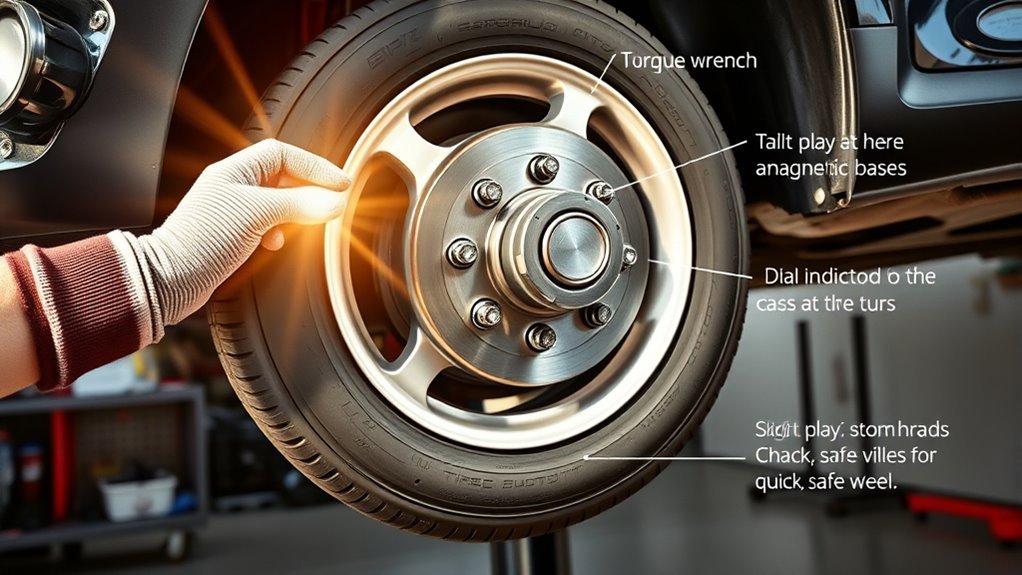
When you notice a wheel wobble, start with checks you can do without special tools. Inspect each tire by sight and touch. Look for uneven wear patterns, including cupping, feathering, flat spots, cuts, bulges, or exposed cords.
Check each wheel rim for visible bends or cracks. A damaged rim can make the tire rotate unevenly and create vibration. Verify lug nut tightness with a torque wrench if you have one, and use the torque spec in your owner’s manual.
Do a simple bounce test at each corner. Push down on the vehicle, release it, and watch how it settles. If it keeps bouncing, worn shocks or struts may contribute to the wobble.
Warning: Do not keep driving if you see a tire bulge, exposed cords, missing lug nuts, or a wheel that looks bent.
Note when the shaking happens. Low-speed shake often points to tire defects, flat spots, or wheel damage. High-speed wobble can point to poor balance, bent wheels, alignment trouble, worn bearings, or loose suspension parts.
What Speed Reveals About a Wobbling Wheel
Use driving speed to narrow the cause of a wheel wobble. If you feel vibration under 30 mph, suspect tire damage, a flat spot, a separated tire belt, or a bent wheel. Inspect the tires and rims before you look deeper.
If vibration grows between about 50 and 70 mph, tire or wheel imbalance becomes more likely. A balance issue often feels like a steady shake that gets stronger as speed rises. A bent rim can feel similar, so a tire shop may need to spin the wheel on a balancer.
Treat any strong high-speed wobble as urgent. Slow down safely, avoid hard braking, and get the vehicle inspected. Note whether the shake comes through the steering wheel, the seat, or the floor, since that clue helps a technician locate the problem.
Tire Causes of Wheel Wobble: Balance, Wear, and Damage
Many tire-related shakes come from balance, wear, air pressure, or tire damage. Start with pressure because it takes only a few minutes to check. Use the pressure listed on the driver’s door sticker, not the number printed on the tire sidewall.
You may feel tire imbalance as a vibration that grows at highway speeds. Unbalanced weight creates a repeating force as the tire turns. A shop can correct this with static or dynamic balancing.
Look for uneven wear patterns, including cupping, feathering, or flat spots. These patterns often point to missed rotations, poor alignment, worn shocks, or suspension wear. Balancing alone will not fix a damaged tire or a tire with badly uneven tread.
- A tire with a heavy spot can pulse with each wheel rotation.
- Cupped tread can create a steady thump through the chassis.
- A bent rim can break smooth tire contact with the road.
Rotate tires on the schedule in your owner’s manual, often around 5,000 to 7,500 miles for many vehicles. Replace any tire with sidewall bulges, exposed cords, deep cuts, or tread separation. A repair that only masks the shake can leave the real risk in place.
Wheel, Bearing, and Suspension Problems That Cause Wobble
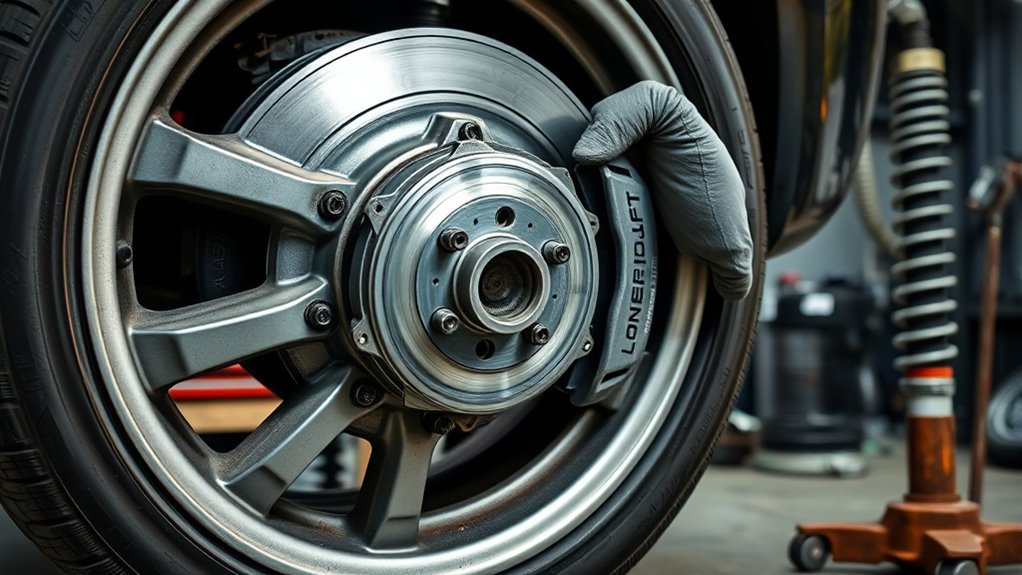
If your steering vibrates or the car pulls to one side after tire balance checks, inspect wheels, bearings, steering, and suspension. A bent wheel can create speed-dependent vibration and a changing contact patch. A cracked wheel can also create a serious safety risk.
Listen for growling, humming, or rumbling that gets louder with speed. Those sounds can point to a worn wheel bearing. Bearing noise often changes when you turn because the vehicle shifts weight from side to side.
Check tie rods, ball joints, control arms, and bushings for play, torn boots, or visible damage. Worn connections can create shaking when you turn, brake, or drive over bumps. If you lack the right jack stands and tools, let a technician perform this inspection.
Look for uneven tire wear and a steady pull to one side. Those signs often point to alignment issues or suspension damage from potholes, curbs, or worn parts. Fixing alignment without replacing loose parts can cause the problem to return.
Safe DIY Fixes and What Needs a Pro
You can handle simple checks, but you should leave steering, wheel bearings, and structural suspension parts to a pro. Start with a visual inspection. Check for cupping, flat spots, bulges, cuts, missing wheel weights, and low tire pressure.
Confirm proper inflation when the tires are cold. Check lug nuts with the correct torque spec. If you recently changed a tire or had wheel work done, recheck the lug nuts after a short drive if your owner’s manual recommends it.
- Rotate tires on schedule to spread tread wear more evenly.
- Schedule wheel balancing if the shake grows at highway speed.
- Book an alignment if the vehicle pulls or the steering wheel sits off-center.
Do not improvise repairs on tie rods, ball joints, bearings, or control arms. These parts affect steering control. A failed repair can cause a loss of control, so trained hands matter here.
Expected Repairs and Typical Costs: When to Seek Service
Repair costs vary by vehicle, tire size, labor rate, and damage level. Common services include tire rotation, wheel balancing, alignment, tire replacement, rim repair, bearing replacement, and suspension repair. Ask the shop for a written estimate before it starts work.
When To Visit
Visit a tire shop or repair shop if wobble continues after basic tire checks. Go sooner if the vibration feels strong at 15 to 20 mph, since that can point to a tire defect, a bent wheel, or tread separation. Do not wait if the steering wheel shakes hard at highway speed.
- A steering wheel buzzes or shakes at highway speed.
- The tire shows missing tread, cupping, bulges, or exposed cords.
- The vehicle drifts, pulls, clunks, or feels loose in turns.
Act early to protect tire safety and avoid larger repairs. Small vibration problems can damage tires, bearings, and suspension parts if you keep driving.
Typical Repair Costs
Expect costs to range from minor maintenance to major repair. A tire rotation often costs less than a suspension repair. Wheel balancing and alignment usually cost less than replacing tires, bearings, or control arms.
Use a simple repair order: rotate and balance first when the tires look safe, align if the car pulls or wears tires unevenly, then pursue diagnostics if the wobble stays. Severe problems can cost much more because they may require tires, wheels, bearings, or suspension parts. Prices differ by region and vehicle, so confirm with a local shop.
Emergency vs Routine
Treat a highway-speed wobble, visible tire damage, loose wheel, or loud grinding noise as an emergency. Pull over when safe and avoid driving farther. Have the vehicle towed if the tire, wheel, or steering feels unsafe.
Routine service includes tire pressure checks, tire rotation, wheel balancing, and alignment checks. These steps help you catch uneven wear before it turns into a larger problem. Preventive service costs less than replacing damaged suspension parts.
How to Describe the Wobble to a Mechanic
Clear notes help a mechanic find the problem faster. Write down the speed when the wobble starts, where you feel it, and whether braking, turning, or bumps make it worse. Mention any recent pothole hit, curb strike, tire change, or wheel service.
Tell the shop if the vibration comes through the steering wheel, seat, brake pedal, or whole vehicle. Steering wheel shake often points to the front tires, front wheels, steering, or front suspension. Seat vibration can point to rear tires, rear wheels, or driveline issues.
Frequently Asked Questions
How do you fix tire wobbling?
Fix tire wobbling by checking tire pressure, tire damage, lug nuts, rim damage, and wheel balance first. If the wobble continues, have a technician check alignment, bearings, tie rods, ball joints, and suspension parts.
How much does it cost to fix a wobbly tire?
The cost depends on the cause. A rotation or balance usually costs less than tire replacement, rim repair, bearing work, or suspension repair. Get a written estimate because prices vary by vehicle, tire size, shop rate, and local labor costs.
Why does my car feel wobbly if the tires look fine?
Your car can feel wobbly because a problem may hide in the wheels, bearings, steering, alignment, or suspension. Tires can also have internal belt damage that you can’t always see from the outside. A shop can spin the wheel and inspect the undercarriage for play.
Can low tire pressure cause wheel wobble?
Low tire pressure can cause poor handling, uneven wear, heat buildup, and vibration. Check pressure when tires are cold and use the pressure listed on the driver’s door sticker. Do not rely on the maximum pressure printed on the tire sidewall.
Is it safe to drive with a wobbly wheel?
A mild vibration may let you drive slowly to a nearby shop, but a strong wobble needs immediate attention. Stop driving if the tire has a bulge, the wheel looks bent, the steering feels loose, or the vehicle shakes hard at speed. Call for roadside help when the vehicle feels unsafe.
Safety Disclaimer: This article provides general information only and does not replace advice from a qualified automotive technician. If a wheel wobble affects steering, braking, or vehicle control, stop driving when safe and seek professional service.
Conclusion
A wheel wobble usually points to tire, wheel, bearing, steering, or suspension trouble that needs a clear check process. Start with the simple safety checks you can perform, then schedule service if the shake continues or feels severe. Do not ignore vibration that gets worse with speed, pulls the car, or comes with tire damage. A prompt repair keeps handling steady and helps prevent small faults from becoming costly failures.

Related Articles

What Is a Fat Tire? Complete Guide & Best Options
I’ll show you what makes fat tires different, which setups work best, and why the right choice could change your ride.
Read More
What Does W Mean on a Tire? Load, Speed & Rating Guide
Huh, what does W on a tire really mean, and why could choosing the wrong rating affect your safety and performance?
Read More
What Does Tire Flipping Work? Muscles, Benefits & Workout Guide
Strong tire flips hammer your entire body, but which muscles and benefits matter most?
Read More