
YUNSCM 2-PCS 20″ Tires Review
Disclosure: As an Amazon Associate, we earn from qualifying purchases. If you click a link on this page and make a purchase, we may receive a small commission at no extra cost to you.
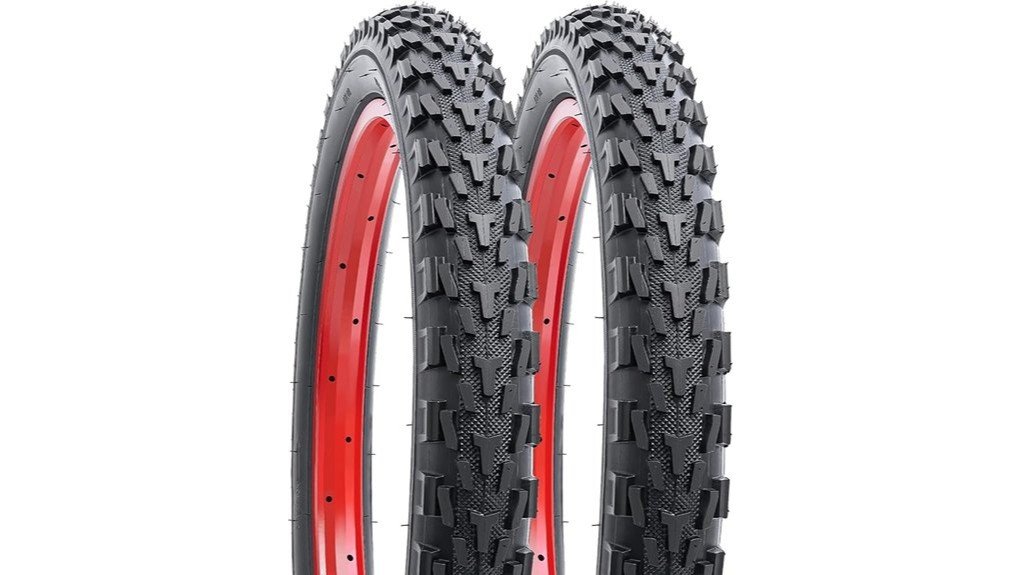
A worn or poorly matched 20-inch tire can make a compact bike feel unstable, slow, or difficult to control. The YUNSCM 20×2.35 tire set gives you two 60-406 replacement tires with a directional block tread, a listed 75 kg load limit per tire, and a maximum pressure of 40 PSI. This review explains where the tires fit, how the tread behaves on mixed surfaces, and what you need to check before installation. The set offers practical value for casual riding, but it is not the right choice for every rim, frame, cargo bike, or high-speed e-bike.
Quick Verdict
Rating: 8/10, Recommended with caveats
Best For: Riders who need two affordable 20×2.35 tube-type tires for pavement, gravel, hardpack, and light trail use.
Bottom Line: The broad 60-406 size and block tread give you useful grip and stability across mixed surfaces. The main tradeoff is limited compatibility, since you must confirm rim width, frame clearance, load needs, and the tire’s 40 PSI maximum before buying.
| Specification | Detail |
|---|---|
| Brand | YUNSCM |
| Product type | Replacement bicycle tires |
| Quantity | 2 tires |
| Marked size | 20 x 2.35 inches |
| ETRTO size | 60-406 |
| Tread design | Directional block tread for mixed surfaces |
| Material claim | High-content butyl rubber formula |
| Maximum pressure | 40 PSI (280 kPa) |
| Maximum listed load | 75 kg (165 lb) per tire |
| Construction | Shipped folded for compact storage |
| Tube included | No, inner tubes are purchased separately |
| Best use | Commuting, neighborhood riding, gravel paths, dirt, and light trails |
Key Takeaways
- The 20×2.35 and 60-406 markings must match your wheel and available frame clearance.
- The block tread favors mixed-surface grip, but it may roll louder and slower than a smooth street tire.
- The package contains two tires, not inner tubes, rim tape, or installation tools.
- The listed maximum is 40 PSI, so you should not treat 40 PSI as the required pressure for every rider or bike.
- The 75 kg load rating applies to each tire, but it does not override lower limits set by your rim, bike, fork, or wheel.
What Are the YUNSCM 20×2.35 Tires?
The YUNSCM set contains two replacement tires marked 20×2.35 and 60-406. The 406 number identifies the bead-seat diameter, while 60 is the nominal tire width in millimeters. That sizing is more useful than the general “20-inch” label because some 20-inch wheels use a different bead-seat diameter.
The tires use a directional block pattern rather than a smooth road tread. That design gives the tread more edges to engage loose dirt and gravel, while still remaining usable on pavement. The broad 2.35-inch profile can also add a more planted feel than a narrow tire when your frame, fork, rim, and brakes provide enough clearance.
This is a tire-only package. You still need compatible inner tubes, suitable rim tape, and any tools required for your wheel. The seller describes the rubber formula as high in butyl content, with lower odor and improved wear resistance, but your actual tread life will depend on pressure, load, braking, surface, alignment, and storage.
Before You Buy: Do not choose these tires only because your bike is called a 20-inch bike. Confirm the existing tire says 406, measure available width and height clearance, and check the approved tire range for your rim and bike.
Who Should Buy It?
Best For
- You need a matched pair of 20×2.35, 60-406 replacement tires.
- You ride a mix of pavement, gravel, hardpack, and light dirt trails.
- You want a wider, block-tread tire and can confirm proper clearance.
Skip If
- Your wheel does not use a 406 mm bead-seat diameter.
- You need a certified cargo-bike or high-speed e-bike tire with a higher load rating.
- You want the quietest, fastest-rolling tire for pavement-only riding.
Fit and Compatibility
Fit is the most important buying factor. A tire marked 60-406 is designed for a 406 mm rim diameter and has a nominal width near 60 mm. Your current tire may use an inch label that looks similar, but the ETRTO number is the safer comparison.
You also need side clearance at the chainstays, seatstays, fork blades, fenders, brake hardware, and chain. Check vertical clearance above the tread as well. A tire can measure slightly wider or narrower than its label after mounting because rim width and pressure affect its final shape.
The set may suit many compact mountain bikes, BMX-style bikes, folding bikes, and youth bikes that accept 60-406 tires. That does not make it universal. For an e-bike, cargo bike, or heavily loaded setup, confirm the tire’s load and speed suitability with the bike maker or a qualified bicycle mechanic.
Pro Tip: Photograph the full sidewall markings on your current tire before removing it. Match the 406 rim diameter first, then compare width, pressure limits, rotation direction, and available clearance.
[Products Worth Considering]

Model: MG-BT-20 x 2.35"; 20 x 2.35" Foldable High Traction Bike Tire with Tire Lever for Kids Bike BMX Bike Freestyle.

Tire Size: 20 x 2.35 (62-406)bike tire, 0.8KG/ 1.76LB for 1 PCS 20" tire. Inner tube size: 20 x 2.125/2.35, schrader valve, 35mm

The package includes 2 bike tires, 2 bike tubes, and 2 tire levers.
Tread Performance on Pavement, Gravel, and Dirt
The directional block tread is the main reason to choose this set over a smooth city tire. The individual tread blocks create biting edges that can help you maintain forward traction on hardpack, dry dirt, and scattered gravel. The pattern also leaves open channels that can move loose material away from the center of the contact patch.
On pavement, the tire should feel stable, but the tread may produce more vibration and noise than a slick or semi-slick design. You may also notice more rolling resistance, especially at lower pressure. That is a normal tradeoff when a tire is designed to cover several surfaces instead of one.
These are better described as general mixed-surface tires than aggressive mud tires. Deep mud, wet roots, loose sand, and technical mountain-bike trails can overwhelm a basic block pattern. Your braking distance and cornering grip will also change with rain, temperature, surface contamination, pressure, and tread wear.
Materials and Build Quality
YUNSCM describes the tire compound as a high-content butyl rubber formula intended to reduce odor and resist wear. That claim suggests a practical everyday compound rather than a specialized race casing. The folded shipping format also makes the pair easier to store before installation.
A folded tire may look twisted or uneven when first opened. Let it relax at room temperature, then gently shape it into a circle. Do not sharply crease the bead or use direct heat to force it into shape. Damage around the bead can prevent safe seating on the rim.
The listing does not establish advanced puncture belts, tubeless compatibility, e-bike certification, or a specific thread count. You should not assume those features are present. Use the tires with compatible inner tubes unless the tire and rim are both clearly marked for another system.
Load Limit and Inflation
Each tire carries a listed maximum load of 75 kg (165 lb). That number should not be doubled and treated as a guaranteed total bike capacity. Front and rear loads are rarely equal, and the wheel, rim, spokes, fork, frame, and bike manufacturer may set lower limits.
The listed pressure is 40 PSI maximum. The right operating pressure may be lower, depending on rider weight, tire volume, rim width, surface, and the bike maker’s guidance. Too little pressure can cause rim strikes, pinch flats, vague steering, or tire roll. Too much pressure can reduce comfort and grip, and exceeding the tire or rim limit can be dangerous.
Use a reliable pressure gauge and check pressure when the tires are cool. Never exceed the lowest maximum printed on the tire, rim, or wheel system. If the sidewall markings differ from the online listing, follow the markings on the physical tire and contact the seller or manufacturer when anything is unclear.
Installation and Setup
Installation is straightforward when the rim, tube, and tire all match, but careful bead seating matters. A pinched tube or uneven bead can cause a sudden flat or visible tire wobble.
| Step | What to Check |
|---|---|
| 1. Inspect the wheel | Check the rim, rim tape, spoke holes, and braking surfaces for damage. |
| 2. Confirm sizing | Match 60-406 and use a tube approved for the tire’s width range. |
| 3. Check direction | Align any sidewall rotation arrow with the wheel’s forward direction. |
| 4. Add slight tube pressure | Give the tube enough shape to reduce folds without making installation difficult. |
| 5. Seat both beads | Work evenly around the rim and keep the tube away from tire levers. |
| 6. Inflate gradually | Pause at low pressure, check the molded bead line, then increase pressure without exceeding 40 PSI. |
Spin the wheel before riding. The bead line should remain evenly spaced from the rim on both sides, and the tire should not rub the frame, fork, brake, fender, or chain. Recheck seating and pressure after the first short ride.
How It Performs in Real Use
For Daily Commuting
On short urban trips, the 2.35-inch profile can give you a stable contact patch and more cushioning than a narrow tire. The block tread remains usable on pavement, although it will not feel as quiet or efficient as a road-focused pattern.
For Gravel Paths and Hardpack
This is the strongest use case. The open block pattern can engage small stones and firm dirt better than a slick tire. You still need to reduce speed on loose corners because small 20-inch wheels can react quickly when traction changes.
For Light Trails
The tire can handle mild trail use when the surface is not highly technical. Roots, rocks, drops, deep mud, and aggressive cornering demand more casing support, tread depth, and rider control than a general replacement tire may provide.
For Storage or Travel
The tires arrive folded, so the two-pack takes less room before installation. That is useful as a spare set for a workshop, camper, or travel kit, but store them away from sunlight, ozone sources, sharp bends, petroleum products, and high heat.
Maintenance and Safety
Inspect both tires before each ride for cuts, exposed casing, embedded debris, sidewall cracking, bead damage, or unusual bulges. Replace a tire that shows structural damage. A patch may repair a compatible inner tube, but it does not repair a damaged tire casing.
Keep the tread clean enough to spot cuts and lodged objects. Check pressure regularly because small tires hold less air volume and can feel different after modest pressure loss. Uneven or rapid wear can point to brake drag, wheel misalignment, poor pressure, overloading, or a mechanical problem.
New tires may have a mild rubber odor after unpacking. Air them in a ventilated area away from children, pets, flames, and food. Do not use solvents or household dressings on the tread because they can affect grip or damage rubber.
Pros and Cons
Pros
- Two matching 20×2.35 tires are included.
- 60-406 sizing gives you a precise compatibility reference.
- Directional block tread works across pavement, gravel, and hardpack.
- Broad profile can add stability and cushioning when properly fitted.
- Folded shipping format makes unused tires easier to store.
Cons
- Inner tubes and installation tools are not included.
- The 75 kg load limit and 40 PSI maximum may not suit cargo or heavy-duty use.
- Block tread can be noisier and slower on pavement than a smooth tire.
Is It Worth the Price?
The YUNSCM 20×2.35 two-pack sits in the value-focused replacement category. It makes the most sense when you need two matching tires, ride several surface types, and do not require premium puncture protection or cargo-bike certification.
You get the best value when your bike already uses 60-406 tires and your rims, frame, and load are comfortably within the stated limits. It is not the best fit when you need a high-load casing, a pavement-only tread, included tubes, or documented e-bike certification.
[Products Worth Considering]
Bike Tire Size: 20x2.35(64-406); Fits tire widths: 2.125-2.35 inch; TPI: 40 P.S.I.(2.76 Bar) Weight max load to 75kg(165lbs). Suits for kids-Bike,BMX bike and mountain bike.

Bike Tire Size: 20x2.35(64-406); Fits tire widths: 2.125-2.35 inch; TPI: 40 P.S.I.(2.76 Bar) Weight max load to 75kg(165lbs). Suits for kids-Bike,BMX bike and mountain bike.
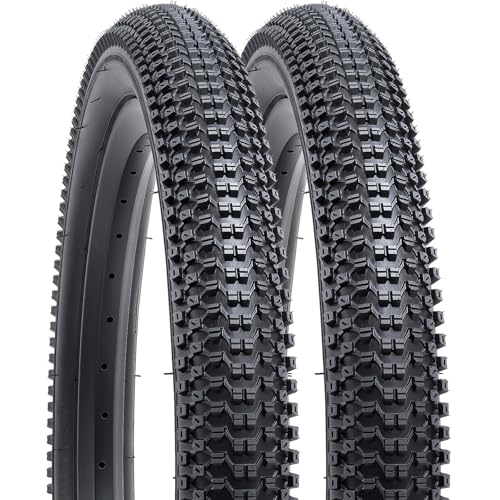
Parameters: Folding Replacement Bike Tire 20x2.35 Max Load 75KG(165LBS), inflatable to 40 P.S.I.(280kpa)
How It Compares to Alternatives
The Schwalbe Pick-Up 20×2.35 is a stronger comparison for cargo and e-bike use because it uses a heavy-duty, higher-load design, but it usually sits in a higher price tier. The Schwalbe Smart Sam Plus 20×2.35 is worth comparing when puncture protection and branded casing details matter more than low upfront cost.
For BMX or street-focused riding, the narrower Kenda K-Rad 20×2.125 may roll differently and provide more frame clearance, but it is not a direct size match. The YUNSCM pair is most appealing when you want two broad, mixed-surface tires at a value-oriented cost and can accept simpler published specifications.
[Products Worth Considering]

Model: MG-BT-20 x 2.35"; 20 x 2.35" Foldable High Traction Bike Tire with Tire Lever for Kids Bike BMX Bike Freestyle.

【Bicycle Tube Size】Schrader(America) value 20 inch heavy duty inner tube. tire width 20 x 2.125/2.20/2.25/2.30/2.35/2.40, 2 pack include.

Model: FM-20BT; FOMAS Bike Tire 20 inch Foldable with Tire Lever for Kids Bike BMX Mountain Bike.
Frequently Asked Questions
Will these tires fit every 20-inch bike?
No. Your rim must use a 406 mm bead-seat diameter, and your bike must have enough width and height clearance for a nominal 2.35-inch tire. Check the current tire, rim guidance, frame, fork, brakes, fenders, and chain area before ordering.
Are inner tubes included in the two-pack?
No. The package contains two tires, so you need tubes that fit a 20×2.35 or compatible width range. The tube valve must also match the hole in your rim.
Should you inflate them to 40 PSI?
Treat 40 PSI as the listed maximum, not an automatic target. Choose a lower working pressure that supports your load without squirm, rim strikes, or pinch flats, and never exceed the lowest limit printed on the tire, rim, or wheel system.
Can you use these tires on pavement?
Yes. The block tread can handle pavement and mixed routes, but it may create more noise and rolling resistance than a smooth city tire. It is better suited to riders who regularly move between paved and unpaved surfaces.
Are they suitable for cargo bikes or fast e-bikes?
Do not assume they are. The listing provides a 75 kg maximum load per tire, but it does not establish cargo-bike or high-speed e-bike certification. Use a tire specifically approved by your bike maker when load, speed, or motor assistance is a major factor.
What should you do if a folded tire looks misshapen?
Unfold it gently and let it relax at room temperature. Shape it without sharply bending the bead, then install it gradually and confirm the bead line is even before reaching normal riding pressure.
How long should the tires last?
There is no verified mileage guarantee in the available product details. Service life depends on rider and cargo weight, pressure, braking, wheel alignment, road surface, weather, storage, and how often you ride. Replace the tire when the casing, bead, or tread is no longer safe.
The Bottom Line
The YUNSCM 20×2.35 two-pack is a practical choice when you need two 60-406 tires for commuting, gravel paths, hardpack, and light trail riding. Buy it when fit and load are confirmed, but skip it for incompatible rims, tight frames, pavement-only speed, or heavy cargo use that calls for a more specialized casing.
Ready to Buy?
Check the latest price, package details, and sidewall specifications before you decide.

Related Articles
EOPOAYI 19×7-8 Mini Bike Tire Review
A rugged EOPOAYI 19x7-8 mini bike tire review reveals traction, durability, and fit details that could change your next off-road ride.
Read More
MaxAuto 16×8-7 ATV Tires Review
Jump into this MaxAuto 16x8-7 ATV Tires Review to see whether these rugged tires truly deliver on trails—and what you need to know next.
Read More
TRIBLE SIX 20×11-9 Tires Review
Built for ATVs, UTVs, mowers, and carts, TRIBLE SIX 20x11-9 tires deliver surprising traction—yet one detail may change everything.
Read More