
When to Put Winter Tires on Your Hyundai Sonata (Temperature Guide)
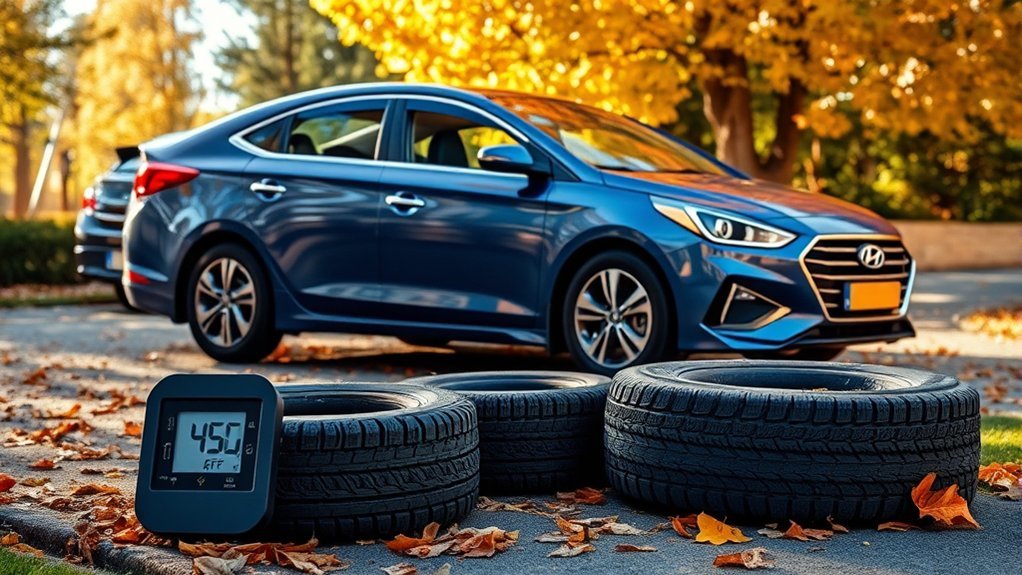
You should install winter tires on your Hyundai Sonata once temperatures consistently drop below 40°F. All-season tires lose grip in cold weather, increasing your risk of accidents on icy roads. Aim to switch before the first snowfall to avoid crowded tire shops and guarantee peak performance. Keeping winter tires on for about five months enhances safety and control. Want to know how to choose the best tires and prepare your car for winter? Keep exploring!
Understanding Why Winter Tires Are Essential for Your Hyundai Sonata
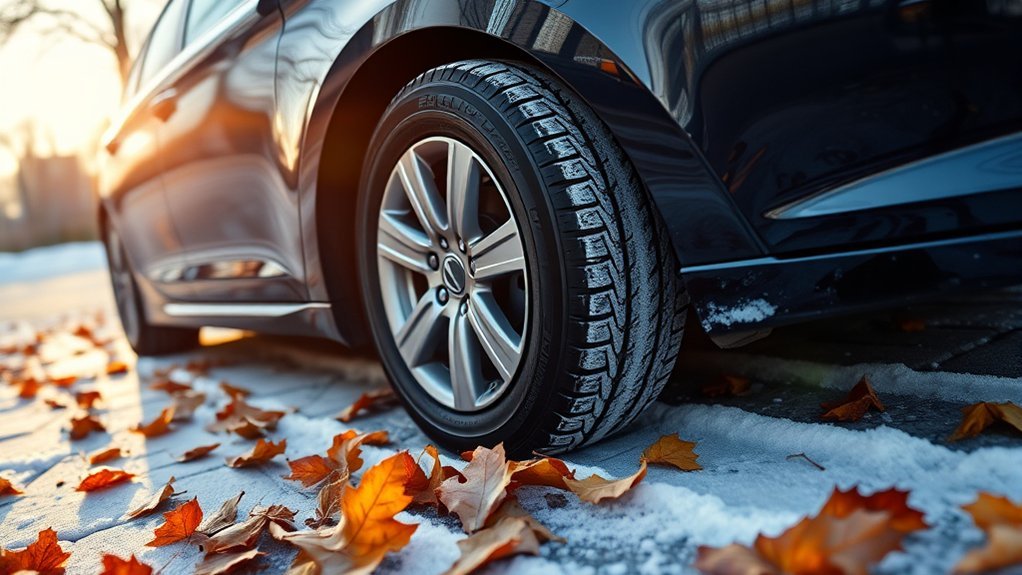
When temperatures dip below 40°F, it’s crucial to equip your Hyundai Sonata with winter tires. These tires use advanced tire technology, featuring specialized rubber compounds that stay flexible in cold conditions. This flexibility enhances grip on icy and snowy roads, giving you the confidence to navigate winter’s challenges.
Winter tires boast larger grooves and additional siping, providing superior traction, control, and braking capabilities when you need them most. By switching to winter tires before the first snowfall, you not only avoid crowded tire shops but also guarantee your Sonata performs at its best throughout the season.
Regularly using winter tires can extend the lifespan of both your winter and all-season tires, allowing you to enjoy the seasonal benefits of each. Embracing this change not only enhances your driving experience but also keeps you safe on the roads as winter unfolds. Don’t underestimate the power of the right tires!
When to Install Winter Tires Based on Temperature Guidelines
As temperatures consistently dip below 40°F, it’s time to think about installing winter tires on your Hyundai Sonata. These tires are specifically designed to perform effectively in cold conditions, enhancing your vehicle’s grip and safety. It’s best to make the switch before the first snowfall to avoid the rush at tire shops and guarantee you’re prepared for icy roads.
Pay attention to nighttime and morning temperatures below the 40°F threshold, as this signals the ideal moment for installation. By getting your winter tires on early, you’ll enjoy the winter tire benefits, like improved traction and better handling on slippery surfaces. Aim to keep them on for about five months to cover the coldest months of the year. This proactive approach not only secures your safety but also enhances your driving experience, allowing you to navigate winter with confidence.
The Risks of Delaying Winter Tire Installation
Delaying your winter tire installation can seriously jeopardize your safety on the road. With increased traffic at tire shops right before the first snowfall, you might find yourself waiting longer than expected. Plus, without winter tires, you’re risking reduced traction and a higher chance of accidents when traversing icy conditions.
Increased Accident Risk
Waiting too long to install winter tires can greatly increase your risk of accidents. Studies show that vehicles equipped with winter tires experience markedly lower accident rates in icy conditions compared to those with all-season tires. Once temperatures drop below 40°F, all-season tires lose effectiveness, leading to longer stopping distances and decreased vehicle control. If you delay switching, you may find yourself traversing slick roads with inadequate traction, making sudden stops or sharp turns even more dangerous. Crowded tire shops after the first snowfall can force you to drive on unsuitable tires in hazardous conditions. Prioritizing winter safety by installing winter tires early can help you avoid accidents and keep you and your passengers safe this season.
Reduced Traction Performance
When temperatures drop, your all-season tires struggle to maintain grip on icy and snowy roads, putting you at risk of losing traction. Delaying winter tire installation can lead to serious safety issues. Here are three key reasons to prioritize your winter tires:
- Improved Grip: Winter tires provide up to 50% better traction on snow and ice, enhancing your control.
- Shorter Stopping Distances: Properly timed tire changes reduce your stopping distance, vital for unexpected winter weather.
- Optimal Tire Pressure: Maintaining the correct tire pressure helps improve traction control, ensuring your vehicle performs at its best.
Don’t wait for the first snowfall; equip your Hyundai Sonata with winter tires early to navigate winter roads confidently. Stay safe and liberate yourself from the stress of slipping!
Higher Tire Shop Traffic
As temperatures drop, the urgency to switch to winter tires becomes more apparent, especially with the increased traffic at tire shops. Delaying your installation until the first snowfall can lead to crowded conditions, making tire shop scheduling a hassle with longer wait times. Early November sees a surge in winter tire demand, so it’s essential to book your appointment sooner rather than later. Waiting for consistent temperatures below 40°F puts you at risk of driving on inadequate tires, jeopardizing your safety. Installing winter tires before the first snowfall enhances traction and control, helping you avoid accidents. Prioritize early preparation to dodge the last-minute rush, ensuring a thorough inspection and better overall vehicle maintenance.
How to Select the Best Winter Tires for Your Driving Conditions
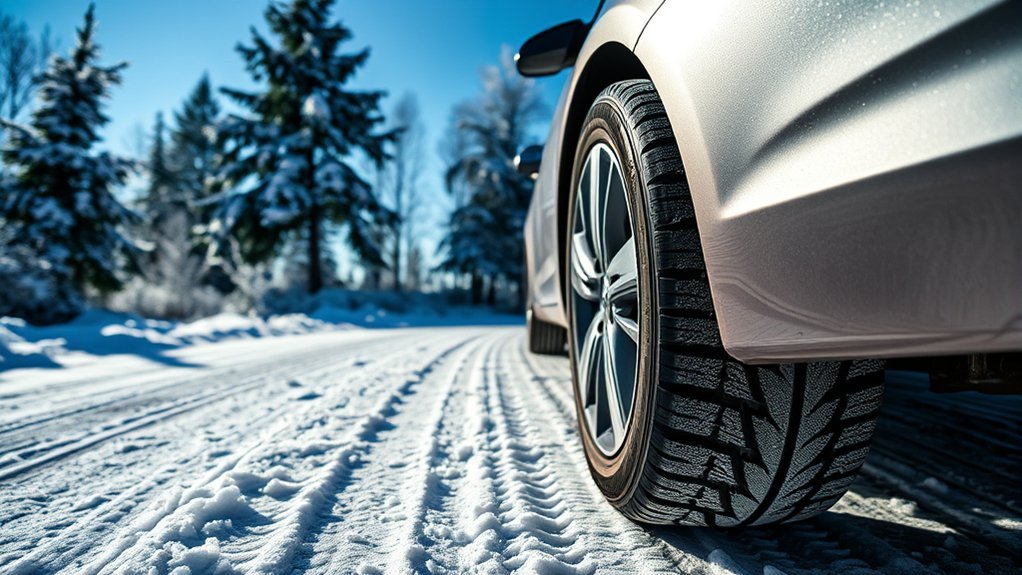
Choosing the right winter tires for your Hyundai Sonata starts with understanding the different tire types available. You’ll want to take into account tread patterns that enhance traction and how local weather conditions impact your driving. By evaluating these factors, you can guarantee your tires meet your needs for safety and performance this winter.
Tire Types Comparison
Selecting the right winter tires for your Hyundai Sonata can greatly enhance your driving experience in cold conditions. To choose the best option, consider these key factors:
- Tire Composition: Look for specialized rubber compounds that stay flexible below 40°F, improving tire longevity and performance metrics.
- Tread Design: Opt for tires with deeper grooves and siping to boost grip on snow and ice, guaranteeing safer handling.
- Studded vs. Non-Studded: Studded tires offer superior traction on icy surfaces, but check local regulations to verify compliance.
Tread Pattern Importance
When you’re maneuvering snowy or icy roads, the tread pattern on your winter tires can make all the difference in your Hyundai Sonata’s performance. Look for tires with deeper grooves and larger voids for enhanced traction. Additional siping creates more biting edges, boosting grip on slippery surfaces.
Consider the driving conditions you face; aggressive tread patterns excel in deep snow, while symmetrical designs work well for mixed conditions. Always seek the “3PMSF” symbol to guarantee your tires meet high snow traction standards.
| Tread Pattern | Best For |
|---|---|
| Aggressive | Deep snow |
| Symmetrical | Mixed conditions |
| Deeper grooves | Enhanced traction |
| Additional siping | Improved grip |
Choosing the right tread pattern guarantees tread versatility and ideal groove depth for your needs.
Weather Condition Considerations
As temperatures drop below 40°F, the need for winter tires becomes essential, especially for your Hyundai Sonata. Choosing the right tires isn’t just about the cold; it’s about your unique driving conditions. Here’s what to take into account:
- Local Weather Patterns: If you face heavy snowfall, opt for tires designed for enhanced traction.
- Driving Habits: Frequent icy or snowy driving? Look for specialized winter tires with deeper tread depth and softer rubber compounds.
- Tire Type: Decide between studded tires for icy grip or non-studded options for snowy roads.
Don’t forget to check your tire pressure regularly, as it can fluctuate with temperature changes. Consulting local tire professionals can help you find the best fit for safety and performance.
Why All-Season Tires May Fail in Winter Conditions
All-season tires might seem like a convenient choice for year-round driving, but they can struggle in winter conditions. When temperatures dip below 40°F, their rubber hardens, leading to reduced grip on icy roads. This loss of tire performance can compromise your winter safety.
| Issue | Impact |
|---|---|
| Hardening of Rubber | Reduced traction and grip |
| Inadequate Tread Design | Longer stopping distances |
| Quick Wear in Snow | Increased risk of accidents |
Using all-season tires in severe winter weather can lead to longer stopping times and poor handling. In regions with frequent snowfall, they wear out faster, diminishing effectiveness and lifespan. For true winter safety, consider switching to dedicated winter tires to guarantee you’re prepared for whatever the season throws your way.
Maintaining Your Winter Tires for Optimal Performance
Using all-season tires in winter can leave you vulnerable on the road, underscoring the importance of dedicated winter tires. To guarantee your winter tires perform at their best, focus on these key aspects of tire maintenance:
- Tread Inspection: Regularly check your tire tread depth and look for signs of wear. Worn tires greatly reduce traction on icy or snowy roads.
- Pressure Check: Cold temperatures can lower tire pressure. Keep your tires inflated to the recommended levels to maintain excellent handling and fuel efficiency.
- Storage and Rotation: When the season’s over, store your winter tires in a cool, dry place to prevent unnecessary wear. Rotate them according to manufacturer recommendations for even wear throughout the winter.
What Happens When You Change to Winter Tires?
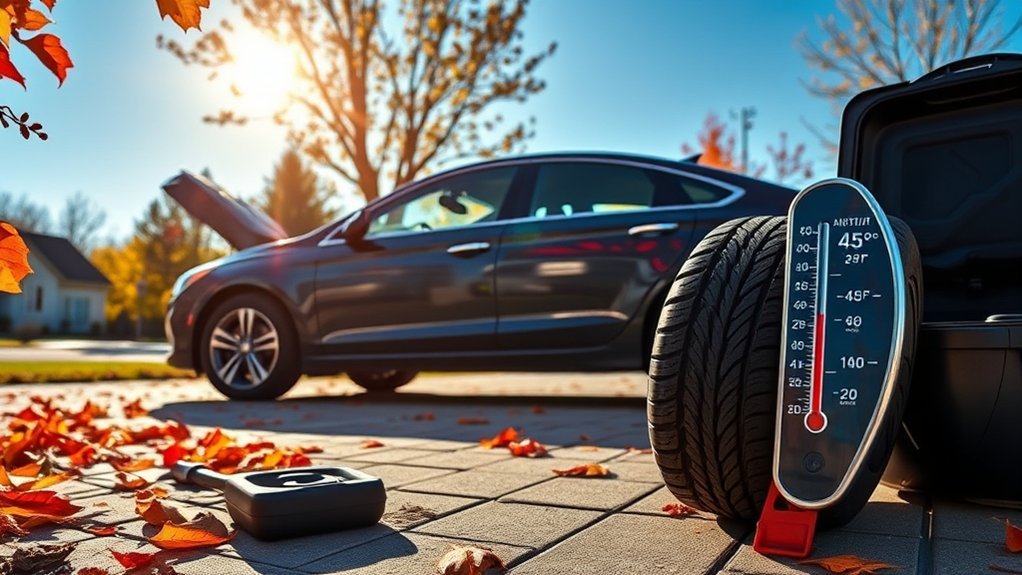
When you switch to winter tires, you’ll immediately notice a significant boost in traction and control on icy or snowy roads. These specialized tires are crafted with unique rubber compounds and tread designs that stay flexible in temperatures below 40°F, ensuring peak winter performance. You’ll also experience shorter stopping distances—up to 30% less on slippery surfaces—giving you an added layer of safety.
Preparing Your Hyundai Sonata for Winter Weather Challenges
As temperatures plummet and winter weather sets in, preparing your Hyundai Sonata becomes essential for safe driving. Follow these winter driving tips to guarantee your vehicle is ready for the challenges ahead:
- Install Winter Tires: When temperatures consistently drop below 40°F, switch to winter tires for better traction and safety.
- Check Battery and Fluids: Cold weather can affect your battery. Test it and replace it if needed. Also, maintain proper fluid levels, including antifreeze and winter-grade windshield washer fluid.
- Upgrade Wiper Blades: Equip your Sonata with winter-grade wiper blades for clear visibility during snow and ice.
Don’t forget to regularly check your tire tread depth and replace worn tires to optimize performance on icy roads. By prioritizing these vehicle maintenance tasks, you’ll be better prepared to tackle winter’s challenges head-on.
Frequently Asked Questions
At What Temperature Should I Start Using Winter Tires?
You should start using winter tires when temperatures consistently drop below 40°F (4°C). These tires offer significant benefits, including improved traction and handling, ensuring your safety and performance in challenging winter conditions. Don’t wait!
When to Use Hyundai Snow Mode?
When winter’s icy grip tightens, engage your Hyundai’s Snow Mode. It maximizes traction, enhances control, and prevents wheel spin in slippery conditions. Remember to switch back once driving conditions improve for peak performance.
Conclusion
To summarize, switching to winter tires isn’t just a hassle; it’s a smart move for your safety and your Hyundai Sonata’s performance. You might think all-season tires are enough, but they can struggle when temperatures drop. Don’t risk your control on icy roads—install winter tires when temperatures consistently dip below 45°F. By preparing now, you’ll guarantee a smoother, safer ride all winter long, keeping you and your passengers protected on every journey.

Related Articles
Hyundai Sonata Negative Camber Causing Tire Wear: How to Fix
Combat uneven tire wear in your Hyundai Sonata caused by negative camber—discover essential tips to prolong your tires and enhance your ride.
Read More
Hyundai Sonata Snow Driving Tips With All-Season Tires
Learn essential tips for driving your Hyundai Sonata in snow with all-season tires, and discover how to stay safe and prepared. What could go wrong?
Read More
Hyundai Sonata Tire Feathering: Causes, Diagnosis & Fixes
Join us as we uncover the causes of tire feathering in your Hyundai Sonata and reveal essential tips for diagnosis and effective fixes.
Read More