
Hyundai Sonata Tire Wear on Inside Edge: Causes & How to Fix
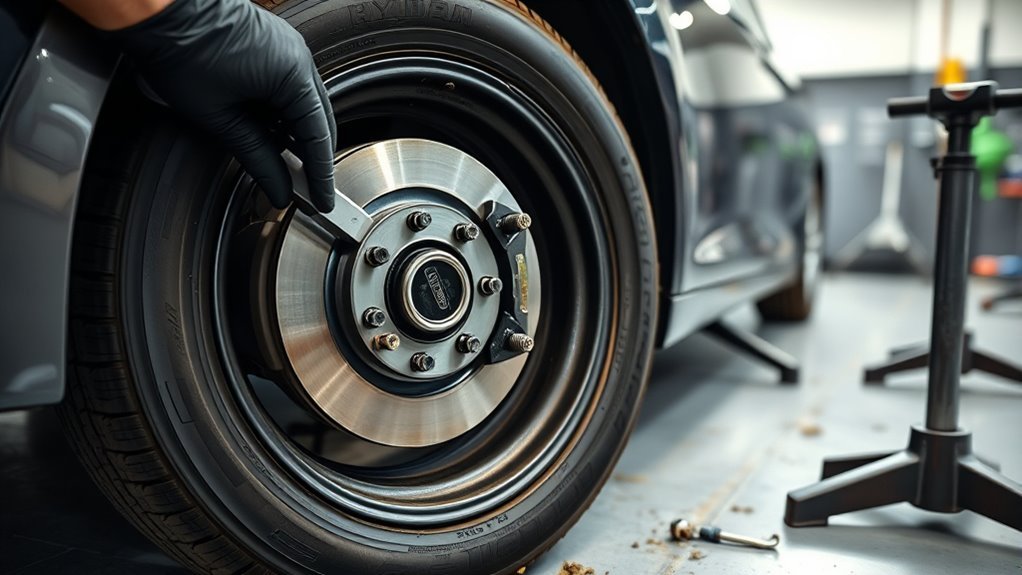
If you’re noticing inside tire wear on your Hyundai Sonata, it’s likely due to alignment issues, improper tire pressure, or worn suspension components. These factors can compromise your vehicle’s performance and safety. Keeping tires properly inflated and adhering to a regular rotation schedule helps extend their lifespan. Don’t ignore signs like your car pulling to one side or unusual noises. Keep exploring to uncover effective solutions for maintaining your Sonata’s tires and enhancing their longevity.
What Causes Inner Tire Wear on a Hyundai Sonata?
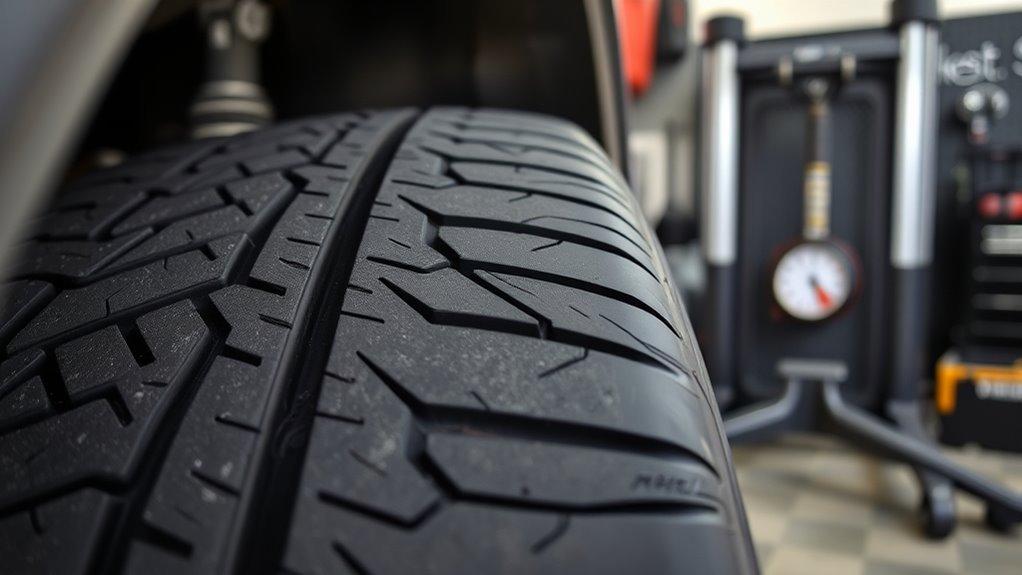
If you’ve noticed inner tire wear on your Hyundai Sonata, it’s likely due to wheel alignment issues. Excessive negative camber and incorrect toe settings lead to uneven weight distribution, causing the inner edges to wear faster. Worn suspension components, like ball joints and struts, can worsen these alignment problems, amplifying tire wear.
Additionally, overinflation can reduce the contact area of your tires, favoring the inner edge and putting you at risk for blowouts. Aggressive driving habits—think rapid acceleration and hard cornering—also contribute to accelerated wear.
To combat this, keep an eye on your tire compound and make certain your wheel offset is correct. Regular maintenance practices, such as rotating your tires every 5,000-7,000 miles and getting alignment checks annually, are crucial for prolonging tire life and enhancing your driving experience. Stay proactive, and you’ll liberate yourself from the hassle of premature tire wear.
Spotting Cupped Tires and Uneven Wear
Recognizing cupped tires and uneven wear is vital for maintaining your Hyundai Sonata’s performance and safety. Tire cupping manifests as irregular dips or waves in the tread patterns, which can indicate underlying suspension or alignment issues. Keep an eye out for inner edge wear, a common sign of excessive negative camber, where the wheel tilts inward. This uneven weight distribution can lead to reduced traction and increase the risk of blowouts.
Regularly inspecting your tire tread is important; look for signs of cupping or feathering. Driving habits, like aggressive cornering or rapid acceleration, can worsen inner tire wear, so adopting smoother driving techniques can extend your tires’ lifespan. To guarantee even tread life, maintain proper alignment and rotate your tires every 5,000 to 7,000 miles. By staying vigilant, you’ll help safeguard your Sonata’s performance and keep your driving experience liberating.
How Alignment Issues Cause Tire Damage
Alignment issues can sneak up on you, leading to significant tire damage if left unchecked. Misalignment, especially excessive negative camber, causes the inner edge of your tires to wear faster due to uneven weight distribution. Incorrect toe settings, like toe-out, can worsen this by forcing your tires to scrub against the road during turns. Regular alignment checks are essential to prevent such problems.
- Impacts with potholes or debris can trigger alignment issues.
- Worn suspension components, such as ball joints, contribute to misalignment.
- Aim for alignment checks every 20,000 to 30,000 kilometers or at least annually.
How Suspension Issues Contribute to Tire Wear
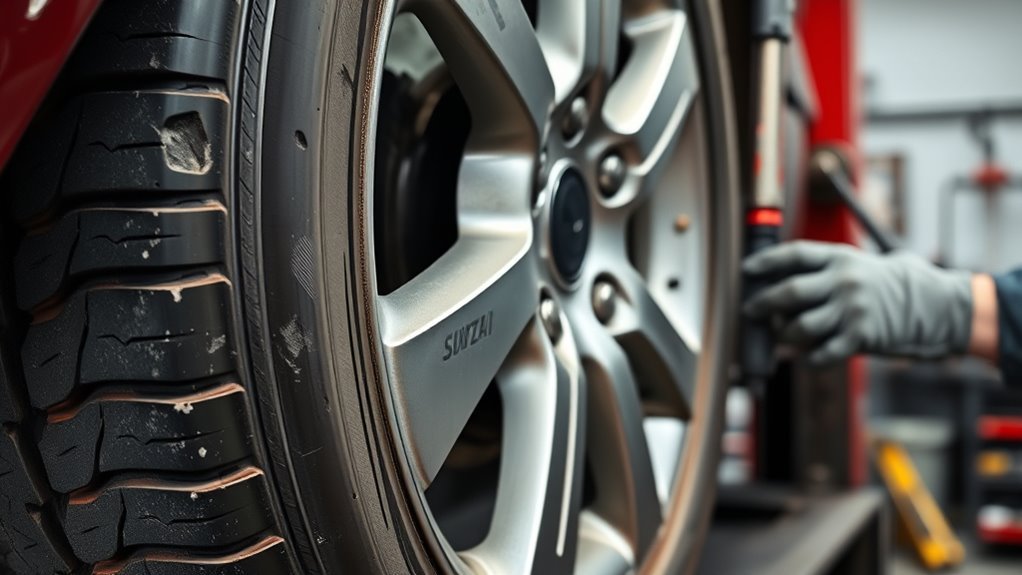
Suspension issues can sneak up on you, leading to uneven tire wear if not addressed. Worn components like struts and bushings can throw off your alignment, causing excessive inner tire wear. Regular inspection and maintenance are key to keeping your Hyundai Sonata’s tires in top shape.
Common Suspension Problems
When your Hyundai Sonata’s suspension components wear out, it can lead to serious tire wear issues that you might not immediately notice. Common symptoms include uneven tire wear, a bumpy ride, and unusual noises when driving.
To keep your tires healthy, consider these key factors:
- Worn struts and bushings can cause misalignment, leading to excessive negative camber.
- Damaged ball joints and control arms exacerbate alignment problems, increasing inner tire wear.
- Impacts from potholes can change your suspension’s alignment, so regular inspections are essential.
Regular alignment checks every 20,000 to 30,000 kilometers can help catch these issues early. Investing in suspension upgrades and maintaining proper tire pressure will also prolong tire life, ensuring a smoother, safer drive.
Impact on Tire Alignment
Worn suspension components can greatly impact tire alignment, leading to uneven wear that’s often overlooked. Issues like excessive negative camber tilt your wheels inward, causing uneven weight distribution and inner tire wear. If you notice your Hyundai Sonata pulling to one side, it might be time to check those ball joints and struts. Regular inspections of your suspension parts are essential; neglect can lead to misalignment and even more tire wear. Hitting potholes can knock your alignment off, so don’t skip those checks. Using proper alignment tools to adjust toe settings can markedly enhance tire balance, reducing the risk of inner tire wear and extending your tires’ lifespan. Keep your ride smooth and your tires healthy!
How Tire Pressure Affects Hyundai Sonata Tire Longevity
Maintaining the correct tire pressure is essential for maximizing the longevity of your Hyundai Sonata’s tires. When tire pressure dips below the recommended 32-35 PSI, you risk excessive inner edge wear and decreased fuel efficiency. Conversely, overinflation can create uneven wear patterns, as your tires lose ideal contact with the road.
Keeping tire pressure between 32-35 PSI is crucial for tire longevity and optimal fuel efficiency in your Hyundai Sonata.
To keep your tires in peak condition, consider these tips:
- Check tire pressure monthly to catch any issues early.
- Adjust pressure based on load and driving conditions to guarantee a balanced ride.
- Follow manufacturer specifications to maintain safety and handling.
How Driving Habits Impact Tire Life
While you might not realize it, your driving habits play an essential role in the lifespan of your Hyundai Sonata’s tires. Aggressive driving, like rapid acceleration and hard braking, generates excessive heat and stress, leading to increased inner tire wear. Your cornering habits also matter; frequent high-speed turns put uneven pressure on the tires, particularly affecting the inner edges. If you often overload your vehicle, it can disrupt weight distribution, worsening wear patterns.
On the flip side, adopting smoother driving habits can greatly extend tire life. Gradual acceleration and braking reduce stress on your tires, allowing them to perform at their best. Remember, neglecting regular tire rotations can let established wear patterns develop, which could cut your tires’ longevity short. By being mindful of your driving speed and cornering techniques, you can empower yourself to enjoy a longer-lasting tire experience.
Essential Tire Maintenance Practices
Adopting smoother driving habits can only go so far without proper tire maintenance. To keep your Hyundai Sonata’s tires in top shape and extend their lifespan, follow these essential practices:
- Rotate Tires Regularly: Every 5,000 to 7,000 miles helps guarantee even wear.
- Check Tire Pressure: Maintain proper inflation per manufacturer specifications to avoid uneven wear.
- Inspect Suspension Components: Regularly check for worn parts that could affect alignment and tire wear.
Solutions for Addressing Inner Tire Wear
To tackle inner tire wear on your Hyundai Sonata, start with regular wheel alignment checks every 20,000 to 30,000 kilometers. Don’t forget to inspect suspension components and stick to a tire rotation schedule to keep wear even. By staying proactive, you can greatly extend your tires’ lifespan and enhance your vehicle’s performance.
Proper Wheel Alignment
Ensuring proper wheel alignment is essential for maintaining your Hyundai Sonata’s tire health and preventing excessive inner tire wear. Regular checks, ideally every 20,000 to 30,000 kilometers, can help you avoid costly replacements. Here are some key points to reflect on:
- Alignment benefits: Correct alignment enhances handling, fuel efficiency, and tire life.
- Alignment myths: Some believe alignments are only necessary after hitting a pothole, but regular checks can prevent issues before they arise.
- Professional adjustments: Use reputable shops familiar with specific adjustments, like camber bolt kits for your model.
Incorporating suspension inspections into your alignment routine can also identify worn components, further extending tire life and ensuring a smoother ride. Don’t underestimate the power of proper alignment!
Tire Rotation Schedule
Regular tire rotations, ideally every 5,000 to 7,000 miles, play an essential role in preventing inner tire wear on your Hyundai Sonata. By redistributing wear patterns from your driving habits and addressing alignment issues, tire rotation not only extends tire life but also enhances overall vehicle handling. Make sure to follow the manufacturer’s recommended rotation pattern, typically front to rear and side to side, to optimize performance and longevity. Keeping detailed records of your tire rotations and maintenance intervals can help you spot wear patterns and make informed service decisions. Additionally, regularly inspect tire tread depth and condition between rotations to catch early signs of uneven wear, allowing for timely interventions and a smoother ride.
Suspension Component Inspection
A thorough inspection of your Hyundai Sonata’s suspension components is essential for preventing inner tire wear. Regular checks on parts like ball joints, control arms, and struts can save you from costly replacements down the line. Look for signs of damage, such as uneven tire wear or pulling, which may indicate worn suspension parts.
- Confirm bushings are intact, as deteriorated ones can impact alignment.
- Conduct alignment checks after any suspension upgrades or unusual wear is noticed.
- Incorporate these inspections into your routine preventative maintenance.
When to Consult Professionals for Tire Issues
If you notice significant inner tire wear or cupping, it’s vital to consult a tire professional promptly. Ignoring these signs can lead to more severe issues, like misalignment or suspension problems. Regular alignment checks should be done annually or every 20,000 to 30,000 kilometers, especially for your Hyundai Sonata, to prevent premature tire wear.
If your vehicle pulls to one side or makes unusual noises, seeking a professional evaluation is important. Tire professionals can provide detailed inspections of your suspension components, such as struts and bushings, to uncover the root causes of uneven wear.
Additionally, maintaining documentation of tire rotations and alignments can help professionals diagnose tire wear issues more effectively. By addressing these concerns early, you can guarantee the longevity of your tires and enhance your driving experience. Don’t wait—take action for your safety and your Sonata’s performance!
Long-Term Care for Your Hyundai Sonata Tires
To keep your Hyundai Sonata’s tires in top shape, it’s crucial to adopt a proactive maintenance routine. Regular care not only extends tire life but also enhances performance throughout seasonal changes.
- Rotate your tires every 5,000 to 7,000 miles to promote even wear.
- Maintain proper tire pressure following the manufacturer’s specifications to prevent inner edge wear.
- Schedule annual wheel alignments or after hitting potholes to correct camber issues.
Additionally, inspect your suspension components frequently to identify potential problems early. Keeping a detailed log of all maintenance activities, like rotations and alignments, can help you stay organized and informed about your tire performance. When the seasons shift, consider proper tire storage; this can further protect your investment and guarantee peak handling. By following these tips, you’ll keep your Sonata’s tires in excellent condition, ready for any journey.
Frequently Asked Questions
Why Are My Tires Wearing on the Inside Edge?
Your tires are wearing on the inside edge due to improper tire alignment or potential suspension issues. Regularly check your alignment and suspension components to guarantee even tire wear and extend their lifespan.
Can Bad Struts Cause Inner Tire Wear?
Yes, bad struts can cause inner tire wear due to alignment issues. Strut replacement restores balance, freeing your tires from uneven wear and enhancing your ride’s stability. Don’t let neglected struts limit your vehicle’s performance!
Can a Bad Wheel Bearing Cause Inner Tire Wear?
Yes, a bad wheel bearing can cause inner tire wear. It misaligns your wheel, leading to increased negative camber and suspension issues. Regular checks prevent further problems, ensuring better handling and longer tire life.
Conclusion
To summarize, keeping an eye on your Hyundai Sonata’s tire wear is essential for safety and performance. By regularly checking alignment, suspension, and tire pressure, you can prevent those pesky inner edge issues. So, why not take a few minutes today to guarantee your tires are in top shape? With the right maintenance practices, you’ll enjoy a smoother ride and extend the life of your tires. Don’t wait—start caring for your Sonata’s tires now!

Related Articles
Hyundai Sonata Tire Wear on Outside Edge: What’s Causing It
A Hyundai Sonata's outside edge tire wear may signal alignment issues—discover the underlying causes and essential tips for prolonging your tires' lifespan.
Read More
Hyundai Sonata Tire Blowout Risk in Extreme Heat: Prevention Guide
Heat increases the risk of tire blowouts in your Hyundai Sonata; discover essential prevention tips to keep your journeys safe and worry-free.
Read More
Can Tire Sealant Damage the TPMS Sensor on a Hyundai Sonata?
Once-applied sealant can silently ruin Hyundai Sonata TPMS sensors—discover which products and actions cause damage and how to prevent costly failures.
Read More