
Hyundai Sonata Tire Size by Year: 2011–2025 Complete Chart

You’ll find OE Sonata tire sizes from 2011–2025 vary from 205/65R16 and 215/55R17 up to 245/40R19 and optional 245/35ZR20 on late models; Eco uses 205/65R16, SEL/Limited 215/55R17, Sport 225/45R18 and N Line 245/40R19. Wheels use 5×114.3 PCD, 67.1 mm bore, M12x1.5 lugs; offsets ~35–48 mm. Match load index/speed rating, keep diameter ±3% when upsizing, and verify TPMS — continue for full fitment specs and maintenance guidance.
Sonata Tire Sizes: 2011–2025 Quick Chart
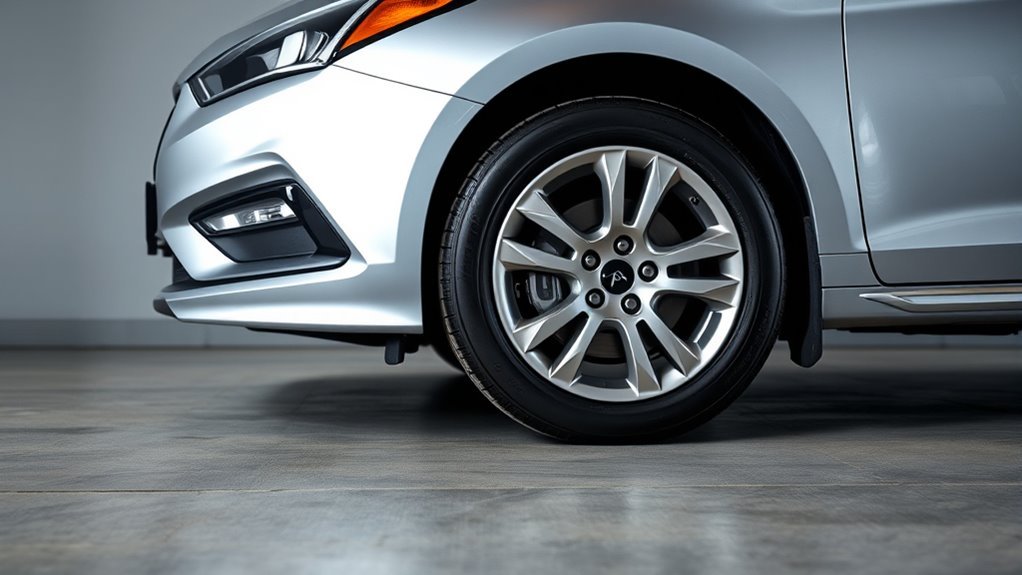
For a quick reference, the Sonata’s tire fitments from 2011–2025 span compact touring sizes to sporty 19–20‑inch rubber: common fits include 205/65R16 on GLS and Eco trims, 215/55R17 on Limited, 245/40R19 on the 2024–25 N Line, and optional 245/35ZR20 on select 2019–2025 models, reflecting choices that trade comfort for handling and visual stance. You’ll read this quick chart as a concise map: 2011–2015 uses 205/65R16 and 215/55R17; 2016 standardizes many Hybrids and SEL/Limited on 215/55R17 while Eco retains 205/65R16; 2019–2025 adds 19–20‑inch options, culminating with N Line 245/40R19. Understand how diameter and sidewall affect steering response, rolling resistance, and fuel economy so you can choose freedom over compromise. Factor tire wear and seasonal changes into selection: deeper tread for winter, lower profile for summer grip. Match size to driving intent and you’ll liberate handling without sacrificing safety.
OE Tire Options by Trim (Eco, SEL, Limited, Sport, N Line)
Tire fitment on the Sonata varies by trim to match intended driving dynamics: the Eco sticks with compact 205/65R16 rubber for fuel-efficient rolling resistance, SEL and Limited use 215/55R17 to balance ride comfort and lateral grip, Sport adopts 225/45R18 for sharper handling and reduced sidewall flex, and the N Line runs wider 245/40R19 tires to maximize cornering stability and visual stance. You’ll select tires that align trim intent: Eco prioritizes low rolling resistance and controlled wear for long-range autonomy; SEL/Limited prioritize NVH reduction and predictable steering response; Sport increases contact patch and lateral stiffness to reduce understeer and improve turn-in; N Line combines wider tread and lower profile for higher grip thresholds. For each trim you should monitor tire wear patterns and inflation to retain designed driving performance. When replacing OE tires, match load index and speed rating to preserve calibrated suspension, braking balance, and electronic stability interventions without compromising your freedom to drive confidently.
Wheel Fitment Specs by Generation (PCD, Center Bore, Offset)
Having matched OE tire types to each Sonata trim, you’ll next confirm wheel fitment specs so new rims and replacement tires sit and perform correctly. Across Sonata generations VI (YF), VII (LF) and VIII (DN8) the PCD is consistent at 5×114.3 mm with a center bore of 67.1 mm, and lug thread is standardized M12 x 1.5. That consistency simplifies wheel compatibility and lets you focus on offset and diameter.
YF offsets run roughly 35–48 mm, accommodating common wheel widths and preserving suspension geometry; LF and DN8 generally follow similar offset ranges for factory and many aftermarket options. DN8 supports the widest tire range (205/65R16 up to 245/35ZR20), so when you select aftermarket wheels verify backspacing and offset to avoid fender rub or altered scrub radius. Use hub-centric rings only if center bore differs, and always torque M12 x 1.5 lug nuts to spec for safe, liberated driving.
Replacement Tire Selection: Size, Load & Speed Ratings
Although different Sonata trims use a range of sizes (commonly 205/65R16, 215/55R17 and 225/45R18), you should always match replacement tires to the OE size, load index and speed rating stamped on the vehicle placard or current sidewall. You’ll verify load indexes—commonly 91–98—so load-carrying capacity aligns with suspension and axle limits; never opt for a lower index. Check speed ratings (H, V, etc.) to preserve handling envelope and stability; higher ratings suit performance trims but must meet legal and insurance requirements.
Select tires that mirror OE tread patterns only if you need equivalent aquaplaning resistance and NVH control; choosing alternate patterns changes behavior. Confirm tire warranty coverage for size-specific defects and mileage; warranty terms can vary by size and rating. Before purchase, inspect the sidewall for the stamped size, load and speed codes, and match them precisely to maintain safety, fuel efficiency and the liberated control you expect from your Sonata.
Sonata Tire Recommendations: Seasonal & Performance by Year
For each Sonata model year you should match seasonal tires to expected conditions — all-seasons for mixed climates and dedicated winter tires for sustained cold or snow. For performance trims pick tire compounds and sizes (e.g., 245/35ZR20 or 245/40R19) that deliver the required grip and steering response. Maintain manufacturer-recommended pressures and rotate every 5,000–7,000 miles to preserve wear uniformity and handling.
Seasonal Tire Selection
When you choose seasonal tires for a Sonata, match the tire type and profile to the model year and trim to preserve handling, ride comfort, and safety. You’ll select all-season tires for moderate climates to maximize tire longevity and reduce wear from mixed conditions; they suit 205/65R16 and 215/55R17 sizes common on 2011–2015 GLS and Limited. In cold, snowy regions, fit dedicated winter tires to any Sonata size—winter rubber and tread design counter weather impact and restore traction. For later models and N Line trims with low-profile 245/40R19 rims, prioritize winter fitment that maintains sidewall protection and steering precision. Base your choice on trim, typical roads, and seasonal extremes to liberate your control without compromising safety.
Performance Tire Options
Choose performance tires for your Sonata based on year, trim, and wheel diameter to preserve handling, braking, and tire life: you’ll match sizes like 205/65R16 or 215/55R17 on earlier models, 215/55R17 on many 2016–2023 trims, and wider 245/40R19 (N Line) or 245/35ZR20 for aggressive fitments. Select compound and tread patterns to suit track, street, or liberated spirited driving. Consider load index and speed rating when pursuing performance upgrades.
- Prioritize tire tread design for wet grip and consistent wear in spirited use.
- For N Line or aftermarket wheels, choose wider, lower-profile tires for lateral grip.
- Opt for Z-rated or equivalent tires when increasing power or cornering demands.
- Balance comfort loss against performance gains; test and adjust accordingly.
Tire Pressure & Rotation
Having picked tires that match your Sonata’s year, trim, and wheel size, you’ll want to manage pressure and rotation to preserve handling, braking, and tire life. You should keep tire pressure between 32–35 psi for most models; check the placard and adjust cold. Rotate tires every 5,000–7,000 miles to equalize wear; performance N Line variants may need dedicated patterns and checks. In cold climates, switch to winter tires; in moderate areas, all-seasons suffice. Inspect tread depth and sidewalls regularly as part of tire maintenance. Improper inflation harms fuel economy and safety. Commit to a routine: check weekly, rotate per schedule, and recalibrate after seasonal swaps to liberate performance and extend tire lifespan.
| Item | Interval | Notes |
|---|---|---|
| Pressure | Weekly | 32–35 psi |
| Rotation | 5k–7k mi | Even wear |
| Seasonal swap | Annually | Winter vs all-season |
Tire Maintenance Timing: Rotation, Age, When to Replace
You should rotate your Sonata’s tires every 5,000–7,000 miles to guarantee even wear and maximize tread life. Replace tires that are more than five years old even if tread remains, and inspect tread depth and condition regularly to determine replacement sooner. Check pressure per the driver’s door label and reassess tires after seasonal changes or unusual driving that accelerates wear.
Tire Rotation Intervals
Because uneven wear shortens tire life, rotate your Sonata’s tires every 5,000–7,000 miles to promote even tread wear and predictable handling. You’ll extend service life, control tire wear patterns, and maintain consistent tread depth across axles. Check pressures per manufacturer specs before rotating and after temperature shifts.
- Inspect tread depth and visual damage at each rotation; measure with a gauge.
- Follow rotation patterns recommended for directional vs. non-directional tires.
- Factor driving habits and seasons—aggressive driving or winter use may shorten intervals.
- Record rotation dates and mileage to track cumulative wear and decide timely replacement.
You’ll free yourself from unexpected failures by routine, disciplined rotation and pressure management.
Tire Age Limits
While mileage helps gauge wear, tire age matters independently—rubber compounds and internal components degrade over time, so replace tires around the five-year mark even if tread still appears adequate. You should monitor tire aging proactively: calendar age, UTQG ratings, and observed performance deficits tell you more than miles alone. Rotate tires every 5,000–7,000 miles to balance wear patterns and delay premature replacement. Check pressure regularly—load changes magnify stresses that accelerate rubber degradation—using specs on the driver’s door placard. Most drivers logging 12,000–15,000 miles annually must pair rotation schedules with age checks. Treat age as a limiting factor in service life; maintain records and inspect for cracking, bulges, or compound hardening that signal compromised safety.
When To Replace
Having tracked tire age and examined wear patterns, it’s time to set clear rules for when to rotate and replace tires. You’ll preserve tire safety and control performance impact by following specific intervals and checks. Rotate every 5,000–7,000 miles to equalize wear; this extends life and stabilizes handling. Replace tires after 12,000–15,000 miles annually if that’s your use, or sooner with abnormal wear. Discard tires once they reach five years from manufacture regardless of tread, because material degradation compromises safety. Inspect tread depth, sidewalls, and overall condition regularly; immediate replacement is required for cuts, bulges, or uneven wear. Check driver’s-side door for recommended pressure—proper inflation reduces wear and optimizes performance impact.
- Rotate 5,000–7,000 miles
- Replace 12,000–15,000 miles/year
- Replace at 5 years regardless
- Inspect and follow door pressure guidelines
Buying & Fitment FAQS: Upsizing, 19″ Vs 20″, TPMS Compatibility
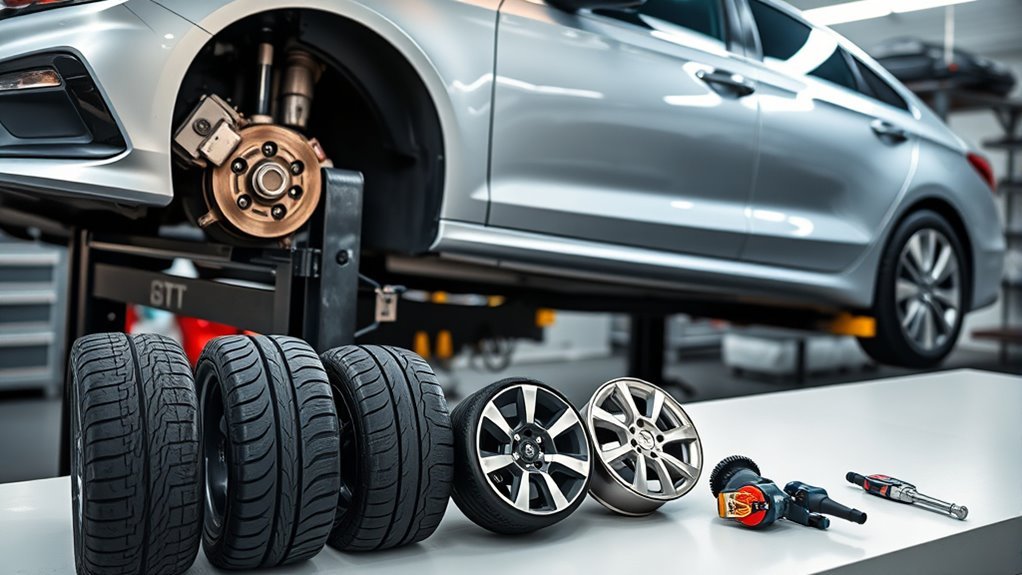
When upsizing your Sonata’s wheels, keep the overall tire diameter within ±3% of the factory size to preserve speedometer accuracy, ABS/traction calibration, and handling characteristics. For tire upsizing considerations, compare diameters, load ratings, and sidewall height before changing rim diameter. The 2019–2025 Sonata accepts 16–20″ wheels; 19″ often balances ride and responsiveness, while 20″ improves cornering and aesthetics at the expense of ride compliance and increased risk of curb damage.
If you move from 19″ to 20″, select a lower-profile tire that keeps diameter within the tolerance and meets load/index requirements. Confirm mounting clearance for brakes and suspension.
TPMS sensor compatibility is non‑negotiable: verify sensor frequency and valve type match the replacement wheels or transfer OEM sensors. Relearn procedures or have a shop program new sensors to the ECU. Always consult the owner’s manual or a tire professional to guarantee legal tire load, safety ratings, and regulatory compliance.
Frequently Asked Questions
What Size Tires Are on a 2011 Hyundai Sonata?
The 2011 Sonata uses 205/65R16 on GLS and 215/55R17 on Limited (some sport Limiteds use 225/45R18). You’ll follow tire maintenance tips, perform seasonal tire changes, rotate regularly, and monitor pressures for freedom.
What Is the Best Oil for a Hyundai Sonata?
Want ideal protection and efficiency? You should use high-quality synthetic 5W-20 or 5W-30 oil types per engine, follow maintenance tips like 7,500‑mile oil changes, check API specs, and monitor levels routinely.
Conclusion
You’ve got the data to match tire size, load, and speed to your Sonata’s year and trim, so choose wisely: correct fitment isn’t optional, it’s safety. Check PCD, center bore, and offset before upsizing, and keep TPMS compatibility in mind. Rotate and inspect tires regularly, replace them by age or tread wear, and pick seasonal or performance tires that meet load/speed specs. Like a well-tuned engine, right tires keep you steady.

Related Articles
Hyundai Sonata Overall Tire Diameter by Size: Full Chart
Hyundai Sonata overall tire diameter by size: discover exact measurements, common OEM examples, and fitment tips to ensure speedometer accuracy and proper clearance.
Read More
Hyundai Sonata Tire Aspect Ratio Explained: What the Number Means
Good to know: discover how the Sonata’s tire aspect ratio affects ride, handling, and speedometer accuracy — and why that number really matters.
Read More
Hyundai Sonata Compatible Tire Sizes: Full Fitment Guide
I need to show which Hyundai Sonata generations accept which tire sizes and why fitment, offset, and diameter matter—read on to get exact matches.
Read More