
Hyundai Sonata Premature Tire Wear: Known Issues & Solutions
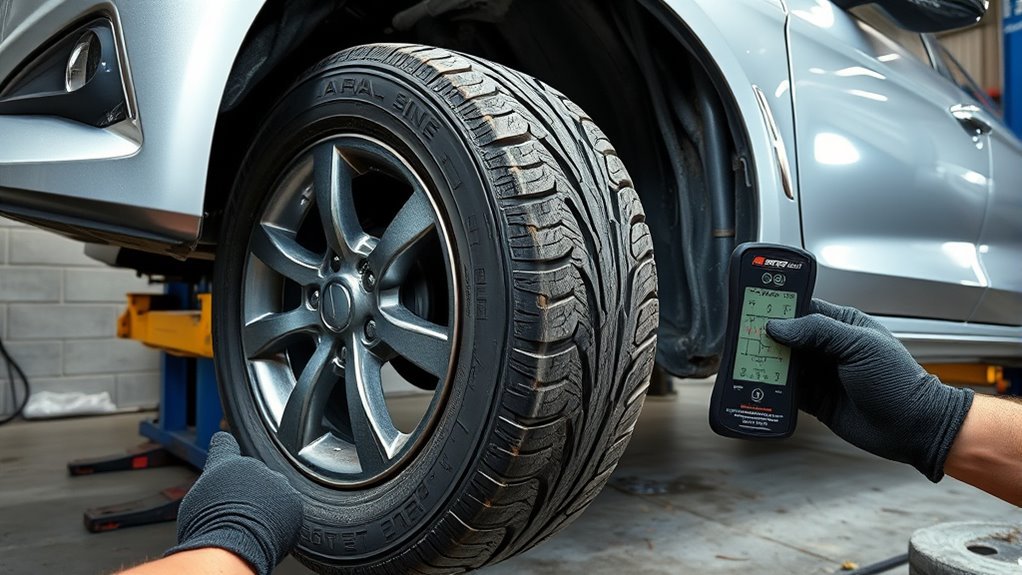
If you’re noticing premature tire wear on your Hyundai Sonata, misalignment, aggressive driving, or worn suspension parts could be to blame. Keep an eye out for signs like unusual noises, steering instability, or uneven tread patterns. Regular tire rotations and proper inflation are essential for longevity. Don’t forget to check your alignment at least once a year. Learning more about these issues can help you maintain peak tire health and enhance your driving experience.
Understanding Why Your Hyundai Sonata Tires Wear Prematurely
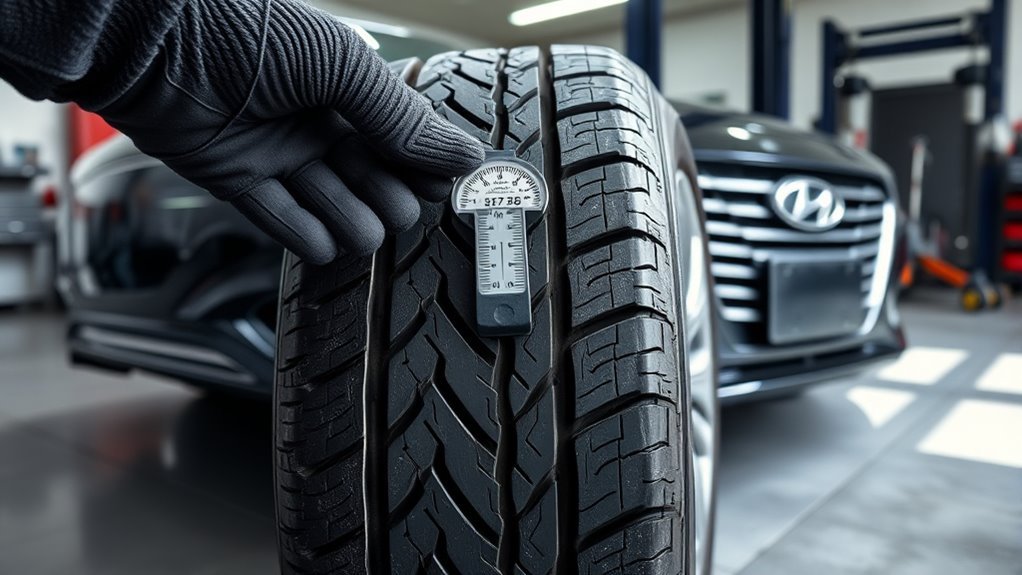
When you notice uneven tire wear on your Hyundai Sonata, especially if it’s a 2011 model, it can be frustrating and alarming. This issue often stems from misalignment, particularly camber problems, which cause premature wear and may not be addressed due to dealer hesitance to install necessary camber bolt kits. Even with regular tire rotation, many owners find their tires wearing out rapidly, sometimes after as few as 23,000 miles. Your driving habits also play an essential role; aggressive acceleration and hard braking can exacerbate wear, especially on certain tire materials that might not withstand these conditions. Additionally, worn suspension components, like struts, can contribute greatly to the problem. Documenting your experiences with tire wear can be instrumental in seeking help from Hyundai customer service or filing complaints with the BBB Auto Line for resolution. Understanding these factors empowers you to take control of your Sonata’s tire health.
Signs of Tire Wear in Your Hyundai Sonata?
If you’re driving a Hyundai Sonata, it’s essential to recognize the signs of tire wear before they escalate. Look out for common symptoms like unusual noises and uneven tread patterns, which could indicate alignment or suspension issues. Regular inspections and timely rotations can help you catch problems early and maintain your tires’ lifespan.
Common Symptoms To Watch
Have you noticed any unusual sounds or handling issues while driving your Hyundai Sonata? Pay attention to tire noise, especially a warbling or “wow” sound, which could signal cupping or feathering. This often indicates misalignment or potential suspension problems. Additionally, if your Sonata struggles to hold a straight line, you might be experiencing steering instability linked to uneven tire wear. Many drivers report significant wear despite regular tire rotations and alignment checks, making it vital to stay vigilant. Cupped tires, with their wavy surfaces, may suggest worn shocks rather than just alignment issues, so a thorough inspection is necessary. Addressing these symptoms promptly can help you avoid premature tire replacements and guarantee a smoother, safer ride.
Causes Of Uneven Wear
Uneven tire wear in your Hyundai Sonata can stem from several underlying issues, each affecting performance and safety. One major culprit is misalignment, which causes specific tire edges to wear down faster. Incorrect tire pressure—whether over or under-inflated—can also lead to uneven patterns, reducing both tire lifespan and vehicle performance. Additionally, worn suspension components, like ball joints and tie rods, can exacerbate this wear by failing to keep your tires in proper contact with the road. If you have aggressive driving habits, especially in 2011-2013 Sonata models, you might notice significant tread loss within just 25,000 miles. Staying vigilant about maintenance, including tire rotations and alignment checks, is essential for maximizing tire life.
Importance Of Regular Inspections
Regular inspections of your Hyundai Sonata’s tires are essential, as they can reveal early signs of wear that may compromise your safety and vehicle performance. During a tire inspection, look for uneven wear patterns, like cupping or bald spots, which can indicate alignment or suspension issues needing attention. It’s vital to measure tread depth; anything below 2/32 inches is unsafe. Visual checks for cracks, bulges, or foreign objects can prevent further damage. Don’t forget to monitor tire pressure regularly, as under-inflation increases wear and decreases fuel efficiency. Keeping a record of tire rotations and alignments helps track maintenance history, allowing timely interventions and ultimately extending your tires’ longevity. Stay proactive for a safer driving experience!
Why Regular Tire Maintenance Matters
Regular tire maintenance is essential for keeping your Hyundai Sonata safe and efficient on the road. By rotating your tires, maintaining proper inflation, and scheduling alignment checks, you can prevent uneven wear and extend your tires’ lifespan. Ignoring these practices may lead to costly replacements and compromise your vehicle’s handling.
Importance Of Tire Rotation
While it might seem like a minor task, rotating your tires is crucial for maintaining your Hyundai Sonata’s performance and safety. Regular tire rotation, ideally every 5,000 miles, offers significant tire rotation benefits. It guarantees even tire wear, which enhances fuel efficiency and reduces road noise. Neglecting this simple maintenance can lead to uneven wear, increasing your risk of issues like cupping or feathering—problems many Sonata owners face. By following the manufacturer’s recommended rotation patterns, you help maintain peak handling and vehicle performance. Plus, regular tire rotations can save you money by extending tire life and reducing the need for frequent replacements. Embrace this essential practice for a smoother, safer ride!
Proper Inflation Practices
Proper tire inflation plays a pivotal role in your Hyundai Sonata’s overall performance and safety. Maintaining the correct tire pressure not only enhances fuel efficiency but also prevents accelerated tire wear that can drastically shorten tire life. Checking your tire pressure at least once a month and before any long trips is essential; fluctuations due to temperature changes can cause pressure drops, affecting handling and grip. Over-inflated tires lead to a harsher ride and uneven wear, so always adhere to the specifications in your owner’s manual or on the driver’s side door jamb. By prioritizing proper inflation practices, you guarantee your Sonata remains safe and efficient, giving you the freedom to enjoy every drive without worry.
Alignment Checks Necessity
Neglecting alignment checks can lead to significant tire wear issues for your Hyundai Sonata, making it essential to prioritize this aspect of maintenance. Regular alignment checks help prevent uneven tire wear and extend your tires’ lifespan. Here’s why you should stay on top of it:
- Alignment Check Frequency: Aim for checks at least once a year or during oil changes, especially if you drive on rough roads.
- Early Signs of Wear: Catch misalignment before it leads to costly replacements; some owners report needing new tires every 23,000 miles!
- Alignment Adjustment Methods: Consider using a camber bolt kit for 2011+ Sonata models to correct known camber issues effectively.
Maintaining proper alignment not only enhances safety but also boosts fuel efficiency.
Fixing Alignment and Suspension Problems
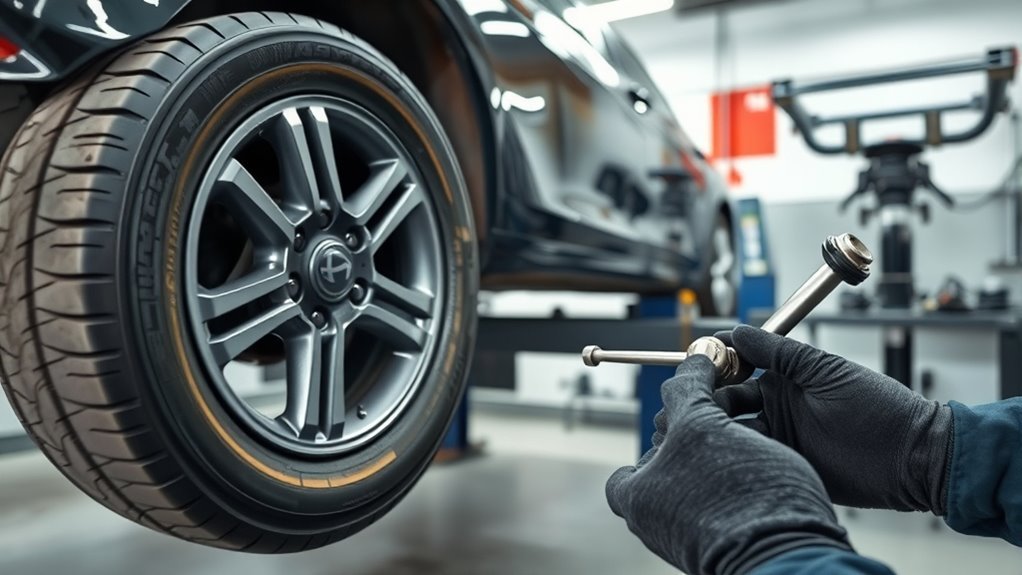
To tackle alignment and suspension problems effectively, you’ll want to prioritize regular maintenance checks for your 2011 Hyundai Sonata. These checks are vital, as many owners report uneven tire wear around 25,000 miles due to alignment issues. Start with a camber adjustment; installing a camber bolt kit can greatly improve tire wear management and enhance overall handling.
Next, inspect your suspension components—struts and tie rods are essential. Worn parts can worsen alignment problems, resulting in further tire degradation. If you notice any irregularities, address them promptly to maintain vehicle safety and performance.
Documenting your service visits can prove beneficial, especially if you need to escalate complaints to Hyundai customer service. By staying proactive about alignment and considering suspension upgrades, you’ll not only extend your tire life but also enjoy a safer, smoother driving experience.
Proven Strategies to Enhance Tire Longevity
Ensuring your Hyundai Sonata’s alignment and suspension are in top shape sets the stage for enhancing tire longevity. Here are three proven strategies to maximize your tires’ lifespan:
- Regular Rotation: Rotate your tires every 5,000 miles. This promotes even wear, especially vital for front-wheel drive vehicles like yours.
- Proper Inflation: Maintain tire pressure according to manufacturer specifications. Both over-inflation and under-inflation can compromise tire compounds and lead to uneven wear, affecting tread patterns.
- Annual Alignment Checks: Schedule annual alignment checks, especially if you drive on rough roads. Misalignment can result in premature tire wear, making these checks important.
When to Seek Professional Help for Tire Issues
How can you tell when it’s time to seek professional help for your Hyundai Sonata’s tires? If you notice uneven tire wear, despite regular rotations and proper inflation, it’s essential to get a thorough tire inspection. Excessive road noise or persistent vibrations can signal deeper issues with your tires or suspension, warranting a vibration diagnosis. If alignment checks haven’t resolved your concerns, especially with a model like the 2011 Sonata, consult a specialist familiar with camber adjustments.
Additionally, if your tires show signs of cupping or feathering after less than 25,000 miles, it’s wise to visit a service center to uncover potential suspension or alignment problems. Documenting any unusual tire wear or symptoms can greatly assist professionals in identifying the root cause. Timely intervention can liberate you from further complications and guarantee your Sonata drives smoothly.
Frequently Asked Questions
Does the Hyundai Warranty Cover a Nail in a Tire?
No, Hyundai’s warranty doesn’t cover nail punctures as it’s considered normal wear and tear. For tire repair, you might want to explore road hazard coverage options through retailers or extended service plans for better protection.
What Is the Leading Cause of Premature Tire Wear?
Improper alignment issues often cause premature tire wear, with some drivers experiencing reduced tire life as low as 23,000 miles. Regular tire maintenance, including checks and rotations, can greatly extend your tires’ longevity.
Conclusion
In the grand scheme of things, keeping an eye on your Hyundai Sonata’s tire health is essential. By understanding the causes of premature wear and staying on top of maintenance, you can extend your tires’ lifespan considerably. Don’t let small issues snowball into bigger problems—regular checks and professional help when needed can save you time and money. Remember, a well-maintained car not only drives better but also keeps you safe on the road.

Related Articles

When to Switch Back to All-Season Tires on Your Hyundai Sonata
Switching back to all-season tires on your Hyundai Sonata is crucial when temperatures rise, but do you know the ideal timing?
Read More
What Temperature to Switch to Winter Tires on Hyundai Sonata
What temperature signals the right time to switch to winter tires on your Hyundai Sonata? Discover crucial tips for safe winter driving!
Read More
Hyundai Sonata Negative Camber Causing Tire Wear: How to Fix
Combat uneven tire wear in your Hyundai Sonata caused by negative camber—discover essential tips to prolong your tires and enhance your ride.
Read More