
Hyundai Sonata Negative Camber Causing Tire Wear: How to Fix
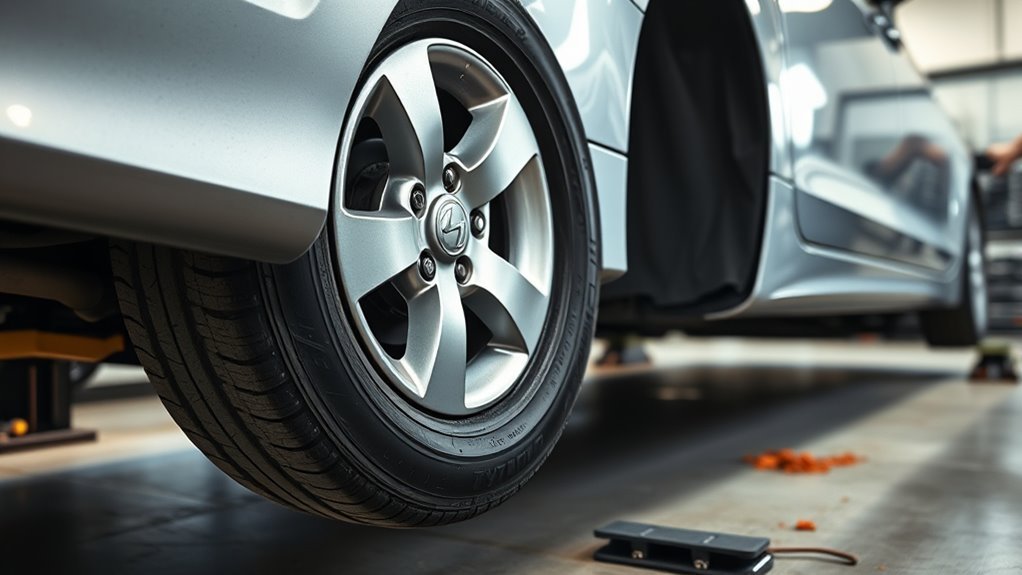
Negative camber in your Hyundai Sonata causes uneven tire wear, especially on the inner edges. To fix this, start with regular alignment checks every 5,000 miles. If you notice excessive inside edge wear or your car pulls to one side, it’s time to inspect the suspension components for wear or damage. Address any issues promptly to prevent further tire damage. Understanding these factors can greatly enhance your vehicle’s longevity and performance, guiding you to more effective solutions.
How Negative Camber Causes Tire Wear in Your Hyundai Sonata
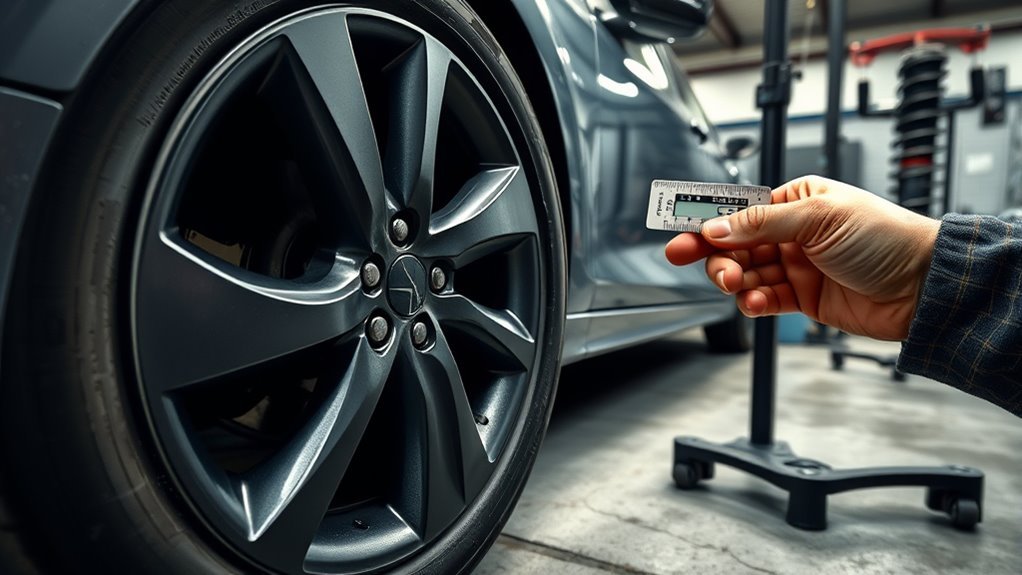
Negative camber can greatly impact tire wear in your Hyundai Sonata, especially when the angle exceeds -2.0 degrees. This misalignment creates uneven contact between the tire and the road, leading to excessive wear on the inner edges. You might notice a “scrubbing” effect, which results in irregular tread patterns that can force you into premature tire replacements.
Your driving habits also play a significant role; aggressive cornering can exacerbate the effects of negative camber. Additionally, ensuring proper tire pressure is essential for ideal contact patch distribution, which helps mitigate wear. Regular alignment checks, ideally every 5,000 miles, are critical to monitor negative camber and adjust as needed. If your Sonata is from the 2011-2013 model years, consider a camber bolt kit to correct alignment issues. Worn suspension components can further complicate matters, so keep an eye on those as well.
Signs of Negative Camber and Tire Wear in Your Hyundai Sonata
Misalignment in your Hyundai Sonata can manifest through various signs indicative of negative camber and tire wear. Pay attention to the inside edges of your rear tires; if you notice excessive wear, it’s likely due to camber adjustment issues. Symptoms like bald edges or cupped tread patterns, along with increased road noise, signal alignment problems. Additionally, if your steering feels less responsive or pulls to one side, that’s another red flag. Regular alignment checks, ideally every 5,000 miles, are essential to catch these issues early. Don’t overlook the importance of maintaining proper tire pressure, as it can exacerbate wear related to negative camber. If you’re experiencing these signs, consult a professional to perform a precise alignment, possibly using a camber bolt kit to correct the angle. Staying proactive can save you from premature tire replacement and guarantee peak performance.
How Suspension Components Affect Alignment Issues
Worn suspension components directly impact your vehicle’s alignment, leading to significant tire wear. If parts like bushings or shocks are compromised, they hinder proper alignment adjustments, creating persistent issues such as negative camber. Regular inspection and timely replacement of these components are essential to maintaining ideal alignment and extending tire life.
Suspension Component Functionality
Suspension components play an essential role in maintaining proper alignment and ensuring even tire wear. Worn shocks or struts can cause bouncing tires, disrupting consistent road contact and leading to uneven wear patterns like cupping. If control arms or bushings are damaged, misaligned geometry can create excessive negative camber, causing accelerated tire wear on the inner edges. Loose or frozen parts hinder alignment adjustments, worsening negative camber issues and prompting premature tire replacement. Regular suspension maintenance and component inspection are vital for peak performance. Steering components like tie rods and ball joints also greatly impact wheel angles, affecting tire wear and overall handling. By prioritizing these checks, you can enhance your vehicle’s longevity and performance.
Alignment Adjustment Limitations
When your vehicle’s alignment is off, you might not realize that underlying issues with suspension components are often to blame. Worn bushings and control arms can limit the effectiveness of alignment tools, preventing you from achieving the desired angles. Additionally, frozen bolts or sleeves may hinder important adjustment techniques, perpetuating negative camber issues. You should also consider that a bent subframe can restrict alignment capabilities, even if visual inspections don’t reveal such damage. Ensuring proper torque on mounting bolts is essential; loose components can exacerbate misalignment. Regular inspections and maintenance of all suspension parts are critical for effective alignment adjustments and can greatly enhance your vehicle’s performance and tire longevity.
Impact on Tire Wear
Even minor issues with your vehicle’s suspension can greatly impact tire wear. Worn shocks or struts lead to excessive bouncing, causing uneven tire contact and irregular wear patterns like cupping. If your vehicle’s alignment is off, primarily due to weak bushings, excessive negative camber can wear out the inner edges of your tires faster. Additionally, worn steering components like tie rods can alter wheel angles, exacerbating these alignment issues. Regular inspections of suspension parts are essential for maintaining proper tire pressure and extending tire life. By correcting alignment with precise adjustments, including camber correction, you can restore even tire contact. This not only prevents premature wear but also enhances your overall vehicle handling and safety, aligning with your driving habits.
Properly Aligning Your Hyundai Sonata
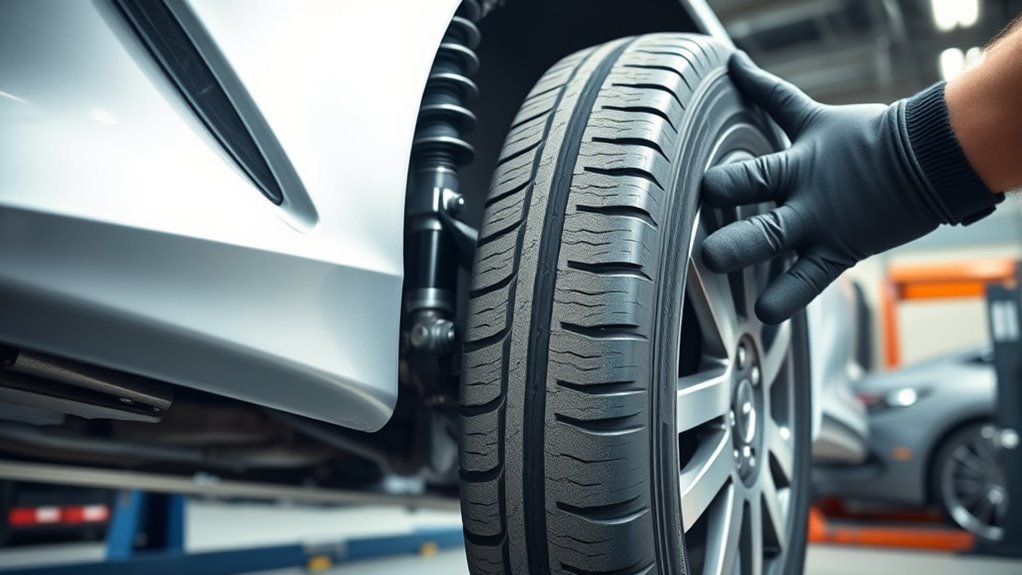
Proper alignment of your Hyundai Sonata is vital for guaranteeing ideal tire performance and longevity. Regular alignment checks every 5,000 miles help maintain proper camber and prevent uneven tire wear. Using alignment tools effectively, you can implement adjustment techniques to correct any misalignment.
| Action | Tools Needed | Frequency |
|---|---|---|
| Check alignment | Alignment machine | Every 5,000 miles |
| Install camber bolt kit | Camber bolt kit | As needed (2011+) |
| Inspect suspension parts | Visual inspection tools | Regularly, before alignments |
It’s essential to verify suspension components like control arms and bushings are in good condition. Worn parts can worsen alignment issues, leading to negative camber. Documenting your alignment checks can also bolster claims for tire replacements if wear persists.
When to Replace Worn Suspension Parts
When you notice increased road noise, vibrations, or a bouncy ride, it’s time to inspect your suspension components. Replacing worn struts or control arms not only improves handling but also prevents uneven tire wear and alignment issues. Regular checks every 5,000 to 10,000 miles can help you catch these problems early, saving you from costlier repairs down the line.
Signs of Worn Parts
As you drive, the condition of your suspension components plays an essential role in ensuring ideal tire performance. Look for signs like tire cupping or scalloping; these indicate that your struts or shocks may be worn. Increased road noise or vibrations at highway speeds can also signal failing parts, compromising your tire alignment. If you notice your steering feels less responsive or pulls to one side, it’s a clear indication of worn bushings needing immediate suspension inspection. Additionally, uneven tread depth across your tires is a critical alert; it warrants further evaluation. Regular alignment checks every 5,000 miles can help catch these issues early, preventing premature tire replacement and enhancing your driving experience.
Timing for Replacement
Recognizing the right time to replace worn suspension parts is essential for maintaining your Hyundai Sonata’s performance and tire longevity. Monitor replacement timing closely; if negative camber exceeds -2.0 degrees, it’s time to act. Regular inspections every 5,000 miles help identify issues like cracked bushings or worn struts that compromise alignment and tire health. If you notice uneven tire wear, especially on the inner or outer edges, consider replacing suspension components to restore proper geometry. Additionally, replace shocks and struts when they fail to maintain consistent tire contact, indicated by tread cupping or scalloping. Document all repairs and alignments; this supports warranty claims and guarantees timely replacements, ultimately enhancing vehicle performance and extending tire life.
Impact on Alignment
Worn suspension components greatly impact alignment, leading to issues that can accelerate tire wear and compromise handling. If you notice uneven tire wear patterns, increased road noise, or your vehicle pulling to one side, it’s time to inspect your suspension. Excessive negative camber beyond -2.0 degrees often signals alignment consequences that require immediate attention. Replacing worn parts like bushings, control arms, or struts is essential to restore proper camber adjustments and maintain vehicle geometry. Regular checks every 5,000 miles can help guarantee all suspension components function correctly, prolonging tire life and optimizing performance. Don’t overlook the importance of addressing these issues; timely replacements can prevent future handling problems and keep your Hyundai Sonata driving smoothly.
Why Regular Tire Maintenance Matters
Regular tire maintenance is essential not only for extending the lifespan of your tires but also for ensuring peak vehicle performance. Consistent monitoring of tire pressure is vital; it maintains ideal contact with the road, reducing the risk of premature wear often linked to negative camber issues in models like the Hyundai Sonata. Following a maintenance schedule that includes tire rotation every 5,000-8,000 km helps prevent uneven wear, which could lead to costly replacements.
Regular visual inspections for signs of uneven wear, such as bald edges or cupping, can alert you to underlying alignment or suspension problems. Additionally, scheduling alignment checks after every oil change allows you to identify camber discrepancies early, safeguarding against excessive tire wear. Documenting your tire maintenance history not only aids in warranty claims but also strengthens your position in disputes regarding premature tire deterioration. Prioritize maintenance to achieve ideal performance and longevity.
How to Find the Right Mechanic for Your Sonata
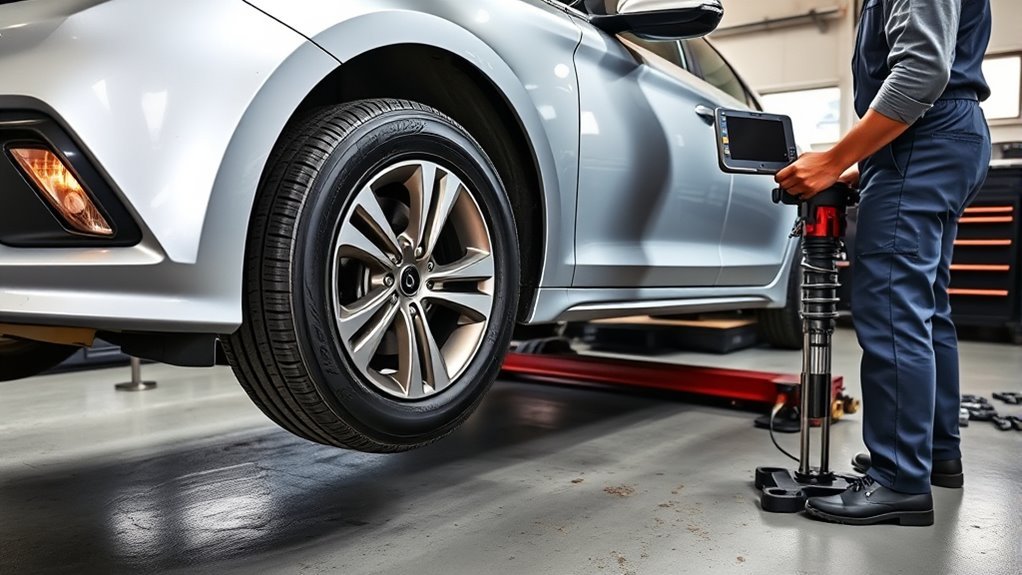
Finding the right mechanic for your Hyundai Sonata can greatly impact its performance and longevity. Start by seeking ASE-certified technicians with specific experience in Hyundai models. This guarantees they’re familiar with common alignment issues, particularly negative camber. Check reviews and customer ratings, aiming for a mechanic with at least 4.5 stars to assess reliability.
Inquire about their access to advanced alignment technology, like laser alignment systems, as this is vital for accurately addressing camber problems. A shop that offers a warranty on their alignment services demonstrates confidence in their work, providing peace of mind for future adjustments.
Additionally, ask about their experience with camber bolt kits, important for correcting issues in the 2011-2013 Sonata models. With the right mechanic qualifications, you can confirm your vehicle receives the precise care it needs to maintain peak performance.
Frequently Asked Questions
Can Negative Camber Affect Fuel Efficiency in My Hyundai Sonata?
Yes, negative camber can negatively impact your Hyundai Sonata’s fuel efficiency. Improper tire alignment increases rolling resistance, leading to higher fuel consumption. Regularly check and adjust your alignment to optimize performance and fuel economy.
How Often Should I Check My Camber Angle?
You should check your camber alignment every 6,000 miles or during regular tire maintenance. Ensuring proper alignment prevents uneven tire wear and maintains peak handling, contributing to better performance and enhanced driving experience.
Is Negative Camber Adjustable on All Hyundai Sonata Models?
Negative camber isn’t adjustable on all Hyundai Sonata models. For ideal alignment settings and effective tire maintenance, consult your vehicle’s manual or a professional. Adjusting camber can enhance performance and prolong tire life.
Will Negative Camber Void My Vehicle Warranty?
Negative camber adjustments can impact warranty implications, depending on your vehicle’s specific coverage. If the adjustments lead to tire wear or related issues, it might void certain warranty claims, so consult your dealer for clarification.
Can I Fix Negative Camber Myself Without Professional Help?
Yes, you can fix negative camber yourself using alignment tools. With careful DIY adjustments, you’ll gain control over your vehicle’s handling. Just remember to double-check your work to verify ideal performance and safety.
Conclusion
In the world of automotive finesse, addressing negative camber in your Hyundai Sonata isn’t just a chore; it’s an investment in longevity. By ensuring proper alignment and maintaining suspension components, you’re not just preventing premature tire wear—you’re safeguarding your driving experience. Remember, a well-tuned ride translates to smoother journeys and less hassle down the road. So, don’t let misalignment be a hidden gremlin; take action and keep your Sonata rolling in harmony.

Related Articles

What Temperature to Switch to Winter Tires on Hyundai Sonata
What temperature signals the right time to switch to winter tires on your Hyundai Sonata? Discover crucial tips for safe winter driving!
Read More
Hyundai Sonata Premature Tire Wear: Known Issues & Solutions
Manage your Hyundai Sonata’s premature tire wear with essential insights and solutions—discover what you need to know to keep your tires in top shape.
Read More
When to Put Winter Tires on Your Hyundai Sonata (Temperature Guide)
Just when winter weather strikes, discover the ideal time to equip your Hyundai Sonata with winter tires for maximum safety and performance.
Read More