
Hyundai Sonata N Line Tire Size: Performance Specs Explained

You’ll want the factory 245/40R19 tires on 8Jx19 wheels with ET55 for the Sonata N Line to preserve handling balance, steering precision, and braking performance. That size gives a wider contact patch and low-profile sidewalls for sharper cornering and reduced flex, while matching load and speed ratings maintain safety at higher speeds. Expect a firmer ride and more road noise versus taller tires. Keep pressure, rotation, and replacement intervals in mind—more details follow.
What Tire Size Does the Sonata N Line Use (Why 245/40R19 Matters)
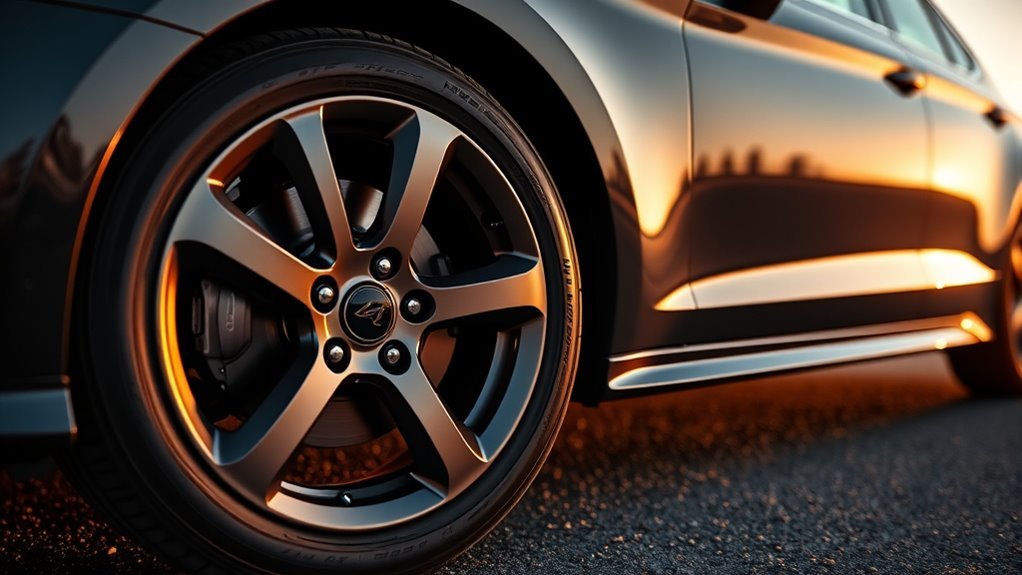
For the 2025 Sonata N Line, Hyundai equips you with 245/40ZR19 tires—an 8Jx19 wheel with ET55 offset—because that size delivers a precise balance of grip, ride control, and high-speed capability. You get a tire whose 245 mm width and 40% aspect ratio create an ideal contact patch for predictable traction and stability, while the ZR rating matches the N Line’s sporty envelope. The 95W load index supports roughly 690 kg per tire, so you can carry weight without compromising composure. The 8J rim and ET55 offset maintain proper track width and clearance, reducing unwanted scrub and preserving suspension geometry. You’ll monitor tire pressure vigilantly, since correct inflation sustains performance and safety across conditions. When seasonal changes arrive, adjust pressures and consider compound suitability to retain grip and comfort. This specification frees you to push the Sonata within designed limits while keeping mechanical fidelity and control.
How 245/40R19 Affects Sonata N Line Handling, Ride, and Braking
You’ll notice the 245/40R19’s wider contact patch increases cornering grip and lateral stability, translating to sharper turn-in and higher cornering limits. The low-profile sidewall reduces flex for crisper steering but can transmit more road harshness, creating a tradeoff between precision and ride cushioning. Braking performance benefits from the larger tread area and W rating, shortening stopping distances under high-speed or aggressive inputs.
Cornering Grip Impact
Although the wider 245/40R19 tires increase the Sonata N Line’s contact patch and reduce sidewall flex, they directly sharpen cornering grip and steering precision. You feel immediate gains in handling dynamics: the broader footprint and lower aspect ratio let the tire technology transmit lateral loads with minimal deformation, so turn-in is crisper and mid-corner inputs stay consistent. At speed, the 94W rating maintains structural integrity, giving you confidence to exploit traction limits without unpredictable breakaway. The tread’s water-dispersal channels preserve grip in wet exits and shorten wet braking distances, so you can push harder in variable conditions. Overall, these tires let you drive with clearer feedback and liberated control, translating chassis intent into accurate, repeatable cornering performance.
Ride Comfort Tradeoffs
When you fit 245/40R19 tires on the Sonata N Line, they sharpen handling and braking by widening the contact patch and reducing sidewall flex, but that performance comes with a firmer ride and more road noise. You gain quicker steering response and improved cornering stability; the lower profile makes the car feel agile and connected, rewarding assertive inputs. Expect increased traction on dry and wet surfaces from the broader footprint, which supports confident acceleration and controlled maneuvers. Those benefits trade off against reduced ride quality: shorter sidewalls transmit more impact and harshness, and tire tread noise rises, undermining long-haul comfort. If you prioritize liberation through sharper dynamics, accept fewer comfort features and a firmer, louder cabin environment.
Braking Distance Changes
Because the 245/40R19 expands the contact patch and firms the sidewalls, you’ll see measurable reductions in braking distance and crisper pedal response on the Sonata N Line. You gain improved grip from a wider tread and performance-oriented compound, so braking technology—ABS calibration and brake bias—works more effectively with greater tire bite. The stiffer sidewalls reduce flex, translating pedal input into immediate deceleration and more predictable weight transfer. Lower center of gravity and reduced body roll keep more rubber planted during hard stops, shortening stopping distances versus narrower tires. These tire innovations sharpen modulation, letting you control threshold braking confidently and liberate yourself from hesitant inputs. Expect firmer ride tradeoffs, but significantly superior braking performance and handling precision.
Which 245/40R19 Tires to Buy: City Comfort vs. Performance Grip
When choosing 245/40R19 tires for your Sonata N Line, weigh a city-oriented comfort compound that soaks up bumps and cuts road noise against a track-focused grip compound that maximizes lateral traction and braking. You’ll find balanced touring options that aim to merge quiet ride characteristics with predictable handling for mixed use. Consider tread pattern and compound trade-offs, and plan regular rotations and pressure checks to preserve performance and life.
City-Oriented Comfort Compound
Although the Sonata N Line’s 245/40ZR19 fitment leans toward sporty performance, you’ll notice a big difference if you switch to a city-oriented comfort compound: softer tread rubber and refined sidewall tuning reduce road noise and absorb potholes for smoother daily driving. You’ll feel calmer steering through traffic; the tire tread pattern prioritizes even contact and vibration damping over lap-time grip. For urban driving, that translates to less fatigue and a quieter cabin without sacrificing basic stability. You’ll trade some lateral bite for predictable responses at legal speeds. Choose compounds engineered for lower hysteresis and bonded layers that resist heat buildup in stop-and-go conditions. In short, pick comfort compound tires when liberation means relaxed, controllable city mobility.
Balanced Touring Performance
If you split your priorities between daily comfort and spirited handling, choosing the right 245/40R19 for your Sonata N Line means balancing compound, sidewall stiffness, and tread design to match typical driving conditions. You’ll favor a touring tire that blends a medium-soft compound for compliance with a reinforced but not hyper-stiff sidewall for predictable turn-in. Look for asymmetric tread patterns that evacuate water yet maintain a continuous shoulder for lateral grip; that tread patterns choice reflects modern tire technology aiming to free you from trade-offs. Check speed rating and pressure—94W indicates higher capability if you push speed limits. Inspect tread depth regularly; proper inflation preserves the intended balance. Pick a tire that lets you commute comfortably and exploit handling when you choose.
Track-Focused Grip Compound
Because the Sonata N Line runs 245/40ZR19, you should pick a tire compound that matches your intended use: opt for softer, track-focused compounds to maximize mechanical grip and steering response during aggressive driving, or choose denser, comfort-oriented compounds for quieter, more compliant city commuting. On track, you want a tire compound that sacrifices longevity for peak grip performance; softer rubber and shallower grooves increase contact patch and lateral bite, sharpening turn-in and exit speeds. For liberated daily driving, denser compounds with deeper tread provide calmer NVH and better wet traction, at the cost of some precision. Inspect compound ratings and tread patterns, prioritize mount balance and temperature range, and align your choice with how you’ll really drive the car.
Seasonal Picks: Summer, All‑Season, and Winter Tire Recommendations
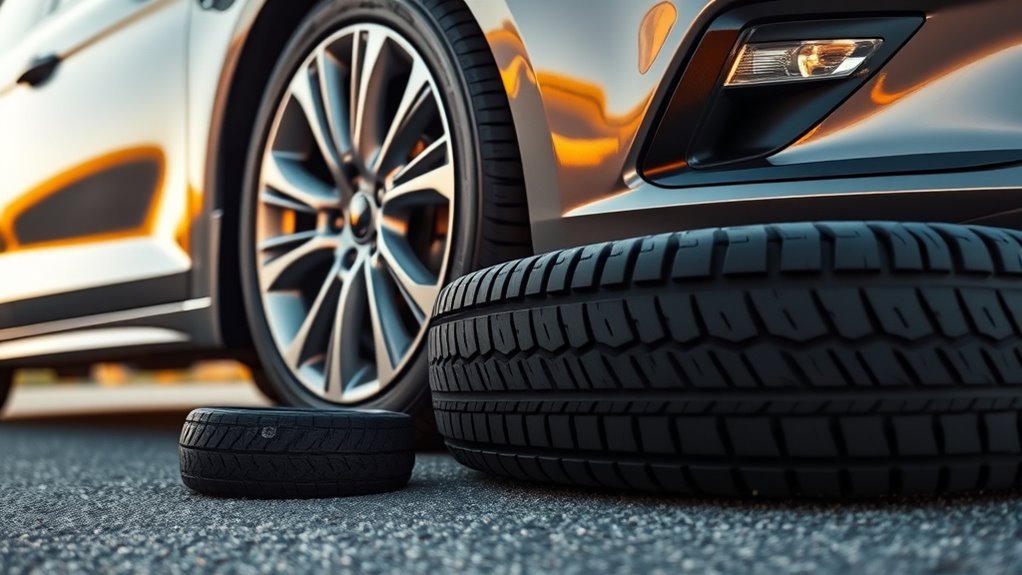
When you prioritize traction and handling through the seasons, choosing the right tire type for the 2025 Sonata N Line makes a measurable difference: summer tires like 245/40ZR19 maximize grip above ~45°F, all‑season 235/45ZR18 tires deliver balanced year‑round performance, and winter 245/35ZR20 tires use softer compounds and deeper treads for snow and ice. You’ll select summer rubber for sharp steering and braking on warm, dry pavement, accepting faster wear for peak seasonal performance. All‑season 235/45ZR18 preserves tire longevity and gives predictable behavior in mixed climates, freeing you from constant swaps. Winter 245/35ZR20 restores control on snow and ice; softer compounds bite where summertime tires fail. Change tires when temperatures cross the ~45°F threshold, and check pressure and tread depth each swap to maintain safety and consistent response.
- Choose confidence over compromise.
- Swap on schedule; reclaim control.
- Prioritize grip to feel liberated.
- Maintain pressures for reliable performance.
Why ET55, 8JX19, 670 Kg Load Index, and 94W Speed Rating Matter
After choosing the right tire type for seasonal grip, you’ll want to match wheel and tire specs—ET55 offset, 8Jx19 width, 670 kg load index, and 94W speed rating—to preserve handling, load capacity, and safety. The ET55 offset centers the rim correctly in the arch, promoting precise wheel alignment and keeping steering geometry within design tolerances; that yields predictable turn-in and reduced scrub during aggressive inputs. An 8Jx19 rim gives you enough tread width to run wider tires for increased lateral grip without harshness, balancing traction and comfort so you stay agile and free on the road. The 670 kg load index guarantees each tire’s load capacity, so you won’t compromise structure under passenger or cargo weight. The 94W speed rating certifies high-speed thermal and structural limits up to 270 km/h, supporting spirited driving margins. Together these specs maintain the Sonata N Line’s responsiveness, safety envelope, and liberated driving intent.
Maintenance and Replacement: Pressure, Rotation, Lifespan, and Upgrades
If you want the Sonata N Line to stay precise and safe, keep tire pressure at about 32 PSI for most 2025 fitments. You’ll check pressure regularly, since correct tire pressure preserves handling and prolongs tire lifespan. Rotate tires every 5,000–7,000 miles to equalize wear; that schedule keeps the 245/40ZR19 OE rubber working as designed, supporting its 670 kg load capacity and 94W speed rating. Replace tires after five years regardless of tread depth because compounds degrade. If you crave more control, upgrade to performance-oriented tires to sharpen grip under hard acceleration and aggressive inputs. Be deliberate: match load and speed ratings when you swap.
Keep 32 PSI, rotate every 5–7k miles, replace after five years, and match ratings for safer, sharper performance
- Feel liberated by predictable handling when you maintain correct tire pressure.
- Gain confidence through scheduled rotations that extend tire lifespan.
- Regain control by replacing aged tires before failure risks rise.
- Choose upgrades to enhance sharper performance without compromising safety.
Frequently Asked Questions
What Size Tires Are on the Hyundai SONATA N Line?
They come with 245/40ZR19 tires; you’ll want to track tire maintenance and consider performance upgrades like 8Jx19 rims with ET55 offset. Keep pressures per spec for grip, load capacity, and spirited driving liberation.
Is the Sonata N Line a Performance Car?
Yes—you’ll call it a performance-leaning family sedan: its performance features (2.5L turbo, 290 hp, sport suspension, 19-inch wheels) sharpen the driving experience, freeing you to push handling while retaining everyday practicality.
How Often Should the Sonata Have an Oil Change?
You should change the oil every 5,000–7,500 miles; synthetic lets you push toward 7,500. Prioritize oil change frequency for engine maintenance, check levels monthly, and follow the manufacturer’s schedule to preserve performance and freedom.
Conclusion
Think of your Sonata N Line’s 245/40R19 tires like the shoes of a precision runner: the ET55, 8Jx19 wheel is the footbed, 670 kg load index the strength of the sole, and 94W the sprint rating. You’ll tune pressure, rotate, and swap seasons to keep stride and control. Choose city comfort or track grip as you’d pick slippers or spikes — both fit the foot, but one wins the finish line.

Related Articles
Hyundai Sonata Tire Revolutions per Mile by Size Compared
Discover how tire size affects revolutions per mile for Hyundai Sonata, influencing speed, handling, and fuel efficiency—find out which size is right for you.
Read More
Hyundai Sonata Overall Tire Diameter by Size: Full Chart
Hyundai Sonata overall tire diameter by size: discover exact measurements, common OEM examples, and fitment tips to ensure speedometer accuracy and proper clearance.
Read More
Hyundai Sonata Tire Aspect Ratio Explained: What the Number Means
Good to know: discover how the Sonata’s tire aspect ratio affects ride, handling, and speedometer accuracy — and why that number really matters.
Read More