Best Tires for Electric Cars (2026): 7 Picks for Range, Quiet, and Grip
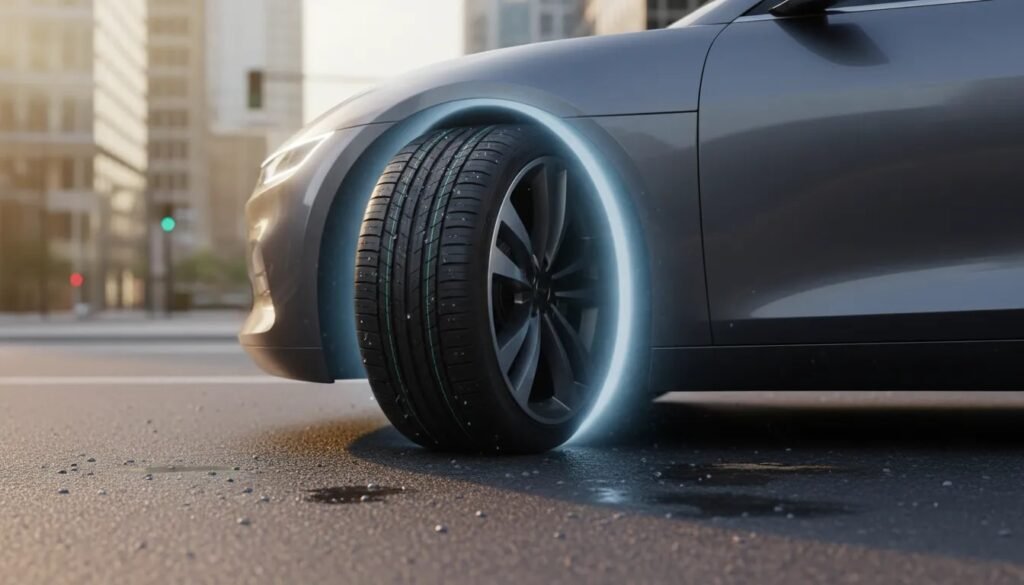
Electric vehicles feel different on the road. Instant torque, heavy curb weight, and the lack of engine noise can make tire choice matter even more than it does on a gas car. The right set can improve efficiency (and range), reduce road noise, and keep traction predictable in wet and cool conditions.
This guide covers the best EV tires in 2026, including what each one is best at, who it is for, and what to check before buying.
🧠 What makes an EV tire different?
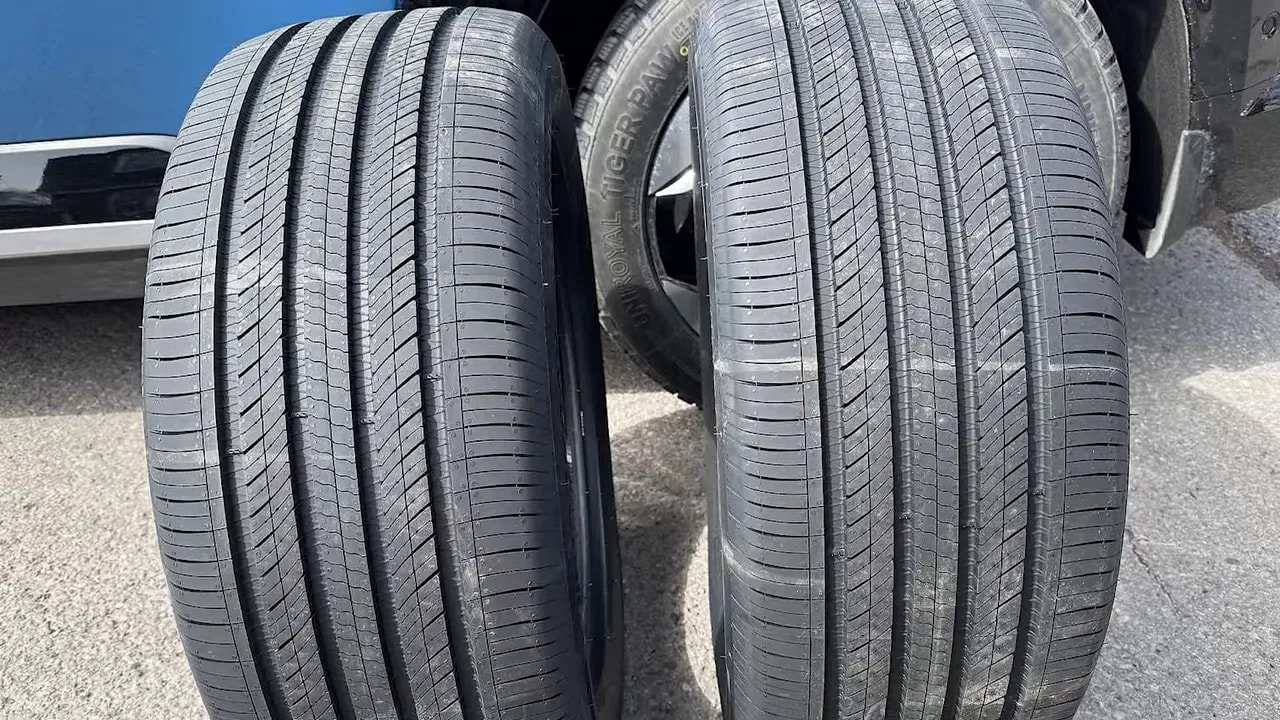
“EV tire” usually means the tire is engineered with EV driving in mind, focusing on:
- Lower rolling resistance to help improve efficiency and EV range.
- Noise reduction since cabin sound is more noticeable when engine noise is absent.
- Grip for higher torque so traction feels stable under quick acceleration and frequent regen braking.
- Durability for heavier vehicles and torque loads.
✅ How to choose the right tire for your electric car
Before you compare brands, narrow down your needs. Use this quick framework:
-
Match the tire spec
Use the exact size and load/speed ratings listed on your door placard or current tires (examples you may see: 225/40R18 92Y XL).
-
Pick the climate category
- All-season: best for mild winters and year-round driving.
- Summer: best for warm weather only (avoid if you deal with snow or freezing temps).
-
Decide what matters most
- Maximum efficiency and quiet (common EV priority)
- Better wet traction for rainy regions
- Sportier handling for performance EVs
-
Confirm warranty expectations
Treadwear warranties vary by size and model. A warranty of 45,000 to 55,000 miles is typical for many touring EV tires.
🛞 7 best tires for electric cars in 2026
Below are seven strong options, grouped by what they do best. Prices and availability change frequently, so confirm fitment and current cost before ordering.
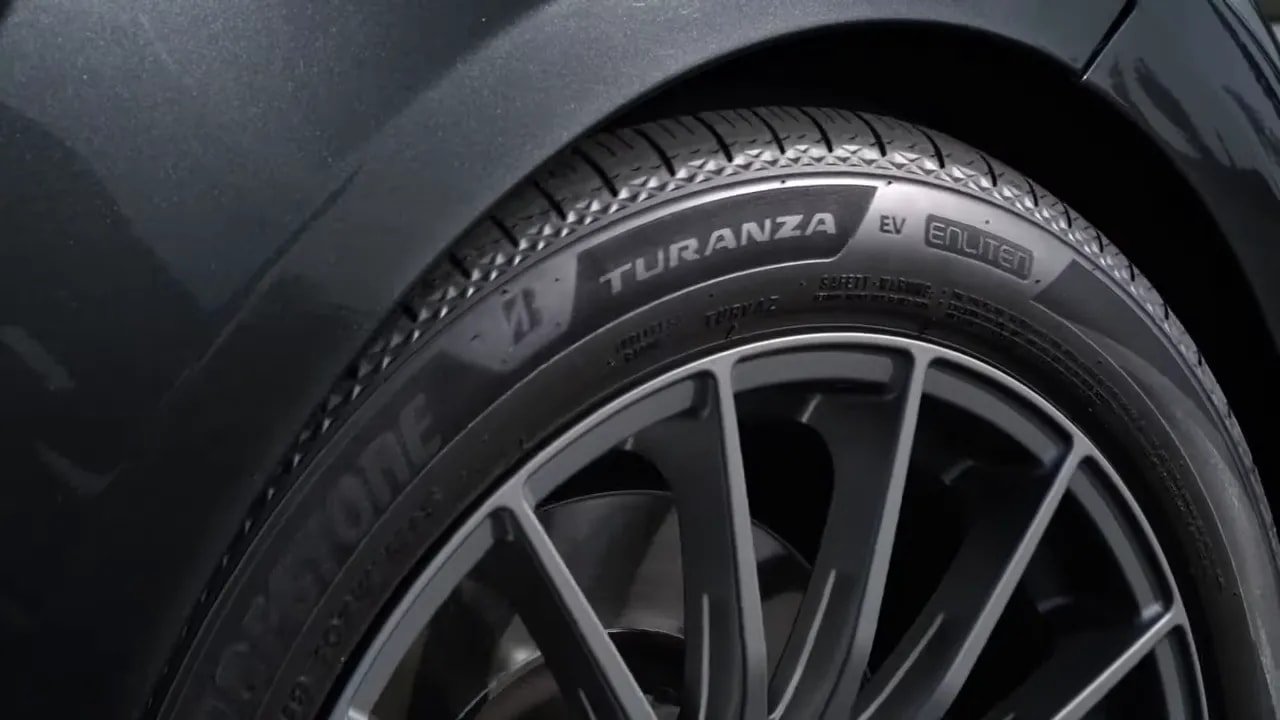
1) Bridgestone Turanza EV (best overall EV-focused comfort)
What it’s best for: quiet comfort, strong efficiency focus, and reliable wet and light snow traction.
Why it stands out: EV-specific design with rolling resistance reduction for better range potential, plus a comfort-oriented tread and noise-limiting construction.
Tradeoffs: not built for aggressive driving or track-style performance.
Shop: Bridgestone Turanza EV on Amazon
2) Michelin Primacy MXM4 (best for long-life touring all-season)
What it’s best for: smooth, quiet touring comfort with low rolling resistance and long tread life.
Why it stands out: Michelin’s “EV Ready” approach targets efficiency and ride quality, with construction aimed at even wear and reduced road noise.
Tradeoffs: not a sporty tire. Sharp cornering response is not the goal.
Shop: Michelin Primacy MXM4 on Amazon
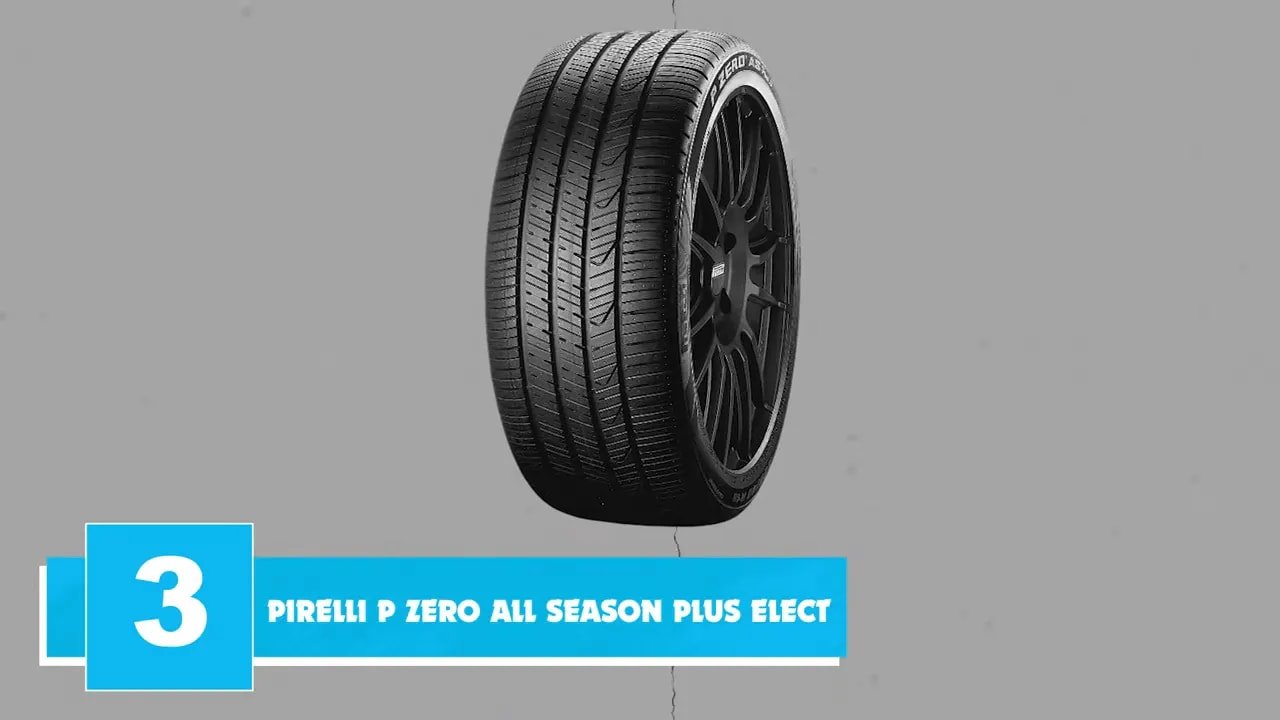
3) Pirelli P Zero All Season Plus Elect (best sporty-feel all-season EV tire)
What it’s best for: a more performance-oriented feel while staying usable year-round.
Why it stands out: reduced rolling resistance for efficiency, stability under EV torque, and a noise-reducing internal layer.
Tradeoffs: you should still expect a touring/performance balance, not true “summer track” grip.
Shop: Pirelli P Zero All Season Plus Elect on Amazon
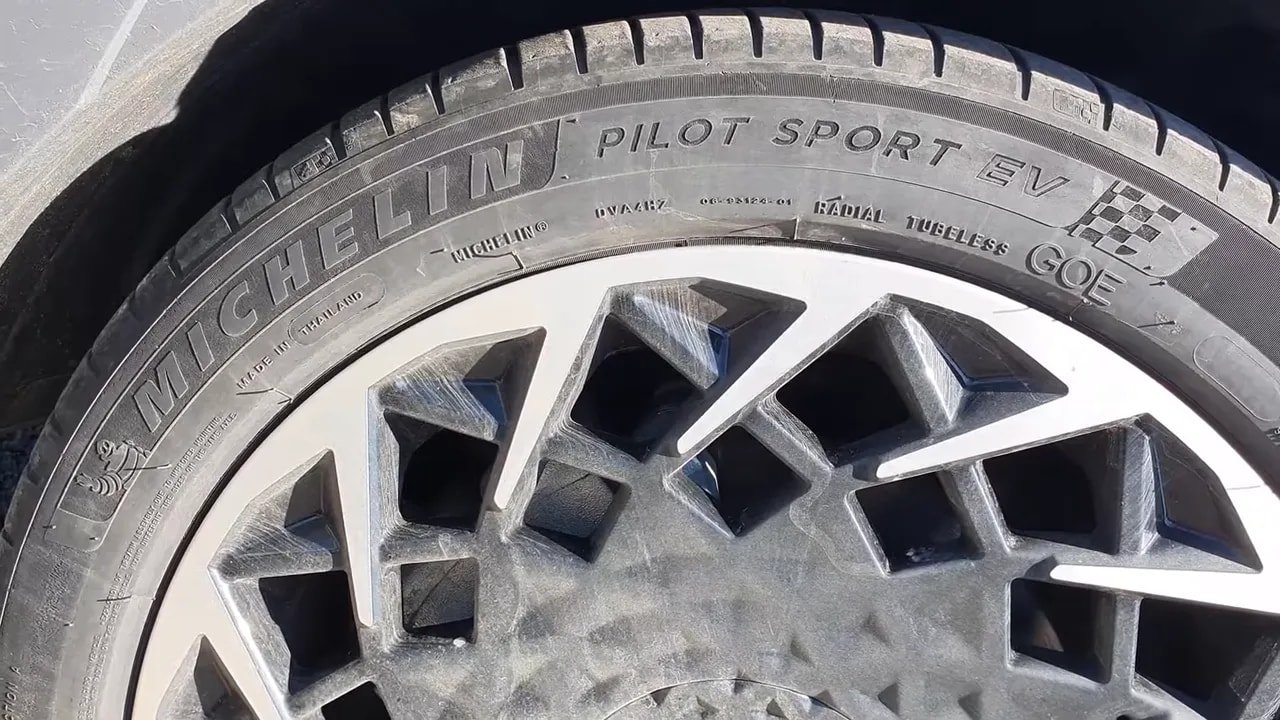
4) Michelin Pilot Sport EV (best for performance EVs, summer-only)
What it’s best for: drivers who want crisp steering and strong grip on dry and wet roads.
Why it stands out: a performance-focused compound and tread design engineered for EV acceleration loads, plus internal noise reduction.
Tradeoffs: it is a summer tire. Avoid using it in snow or freezing temperatures.
Shop: Michelin Pilot Sport EV on Amazon
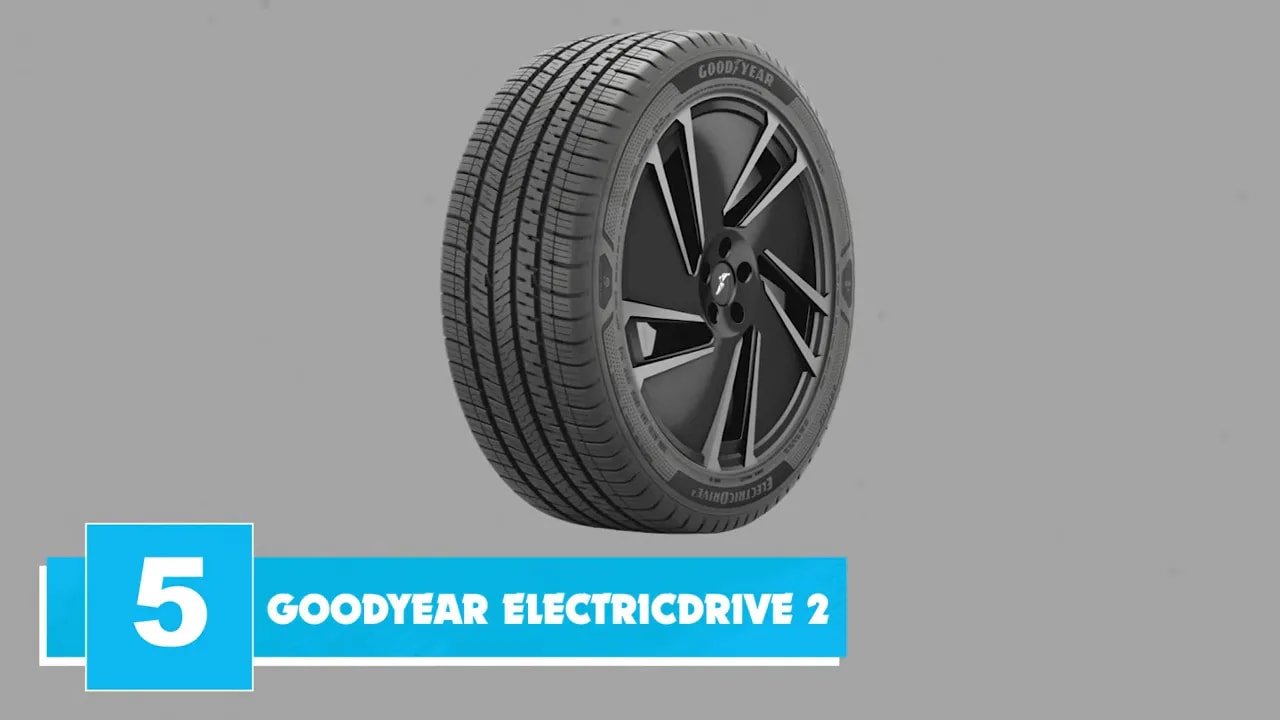
5) Goodyear ElectricDrive 2 (best for quiet + eco-friendly construction)
What it’s best for: comfort-first driving with an emphasis on reducing road noise and improving efficiency.
Why it stands out: sound-comfort technology (foam insulation) and a tread designed for wet and dry grip while reducing rolling resistance.
Tradeoffs: it prioritizes smoothness over aggressive handling.
Shop: Goodyear ElectricDrive 2 on Amazon
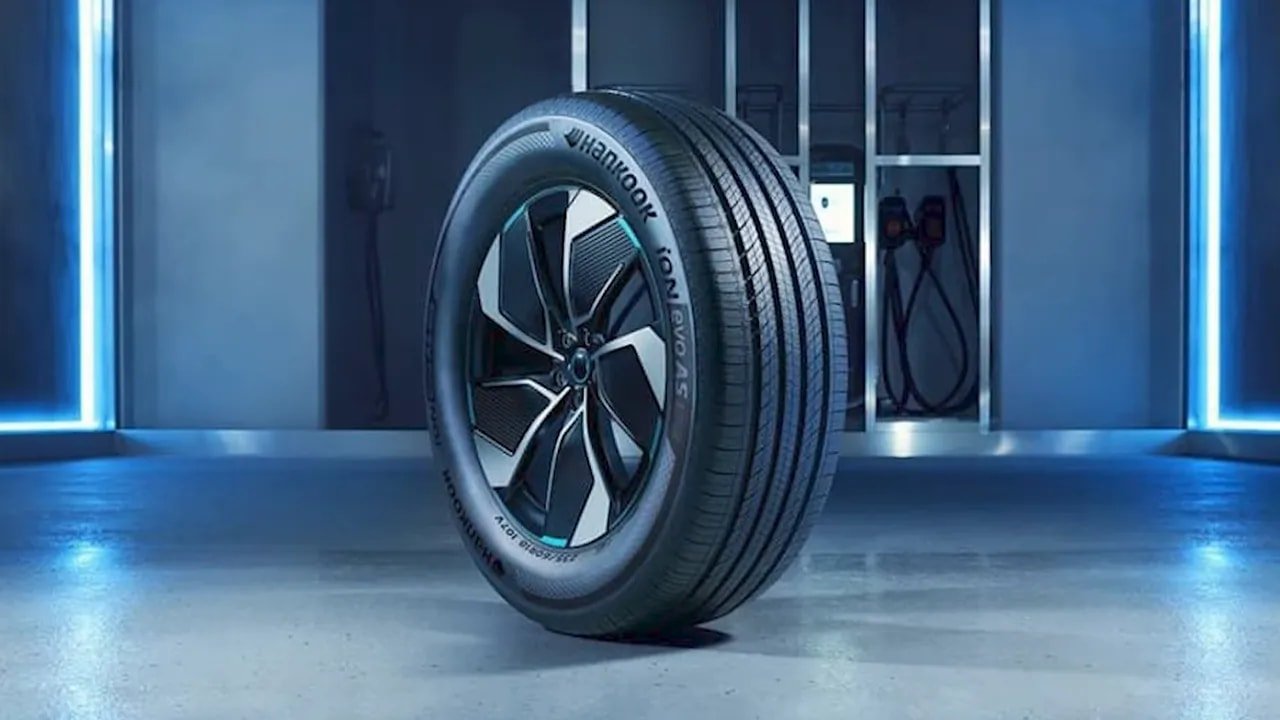
6) Hankook iON Evo AS (best all-season EV tire for everyday traction)
What it’s best for: all-season grip with a comfortable, quieter ride.
Why it stands out: an EV-focused build using traction-oriented design elements plus noise-reducing construction.
Tradeoffs: as with many efficiency-oriented all-seasons, extreme maneuvering in heavy rain may feel less composed than higher-performance tires.
Shop: Hankook iON Evo AS on Amazon
7) Continental ContiEcoContact 6 (best for mild-warm climates and efficiency)
What it’s best for: energy efficiency, low noise, and long-life touring comfort in warmer conditions.
Why it stands out: a rolling-resistance-focused compound and touring-oriented design intended to stretch range potential.
Tradeoffs: not a strong choice for winter or snowy roads.
Shop: Continental ContiEcoContact 6 on Amazon
🔍 EV tire features to look for (the practical checklist)
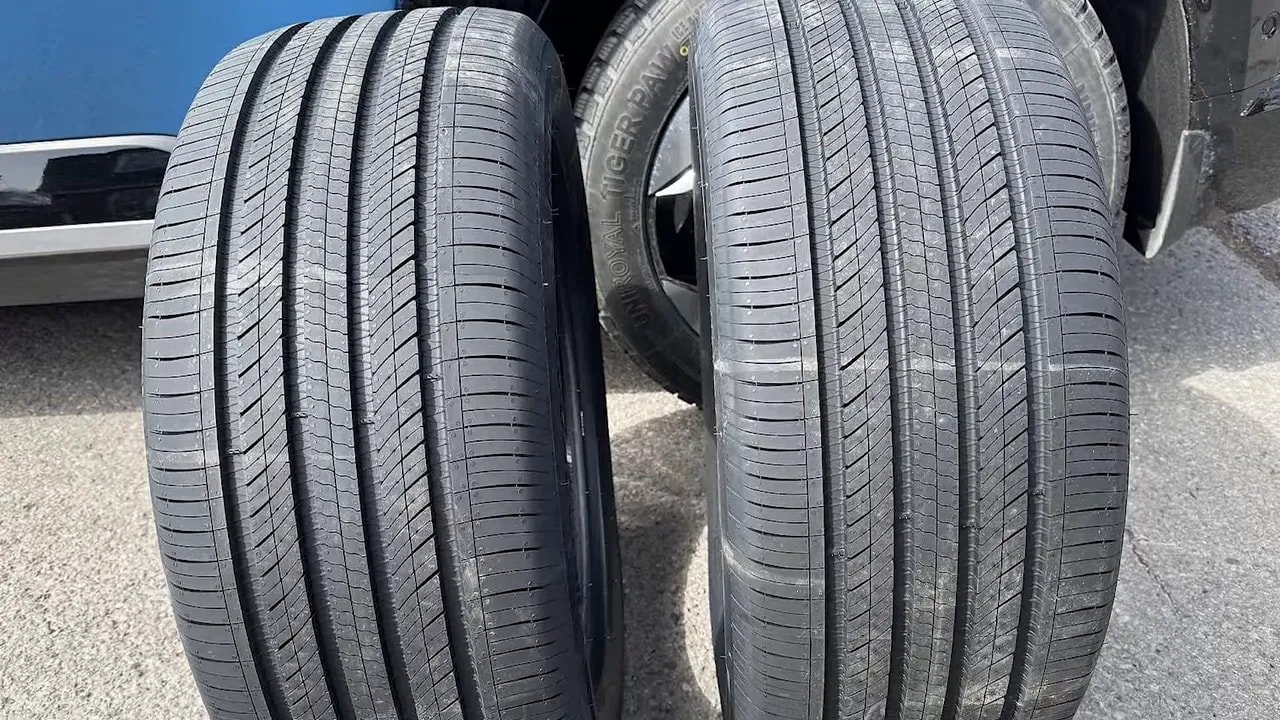
- Low rolling resistance for efficiency. Look for language tied to energy savings or EV range.
- Noise comfort tech like foam layers, internal liners, or special tread pitch patterns.
- Wet traction support including siping and groove design, not just “all-season” labeling.
- Proper load and speed rating for your exact vehicle and tire size.
- Warranty and treadwear expectations based on the specific tire size you choose.
⚠️ Common mistakes when buying tires for an EV
- Ignoring the tire size and ratings: even a small mismatch can affect safety and handling.
- Choosing a summer tire for winter climates: performance will drop, and winter traction can be unsafe.
- Buying for “range only”: tires that maximize efficiency sometimes trade off comfort or wet composure.
- Skipping rotations and alignment: EV torque and weight can wear tires unevenly if maintenance is neglected.
🗺️ Quick decision guide: which one fits your driving?
- Best overall all-around EV tire: Bridgestone Turanza EV
- Quiet touring + long tread life: Michelin Primacy MXM4
- Year-round sporty feel (not summer-only): Pirelli P Zero All Season Plus Elect
- Performance EVs that live in warm weather: Michelin Pilot Sport EV
- Maximum road quiet and comfort: Goodyear ElectricDrive 2
- Everyday all-season comfort with traction: Hankook iON Evo AS
- Mild-warm regions and efficiency-focused touring: Continental ContiEcoContact 6
🧰 Buying tips before you hit “order”
Use this checklist to reduce returns and incorrect fitment:
- Confirm tire size on the door jamb or owner’s manual.
- Match load index and speed rating exactly or exceed them.
- Decide whether you want staggered fitment (front and rear sizes different). Many EVs do.
- Plan for installation and ask about balancing and alignment if tread wear is uneven.
📌 FAQ about EV tires (2026)
Do EV tires improve range?
They can. Tires designed for lower rolling resistance and efficiency-oriented tread compounds often help reduce energy losses. Real-world results depend on vehicle aerodynamics, tire pressure, driving style, and temperature.
Are “EV tires” better than regular touring tires?
Sometimes. EV-focused tires often add noise comfort features and rolling resistance optimization. If a regular tire matches your size, load rating, and climate needs while also offering low rolling resistance, it can be comparable.
Can I use an all-season EV tire in light snow?
Many all-season EV tires can handle light winter conditions, especially if they carry a three-peak mountain snowflake symbol. For heavy snow or freezing regions, a dedicated winter tire is usually the safer choice.
What tire pressure should I run on an electric car?
Use the pressure level in your door placard or manual. EVs can be sensitive to efficiency changes, and incorrect pressure can worsen range and accelerate wear.
How often should EV tires be rotated?
Follow your vehicle’s schedule, but many passenger cars benefit from rotation every 5,000 to 8,000 miles (or about 8,000 to 13,000 km). If you see uneven wear, rotate sooner and check alignment.
Should I replace all four tires at once?
For best consistency, replace in sets, especially if tires are close to the end of their tread life. Mixing tire models or tread depths can affect grip, braking, and regen feel.
What is the best tire for quiet driving?
Among the options listed, models with built-in foam layers or noise-reducing liners (such as Goodyear ElectricDrive 2, Michelin Pilot Sport EV, and others in the list) are typically strong choices for reducing road noise.
🎯 Bottom line: the best EV tire depends on climate and driving style
If you want a single “safe bet,” Bridgestone Turanza EV is a strong all-around option for comfort, efficiency, and everyday safety.
If you prioritize a specific goal, use the decision guide above to narrow your choice by efficiency, quietness, wet grip, or sporty feel, and then confirm the exact fitment specs for your vehicle.

Related Articles
Best All-Terrain Tires for Trucks (2026): Top 6 Picks for Road and Off-Road
All-terrain (A/T) tires are the compromise that many truck owners actually want: confident traction on pavement, plus durability for gravel, mud, and rough trails.…
Read More
Best All-Terrain Tires for Low Road Noise (2025): Quiet Picks That Still Tackle Dirt
All-terrain tires are built for more than paved roads. The tradeoff is often louder driving. If road noise is your top concern, the good…
Read More
Best All-Terrain Tires for Highway Driving (2026): Top Picks for Quiet, Safe Performance
All-terrain tires are built to handle more than pavement, but most drivers still want predictable handling, good wet braking, and reasonable road noise on…
Read More