Best Budget All-Season Tires (2026): Top Picks for Quiet Ride, Wet Grip, and Long Tread Life

Choosing budget all-season tires is a balancing act: you want safe wet traction, reasonable tread life, and low noise without paying premium prices. This guide highlights six strong budget-friendly options for 2026, explains who each tire is best for, and shows what to check before buying.
✅ What makes an all-season tire a “budget winner”?
Budget tires can be great values, but not every tire earns the label. For most drivers, the best combination of performance and cost usually comes from tires that deliver:
- Confident wet grip (key for rain, standing water, and everyday braking)
- Good wear life (so you do not replace tires too soon)
- Low to moderate road noise (comfort matters on long commutes)
- Balanced handling for normal driving (city, highway, light commuting)
- Light snow capability (most all-seasons are not deep-winter tires)
🧭 How to choose the right budget all-season tire (fast checklist)
Use this quick process before you shop:
- Match your tire size (from your sidewall or owner’s manual). Even the “same model” can vary by size.
- Pick the correct speed rating and load rating for your vehicle.
- Confirm treadwear expectations using the warranty and real-world expectations for your driving.
- Assess your climate
- If winters are mild, a standard all-season is usually fine.
- If you get frequent ice or heavy snow, consider a dedicated winter tire.
- Decide what matters most
- Rain safety and stopping distance
- Noise and comfort
- Longest tread life for high mileage driving
🏁 Top budget all-season tire picks for 2026 (6 options)
Below are six budget-leaning all-season tires known for strong everyday performance. Prices vary by size and speed rating, so use the product links to confirm fit and current cost.
6) Falken Sincera SN250 A/S
Best for: drivers who want long warranty coverage, quiet comfort, and dependable all-season traction on everyday roads.
Why it stands out:
- Long tread life: up to 80,000 miles (T-speed sizes) and 75,000 miles (H and V-speed sizes), depending on size.
- All-season grip design: features aimed at maintaining traction across wet and colder conditions.
- Smooth ride focus: designed to reduce shock feel and road harshness for comfort.
Shop on Amazon: Falken Sincera SN250 A/S
5) Cooper Endeavor All-Season
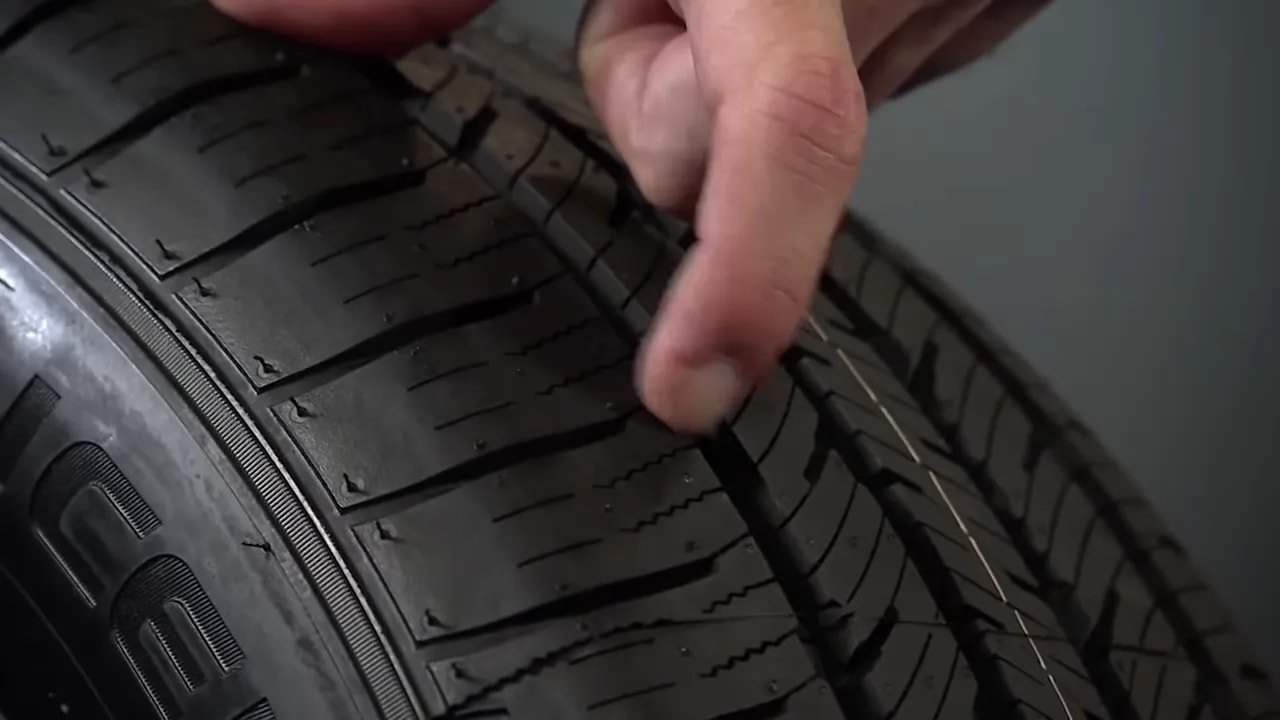
Best for: buyers prioritizing wet weather confidence, comfortable daily driving, and an easier way to track wear.
Why it stands out:
- Wet traction and water evacuation: tread pattern designed to push water away to reduce hydroplaning risk.
- Wear indicator convenience: helps you gauge when replacement is approaching.
- Quiet comfort: tuned for a calmer ride on typical pavement.
Shop on Amazon: Cooper Endeavor All-Season
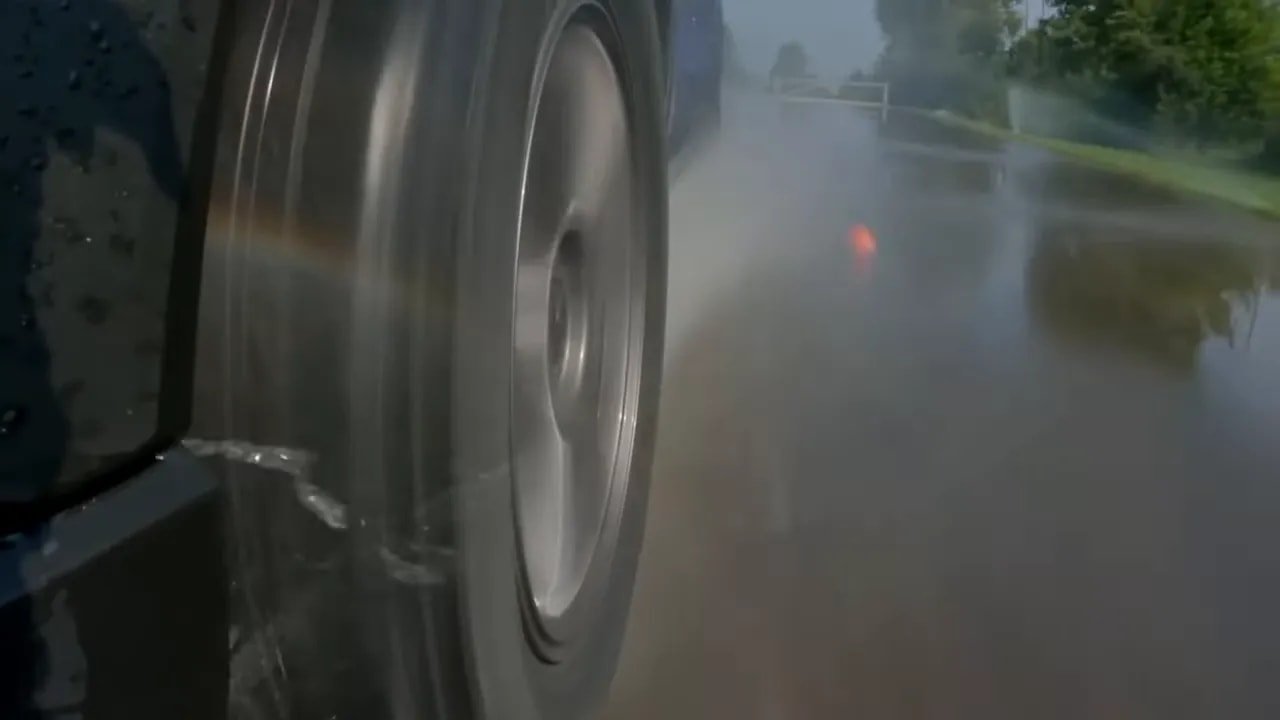
4) Yokohama Avid Ascend GT
Best for: highway and commuting drivers who want long-wearing value with a more “touring” feel.
Why it stands out:
- Long tread life: marketed with a 65,000-mile tread life warranty (varies by size).
- Rain confidence: groove and siping design for grip when roads are wet.
- Comfort-first behavior: aimed at smoothness and reduced harshness.
Shop on Amazon: Yokohama Avid Ascend GT
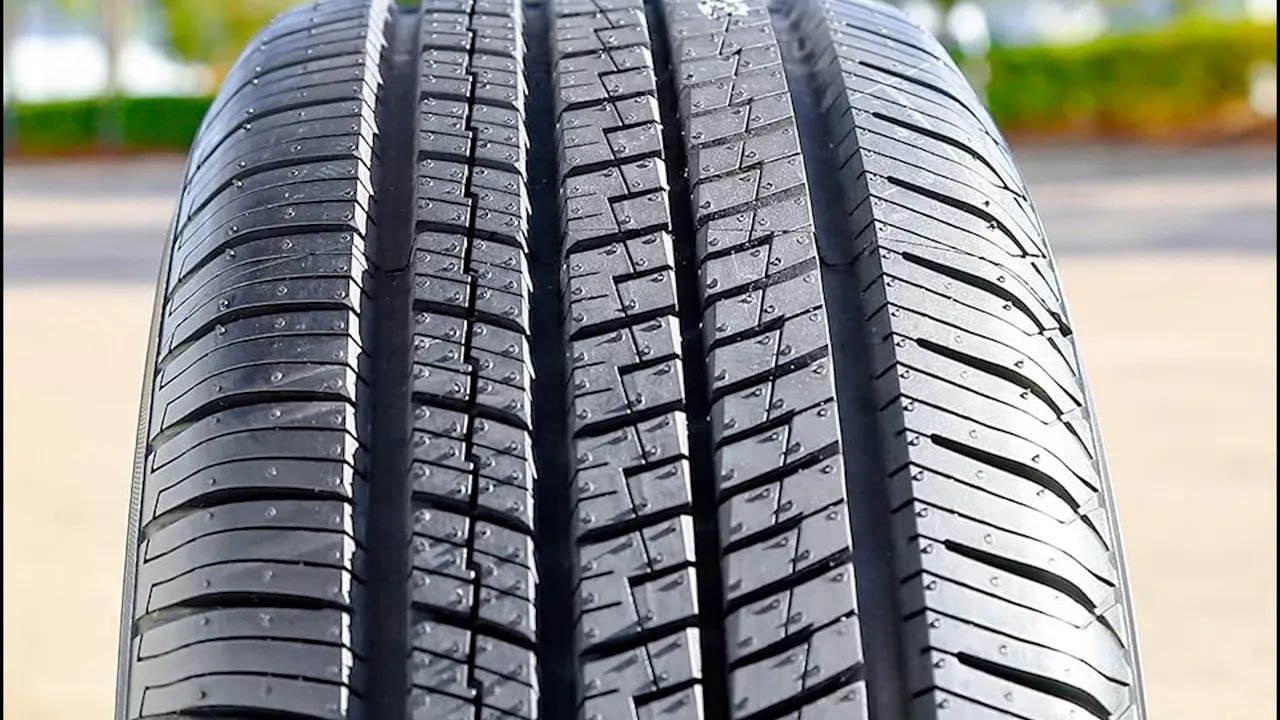
3) Michelin Defender2
Best for: high-mileage owners who care about total cost over time, not just the upfront price.
Why it stands out:
- Strong “cost per mile” reputation: longer-lasting tread helps spread the higher purchase price over more miles.
- Wet and dry confidence: tread compound and design focused on consistent grip.
- Ride comfort: typically engineered to feel smooth and quiet for everyday travel.
Shop on Amazon: Michelin Defender2
2) Hankook Kinergy XP (H446)
Best for: drivers who want a modern all-season with improved winter-leaning traction, plus reduced cabin noise.
Why it stands out:
- Milestone tread warranty: backed by a 75,000-mile tread life warranty (varies by size).
- Enhanced wet and cold performance: optimized for better grip in rain and slushy conditions compared to older versions.
- Noise reduction tech: aimed at keeping the cabin quieter during commuting.
Shop on Amazon: Hankook Kinergy XP (H446)
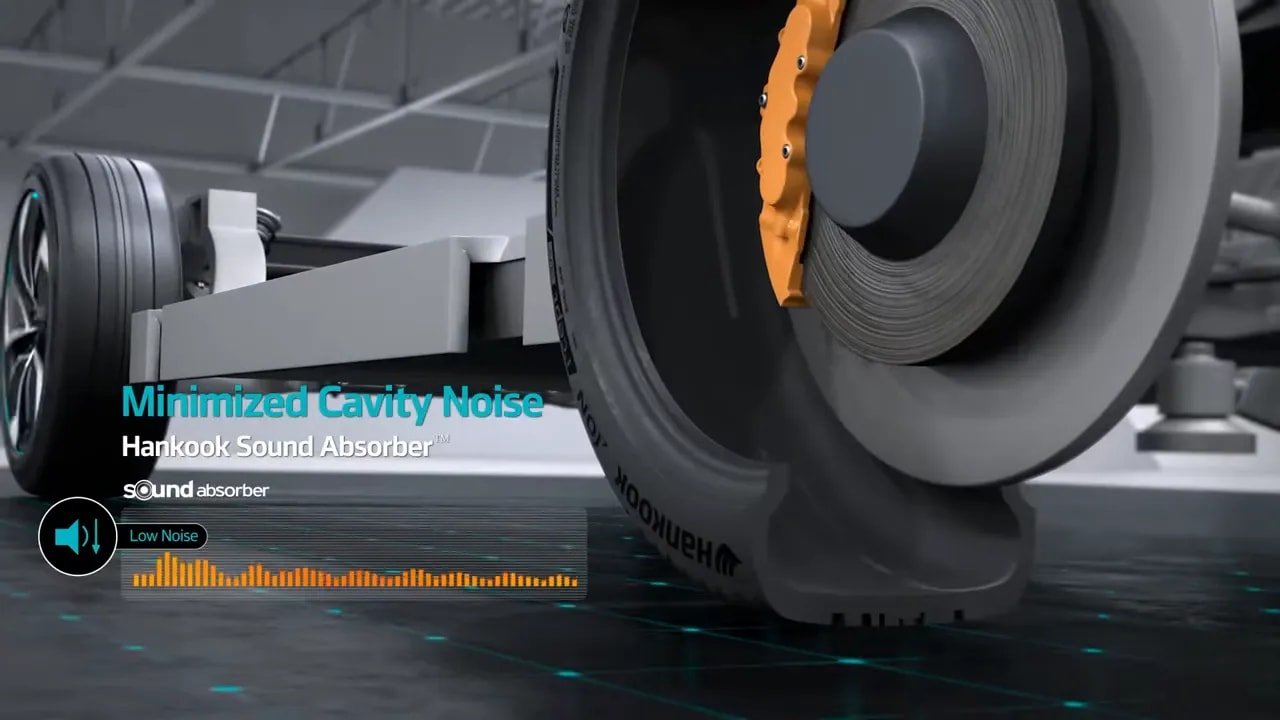
1) General AltiMAX RT45
Best for: shoppers who want the most rounded value: strong wet traction, stable highway behavior, and long tread life for a typical budget.
Why it stands out:
- Long-wear coverage: up to 75,000 miles for many sizes and 65,000 miles for certain speed-rated versions.
- Hydroplaning resistance: wide grooves and sipes designed to evacuate water and maintain control in rain.
- Comfortable feel: aims for a smooth, less stiff ride while still holding stable response on the road.
Shop on Amazon: General AltiMAX RT45
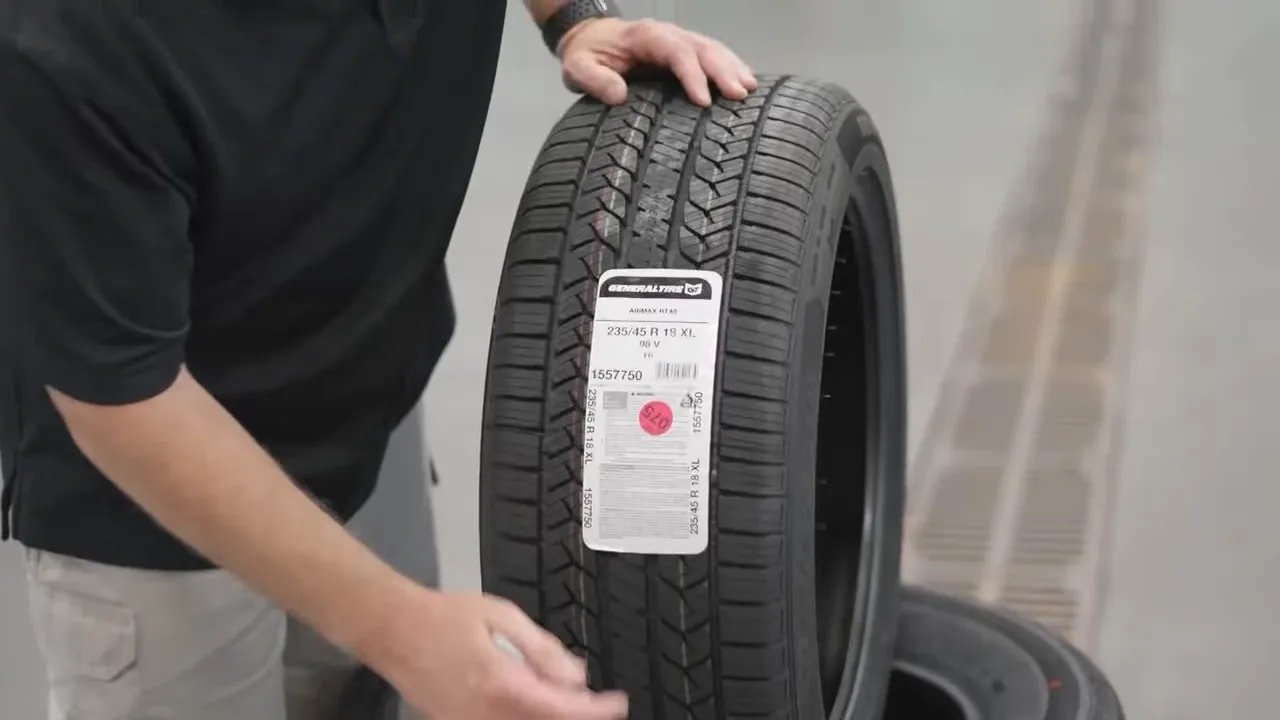
⚠️ Common mistakes to avoid when buying budget all-season tires
- Buying based on tread life alone: warranty miles are a baseline. Your mileage, alignment, rotation schedule, and driving style heavily affect real wear.
- Ignoring tire size and rating requirements: speed rating and load rating must match your vehicle requirements.
- Overestimating winter capability: all-seasons are typically best for light snow and cold snaps, not icy roads or heavy winter storms.
- Not factoring road noise preferences: budget tires can be quiet, but some models will be louder on certain pavement types.
- Skipping balance and alignment: improper installation can cause uneven wear and faster replacement.
🧾 How to compare these tires like a shopper (simple scoring)
If you want to narrow choices quickly, score each tire on a 1 to 5 scale:
- Wet traction (rain confidence and water evacuation)
- Noise/comfort (commute tolerance)
- Expected tread life (warranty plus your driving distance)
- Climate fit (how much snow and cold you actually see)
- Budget fit (your installed cost, not only tire price)
The top score is usually the best match, but comfort and wet traction should carry extra weight for safety.
❓ FAQ: Best budget all-season tires for 2026
How long do budget all-season tires typically last?
It varies by model and by your driving. Many budget all-season tires target around 50,000 to 80,000 miles of tread life, depending on size and warranty terms. Your alignment, rotations, and driving habits can move that outcome significantly.
Are all-season tires good in light snow?
Yes, most all-season tires handle light snow and cold, wet conditions reasonably well. If you regularly face ice or deep snow, a dedicated winter tire is usually safer and more predictable.
Which matters more for safety: treadwear warranty or wet grip?
For day-to-day safety, wet grip and braking performance usually matter more than treadwear warranty. A tire that lasts longer is valuable, but you do not want to trade away rain traction for mileage claims.
Do I need to rotate budget all-season tires?
Yes. Rotating tires helps promote even wear, which supports the intended tread life and reduces the chance of vibration or reduced grip due to uneven tread depth.
What should I check before installing new all-season tires?
Confirm proper tire size, load rating, and speed rating. Also ensure the shop performs balancing and checks alignment. After installation, verify tire pressure and re-check it after a short drive.
🏁 Final takeaway
If your goal is the best mix of budget price, wet confidence, comfort, and tread life, the strongest all-around pick is the General AltiMAX RT45. If you want a quiet, long-wearing touring option, consider the Yokohama Avid Ascend GT. If total cost over time matters most, the Michelin Defender2 is built for longevity.
To pick confidently, compare your vehicle’s required tire size and ratings first, then choose based on your priorities: rain traction, noise comfort, and expected wear.

Related Articles
Best All-Terrain Tires for Trucks (2026): Top 6 Picks for Road and Off-Road
All-terrain (A/T) tires are the compromise that many truck owners actually want: confident traction on pavement, plus durability for gravel, mud, and rough trails.…
Read More
Best All-Terrain Tires for Low Road Noise (2025): Quiet Picks That Still Tackle Dirt
All-terrain tires are built for more than paved roads. The tradeoff is often louder driving. If road noise is your top concern, the good…
Read More
Best All-Terrain Tires for Highway Driving (2026): Top Picks for Quiet, Safe Performance
All-terrain tires are built to handle more than pavement, but most drivers still want predictable handling, good wet braking, and reasonable road noise on…
Read More