Best All-Weather Tires for SUVs (2026): Top Picks and How to Choose
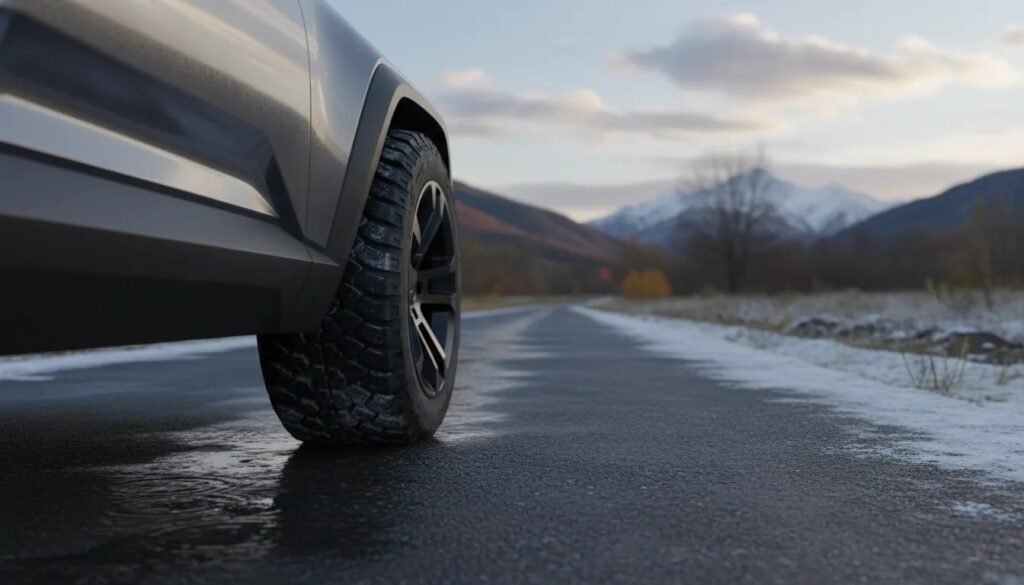
All-weather tires are designed to handle everyday driving across changing seasons, which is especially useful for SUV owners who want predictable grip without swapping tires. If you search for “best all-weather tires for SUVs” you are usually trying to answer two things: Which model performs best in wet, dry, and light winter conditions? and Which one offers the best value in ride comfort and tread life?
This guide ranks six strong all-weather options (with Amazon links) and also explains how to pick the right tire size, prioritize the right performance traits, and avoid common buying mistakes.
✅ What “all-weather” really means for SUV tires
All-weather tires are typically built with a mix of features found on all-season and winter tires. Many models are certified with the 3PMSF (Three-Peak Mountain Snowflake) symbol, which generally indicates they meet traction requirements for winter conditions. That said, “all-weather” is not the same as “deep snow specialist.” If your area gets frequent heavy snow or ice, you may still prefer a dedicated winter tire.
When comparing options, focus on:
- Wet braking and hydroplaning resistance
- Dry handling stability
- Snow traction for typical commute conditions
- Tread life and warranty
- Noise and ride comfort
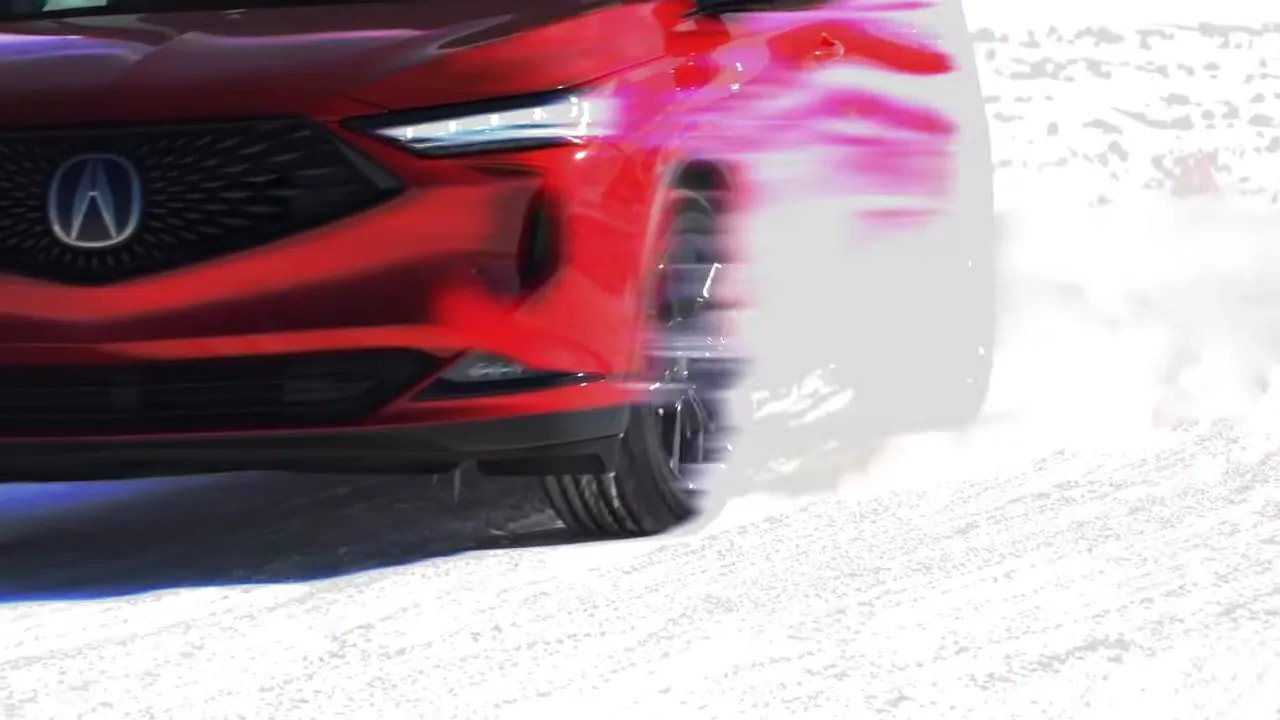
🏆 Best all-weather tires for SUVs (2026): top 6 picks
Below are six of the most compelling SUV all-weather tires to consider. Each includes a quick “best for” summary, common tradeoffs, and an Amazon product link.
6) Goodyear Assurance WeatherReady 2 (Goodyear Assurance WeatherReady series)
Amazon: Goodyear Assurance WeatherReady 2 All-Season Radial Tire
Best for: drivers who want confident grip in rain and comfortable cold-weather flexibility, with winter certification.
- Strengths: strong wet performance, good dry control, winter-ready compound design, and 60,000-mile tread life warranty.
- Tradeoff: snow stopping distance can lag behind top leaders in deep or harsh snow braking.
- Buy if you: mostly drive in wet climates and want a single tire solution with respectable winter capability.
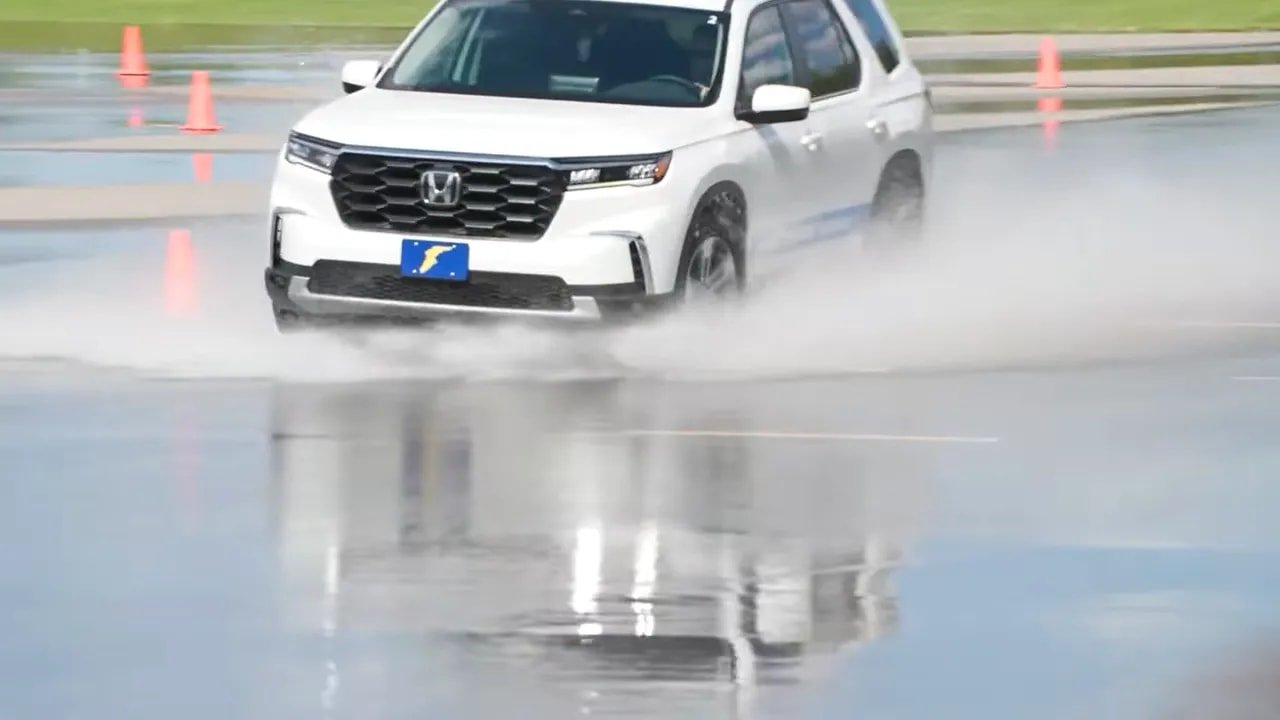
5) Nokian WRG5 All-Weather
Amazon: Nokian WRG5 All-Weather Tire
Best for: people prioritizing snow traction and long tread life in regions with long winters.
- Strengths: very strong snow grip for an all-weather tire, smooth ride characteristics, and a 60,000-mile warranty without a time limit.
- Tradeoff: wet braking performance is weaker than the best wet-focused competitors, which can matter on fast, wet stops.
- Buy if you: drive a lot in winter but still want a reasonable all-year package.
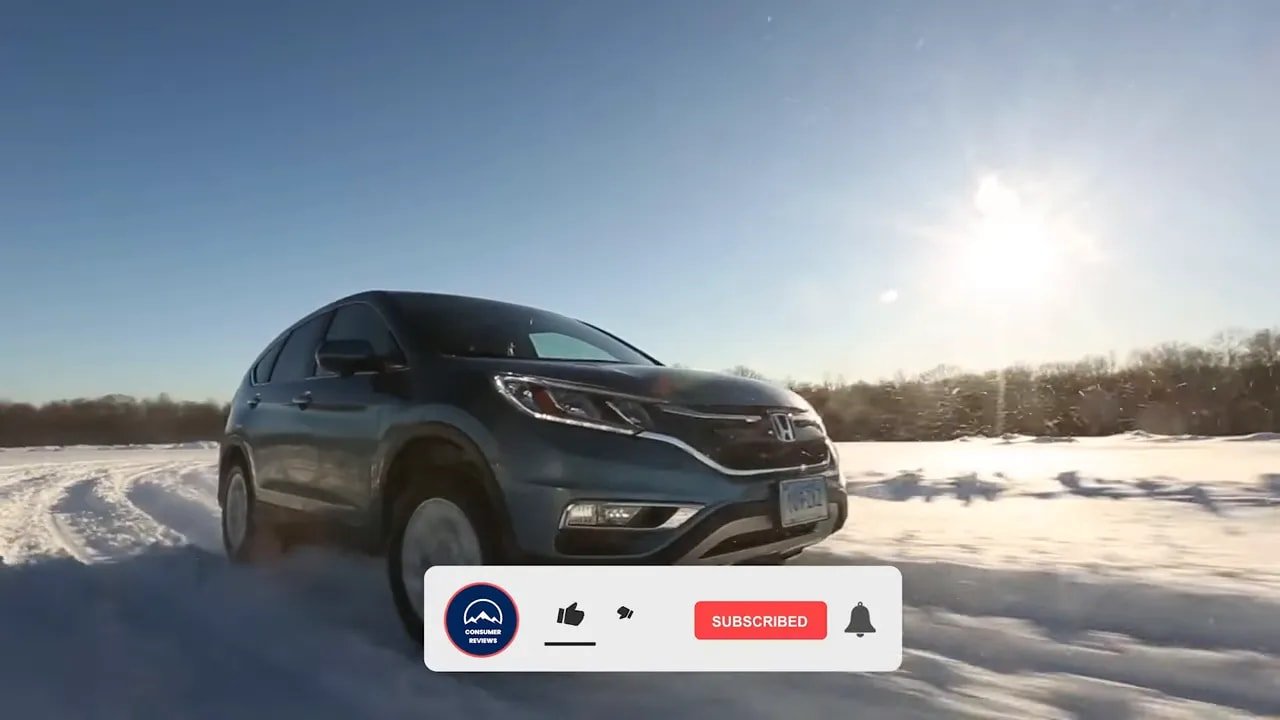
4) Bridgestone WeatherPeak
Amazon: Bridgestone WeatherPeak Tire
Best for: SUVs that see frequent winter weather and drivers who value a quieter, smoother ride.
- Strengths: excellent snow stopping and strong winter lap-style performance, very quiet operation (touring-like comfort), and 70,000-mile tread wear warranty.
- Tradeoff: dry handling can feel less sharp because winter-oriented tread features emphasize snow grip.
- Buy if you: want a comfort-first tire that still handles winter well.
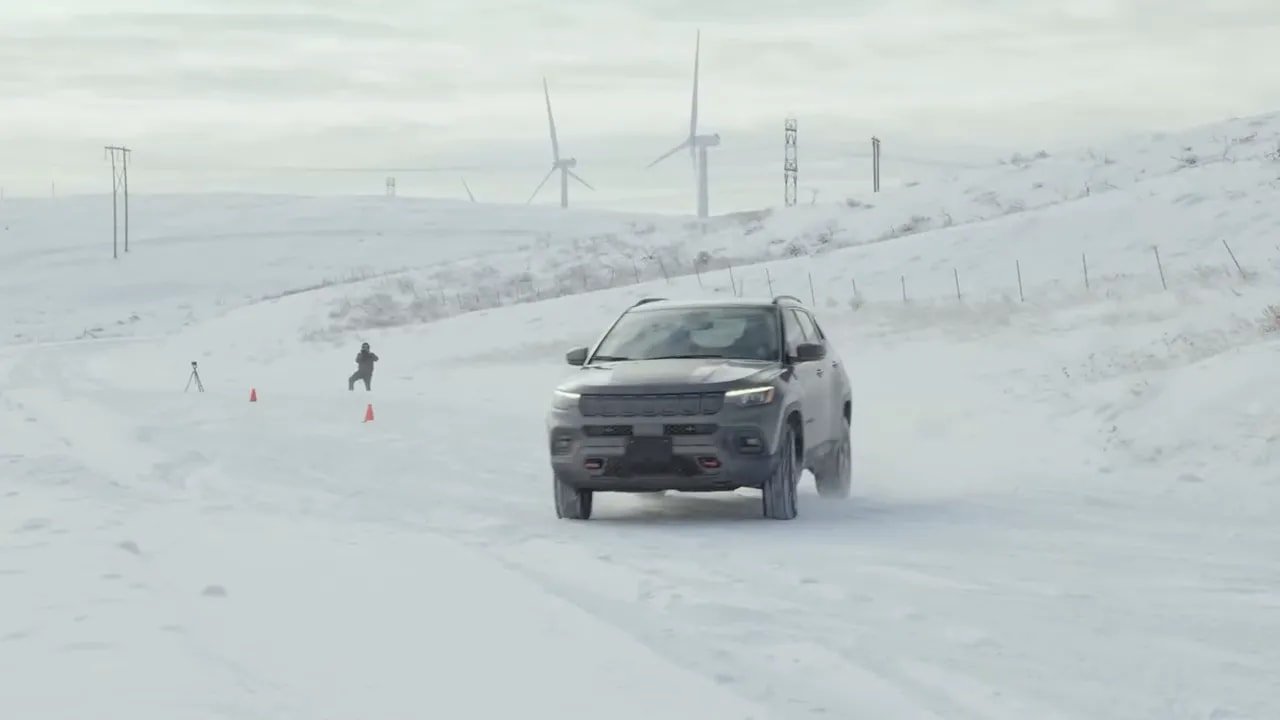
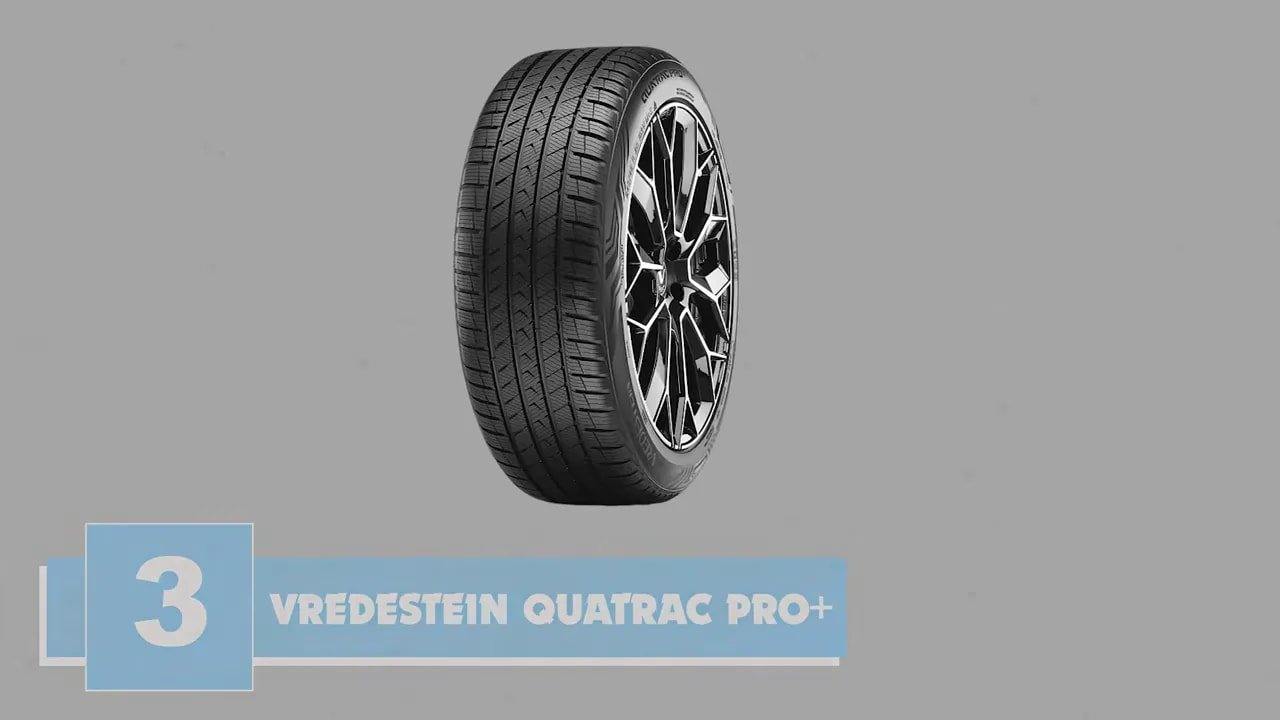
3) Vredestein Quatrac Pro+ (Quatrac Pro Plus)
Amazon: Vredestein Quatrac Pro+ Tire
Best for: drivers who want top-tier wet grip plus solid dry and snow performance, with a comfort and efficiency bonus.
- Strengths: standout wet traction and hydroplaning resistance, strong steering feel for an all-weather tire, improved snow grip versus the prior generation, and winter certification.
- Tradeoff: not the absolute best option for deep snow compared with dedicated snow-heavy designs.
- Buy if you: prioritize wet safety and balanced year-round behavior.
2) Michelin CrossClimate 2
Amazon: Michelin CrossClimate 2
Best for: all-round performance across wet, dry, and snow, plus a reputation for longevity.
- Strengths: top wet braking and handling results, strong snow traction, stable dry behavior, and typically conservative wear performance for many drivers.
- Tradeoff: when driven hard near the limits, it can understeer slightly (more predictable than “sporty,” but not a track tire).
- Buy if you: want one tire that performs well in every season without feeling like a compromise.
1) Pirelli Cinturato Scorpion WeatherActive
Amazon: Pirelli Cinturato Scorpion WeatherActive
Best for: SUV drivers who want near “do-it-all” performance with a strong blend of dry, wet, and snow capability.
- Strengths: strong dry handling and steering response, strong wet water-channeling for braking and hydroplaning control, and very capable winter traction for an all-weather model. Backed by a 60,000-mile warranty.
- Tradeoff: as with most all-weather tires, extreme deep-snow or ice-heavy commutes may still favor a dedicated winter tire.
- Buy if you: want the most well-rounded pick for year-round SUV driving.
🧠 How to choose the right all-weather tire for your SUV
Picking the “best” tire is not only about brand ranking. The right model depends on how you drive, where you drive, and what size your SUV requires.
1) Start with correct tire sizing
Use the vehicle door jamb, owner’s manual, or the existing tire sidewall to confirm your tire size. Match these specs:
- Width (mm)
- Aspect ratio (sidewall height as a percent of width)
- Rim diameter (inches)
- Load index and speed rating
2) Prioritize by your weather mix
- Mostly wet and cold rain: prioritize wet braking, wet handling, and hydroplaning resistance.
- Long winter commutes (slush and light snow): prioritize snow traction and 3PMSF certification.
- Year-round mixed driving: choose a balanced model known for strong wet braking and solid snow performance.
3) Don’t ignore ride comfort and noise
SUV tires can affect cabin noise and fatigue during highway driving. If comfort matters, compare test impressions for:
- Road noise (especially at 50 to 70 mph)
- Bump absorption
- Perceived firmness on rough pavement
4) Check tread life expectations, not just warranty
A warranty is helpful, but actual wear depends on alignment, driving style, road conditions, and tire pressure. Still, a longer warranty often correlates with durable tread design.
⚠️ Common mistakes SUV owners make with all-weather tires
- Buying “all-weather” for heavy ice: If your area regularly has black ice and freezing rain, a dedicated winter tire can outperform.
- Using mismatched sizes: Even a “similar” size can change speedometer accuracy, stability, and clearance.
- Skipping alignment and tire pressure checks: Poor alignment and underinflation can reduce tread life and wet grip.
- Overlooking rotation intervals: Rotating tires helps balance wear and maintain traction consistency.
- Expecting year-round mountain-ice performance: All-weather is best for typical winter driving and moderate snow conditions.
🧾 Quick checklist before you buy
- My SUV tire size matches the recommendation
- 3PMSF certification is available (if winter performance matters)
- I have a realistic expectation for snow depth and ice
- I’m prioritizing the right metric (wet braking, snow traction, or comfort)
- I confirm the tread wear warranty and tread life behavior
📌 Recommended maintenance tips to get the most from all-weather tires
- Check tire pressure monthly and before long trips.
- Rotate on schedule (often every 5,000 to 7,500 miles depending on vehicle guidance).
- Keep alignment in spec if you notice uneven wear or steering drift.
- Replace by tread depth when traction declines, not only when warranty ends.
- Brake gently on slick starts during the first stops in freezing temperatures to reduce slip.
❓ FAQ: Best all-weather tires for SUVs
Are all-weather tires better than all-season tires for SUVs?
Often, yes for climates with cold and wet conditions. Many all-weather tires use winter-oriented rubber compounds and tread designs, and some are 3PMSF certified. However, if you regularly face heavy snow or ice, dedicated winter tires may still outperform.
Do all-weather tires qualify as “winter tires”?
Not always. If a tire has the 3PMSF symbol, it is generally certified for winter traction. Still, it may not match dedicated winter tires in deep snow or severe ice. Use all-weather tires for typical winter driving and light to moderate snow conditions.
What matters most: wet braking or snow traction?
For most drivers, wet braking is the most frequent safety-critical need, especially in spring and fall. If your commute includes consistent slush and snow, snow traction becomes equally important. The best approach is to pick a tire that ranks strongly in both.
How long do all-weather SUV tires usually last?
It depends on treadwear, alignment, and driving habits. Many reputable all-weather tires come with 50,000 to 70,000-mile warranties, but real-world wear varies. Regular rotations and correct pressure help maximize tread life.
Can I run all-weather tires year-round without swapping?
That is the main benefit. All-weather tires are designed to operate in hot, dry, wet, and winter conditions within reason. You still need to monitor tread depth and replace tires when traction drops, especially before winter peaks.
Which tire is the most well-rounded option for SUVs?
Among these six picks, the Pirelli Cinturato Scorpion WeatherActive is the most balanced choice for dry, wet, and snow performance, with comfort and responsiveness. If you want a more comfort-oriented winter-leaning option, Bridgestone WeatherPeak is a strong alternative.
✅ Final takeaway
If you want one set of tires for the entire year, focus on a model that offers strong wet braking, reliable 3PMSF-certified winter traction for typical snow, and durable tread life. For the most well-rounded performance across SUV driving conditions in 2026, the top pick is the Pirelli Cinturato Scorpion WeatherActive. If you tell me your SUV model, tire size, and your typical winter conditions, I can narrow the list to the best 1 or 2 options.

Related Articles
Best All-Terrain Tires for Trucks (2026): Top 6 Picks for Road and Off-Road
All-terrain (A/T) tires are the compromise that many truck owners actually want: confident traction on pavement, plus durability for gravel, mud, and rough trails.…
Read More
Best All-Terrain Tires for Low Road Noise (2025): Quiet Picks That Still Tackle Dirt
All-terrain tires are built for more than paved roads. The tradeoff is often louder driving. If road noise is your top concern, the good…
Read More
Best All-Terrain Tires for Highway Driving (2026): Top Picks for Quiet, Safe Performance
All-terrain tires are built to handle more than pavement, but most drivers still want predictable handling, good wet braking, and reasonable road noise on…
Read More