
Tire Siping Guide 2026: Benefits, Risks & Tips
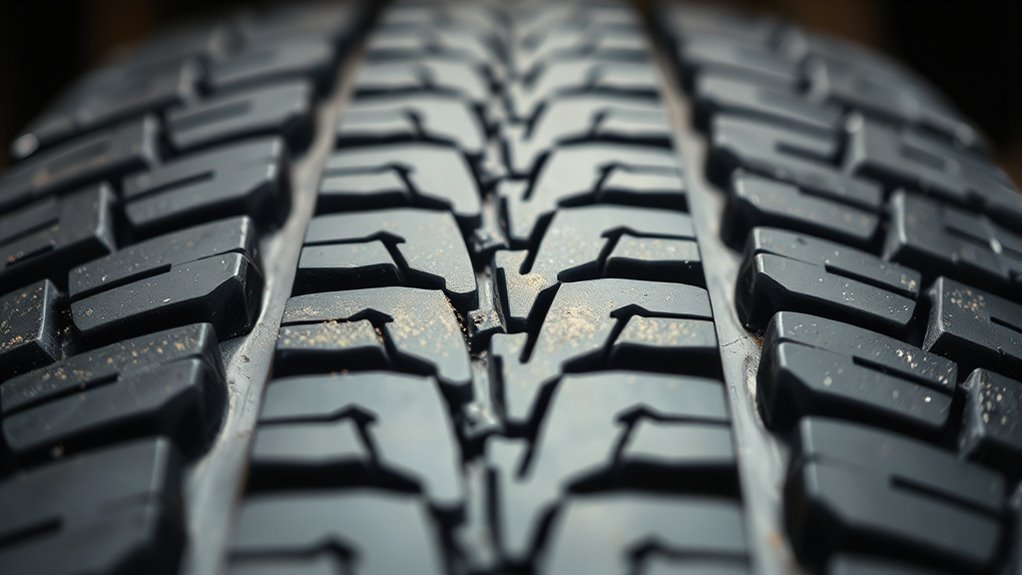
Tire siping can help when wet roads, slush, or light snow make your tires feel less sure-footed. The process adds thin, controlled cuts in the tread, which create more gripping edges and help move water away from the contact patch. You’ll learn what siping does, which tires may benefit, when to avoid it, and why a trained technician should handle the work.
Quick Answer
You should consider tire siping if you drive on wet roads or occasional snow and use compatible all-season, highway terrain, all-terrain, rugged-terrain, or mud-terrain tires. Siping adds small tread cuts that can improve grip, braking feel, and water evacuation. Avoid siping on summer, winter, all-weather, ultra-high-performance, EV-specific, worn, or damaged tires unless a qualified tire technician confirms it is safe.
Key Takeaways
- Tire siping adds thin cuts that create more biting edges in the tread.
- Compatible tires may gain better grip on wet, slushy, or lightly snowy roads.
- Professional siping matters because poor cuts can weaken tread blocks or affect tire wear.
- Some tire types should not be siped because their compounds and tread designs already serve a specific purpose.
- Winter tires remain the better choice for frequent ice, heavy snow, or long periods below freezing.
Quick Answer: Who Should Consider Tire Siping
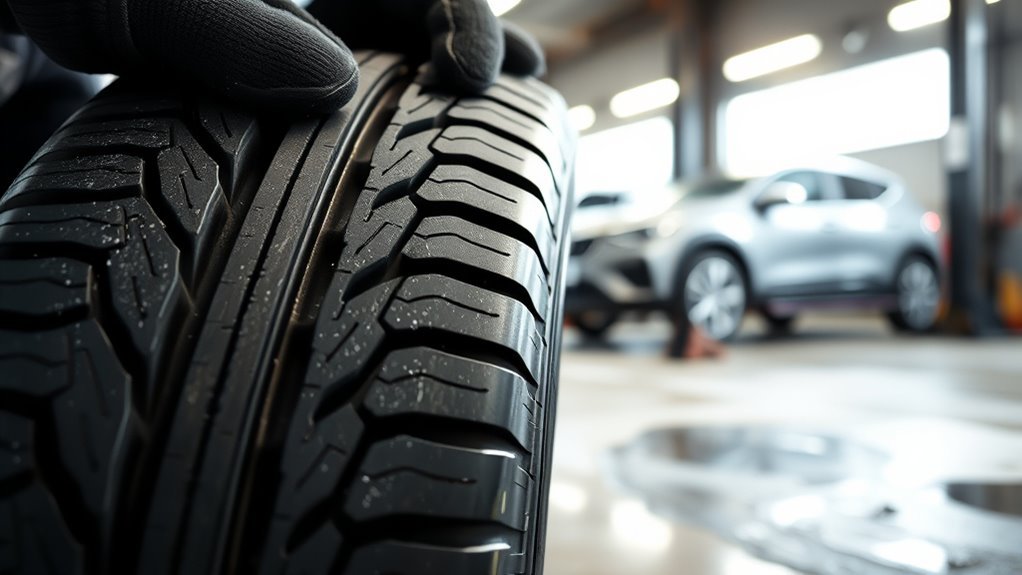
You may want tire siping if you drive in wet or lightly snowy conditions and use all-season, highway terrain, or all-terrain tires. The thin cuts add more biting edges, which can help the tread grip slick surfaces and move water away from the road contact area.
Siping works best when your tires have enough tread depth, a compatible tread design, and no signs of damage. Ask a trained tire technician to check your tire model, tread depth, load rating, and driving needs before you approve the service.
Do not add siping to summer, winter, all-weather, ultra-high-performance, or EV-specific tires unless the tire maker or a qualified technician approves it. Those tires use tread patterns and rubber compounds built for specific performance goals, and extra cuts may reduce their intended benefits.
[Products Worth Considering]
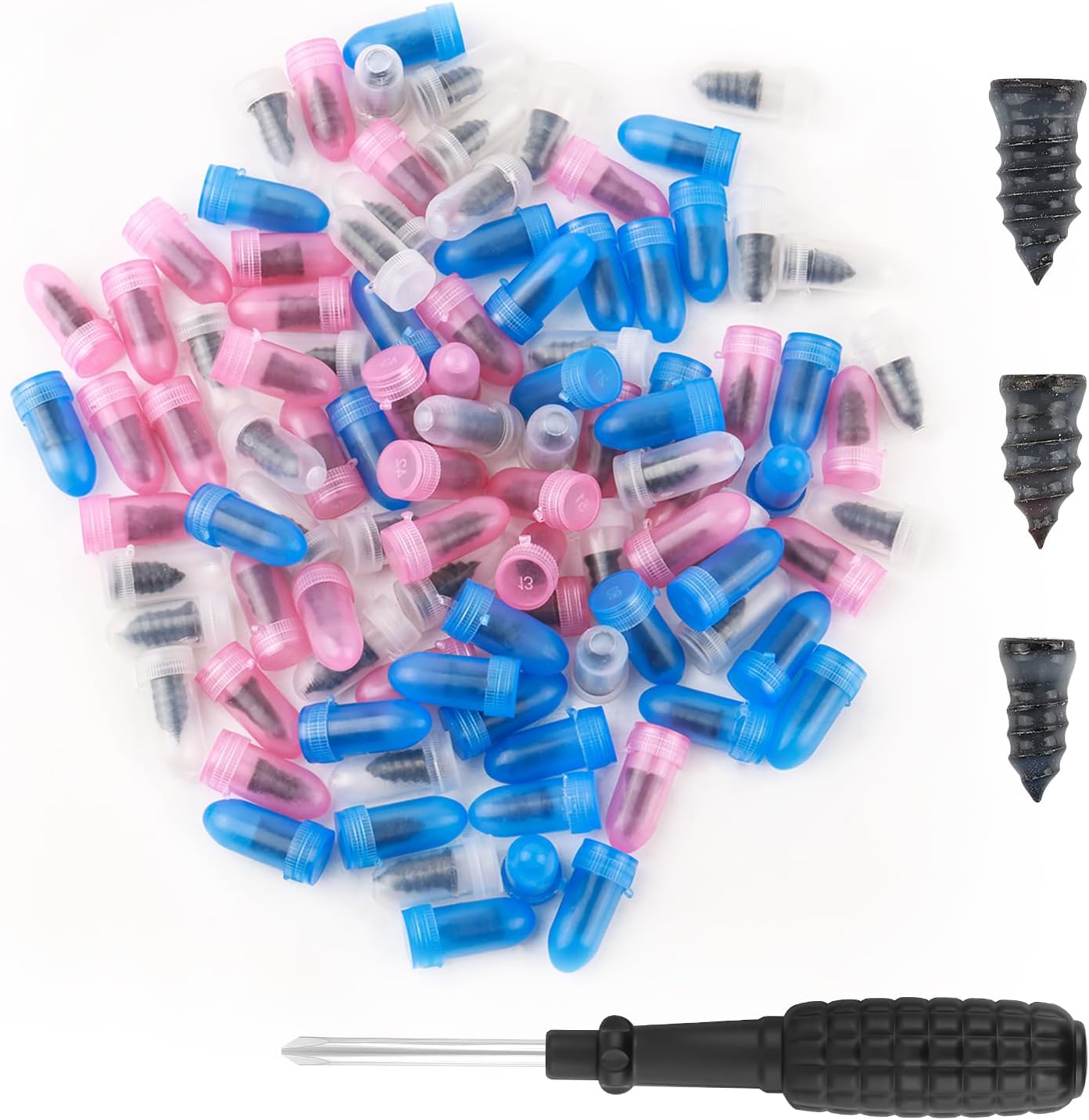
This 100-piece tire repair screw plug kit provides a fast, self-service solution for punctures on the road. Choose the correct plug size, insert it into the break, and screw...
What Are Tire Sipes and How They Work
Tire sipes are small slits cut into tread blocks. These slits open slightly as the tire rolls, which creates more small edges that can grip wet pavement, slush, or packed snow.
The cuts can also help move a thin layer of water away from the contact patch. That helps more rubber touch the road instead of sliding over water or slush.
Many modern tires already include factory-designed sipes. Aftermarket siping adds more cuts after purchase, so a technician must match the cut depth and spacing to the tire design.
How Sipes Create Biting Edges
Sipes work like tiny tread edges. As each tread block flexes, the slit opens and gives the tire more edges that can press into a slick surface.
Those edges can improve traction during braking, turning, and slow starts on wet or snowy roads. Straight, zigzag, and three-dimensional siping patterns can change how the tread block flexes under load.
Good siping balances grip with tread support. Too many cuts, or cuts that run too deep, can make tread blocks squirm or wear unevenly.
How Sipes Help Move Water and Snow
Sipes help manage the thin film of water that can build between the tire and road. Small channels in the tread can reduce slip by giving water and slush a path away from the contact patch.
On snow, the extra tread edges can help the tire bite instead of spin. This can make starts, stops, and low-speed turns feel more controlled in mild winter conditions.
Siping does not turn an all-season tire into a true winter tire. It can help in some conditions, but it cannot replace cold-weather rubber or deeper winter tread designs.
Which Tires Benefit Most From Tire Siping
All-season, highway-terrain, rugged-terrain, mud-terrain, and all-terrain tires usually make the best candidates for siping. These tires often serve mixed conditions, so extra tread edges may help when rain, slush, or light snow appears.
Siping may help drivers who face occasional winter weather but do not need a full winter tire setup. It can also help some truck and SUV tires that use larger tread blocks.
Skip siping on tire types built for narrow use cases, including:
- Summer tires
- Winter tires
- All-weather tires
- Ultra-high-performance tires
- EV-specific tires
- Worn, cracked, patched, or damaged tires
These tires rely on specific tread shapes, compounds, or load traits. Extra cuts can reduce stability, speed rating performance, tread life, or warranty coverage.
How Much Traction and Braking Improvement to Expect
Siping can improve grip on wet, slushy, or lightly snowy roads, but results vary by tire design and driving conditions. You should not expect the same gain from every tire.
The biggest changes often appear during low-speed traction, gentle braking, and cornering on slick surfaces. You may notice less wheel spin and a more secure steering feel.
Dry-road performance should stay predictable when a professional sipes a compatible tire. Poor siping can do the opposite, so technician skill matters.
Snow Traction Gains
Extra tread edges can help a tire grip snow by pressing into packed or loose material. That can improve traction when you start from a stop or climb a mild grade.
The benefit depends on tread depth, tread block shape, tire compound, vehicle weight, and snow type. Fresh powder, packed snow, slush, and ice all behave differently under a tire.
If you often drive on ice or deep snow, buy winter tires instead of relying on siping. Winter tires use rubber that stays more flexible in cold weather.
Braking Distance Reduction
Siping may help shorten stops on some wet or snowy roads because the extra edges grip and the small channels move water. The effect depends on speed, tire condition, road texture, and temperature.
You still need proper tire pressure, safe following distance, and smooth braking. Siping cannot overcome worn tread, excessive speed, or poor road conditions.
Check tread depth often after siping. Uneven wear can reduce braking performance and make the tire less stable over time.
How Professionals Perform Tire Siping Step by Step
Professional tire siping starts with an inspection. The technician checks tire type, tread depth, age, damage, and manufacturer limits before making any cuts.
If the tire qualifies, the technician mounts it on a siping machine and sets the cutter angle, depth, spacing, and speed. These settings help protect the tread structure while adding useful grip edges.
- Inspect the tire: Confirm the tire type, tread condition, and siping suitability.
- Set the machine: Adjust cutter depth, spacing, angle, and carriage speed for the tread pattern.
- Make a test pass: Check slit depth and spacing before cutting the full tread area.
- Cut the tread: Rotate the tire through the machine while the cutter creates controlled slits.
- Check the result: Inspect slit uniformity, clean debris, and look for tread damage.
- Document the work: Record the settings and tire condition for service records.
This process helps create repeatable cuts without guessing. It also reduces the risk of cutting too deep or weakening tread blocks.
Risks, Limitations, and When to Avoid Siping
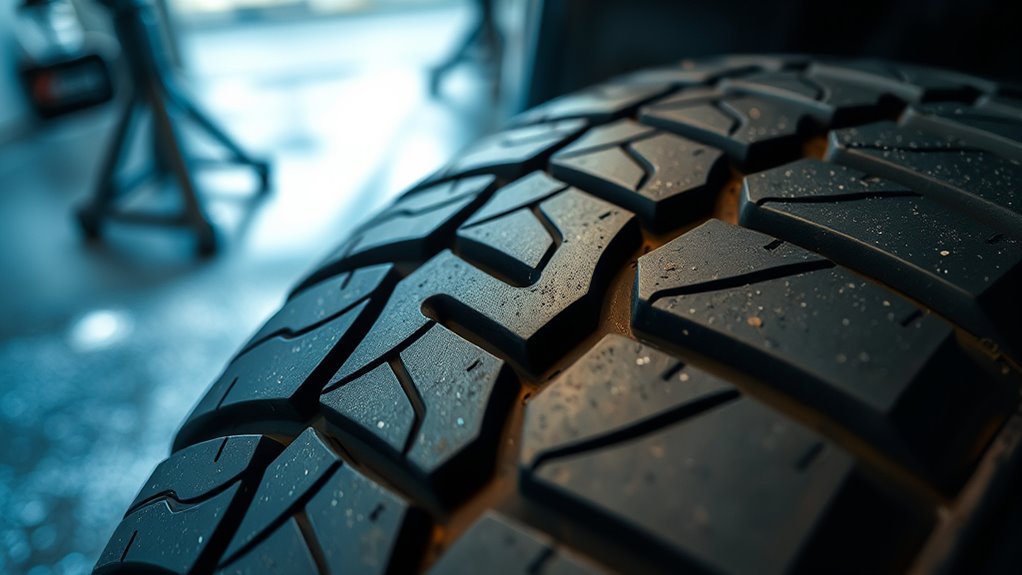
Aftermarket siping carries real risks when the tire does not suit the process. Cuts that go too deep or sit too close together can weaken tread blocks, increase squirm, and lead to uneven wear.
Warning: Do not try DIY tire siping with a knife, heated blade, or hand tool because uneven cuts can damage the tire.
You should avoid siping if the tire has low tread depth, cracks, sidewall damage, exposed cords, past repair issues, or an unknown service history. You should also check warranty terms before siping, because tire alterations may affect coverage.
Legal and inspection rules can also matter in some areas. Ask a qualified tire shop whether siping meets local safety and road-use rules before you change the tread.
Siping vs. Buying Winter Tires: How to Decide
Choose siping only when you face occasional rain, slush, or light snow and your tires qualify for the service. It may give you better grip without buying a second tire set.
Choose winter tires when you drive through frequent snow, ice, mountain roads, or long periods below freezing. Winter tires use tread designs and rubber compounds built for cold conditions.
Siping can help a compatible tire, but it cannot match a winter tire in severe winter use. Your local climate, vehicle weight, driving speed, and storage space should guide the choice.
Pro tip: If winter weather happens often where you drive, price winter tires before you pay to modify your current tires.
Frequently Asked Questions
What Are the Downsides of Siping Tires?
Siping can cause uneven wear, tread squirm, weaker tread blocks, or warranty concerns when done poorly or on the wrong tire. It may also reduce the tire’s intended handling traits if the tire uses a specialized tread or compound.
What Kind of Tire Has a Tiny Cuts Called Sipes?
Many all-season, highway-terrain, all-terrain, rugged-terrain, mud-terrain, winter, and all-weather tires include tiny cuts called sipes. Factory sipes come built into the tire, while aftermarket siping adds cuts after purchase.
Does Siping Make Tires Last Longer?
Siping does not guarantee longer tire life. It may help heat and tread movement in some cases, but poor cuts or an incompatible tire can speed up uneven wear.
Can You Sipe Used Tires?
You can sipe some used tires if they still have enough tread and no damage. A technician should inspect tread depth, age, repairs, cracks, and wear pattern before making any cuts.
Is Tire Siping Worth It for Rain?
Siping may help in rain when it improves water movement and keeps more rubber in contact with the road. It works best on compatible tires with healthy tread depth, correct pressure, and even wear.
Conclusion
Tire siping can give compatible tires more grip edges for wet, slushy, or lightly snowy roads. Before you choose it, ask a trained technician to inspect your tire type, tread depth, and warranty limits. Choose winter tires instead if you face frequent ice, heavy snow, or long cold seasons. The safest choice is the one that matches your roads, your tire design, and your driving habits.

Related Articles
What Is a Fat Tire? Complete Guide & Best Options
I’ll show you what makes fat tires different, which setups work best, and why the right choice could change your ride.
Read More
What Does W Mean on a Tire? Load, Speed & Rating Guide
Huh, what does W on a tire really mean, and why could choosing the wrong rating affect your safety and performance?
Read More
What Does Tire Flipping Work? Muscles, Benefits & Workout Guide
Strong tire flips hammer your entire body, but which muscles and benefits matter most?
Read More