
Best Winter Tires 2026: 7 Top Picks for Ice & Snow

Disclosure: As an Amazon Associate, we may earn from qualifying purchases. If you click a link on this page and make a purchase, we may receive a small commission at no extra cost to you.
Choosing winter tires is one of the most direct ways to improve traction, braking, and control during cold months. This guide highlights seven strong options across the two main categories: studded winter tires for severe ice and studless winter tires for most drivers who want quieter daily winter traction on snow, slush, wet roads, and cold pavement.
Use the recommendations below as starting points, then confirm the exact tire size, load index, speed rating, and stud legality for your vehicle and location before buying.
Quick Verdict
For most drivers, the Nokian Hakkapeliitta R5 offers the best overall balance of studless winter grip, comfort, and everyday usability. If your roads are often covered in glare ice, the Nokian Hakkapeliitta 10 is the strongest studded choice here. If you want a familiar, confidence-focused studless option, the Bridgestone Blizzak WS90 and Michelin X-Ice Snow are also excellent short-list picks.
❄️ Winter tires 101: what actually matters
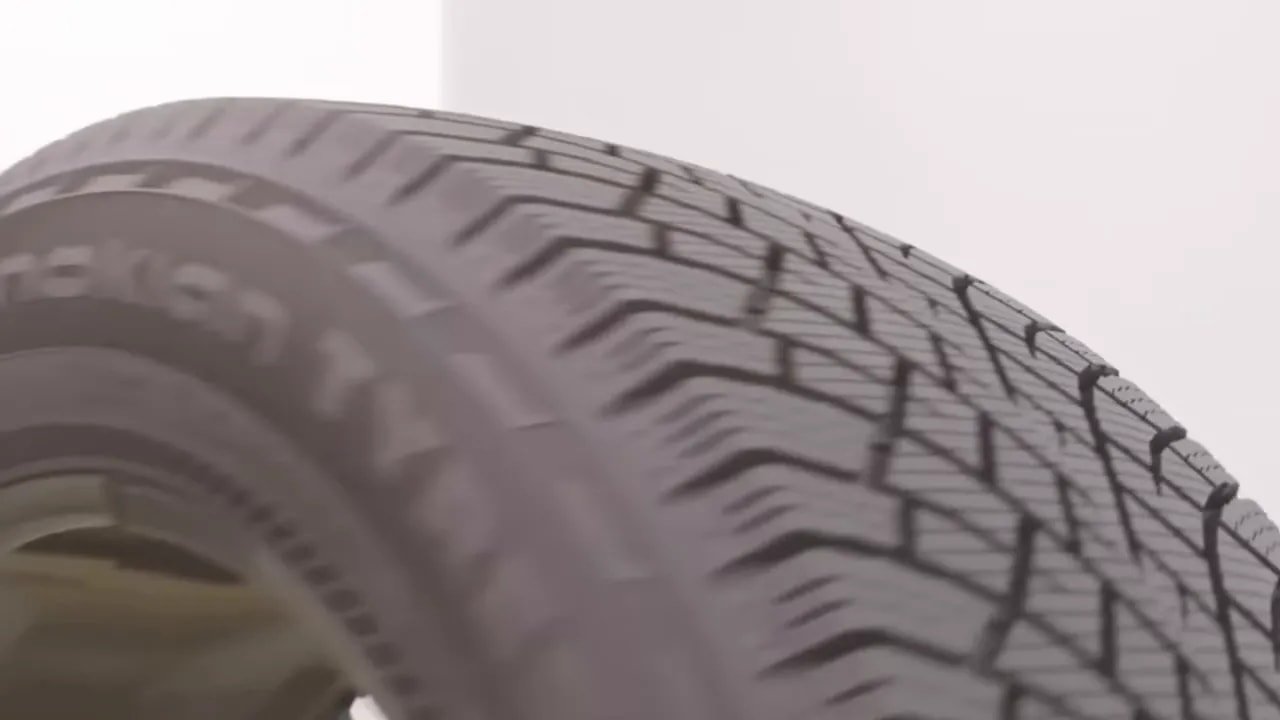
Winter tires are engineered to stay more flexible and controlled in cold conditions. Their rubber compounds, tread blocks, grooves, and sipes help manage snow, slush, water, and ice.
- Studded vs. studless: Studs add bite on glare ice but usually increase noise and may be restricted by law. Studless tires rely on rubber compounds, sipes, and biting edges.
- Ice performance vs. snow performance: Some tires focus on hard-packed snow and ice. Others feel better in deep snow, wet roads, or mixed winter commuting.
- Wet and slush control: Freeze-thaw roads can be tricky. Look for tread designs that move water and slush away from the contact patch.
- Road noise and comfort: Studs and aggressive tread patterns can add cabin noise and rolling resistance.
- Tread life and wear: Softer winter compounds can wear faster on warm dry roads. Use winter tires during winter conditions only.
[Products Worth Considering]

Measure tyre tread depth precisely with a digital gauge that reads in both MM and inches, helping you monitor safe driving conditions. The large LCD screen is easy to operate, and the compact tool fits for cars, trucks, and motorcycles. It provides high accuracy with a 0-25.4mm range and includes a 1-year warranty for added peace of mind.

The 22800 wheel stud installer makes replacing wheel studs quick and secure, saving time and effort during tire service. It uses a ratchet or impact wrench to pull new studs firmly into place, helping when existing studs are too long. Compatible with most automotive wheels and light-duty truck wheel studs, it’s designed for easy, tool-assisted installation.

Milton S-921 pencil tire pressure gauge helps you maintain optimal tire pressure for passenger cars with accurate readings in PSI and kPa. It features a built-in deflator valve for convenient pressure adjustments, plus a single chuck head and nylon indicator bar for easy use on the go. Built from durable plated brass and designed for reliable performance, it’s a practical road trip and cold-weather maintenance tool.
✅ How to choose the best winter tire for your drive
Match the tire to your worst regular winter road conditions, not only your average commute.
1) What are your winter roads like?
- Mostly glare ice and packed snow: Consider studded tires if they are legal where you drive.
- Mixed snow, slush, and wet roads: Choose a studless tire with strong wet-snow control.
- Cold dry pavement with occasional snow: Look for a studless tire that feels stable and quiet during daily commuting.
- Sporty cars and performance SUVs: Consider a performance winter tire that keeps steering response sharper in cold weather.
2) Are studs legal where you live?
Studded tire laws vary by state, province, and season. Some areas ban studs, while others allow them only during specific winter dates. If studs are not permitted, choose a studless winter tire instead.
3) What matters more: grip or quiet?
- Maximum ice bite: Often means a studded tire or a very ice-focused studless compound.
- Comfort for daily commuting: Usually means a studless model with lower road noise.
- Sporty steering feel: Usually means a performance winter tire, but deep-snow and ice grip may not be the main priority.
4) Buy for your exact tire size and ratings
Do not choose based only on the tire model name. The same tire family can be sold in many sizes with different load indexes, speed ratings, and vehicle fitments. Always match your vehicle placard or owner’s manual.
Before You Buy
- Confirm your exact tire size, load index, and speed rating.
- Check whether you need passenger, SUV, light truck, XL, or run-flat sizing.
- Buy a full set of four winter tires for balanced braking, steering, and stability.
- Check local stud laws before ordering studded tires.
- Plan installation before the first major cold snap or snowfall.
🏆 Best winter tires in 2026: quick comparison
Use this table to compare the seven picks by tire type, ideal use case, and main trade-off.
| Tire | Type | Best For | Main Trade-Off | Amazon |
|---|---|---|---|---|
| Nokian Hakkapeliitta R5 | Studless | Best overall balance | Not a studded ice specialist | Check Price |
| Bridgestone Blizzak WS90 | Studless | Ice and snow confidence | Can wear faster in warm weather | Check Price |
| Michelin X-Ice Snow | Studless | Quiet daily winter driving | Less aggressive than studded tires on glare ice | Check Price |
| Continental VikingContact 7 | Studless | Balanced winter safety | Not the sharpest performance feel | Check Price |
| Michelin Pilot Alpin PA4 | Studless performance winter | Sport-oriented cars | Not the best pick for deep-snow focus | Check Price |
| Pirelli Ice Zero 2 | Studded | Refined studded traction | Stud laws and road noise | Check Price |
| Nokian Hakkapeliitta 10 | Studded | Extreme ice | Noise, legality, and wet-road trade-offs | Check Price |
🏆 Best winter tires in 2026 (7 top picks)
Below are seven widely recommended winter tires, grouped by whether they are studded or studless, with the main strengths and trade-offs to consider.
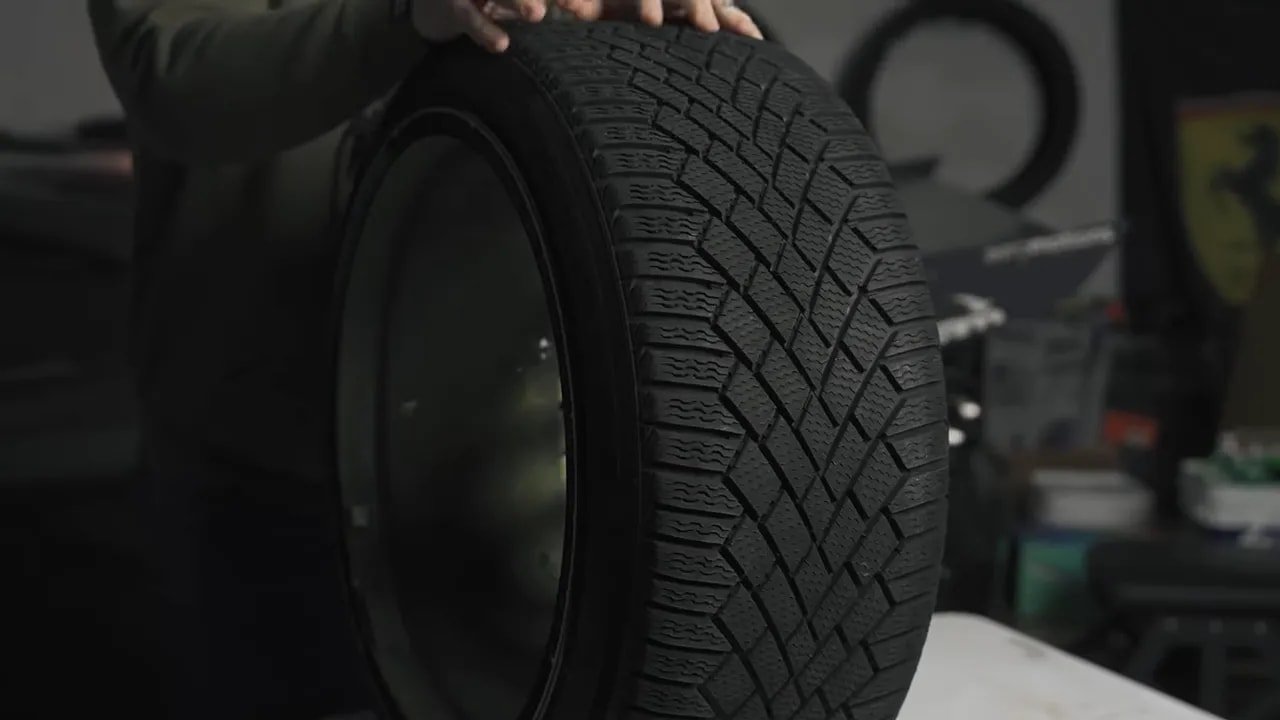
7) Nokian Hakkapeliitta 10 (Studded) ⭐ Best for extreme ice
Why it stands out: The Nokian Hakkapeliitta 10 is built for severe winter driving where ice and hard-packed snow are common. Its studded design gives it a clear role: maximum bite when a studless tire may not feel aggressive enough.
Best for: Drivers who routinely face glare ice, frozen rural roads, mountain routes, or long stretches of packed snow.
Who should avoid it: Skip it if studs are illegal in your area, if your roads are mostly wet pavement, or if low cabin noise matters more than maximum ice grip.
Trade-offs: Expect more road noise than most studless tires. Studded tires can also feel less refined on wet or dry pavement, and local laws may limit when you can use them.
Shop on Amazon:
Check Price on Amazon
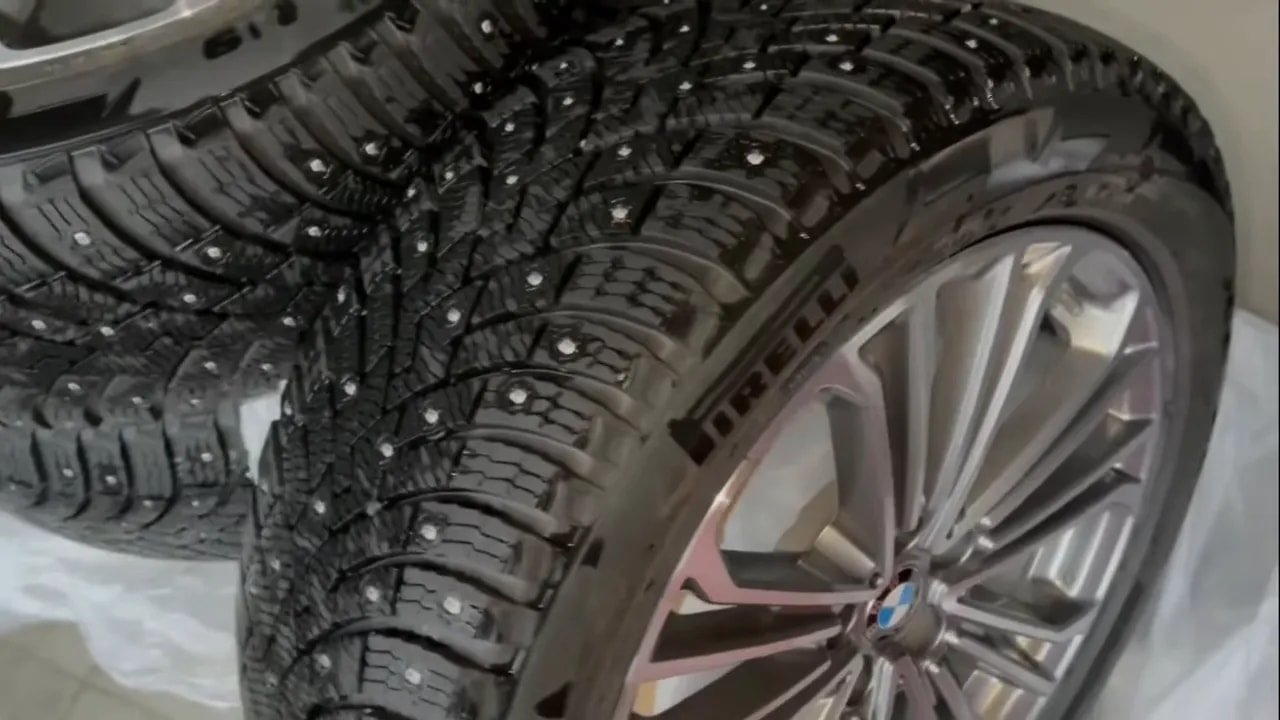
6) Pirelli Ice Zero 2 (Studded) ⭐ Strong ice traction with a more refined feel
Why it stands out: The Pirelli Ice Zero 2 is a studded winter tire for drivers who want extra bite on icy roads but still care about control and comfort. It is a good short-list option when you need studs but do not want the roughest-feeling winter tire.
Best for: Drivers in cold regions where ice is frequent and studded tires are allowed during winter months.
Who should avoid it: Skip it if your winter roads are usually plowed, wet, or dry. A studless tire may be quieter and easier to live with.
Trade-offs: It still carries the normal studded tire downsides, including more road noise, possible road-wear concerns, and legal restrictions in some regions.
Shop on Amazon:
Check Price on Amazon
5) Michelin Pilot Alpin PA4 (Studless) ⭐ Best performance winter pick
Why it stands out: The Michelin Pilot Alpin PA4 is for drivers who want winter traction without giving up too much steering response. It suits performance cars and premium vehicles that spend much of winter on cold dry, wet, or lightly snowy roads.
Best for: Sport-oriented cars, performance sedans, and drivers who value stable highway handling in cold weather.
Who should avoid it: Skip it if your main concern is deep snow, severe ice, or rural unplowed roads. A more ice-focused studless tire or a legal studded tire may fit better.
Trade-offs: Performance winter tires can cost more and may not feel as forgiving in deep snow as a pure ice-and-snow-focused tire.
Shop on Amazon:
Check Price on Amazon
4) Continental VikingContact 7 (Studless) ⭐ Balanced all-around winter safety
Why it stands out: The Continental VikingContact 7 is a studless winter tire designed for varied winter roads. It makes sense if you need one tire to handle snow, slush, wet pavement, and freezing temperatures without the noise of studs.
Best for: Cold regions where roads change from snow to slush to wet pavement during the same week.
Who should avoid it: Skip it if you want a sharper performance-winter feel or if you need maximum bite on frequent glare ice.
Trade-offs: Steering response may not feel as sharp as a performance winter tire, and dry-road braking is not the main reason to choose it.
Shop on Amazon:
Check Price on Amazon
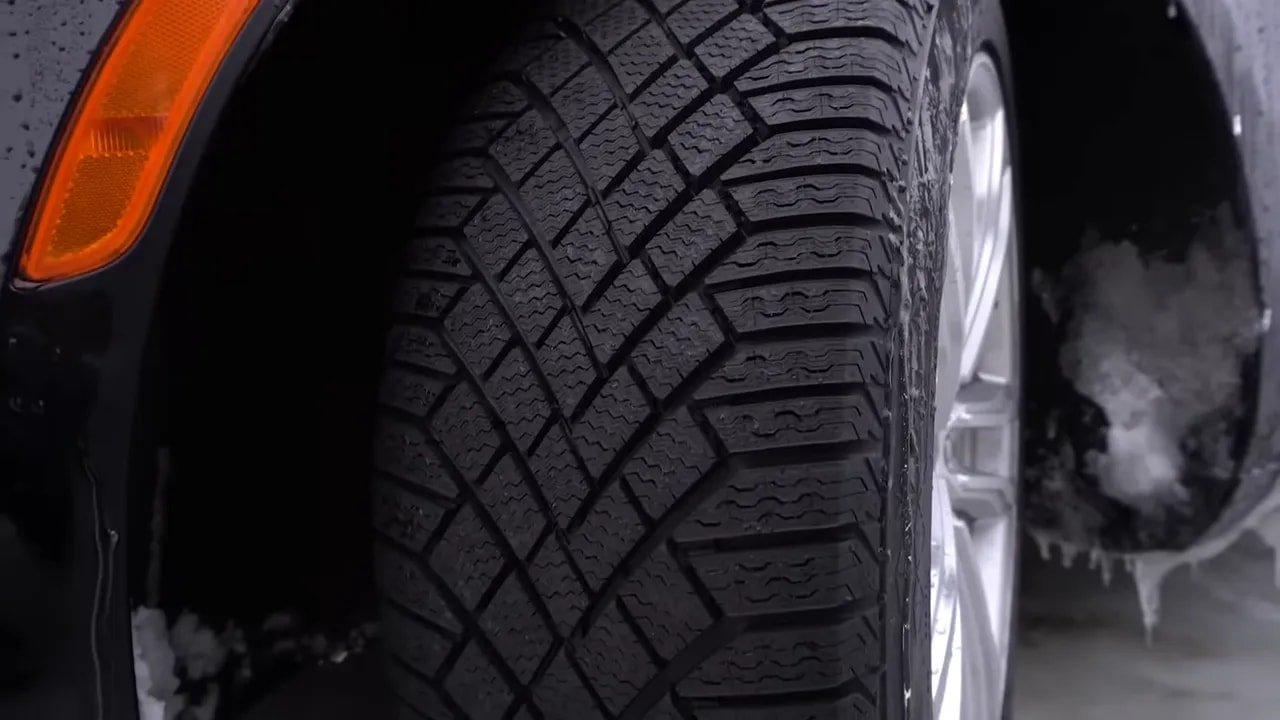
3) Michelin X-Ice Snow (Studless) ⭐ Quiet daily winter driving
Why it stands out: The Michelin X-Ice Snow is a well-rounded studless tire for drivers who want snow and ice confidence without moving to a noisy studded setup. It is especially appealing for daily commuters who care about ride comfort.
Best for: Drivers who want a calmer cabin, smooth winter driving, and dependable control on common winter roads.
Who should avoid it: Skip it if your routes are dominated by untreated glare ice and studs are legal where you drive.
Trade-offs: Like most studless winter tires, it cannot fully copy the bite of metal studs on the hardest ice.
Shop on Amazon:
Check Price on Amazon
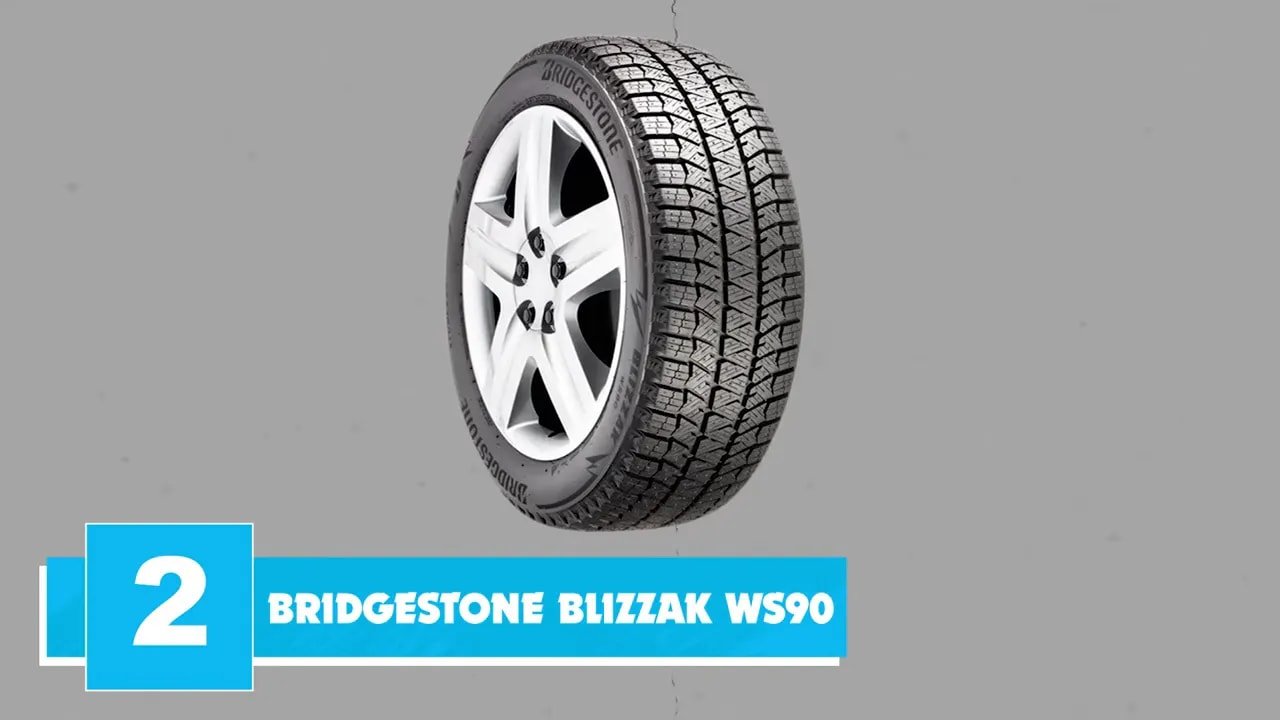
2) Bridgestone Blizzak WS90 (Studless) ⭐ Ice and snow grip with a proven winter focus
Why it stands out: The Bridgestone Blizzak WS90 is a familiar studless winter pick for slippery roads. It is designed for confident control in snow, ice, and wet winter conditions, making it easy to recommend for drivers who want a traditional ice-and-snow winter tire.
Best for: Drivers who prioritize winter stopping confidence, acceleration on slippery roads, and stable cornering in cold weather.
Who should avoid it: Skip it if you often drive in warm shoulder-season weather. Winter compounds can wear faster when used too long on warm, dry pavement.
Trade-offs: It is not the newest Blizzak direction for every market, so confirm current size availability before buying.
Shop on Amazon:
Check Price on Amazon
1) Nokian Hakkapeliitta R5 (Studless) ⭐ Best overall balance of grip, comfort, and control
Why it stands out: The Nokian Hakkapeliitta R5 is a studless winter tire built for strong winter grip while keeping daily driving more comfortable than a studded setup. It is the easiest overall recommendation here for drivers who want one winter tire for snow, slush, ice, wet pavement, and cold dry roads.
Best for: Drivers who want a balanced studless winter tire for most real-world winter conditions.
Who should avoid it: Skip it if your roads are mostly untreated glare ice and studs are legal where you live. A studded tire may be a better specialist choice.
Trade-offs: Studless performance depends heavily on temperature, compound condition, and tread depth. Use it during winter conditions and avoid extended warm-weather driving.
Shop on Amazon:
Check Price on Amazon
🧪 What to check before buying winter tires
- Tire size accuracy: Confirm the exact size, load index, and speed rating for your vehicle.
- Vehicle type: Some tire families have passenger, SUV, EV, XL, run-flat, or light-truck versions. Choose the version that matches your vehicle.
- Season timing: Install winter tires before roads become consistently icy or snowy, not after the first major storm.
- Stud legality and timing: If studs are prohibited or restricted where you drive, choose studless.
- Warm-weather wear: High-grip winter compounds generally wear faster on dry, warm roads. Swap them off when winter conditions end.
- Tread depth and age: New tires perform best, but worn winter tires lose bite. Check tread depth and inspect for cracking, damage, or uneven wear.
- Pressure and alignment: Underinflation increases wear and reduces handling precision. Poor alignment can hurt winter traction even with a premium tire.
[Products Worth Considering]

Monitor tire tread wear with a smart, color-coded depth gauge that shows clear condition ranges at a glance. The bar is range marked for fast, easy readings, helping you maintain safer traction and performance. Each gauge is portable with a pocket clip, and the set includes 20 units for daily use and sharing.

Accurately measure tire tread depth with a calibrated gauge marked from 0 to 1 inch in 1/32 inch increments. The color-coded bar helps you quickly identify tread condition ranges, supporting safe driving for trucks, motorcycles, automobiles, and passenger vehicles.

This manual duck head tire changer kit makes tire installation and removal simpler by letting you embed the duck head into the tire with applied pressure. The integrated design and durable steel construction help reduce friction and improve efficiency and safety during use. Suitable for 16–21 inch wheels, it’s convenient for cars, trucks, SUVs, and ATV tires, with 24-hour after-sales support.
📌 Installation and driving tips that improve real-world performance
Installation
- Mount winter tires as a full set of four for balanced braking, steering, and stability.
- Get a professional mount and balance to reduce vibration and uneven wear.
- Rotate on schedule and follow the tire’s directional or non-directional pattern requirements.
- Confirm TPMS settings if your vehicle uses winter wheels or separate sensors.
- Retorque lug nuts after installation if your installer recommends it.
Driving technique
- Brake early and smoothly to give the tires and traction systems time to work.
- Accelerate gently on ice and packed snow to avoid wheel spin.
- Increase following distance because ice braking can vary dramatically by temperature and road surface.
- Avoid sudden steering inputs when roads are slick to reduce lateral slip.
- Do not overdrive the tire just because it is winter-rated. Snow tires improve grip, but they do not remove the risk of sliding.
🔎 Pitfalls and misconceptions about winter tires
- “All winter tires are the same.” They differ in ice bite, wet slush control, cabin noise, steering feel, and wear behavior.
- “Studs always mean shorter stopping distances.” Studs help most on ice, but wet-road, dry-road, legality, and noise trade-offs still matter.
- “I can use winter tires year-round.” Using winter tires in warm weather often accelerates wear and can reduce performance.
- “AWD replaces winter tires.” AWD can help you accelerate, but winter tires help with braking, turning, and overall control.
- “One test score is enough.” Look for performance across ice, snow, wet roads, slush, and low temperatures.
❓ FAQ: best winter tires for ice and snow
Are studded winter tires worth it?
Which winter tire is best for quiet driving?
What’s the biggest mistake when buying winter tires?
Do winter tires need to be replaced every year?
When should I install winter tires?
Should I buy four winter tires or only two?
Are studless winter tires good on ice?
📍 Final recommendation: pick based on your worst-case winter roads
If your winters are dominated by glare ice, the Nokian Hakkapeliitta 10 and Pirelli Ice Zero 2 are the strongest studded options here. If you want a single studless setup for snow, slush, wet cold pavement, and daily commuting, start with the Nokian Hakkapeliitta R5. The Michelin X-Ice Snow is a smart comfort-focused alternative, while the Bridgestone Blizzak WS90 remains a strong ice-and-snow-focused choice if it is available in your size.
Next step: Confirm your tire size and ratings, then choose between studded and studless based on your local road conditions and legal requirements for studs.
[Products Worth Considering]

Cristal Products Untouchable Tire Shine Spray delivers a deep, wet-look gloss that enhances your vehicle’s tires. It’s quick-drying and spreads smoothly for consistent, streak-free coverage, while forming a protective coating against UV rays, road grime, and weather. Suitable for all tire types, it helps restore dull, faded tires to a showroom-quality finish.

Measure tire tread depth quickly and accurately with this LUMITECO dial gauge that reads in 1/32" increments up to 14/32". The color-coded green/yellow/red zones make it easy to judge tire wear and know when replacement is needed. A rugged, compact design with a protective pouch helps keep the gauge ready for use on cars, trucks, motorcycles, and more.

Upgrade your Toyota’s wheels with durable aluminum alloy valve stem caps that help protect valve cores from corrosion and direct exposure to road grime, clay, water, and snow. Rubber rings improve sealing to help prevent air leakage and maintain stable tire pressure for safer driving. These caps are easy to install or remove without tools and add a unique, stylish look to your car.

Related Articles
How Much Does Tire Retreading Cost?
Whether you’re pricing passenger or truck tires, tire retreading costs vary widely, and the real reasons behind the savings may surprise you.
Read More
Firestone Tire Installation Cost: Full Price Guide
Compare Firestone tire installation costs and discover what hidden fees could change your final bill.
Read More
Tire Rack vs Costco: Which Is Better for Tires?
Pick the better tire deal between Tire Rack and Costco before hidden differences change your choice.
Read More