
Should You Buy Tires From the Dealership?
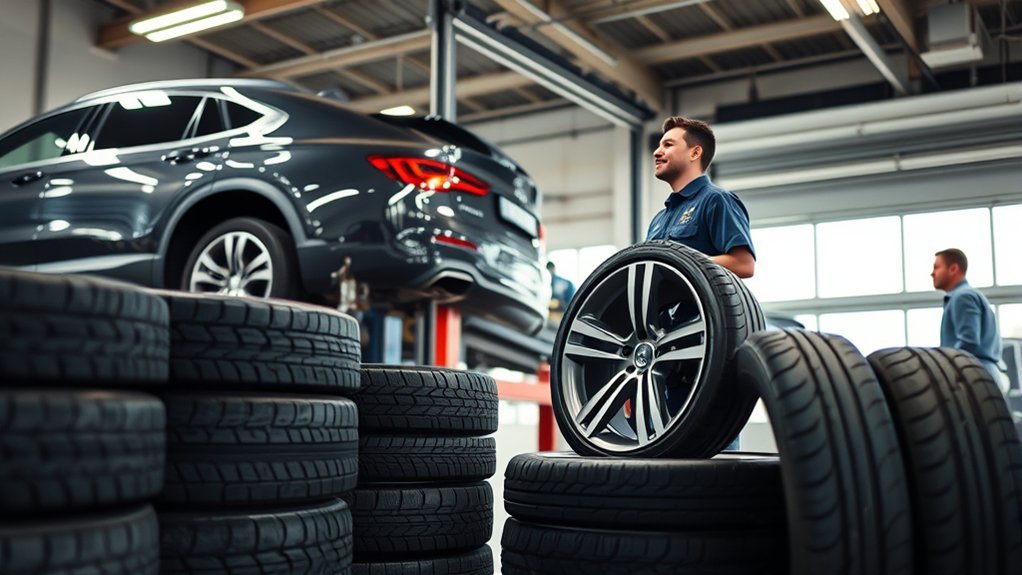
Buying tires from the dealership can be worth it if you want OEM fit, convenient service, and easier warranty support. You’ll usually pay more, but that price may include mounting, balancing, valve stems, disposal, TPMS checks, and sometimes road-hazard coverage. Independent shops and online sellers often beat dealerships on price and brand selection. Ask for an itemized out-the-door quote so you can compare true costs, not just sticker prices, and see which choice fits best.
Key Takeaways
- Dealership tires usually cost more, but include convenience, OEM fitment, and factory-trained service.
- Ask for an itemized installed quote covering mounting, balancing, valve stems, disposal, taxes, and any road-hazard coverage.
- Compare the exact tire model, size, and speed rating, not just the brand name.
- Independent tire shops often offer more brand choices and lower prices than dealerships.
- Buy from the dealership if warranty support, documentation, and matching factory ride quality matter most.
[Products Worth Considering]

Malco tire mounting and demounting lubricant is a ready-to-use tire lube formulated to reduce friction during tire installation for passenger cars, light trucks, farm tires, and heavy-duty equipment. It provides rust-inhibiting protection to help reduce corrosion on rims and wheels, and helps support proper tire bead seating during inflation to reduce air leakage. The silicone-free, soap-free formula is whitewall safe to help prevent discoloration on whitewall tires and sensitive sidewall markings.

Monitor tire tread wear with a smart, color-coded depth gauge that shows clear condition ranges at a glance. The bar is range marked for fast, easy readings, helping you maintain safer traction and performance. Each gauge is portable with a pocket clip, and the set includes 20 units for daily use and sharing.

The Airmoto portable tire inflator quickly and accurately fills car, truck, SUV, motorcycle, and bicycle tires up to 120 PSI with auto shut-off when your target pressure is reached. Its large LCD, multi-unit pressure display, and digital gauge make it easy to dial in settings and verify readings, while the built-in LED flashlight helps in low light. The included polyurethane hard carrying case and storage mesh pocket keep the inflator and accessories protected and organized.
Are Dealership Tires Worth the Cost?
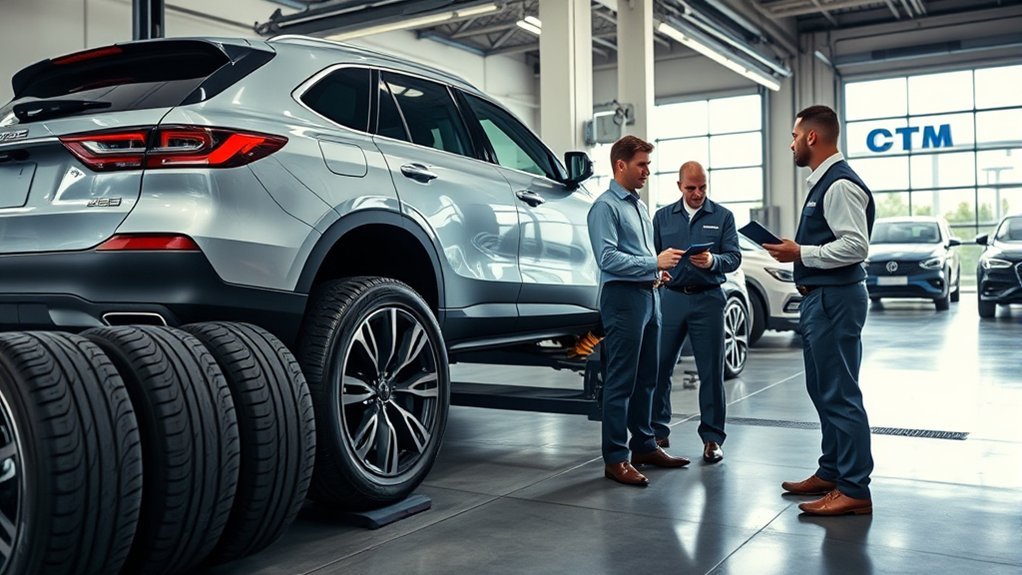
Whether dealership tires are worth the cost depends on what you value most: convenience, OEM matching, and service versus price. You may pay more at the dealership, but you often get a tire that matches your vehicle’s original fitment and performance targets. That can matter if you want predictable handling, noise levels, and ride comfort.
Dealership tires cost more, but they can deliver OEM fitment, predictable performance, and added convenience.
Dealerships also tend to offer factory-trained staff and stronger customer service, which can help you choose the right size and rating without guesswork. Still, you should compare tire quality, warranties, and installation standards with local tire shops before deciding.
If you already know the exact tire you want, a dealer may not add much value. If you prefer a one-stop visit and want less risk of mismatch, the extra cost can make sense.
In short, the dealership can be worth it, but only when the benefits align with your priorities.
What the Dealership Tire Price Includes
A dealership tire quote usually includes more than just the rubber itself. You’re often paying for mounting, balancing, valve stems, disposal fees, and shop labor, which can make the total higher than the tire sticker price.
Some dealerships also include road hazard coverage, alignment checks, or a warranty adjustment, so ask for an itemized estimate before you agree to anything.
You can use that breakdown to compare offers more accurately and spot charges you don’t need. If you already follow basic tire maintenance tips, such as checking pressure and rotating on schedule, you may reduce extra wear and get more value from the purchase.
Also, look for dealership promotions that bundle installation or offer rebates, since these can narrow the price gap. The quote may seem expensive at first, but understanding what’s included helps you decide whether the convenience and services justify the cost.
How Dealership Tire Brands Compare
Dealerships usually sell the same major tire brands you’d find at independent shops, but the exact selection can be narrower and tied to the vehicle maker’s preferred fitments. You’ll often see OEM-focused dealership brands such as Michelin, Bridgestone, Goodyear, Continental, Pirelli, and Hankook, depending on what your automaker approved for that model.
That means the dealer may emphasize tires that preserve factory ride quality, noise levels, and handling balance rather than the widest range of options. For tire performance, this can be a strength if you want a close match to the original setup. However, it can limit your ability to compare across more budget-oriented or specialty lines.
Independent stores usually offer broader brand variety, so you can weigh tread life, wet grip, winter traction, and price more freely.
At the dealership, your best move is to ask for the exact tire model and compare it with the same tire elsewhere before you decide.
When Dealership Tires Make Sense
Dealership tires can make sense when you want warranty coverage that’s easy to verify and service through the same shop that handles your vehicle.
You also get OEM fitment assurance, which helps guarantee the tires match your car’s original specifications. That can matter if you want a straightforward replacement with less guesswork.
Warranty Coverage Benefits
If you want extra peace of mind, tires bought through the dealership can make sense when they come with stronger warranty coverage.
You may get broader road-hazard protection, better prorated replacement terms, or coverage that aligns with your service record. That can matter if you value tire longevity and want fewer out-of-pocket surprises after a puncture or early wear issue.
Dealership staff can also document maintenance considerations more consistently, which helps if a claim depends on rotation history, pressure checks, or alignment evidence.
Before you buy, compare the warranty length, exclusions, labor charges, and claim process with third-party options.
If the coverage saves you money or reduces hassle during ownership, the dealership price premium may be justified.
OEM Fitment Assurance
When you want the exact tire size, load rating, and speed rating your vehicle’s manufacturer specified, dealership tires can reduce fitment guesswork.
You’re more likely to get OEM quality, a fitment guarantee, and compatibility assurance that matches your trim and suspension setup. That matters when your vehicle depends on precise tolerances for steering feel, braking, and ride comfort.
Dealerships also tend to follow brand reliability standards and installation precision, which can support performance consistency across all four corners.
If you drive a newer model, use advanced driver-assistance systems, or need to preserve factory safety standards, expert recommendations from the service desk can help you avoid mismatched alternatives.
For many drivers, that extra certainty justifies the premium.
When Tire Shops or Online Stores Win
Sometimes a tire shop or online retailer gives you a better deal than the dealership, especially when you need a wider selection, lower labor costs, or a specific tire brand and size.
You can also compare tire performance across several models, which helps you match grip, ride comfort, and tread life to your driving habits. Many shops offer strong customer service, plus installation convenience if you want same-day fitting or mobile delivery.
Online stores often beat dealer prices, and pricing transparency makes it easier to see shipping, taxes, and fees upfront. If you value brand loyalty to a tire maker, non-dealer sellers may stock more seasonal options, from winter tires to all-terrain choices.
You can still ask for maintenance advice and look for quality assurance through manufacturer ratings, return policies, and warranty terms. When you do, you’ll make a practical choice.
[Products Worth Considering]

This Dr.Roc tire valve stem puller tools set helps install or remove snap-in tubeless valve stems safely and efficiently. It includes ozone-resistant EPDM snap-in valve stems, a valve stem installer, and a valve core remover for quick core removal or installation during tire service. Designed for reliable tubeless tire repair on motorcycles, ATVs, lawn equipment, cars, and trucks.

This 100-piece set of snap-in tubeless tire valve stems is designed for standard 0.453 in (11.5 mm) rim holes and helps maintain reliable, steady tire pressure. Made with ozone-resistant rubber and brass cores, the valves are built for durability and long-term use. Easy to install by hand, they support safe driving and are suitable for cars, light trucks, trailers, and more.

The Continental Grand Prix 5000 is an allround road bike tire engineered for faster rolling, improved ride comfort, and enhanced puncture protection. It features a Vectran Breaker cut-protection layer, Lazer Grip micro-profile tread for confident cornering control, and Active Comfort Technology to damp vibration for smoother rides. BlackChili compound optimizes grip and speed for everyday performance and long-lasting confidence.
How Dealership Tire Installation and Warranties Work
At the dealership, tire installation usually follows a set process: the service department mounts, balances, and torques the tires, then checks alignment or TPMS issues if needed. You can expect technicians to follow the vehicle maker’s specs, which helps the installation process stay consistent. Dealerships also document the work, so you’ll have a clear service record if questions come up later.
| Step | What Happens | Why It Matters |
|---|---|---|
| Mounting | Tires go on the wheels | Fits correctly |
| Balancing | Weights correct spin | Reduces vibration |
| Torque check | Lug nuts tightened | Protects hardware |
| TPMS check | Sensors get reviewed | Keeps alerts accurate |
| Warranty review | Terms are explained | Clarifies coverage |
Warranty details usually depend on the tire brand, the dealer, and how the tires were installed. You should read what’s covered for defects, road hazards, and workmanship. If you keep your paperwork and service dates, you’ll make any claim easier to verify later.
What Fees Can Raise the Final Price?
Beyond the sticker price, dealership tire purchases can pick up several extra charges that push the total higher. You may see installation fees for mounting, balancing, and valve stems, and those charges can vary by shop.
Disposal charges often cover recycling your old tires, so don’t assume they’re included. You can also be billed for road hazard coverage, which protects against punctures or impact damage, but it’s usually optional and priced separately.
Tax implications matter too, because sales tax may apply to the tires, labor, and add-ons depending on your state. Some dealerships list shop supplies, TPMS service, or alignment checks as separate line items.
Ask for an itemized quote before you agree to anything. That lets you spot fees that don’t fit your budget and avoid surprises at checkout. If a charge isn’t clear, request an explanation in writing and make sure you understand what you’re paying for.
How to Compare Dealership Tire Quotes
When you compare dealership tire quotes, look at the full out-the-door price, not just the tire name or base cost.
Ask each parts or service desk to list the same tire model, size, speed rating, and quantity so you’re comparing quotes on equal terms.
Then check labor, valve stems, disposal charges, taxes, shop supplies, and any alignment or balancing line items that may appear separately.
If one quote bundles services and another splits them out, convert both to the same total before judging value.
Keep a simple worksheet with each item and amount; that makes understanding pricing easier and helps you spot hidden differences.
Also note whether the quote includes warranty coverage or road-hazard protection, since those add real cost.
Finally, verify that the quote’s expiration date, installation date, and vehicle fitment match your needs.
Clear apples-to-apples comparison gives you the most accurate picture of dealership tire cost.
How to Decide Where to Buy Tires
You can decide where to buy tires by weighing total cost, convenience, service quality, and the level of support you actually need.
Start by comparing the installed price, warranty terms, and any extras like rotations or road-hazard coverage. Then think about purchase convenience: can you book quickly, get the right size in stock, and finish the work without extra trips?
Dealerships often simplify this process, especially if you want factory-style service and direct fitment checks. Independent shops may offer lower prices and more brands. Online retailers can give you the widest selection, but you’ll need a local installer.
- Compare tire quality across the same size and performance class.
- Ask who handles balancing, alignment, and warranty claims.
- Check whether the final price includes taxes and fees.
Choose the source that best balances budget, reliability, and the support you’ll use.
Frequently Asked Questions
Can I Bring My Own Tires to the Dealership?
Yes, you can usually bring your own tires to the dealership for tire installation, but you’ll want to ask about labor fees and warranty options first. Some dealerships allow it; others limit service or charge extra.
Do Dealerships Match Tire Prices From Other Stores?
Sometimes, yes, you can ask for a match. You’ll do a price comparison quickly, because dealerships may adjust prices to keep dealership advantages like convenience and warranty support. One shopper saved $80 after showing a competitor quote.
How Long Does Dealership Tire Ordering Usually Take?
You’ll usually wait one to five days, but tire availability can stretch that longer. Your dealership’s ordering process depends on stock, brand, and shipping. If you need a rare size, expect about a week or more.
Can Dealership Tires Be Financed With My Car Loan?
Usually, you can’t roll dealership tires into your car loan, though some dealers bundle service plans. About 30% of buyers use separate financing. You should ask about tire financing options and dealership benefits.
Will Dealership Tires Affect My Vehicle Lease Agreement?
Yes, dealership tires can affect your lease if they don’t meet lease terms or dealership policies. You should check size, rating, and approved brands, because noncompliant tires can trigger return charges or inspection issues.
Conclusion
So, should you buy tires from the dealership? Sometimes, but not always. If you value convenience, factory-fit options, and bundled service, a dealership can be a solid choice. But if you want the lowest price, independent tire shops and online retailers often give you more mileage for your money. Compare the full out-the-door cost, not just the sticker price. Think of tire shopping like choosing a meal: you’re paying for the ingredients, the service, and the setting.
[Products Worth Considering]

The Trivd Frol 1/2" air impact wrench delivers high performance torque up to 1500 ft-lbs with a twin hammer impact mechanism for strong, balanced blows. It features an ergonomic grip, compact lightweight design, and quick-stop control with 3 forward speeds up to 8000 RPM plus a reverse speed. Built for demanding automotive repair and tire shop work, the rear exhaust helps keep debris away from the surface.

The Big Rig Defense Tire Thumper is a truck tire pressure checker that lets you quickly check multiple tires by giving them a firm whack. Listen for a reassuring thump and feel the stick bounce when a tire is fully inflated, helping you get back on the road safely. It features a comfortable, glove-friendly handle and a secure wrist strap for confident use on busy routes.

Keep your tires performing with these valve core removal tools designed to quickly disassemble and reinstall standard valve cores. The compact, portable design makes it easy to carry for bicycle, motorcycle, car, or truck repairs. Durable stainless steel construction helps you handle routine tire maintenance with less hassle.

Related Articles
How Much Do Used Tires Cost? Price Guide
A quick guide to used tire prices reveals what you’ll really pay, and the factors that could save you more than you expect.
Read More
Walmart Tire Return Policy: Rules and Time Limits
At Walmart, tire returns have strict rules and time limits, but one overlooked detail could determine whether your refund gets approved.
Read More
How Often Does Costco Have Tire Sales?
Just how often does Costco discount tires, and when are the biggest savings hidden?
Read More