
How Much Do Used Tires Cost? Price Guide
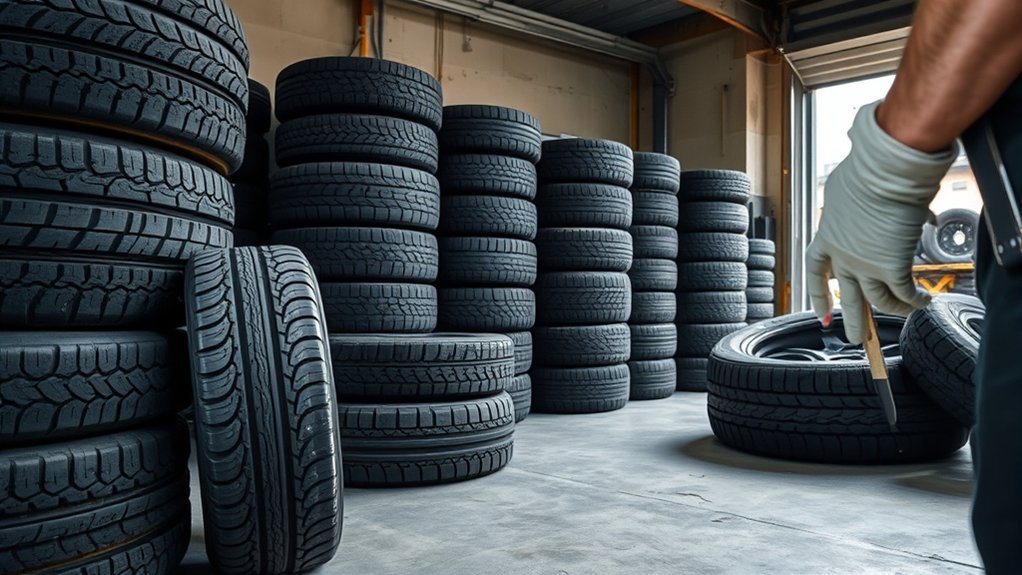
Used tires usually cost $25 to $100 each, while a full set often runs $100 to $400 before mounting and balancing. You’ll pay less for common passenger-car sizes and more for light-truck, performance, or specialty tires. Tread depth, brand, age, and sidewall condition drive most price changes. Compared with new tires, used ones can save 30% to 70%, but inspection is critical. The details behind those numbers can help you buy with confidence.
Key Takeaways
- Used tires typically cost $25 to $100 each, depending on size, brand, tread depth, and condition.
- A full set usually ranges from $100 to $400, not including mounting and balancing.
- Passenger-car tires are usually cheaper than light-truck or performance tires.
- Better tread depth, even wear, and clean sidewalls increase used tire prices.
- Used tires cost 30% to 70% less than new tires but have less remaining life.
[Products Worth Considering]

Monitor tire tread wear with a smart, color-coded depth gauge that shows clear condition ranges at a glance. The bar is range marked for fast, easy readings, helping you maintain safer traction and performance. Each gauge is portable with a pocket clip, and the set includes 20 units for daily use and sharing.

Accurately measure tire tread depth with a calibrated gauge marked from 0 to 1 inch in 1/32 inch increments. The color-coded bar helps you quickly identify tread condition ranges, supporting safe driving for trucks, motorcycles, automobiles, and passenger vehicles.

Measure tire tread depth quickly and accurately with this LUMITECO dial gauge that reads in 1/32" increments up to 14/32". The color-coded green/yellow/red zones make it easy to judge tire wear and know when replacement is needed. A rugged, compact design with a protective pouch helps keep the gauge ready for use on cars, trucks, motorcycles, and more.
How Much Do Used Tires Cost?
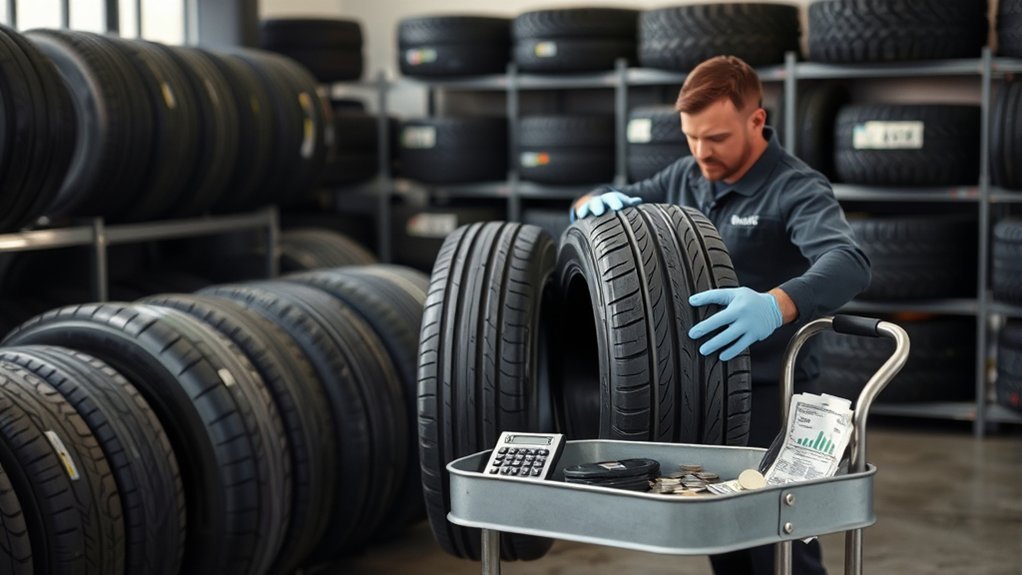
Used tires typically cost between $25 and $100 each, depending on tread depth, tire size, brand, and overall condition. You can expect passenger-car tires to sit near the lower end, while light-truck and performance tire types often reach higher prices.
If you’re pricing a full set, your total usually ranges from $100 to $400, before mounting and balancing. You should inspect each tire for usable tread, even wear, and sidewall damage before you buy. Measure tread depth with a gauge; anything below 4/32 inch offers limited service life.
Compare DOT date codes, since older stock may age out faster. Practical buying tips include matching load and speed ratings to your vehicle, verifying uniform size, and asking whether the tire has been patched.
You’ll get better value when you balance price against remaining tread and expected mileage. Shopping locally can also reduce shipping costs and let you inspect the tires firsthand before purchasing.
Why Do Used Tire Prices Vary?
Used tire prices vary because you’re paying for different tread depths, sidewall wear, and remaining service life.
You’ll also see higher or lower costs based on brand, tire size, and whether the tire fits a common or specialty application.
Local market demand can push prices up or down when certain sizes or conditions are harder to source.
Tire Condition Differences
Tire condition has the biggest impact on used tire pricing because tread depth, sidewall integrity, wear pattern, age, and prior repairs all affect remaining service life.
You’ll pay more for tires with even wear, strong carcass structure, and no puncture history, because they need less immediate replacement risk.
In tire grading, sellers usually sort inventory by measurable tread and visible defects, so higher grades command higher prices.
If you see cupping, shoulder wear, dry cracking, or uneven wear patterns, expect a lower price since those signs suggest alignment issues or reduced durability.
Repairs lower value too, especially if patches are poorly placed or multiple.
You should inspect both inner and outer sidewalls closely before buying.
Brand And Size
Brand and size also move used tire prices because demand isn’t spread evenly across every fitment. You’ll usually pay more for popular tire brands with strong reputations, since buyers trust their tread life, wet grip, and casing quality.
Premium names often retain value better than budget labels. Size variations matter just as much: common passenger sizes usually cost less, while larger, low-profile, or specialty sizes can command higher prices because they’re harder to replace.
If you need an uncommon width, aspect ratio, or rim diameter, sellers can price it higher to reflect scarcity and inspection effort. Always match the exact size code on your vehicle placard, because even small differences can change fit, load capacity, and safety.
Local Market Demand
Local supply and demand can shift used tire prices just as much as size and brand. If your area has high vehicle turnover, you’ll usually see tighter inventory and higher asking prices.
When local competition is strong, shops may lower margins to move stock faster, but scarce sizes still cost more. You should watch market trends in nearby cities, because one market can influence another through cross-shopping.
Seasonal demand also matters; winter changes, road trips, and school cycles all affect pickup rates.
- High demand reduces discounting
- Low supply raises prices
- More dealers improve selection
- Seasonal spikes change turnover
- Regional trends affect negotiations
Used Tire Prices by Size and Type
Used tire prices vary widely by size and type, with small passenger-car tires often starting around $25 to $50 each, while larger SUV, truck, and performance tires can run $60 to $150 or more.
You’ll usually pay less for common 15- to 17-inch sizes because supply is broader and replacement demand is steady. As tire size increases, prices climb because inventory shrinks and handling demands rise.
You should also expect premiums for specialty types such as run-flat, low-profile, all-terrain, and winter tires, since these models are harder to source. A matching tread pattern can matter too, especially if you need a full set for the same axle or vehicle balance.
If you compare quotes, ask sellers to identify exact tire size, load rating, and speed rating so you can judge whether the price is justified. That way, you’ll avoid overpaying for a tire that doesn’t fit your vehicle or driving needs.
How Tread Depth Affects Used Tire Prices
You’ll usually pay more for used tires with deeper tread because they offer more remaining service life and better wet traction.
As tread approaches the legal minimum, price drops fast since the tire has less usable mileage left and may need replacement sooner.
You should compare tread depth in 32nds of an inch, not just overall appearance, to judge real value.
Tread Depth Pricing
Tread depth is one of the biggest price drivers in the used tire market, because it directly reflects how much usable life remains and how much safety margin the tire still has. When you compare options, you’ll see tread depth as one of the main price factors.
Deeper tread usually costs more, since it can deliver longer service and better wet-road performance.
- Measure tread depth in multiple grooves
- Compare all four tires individually
- Check for uneven wear patterns
- Ask for actual depth readings
- Pay more for consistent tread depth
If one tire is far more worn than the others, its price should drop. You should also expect premium pricing when tread is uniform, because buyers value predictable remaining mileage and simpler matching for replacement sets.
Legal Tread Limits
Legal minimum tread depth sets a hard floor for used tire pricing, because tires near the wear bars have far less remaining life and may not meet inspection requirements in some areas.
You should check the measured tread depth against local legal regulations before you price or buy a set. In many places, 2/32 inch is the minimum, so tires at or below that point carry little market value.
Even small differences in tread wear matter: a tire at 6/32 inch usually sells for more than one at 4/32 inch, since buyers can document compliance and delay replacement.
You should also verify uniform wear across the tread, since uneven tread wear can indicate alignment issues and reduce confidence in the tire’s condition.
Remaining Life Value
Remaining life drives most of the price difference in used tires, because every 1/32 inch of tread depth represents measurable miles of usable service.
You should treat tread depth as a direct input to value assessment, not just a wear number. A tire at 8/32-inch usually offers better tire longevity than one at 4/32-inch, so it’ll justify a higher price.
- Measure all four tires
- Compare center and shoulder wear
- Check for uneven wear patterns
- Discount repairs, plugs, or patches
- Price deeper tread higher per tire
Use the shallowest reading, since that limits service life. If tread is near replacement, you shouldn’t pay much; if it’s above 6/32-inch, the tire retains stronger remaining life value.
How Brand, Age, and Condition Affect Price
Brand, age, and condition have a direct impact on what you’ll pay for used tires. Premium tire brands often command higher prices because they usually retain tread consistency, casing strength, and resale demand. You should weigh age factors carefully: even with good tread, older tires can cost less due to rubber hardening and storage risk. Condition importance is critical; sidewall cracks, uneven wear, or punctures reduce value fast. Market variations also matter, since local supply, tire size, and seasonal demand can shift quotes.
| Factor | Low Price Signal | High Price Signal |
|---|---|---|
| Brand | Unknown or budget | Premium, trusted |
| Age | Older, near service limit | Recent, properly stored |
| Condition | Visible wear or damage | Clean, even tread |
When you compare listings, check the DOT date, tread depth, and repair history. These technical details help you judge whether the asking price matches real usable life.
[Products Worth Considering]

The SAFELIFE dial tire tread depth gauge measures tread depth in 1/32 inch increments with clear, easy-to-read 2-inch dial face. Color zones using a traffic light system help you quickly judge whether tread is low, marginal, or ample for safer driving. Built with a durable zinc cast body and a metal detect probe for precise, comfortable use across cars, motorcycles, trucks, and buses.

This tire inflator with pressure gauge delivers long-lasting performance with a durable rubber-protected gauge and sturdy build. The longer hose and 360 swivel air chuck help you seal the valve securely and keep your hands free while measuring, inflating, or deflating. It’s battery-free for reliable use and provides ±2 PSI accuracy in the mid-range for most typical tires, with universal compatibility for 1/4 NPT compressor outputs.

Measure tyre tread depth precisely with a digital gauge that reads in both MM and inches, helping you monitor safe driving conditions. The large LCD screen is easy to operate, and the compact tool fits for cars, trucks, and motorcycles. It provides high accuracy with a 0-25.4mm range and includes a 1-year warranty for added peace of mind.
Used Tire Prices vs. New Tires
Used tire prices usually look attractive next to new tire prices, but the gap makes more sense when you compare remaining tread, age, and risk. In a direct cost comparison, you might pay 30% to 70% less for used rubber, yet you also accept shorter service life and narrower performance margins.
New tires deliver full tread depth, consistent traction, and predictable braking, especially in wet or cold conditions. Used tires can still work for low-mileage driving, but you need to weigh performance differences against savings.
New tires offer full tread and predictable braking, while used tires trade performance for savings.
- Lower upfront cost
- Reduced tread life
- Greater wear variability
- Smaller safety buffer
- Less predictable handling
You should calculate cost per mile, not just sticker price. If a used set lasts half as long, its real value drops quickly.
For daily commuting, new tires often justify the premium; for temporary use, used tires can fit your budget.
Where to Buy Used Tires Safely
To buy used tires safely, start with sellers that can verify tire history, inspect inventory in person, and provide clear return terms.
Prioritize established tire retailers and salvage yards that document sourcing, mileage, and storage conditions. Ask whether they track DOT codes, list age, and separate puncture repairs from unserviceable stock.
You should also compare online marketplaces only when the seller offers detailed photos, measured tread depth, and a written invoice. Avoid listings that hide location, refuse pickup, or push cash-only deals without paperwork.
If possible, choose sellers with mounting, balancing, and installation services, because that usually signals better accountability.
Check whether the business follows local consumer rules and issues receipts that match the tire’s size and serial data.
When you buy from a reputable shop or vetted marketplace, you reduce transaction risk and improve traceability, which matters when you need a safe fit for daily driving.
Signs a Used Tire Is Worth Buying
A solid used tire should show even tread wear, no sidewall cracks, and enough tread depth for safe service, usually well above the wear bars. You should also check tire age, because rubber hardens over time even when tread wear looks acceptable. A recent manufacture date usually means better elasticity, stronger grip, and longer usable life.
- Uniform shoulder and center wear
- Clean bead area with no damage
- Flexes without visible splits
- DOT date not excessively old
- Matching size and load rating
If the casing looks straight and the tread pattern remains consistent, you’re likely seeing a tire with useful life left.
Avoid tires with uneven wear patterns, embedded repairs, or dry-looking rubber. A good used tire should still support normal driving loads without noise or vibration.
When the visible condition, tread wear, and tire age all align, you can buy with more confidence and fewer surprises.
How to Inspect Used Tires Before Paying
Before you pay, inspect the tire in bright light and run a hand over the tread, sidewalls, and bead to catch cuts, bulges, exposed cords, or hidden repairs. Measure tire tread depth, check sidewall inspection points, and note age indicators on the DOT code. Verify air pressure holds steady after inflation; a slow leak often signals poor puncture repairs. Look for uneven wear across the inner and outer shoulders, which can reveal alignment or suspension damage.
| Check | What to Look For | Why It Matters |
|---|---|---|
| Tread | Even depth, no cracks | Predicts grip and life |
| Sidewalls | Bulges, cuts, patches | Exposes safety concerns |
| Bead | Fresh damage, seal issues | Affects air retention |
| Age | DOT date, dry rot | Shows remaining service life |
| Repairs | Proper plugs, patches | Confirms purchase tips |
If anything looks questionable, walk away and compare options.
Frequently Asked Questions
Can Used Tires Be Financed or Paid in Installments?
Yes, you can often finance used tires through installment options or financing plans at participating dealers. You’ll usually need approved credit, and terms, fees, and minimum purchase amounts can vary, so check the contract carefully.
Are Used Tire Prices Negotiable at Most Shops?
Yes, you can often negotiate used tire prices, but it depends on tire quality and installation costs. You’ll get better terms when you inspect tread depth closely, compare quotes, and ask for a package discount.
Do Used Tires Come With Any Warranty or Guarantee?
Yes, you’ll sometimes get limited warranty options, but they depend on tire condition and shop policy. You should inspect tread, sidewalls, and repairs carefully, because many used tires sell “as-is” with no guarantee.
How Long Does a Typical Used Tire Last?
You can expect a used tire to last about 20,000 to 40,000 miles, depending on tire lifespan, tread depth, driving habits, and maintenance. You’ll need to inspect wear regularly and replace it sooner if damage appears.
Can Used Tires Be Mounted for Free?
Usually, you won’t get used tire mounting free; shops often charge installation fees. You can ask for tire mounting promotions, but expect labor costs. Verify balancing, valves, and disposal charges before you agree to service.
Conclusion
So, when you shop for used tires, you should compare cost, check tread depth, and inspect age, wear, and sidewall condition. You can save money, but only if you buy smart and stay safe. Seek solid sellers, study size and brand, and scrutinize every tire before you pay. Smart, steady tire selection helps you secure safer savings without surprise problems. Use caution, confirm condition, and choose carefully.
[Products Worth Considering]

The TOOLITIN floor bike pump delivers high pressure performance with an easy-to-read gauge so you can dial in the right tire pressure for safer rides. It is compatible with both Presta and Schrader valves and features a stable, durable design for efficient pumping. Suitable for road, MTB, and hybrid tires as well as inflating sports balls and other inflatables, it also includes ball and bladder needles and convenient accessory storage.
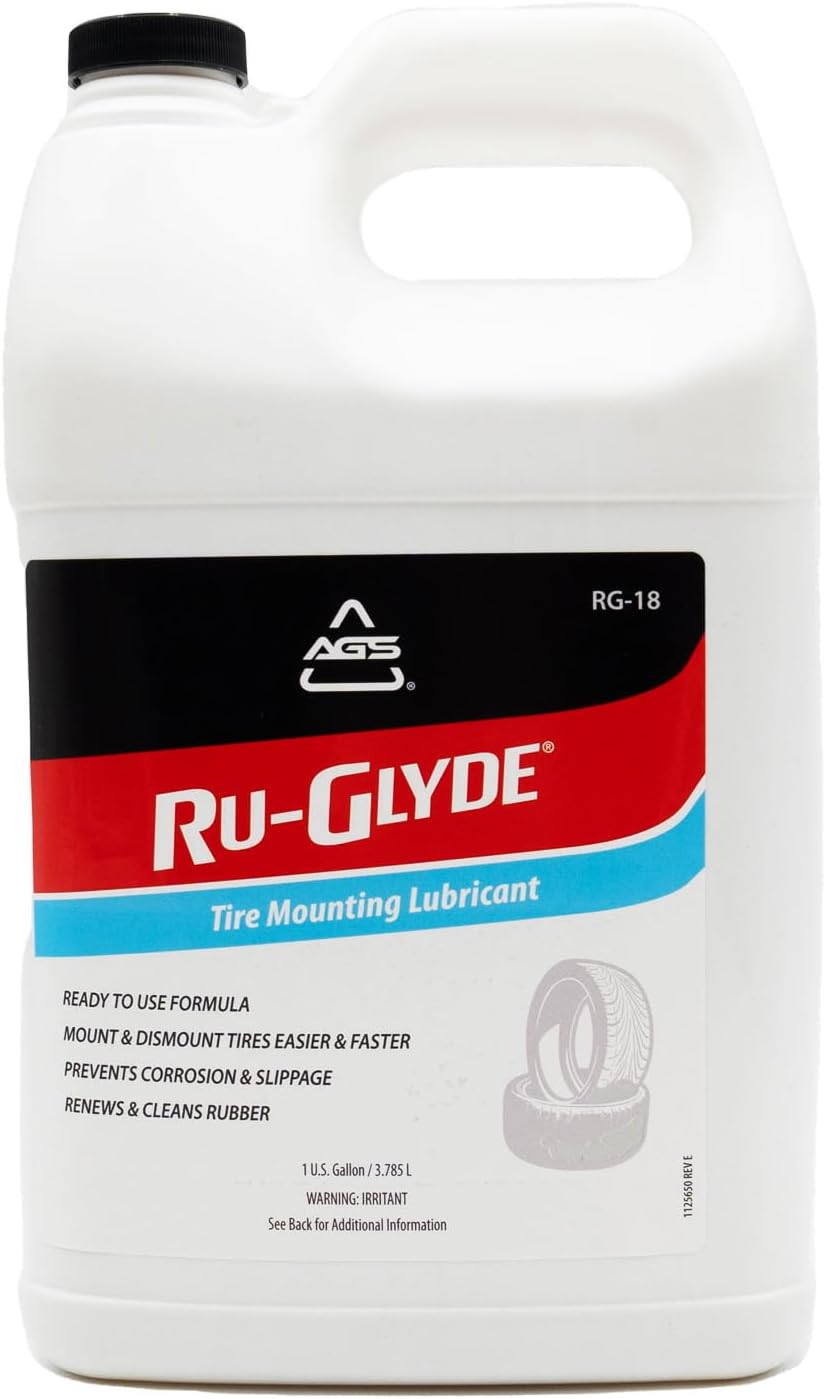
Ru-Glyde tire mounting lubricant from AGS seats tire beads smoothly on the first try with a thick, stay-put formula. It is ready to use with no mixing or dilution, helps prevent rim rust, and dries completely without causing bead slip residue. The water-based formula also conditions aged rubber, making it useful for sidewalls, gaskets, and door seals while remaining safe for tire, wheel, and technicians.

The Milton S-693 straight foot dual head air chuck is designed for accurate tire pressure checks and quick, secure valve-core engagement with lock-on threads on both ends. With a 1/4" FNPT connection and a maximum 150 PSI rating, it’s built for use on inner duals and common vehicle tires, including trucks and RVs.

Related Articles
Walmart Tire Return Policy: Rules and Time Limits
At Walmart, tire returns have strict rules and time limits, but one overlooked detail could determine whether your refund gets approved.
Read More
How Often Does Costco Have Tire Sales?
Just how often does Costco discount tires, and when are the biggest savings hidden?
Read More
How Much Do Rims Cost? Full Price Breakdown
Starting prices surprise many drivers, but this full breakdown reveals what really drives rim costs—and which options may save you most.
Read More