
Is Blackhawk a Good Tire Brand? Performance Review & Rating
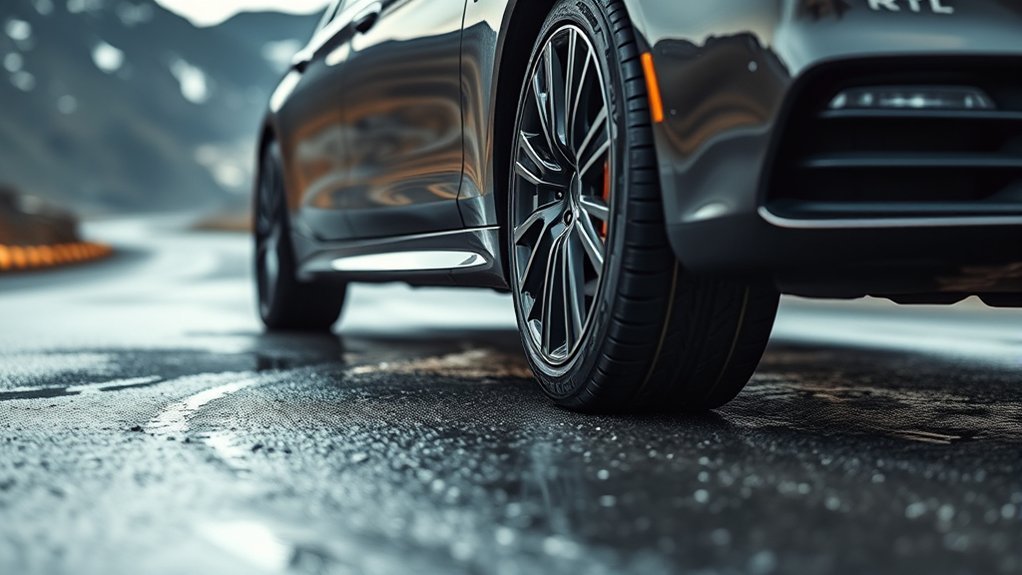
Blackhawk tires can be a smart budget pick if you want lower upfront cost, decent everyday traction, and basic warranty support without paying premium-brand prices. They are best for normal commuting, highway driving, and mild to moderate weather. They are not the best choice if you need top-tier winter grip, luxury-level quietness, or the longest possible tread life.
Quick Answer
Blackhawk tires are good for budget-focused drivers who mostly drive in dry, wet, and mild seasonal conditions. They offer solid value, practical treadwear warranties on select models, and a broad lineup. Choose a dedicated winter or 3PMSF-rated all-weather model if you regularly face snow, ice, or freezing temperatures.
Key Takeaways
- Blackhawk is a value-focused tire brand with passenger, SUV/CUV, all-terrain, all-weather, commercial, trailer, and winter options.
- Warranty coverage varies by model, with select passenger and light truck tires listed from 40,000 to 60,000 miles under Blackhawk’s U.S. limited mileage warranty.
- The best fit is everyday driving in mild weather, especially if you care more about price and basic dependability than premium refinement.
- For harsh winter driving, look for the Blackhawk Agility AWT with 3PMSF certification or a dedicated winter tire such as the Ice Prey BW10.
- Always match the tire to your exact vehicle size, load index, speed rating, climate, and driving style before buying.
Are Blackhawk Tires Worth It?
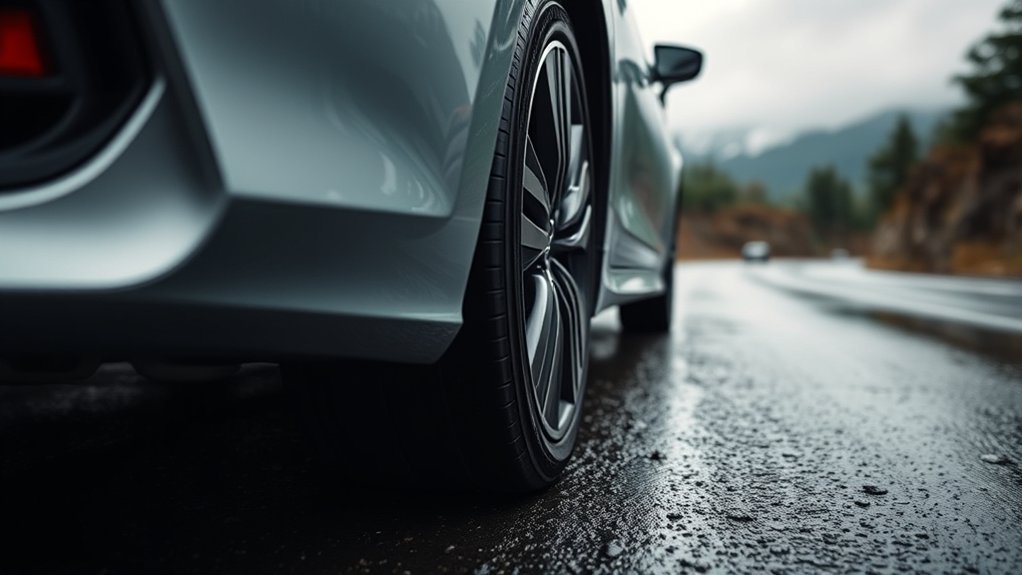
Blackhawk tires are generally worth it if you want a budget-friendly tire for daily driving and you do not need the quietest, longest-lasting, or most winter-capable tire on the market. The brand’s lineup covers common passenger cars, SUVs, crossovers, light trucks, all-terrain use, all-weather use, and winter driving, so the right answer depends on the exact Blackhawk model you choose.
The strongest reason to consider Blackhawk is value. Models such as the Blackhawk HH11 and Blackhawk Agility SUV are positioned for everyday comfort, wet traction, and predictable road manners. The tradeoff is that Blackhawk usually does not match premium brands for ride refinement, advanced testing reputation, or severe-weather confidence across the whole lineup.
Note: Do not judge the whole brand by one warranty number or one review score. Blackhawk model warranties, ride comfort, treadwear, and winter performance vary by tire line.
[Products Worth Considering]

This 61-piece tire repair screw kit helps you fix punctures quickly by aligning the screw plugs and twisting clockwise, finishing the repair in seconds. The self-sealing...
Best Blackhawk Tire Models by Driving Need
Use the model type first, then compare your exact tire size and retailer price. Here is the simplest way to match Blackhawk tires to the job.
| Blackhawk Model | Best For | Main Tradeoff |
| HH11 All-Season Touring | Daily commuting, wet roads, and basic comfort | Not a severe-winter tire |
| Agility UHP AS | Sportier all-season handling and highway use | May ride firmer than touring tires |
| Agility SUV | Crossovers and SUVs needing comfort and wet traction | Not meant for aggressive off-road use |
| Agility AWT | Drivers who want one all-weather tire with 3PMSF certification | Still not a full replacement for a dedicated winter tire in extreme ice |
| Ridgecrawler A/T or R/T | Light truck, SUV, gravel, and mixed pavement use | Can be noisier than highway touring tires |
| Ice Prey BW10 | Cold climates, snow, slush, and winter road control | Seasonal tire; not for warm-weather year-round use |
Blackhawk Tire Performance on Dry and Wet Roads
On dry pavement, Blackhawk’s everyday touring and SUV tires are designed for predictable steering, stable lane changes, and normal commuting speeds. They are not usually the first choice for track driving or high-end performance cars, but they can feel stable and controlled for daily use when matched correctly to the vehicle.
Wet-road performance is one of the stronger selling points across several models. Blackhawk’s HH11 uses four wide circumferential grooves to help move water away from the tread, while the Agility SUV uses wide circumferential grooves and shoulder lateral grooves for water evacuation. Those design choices can help reduce hydroplaning risk when tread depth is healthy, but they do not replace safe speed, proper inflation, or enough stopping distance in heavy rain.
Pro Tip: If your main concern is rain, compare tread depth, groove design, UTQG traction rating, and recent owner reviews for your exact size—not just the brand name.
Blackhawk Tire Tread Life and Road Noise
Blackhawk tread life is best described as practical, not premium. The official U.S. passenger and light truck warranty lists limited mileage coverage by model, with select tires ranging from 40,000 to 60,000 miles. For example, HH11, Agility SUV, Agility AWT, and HT01 are listed at 60,000 miles, while other lines are listed lower.
Blackhawk’s value is strongest when you choose the correct model and maintain it properly. The warranty is useful, but it is not a promise that every driver will get the same mileage.
Road noise is acceptable for the price on many touring and SUV options, but it can vary as the tire wears. More aggressive tread patterns, such as all-terrain or rugged-terrain tires, may create more hum than touring tires. If quietness is your top priority, compare owner reviews for your exact model and consider a premium touring tire.
What the Blackhawk Warranty Really Covers
Blackhawk’s U.S. limited warranty applies to eligible replacement passenger and light truck tires used in normal highway service. Coverage is limited to the original purchaser and is tied to usable tread depth, time limits, proof of purchase, and proper maintenance. The warranty also excludes problems caused by neglect, improper inflation, misalignment, road hazards, racing, improper repairs, commercial use, and several other conditions.
To keep limited mileage protection, Blackhawk says tires must be properly inflated, balanced, rotated, and aligned as recommended by the vehicle manufacturer. The warranty also says tires should be rotated at least every 6,000 miles if the vehicle owner’s manual does not specify a different interval.
Warning: A mileage warranty is not the same as guaranteed tread life. Keep purchase receipts, rotation records, alignment records, and inflation records if you expect to make a warranty claim.
Blackhawk Tire Winter Limits and Tradeoffs

Winter performance depends heavily on which Blackhawk tire you buy. A standard all-season model can handle mild cold and occasional light snow, but it is not the right tool for frequent ice, packed snow, or deep winter driving. The NHTSA TireWise guide notes that winter tires are more effective than all-season tires in deep snow.
If you want one tire for changing seasons, the Blackhawk Agility AWT is the more relevant option because Blackhawk lists it as Three-Peak Mountain Snowflake certified. If you drive in harsh winter conditions, the Blackhawk Ice Prey BW10 is the dedicated winter choice in the lineup.
You should also remember that the 3PMSF mark is a snow-performance symbol, not a magic ice guarantee. It is stronger winter evidence than a basic M+S marking, but careful driving and the right tire type still matter.
Blackhawk vs. Michelin, Toyo, and Budget Rivals
Compared with Michelin and Toyo, Blackhawk is mainly a value choice. Premium brands often have stronger test reputations, broader original-equipment relationships, more refinement, and more advanced tire lines. Blackhawk competes by giving budget-conscious drivers acceptable everyday performance at a lower typical purchase price.
Michelin is the better choice if you want premium ride comfort, long-wearing touring options, and stronger brand reputation. Michelin says mileage treadwear warranties vary by tire line, so the fair comparison is not “Blackhawk versus Michelin” in general, but one exact Blackhawk tire against one exact Michelin tire in the same size and category.
- Choose Blackhawk if price, basic wet/dry grip, and everyday commuting value matter most.
- Choose Michelin or another premium brand if quietness, refinement, testing reputation, and long-term confidence matter most.
- Compare budget rivals by model warranty, UTQG rating, winter symbol, owner reviews, and final installed price.
Who Should Buy Blackhawk Tires?
Blackhawk tires make the most sense for drivers who want a lower-cost tire from a known value brand and who mainly drive in normal conditions. They are especially worth considering if your current tires are worn out, your budget is tight, and you still want a tire with basic warranty support from an established distribution channel.
- Good fit: commuters, students, family vehicles, used cars, mild climates, occasional rain, and drivers who do not push tires hard.
- Possible fit: SUV and light-truck owners who choose the right Ridgecrawler or Agility model for their driving.
- Poor fit: drivers who need premium quietness, maximum snow-and-ice traction, aggressive high-speed performance, or heavy towing confidence.
Blackhawk Tire Buying Checklist
Before buying, confirm these details so you do not choose the wrong tire:
- Correct size: match the size listed on your driver-door placard or owner’s manual.
- Load index: do not go below the required load rating for your vehicle.
- Speed rating: match or exceed the rating your vehicle requires unless a tire professional confirms otherwise.
- Climate: choose all-season for mild weather, all-weather 3PMSF for year-round mixed weather, or winter tires for harsh cold and snow.
- Treadwear warranty: check the exact model, not just the brand.
- Install price: compare the final total with mounting, balancing, valve stems, disposal, alignment, and road-hazard coverage.
- Maintenance: rotate regularly, keep pressures correct, and inspect tread depth often.
Frequently Asked Questions
Does Blackhawk make good tires?
Yes, Blackhawk makes good tires for budget-focused everyday driving. They are strongest for basic commuting, mild weather, and drivers who want value over premium-brand refinement. They are not the best choice for severe winter roads, luxury-level quietness, or maximum performance driving unless you choose a model built for that use.
Who makes Blackhawk brand tires?
Blackhawk tires are sold through Sailun Tire Americas channels, and Blackhawk’s U.S. limited warranty states that the expressed warranty is made by Sailun Tire Americas. The brand focuses on value-oriented passenger, SUV, light truck, commercial, all-weather, and winter tire options.
How do Blackhawk tires compare to Michelin?
Blackhawk usually wins on upfront value, while Michelin usually wins on refinement, brand reputation, and premium tire technology. Compare exact models in the same size and category because Michelin warranties vary by tire line, and Blackhawk warranties also vary by model.
How long will Blackhawk tires last?
Blackhawk tire life depends on the model, vehicle, alignment, inflation, rotation schedule, road surface, climate, and driving style. The official limited mileage warranty lists select passenger and light truck models from 40,000 to 60,000 miles, but real-world tread life can be lower or higher.
Are Blackhawk tires good in snow?
Some Blackhawk tires are better for snow than others. Standard all-season models are best for mild winter use only. The Agility AWT is listed as a 3PMSF-certified all-weather tire, and the Ice Prey BW10 is the stronger choice for dedicated winter use.
Are Blackhawk tires noisy?
Blackhawk touring and SUV tires are designed to keep road noise reasonable, but they may not be as quiet as premium touring tires. All-terrain and rugged-terrain models can be louder because their tread blocks are more aggressive.
Conclusion
So, are Blackhawk tires worth it? Yes, if you want a budget-friendly tire for normal commuting, mild weather, and everyday wet/dry traction. The main tradeoffs are refinement, premium-brand reputation, and severe-winter confidence on standard all-season models. For the best result, choose the exact Blackhawk model that fits your vehicle, climate, and driving style, then maintain it with proper inflation, rotation, and alignment.
Sources
- Blackhawk USA Limited Warranty — warranty eligibility, exclusions, mileage warranty range, and rotation guidance.
- Blackhawk Tire USA Passenger and Light Truck Lineup — current tire categories and model lineup.
- Blackhawk Agility AWT — all-weather positioning and 3PMSF certification.
- Blackhawk Ice Prey BW10 — dedicated winter tire positioning.
- NHTSA TireWise — tire safety, tire ratings, and winter tire guidance.
- Michelin Warranty Information — premium-brand comparison context showing warranties vary by tire line.

Related Articles

Best 265/70R17 Tires for Toyota 4Runner Under $200 2026 – Top 265/70R17 All-Terrain Tires
You want tires that keep your 4Runner safe, comfortable, and capable without breaking the bank. Choosing the right 265/70R17 set under $200 means balancing…
Read More
best winter tires for toyota 4runner on amazon
You want winter tires that keep your Toyota 4Runner predictable and safe when roads turn icy or snowy. Choosing tires on Amazon lets you…
Read More
best 285/70R17 tires for toyota 4runner on amazon
You want tires that fit your Toyota 4Runner and handle the mix of highway miles, wet roads, and occasional trails without surprises. Choosing the…
Read More