
DDJ Bike Tire Repair Kit Review: 43PCS Bicycle Tube Patch Kit with Levers and Rasp
Disclosure: As an Amazon Associate, we earn from qualifying purchases. If you click a link on this page and make a purchase, we may receive a small commission at no extra cost to you.
A flat inner tube can turn a normal commute or weekend ride into a long walk. The DDJ 43PCS Bike Tire Repair Kit gives you patches, tire levers, surface-prep tools, and curing fluid in one compact case, so you can handle many small punctures away from home. Its main strength is quantity and completeness for a low-cost kit, while its main limitation is that it does not replace a spare tube, pump, or tubeless repair system. This review explains what is included, how to use it, and who will get the most value from it.
Quick Verdict
Rating: 8.3/10, recommended with caveats
Best For: Commuters, recreational cyclists, and riders who want a compact inner-tube patch refill kit.
Bottom Line: You get 30 patches and the main tools needed for traditional tube repairs in a portable case. The kit is useful for small punctures, but you still need inflation equipment and should carry a spare tube for cuts, valve failures, or time-sensitive repairs.
Key Specifications
| Specification | Detail |
|---|---|
| Brand | DDJ |
| Product type | Inner-tube puncture repair kit |
| Total listed pieces | 43 |
| Patches | 30 vulcanizing patches in multiple sizes |
| Curing fluid | 3 quick-drying packets |
| Tire levers | 2 steel levers |
| Surface-prep tools | 4 metal files and 4 sandpaper sheets |
| Storage | Compact carrying case |
| Best use | Small punctures in compatible rubber inner tubes |
| Not included | Pump or inflator, spare tube, wheel-removal tools, and tubeless plug tools |
[Products Worth Considering]

This PXZBLG bike repair kit helps you tackle common tire and on-the-ride issues with a compact, ride-ready tool collection. It includes a mini tire pump supporting both Presta and Schrader valves, a 16-in-1 bike multitool, tire levers, glueless patches with a plastic box, plus 4mm and 5mm Allen wrenches. A convenient bike bag stores everything so you can mount it on your road bike or mountain bike for lightweight, portable preparedness.

Tiakia’s mini high-pressure frame pump delivers up to 260 PSI for faster, more efficient inflations with an optimized intake volume. It features a double-head valve design compatible with Schrader and Presta, plus a conversion for Donlop, making it versatile for bikes and many inflatables. The lightweight anodized aluminum build includes a mounting bracket for convenient carry, while the flexible high-pressure hose and IPX4 waterproof body support outdoor use.

This 4-pack kit converts Presta bike valves to standard Schrader valves so you can inflate with any regular pump or air compressor. The solid brass adapters include an O-ring for a tight, leak-proof seal and provide a simple screw-on setup. Compatible with road bikes, mountain bikes, e-bikes, and e-scooters, it’s designed for convenient, everyday carry readiness.
What Is the DDJ 43PCS Bike Tire Repair Kit?
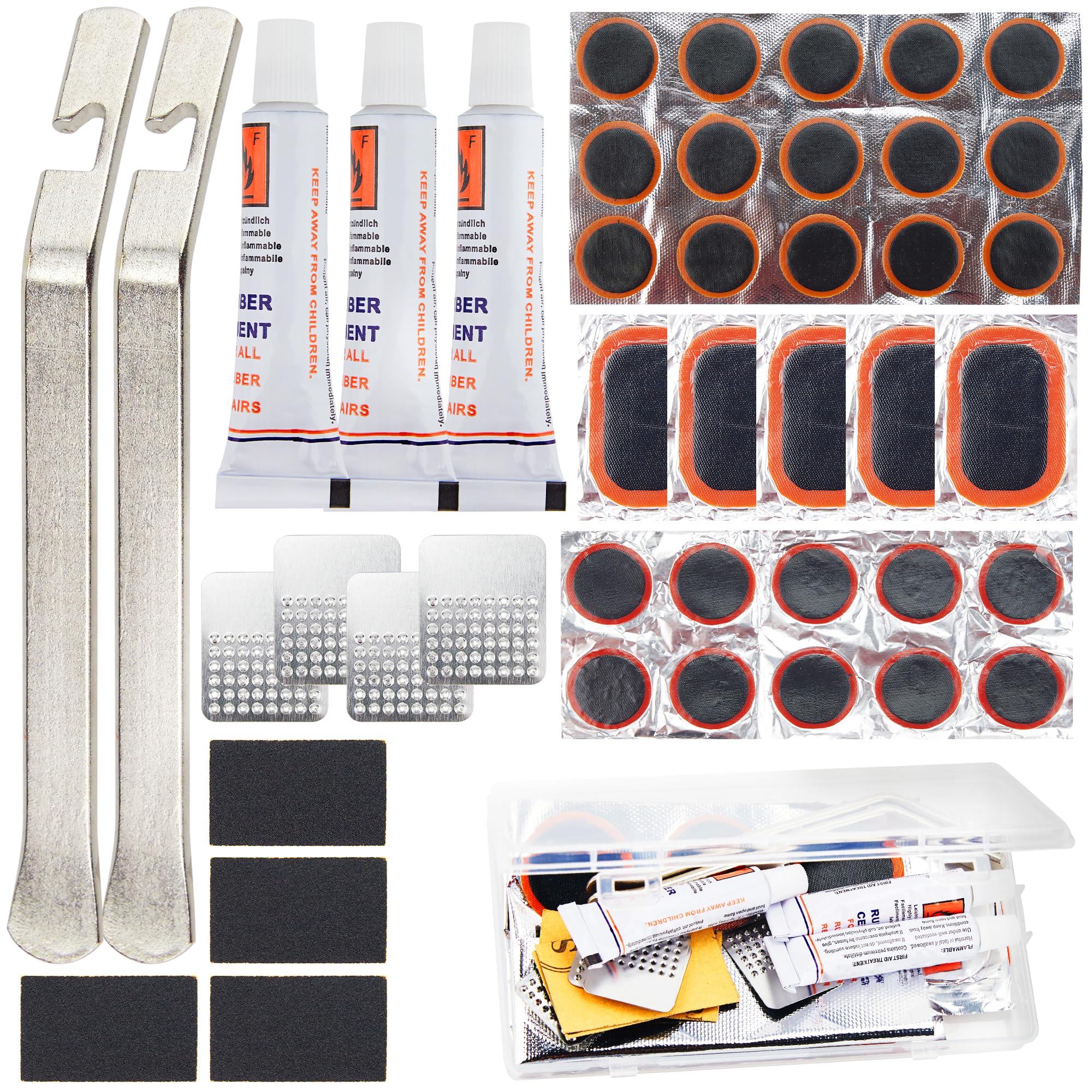
The DDJ kit is a portable repair set for punctured inner tubes. Its 43 listed pieces include 30 patches, three curing-fluid packets, two steel tire levers, four metal files, and four sheets of sandpaper. That mix lets you remove many bicycle tires, prepare the damaged tube surface, apply curing fluid, and press on a patch.
The kit is aimed at road, hybrid, mountain, and commuter-bike riders who use replaceable inner tubes. The listing also describes broader use with compatible pneumatic inner tubes, but you should confirm the tube material and repair instructions before using the kit on scooters, strollers, wheelchairs, motorcycles, or ATVs. It is not a plug kit for a tubeless tire casing.
Before You Buy: This is not a complete flat-tire system. You still need a pump or inflator, and some bikes require axle tools to remove the wheel. Carry a correctly sized spare tube because cuts, damaged valves, failed seams, and badly torn tubes may not be patchable on the road.
Who Should Buy It?
Best For
- Commuters who want several traditional patches in a small case
- Recreational riders building a basic saddle-bag repair setup
- Households with several inner-tube bikes that need an affordable refill supply
Skip If
- Your bike is tubeless and you need plugs, sealant, or a tire boot
- You use a specialty tube material that does not allow standard vulcanizing patches
- You want a one-step, peel-and-stick repair with no curing fluid
Patch Quantity and Repair Coverage
The strongest buying point is the supply of 30 patches. A small branded kit often includes only enough patches for a handful of repairs, while this set gives you more replacements for a family bike rack, garage workbench, or long riding season. Multiple patch sizes also help you choose a patch that extends beyond the damaged area without covering unnecessary tube surface.
Patch quantity does not make every tube repairable. A clean pinhole from a thorn or small piece of glass is a reasonable patch candidate. A split near the valve, a torn seam, a long cut, or damage caused by the tire bead usually calls for a replacement tube.
Steel Levers and Surface-Prep Tools
The two steel tire levers provide more rigidity than thin disposable plastic levers. That can help with tight tire beads, but metal also demands care. Work in small steps, keep the lever away from the tube, and avoid forcing it against delicate rims or rim tape.
Four metal files and four sandpaper sheets give you several ways to lightly roughen the repair area. The goal is to remove surface shine and contamination, not grind deeply into the tube. A prepared, dry surface gives the curing fluid and patch a better chance to bond evenly.
Curing Fluid and Patch Reliability
Traditional vulcanizing patches can create a durable repair when the puncture is small and the surface is prepared correctly. Apply a thin, even coat of curing fluid over an area slightly larger than the patch, let it become ready according to the product instructions, then center the patch and press firmly across the middle and edges.
The main practical concern is storage life. Curing fluid can dry out after a packet or tube is opened, so inspect each packet before a trip and replace hardened or leaking supplies. The patch backing can also be fiddly, especially with cold hands or poor light.
Pro Tip: Mark the hole before sanding, then inspect the inside of the tire for the thorn, wire, glass, or sharp rim edge that caused the puncture. Installing a repaired tube without removing the cause can produce another flat within minutes.
Portability and What You Still Need
The compact case is suitable for a saddle bag, backpack, tool roll, or garage drawer. Because the kit contains many refill items, you can also carry a smaller ride-specific selection and leave the extra patches and prep tools at home.
For a complete roadside setup, pair the kit with a mini pump or CO2 inflator, a spare tube in the correct size and valve type, and any wrench needed for your wheel. A tire boot or folded emergency boot material can also help when the tire casing has a cut that would otherwise let the tube bulge through.
What Buyers Say
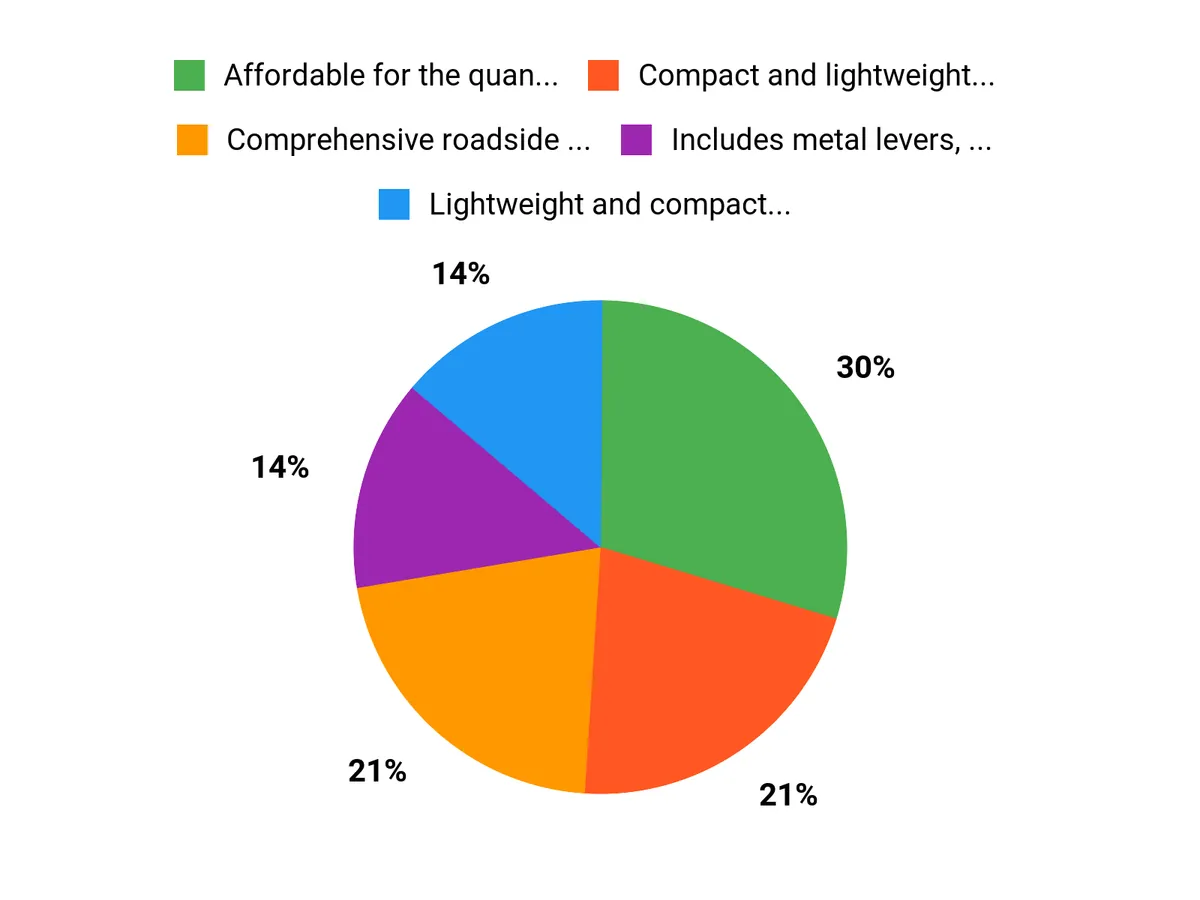
Buyer feedback summarized with the original article is generally positive about the number of patches, compact storage, and inclusion of metal levers and abrasive tools. Those comments fit the kit’s main appeal: it gives you a broad refill supply without taking much space.
The most useful cautions concern patch backing that can be difficult to peel and occasional packaging damage. Those are worth checking as soon as the kit arrives, especially because damaged curing-fluid packets can make the set less useful during an emergency.
Overall Sentiment: Positive

Pros and Cons
Pros
- Includes 30 patches for repeated repairs and refills
- Provides two steel levers plus files and sandpaper
- Three curing-fluid packets reduce reliance on one opened container
- Compact case is easy to keep in a saddle bag or backpack
- Useful for many small punctures in compatible inner tubes
Cons
- Does not include a pump, inflator, spare tube, or tubeless plugs
- Metal levers can damage a tube or rim when used carelessly
- Traditional patches require preparation, curing fluid, and more time than a tube swap
[Products Worth Considering]

Convert Presta bicycle valves to accept standard Schrader pump nozzles for fast, hassle-free inflation. This kit includes durable brass adapters with leak-resistant connections, plus sports inflation needles and protective valve caps for convenient use on bikes and ball sports equipment.

Secure bicycle wheels with these adjustable bike rack straps designed to keep tires from spinning during transportation and storage. The nylon straps provide dependable grip with slip resistance, while the durable hook and buckle help maintain a snug fit. Each set includes four 24-inch straps and offers flexible use for other gear like ropes, hoses, mats, and more.
How It Performs in Real Use
Daily Commuting
For a thorn or small wire puncture, the kit can help you repair the tube and continue riding after you locate the cause. The number of patches is useful for repeat commuters, but a spare tube is usually faster when you are trying to reach work or an appointment.
Weekend Road and Mountain Rides
The compact case is easy to carry, and the steel levers may help with firm tire beads. Trail grit, rain, and cold can make surface preparation harder, so keep the patches and curing fluid sealed and dry until needed.
Multi-Day Tours
Thirty patches make the DDJ set a practical refill source for longer trips. You should still divide your repair plan between patches, at least one spare tube, inflation equipment, and a tire boot because one type of repair cannot cover every failure.
Home and Family Bike Maintenance
The larger patch supply works well at a home workbench where you have better lighting, time, and access to a floor pump. You can repair several standard tubes instead of discarding each one after a small puncture, provided the rubber remains in good condition.
How to Use It Correctly
- Remove the wheel when needed, fully deflate the tube, and use the levers carefully to lift one tire bead.
- Take out the tube, add a little air, and locate the leak by listening, feeling, or using water at home.
- Mark the hole, inspect the tire and rim area, and remove the object that caused the puncture.
- Dry the tube, lightly roughen an area larger than the chosen patch, and wipe away loose dust.
- Apply a thin layer of curing fluid according to the kit directions and wait as instructed before placing the patch.
- Center the patch over the hole, press firmly across the full surface, and pay close attention to the edges.
- Reinstall the tube without pinching it, seat the tire bead evenly, inflate gradually, and check that the tire is seated correctly.
Do not overinflate an unmounted tube to test the patch. The tire supports the tube during normal inflation, while an unsupported tube can stretch unevenly.
Compatibility and Safety
This kit is designed around traditional inner-tube repairs. Do not use the patches as substitutes for tubeless plugs, internal tire boots, or repairs to a damaged tire casing. Check the markings and manufacturer instructions for latex, TPU, and other specialty tubes because standard curing fluid may not be compatible.
Use curing fluid in a ventilated area, keep it away from flames and heat, avoid skin and eye contact, and follow the package warning label. Store the kit where children cannot reach the sharp files, metal levers, patches, or chemical packets.
Long-Term Cost Benefits
Repairing a sound tube with one small puncture can reduce the number of replacement tubes you buy. Because this kit includes 30 patches and several prep tools, the cost per successful repair can be low when you use it regularly and store the curing fluid correctly.
The savings disappear when a patch fails because the puncture cause was not removed or the tube was too damaged. Replace tubes with torn valves, split seams, large cuts, or rubber that has become brittle.
Is It Worth the Price?
The DDJ kit sits in the budget end of the repair-kit market and offers strong value through quantity. It makes the most sense for buyers who already own a pump and spare tubes but need more traditional patches, levers, and surface-prep supplies.
It is less attractive if you want a premium branded patch system, detailed manufacturer support, or a fast peel-and-stick solution. Current Amazon price and availability can change, so compare the live listing with the condition and completeness of the kit before ordering.
How It Compares to Alternatives
The Park Tool VP-1 is a smaller, established vulcanizing kit with fewer patches and clear compatibility guidance, so it may suit riders who value branded instructions over quantity. Slime peel-and-stick bicycle patches favor speed and simplicity, but traditional vulcanizing patches are generally chosen when you are willing to spend more time preparing the tube for a durable bond.
The DDJ kit makes the most sense when you want a larger patch supply, two metal levers, and several abrasive tools in one case. A complete roadside tool kit with a pump, spare tube, and tire boot is a better choice when you are starting from scratch.
Why Riders Choose
Riders choose this kit for the combination of 30 patches, multiple curing-fluid packets, steel levers, and surface-prep tools. It is compact enough for everyday carry and generous enough to serve as a refill source at home, but it works best as one part of a broader flat-repair setup.
Frequently Asked Questions
Are the DDJ patches suitable for tubeless tires?
No. This set is presented as an inner-tube patch kit. Tubeless tire casings normally need compatible plugs, sealant, or an internal repair method designed for that tire system.
Should you carry a spare tube as well?
Yes. A spare tube is faster for many roadside stops and covers damage that cannot be patched, including failed valves, torn seams, and larger cuts. The DDJ kit complements a spare rather than replacing it.
Does the kit include a pump or CO2 inflator?
No pump or inflator is listed. Add a mini pump or compatible CO2 system so you can find the leak, reinstall the tube, and return the tire to a safe riding pressure.
How large should the patch be?
Choose a patch that extends beyond the prepared area around the puncture on every side. Center it carefully and press the edges firmly so they do not lift when the tube flexes.
Can the steel tire levers scratch a rim?
They can if they are forced or dragged against a delicate rim surface. Use controlled pressure, avoid trapping the tube, and switch to rim-safe levers when your wheel manufacturer advises against metal tools.
How should you store the curing fluid?
Keep unopened packets sealed, cool, and away from direct heat or flame. Inspect them before important rides because damaged or dried curing fluid can prevent a reliable repair.
Who should skip this repair kit?
Skip it when you use tubeless tires, need specialty-tube compatibility, or want the quickest possible roadside fix. A complete inflation-and-spare-tube kit may also be more useful for a new rider with no existing tools.
The Bottom Line
The DDJ 43PCS Bike Tire Repair Kit is a practical budget choice for commuters and recreational riders who want many traditional inner-tube patches plus basic repair tools. Buy it for the patch quantity and compact case, but skip it if you need tubeless repair gear, specialty-tube compatibility, or a complete flat kit with inflation equipment.
Ready to Buy?
Check the latest price, seller, and product details before you decide.

Related Articles

Best Westlake Tires 2026: Affordable Tires for Daily Driving and All-Season Use
You spend a lot of time on the road, and the tires you choose affect safety, comfort, fuel economy, and long-term costs. Westlake offers…
Read More
Best Sailun Tires 2026: Affordable Tire Picks for Everyday Driving
You rely on tires for safety, fuel economy and ride comfort, so choosing the right Sailun model matters more than just price. This guide…
Read More
Best Snow Tires for Trucks 2026: Winter Truck Tires for Safe Cold-Weather Driving
Winter tires are one of the most effective upgrades you can make to keep your truck safe when temperatures drop and roads become snow-…
Read More